77 Best Churches and Basilicas in Rome
Discover Rome's most breathtaking churches and basilicas, from the grandeur of St. Peter's to hidden medieval gems. Explore ancient mosaics, Baroque masterpieces, and sites of profound religious significance. This curated list highlights must-see religious landmarks and unique spiritual sites for an unforgettable journey through Rome's sacred art and history.

See what's trending
We've done exactly what you would have done—spent hours scrolling through TikTok, Instagram, and Reddit to find the absolute best experiences. These 32 recommendations come from real travelers sharing their unfiltered takes, hidden gems, and insider secrets. No travel agency fluff, just the wisdom of people who've actually been there. This is how everyone really plans their trips these days.


The largest church in the world, St. Peter's Basilica is a breathtaking masterpiece of Renaissance architecture and a major pilgrimage site. Prepare to be awestruck by its sheer scale, intricate details, and iconic dome.
Tip: Arrive early to avoid long queues, especially during peak season. Consider a guided tour for deeper insights.
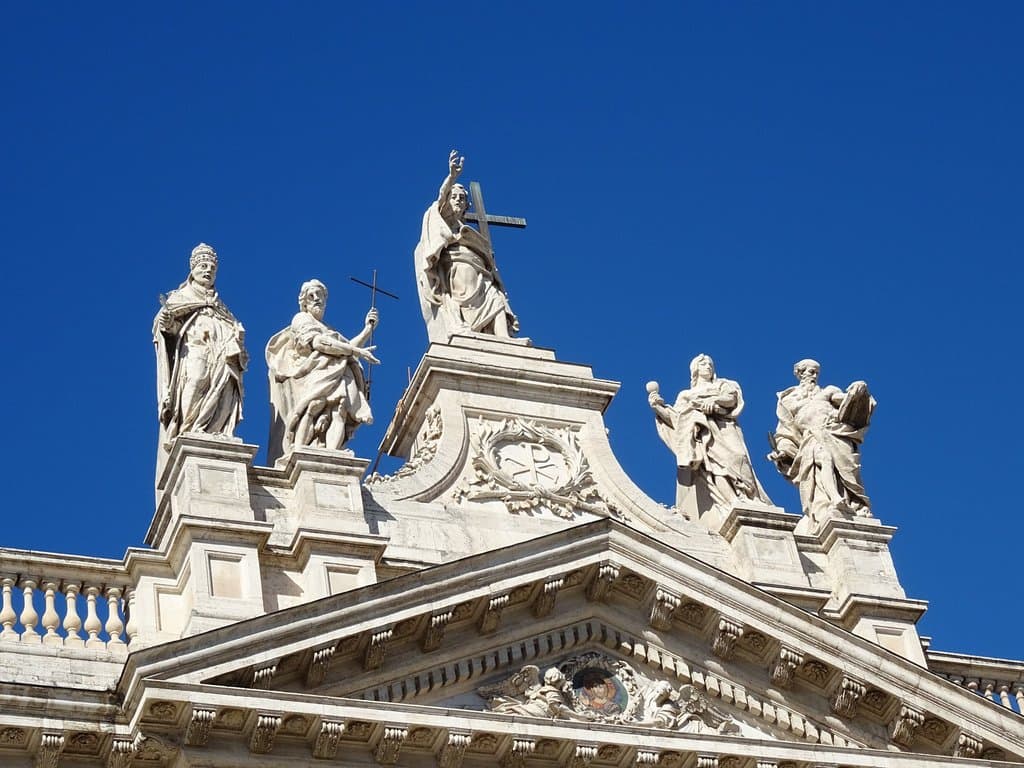
Often called the 'mother church' of Rome and the world, this ancient basilica predates St. Peter's and holds immense historical and religious significance. It's a less crowded but equally impressive experience.
Tip: This is the Pope's cathedral, so it holds a special status. Don't miss the cloisters.

A stunning example of Baroque architecture, the Chiesa del Gesù is famous for its incredible ceiling fresco that creates a breathtaking illusion of depth and grandeur. It's a true masterpiece of trompe-l'oeil art.
Tip: Look up and be amazed by the ceiling fresco; it's designed to make you feel like you're looking into heaven.

One of Rome's four major papal basilicas, Santa Maria Maggiore boasts stunning 5th-century mosaics and is believed to house a relic of Jesus's manger. It's a beautiful and historically rich site.
Tip: The mosaics in the nave are particularly noteworthy for their age and preservation.

Another of Rome's four major papal basilicas, this grand church is built over the tomb of St. Paul the Apostle. It's known for its impressive colonnade and serene atmosphere, often less crowded than St. Peter's.
Tip: Easily accessible by metro, making it a convenient visit.

This church is a must-visit for art lovers, housing three magnificent Caravaggio masterpieces in its Contarelli Chapel. It's a powerful display of Baroque painting within a beautiful church setting.
Tip: Be prepared for dim lighting in the chapel to protect the artworks; bring your phone's flashlight.
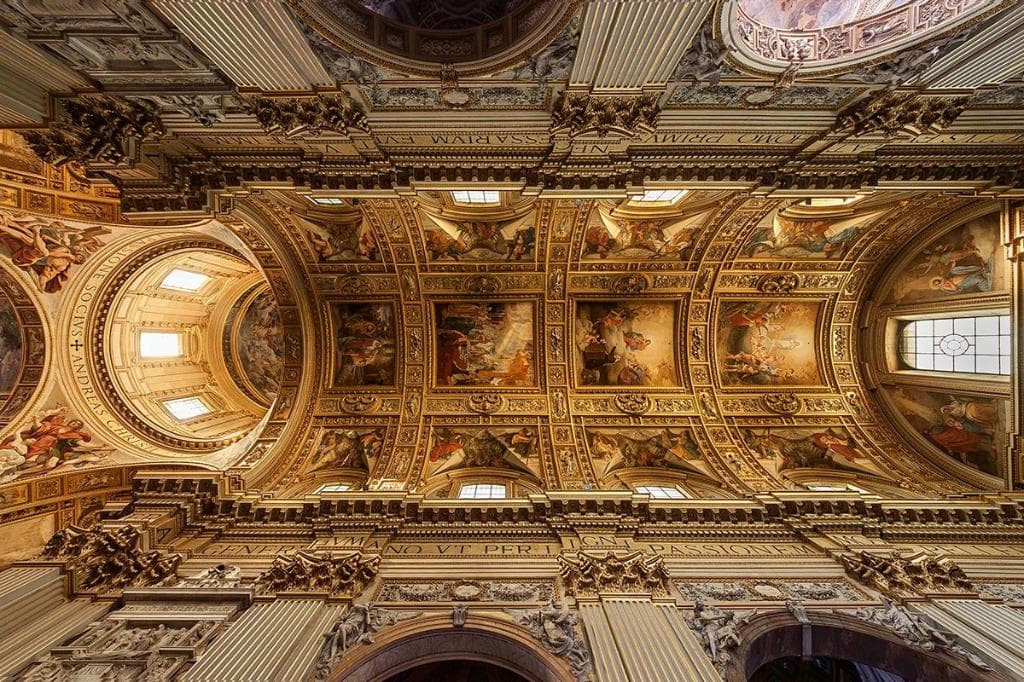
A stunning Baroque church known for its magnificent dome and impressive frescoes, including works by Domenichino and Lanfranco. It's a visual feast for anyone appreciating grand religious art.
Tip: The dome is one of the largest in Rome after St. Peter's.

This unique church offers a journey through history, with three distinct layers: a 12th-century basilica, a 4th-century church below it, and even a 1st-century Roman house and Mithraic temple at the lowest level.
Tip: Exploring the underground levels is a fascinating experience, revealing Rome's ancient past.
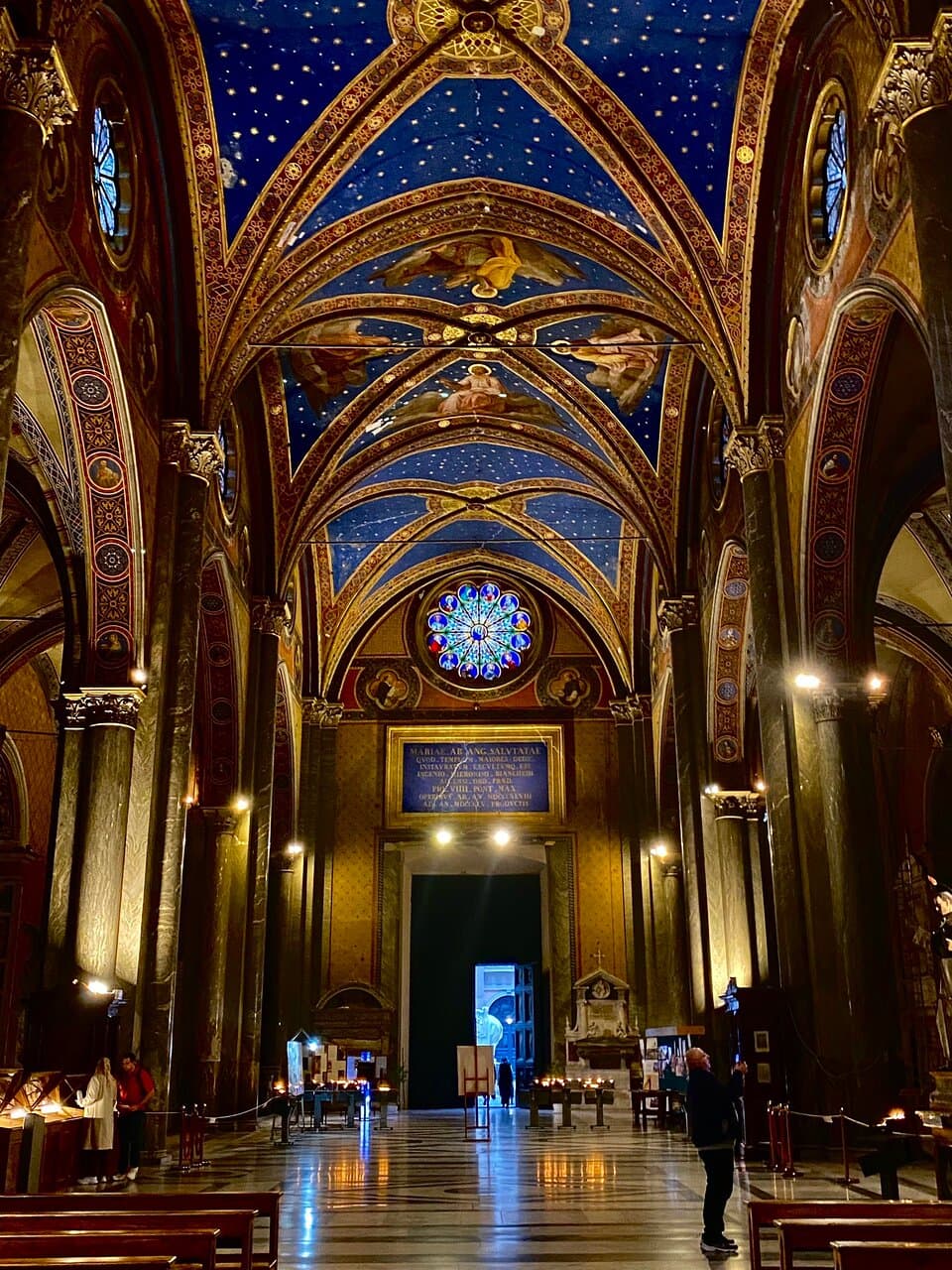
The only Gothic church in Rome, Santa Maria sopra Minerva is a striking contrast to the city's prevalent Baroque style. It houses Michelangelo's 'Christ the Redeemer' and the tombs of saints.
Tip: Look for the beautiful ceiling and the tomb of St. Catherine of Siena.

Located in a prominent piazza, this church is a treasure trove of art, featuring masterpieces by Caravaggio, Bernini, and Raphael. It's a compact yet incredibly rich artistic experience.
Tip: Don't miss the Cerasi Chapel with its Caravaggio paintings.

This church is home to Bernini's breathtaking sculpture, 'The Ecstasy of Saint Teresa,' a dramatic and emotionally charged Baroque masterpiece. It's a highlight for art enthusiasts.
Tip: The Cornaro Chapel, housing the sculpture, is a theatrical marvel.
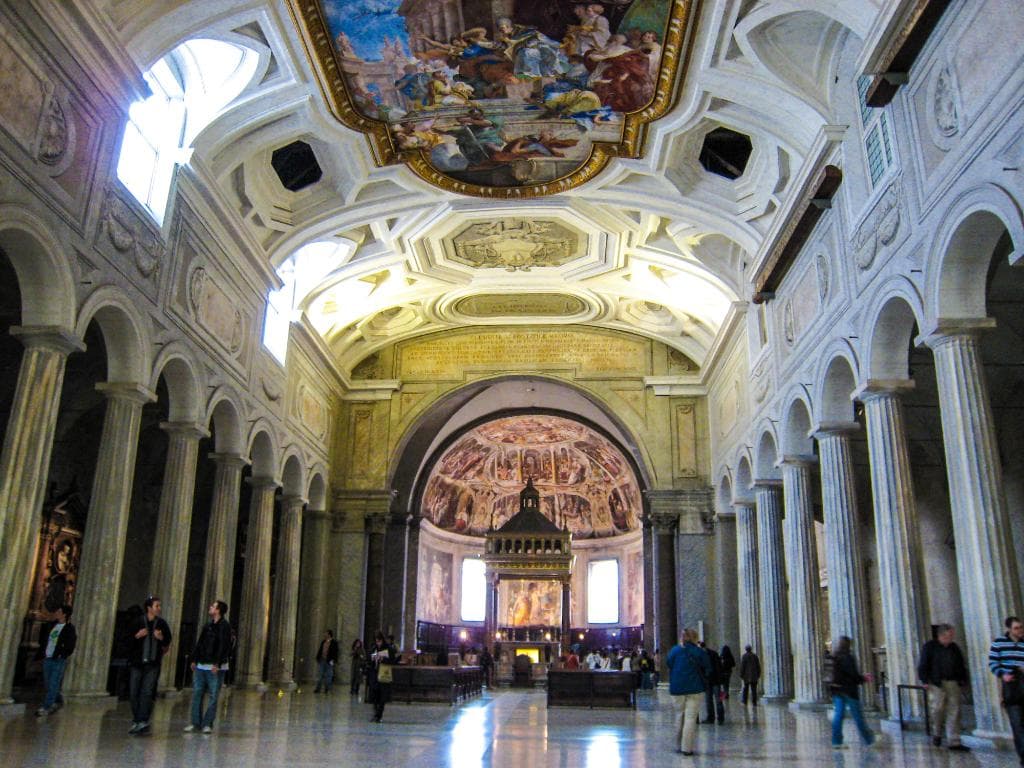
Famous for housing Michelangelo's powerful sculpture of Moses, this basilica also contains relics of the chains that bound St. Peter. It's a significant site for both art and religious history.
Tip: The statue of Moses is incredibly lifelike and detailed.

This charming basilica in the Trastevere neighborhood features a beautiful Baroque sculpture of St. Cecilia and an intriguing archaeological area beneath, offering a glimpse into ancient Roman life.
Tip: The small entrance fee for the underground area is well worth it for the historical insights.
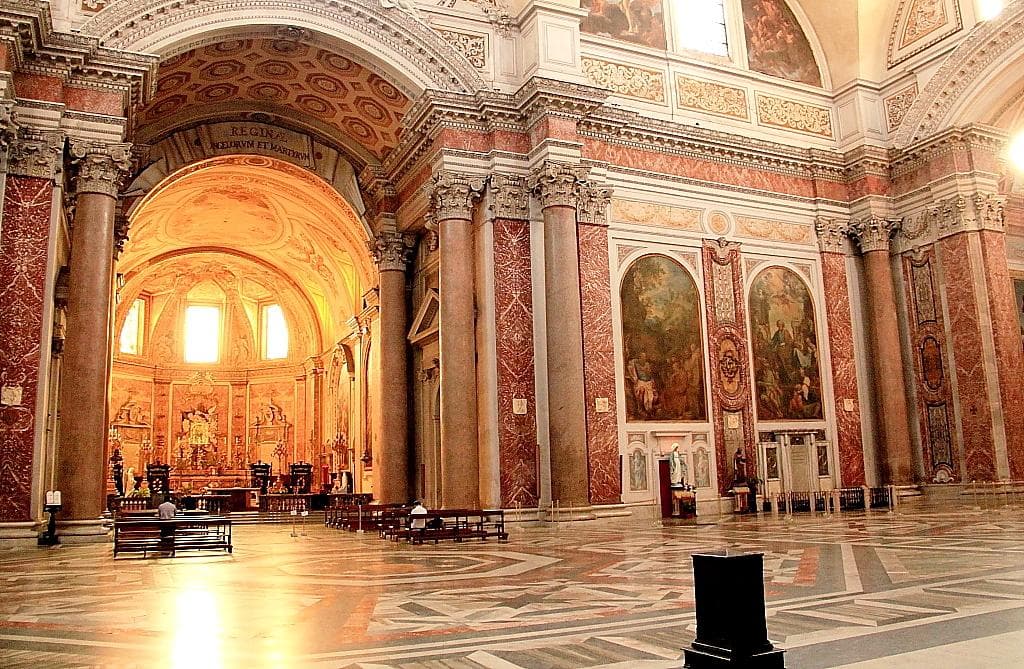
Housed within the ruins of the ancient Baths of Diocletian, this church is a unique architectural marvel. Its vast interior, designed by Michelangelo, incorporates the ancient Roman structure.
Tip: Notice the meridian line on the floor, which accurately marks the sun's position at noon.

Prepare to be amazed by the trompe-l'oeil ceiling fresco by Andrea Pozzo, which creates a stunning illusion of a dome and soaring architecture. It's a breathtaking example of Baroque artistry.
Tip: The ceiling is designed to look like a dome from below, even though there isn't one.

This ancient basilica is renowned for its stunning Byzantine mosaics, particularly in the Chapel of San Zenone. It's a hidden gem offering a glimpse into early Christian art.
Tip: The mosaics are incredibly well-preserved and vibrant.
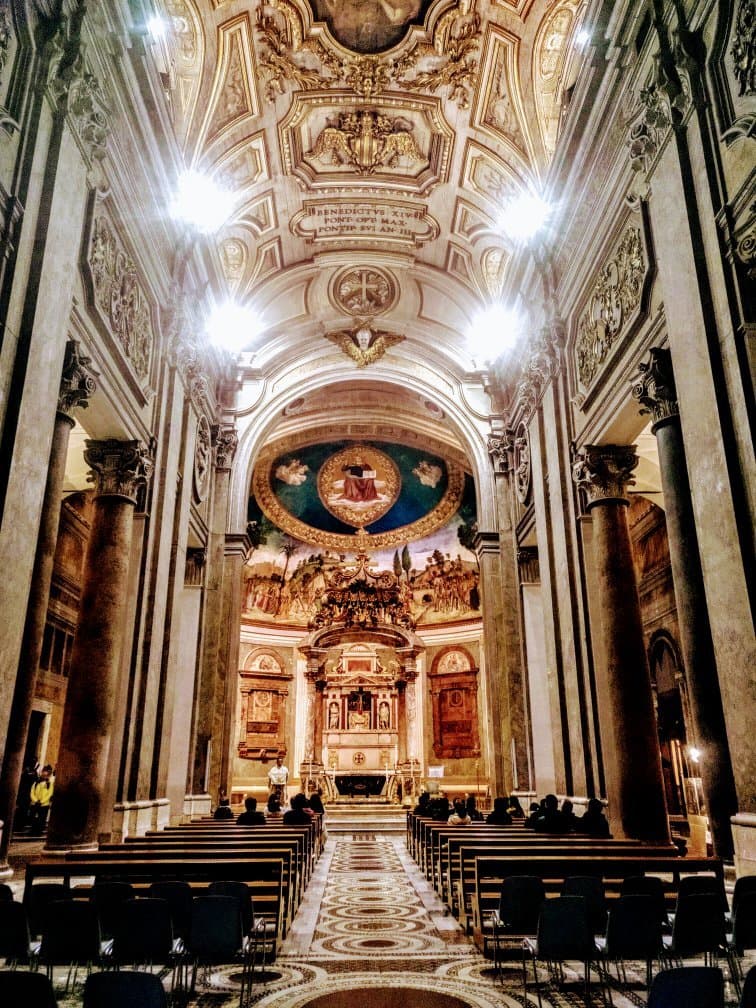
One of the seven pilgrim churches of Rome, this basilica is significant for housing relics of the True Cross, a nail, and other Passion instruments. It's a deeply spiritual site.
Tip: The relics are housed in a special chapel and are a major draw for pilgrims.

Originally a Roman temple and now a church, the Pantheon is an architectural marvel with its iconic dome and oculus. Its preservation and grandeur make it a must-see historical site.
Tip: The oculus allows natural light to illuminate the interior, creating a unique atmosphere.

A small but exquisite Baroque church designed by Borromini, this architectural gem is celebrated for its innovative use of space and intricate facade. It's a masterpiece of Baroque design.
Tip: The church's oval dome is a marvel of engineering and design.
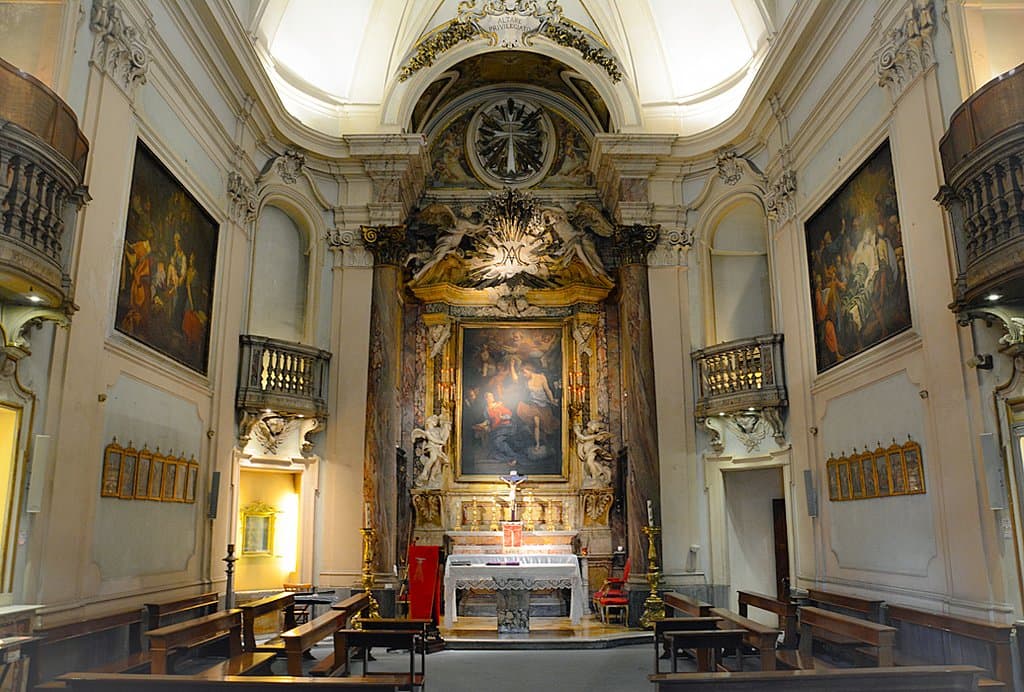
This church is noted for its beautiful architecture and artistic contributions, offering a serene and visually pleasing experience for visitors seeking less crowded religious sites.
Tip: A peaceful spot for reflection amidst the bustling city.
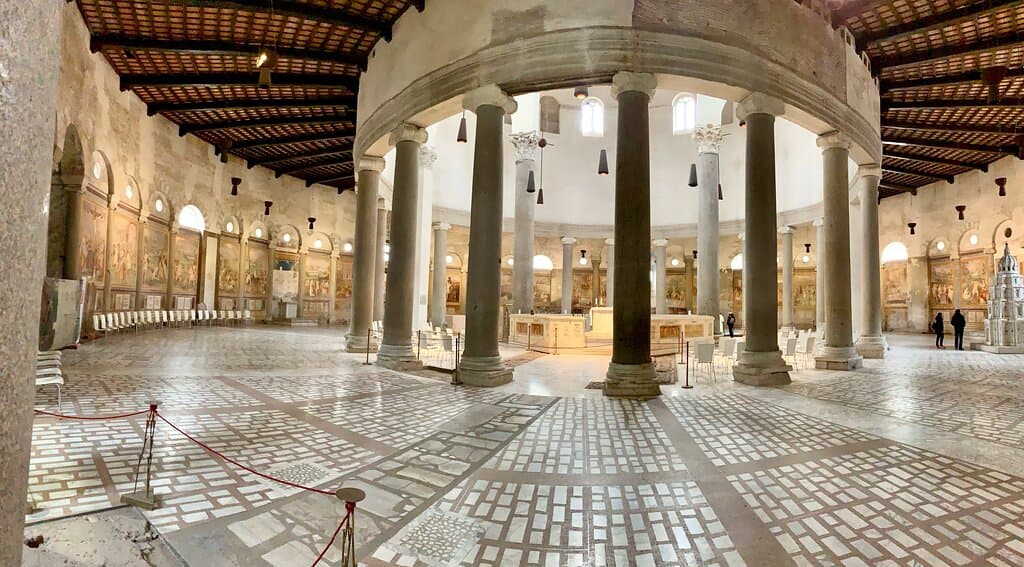
One of Rome's oldest churches, this unique circular basilica offers a distinct architectural experience. Its ancient structure and historical significance make it a fascinating visit.
Tip: The circular layout is unusual and makes for an interesting exploration.
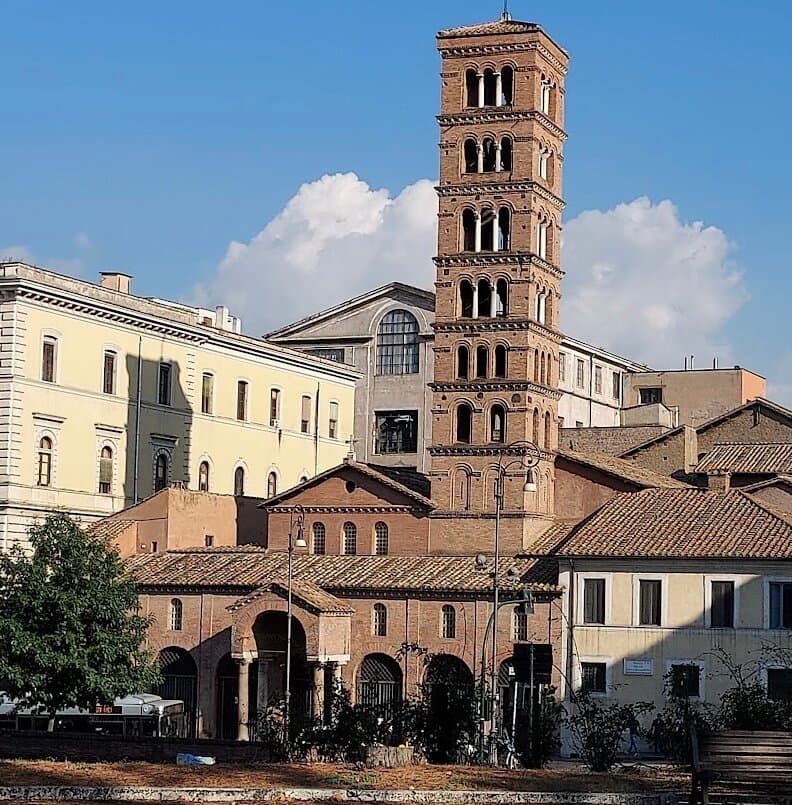
Famous for housing the Bocca della Verità (Mouth of Truth), this basilica is also a prime example of Carolingian/Romanesque architecture, largely restored to its original state.
Tip: Be prepared for a queue to take a photo with the Mouth of Truth.
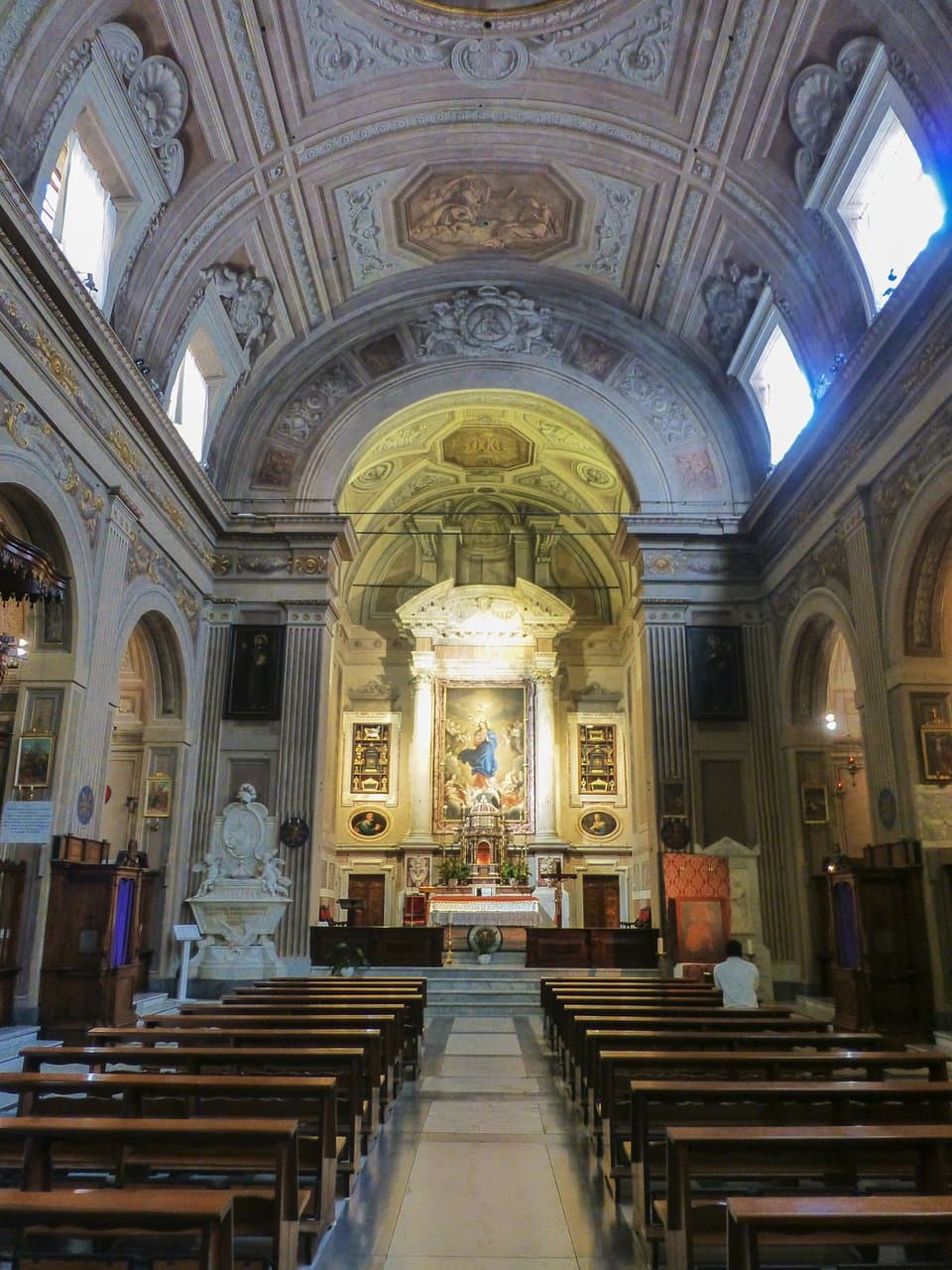
This church is known for its macabre yet fascinating crypt, decorated with the bones of thousands of Capuchin friars. It offers a unique and thought-provoking perspective on mortality.
Tip: The crypt is a solemn place; photography is usually not allowed inside.
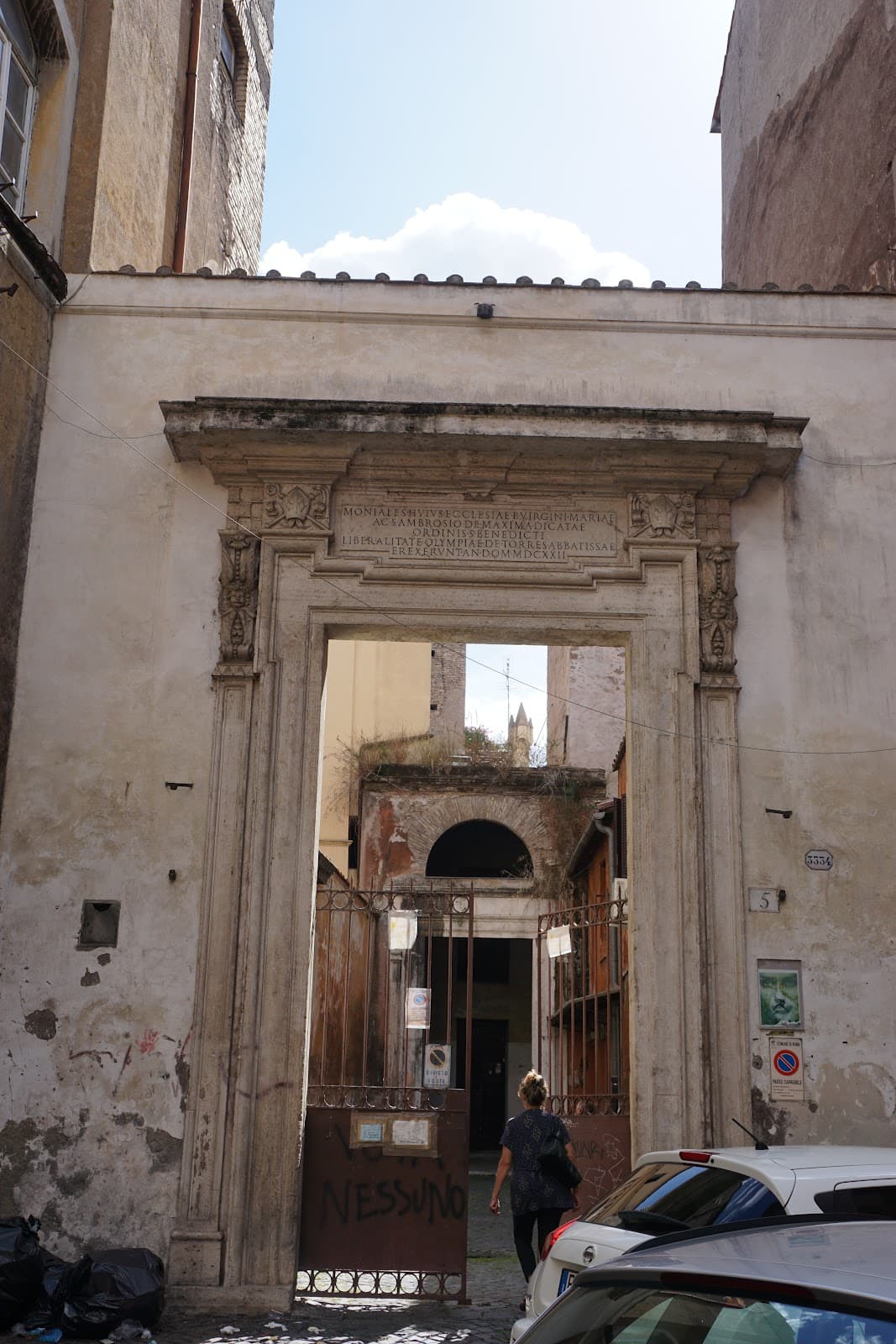
Dedicated to the patron saints of Milan, this church has a rich history tied to Lombard expats in Rome. Its architecture reflects its historical connections and artistic merit.
Tip: Explore the chapels dedicated to various saints and historical figures.
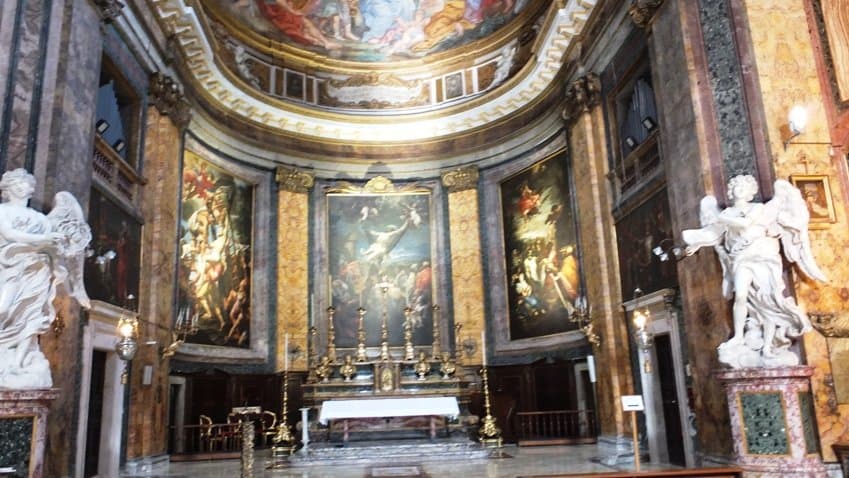
This church is notable for its Baroque sculptures by notable artists, offering a rich artistic experience within its walls. It's a beautiful example of Roman Baroque art.
Tip: Look for the angel sculptures which are particularly striking.
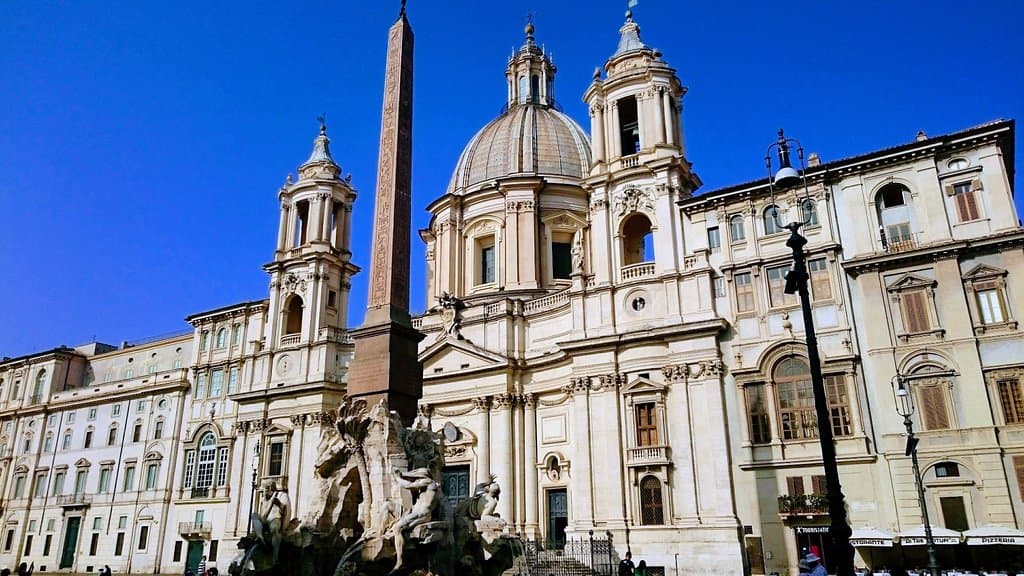
A beautiful church dedicated to Saint Agnes, this site offers a serene atmosphere and notable artistic elements. It's a peaceful place for contemplation and appreciation of religious art.
Tip: A good spot to escape the crowds and find a moment of peace.
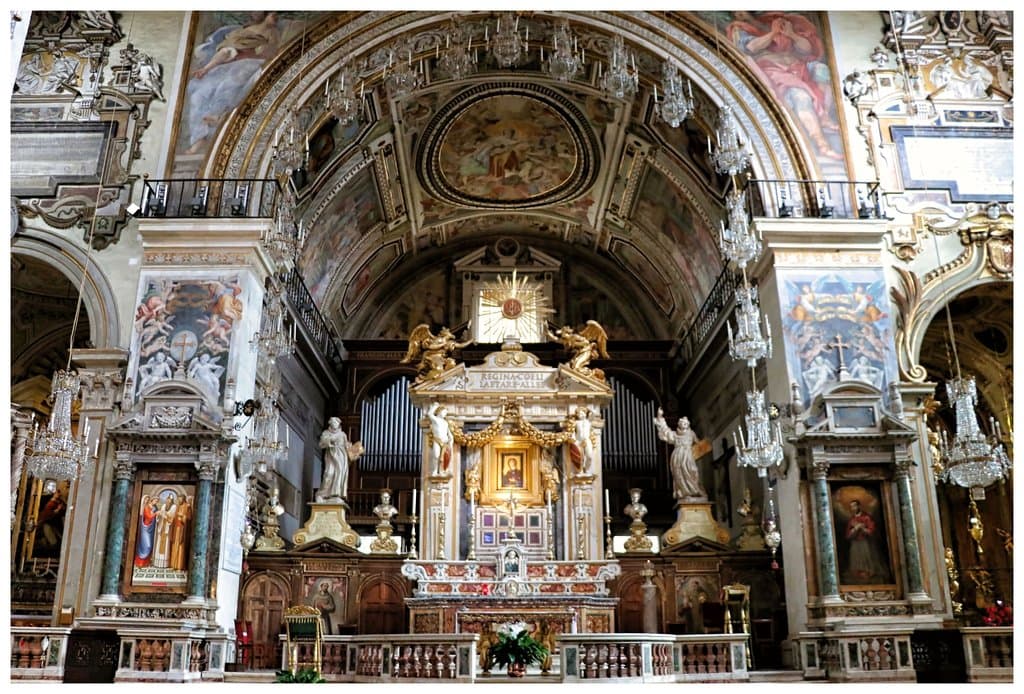
Perched on Capitoline Hill, this magnificent church offers stunning views and a rich history. Its impressive interior and location make it a memorable visit.
Tip: The staircase leading up to the church is quite grand.
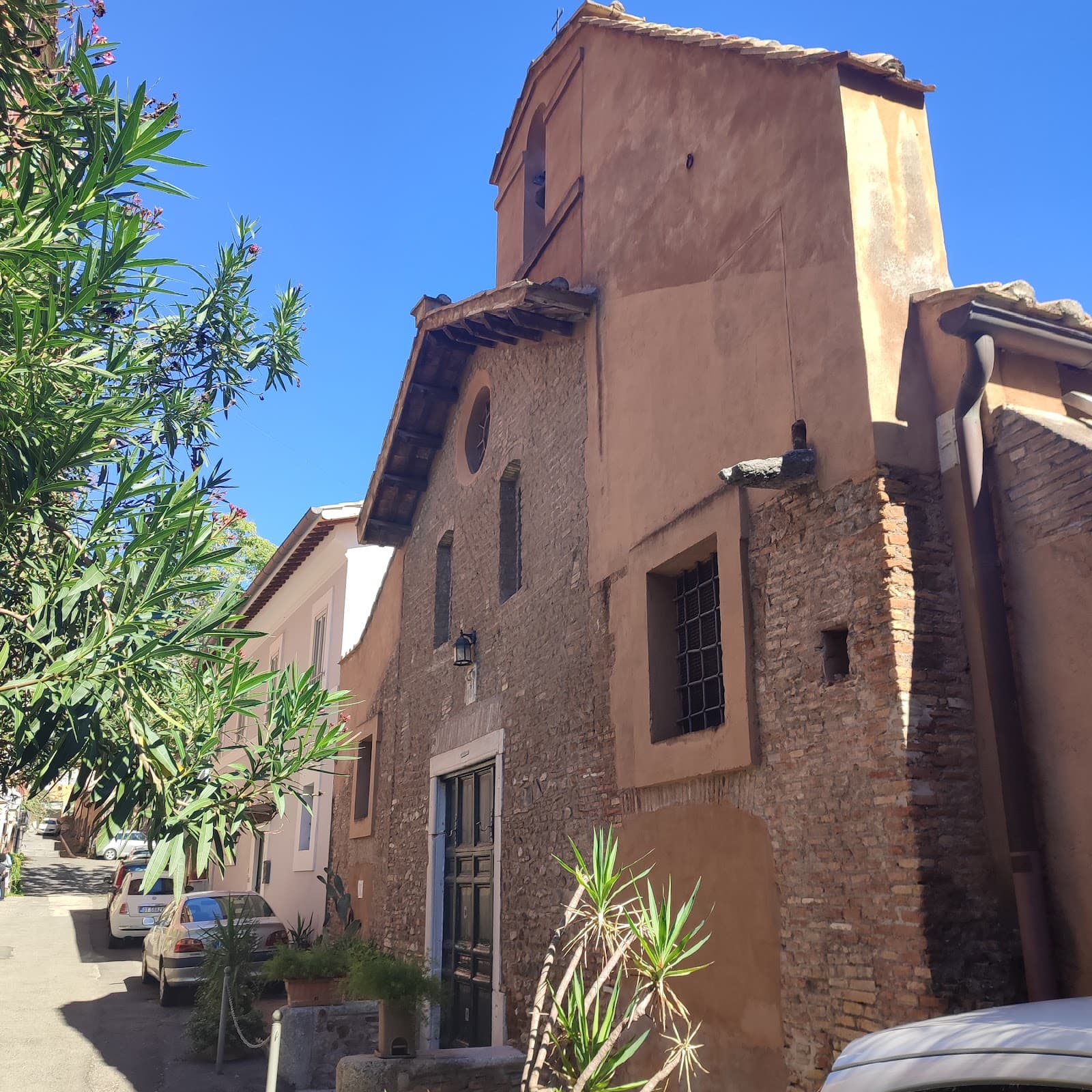
A hidden medieval church near St. Peter's, this tiny sanctuary has survived centuries and offers a unique glimpse into ancient pilgrimage routes. It's a true hidden gem.
Tip: Check opening times as it's not always accessible.
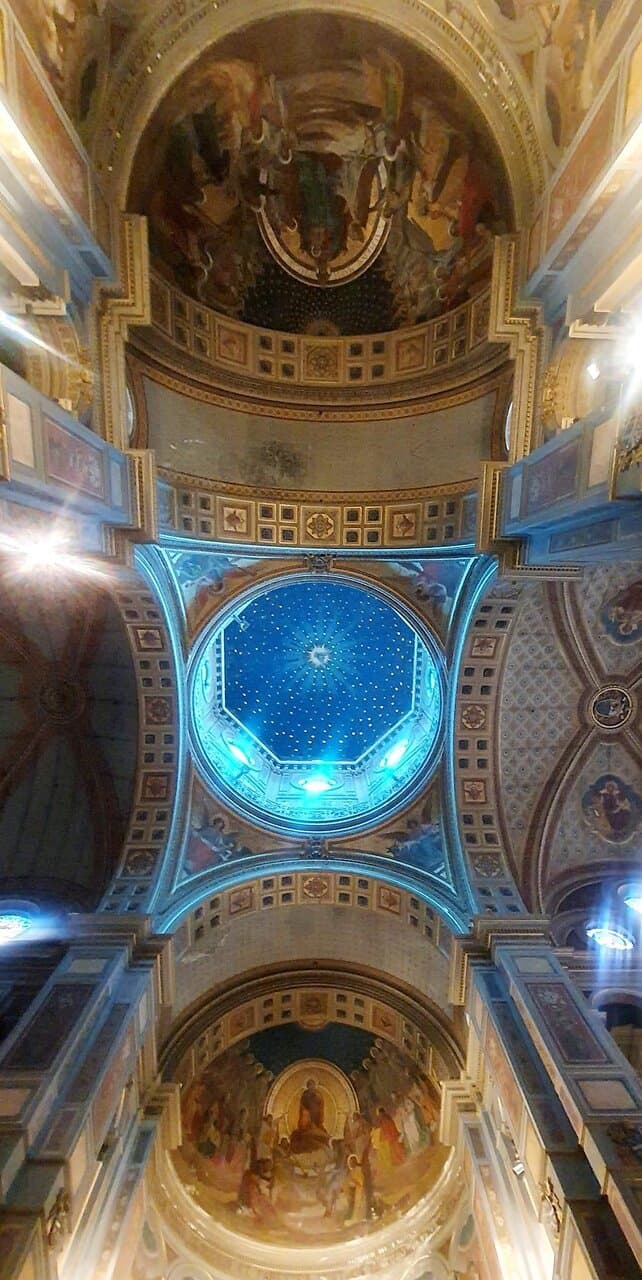
This relatively modern church (built around 1900) is unique for its chapels dedicated to countries that contributed to its construction, showcasing international art and devotion.
Tip: Explore the chapels to see the diverse artistic styles representing different nations.
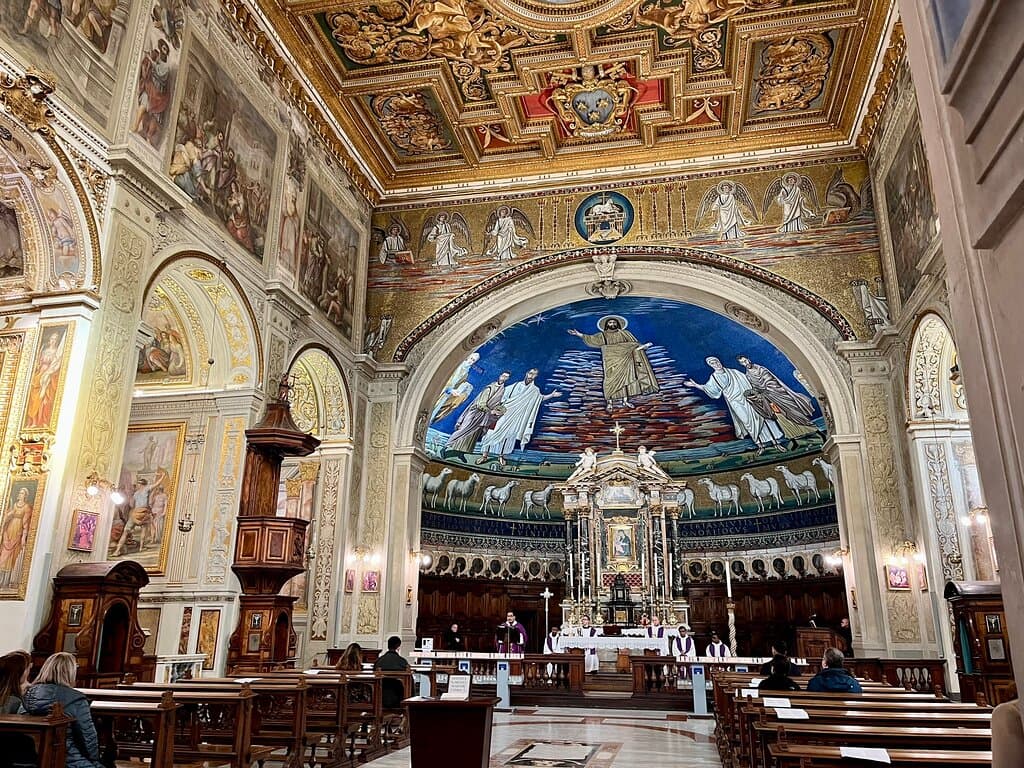
This ancient basilica houses beautiful mosaics and offers a glimpse into early Christian art and architecture. It's a significant historical and religious site.
Tip: The apse mosaics are particularly noteworthy.

Built on the site of the house of Saints John and Paul, this basilica offers layers of history, including Roman remains beneath the church. It's a fascinating archaeological and religious site.
Tip: The underground excavations reveal ancient Roman structures.
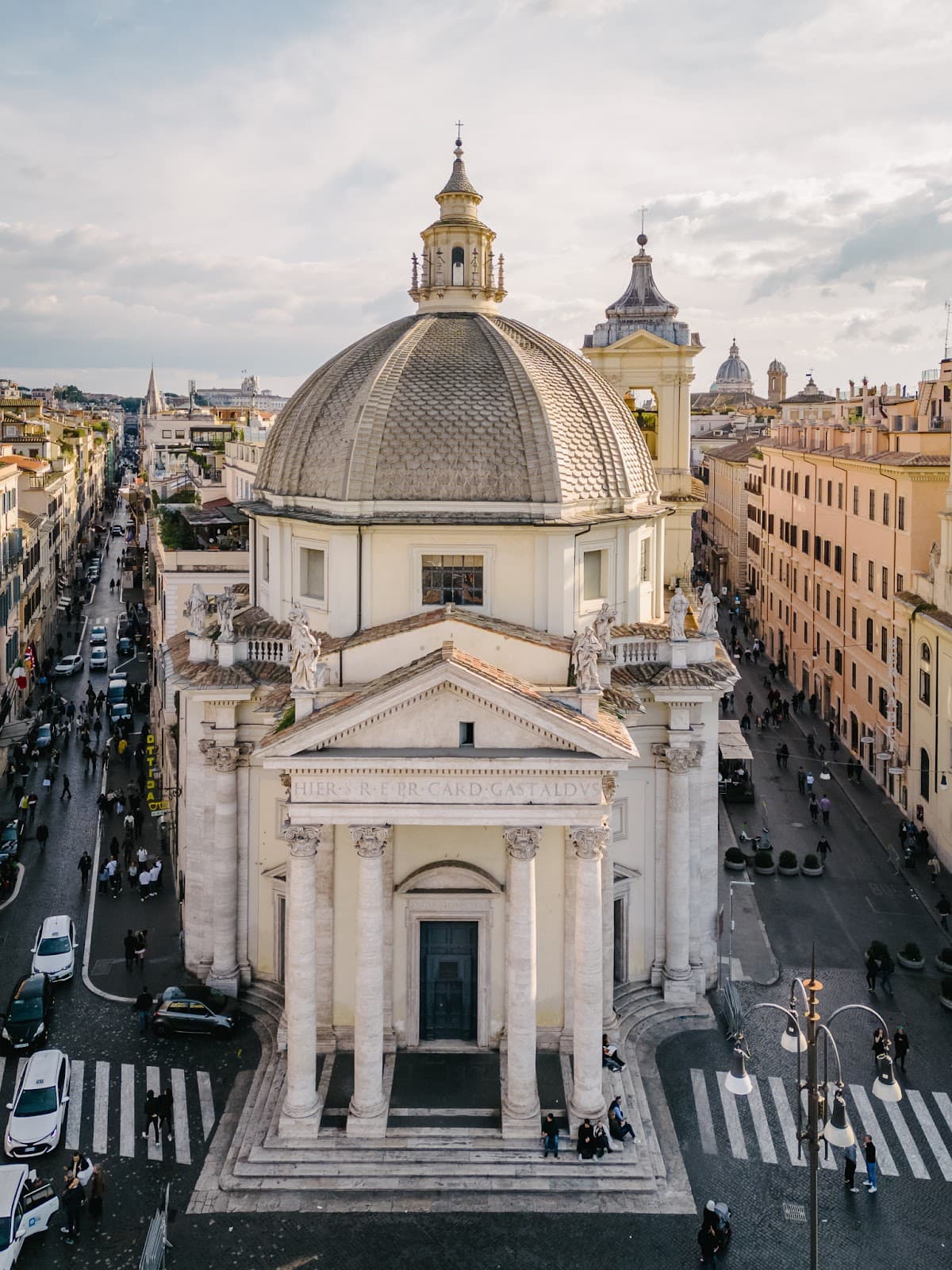
One of the 'twin churches' in Piazza del Popolo, this Baroque church is known for its elegant dome and artistic interior, offering a beautiful example of Roman church architecture.
Tip: Often visited alongside its twin, Santa Maria in Montesanto.
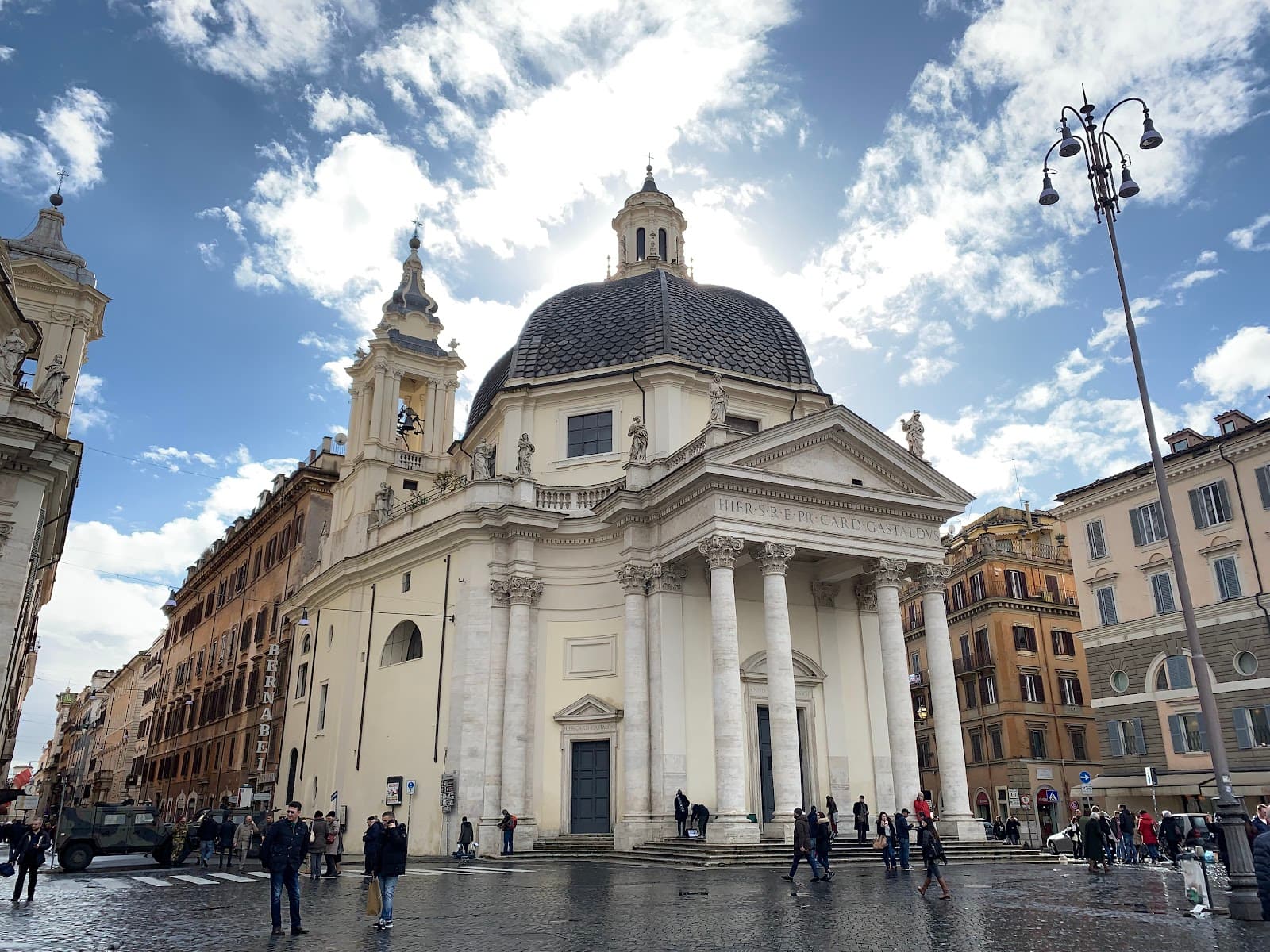
The other of the 'twin churches' in Piazza del Popolo, this church has a distinctive elliptical dome and is a significant Baroque landmark in the heart of Rome.
Tip: Its unique shape makes it stand out among Rome's churches.
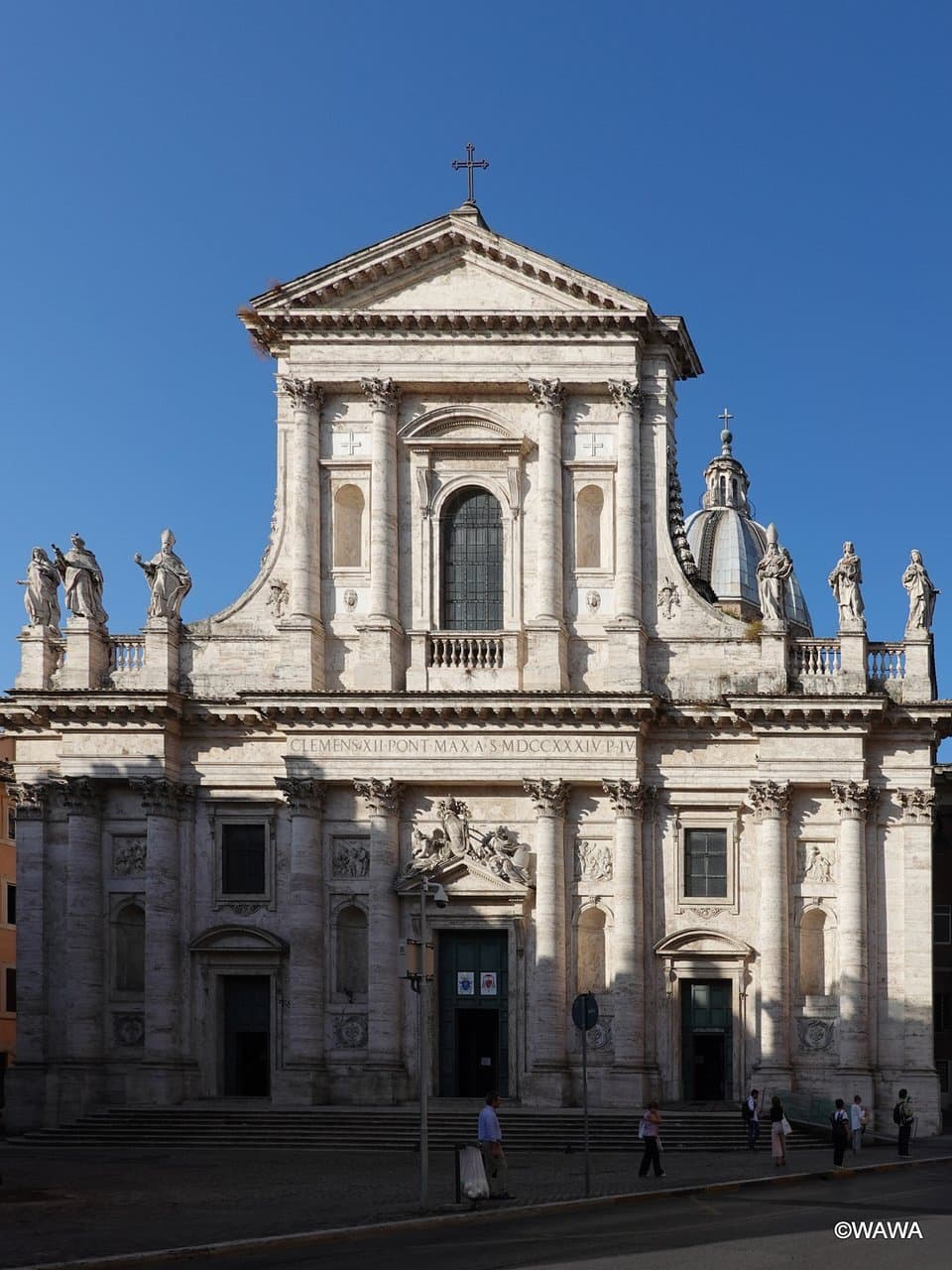
This church serves the Florentine community in Rome and features impressive Baroque architecture, including a dome designed by Borromini. It's a significant religious and artistic site.
Tip: The facade is particularly striking and a testament to Baroque design.
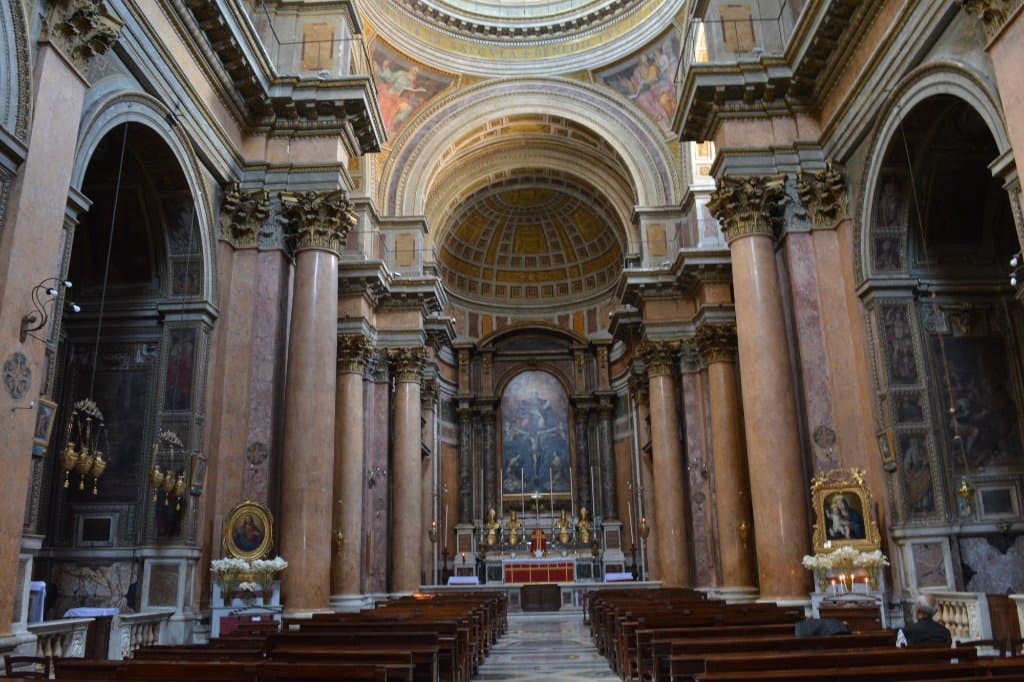
Known for its beautiful Baroque interior and a phenomenal choir, this church offers a special experience, especially if you can attend a sung Latin mass.
Tip: Check the schedule for sung masses for a truly memorable experience.
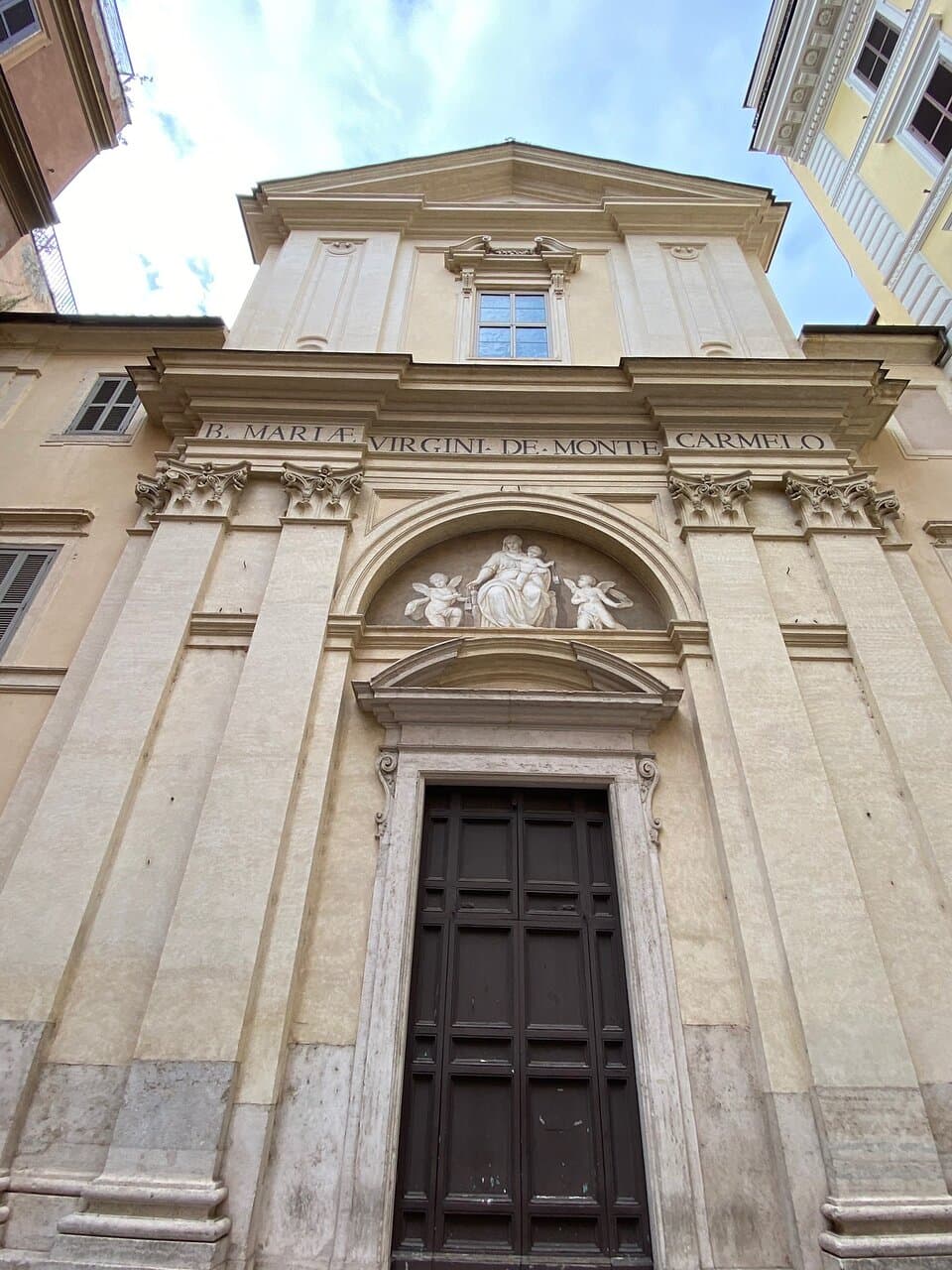
A charming church offering a peaceful atmosphere and beautiful religious art, it's a lovely spot for quiet contemplation away from the main tourist paths.
Tip: A good place to find a moment of tranquility.
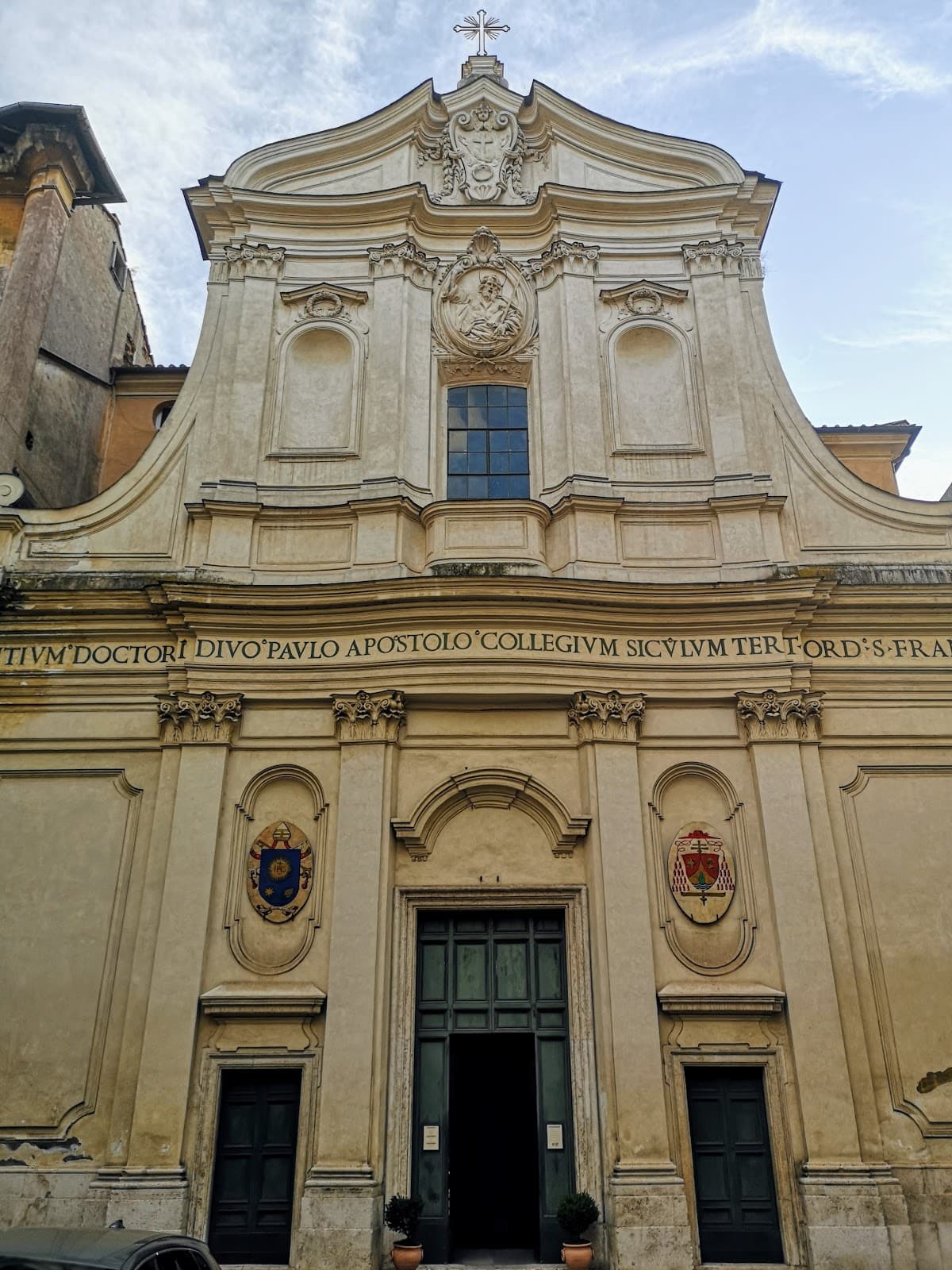
This church boasts a beautiful Baroque facade and interior, offering a visually pleasing experience for visitors interested in religious art and architecture.
Tip: Admire the intricate details of the Baroque design.
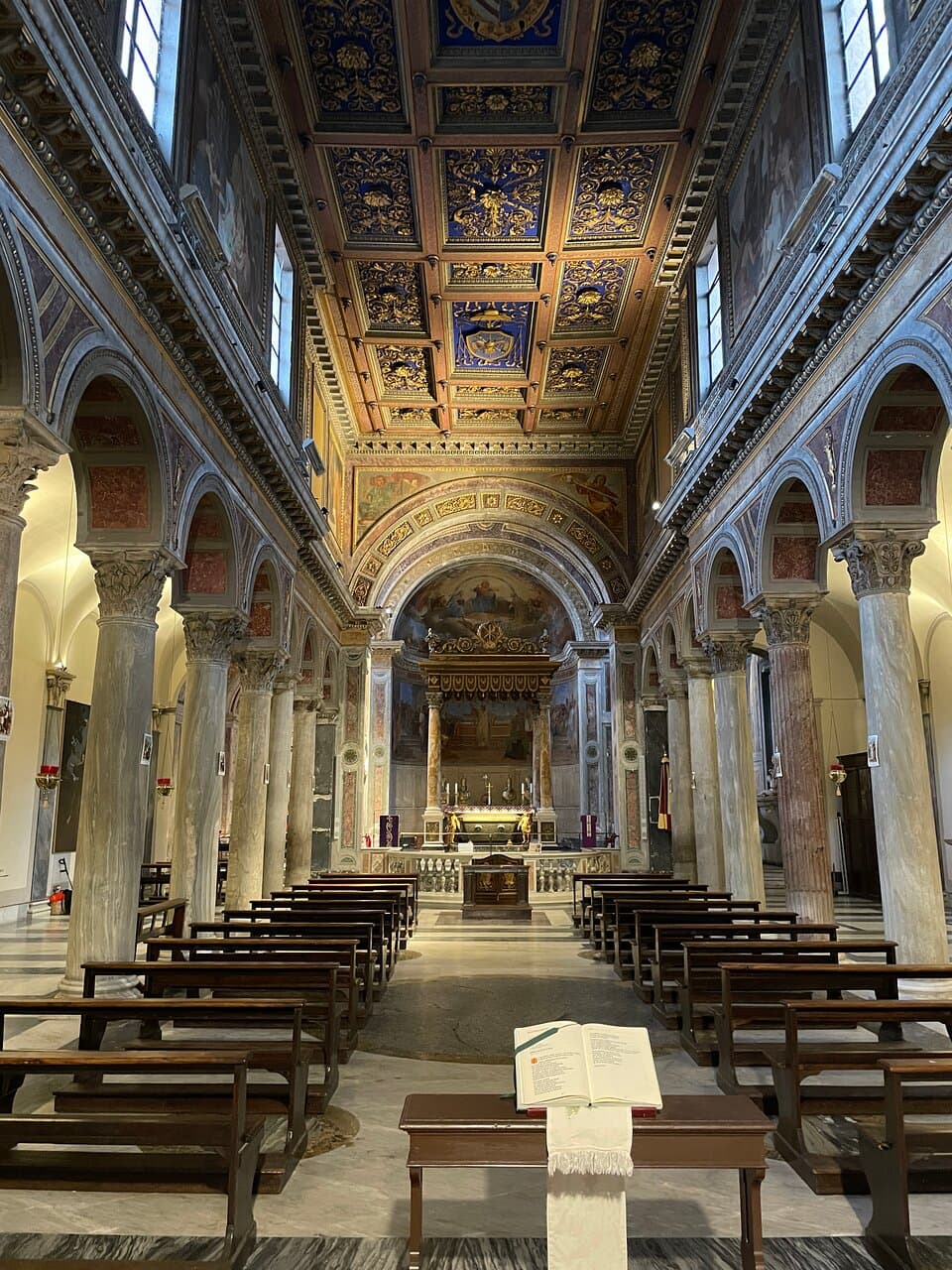
Built on the site of ancient Roman prisons, this church offers a unique historical context. Its foundations reveal ancient structures, making it a site of layered history.
Tip: The underground levels offer a glimpse into the ancient Roman structures.
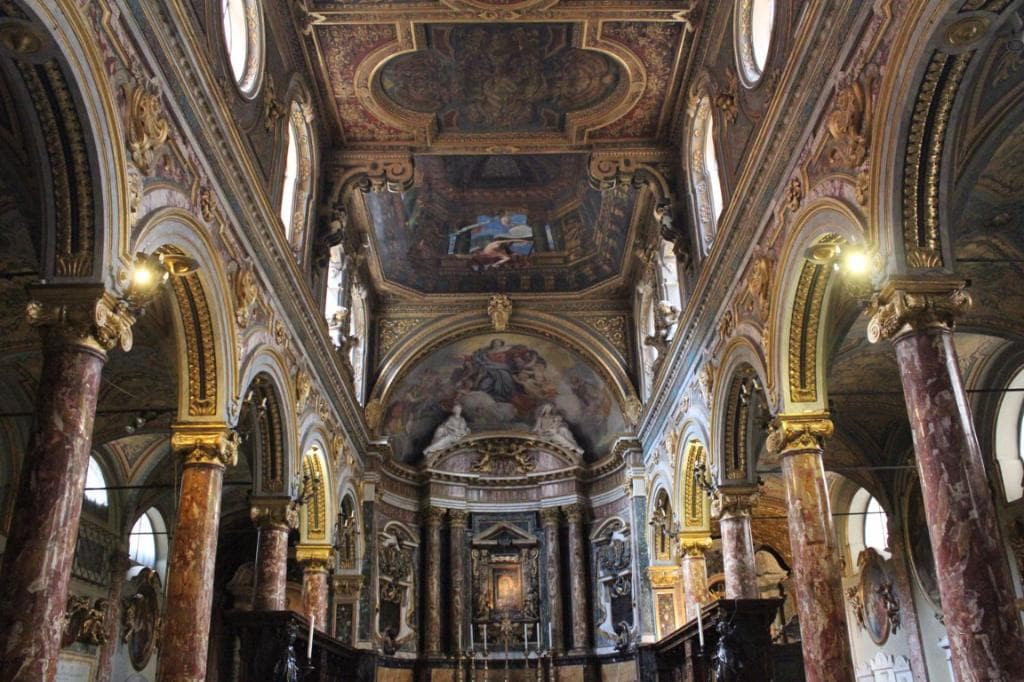
This historic church is believed to be built over the house where St. Paul stayed. It features ancient Christian frescoes and a fascinating underground level.
Tip: Explore the underground area for a deeper historical connection.
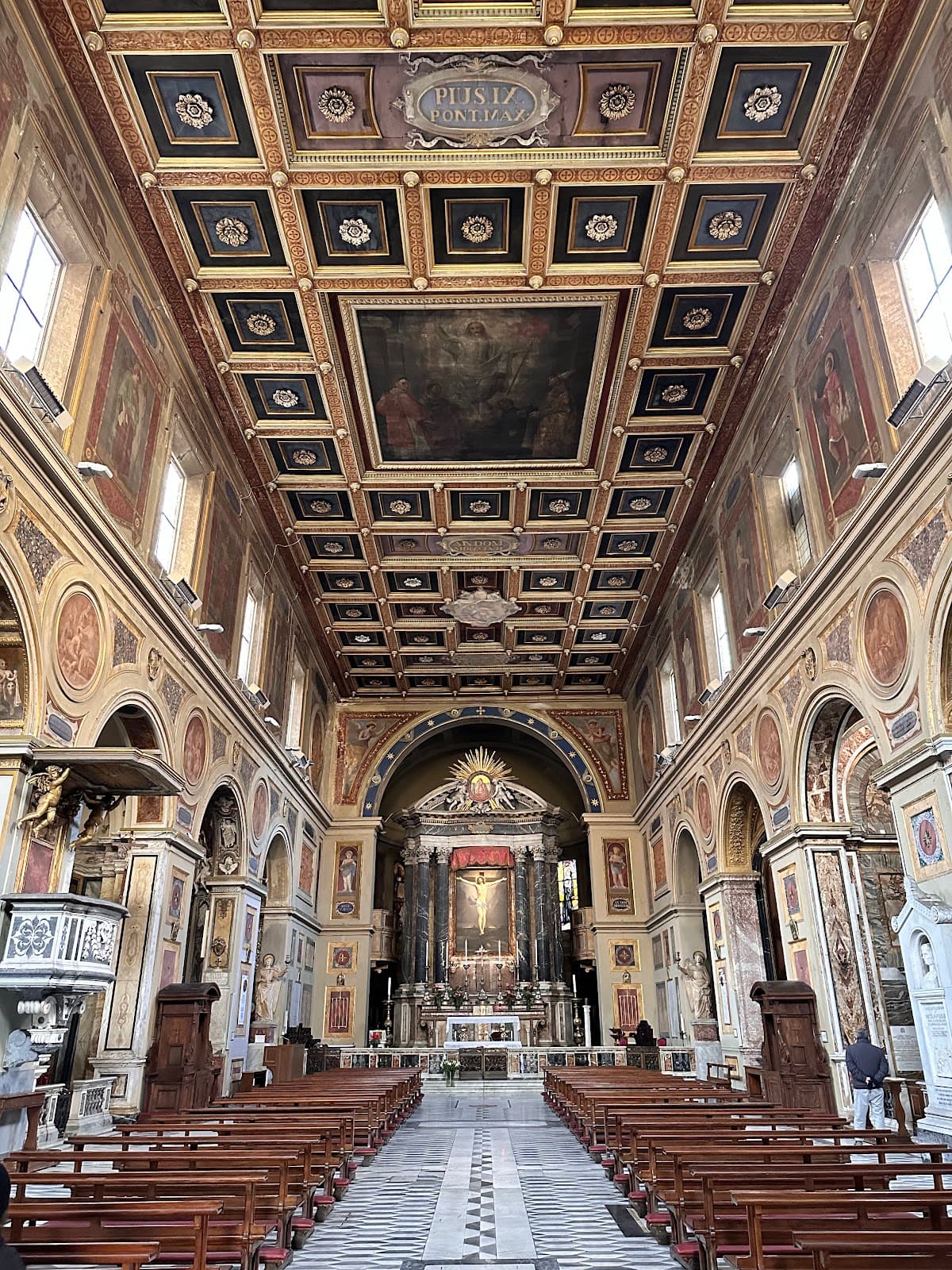
A historic church with a beautiful Romanesque facade and an interior that has undergone various renovations, it holds significant religious and artistic value.
Tip: Admire the ancient columns and artistic elements within.
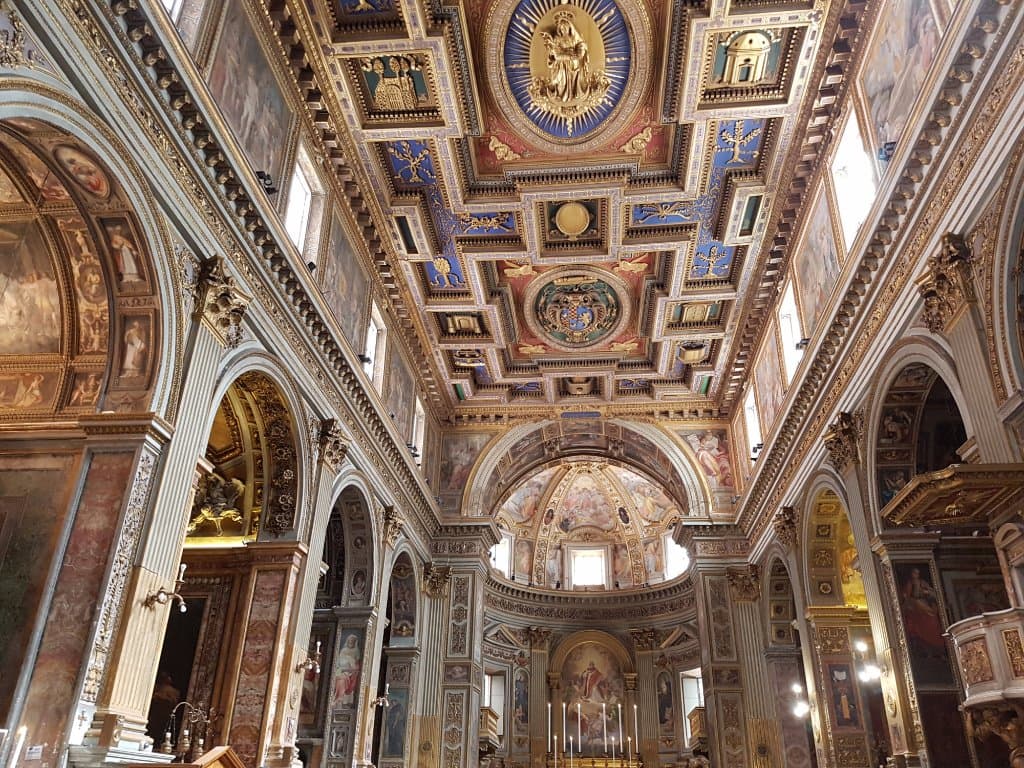
This church is known for its impressive Baroque facade and a history that includes a miraculous fire that spared the church. It's a site of both architectural beauty and religious legend.
Tip: The facade is a notable example of Baroque design.
This unique church is ingeniously integrated into the ruins of the ancient Baths of Diocletian, with Michelangelo himself designing parts of the interior, creating a monumental space.
Tip: The sheer scale of the space, utilizing ancient Roman architecture, is awe-inspiring.
While part of the Archbasilica, the cloister of San Giovanni in Laterano is a serene and beautiful space with intricate medieval columns and a peaceful atmosphere, perfect for quiet reflection.
Tip: Take time to admire the detailed carvings on the columns.

Pilgrims ascend these sacred stairs on their knees, believing them to be the very steps Jesus climbed during his trial. It's a deeply spiritual experience located near the Archbasilica of St. John Lateran.
Tip: Many pilgrims choose to climb these stairs on their knees as an act of devotion.
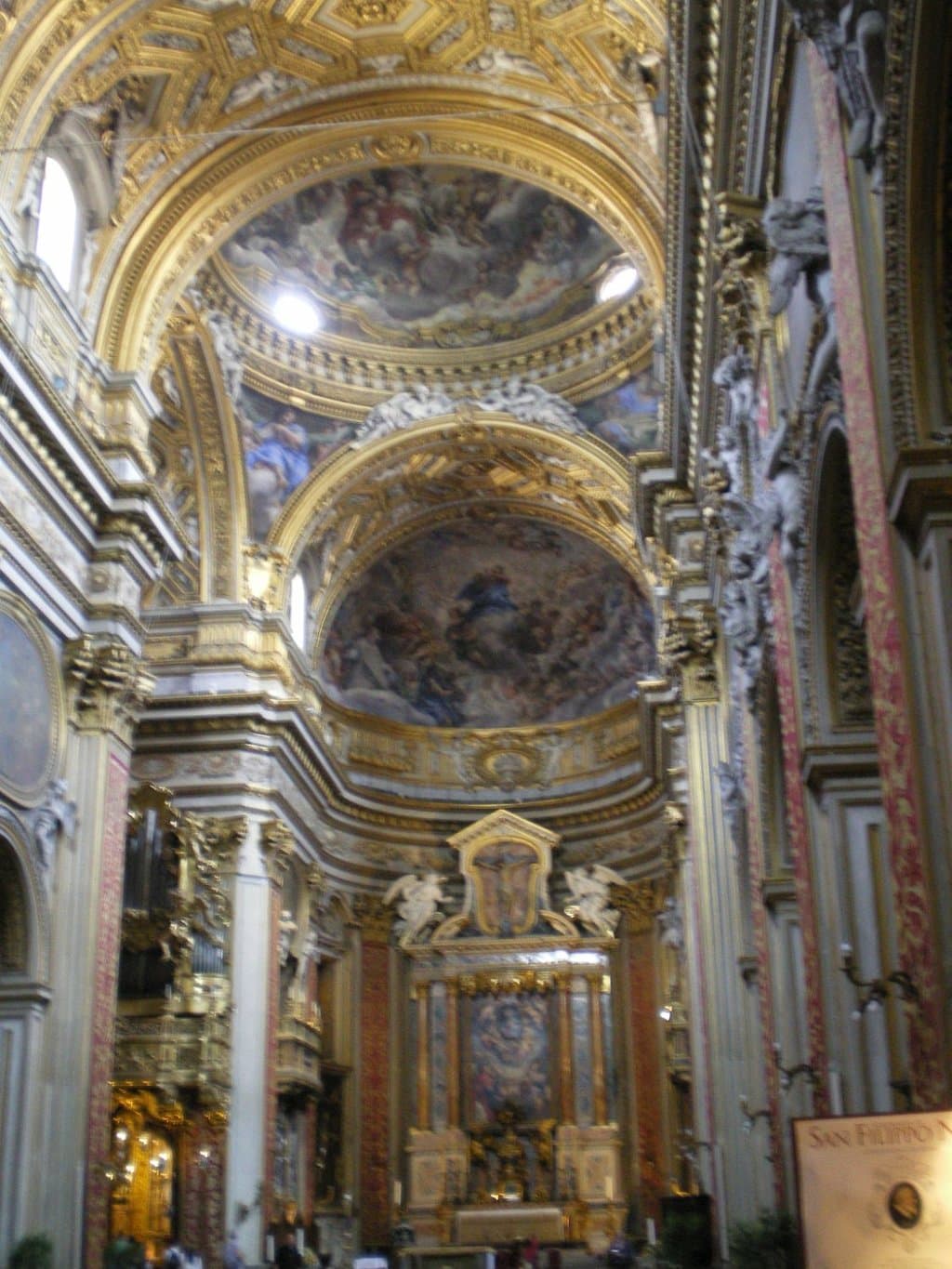
This church, designed by Pietro da Cortona, is a Baroque gem known for its beautiful facade and the stunning Raphael frescoes in the Chigi Chapel. It's a compact but artistically rich site.
Tip: The facade's design is a masterpiece of Baroque urban planning.
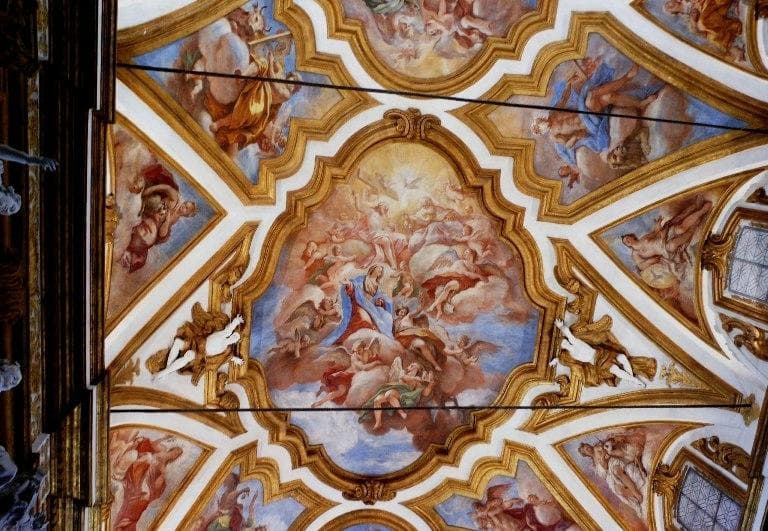
One of the seven pilgrim churches, this basilica is located along the Appian Way and is associated with early Christian martyrs. It also has catacombs beneath it.
Tip: Often visited in conjunction with the catacombs.
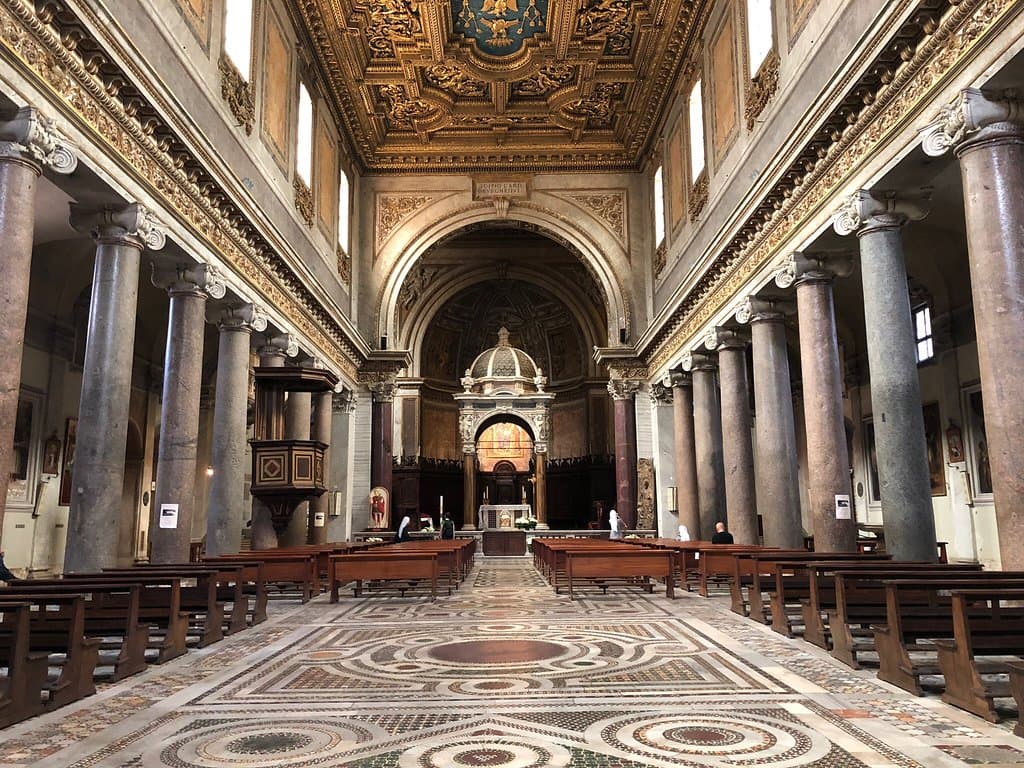
This church has a fascinating history with an older, lower church accessible beneath the current one, revealing layers of Roman history and early Christian art.
Tip: Exploring the underground levels provides a unique historical perspective.
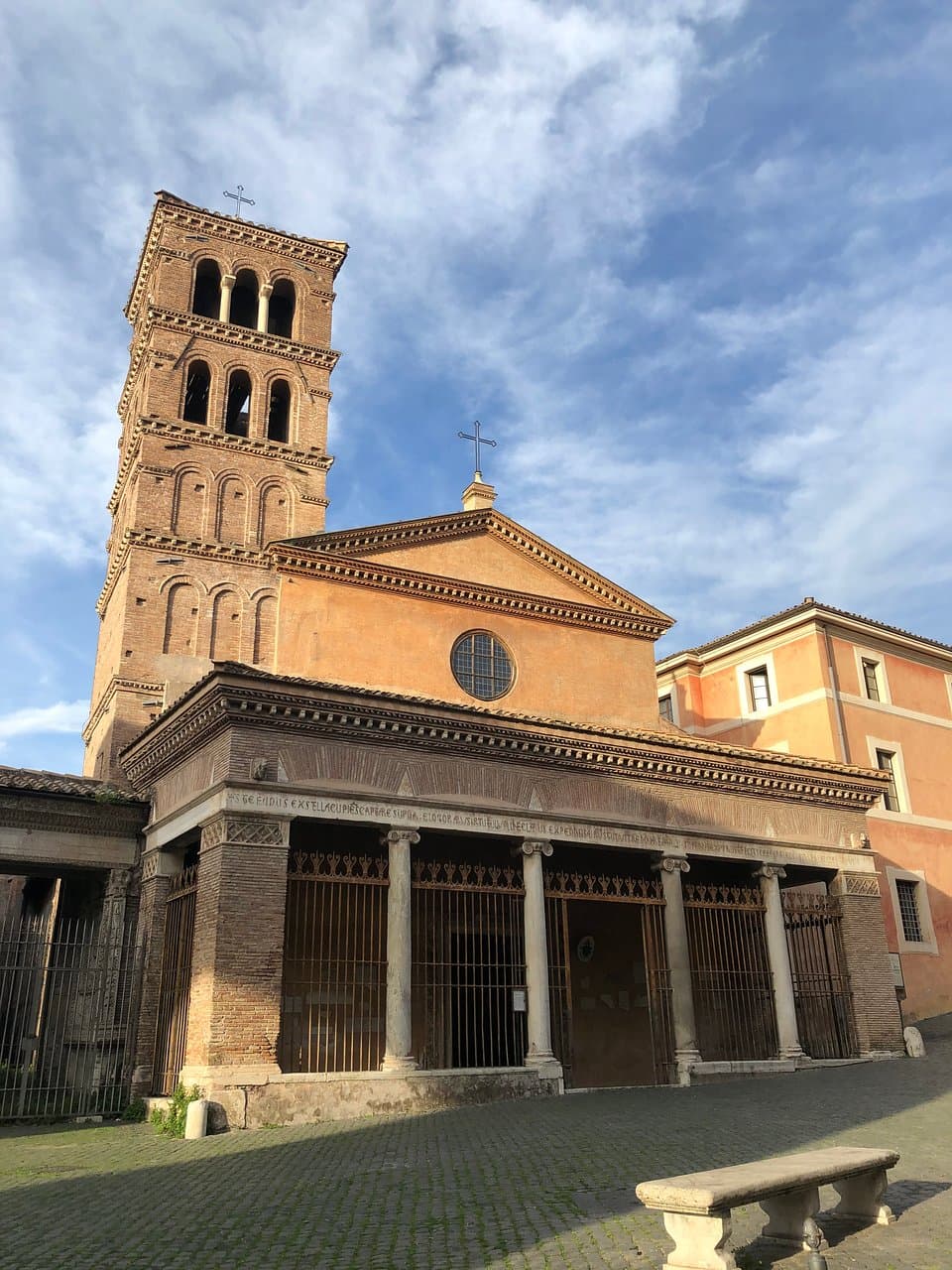
A charming medieval church with a Romanesque campanile, this basilica is located in a historic area of Rome and offers a peaceful atmosphere and interesting architectural features.
Tip: The bell tower is a distinctive feature.
The Baroque facade of San Marcello al Corso is a striking example of 17th-century Roman architecture, designed by Carlo Fontana, and is a prominent feature on the street.
Tip: The facade's dynamic design is a highlight.
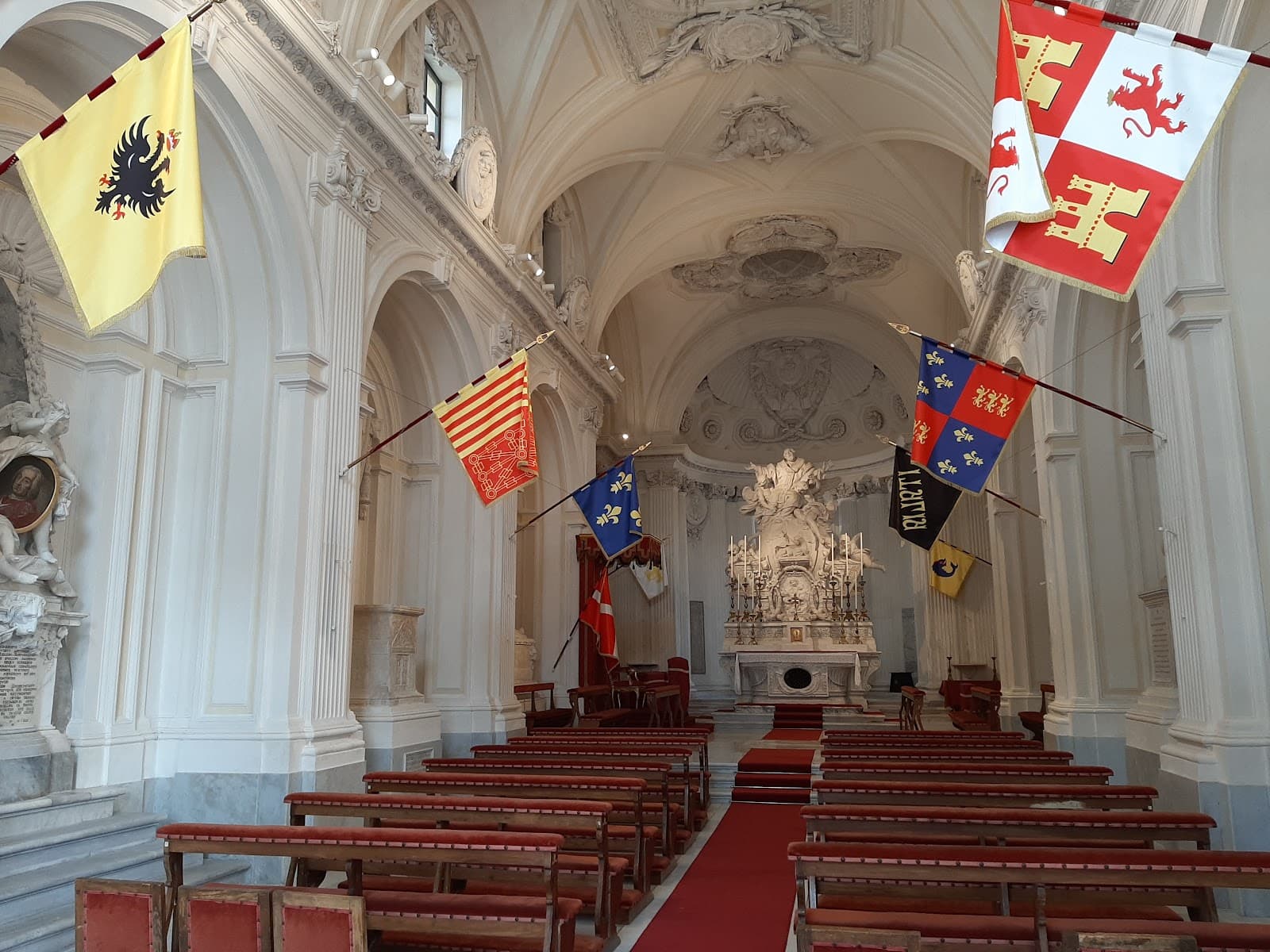
This church on the Aventine Hill is known for its beautiful Baroque facade and is part of the Knights of Malta complex, offering a unique historical and architectural experience.
Tip: The keyhole view of St. Peter's Basilica from the nearby Piazza dei Cavalieri di Malta is a must-see.
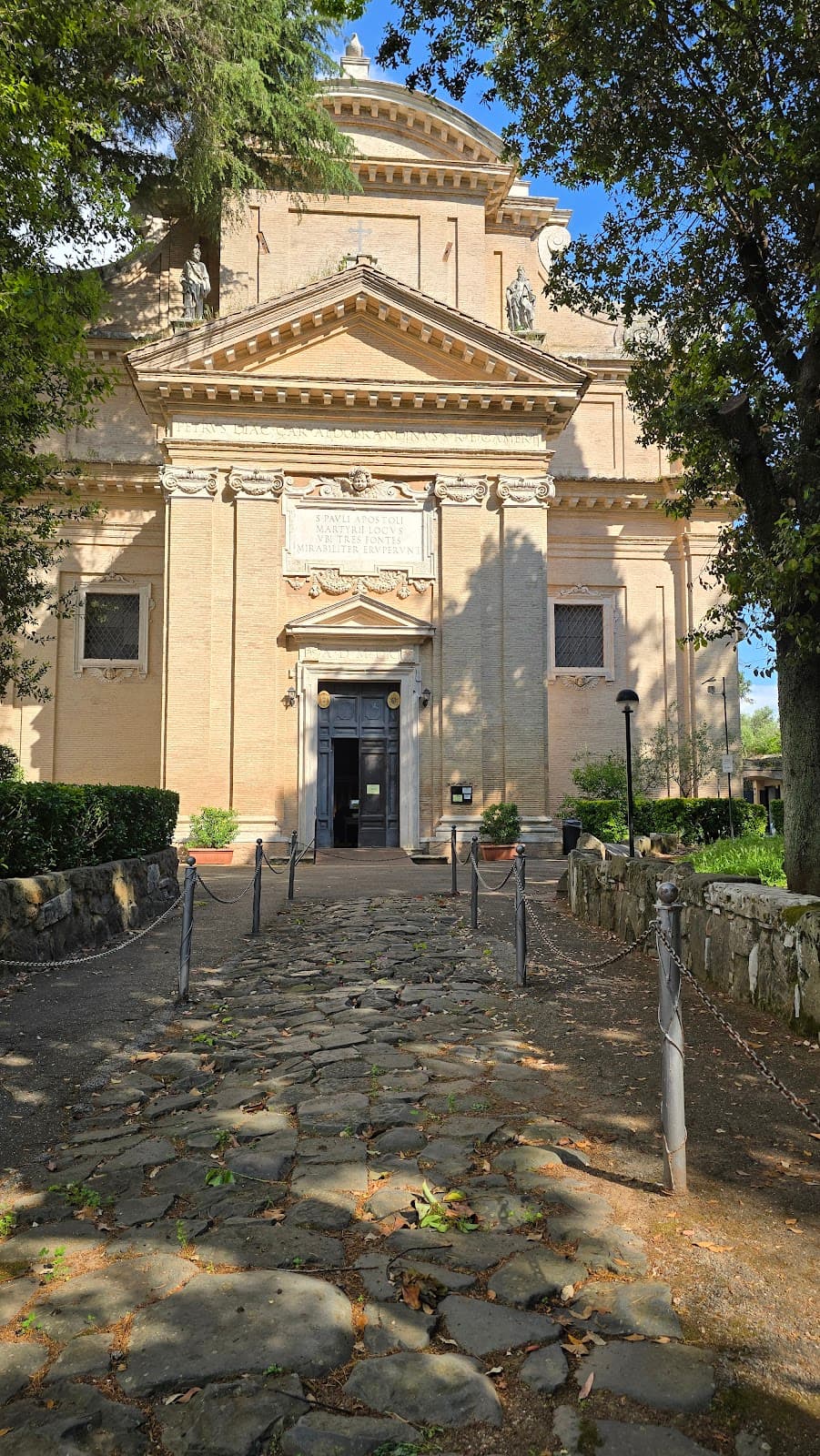
This basilica is traditionally believed to be the site of St. Paul's beheading. It's a serene and historically significant location with three fountains said to have sprung from where his head struck the ground.
Tip: A place of quiet reflection and historical significance.
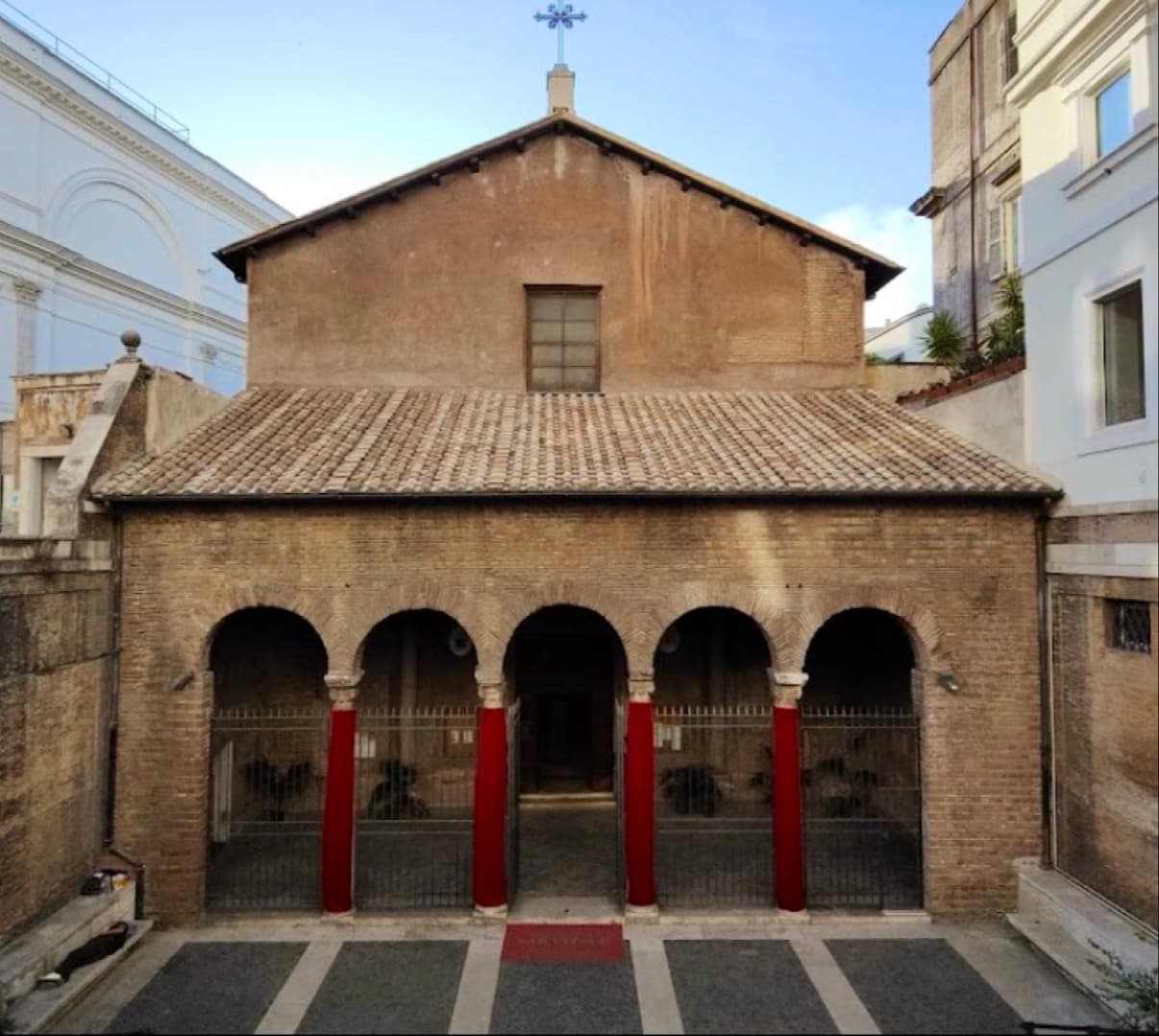
A small but historically significant church, San Vitale is known for its ancient origins and artistic elements, offering a glimpse into Rome's early Christian past.
Tip: A less crowded option for appreciating historical church art.

One of the oldest churches in Rome, Santa Maria in Trastevere is famous for its stunning 12th and 13th-century mosaics, particularly in the apse and facade. It's a vibrant heart of the Trastevere neighborhood.
Tip: The apse mosaics are particularly breathtaking.

This church has ancient roots and is associated with St. Lawrence. It offers a historical and religious experience, though it's less frequented by tourists.
Tip: A quiet spot for those interested in early Christian history.
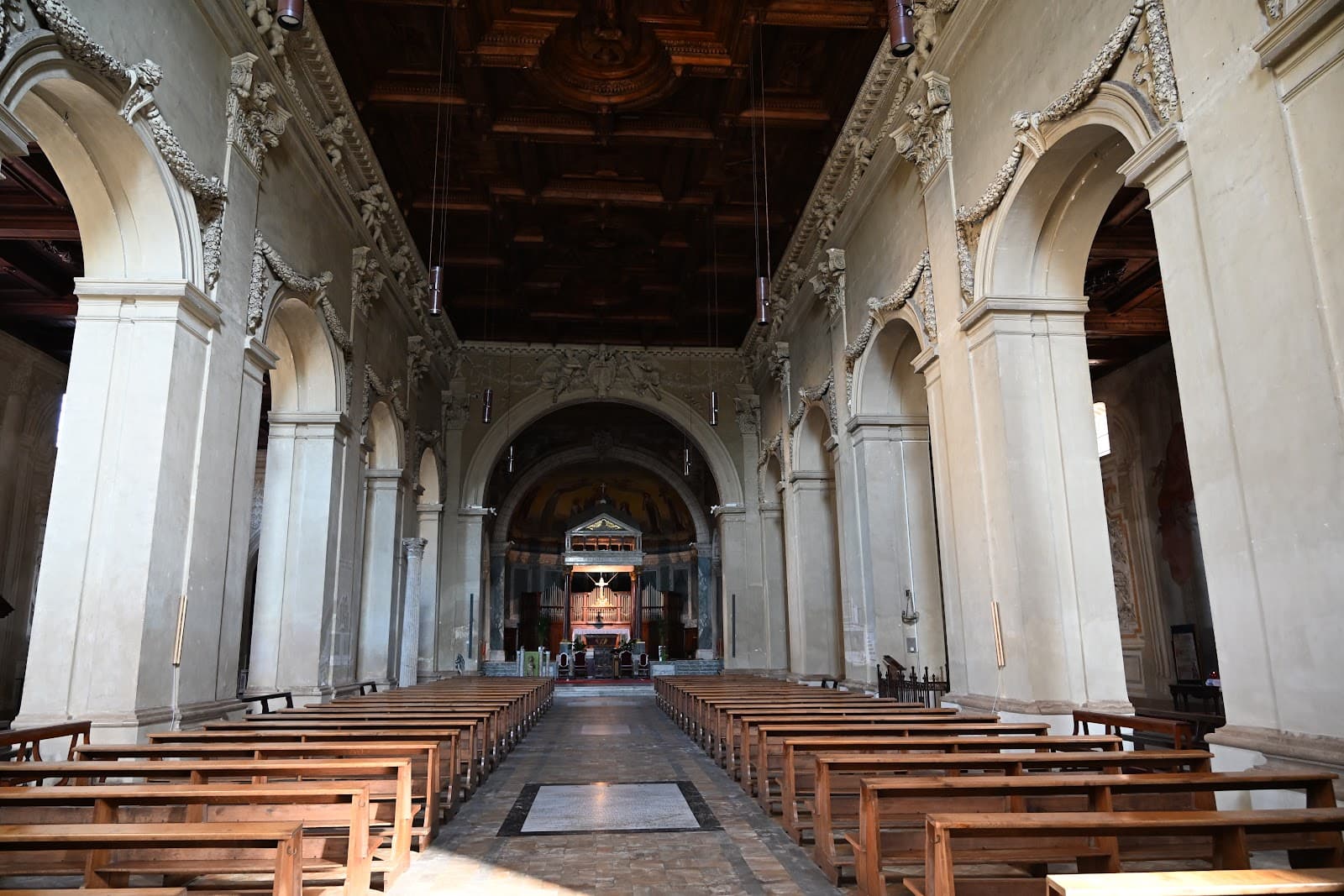
Located on the Janiculum Hill, this church is associated with Saint Pancras and offers a peaceful retreat with historical significance and beautiful surroundings.
Tip: Enjoy the views from Janiculum Hill after your visit.
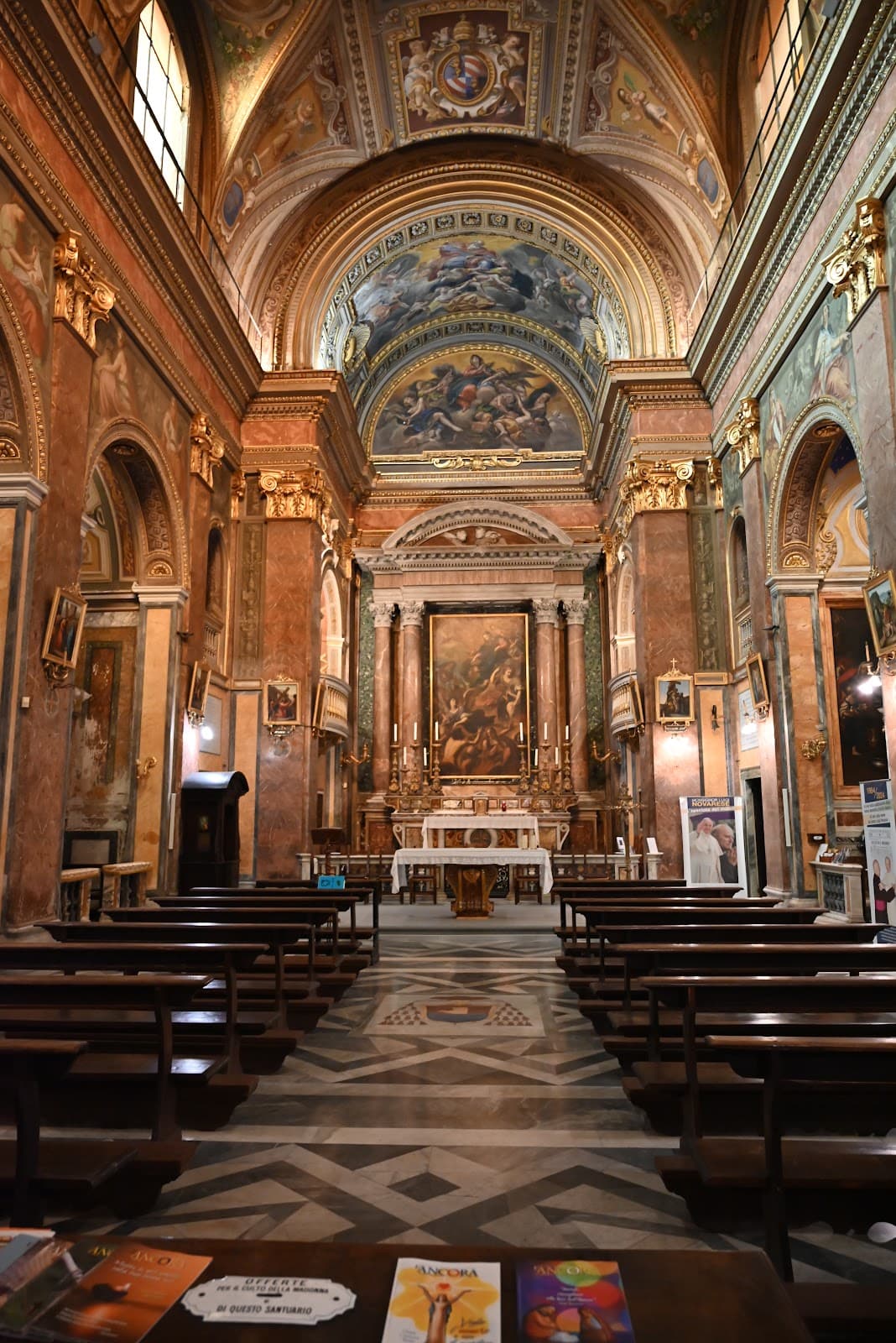
This church is known for its Baroque architecture and is a beautiful example of religious art and design, offering a serene atmosphere for visitors.
Tip: Admire the intricate details of the Baroque design.
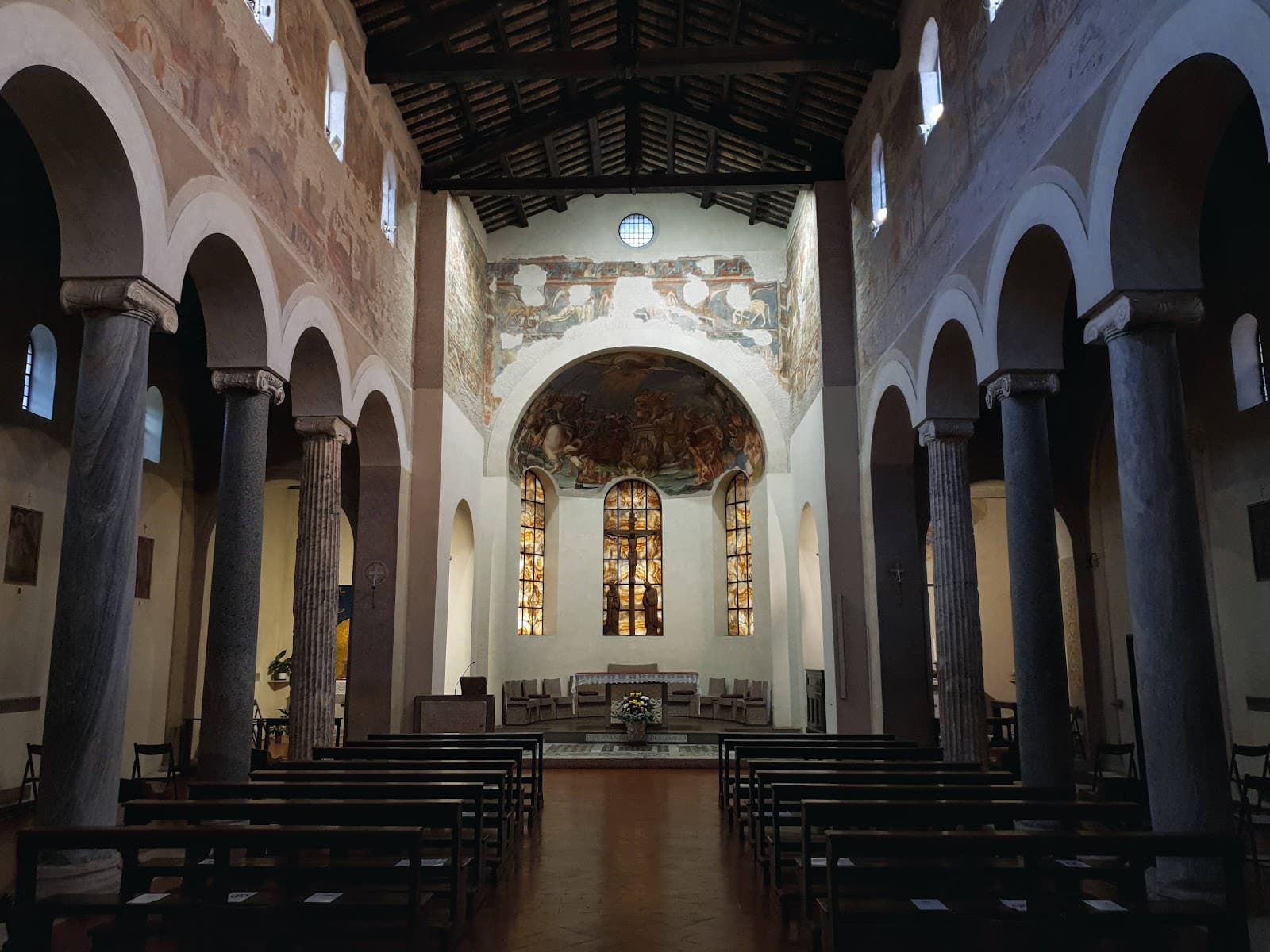
One of the oldest churches in Rome, this basilica has a simple yet profound beauty and is located near the ancient Porta Latina gate, offering a glimpse into early Christian Rome.
Tip: A quiet and historically significant site.
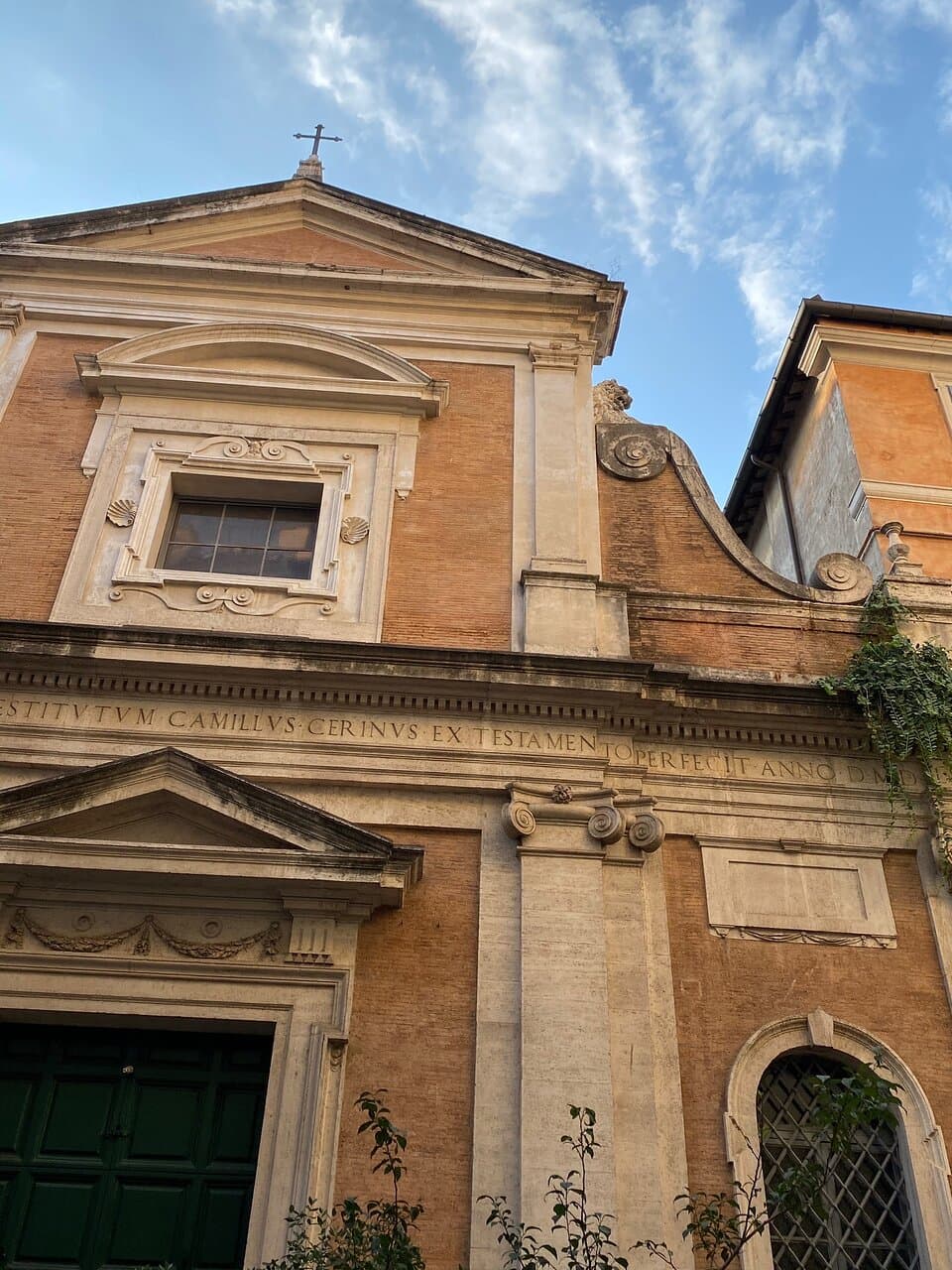
This church has a long history and contains notable artworks, offering a rich cultural and religious experience for those who seek it out.
Tip: A good stop for art and history enthusiasts.
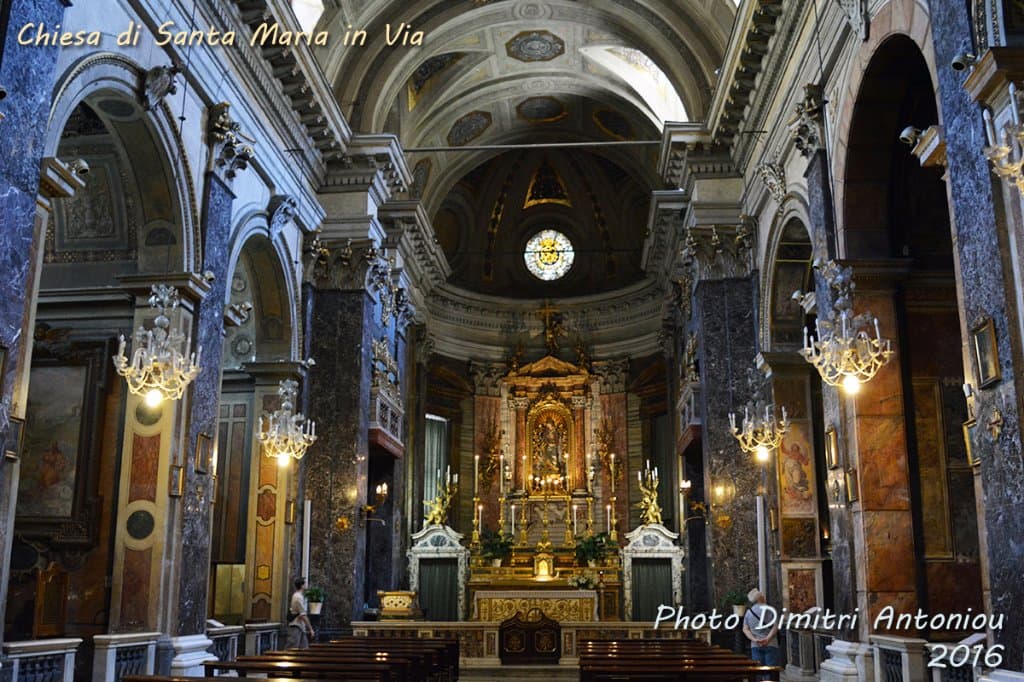
This church is known for its miraculous image of the Virgin Mary and its beautiful Baroque interior, offering a spiritual and artistic experience.
Tip: The image of the Virgin Mary is a focal point for devotion.
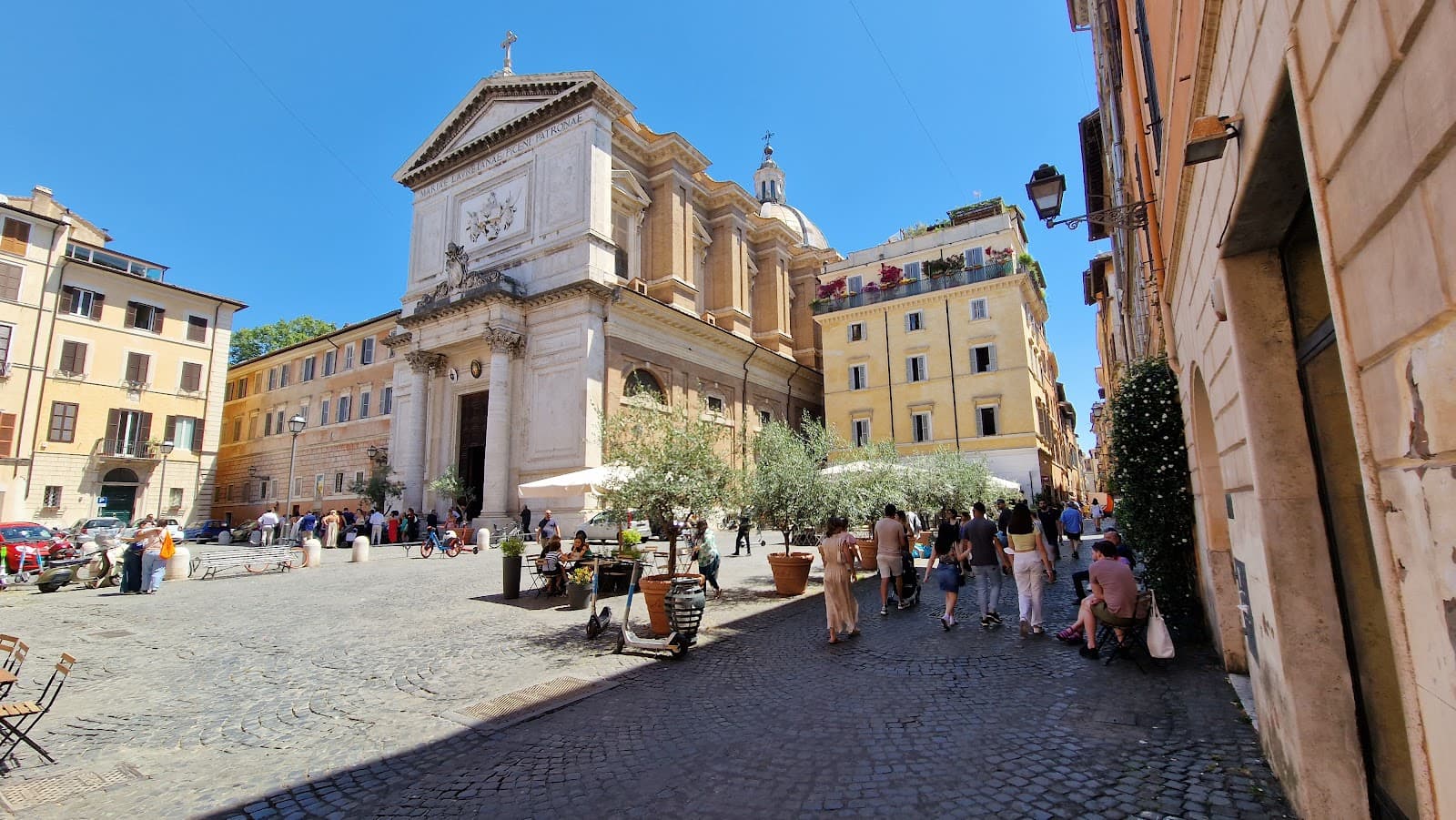
This church houses a revered image of Christ and has a history tied to the Knights of Malta. It offers a blend of art, history, and spirituality.
Tip: A place of devotion and artistic appreciation.
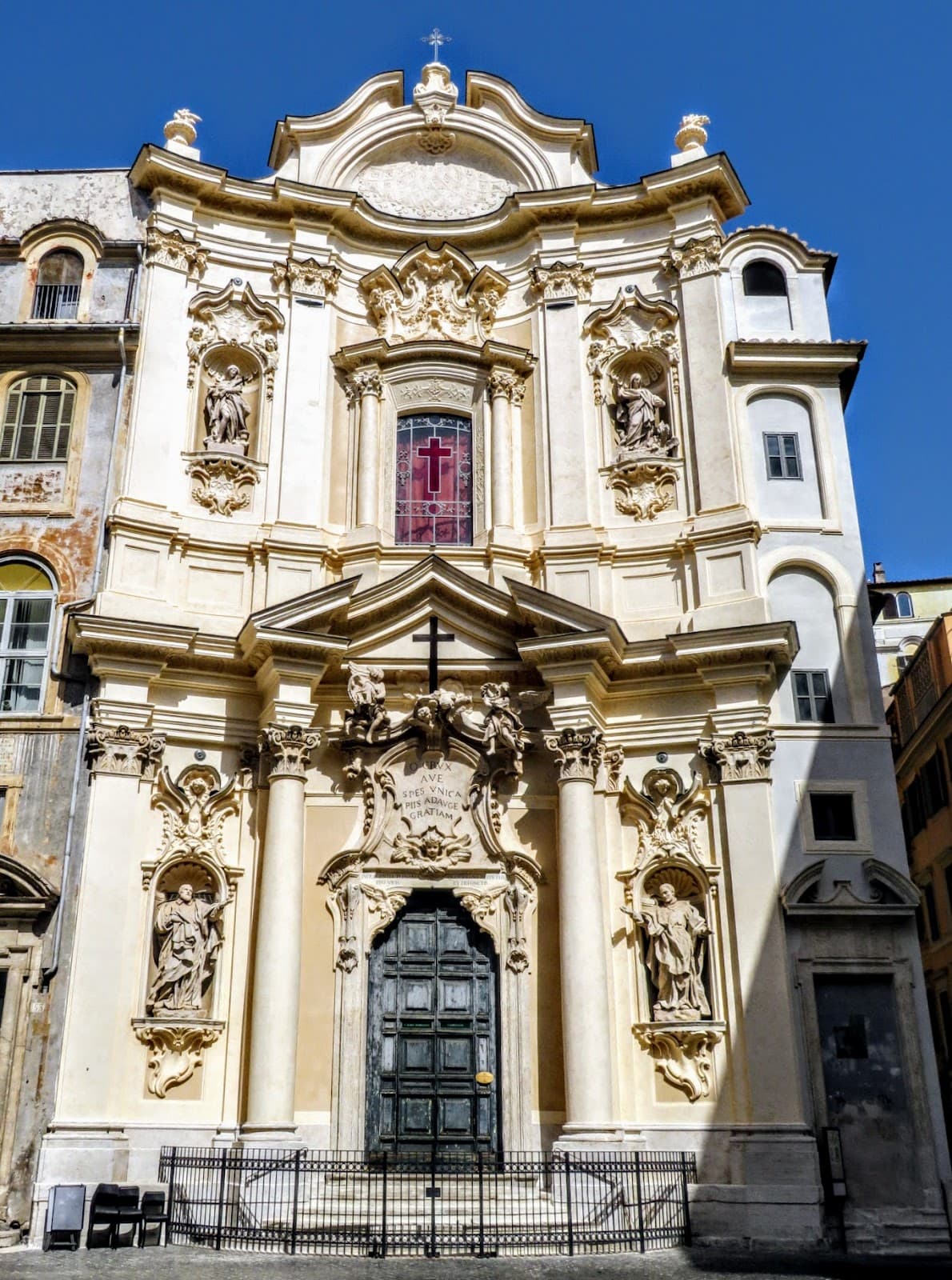
A stunning Baroque church with a richly decorated facade and interior, Santa Maria Maddalena is a feast for the eyes, showcasing the opulence of the era.
Tip: The facade is particularly impressive.
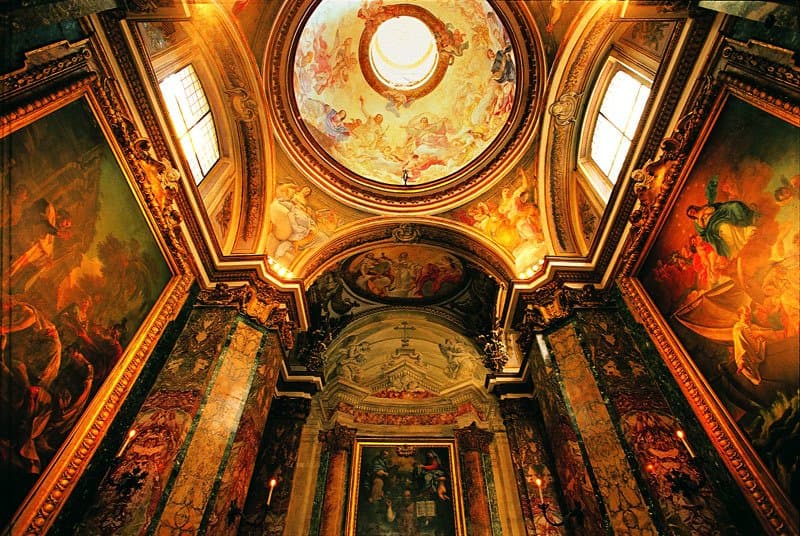
This church serves the community of Lorraine and features beautiful Baroque art and architecture, offering a serene and culturally rich experience.
Tip: A peaceful place to appreciate Baroque art.
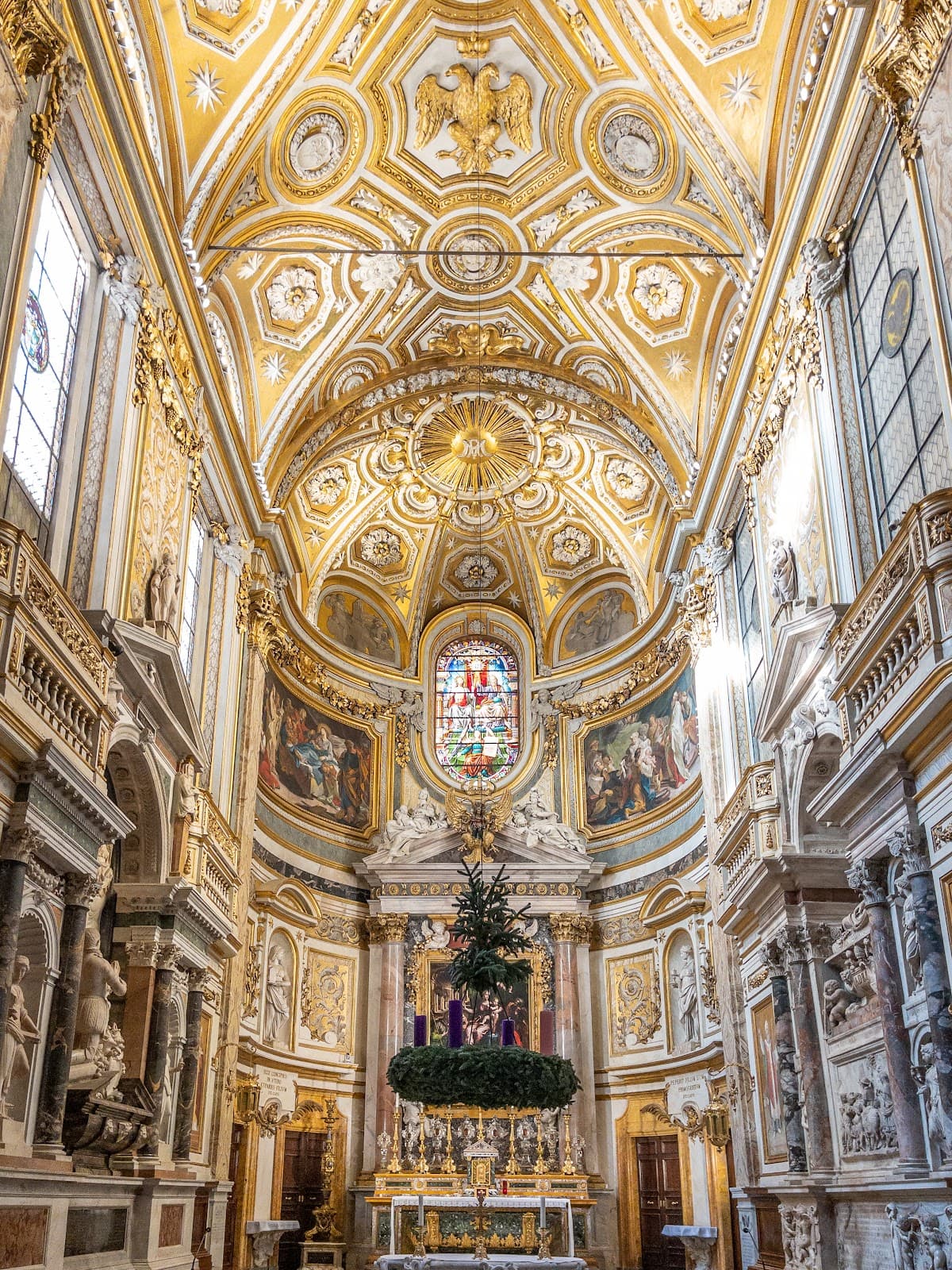
This church is the national church of the Flemish people in Rome and features beautiful Renaissance and Baroque art, including a tomb by Michelangelo.
Tip: Look for the tomb sculpted by Michelangelo.
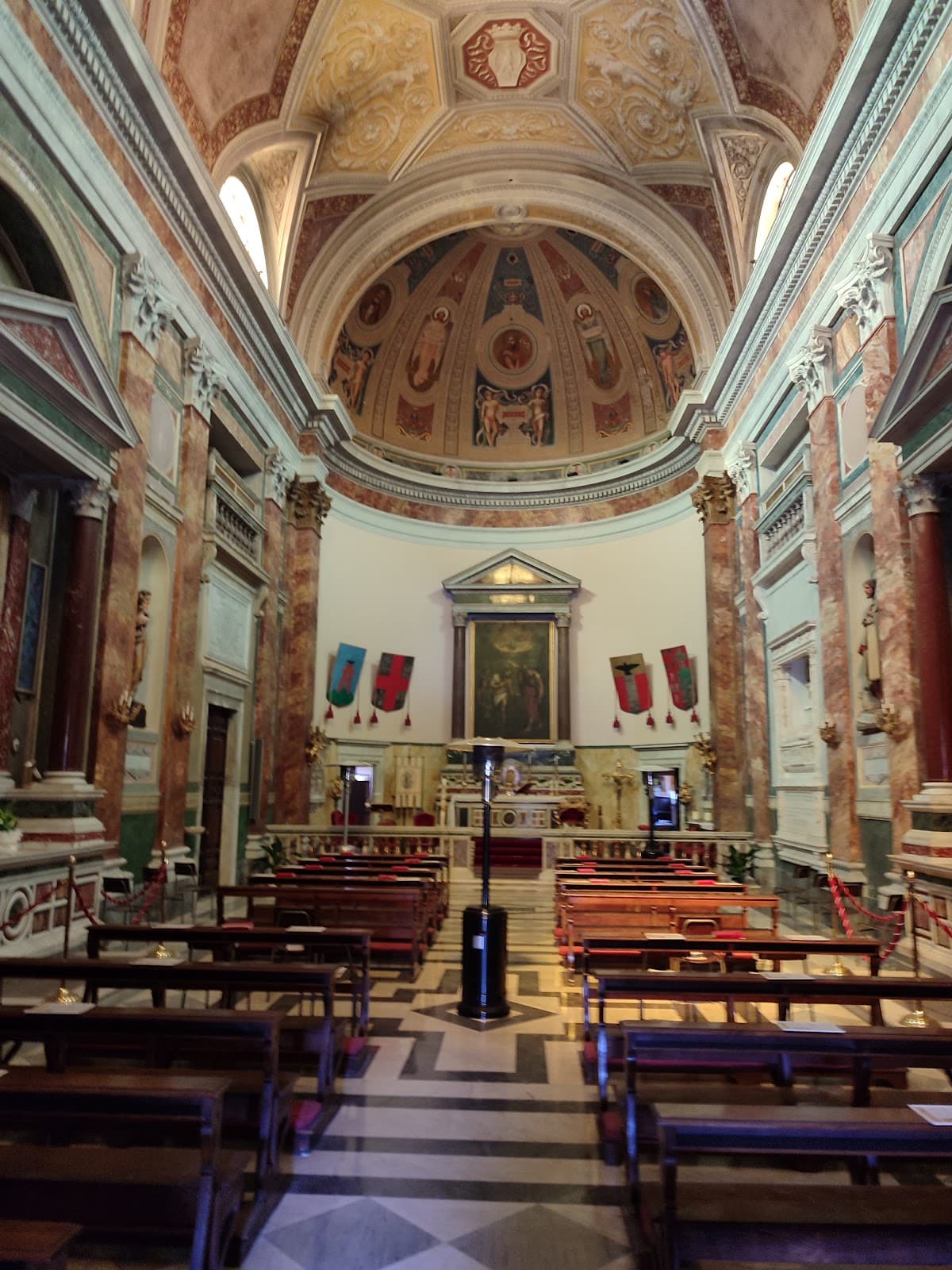
This church serves the Genoese community in Rome and showcases beautiful art and architecture, providing a glimpse into the cultural heritage of Genoa in the city.
Tip: A quiet place to appreciate art and history.
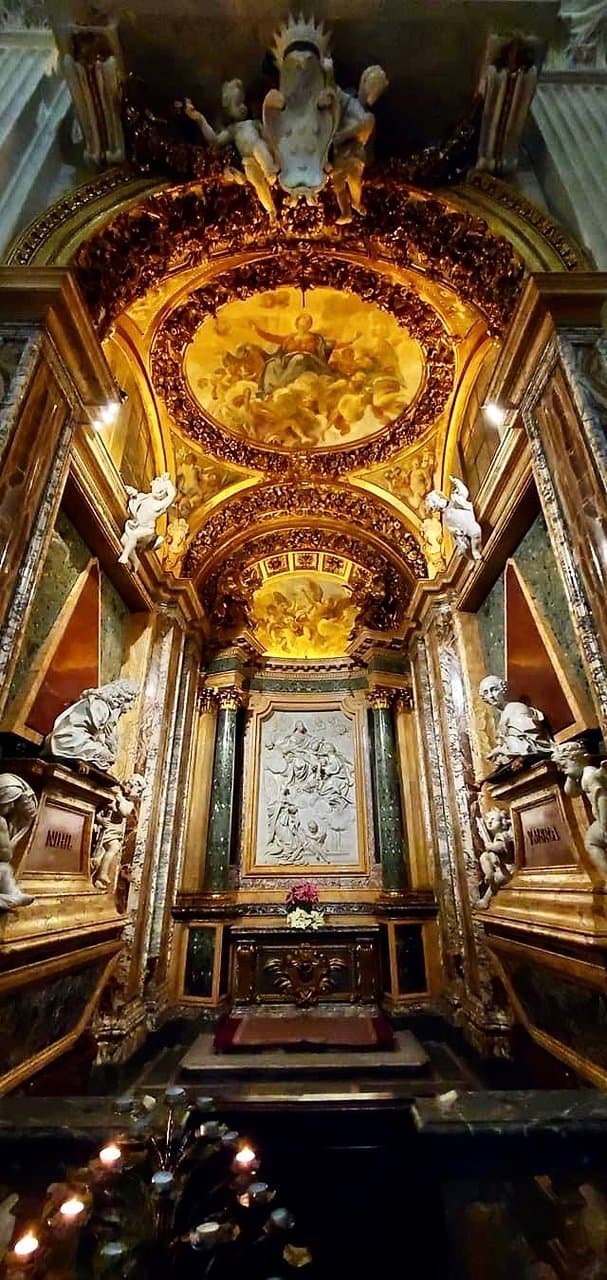
A beautiful Baroque church with a striking facade, Santa Maria in Campitelli is known for its artistic treasures and its prominent location.
Tip: The facade is a notable example of Baroque design.
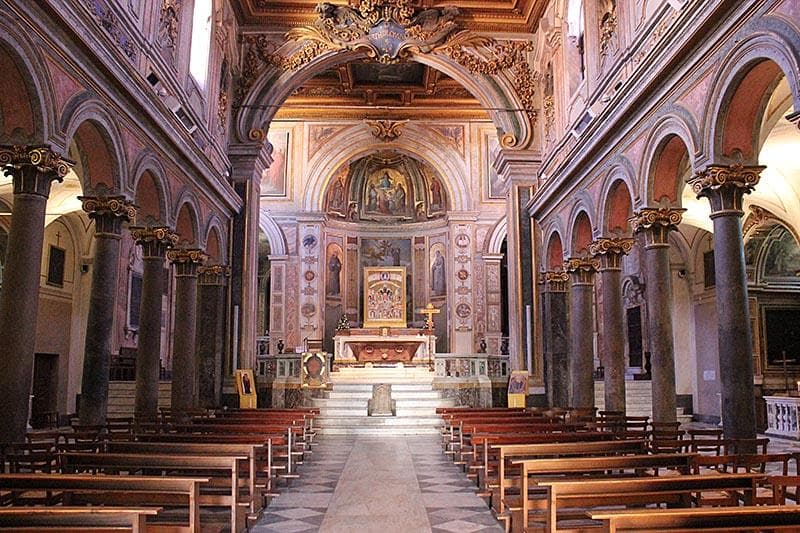
Located on Tiber Island, this church has a long history and features beautiful artworks, offering a unique setting and a peaceful atmosphere.
Tip: Enjoy the unique setting of Tiber Island.
A small but historically significant church, Santa Maria in Posterula offers a quiet space for reflection and a glimpse into Rome's past.
Tip: A peaceful stop for those exploring the area.
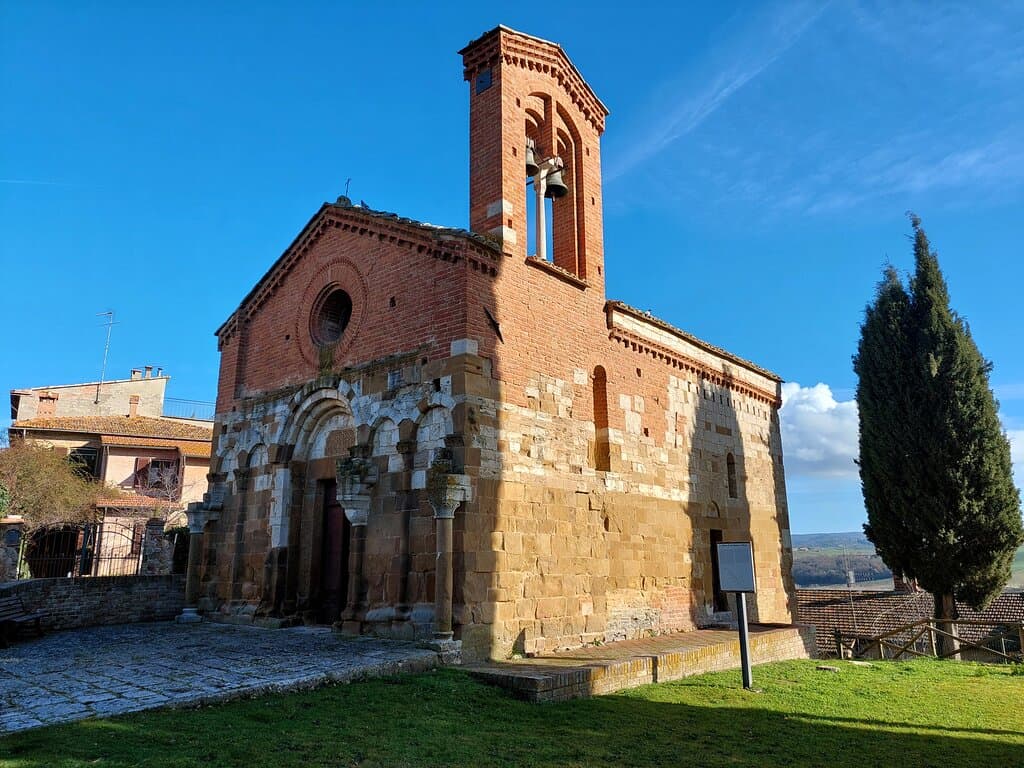
This church is famous for Bramante's Tempietto, a small, perfectly proportioned Renaissance tempietto located in its courtyard, considered a masterpiece of Renaissance architecture.
Tip: The Tempietto is a must-see for architecture enthusiasts.
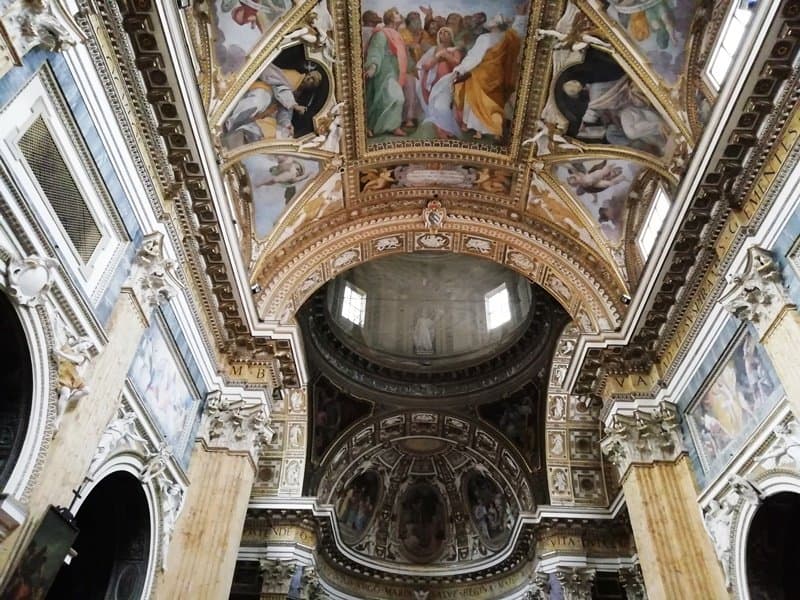
A beautiful church located in the Monti district, it features a notable facade and interior, offering a blend of art and history in a charming neighborhood.
Tip: Explore the charming Monti neighborhood after your visit.
The facade of San Luigi dei Francesi is an impressive example of Baroque architecture, hinting at the artistic treasures within, particularly the Caravaggio paintings.
Tip: The facade prepares you for the artistic wonders inside.
The underground levels of Santa Maria in Via Lata reveal ancient Roman structures and early Christian frescoes, offering a fascinating journey into Rome's layered history.
Tip: Exploring the subterranean levels provides a unique historical perspective.
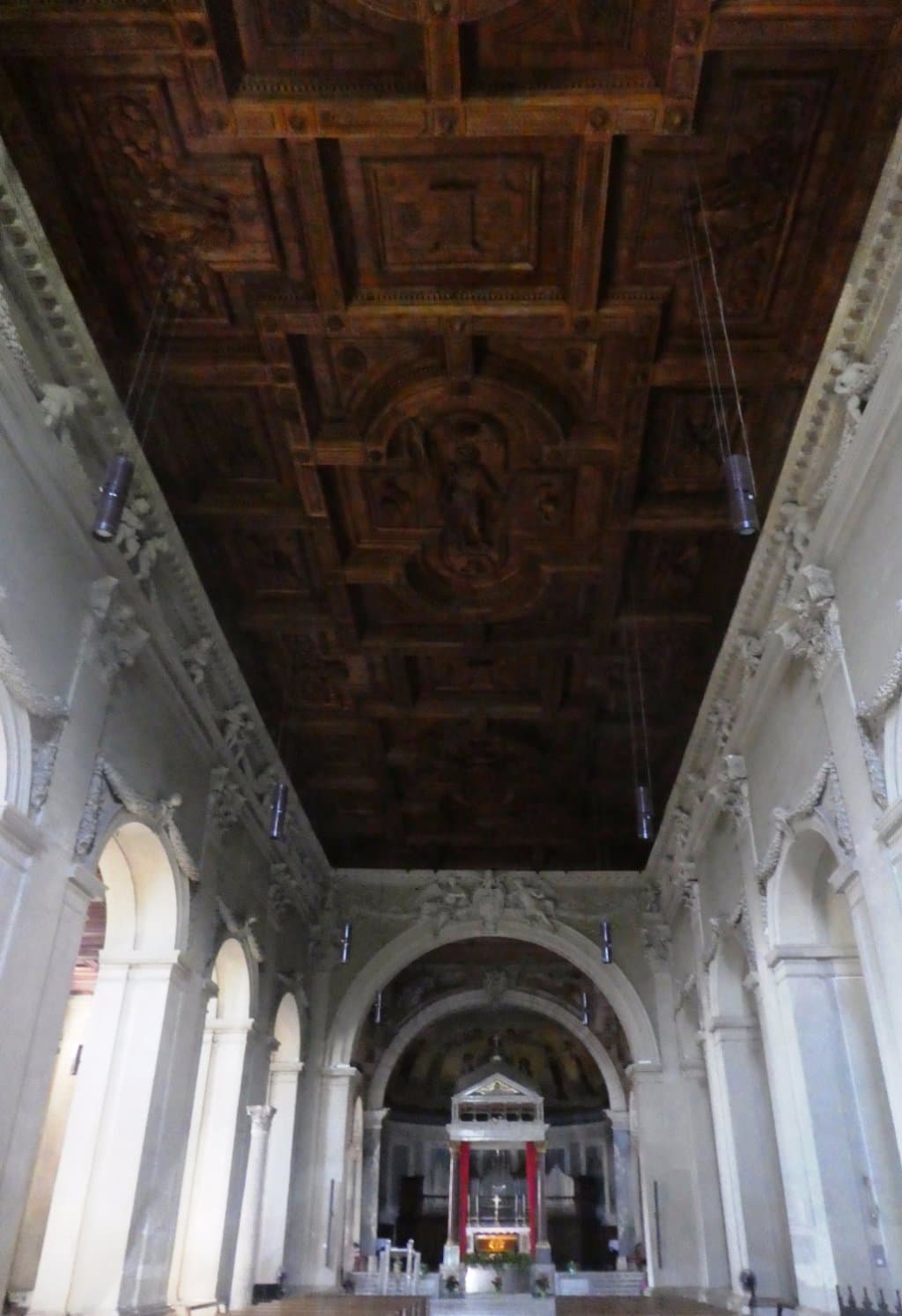
While the church is notable, the catacombs beneath San Pancrazio offer a significant historical site for exploring early Christian burial practices and history.
Tip: Guided tours are recommended for understanding the history of the catacombs.
The lower church of San Clemente is a 4th-century basilica with well-preserved frescoes, offering a direct connection to early Christian Rome and its art.
Tip: The frescoes provide vivid insights into early Christian iconography.
Beneath the lower church of San Clemente lies a 1st-century Roman house and a Mithraic temple, offering a rare glimpse into ancient Roman pagan worship.
Tip: This is a unique opportunity to see a well-preserved Mithraic temple.
This church is believed to be built over the house where St. Paul stayed during his Roman imprisonment, offering a profound connection to early Christian history.
Tip: A place of deep historical and religious significance.
The chains that are said to have bound St. Peter are preserved and displayed in this basilica, adding another layer of religious significance to the site.
Tip: These relics are a major draw for pilgrims and history enthusiasts.
The crypt of this church is famously decorated with the bones of thousands of Capuchin friars, arranged in intricate patterns, offering a unique and macabre artistic display.
Tip: A solemn and thought-provoking experience.