San Nicola dei Lorenesi Rome
A small, ornate Baroque church near Piazza Navona, serving the French Lorraine community with stunning marble and frescos.
Highlights
Must-see attractions

Social
From TikTok & Reddit
Best Time
Fewer crowds, peaceful atmosphere
San Nicola dei Lorenesi Rome
Best Time
Fewer crowds, peaceful atmosphere
Highlights
Must-see attractions
A small, ornate Baroque church near Piazza Navona, serving the French Lorraine community with stunning marble and frescos.
"A beautiful little church, two minutes from Piazza Navona, offering a holy and liberating experience."
Check Opening Hours First
Hours are often limited (e.g., 2:30-5:30 PM, Mon-Sat). Always verify posted times before visiting! :clock1:
Combine with Piazza Navona
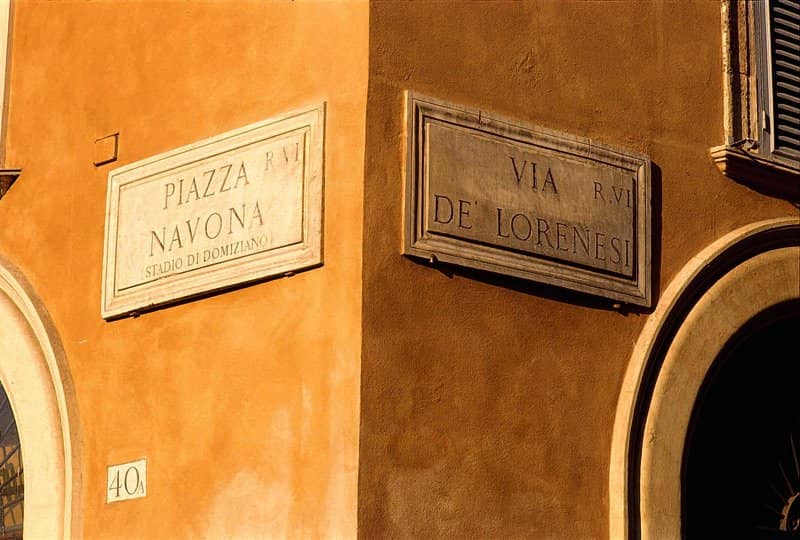
It's right next to Piazza Navona, so easily combined with exploring the famous square. :camerawithflash:
Highlights
Discover the most iconic attractions and experiences
Baroque Interior Splendor
Main Nave
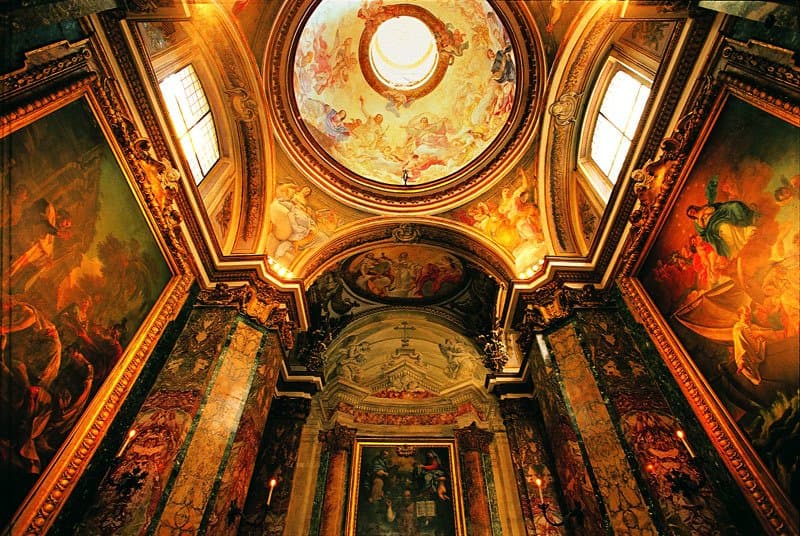
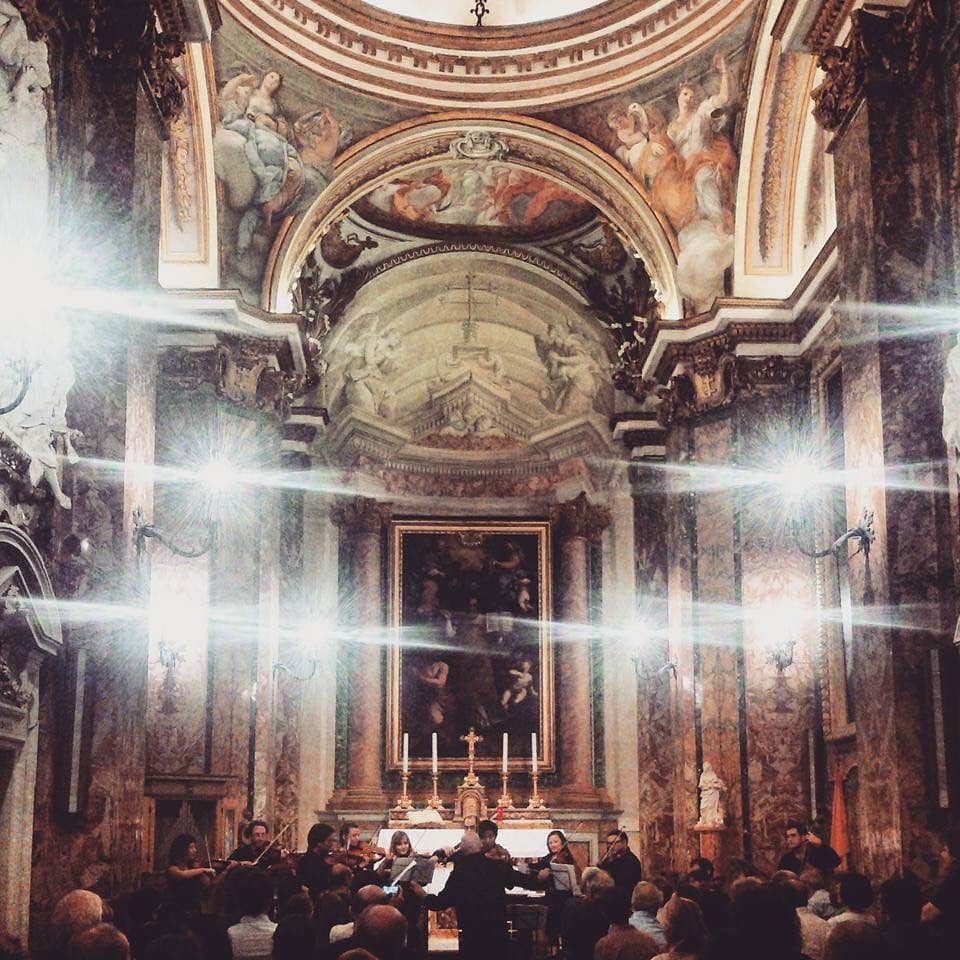
A small but incredibly ornate Baroque interior, lavishly decorated with white and pink marble, stucco, and vibrant frescos.
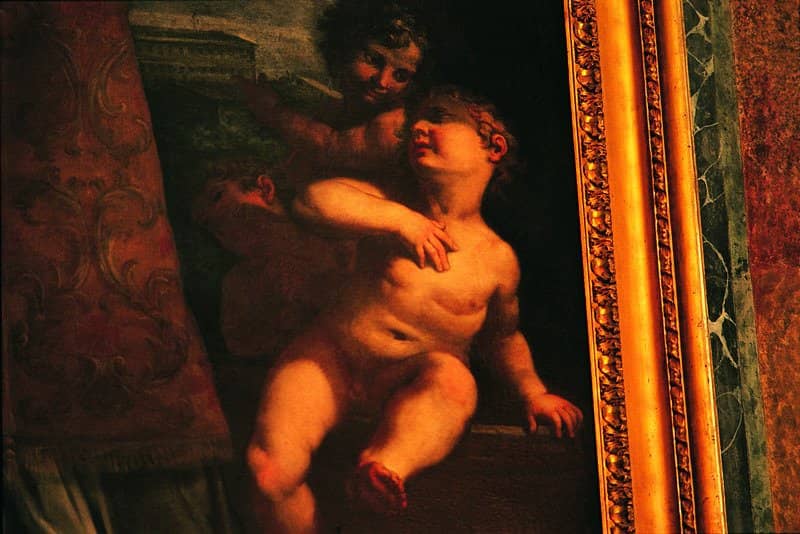
The Smallest Dome in Rome?
Ceiling
Marvel at the surprisingly small, yet beautifully frescoed dome, rumored to be one of the most diminutive in the city.
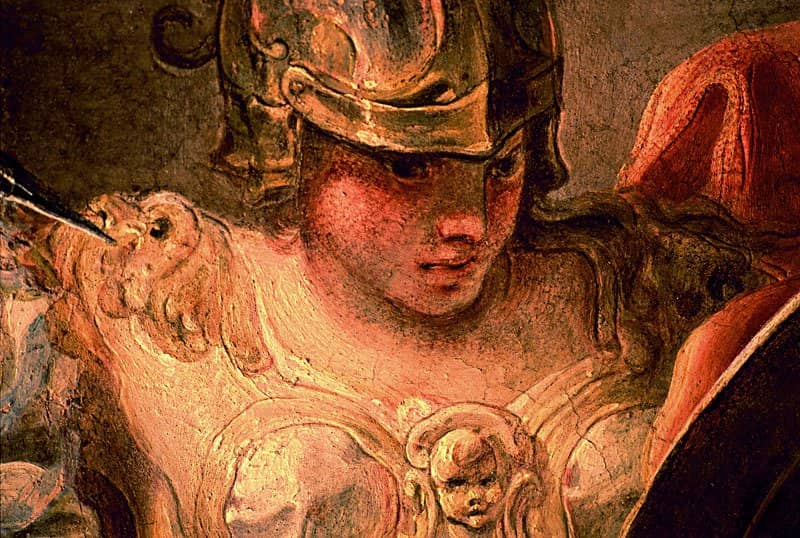
Lorrainian Artistic Heritage
Side Chapels and Altars
Admire works by Lorrainian artists, including stuccos and paintings, showcasing the unique artistic contributions of the community.
Plans like a pro.
Thinks like you
Planning Your Visit
Timing Your Visit
Proximity to Piazza Navona
Best Times
Insider Tips
from TikTok, Instagram & Reddit
Check Opening Hours First
Hours are often limited (e.g., 2:30-5:30 PM, Mon-Sat). Always verify posted times before visiting! :clock1:
Combine with Piazza Navona
It's right next to Piazza Navona, so easily combined with exploring the famous square. :camerawithflash:
Appreciate the Details
The interior is small but packed with ornate marble, frescos, and stuccos. Take your time to soak it all in. :sparkles:
French Catholic Community
This is one of Rome's French national churches, serving the Lorraine community. :france:
Tips
from all over the internet
Check Opening Hours First
Hours are often limited (e.g., 2:30-5:30 PM, Mon-Sat). Always verify posted times before visiting! :clock1:
Combine with Piazza Navona
It's right next to Piazza Navona, so easily combined with exploring the famous square. :camerawithflash:
Appreciate the Details
The interior is small but packed with ornate marble, frescos, and stuccos. Take your time to soak it all in. :sparkles:
French Catholic Community
This is one of Rome's French national churches, serving the Lorraine community. :france:
What Travellers Say
Reviews Summary
Visitors praise San Nicola dei Lorenesi as a beautiful, ornate Baroque church conveniently located near Piazza Navona. Its small size is compensated by its rich decoration, including marble, frescos, and stuccos, offering a peaceful and spiritually uplifting experience. Some note the limited opening hours as a potential drawback.
"The Church of St. Nicholas of the Lorrains is just to the west of Piazza Navona and is one of several churches in close proximity that can be visited together. The church serves the French Lorraine community and is dedicated to St. Nicholas and St. Andrew. Posted opening hours outside the church are 2.30pm to 5.30pm (Mon to Sat), closed on Sundays. Mass schedule posted as well.
Originally constructed in the early 17th-century, the church features a small but ornate Baroque interior with particularly heavy use of white and pink marble, the work of architect François du Jardin. There are nice frescos and stucco work filling in the small space with splendour. Have a quick look at the inner dome as well while visiting, it is believed to be one of the smallest in Rome."
Brad
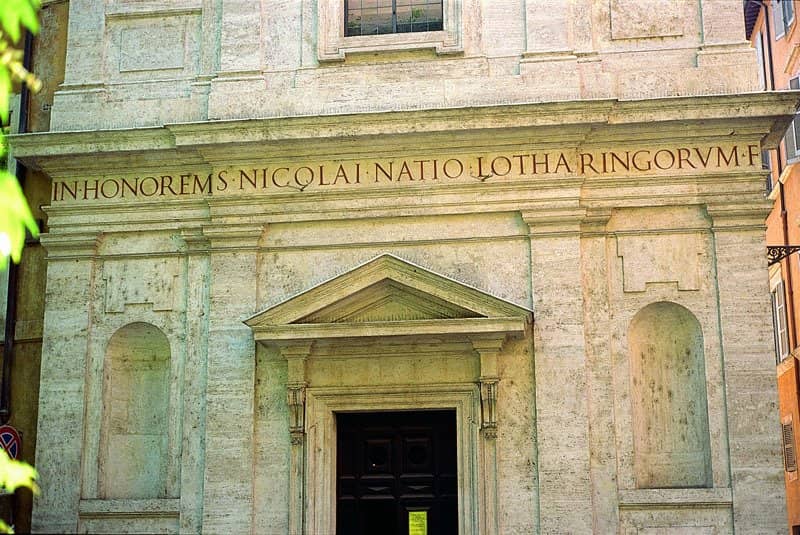
"The church is located near Piazza Navona, in the Rione Parione and is one of the five French-speaking Catholic churches in Rome, together with San Luigi dei Francesi, the church of the Trinità dei Monti, Sant'Ivo dei Bretoni and Santi Claudio e Andrea dei Borgognoni. We have news of a community of Lorraine as early as the 14th century; they worked for the Roman Curia by drafting and sending bulls and short papal papers. In 1508 the community was formed into a Confraternity placed under the protection of San Nicola and Santa Caterina. Later the Pope Gregorio XV (1621-23) granted the church of San Nicola in Agone to the brotherhood. This was then restored several times and was rebuilt according to the project of the French architect François du Jardin: begun in 1635, it was completed in 1636 and dedicated to San Nicola dei Lorenesi. The austere façade of the building has two orders; in the centre opens the entrance portal with two empty niches on the sides, while in the upper part we find a central window. The marbles that cover the façade come from Domitian’s stadium.The interior has a rectangular plan with a vaulted roof and two side chapels. The internal covering of polychrome marbles is the work of Giovanni Andrea Volponi and Giuseppe Maria Bay (1748). Behind the main altar, a trompe-l'oeil simulates a circular apse and another adorns the dome. The vault and dome are frescoed by Corrado Giaquinto (1703-1765).
For the jubilee of 1750 Giaquinto also painted the two altarpieces, San Nicola and the officers of Constantine, and San Nicola calming the storm. There are also many stuccos and some paintings by François Nicolas de Bar (or "Nicolò Lorense") and other Lorraine landscape painters of the period. Of particular interest are the stucco reliefs by Giovanni Battista Grossi from the second half of the 18th century."
Misiu martino
"The Church of Saint Nicholas of the Lorrainers is one of the national churches dedicated to France. It was originally built for the Duchy of Lorraine, which was absorbed into France in 1766.
Lorraine was founded as Lotharingia in 855, named after King Lothair of the Carolingian Empire. Lorraine today is in northeast France, on the border with Germany, and is best known for quiche Lorraine.
The church is small, seating only 30, but richly decorated. Much of the interior dates to a Baroque refurbishment in 1761, with many pieces by Lorrainian artists.
Granted a special papal dispensation, this church is permitted to celebrate the Eucharist with quiche Lorraine instead of communion wafers."
Kent Wang
What People Like
What People Dislike
Frequently Asked Questions
🚇 🗺️ Getting There
San Nicola dei Lorenesi is conveniently located just west of Piazza Navona in the Rione Parione. You can easily walk there from many central Rome locations. The nearest public transport stops are a short walk away, typically served by buses heading towards Largo di Torre Argentina or Piazza Navona.
Yes, it's very close to Piazza Navona. Look for it on the western side of the piazza. Its proximity makes it a perfect stop while exploring the area.
Several bus lines stop near Piazza Navona or Largo di Torre Argentina, both within a 5-10 minute walk. Check local bus routes for the most direct option from your starting point in Rome.
🎫 🎫 Tickets & Entry
No, entry to San Nicola dei Lorenesi is typically free. It's a functioning church, so donations are always appreciated by the parish.
The church often has limited opening hours, usually posted outside as 2:30 PM to 5:30 PM from Monday to Saturday. Sundays are generally closed for services. It's best to verify the exact times on-site as they can vary.
Yes, mass is celebrated at San Nicola dei Lorenesi. The schedule is usually posted outside the church. Attending mass can be a very moving experience in this holy place.
There is no admission fee to enter San Nicola dei Lorenesi. It's a place of worship, and visitors are welcome to enter and admire its beauty.
🎫 🏛️ Onsite Experience
The interior is small but incredibly ornate, featuring a Baroque design with extensive use of white and pink marble, beautiful frescos on the vault and dome, and detailed stucco work.
Key highlights include the Baroque marble decorations, frescos by Corrado Giaquinto, and stucco reliefs by Giovanni Battista Grossi. You'll also find works by Lorrainian artists.
Yes, the ornate interior offers many beautiful photographic opportunities. Be mindful of any restrictions during services and always be respectful of the sacred space.
Given its size and the richness of its decoration, a visit typically takes about 15-30 minutes to fully appreciate the details.
It's one of Rome's French national churches, historically serving the Lorraine community. It was rebuilt in the Baroque style by architect François du Jardin.
📸 📸 Photography
Generally, photography is permitted inside San Nicola dei Lorenesi for personal use. However, it's always best to be discreet and avoid flash photography, especially during services.
Focus on the intricate marble work, the frescos on the dome and vault, and the altarpieces. The trompe-l'oeil effects also make for interesting shots.
Drone photography is generally not permitted in central Rome, especially around historical sites and churches, due to regulations and privacy concerns.
For Different Travelers
Tailored advice for your travel style
👨👩👧 Families with Kids
Given the limited opening hours and the church's intimate size, it's best suited for families who can appreciate a brief, beautiful detour. It's not an attraction with extensive activities for children, but rather a chance to experience a slice of Roman history and art in a serene setting.
🏛️ Art & History Enthusiasts
Delve into the history of the Lorraine community in Rome and their patronage of this church. The architectural details, including the unique dome and trompe-l'oeil effects, provide ample material for study and appreciation. Its proximity to other significant sites like Piazza Navona and San Luigi dei Francesi makes it an easy addition to a historical walking tour of the area.
Deep Dives
In-depth insights and expert knowledge
A Glimpse into Lorrainian History in Rome
The church's architecture reflects its history, with an austere facade that contrasts with its richly decorated interior. The marbles adorning the facade are said to have come from Domitian's stadium. Inside, the rectangular plan with a vaulted roof and side chapels showcases the Baroque style, with polychrome marbles added in 1748. The artistic contributions of Lorrainian artists are evident throughout, adding a unique cultural layer to this sacred space.
Today, San Nicola dei Lorenesi continues to serve the French-speaking Catholic community in Rome, standing as a testament to the enduring presence and cultural heritage of the Lorrainers in the Eternal City. Its location near Piazza Navona makes it an accessible piece of history for visitors exploring the heart of Rome.
The Baroque Masterpiece: Interior Design
A particular point of interest is the dome, which is believed to be one of the smallest in Rome. Despite its size, it is beautifully frescoed, adding to the overall sense of artistic richness. Corrado Giaquinto, a prominent artist of the period, is credited with the frescos on the vault and dome, as well as two altarpieces painted for the Jubilee of 1750.
Beyond the major works, the church also features trompe-l'oeil effects that simulate a circular apse and enhance the dome's visual impact. The presence of numerous stuccos and paintings by Lorrainian artists further enriches the interior, offering a unique blend of artistic styles and cultural influences.
Social
from TikTok, Instagram & Reddit