Santa Maria Maddalena Rome
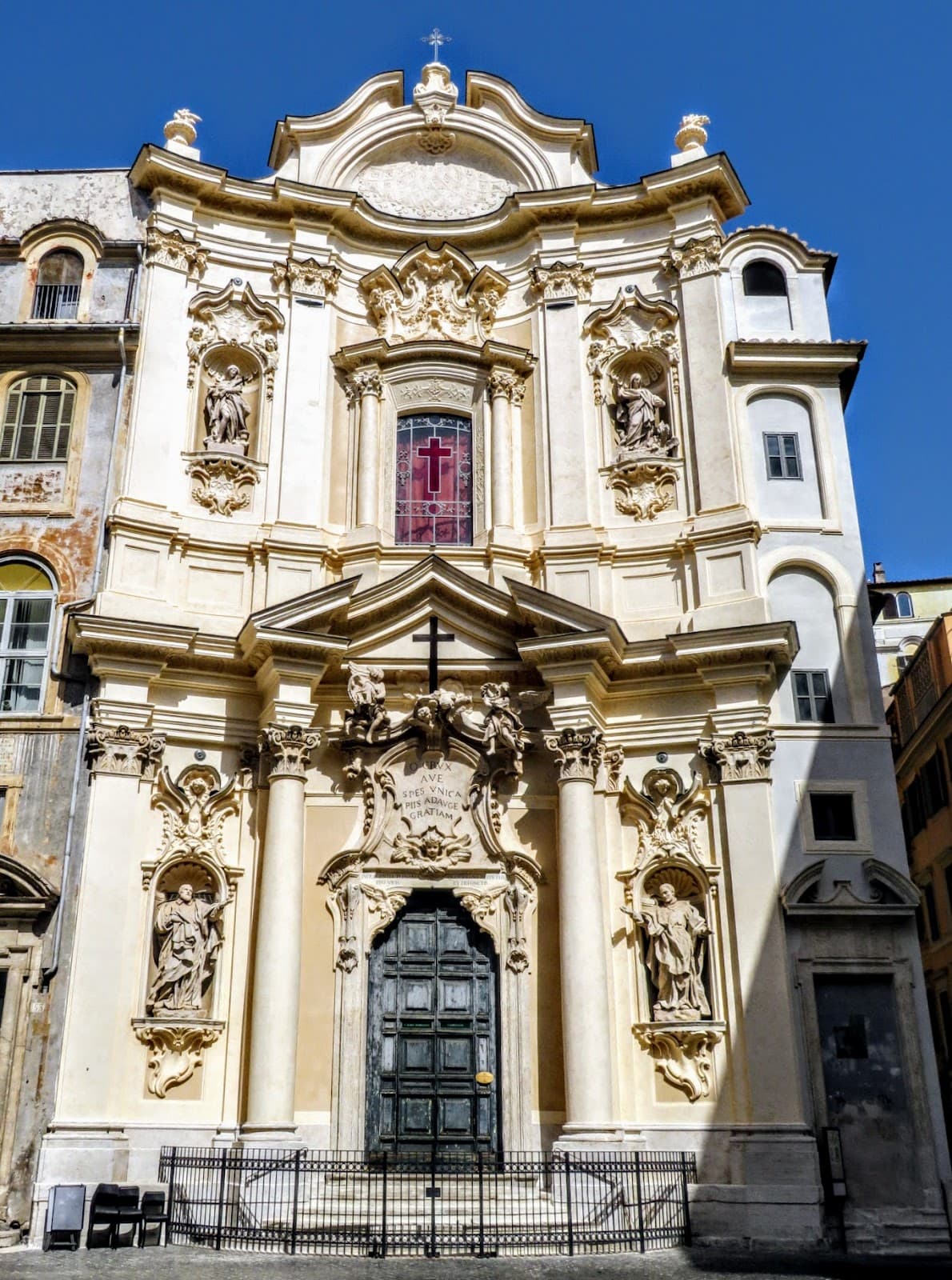
A Rococo masterpiece near the Pantheon, Santa Maria Maddalena enchants with its 'sugar church' facade and lavish Baroque interior.
Highlights
Must-see attractions

Social
From TikTok & Reddit
Best Time
Fewer crowds, more peaceful
Santa Maria Maddalena Rome
Best Time
Fewer crowds, more peaceful
Highlights
Must-see attractions
A Rococo masterpiece near the Pantheon, Santa Maria Maddalena enchants with its 'sugar church' facade and lavish Baroque interior.
"One of the most beautiful churches in Rome, a Rococo gem near the Pantheon."
Check Opening Hours
Can close unexpectedly after mass. Plan your visit accordingly.
Admire the Facade
The 'sugar icing' exterior is a Rococo delight, a must-see before entering.
Highlights
Discover the most iconic attractions and experiences
Rococo Facade
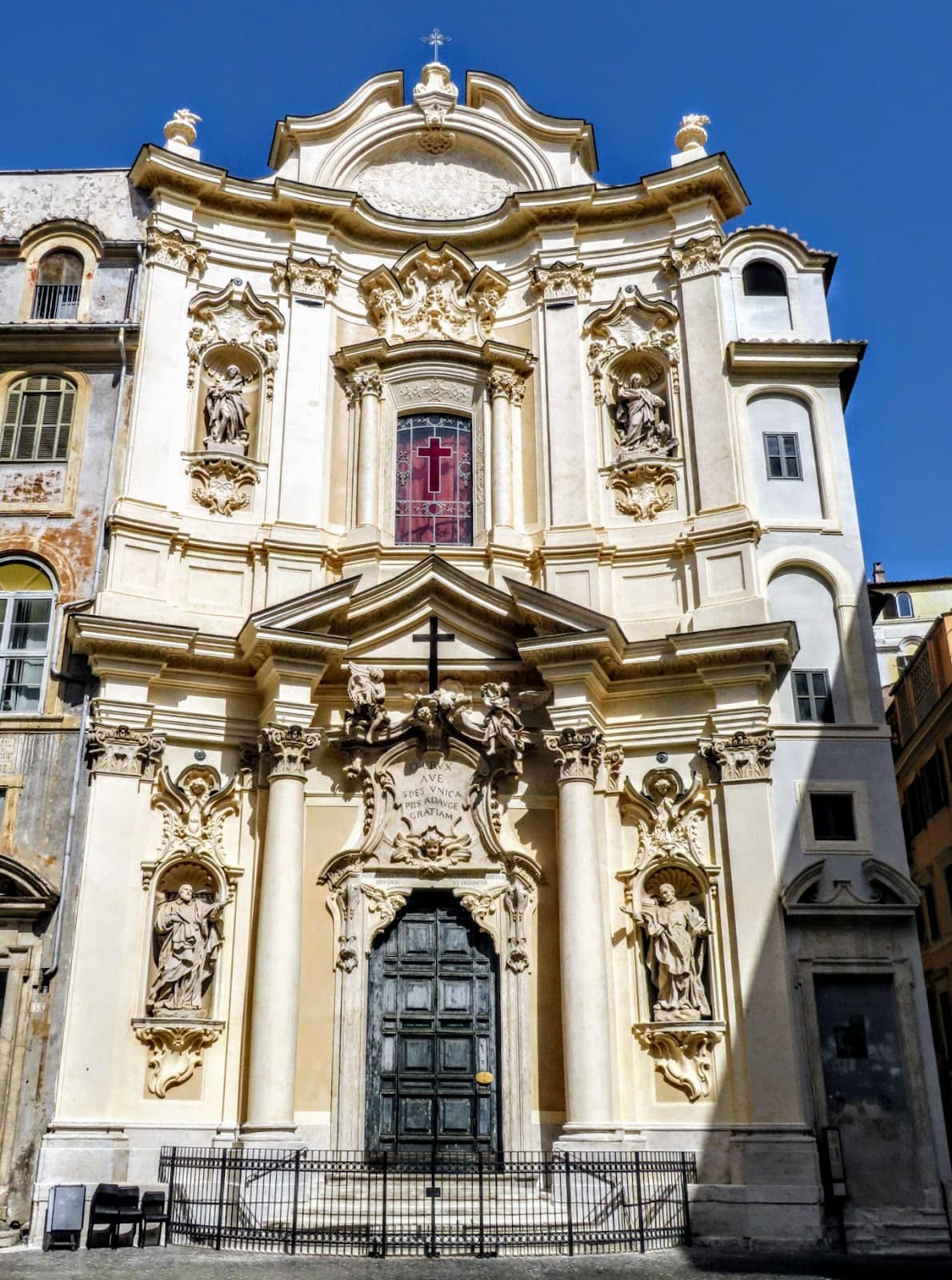
Curved and adorned with stuccos, its 'sugar icing' detail is a unique Baroque-Rococo marvel.
Opulent Interior
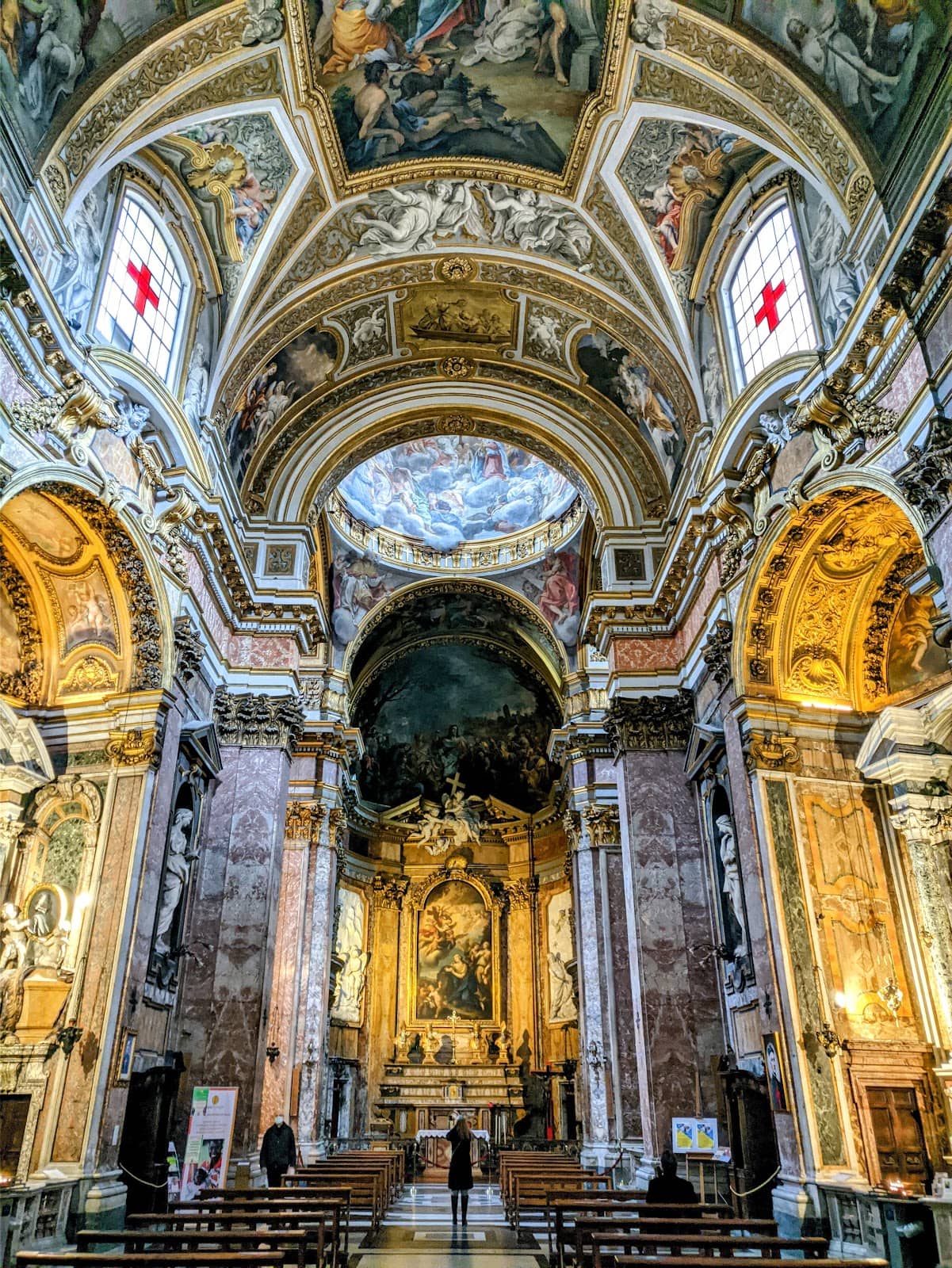
Elliptical nave with side chapels, stunning frescoes, and intricate stucco work create a dazzling effect.
18th-Century Organ Loft
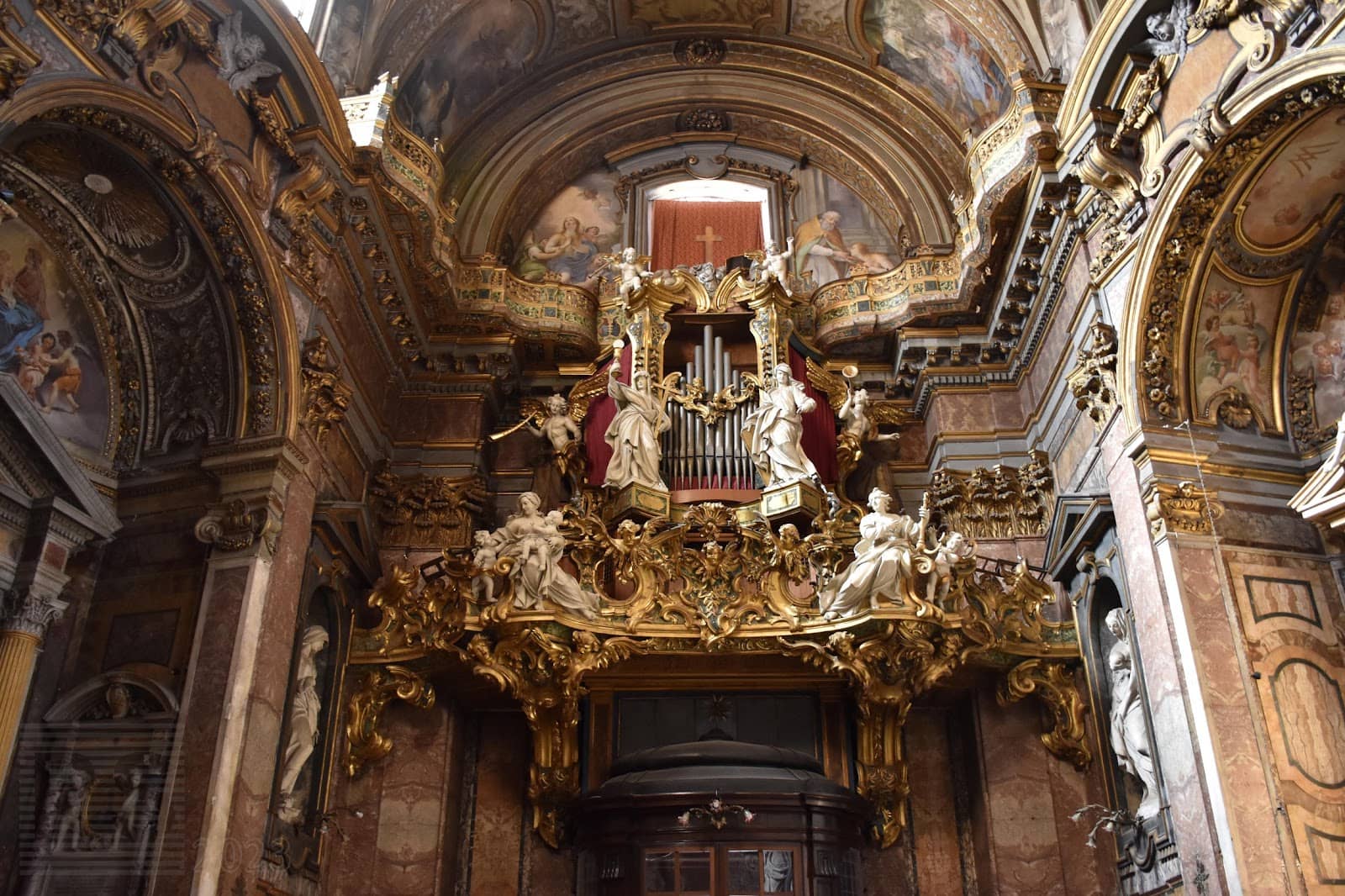
A magnificent organ loft with gilded carvings and allegorical stucco statues.
Barocchetto Sacristy
A unique example of Roman Barocchetto style with painted wardrobes and frescoed ceiling.
Plans like a pro.
Thinks like you
Planning Your Visit
Timing is Everything
A Rococo Masterpiece
Best Times
Insider Tips
from TikTok, Instagram & Reddit
Check Opening Hours
Can close unexpectedly after mass. Plan your visit accordingly.
Admire the Facade
The 'sugar icing' exterior is a Rococo delight, a must-see before entering.
Look Up!
The ceiling frescoes and dome are breathtaking. Don't miss the details!
Hidden Gem Status
Often surprisingly quiet, offering a more intimate experience.
Tips
from all over the internet
Check Opening Hours
Can close unexpectedly after mass. Plan your visit accordingly.
Admire the Facade
The 'sugar icing' exterior is a Rococo delight, a must-see before entering.
Look Up!
The ceiling frescoes and dome are breathtaking. Don't miss the details!
Hidden Gem Status
Often surprisingly quiet, offering a more intimate experience.
What Travellers Say
Reviews Summary
Visitors rave about Santa Maria Maddalena's breathtaking Rococo facade and opulent Baroque interior, often calling it a 'hidden gem' and one of Rome's most beautiful churches. Its intricate stucco work and vibrant frescoes are consistently praised. However, some find the church's opening hours unpredictable, with instances of unexpected closures or brief access periods, which can be frustrating for those eager to explore its artistry.
"A small church a few steps from the Pantheon, named after Mary Magdalene and built on a 14th-chapel: Santa Maria Maddalena, the regional church for expatriates from the Abruzzo region, was entrusted in 1586 to St. Camillus de Lellis as the seat for the order he established. In the first half of the 16th century, the Camillians decided to expand the square by demolishing the properties across the street and to rebuild the church: the works lasted for almost a century, with the construction of the dome and vault by Carlo Fontana in 1673, and with the completion of the façade of Giuseppe Sardi in 1735.The façade is a splendid example of Rococo style, unusual for Roman religious buildings. Curved and entirely decorated with stuccos, with the statues depicting St. Camillus De Lellis and St. Philip Neri in the lower part, St. Mary Magdalen and St. Martha in the upper part, it attracted however sneering comments from contemporaries who were unable to evaluate its grace and its originality and the detailing was referred to as “icing sugar” by some. The interior consists of a single elliptical nave with chapels on the sides, a transept and a deep apse that integrate perfectly with the later Rococo decorations. On the counter-façade there is a an extraordinary 18th-century organ loft involving gilded wooden carving and allegorical statues in white stucco. The beatiful sacristy is a unique example of the Roman Barocchetto style made between 1738 and 1741, with wooden wardrobes and presses painted to resemble marble. The ceiling vault was frescoed by Girolamo Pesce. The church is also known for a miracle linked to a polychrome 15th-century wooden statue of Mary Magdalene: during the disastrous flood of the Tiber on 24 December 1598, the statue was seen moving floating from a side chapel to the main altar, where it stopped. Until the late 19th century, moreover, on the occasion of the anniversary of the death of St. Camillus, Romans gathered here to receive a special blessed water, containing a small amount of dust from the tomb of the saint, a remedy for all ills or difficulties."
Misiu martino
"A late baroque- rococo church with the characteristic rich and excessive ornamentation. Slightly kitsch but a signature of its time."
Vasilis Katsanos
"Art in its purest form.
One of the most beautiful churches in Rome.
Definitely come visit here if you haven’t already. If you come during Christmas time you’ll witness a nativity too!
The pictures do a good job at showing how extraordinary this church is but nothing will be the same as seeing it in person.
This church is a must visit if you’re in Roma"
Duncans Gunmakers
What People Like
What People Dislike
Frequently Asked Questions
🚇 🗺️ Getting There
Santa Maria Maddalena is conveniently located near the Pantheon. You can easily walk there from major landmarks like Piazza Navona or the Pantheon itself. Several bus lines also stop nearby, making it accessible via public transport.
Yes, it's situated in a central area of Rome, just a short stroll from the Pantheon. Look for its distinctive Rococo facade, often described as looking like 'sugar icing.'
From the Pantheon, head towards Piazza della Rotonda and then take Via del Seminario. Santa Maria Maddalena will be a short walk from there, often appearing as a delightful surprise.
🎫 🎫 Tickets & Entry
Entry to Santa Maria Maddalena is typically free, as it's an active church. However, it's advisable to check for any special events or services that might affect access.
Opening hours can be variable, as the church may close for masses or private events. Some visitors have reported difficulty gaining entry outside of services. It's best to try visiting during typical daytime hours on weekdays.
Yes, it can be closed for masses or private events. One visitor mentioned it was only open during a mass and then quickly ushered out afterward.
You might be able to enter during a mass, but be mindful of the service. Some visitors found they were asked to leave immediately after mass concluded.
Generally, there is no admission fee to enter Santa Maria Maddalena. It's a functioning church, and donations are usually appreciated.
📸 📸 Photography
Photography is usually permitted inside churches in Rome, but it's always best to be respectful. Avoid using flash, especially during services, and be mindful of other visitors.
The Rococo facade is a stunning subject, and the interior's intricate details, frescoes, and organ loft offer numerous photographic opportunities. Capture the grandeur of the nave and side chapels. +1
Absolutely! The unique 'sugar icing' facade is a highlight and looks beautiful from various angles.
While generally allowed, avoid using flash photography to preserve the artwork and avoid disturbing worshippers.
Its elaborate Rococo ornamentation, vibrant frescoes, and gilded details make it incredibly photogenic, offering a feast for the eyes and the camera.
🎫 🏛️ Onsite Experience
It's renowned for its stunning Rococo facade, often called the 'sugar church,' and its richly decorated Baroque interior, featuring impressive frescoes and stucco work. +1
The church is a prime example of late Baroque and Rococo architecture, particularly evident in its ornate facade and interior decorations. +1
It's a medium-sized church, but its interior feels grand due to the elaborate decorations and the elliptical nave design.
The nickname 'sugar church' (or 'Iglesia de azucar') comes from the elaborate, almost confection-like stucco decorations on its facade, which some contemporaries found overly ornate. +1
Highlights include Baciccio's frescoes, Giuseppe Sardi's stucco work, Pierre Le Gros' altar of St. Camillus, and an 18th-century organ loft.
For Different Travelers
Tailored advice for your travel style
👨👩👧 Families with Kids
🎨 Art & Architecture Enthusiasts
🚶♀️ Solo Travelers & Couples
Deep Dives
In-depth insights and expert knowledge
The 'Sugar Church' Facade
This distinctive facade is a key reason many visitors seek out Santa Maria Maddalena. It stands out amongst the more classical architecture of Rome, offering a playful yet sophisticated artistic statement. The interplay of light and shadow on the stucco work creates a dynamic and captivating effect, inviting closer inspection of its fine details.
A Rococo Interior Gem
The 18th-century organ loft is another significant feature, boasting gilded wooden carvings and allegorical stucco statues that contribute to the church's opulent atmosphere. Don't miss the sacristy, a remarkable example of Roman Barocchetto style, complete with painted wardrobes that mimic marble and a frescoed ceiling by Girolamo Pesce.
History and Legends
A fascinating legend associated with the church involves a 15th-century wooden statue of Mary Magdalene. During a devastating Tiber flood in 1598, the statue was reportedly seen floating from a side chapel to the main altar, where it miraculously stopped.
Social
from TikTok, Instagram & Reddit