47 Baroque Rome Attractions
Discover the grandeur of Baroque Rome with these must-see attractions! From illusionistic ceilings and Bernini's masterpieces to ancient ruins and hidden gems, this list guides you through Rome's most stunning Baroque sites. Explore churches, galleries, and historical landmarks that showcase the city's rich artistic and architectural heritage.

See what's trending
We've done exactly what you would have done—spent hours scrolling through TikTok, Instagram, and Reddit to find the absolute best experiences. These 33 recommendations come from real travelers sharing their unfiltered takes, hidden gems, and insider secrets. No travel agency fluff, just the wisdom of people who've actually been there. This is how everyone really plans their trips these days.


Prepare to be amazed by Andrea Pozzo's breathtaking Baroque fresco, 'The Triumph of St. Ignatius,' which transforms the church's vault into a celestial illusion of heaven. This masterpiece creates an incredible perspective effect, making the ceiling appear to open up to the sky.
Tip: Look up and let your eyes adjust to the incredible trompe-l'oeil effect.

Step into a Baroque wonder with Giacomo della Porta's inspiring facade and Giovanni Battista Gaulli's 'The Triumph of the Name of Jesus' ceiling fresco. This church is a spiritual heart of the Jesuits and a stunning example of Baroque art.
Tip: Don't miss the intricate details and the dramatic illusion of the ceiling.

This seemingly small church packs a powerful artistic punch with Bernini's 'Ecstasy of Saint Teresa,' a dramatic and iconic work of Baroque sculpture. It's a must-see for its emotional intensity and artistic brilliance.
Tip: The church is located a short walk from Termini Station.

Experience the grandeur of a private residence that opens its doors to the public, showcasing stunning Baroque art and architecture. Explore the Galleria Colonna for a glimpse into aristocratic Roman life.
Tip: Check visiting days and times, as it's typically only open on Fridays and Saturdays.
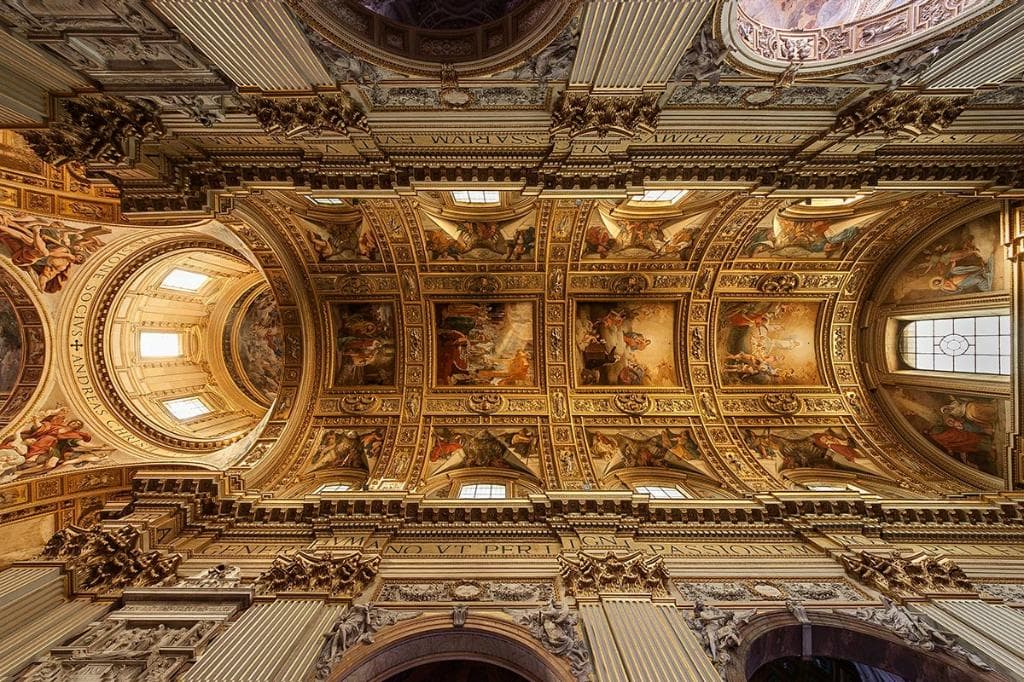
This Baroque masterpiece boasts one of Rome's largest domes, second only to St. Peter's Basilica. Admire the frescoes by Domenichino and Lanfranco that adorn its magnificent interior.
Tip: Remember to dress modestly, covering knees and shoulders, when visiting.

Immerse yourself in Baroque art at the Borghese Gallery, home to iconic masterpieces by Bernini, Caravaggio, and Canova. It's a treasure trove of artistic genius in a beautiful setting.
Tip: Booking tickets in advance is essential due to timed entry and limited capacity.

This unique basilica offers a journey through time, with a 12th-century church built atop a 4th-century basilica, which in turn sits above a 1st-century Mithraic temple. It's a fascinating glimpse into Rome's layered past.
Tip: Descend through the levels to uncover the ancient secrets beneath the modern church.

Overlooking Rome from Janiculum Hill, this impressive 17th-century Baroque fountain offers stunning city views without the crowds of more famous fountains. It's a grand and less-visited alternative.
Tip: Visit at sunset for a truly magical experience.
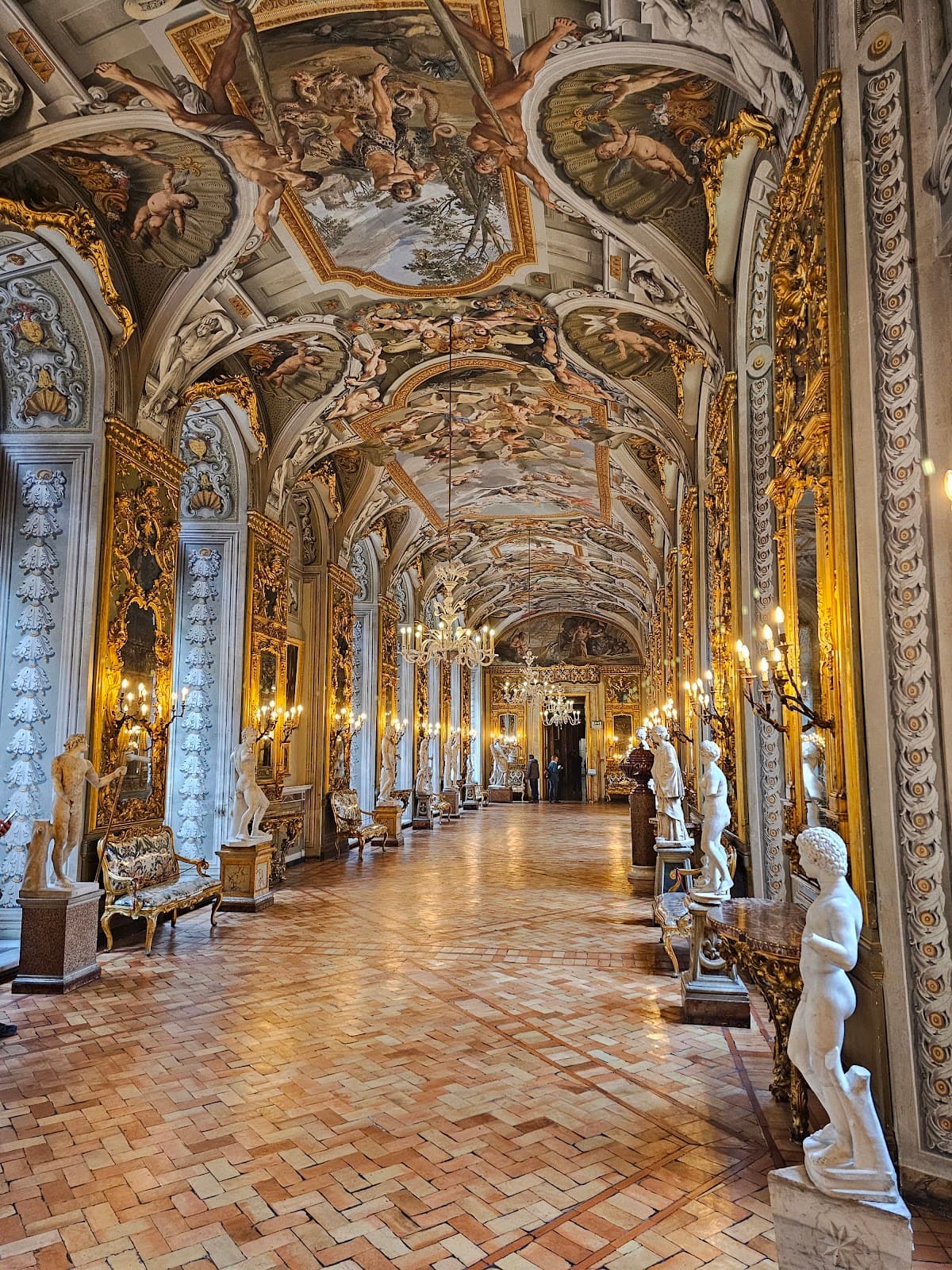
Step into a lavish palace that still functions as a private residence, housing an incredible collection of Baroque art. It's a more intimate and less crowded museum experience.
Tip: Allow ample time to wander through the opulent rooms and admire the masterpieces.

Behold the magnificent Trevi Fountain, a quintessential Baroque masterpiece completed in 1762. Toss a coin to ensure your return to the Eternal City and marvel at the dynamic sculptures.
Tip: Visit early in the morning or late at night to avoid the biggest crowds.
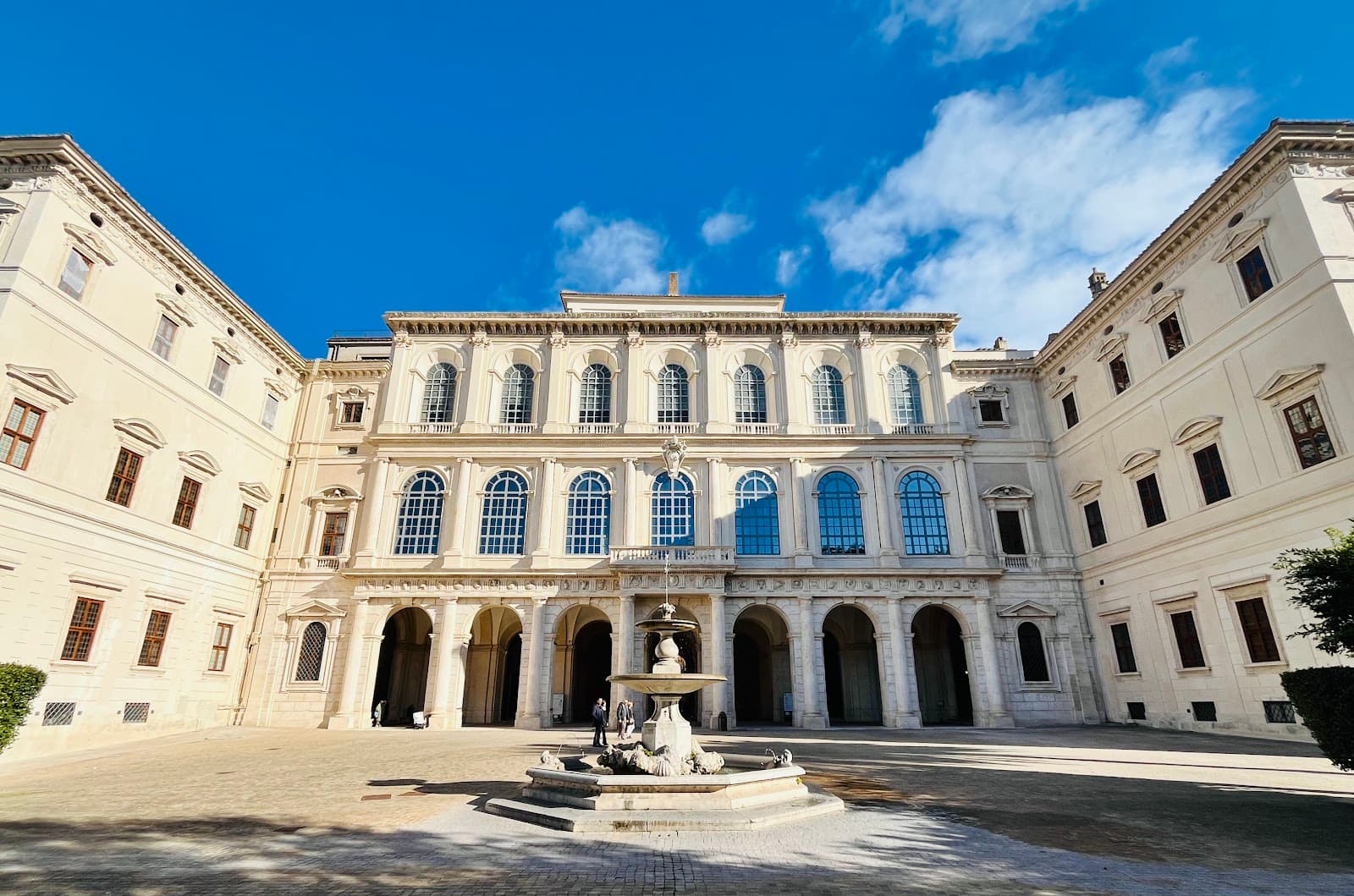
This stunning Baroque palace houses part of the National Galleries of Ancient Art, featuring masterpieces by Tintoretto, El Greco, and Caravaggio. Don't miss Raphael's 'La Fornarina'.
Tip: Look for Borromini's spiral staircase inside the palace.

Home to three stunning Caravaggio paintings in the Contarelli Chapel, this church is a must-visit for art lovers. The Baroque architecture and artistic treasures are truly captivating.
Tip: Bring a coin to illuminate the Caravaggio paintings for a better view.
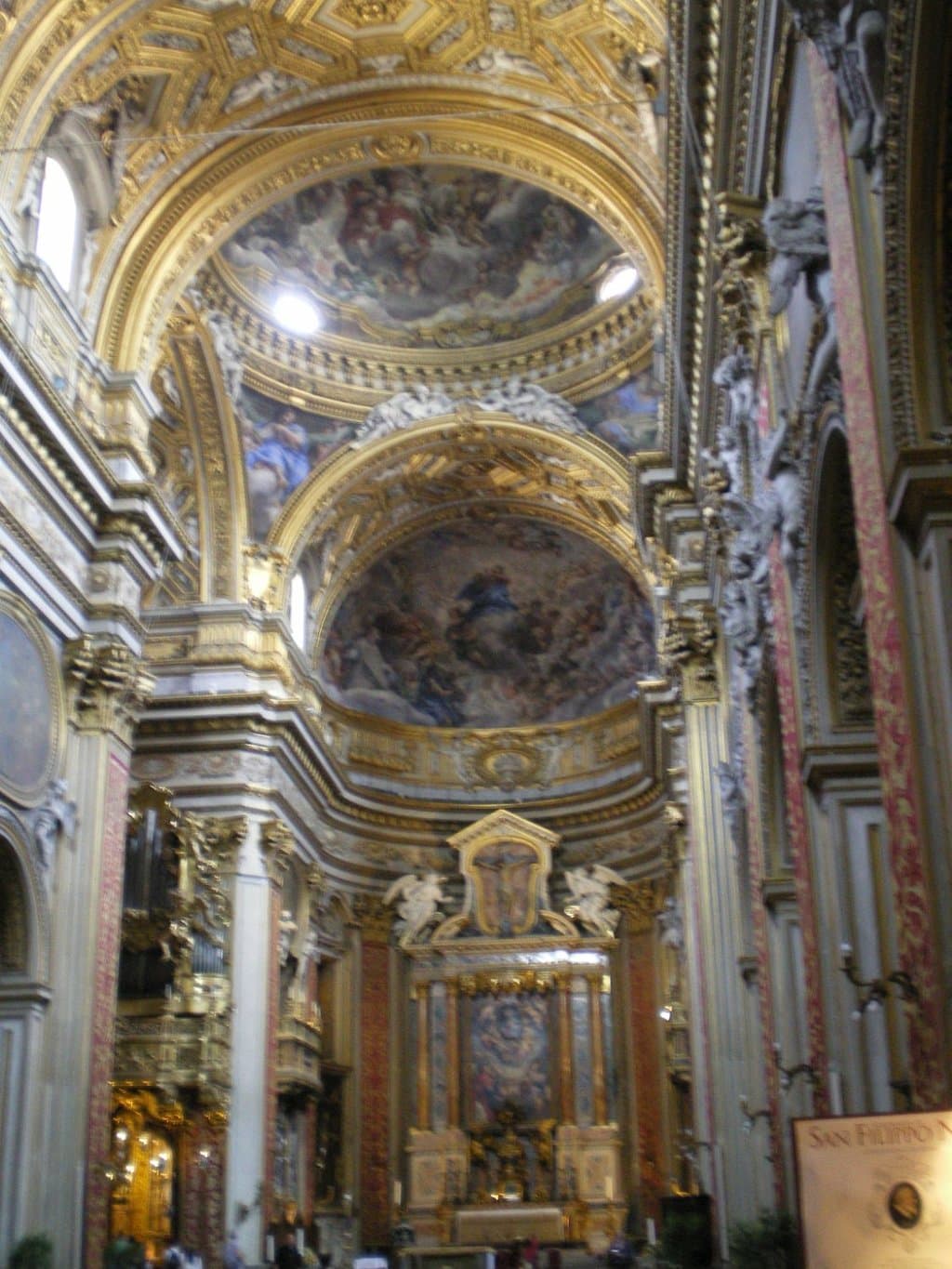
Discover this hidden Baroque gem, known for its beautiful cloister designed by Bramante and Raphael's frescoes. It's a serene escape with significant artistic and architectural merit.
Tip: Look for the intricate details in the cloister and the church's interior.
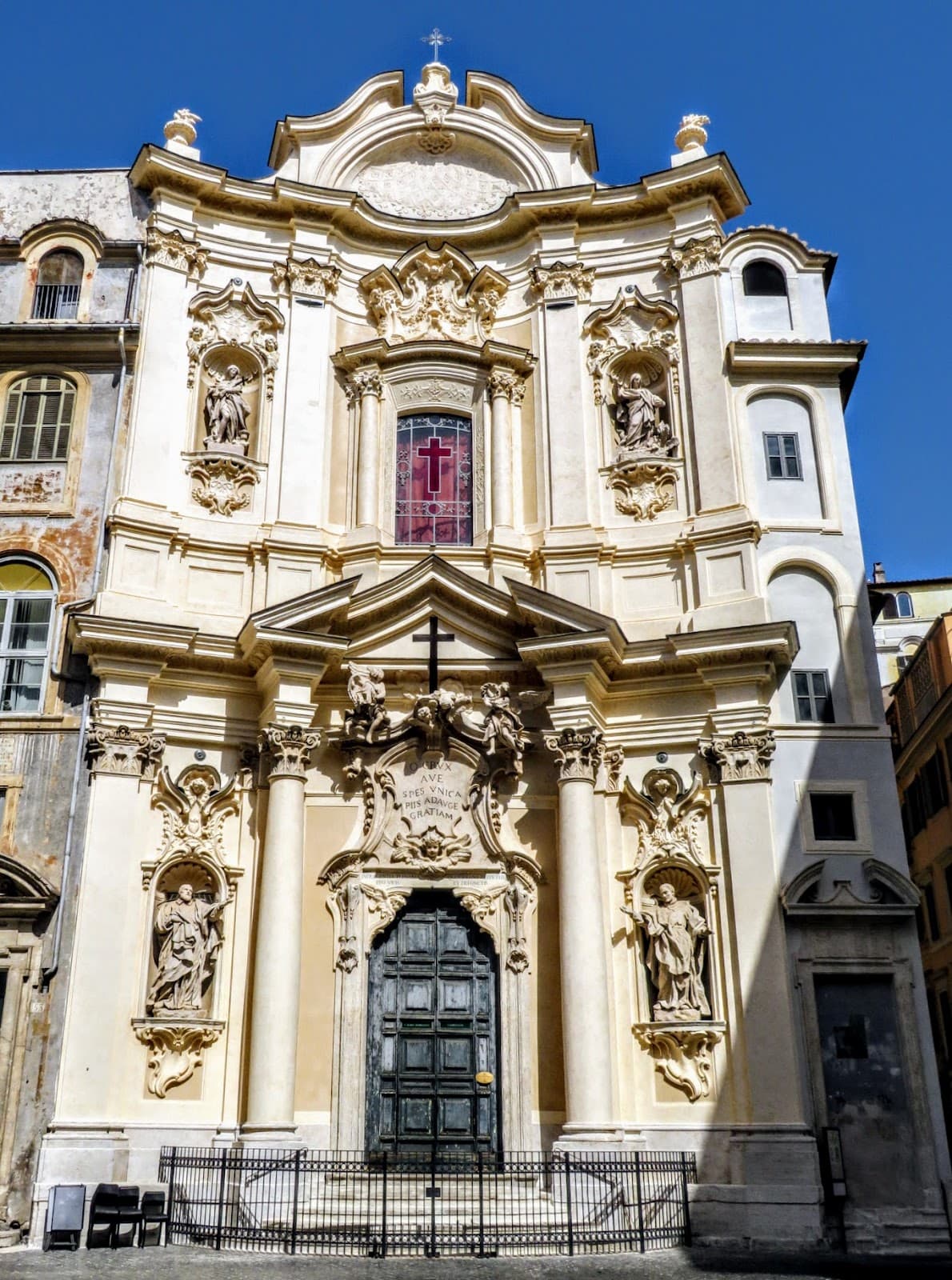
This Baroque church is a beautiful example of the style, with an ornate facade and an impressive interior. It's a less crowded but equally rewarding stop for art and architecture enthusiasts.
Tip: Take your time to appreciate the decorative elements within the church.
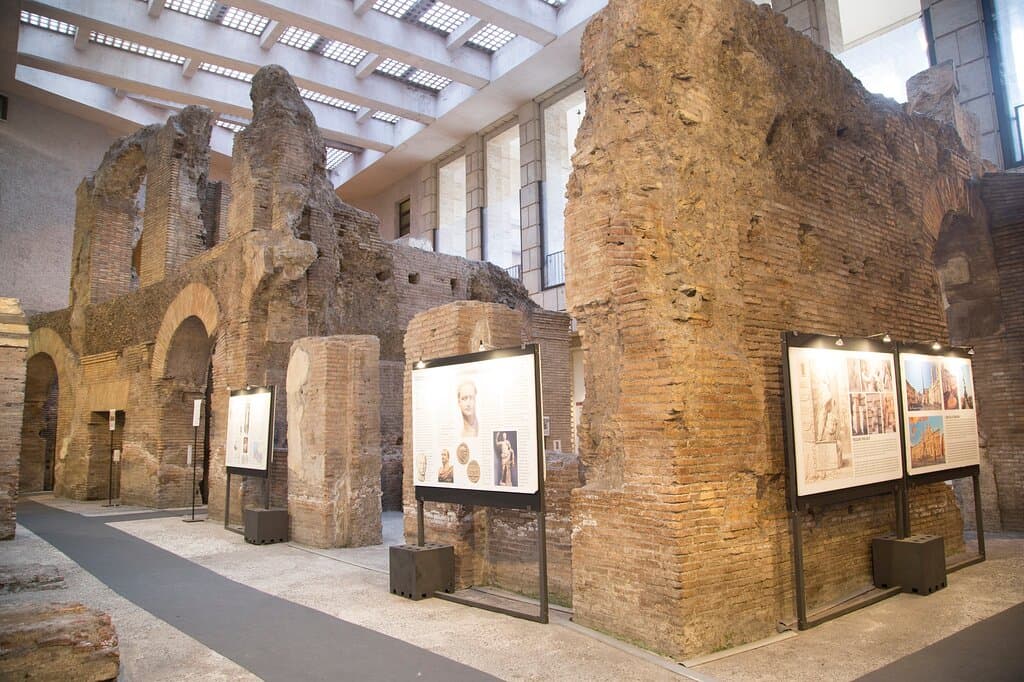
Beneath Piazza Navona lies the ancient Stadium of Domitian, a remarkably preserved Roman stadium. Explore its underground ruins and imagine the ancient athletic contests held here.
Tip: It's a fascinating contrast to the Baroque piazza above.
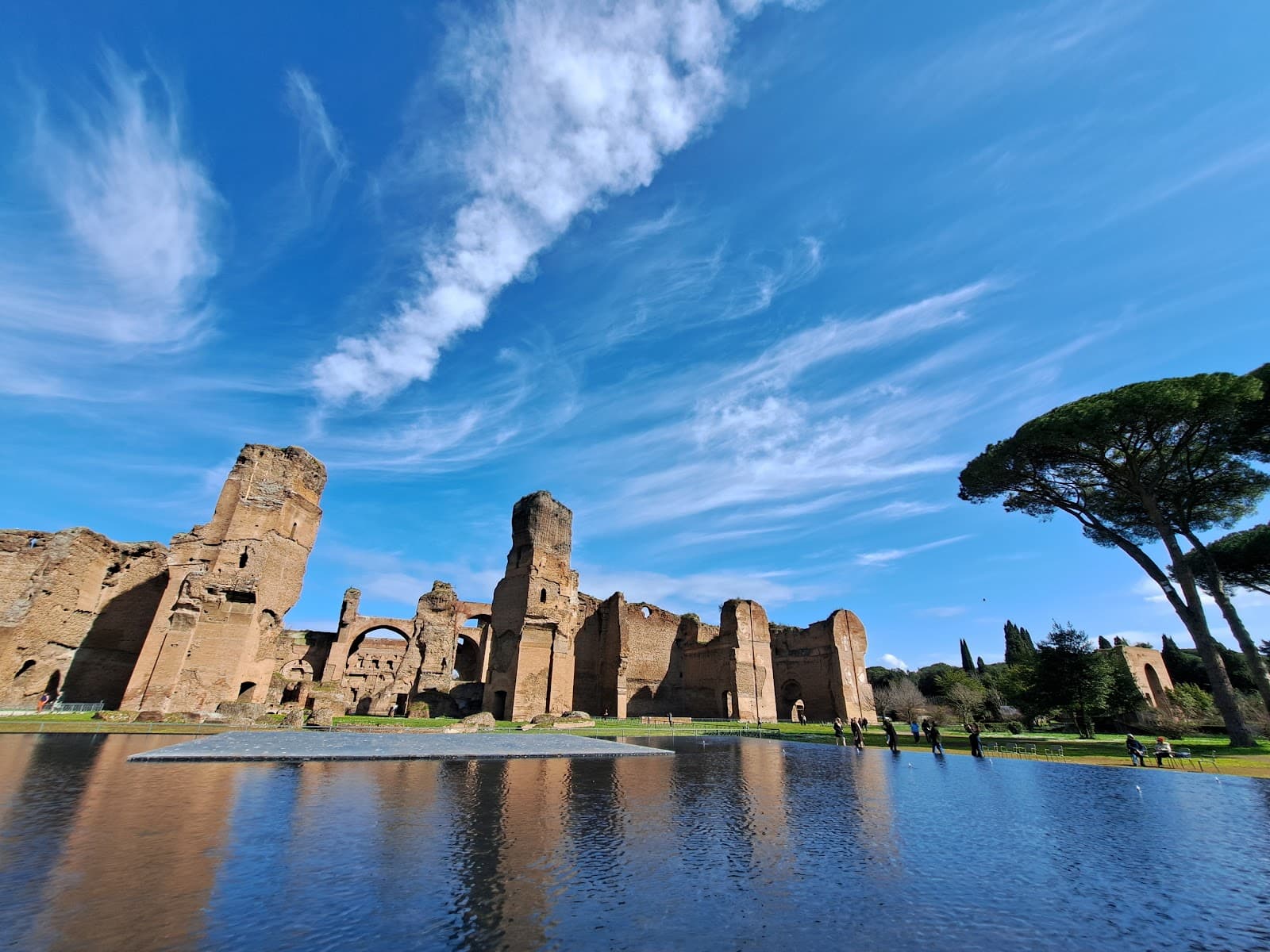
Wander through the impressive ruins of the Baths of Caracalla, a vast ancient Roman public bath complex. The scale of the remaining structures offers a powerful sense of Roman engineering and daily life.
Tip: Go early in the morning to enjoy the site with fewer people.
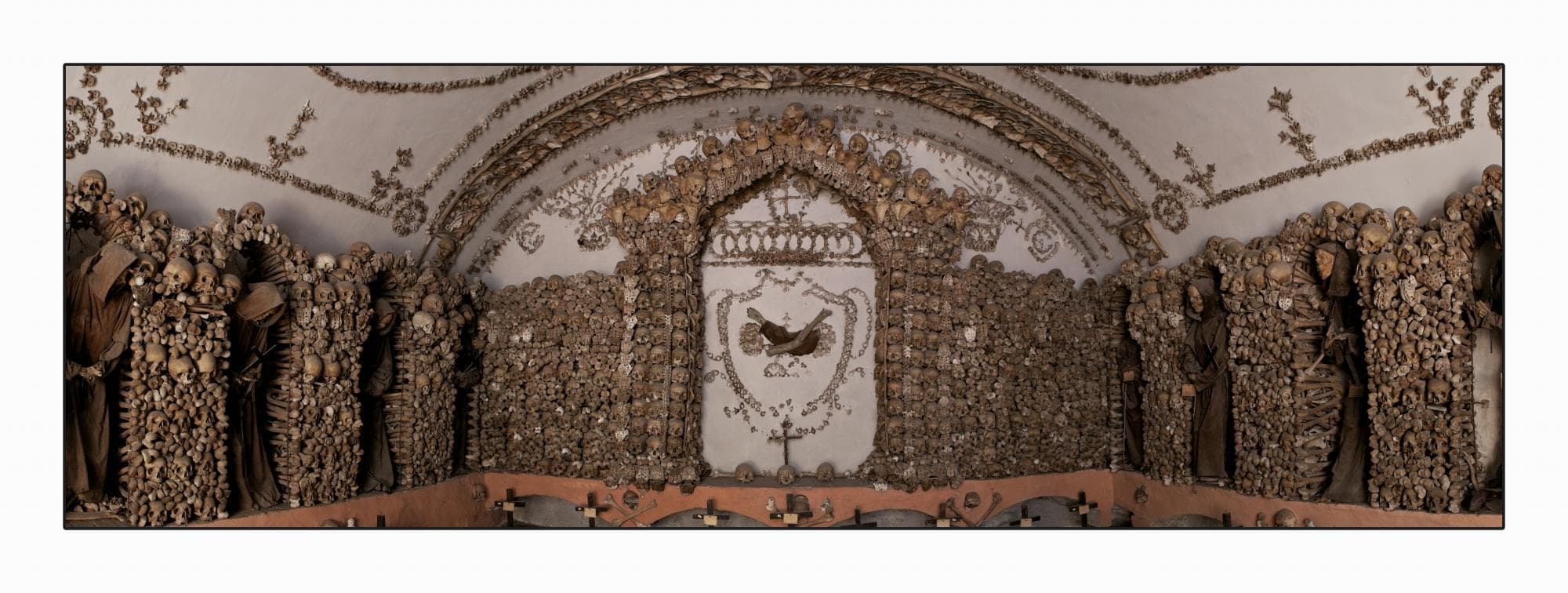
An unusual and striking site, the Capuchin Crypt is decorated with the bones of thousands of Capuchin friars. It's a macabre yet fascinating display that leaves a lasting impression.
Tip: Photography is not allowed inside, so be present and absorb the atmosphere.

Experience a piece of ancient Roman history by walking or cycling along the Appian Way, one of the oldest and most important Roman roads. The scenic route is lined with ancient tombs and ruins.
Tip: Sundays are ideal as the road is closed to most traffic.

Visit the largest ancient Roman bath complex, now part of the National Roman Museum. Explore the preserved halls and the church built within the ancient structure.
Tip: It's conveniently located across from Termini Station.

This unique museum showcases classical Roman sculptures within a former early 20th-century power plant. The juxtaposition of ancient art and industrial architecture is striking.
Tip: It offers a very different museum experience compared to traditional galleries.

See the beautifully preserved Altar of Peace, a masterpiece of Roman sculpture commissioned by Emperor Augustus. The modern museum building complements the ancient artifact.
Tip: The museum provides context and protection for this significant historical monument.

This museum, part of the National Roman Museum, is housed in the remains of a Roman theater complex. It offers insights into urban life in ancient Rome through its archaeological exhibits.
Tip: Check its current opening status as it has been subject to temporary closures.

Enjoy panoramic views of Rome from this serene hilltop garden on the Aventine Hill. It's a peaceful spot perfect for a leisurely stroll and soaking in the city's beauty.
Tip: Don't miss the famous keyhole view of St. Peter's Basilica nearby.
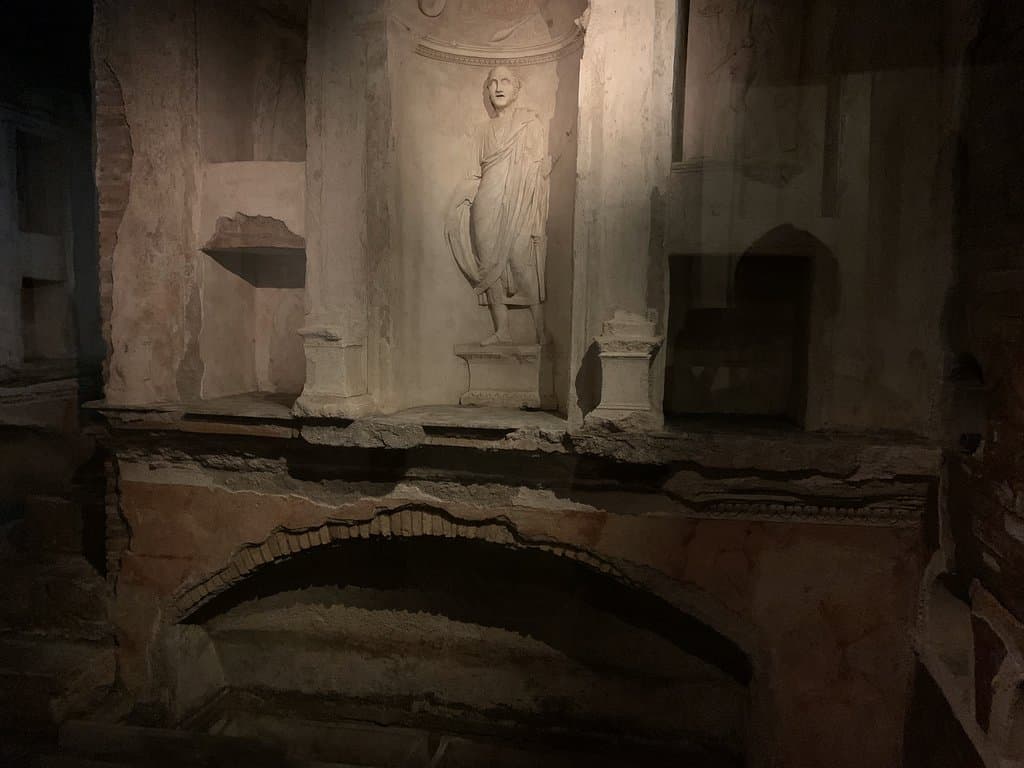
Take a guided tour beneath St. Peter's Basilica to explore ancient Roman burial sites and early Christian ruins. This is a fascinating and historically significant underground exploration.
Tip: Tickets must be booked well in advance as tours are small and limited.
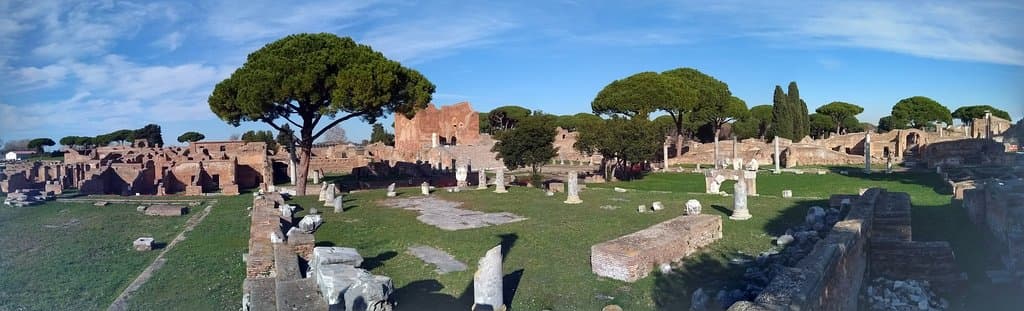
Explore the remarkably well-preserved ruins of Rome's ancient port city. Ostia Antica offers a fascinating glimpse into daily Roman life, with its streets, apartments, and public buildings.
Tip: It's a great alternative to Pompeii, offering a more intimate experience.

Marvel at the architectural genius of the Pantheon, one of the best-preserved ancient Roman buildings. Its iconic dome and oculus are a testament to Roman engineering.
Tip: A small entry fee is now required, but no advance booking is needed.

Discover the ruins of Trajan's Market, an ancient Roman multi-level complex that served as a hub for commerce and administration. It's a fascinating archaeological site.
Tip: You might find yourself almost alone here, making for a magical experience.

This beautiful and peaceful cemetery is the final resting place for many non-Catholics, including poets Keats and Shelley. Its serene atmosphere and historical significance make it a unique visit.
Tip: It offers a quiet and reflective experience away from the city bustle.
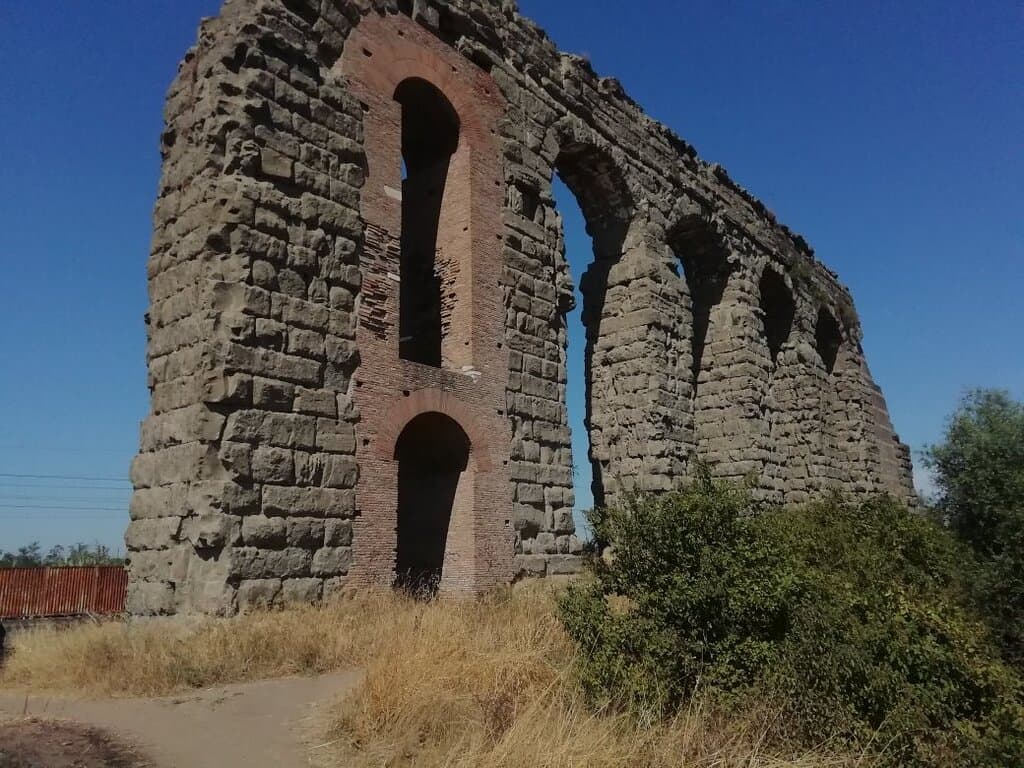
Walk amongst the impressive ruins of ancient Roman aqueducts in this vast park. It's a stunning landscape offering a sense of history and nature combined.
Tip: It's about 13 subway stops from Termini Station.
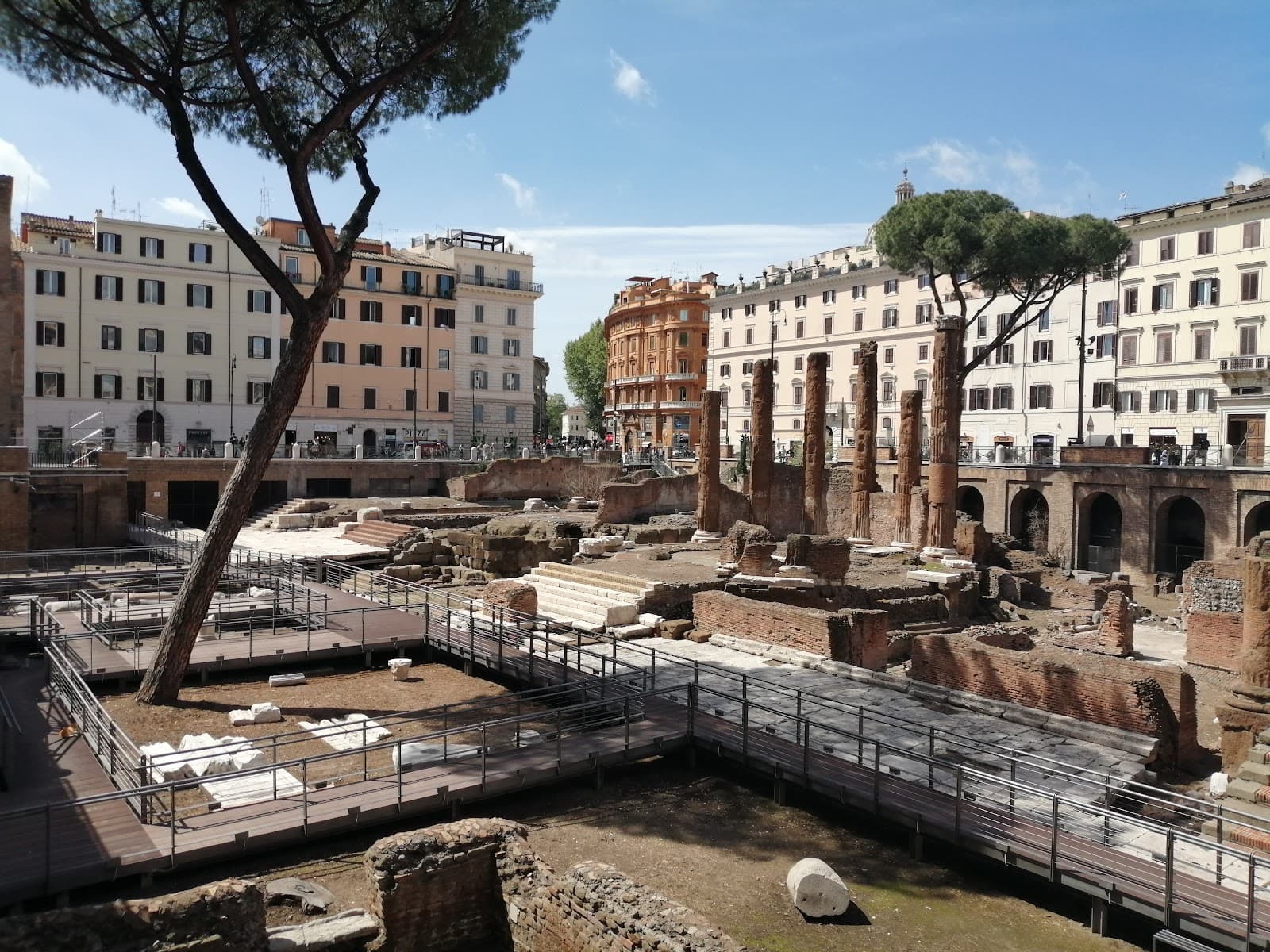
Visit the ruins of the Theater of Pompey, where Julius Caesar was assassinated, now home to a thriving cat sanctuary. You can pet the cats and support their care.
Tip: Supporting the cat sanctuary is a great way to contribute to a good cause.

Designed by Borromini, this small church is considered a Baroque masterpiece for its innovative and dynamic design. It's a hidden gem that showcases genius in a compact space.
Tip: Look for its unique oval dome and undulating facade.
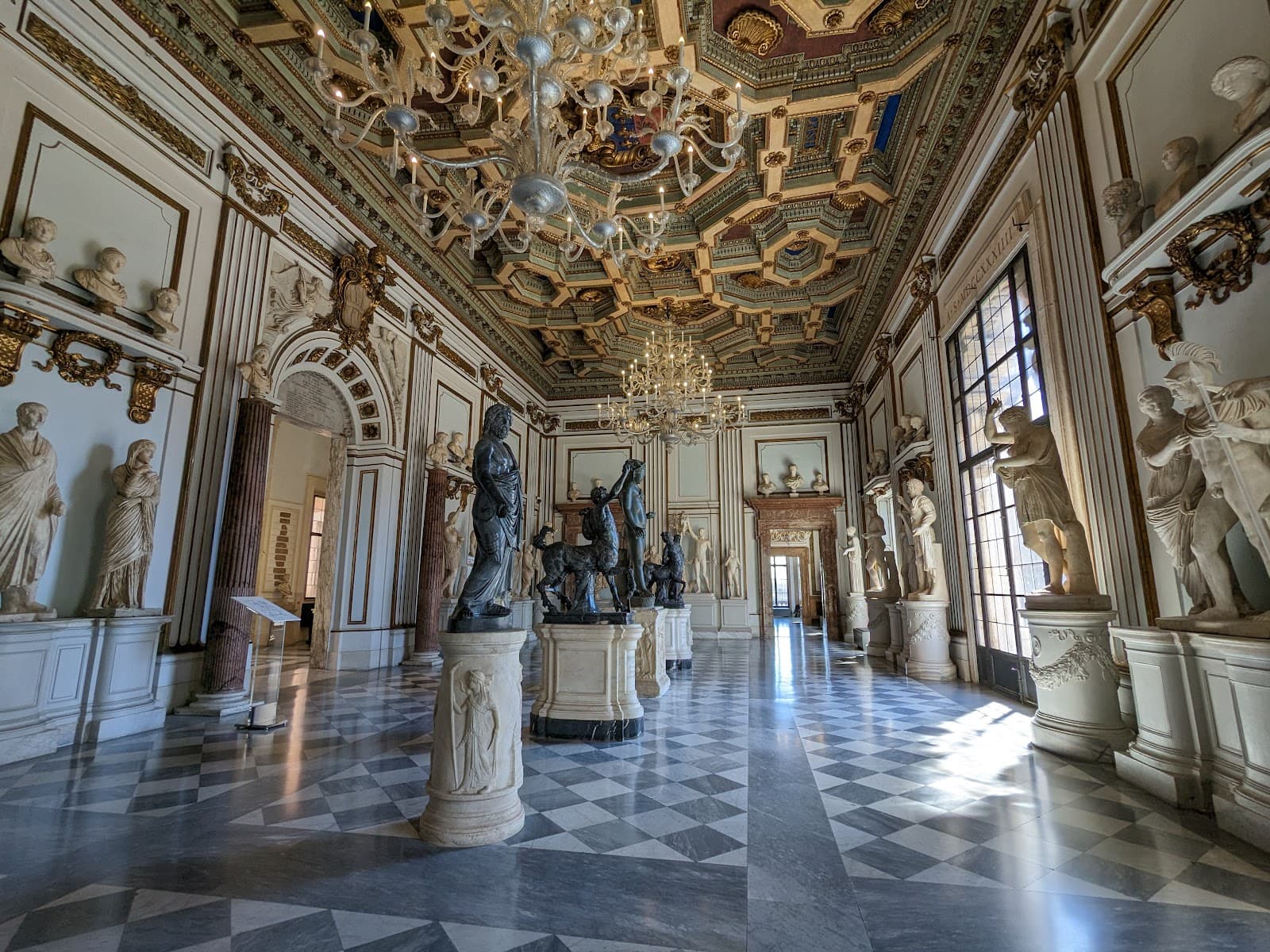
Perched atop Capitoline Hill, these museums house a significant collection of Roman art and artifacts, including the iconic equestrian statue of Marcus Aurelius. The views over the Roman Forum are also spectacular.
Tip: The museums are located next to the Roman Forum and can often be visited without advance booking.
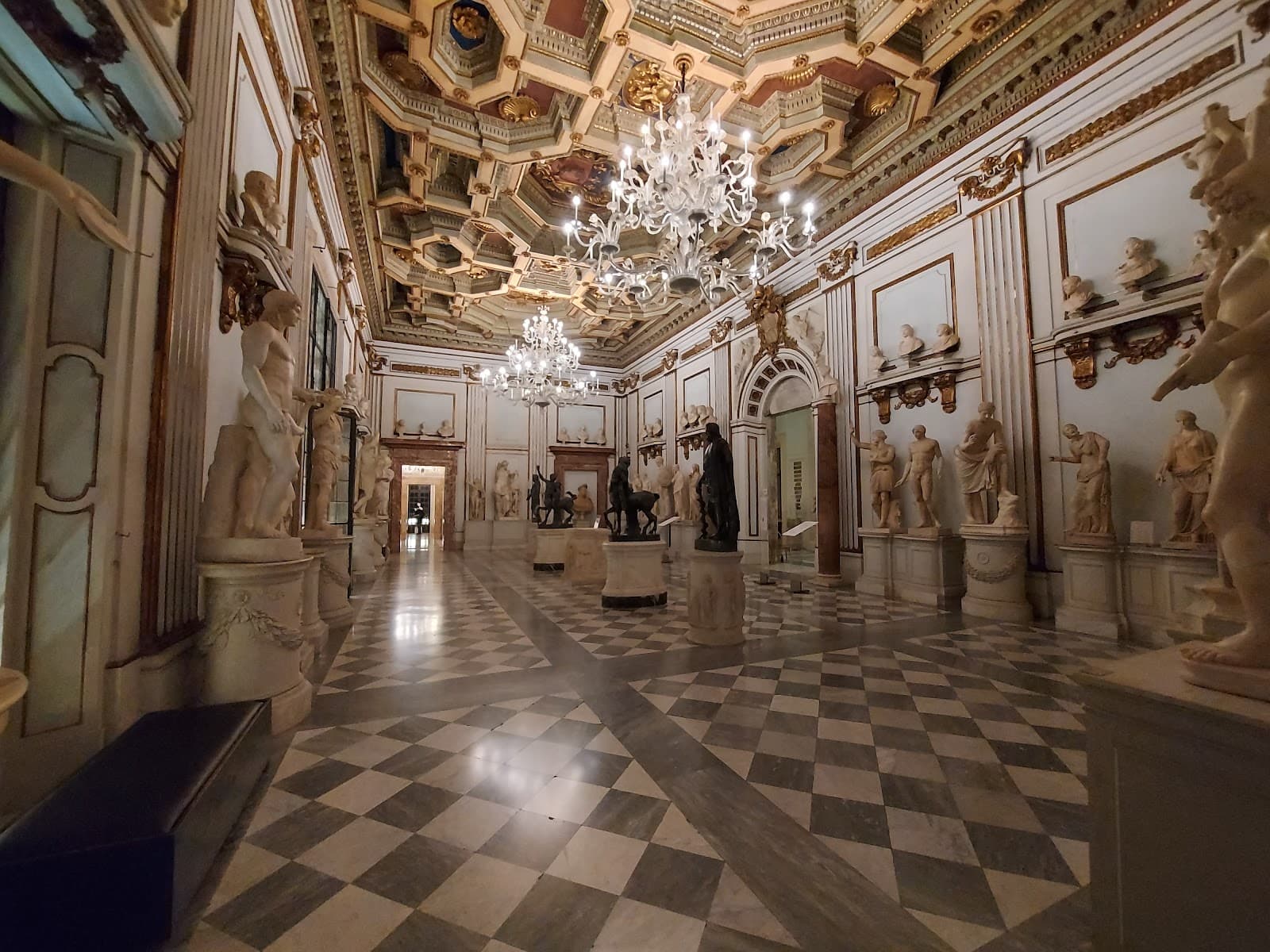
Part of the Capitoline Museums, the Palazzo Nuovo houses a remarkable collection of Roman sculptures, including the Dying Gaul and the Capitoline Wolf. It's a key destination for Roman art.
Tip: Often feels less crowded than other major Roman attractions.
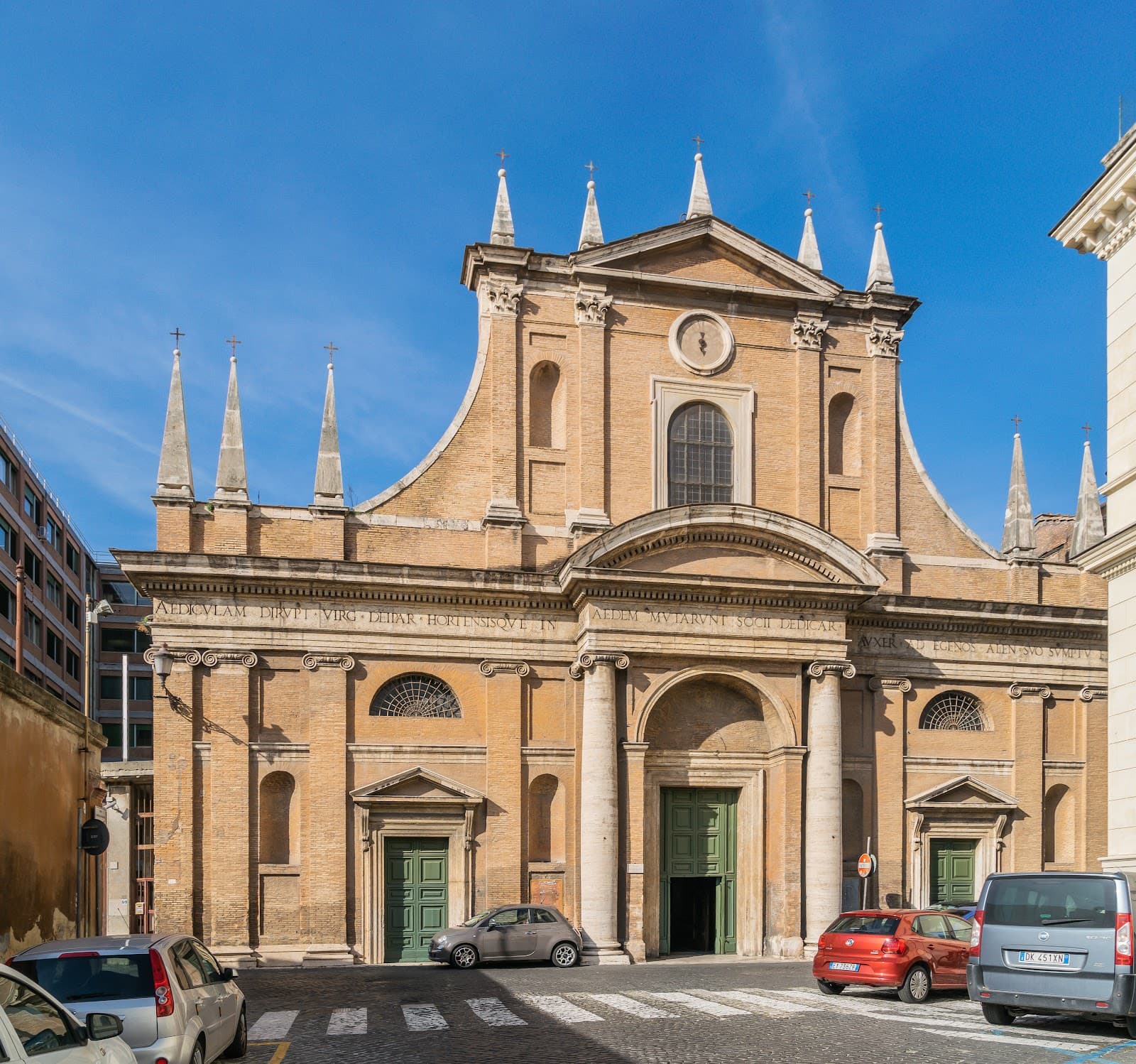
This stunning church is praised for its breathtaking interior, making it a favorite for those seeking exceptional beauty. It's a hidden gem that offers a truly memorable experience.
Tip: Seek it out for a truly special and less-visited church experience.
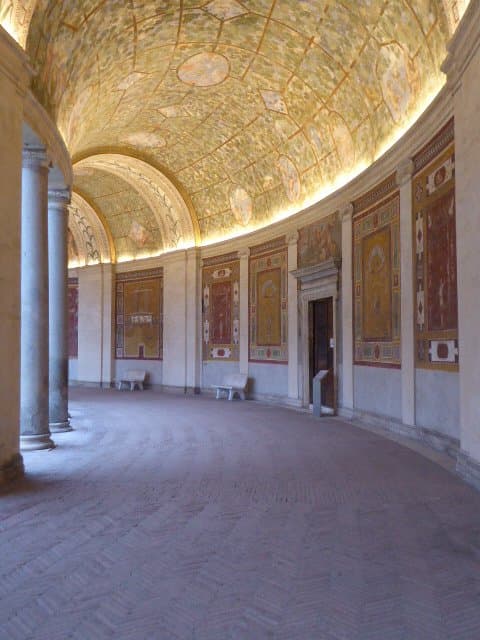
Housed in the beautiful Villa Giulia, this museum showcases a significant collection of Etruscan art and artifacts, offering insights into this fascinating ancient civilization.
Tip: It provides a deep dive into a civilization that predates Rome.

One of Rome's four major papal basilicas, this impressive church is built over the tomb of Saint Paul. Its grand architecture and historical significance make it a notable site.
Tip: It's located outside the ancient city walls, offering a different perspective.
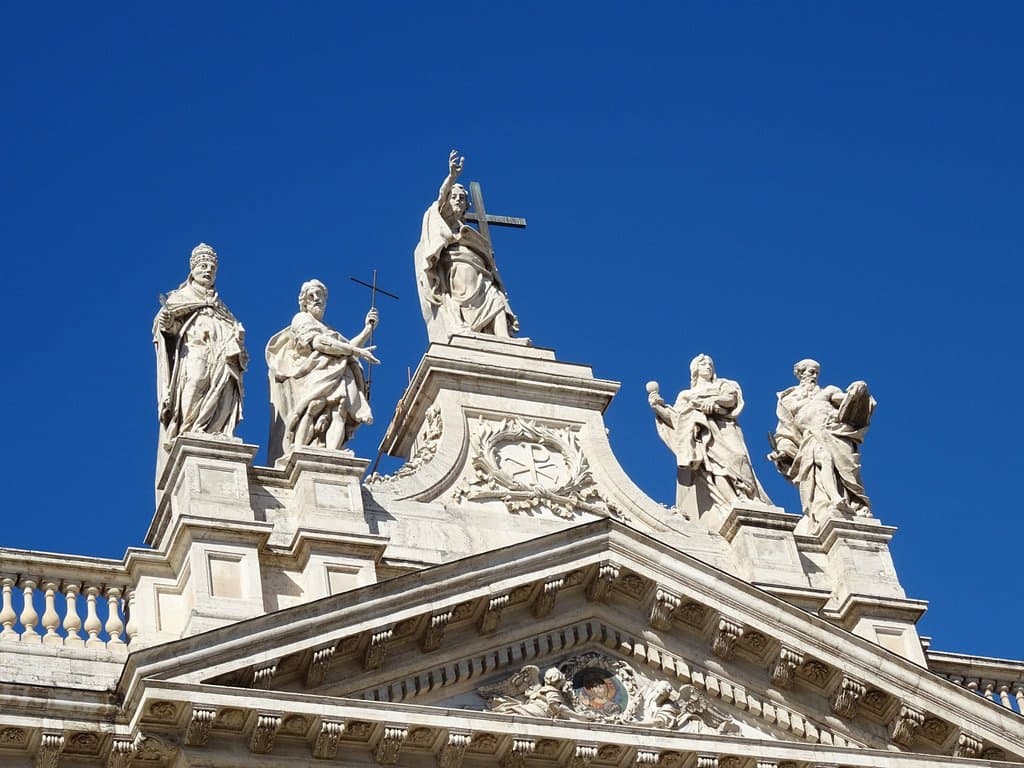
The official ecclesiastical seat of the Pope and the cathedral of Rome, this basilica is a monumental site with a rich history and impressive Baroque elements.
Tip: It's one of the most important churches in Catholicism.

This ancient basilica is renowned for its stunning Byzantine mosaics, particularly in the Chapel of San Zenone. It's a treasure trove of early Christian art.
Tip: The mosaics are incredibly vibrant and detailed.
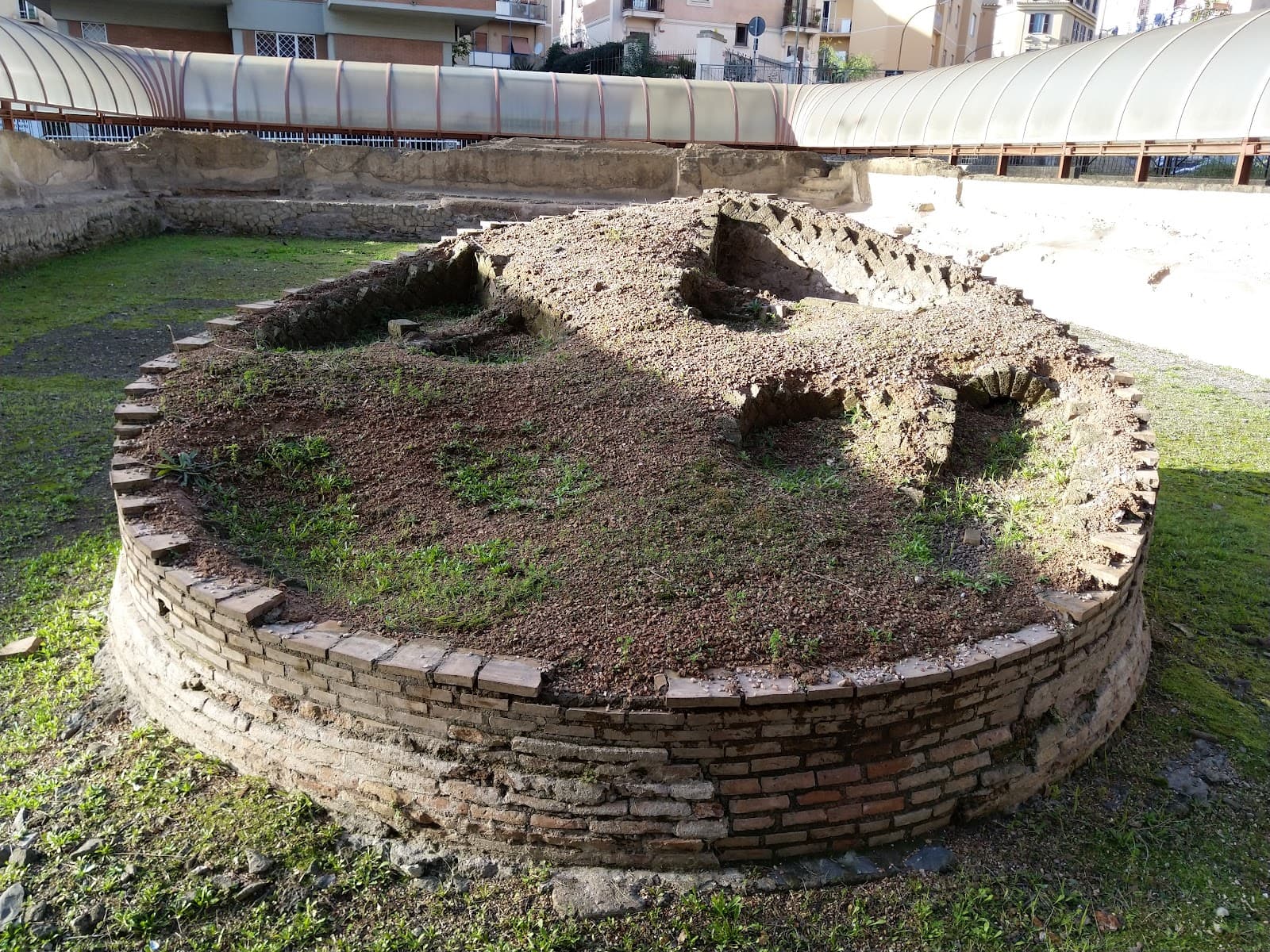
Located behind the Bocca della Verità, this underground site contains a Mithraeum, an ancient Roman temple dedicated to the god Mithras. It offers a glimpse into a mysterious ancient cult.
Tip: It's a fascinating historical layer beneath the city.
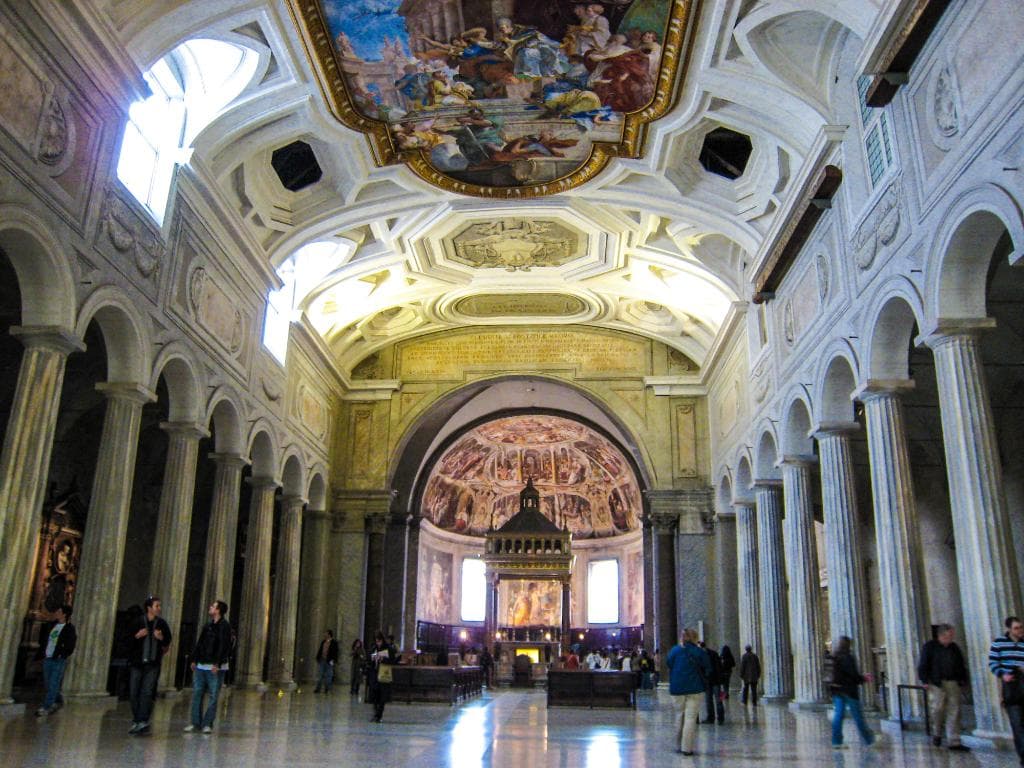
This basilica is famous for housing Michelangelo's powerful sculpture of Moses. It's a significant site for Renaissance art within a historic church setting.
Tip: The statue of Moses is a true masterpiece of carving.
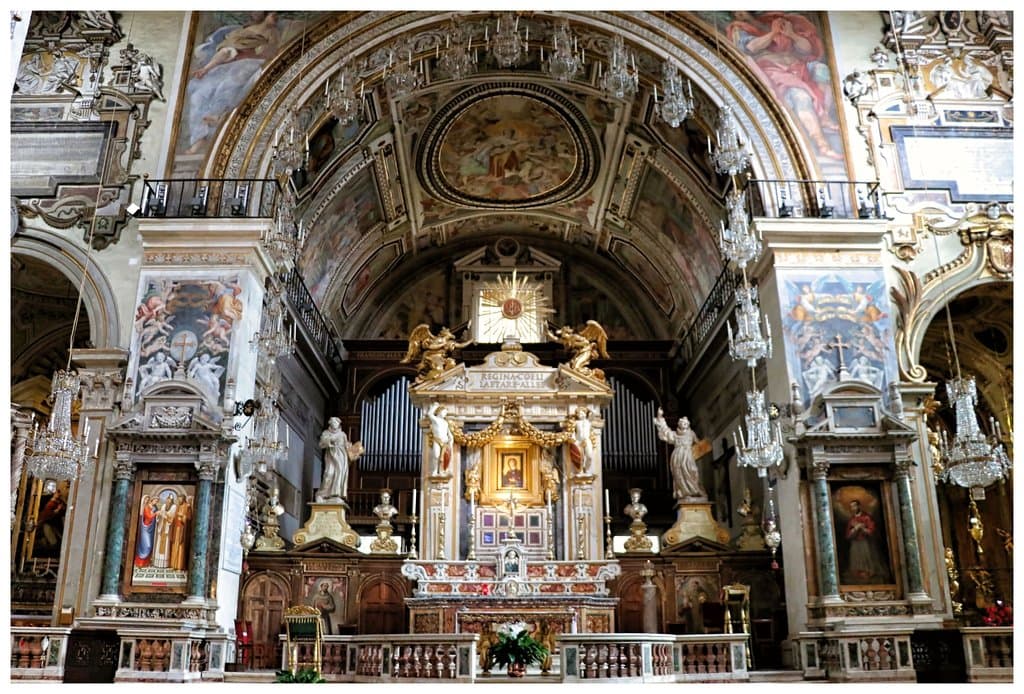
Located on Capitoline Hill, this ancient church offers beautiful interiors and historical significance. It's a peaceful spot with a connection to Roman history.
Tip: The climb up the steps to the church is part of the experience.
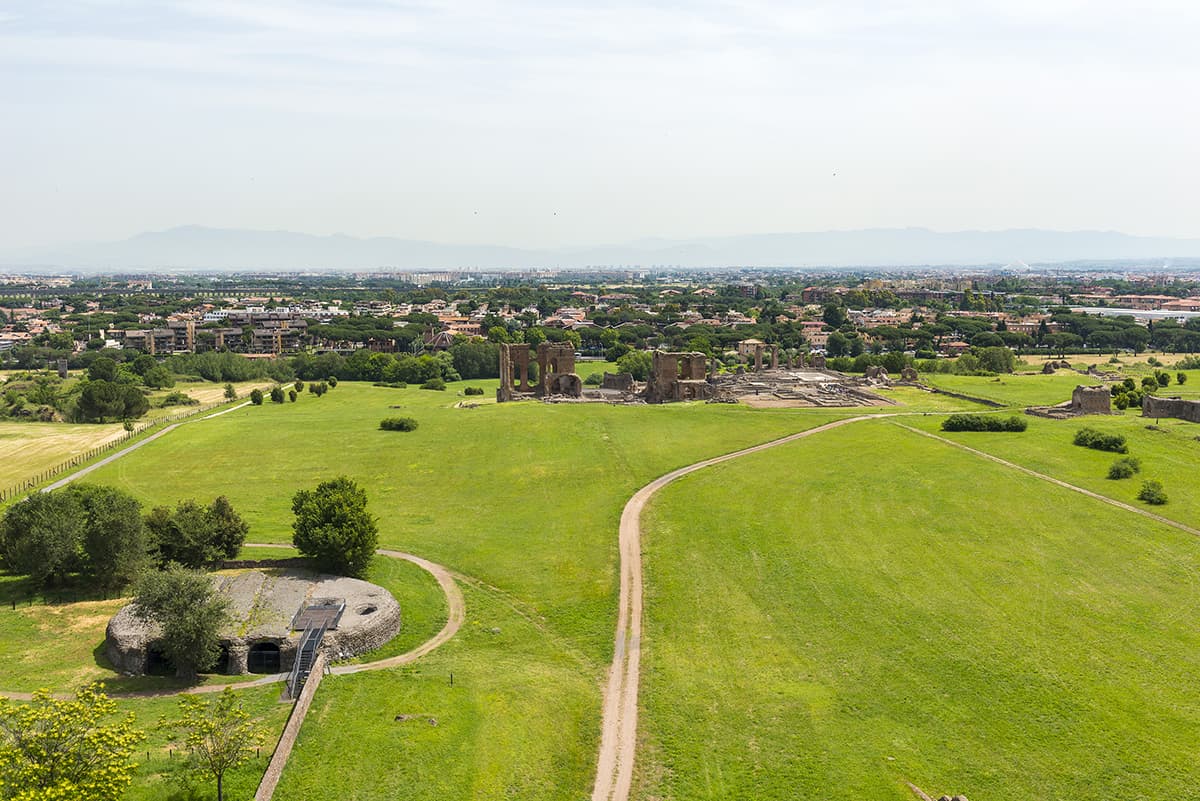
Discover the impressive ruins of one of the largest ancient Roman villas on the Appian Way. The scale of the remains gives a sense of the grandeur of Roman aristocratic life.
Tip: It's a less crowded but highly rewarding archaeological site.
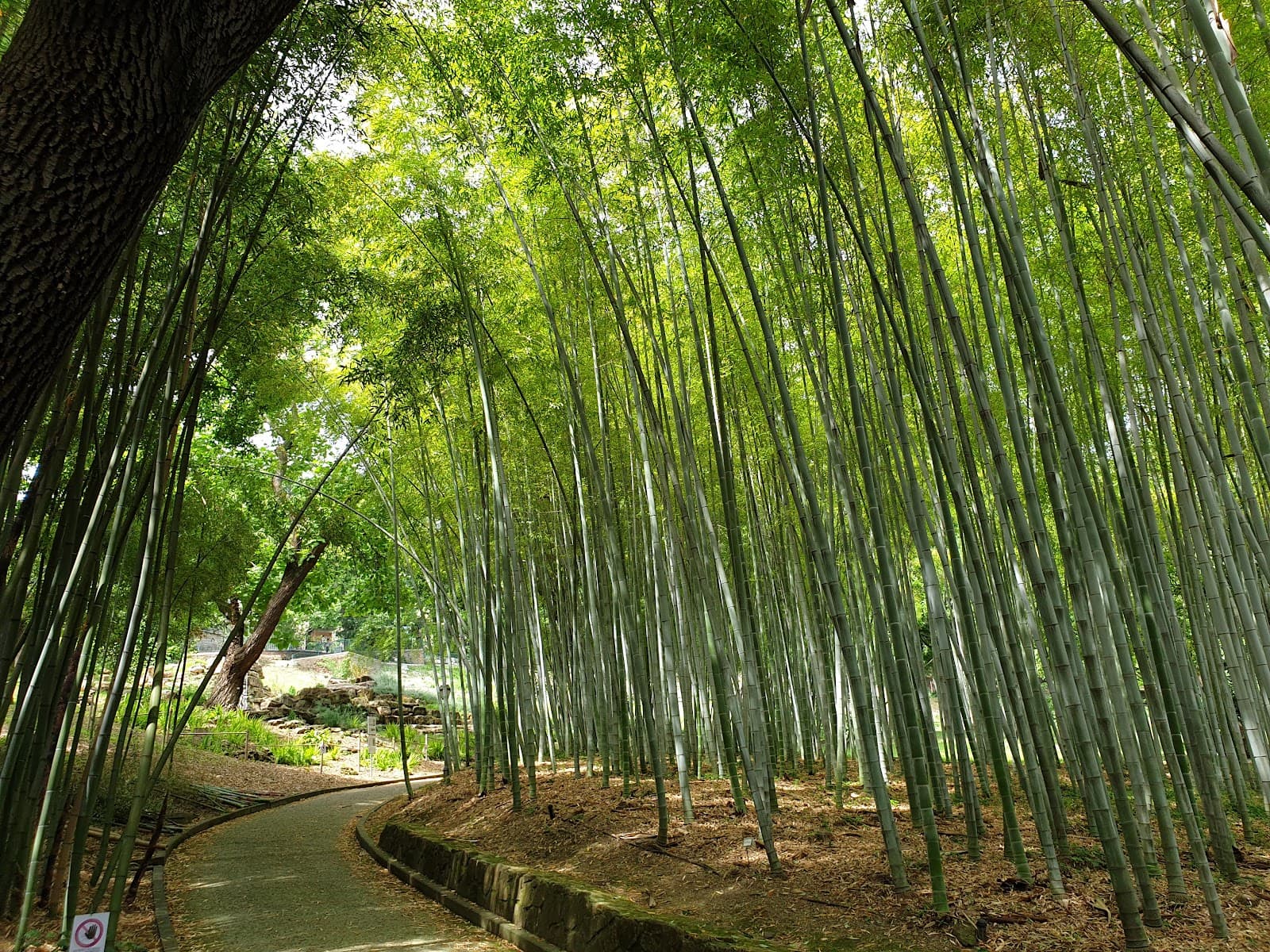
Escape the city bustle in this tranquil botanical garden, offering a diverse collection of plants and a peaceful environment. It's a green oasis in the heart of Rome.
Tip: A lovely place for a relaxing walk and to enjoy nature.

Explore the remains of Emperor Nero's opulent Golden House, a vast palace complex. While often requiring advance booking, it offers a unique glimpse into imperial extravagance.
Tip: Check for current accessibility and tour availability.
Part of the Capitoline Museums, the Palazzo Nuovo houses a remarkable collection of Roman sculptures, including the Dying Gaul and the Capitoline Wolf. It's a key destination for Roman art.
Tip: Often feels less crowded than other major Roman attractions.
Immerse yourself in the sounds of Baroque music with a live orchestra performance. Many churches and venues across Rome host concerts featuring composers like Vivaldi.
Tip: Check local listings for performance schedules and venues.
An unusual and striking site, the Capuchin Crypt is decorated with the bones of thousands of Capuchin friars. It's a macabre yet fascinating display that leaves a lasting impression.
Tip: Photography is not allowed inside, so be present and absorb the atmosphere.