Capuchin Crypt
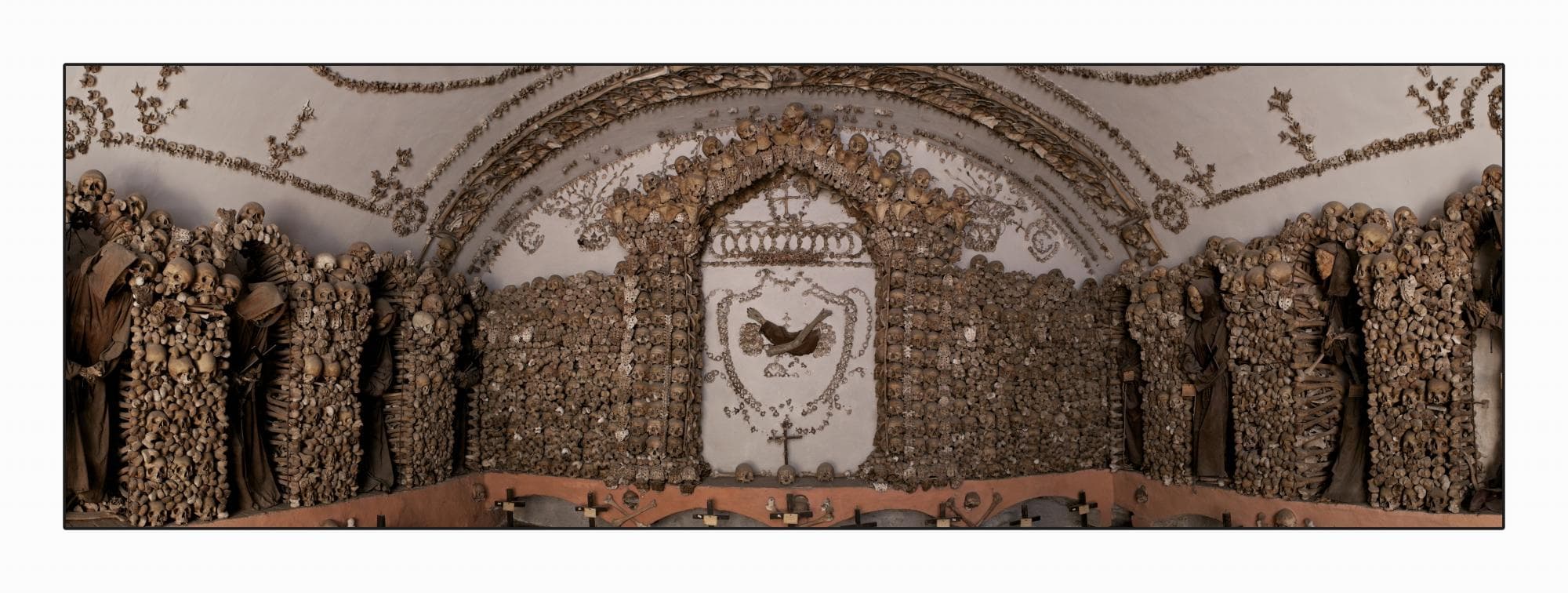
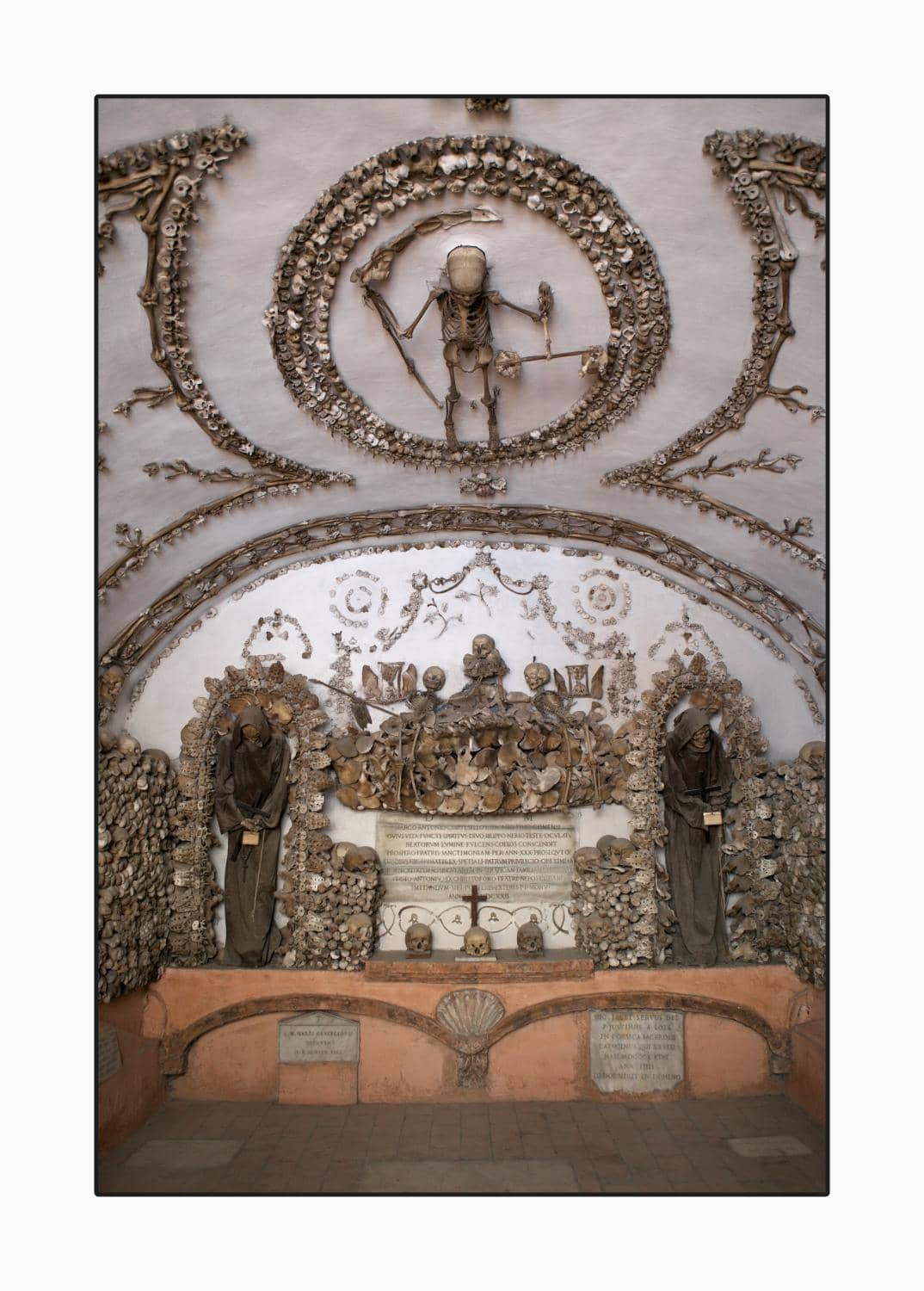
A 17th-century crypt adorned with the bones of over 4,000 Capuchin friars, offering a unique meditation on life and death.
Highlights
Must-see attractions

Social
From TikTok & Reddit
Best Time
Fewer crowds, more reflective
Capuchin Crypt
Best Time
Fewer crowds, more reflective
Highlights
Must-see attractions
A 17th-century crypt adorned with the bones of over 4,000 Capuchin friars, offering a unique meditation on life and death.
"A fascinating place that really tells the story and history, macabre but beautiful in its own right."
🎧 Get the Audio Guide
Essential for understanding the history and symbolism behind the bone arrangements.
⏳ Allow About an Hour
The museum and crypt are compact but rich in detail.
Highlights
Discover the most iconic attractions and experiences
The Crypt of the Bones
Under the Church of Santa Maria della Concezione
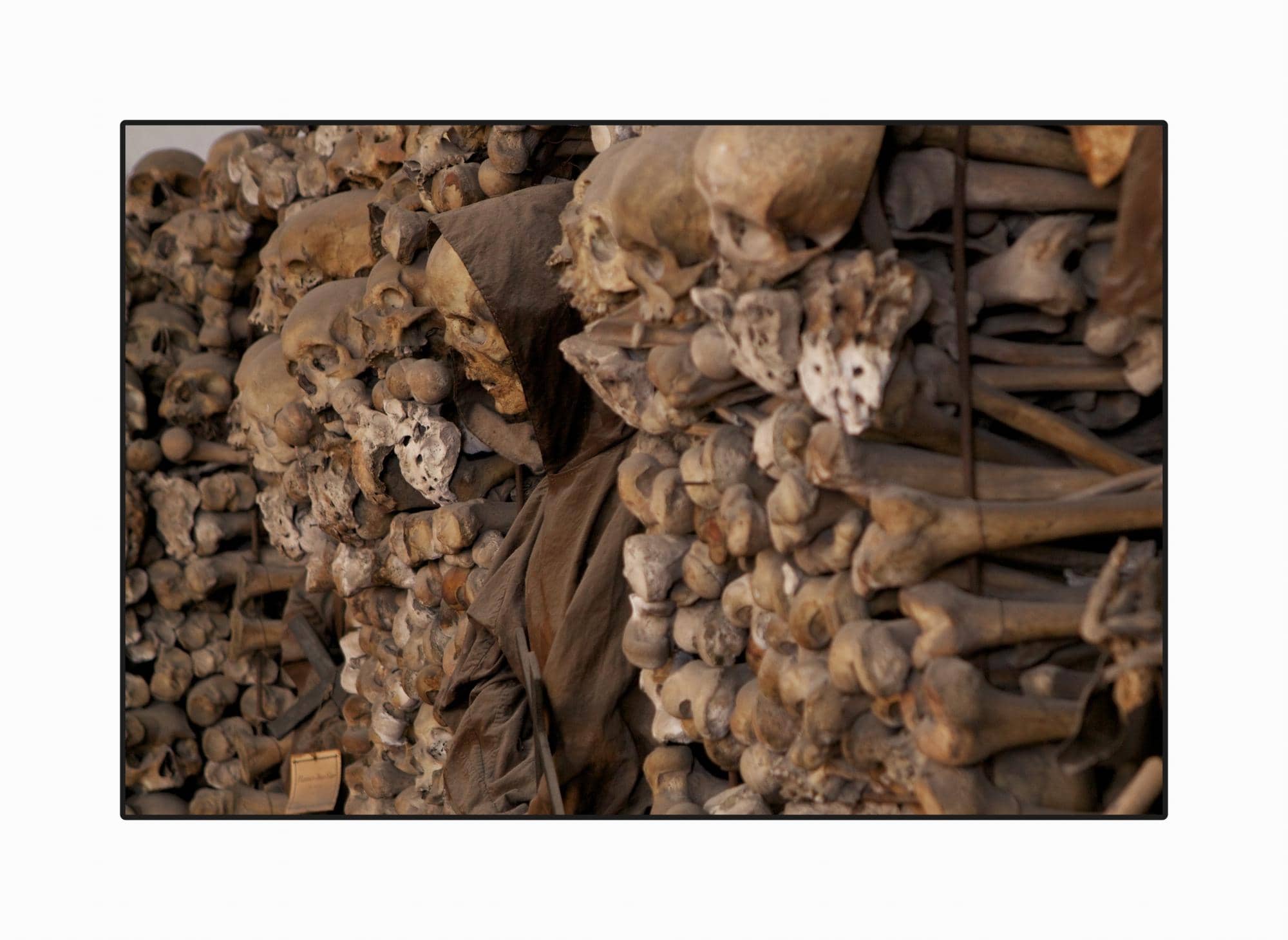
Thousands of Capuchin friars' bones meticulously arranged into chandeliers, arches, and altars. A powerful memento mori.

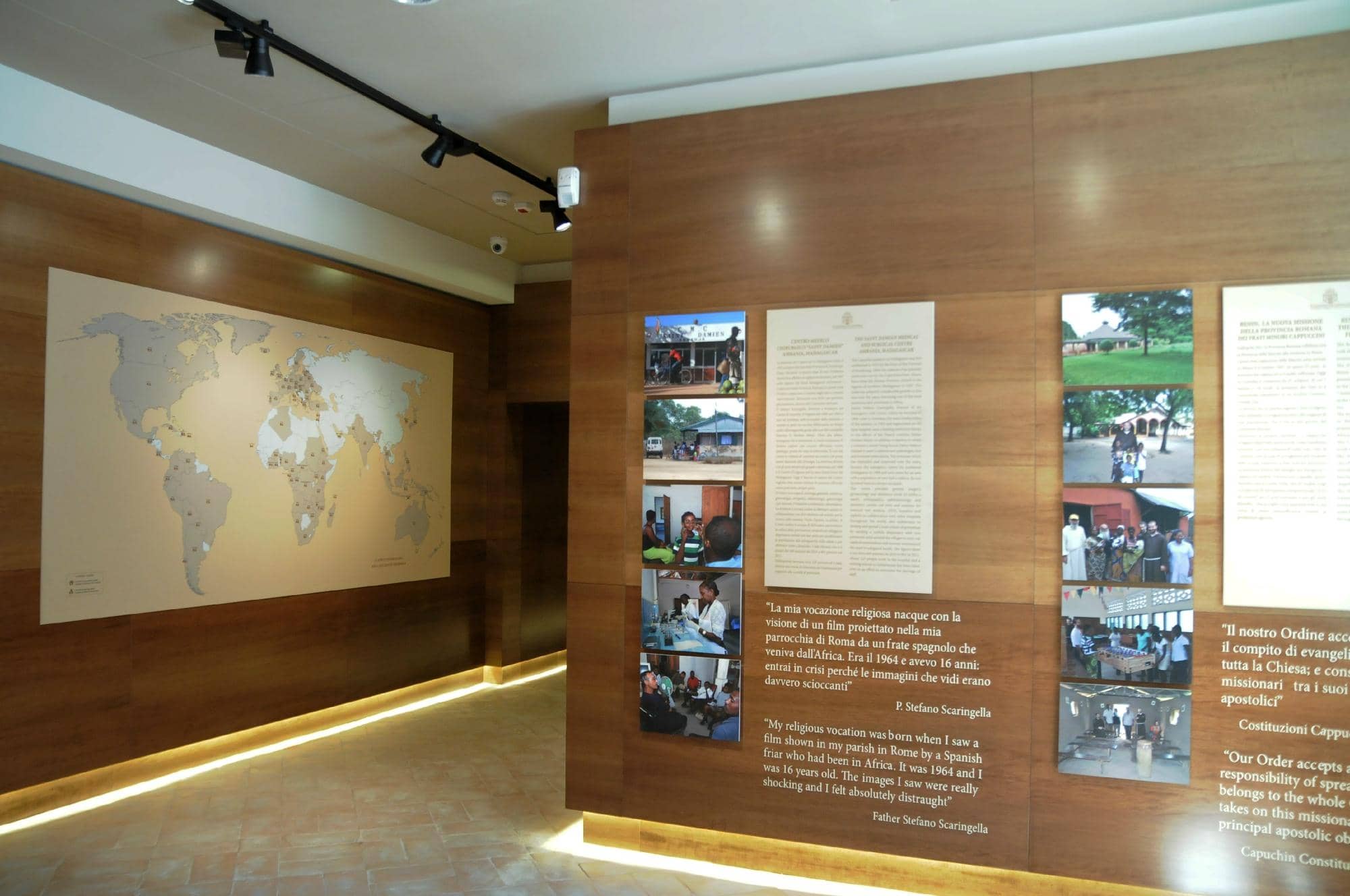
The Museum and Audio Guide
Before the Crypt
Learn the history of the Capuchin friars and the crypt's artistic significance. The audio guide is highly recommended for context.
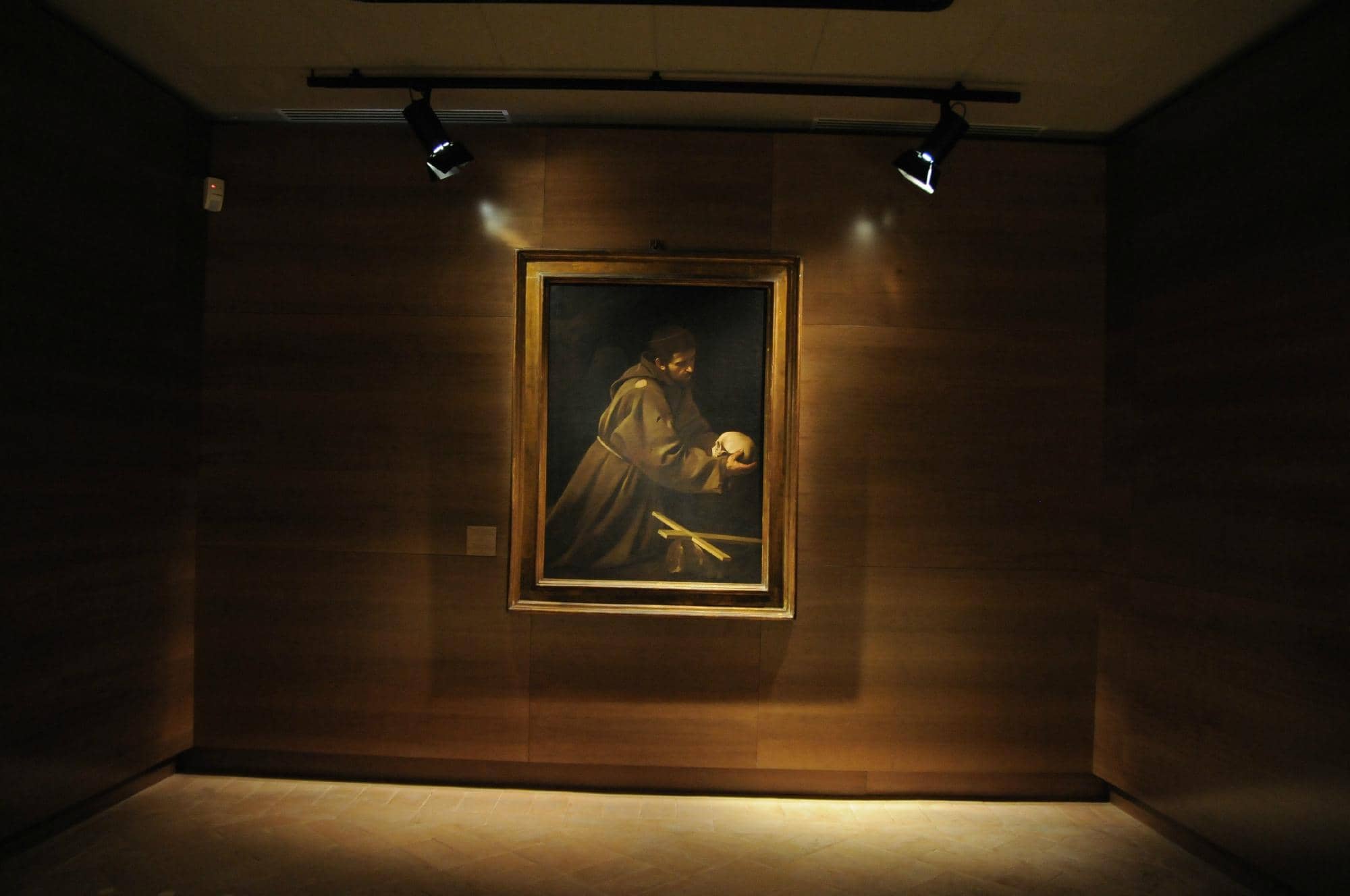
Caravaggio Painting
Museum section
A surprising artistic gem within the museum, adding another layer of cultural richness to your visit.
Plans like a pro.
Thinks like you
Planning Your Visit
Book Tickets in Advance
Prepare for the Macabre
Best Times
Insider Tips
from TikTok, Instagram & Reddit
🎧 Get the Audio Guide
Essential for understanding the history and symbolism behind the bone arrangements.
⏳ Allow About an Hour
The museum and crypt are compact but rich in detail.
⚠️ Sensitive Stomach Warning
Some displays include mummies and skeletal remains.
📍 Via Veneto Location
Easily accessible on Rome's famous Via Veneto.
Tips
from all over the internet
🎧 Get the Audio Guide
Essential for understanding the history and symbolism behind the bone arrangements.
⏳ Allow About an Hour
The museum and crypt are compact but rich in detail.
⚠️ Sensitive Stomach Warning
Some displays include mummies and skeletal remains.
📍 Via Veneto Location
Easily accessible on Rome's famous Via Veneto.
💰 Affordable Entry
Tickets are reasonably priced, often including the audio guide.
What Travellers Say
Reviews Summary
Visitors consistently describe the Capuchin Crypt as a fascinating, unique, and thought-provoking experience, though undeniably macabre. While some find it less creepy than expected due to the historical context provided by the audio guide, others are deeply moved by the artistic arrangement of bones and the profound memento mori message. It's a highly recommended stop for those seeking something different in Rome.
"This was a very interesting and educational visit. We found it by chance and was totally worth the time!!
The museum had so many artifacts from the monks and the audio tour was really done well. The narration was paced perfectly amd was real thorough with what you were looking at.
The crypt was so cool and the detail to the designs with the bones all you can say is WOW.
If you get there a little early they will take you in before your time or you can go next door to the church and see some beautiful architecture and paintings inside.
The Souvenir store was very inexpensive and lits of cools things to buy.
All in all with the time and price!!!"
C M
"A striking and unsettling visit. The Capuchin Crypt is a place of macabre art that evokes mixed feelings. On one hand, the educational aspect about the Capuchin brotherhood and its history is interesting, and the artistic work created from the bones is impressive. On the other hand, coming face to face with real human remains is not something everyone is used to, and it can be uncomfortable. A very unique place, worth visiting if you are prepared for it."
Ahmed Ferchichi
"It was very informative. They give you an audioguide also, which is included in the ticket price (€10). There're lockers in the entry if you need to put away your bags, it does get crowded inside. There's also a painting of Caravaggio in the exhibition, if you're interested. I went there early after openning so there were less people but it got crowded very quickly after that."
elvin tür
What People Like
What People Dislike
Frequently Asked Questions
🚇 🗺️ Getting There
The Capuchin Crypt is located at Via Vittorio Veneto, 27, near Piazza Barberini. You can easily reach it by metro (Line A, Barberini station) or by bus. Many visitors find it a convenient stop while exploring the Via Veneto area.
Yes, it's situated on the famous Via Veneto, a short walk from Piazza Barberini and not far from the Spanish Steps and Trevi Fountain, making it easy to combine with other sightseeing.
Public transport is recommended. The Barberini metro station is the closest. Walking from nearby attractions is also a great option if you enjoy exploring Rome on foot.
🎫 🎫 Tickets & Entry
Ticket prices are generally around 10€ for adults, and often include a free audio guide. It's advisable to check the official website for the most current pricing and to book tickets in advance, especially during peak season.
While not always mandatory, booking Capuchin Crypt tickets online is recommended to avoid queues, particularly during busy periods. This ensures a smoother entry experience.
The museum and crypt typically open in the morning and close in the late afternoon or early evening. It's best to verify the exact Capuchin Crypt opening hours on their official website before your visit.
There isn't a strict dress code, but as it's a religious site, modest attire is appreciated. You'll be walking through a museum and crypt, so comfortable shoes are a good idea.
Photography is generally not allowed inside the crypt itself to preserve the atmosphere and the delicate remains. However, photos may be permitted in the museum section. Always check for signage.
🎫 🧭 Onsite Experience
The experience is unique and thought-provoking. You'll first explore a museum detailing the history of the Capuchin friars, including a Caravaggio painting, before entering the crypt itself, which is decorated with the bones of over 4,000 friars.
While the displays are macabre, many visitors find them more fascinating and artistic than outright scary. The audio guide helps provide context and a sense of respect for the friars.
Most visitors spend about an hour exploring the museum and the crypt. The audio guide adds to the time spent in the museum section.
The bones are arranged as a memento mori, a reminder of mortality and the transient nature of life. The friars believed that by living among the remains of their brethren, they could better contemplate their own mortality and the spiritual path.
This famous inscription, found at the entrance to the crypt, serves as a profound reminder of shared mortality: 'What you are now, we once were. What we are now, you shall be.'
🍽️ 🍽️ Food & Dining
Yes, the Capuchin Crypt is located on Via Veneto, which has numerous cafes, restaurants, and bars. You can find options ranging from quick bites to more formal dining experiences nearby.
No, food and drinks are not permitted inside the museum or the crypt itself. There are designated areas outside where you can enjoy refreshments.
📸 📸 Photography
Photography is strictly prohibited inside the crypt itself. This is to maintain the solemn atmosphere and protect the delicate displays. You may be able to take photos in the museum section, but always check for signs.
While photos inside the crypt are forbidden, the exterior of the Church of Santa Maria della Concezione and the surrounding Via Veneto offer picturesque Roman scenes. The museum might offer some visual interest for photographers.
For Different Travelers
Tailored advice for your travel style
👨👩👧 Families with Kids
However, it's crucial to gauge your child's sensitivity. If they are easily scared or have a strong aversion to the macabre, this might not be the best choice. The museum section, with its historical artifacts and the Caravaggio painting, can be enjoyed independently of the crypt itself. Consider bringing a stroller for younger children, as there's walking involved, but be mindful of the solemn atmosphere.
🤔 Curious Travelers & History Buffs
The museum provides excellent historical context, detailing the lives of the Capuchin friars and the significance of their ossuary. The inclusion of a Caravaggio painting adds a significant artistic draw. The audio guide is highly recommended to fully appreciate the symbolism and historical depth of the site.
📸 Photographers (with caveats)
The museum section might offer some opportunities for photography, depending on the specific exhibits and any posted restrictions. However, the primary draw of the crypt is its unique, unphotographable interior, so focus on capturing the atmosphere and context of the visit rather than the crypt's contents.
Deep Dives
In-depth insights and expert knowledge
The Art and Symbolism of the Ossuary
+1 This practice, known as ossuary art, was common in the Baroque period as a way to confront mortality and emphasize the ephemeral nature of earthly life. The friars believed that by living amongst the dead, they could better focus on their spiritual journey and the afterlife. The most striking element is the profound message inscribed at the entrance: 'What you are now, we once were. What we are now, you shall be.' This powerful memento mori serves as a stark reminder of universal mortality, encouraging visitors to reflect on their own lives and spiritual paths.
The arrangement is not intended to be morbid but rather a testament to faith and the belief in resurrection. The friars saw these bones not as remnants of death, but as symbols of eternal life. Beyond the bone arrangements, the museum section offers crucial context. It houses historical artifacts, religious art, and importantly, an original painting by Caravaggio, adding significant artistic value to the visit.
The Capuchin Friars and Their History
The crypt itself served as the final resting place for friars from the order who died between 1500 and 1870.
Notable figures associated with the crypt include Father Raymond of Olot, who translated the biography of St. Francis into Arabic, and Brother Anthony of Canton, a revered friar whose remains are also displayed.
The museum provides insights into their lives and the broader history of the Capuchin order, making the visit an educational as well as a visually striking experience.
Social
from TikTok, Instagram & Reddit