40 Ancient Roman Sites and Ruins

See what's trending
We've done exactly what you would have done—spent hours scrolling through TikTok, Instagram, and Reddit to find the absolute best experiences. These 28 recommendations come from real travelers sharing their unfiltered takes, hidden gems, and insider secrets. No travel agency fluff, just the wisdom of people who've actually been there. This is how everyone really plans their trips these days.


Step back in time at Leptis Magna, one of the most remarkably preserved Roman cities in the Mediterranean. Wander through its grand streets, impressive theaters, and monumental arches that showcase the empire's architectural prowess.
Tip: Consider visiting during the cooler months for a more comfortable exploration.

Unlike Pompeii, Herculaneum was buried by pyroclastic flows, preserving organic materials and buildings in incredible detail. Walk through ancient homes and see the poignant remains of its inhabitants.
Tip: Wear comfortable shoes as you'll be doing a lot of walking on uneven surfaces.

Immerse yourself in the heart of ancient Roman life at the Roman Forum. This sprawling complex of ruins was once the center of political, religious, and social activity.
Tip: Consider a guided tour to fully understand the history of each structure.

Experience layers of history at this unique basilica, with a 12th-century church built atop a 4th-century church, and beneath that, an ancient Roman street with a pagan temple and a stream.
Tip: Allow ample time to explore all three levels of the basilica.

Marvel at the colossal Roman ruins of Baalbek, home to some of the most impressive and well-preserved temples of the Roman Empire, including the Temple of Jupiter.
Tip: Check visa requirements and travel advisories for Lebanon before planning your trip.
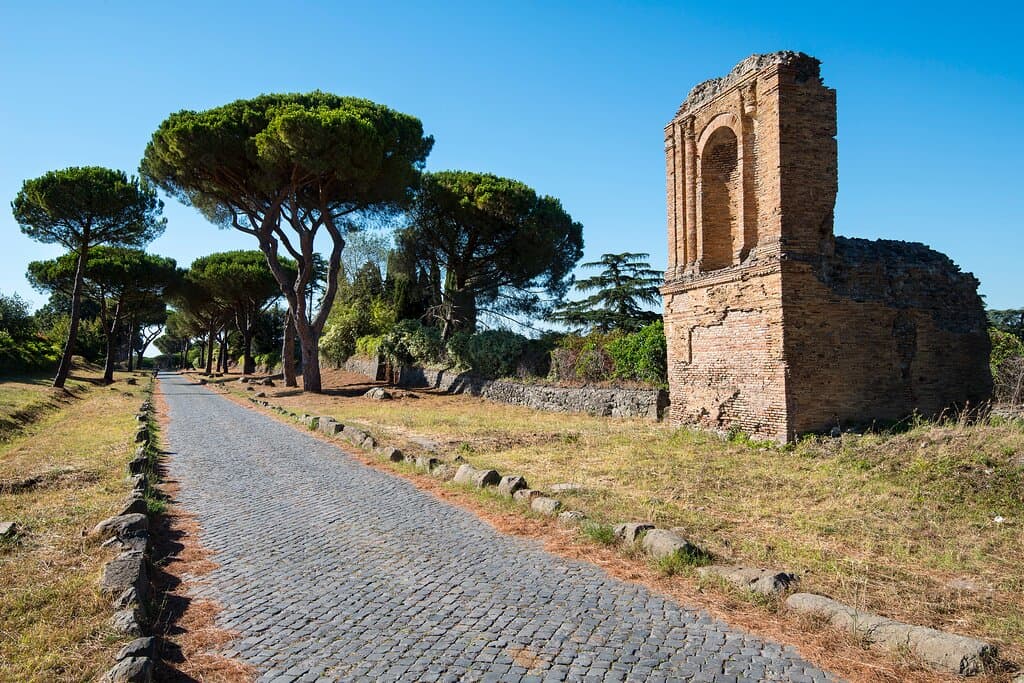
Stroll along the ancient Appian Way, one of Rome's oldest and most important roads, lined with fascinating ruins, tombs, and scenic countryside views.
Tip: The road is often closed to traffic on Sundays, making it ideal for walking.
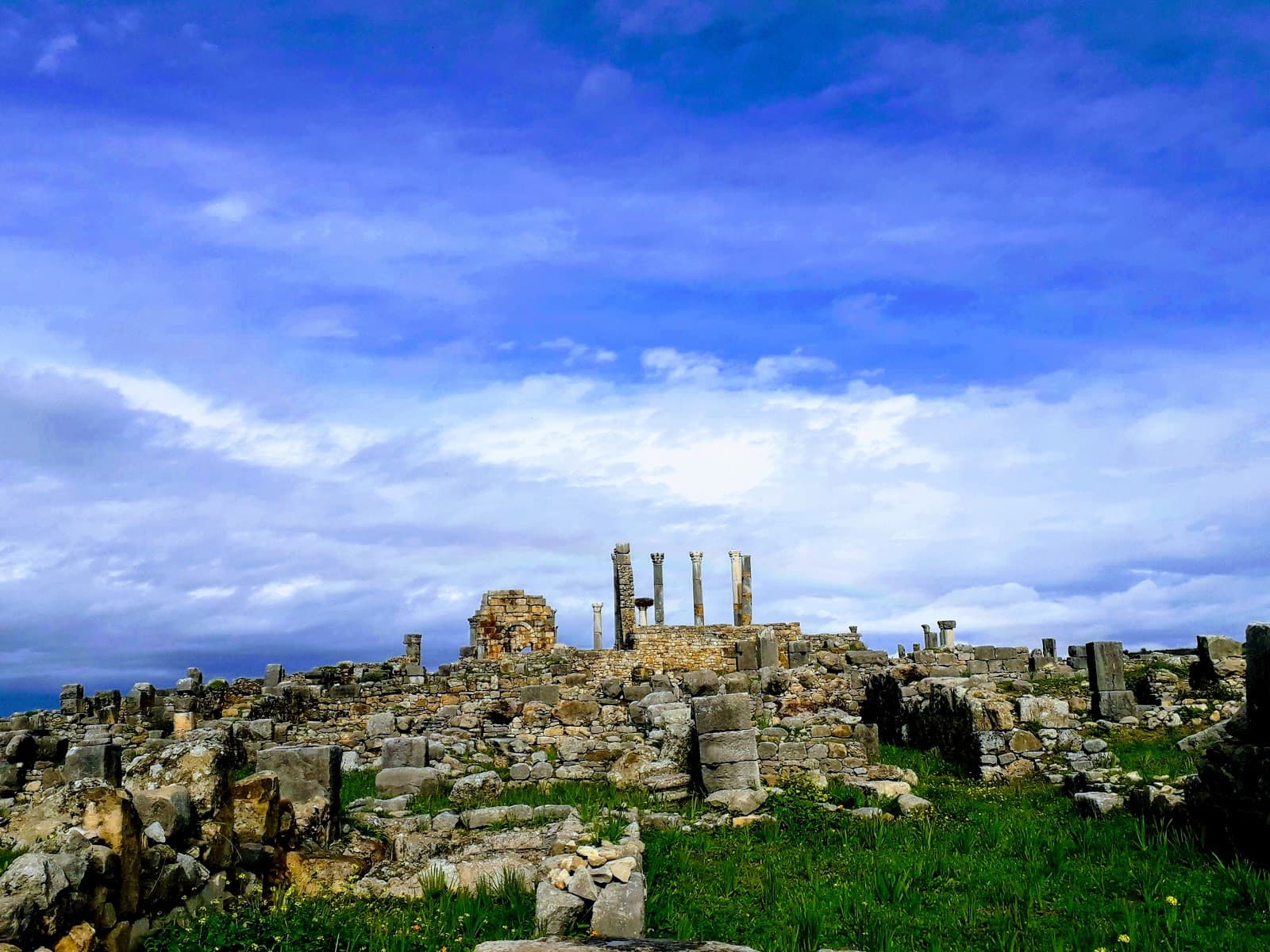
Step into the remarkably preserved Roman ruins of Volubilis, a UNESCO World Heritage site offering a glimpse into Roman civilization at its peak with stunning mosaics and well-preserved structures.
Tip: Visit during the spring for pleasant weather and blooming wildflowers.
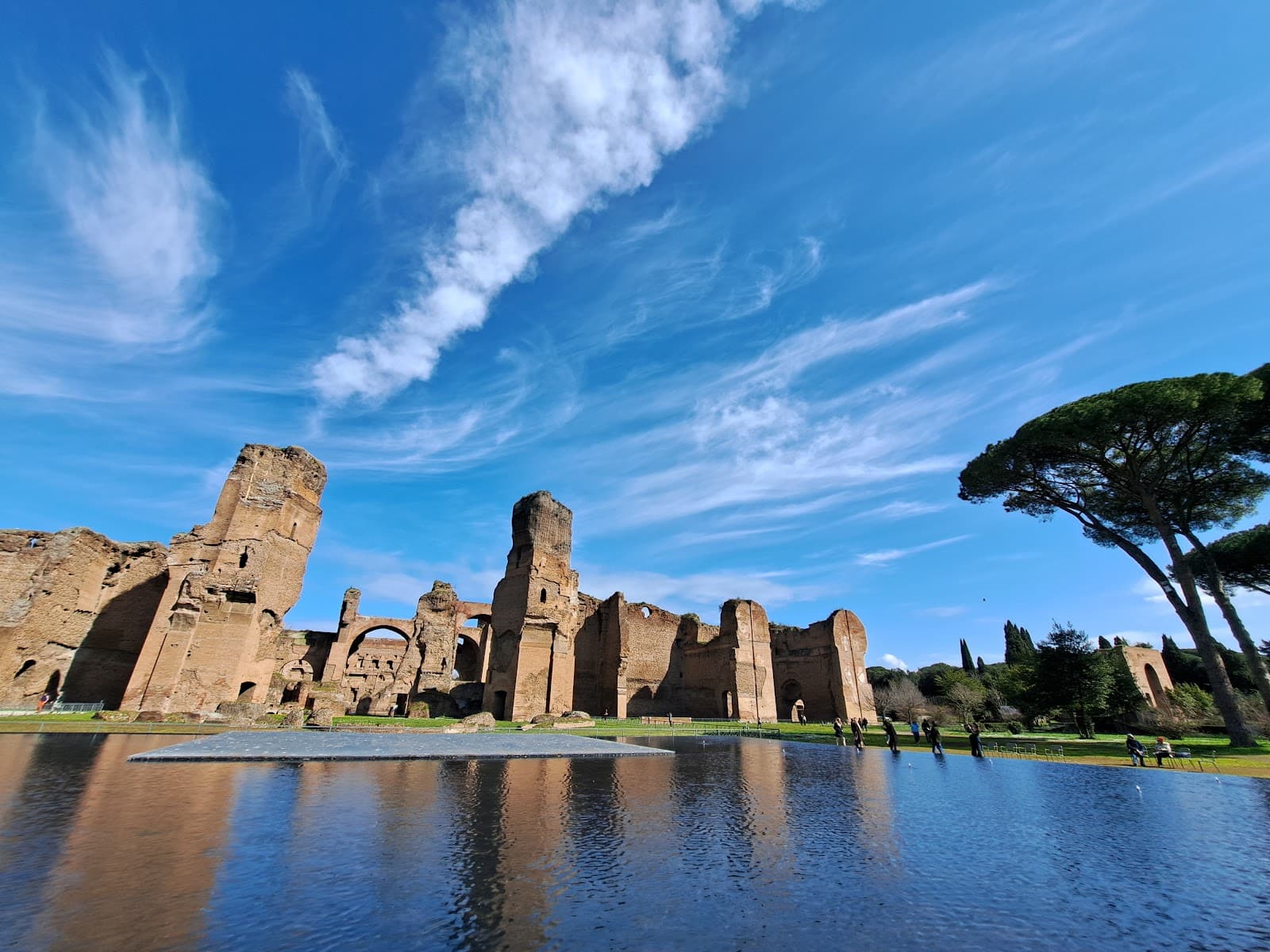
Explore the vast and impressive ruins of the Baths of Caracalla, a massive public bath complex that showcases the grandeur of Roman engineering and social life.
Tip: Combine your visit with a walk through the nearby Circus Maximus.

Wander through the remarkably intact ancient Roman port city of Ostia Antica, offering a comprehensive look at daily life, from apartment buildings to taverns and baths.
Tip: It's easily accessible by train from Rome and offers a less crowded experience than Pompeii.

Discover the impressive Roman Arena of Nîmes, one of the best-preserved Roman amphitheaters in the world, offering a glimpse into gladiatorial contests and public spectacles.
Tip: Combine with a visit to the Maison Carrée, another stunning Roman temple in the city.

Stand in awe beneath the magnificent dome of the Pantheon, a former Roman temple now a church, renowned for its architectural genius and enduring beauty.
Tip: Visit during the day to see the oculus beam of light, or in the evening for a different ambiance.

Explore the exceptionally well-preserved Roman city of Timgad, known for its clear grid plan, triumphal arch, and well-defined public spaces.
Tip: This site is remote, so plan your transportation and accommodation carefully.
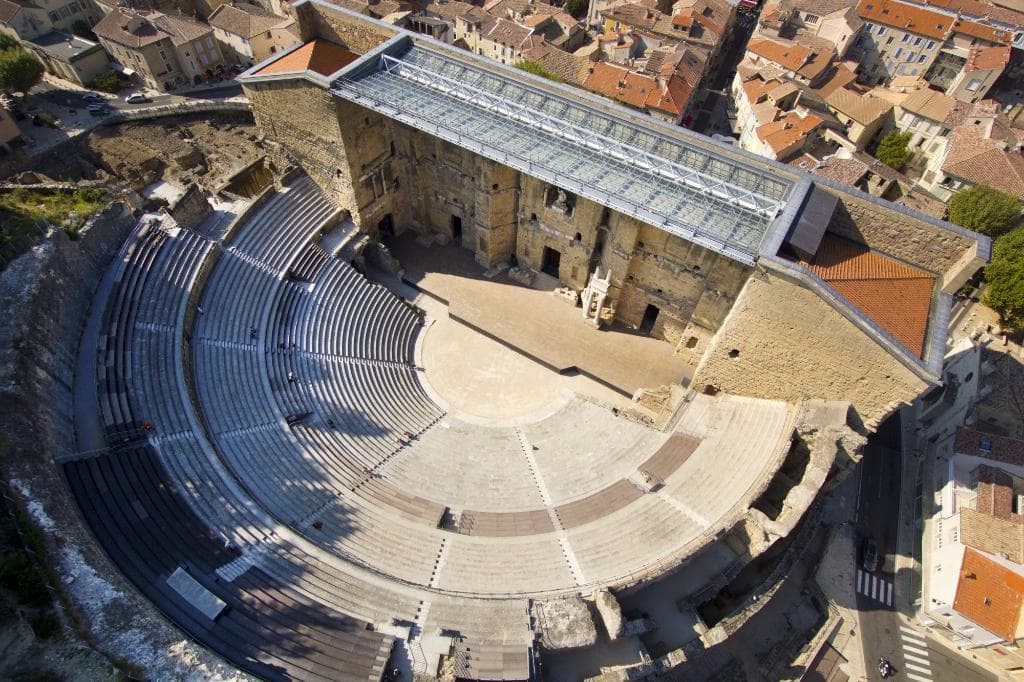
Experience the grandeur of Roman theater at the Théâtre Antique d'Orange, a remarkably intact Roman theater with an impressive stage wall that still hosts performances.
Tip: Check the schedule for any performances or events during your visit.
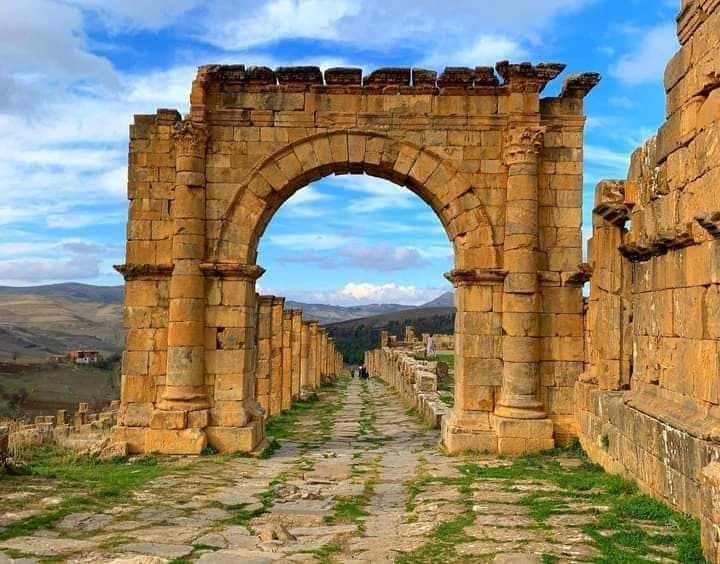
Wander through the ancient Roman city of Djemila, nestled in the Algerian mountains, where time seems to have stopped, and history whispers through its well-preserved ruins.
Tip: This is a remote location, so ensure you have arranged transportation and potentially local guides.
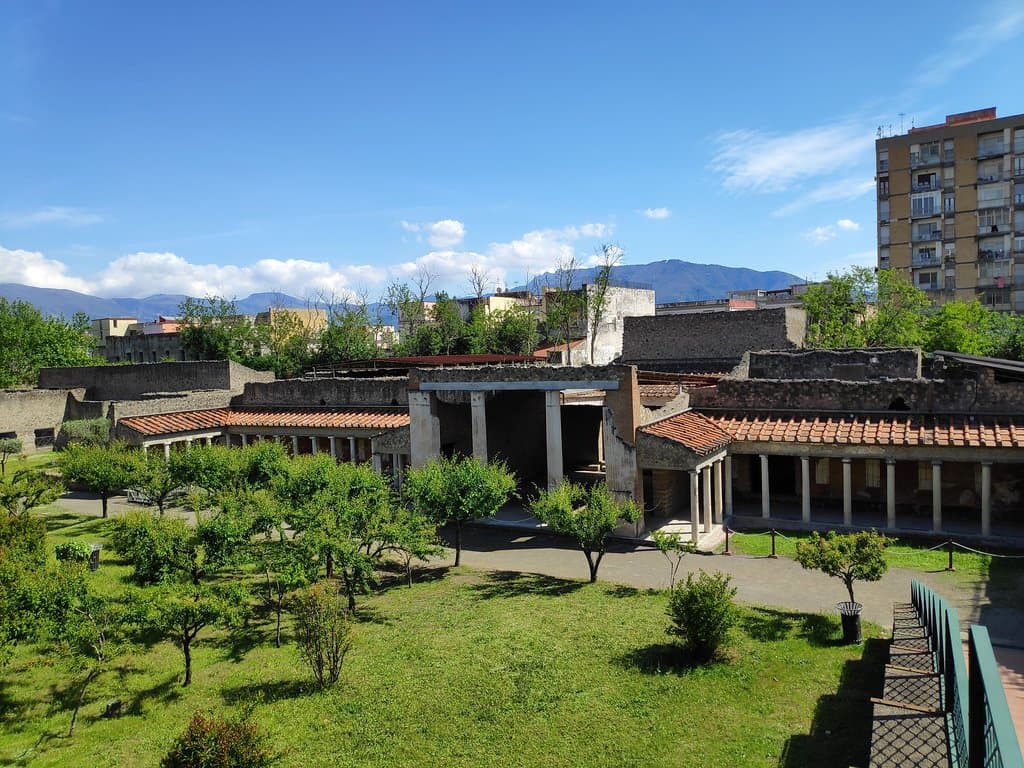
Step into the lavish Villa Poppaea at Oplontis, a sprawling Roman villa believed to belong to Nero's empress, Poppaea Sabina, showcasing incredible frescoes and architectural splendor.
Tip: Often visited in conjunction with Pompeii and Herculaneum.

Uncover the Roman history of Londinium at the Museum of London, which houses an impressive collection of artifacts and exhibits detailing the city's Roman past.
Tip: The museum offers free entry, making it an accessible way to learn about Roman Britain.
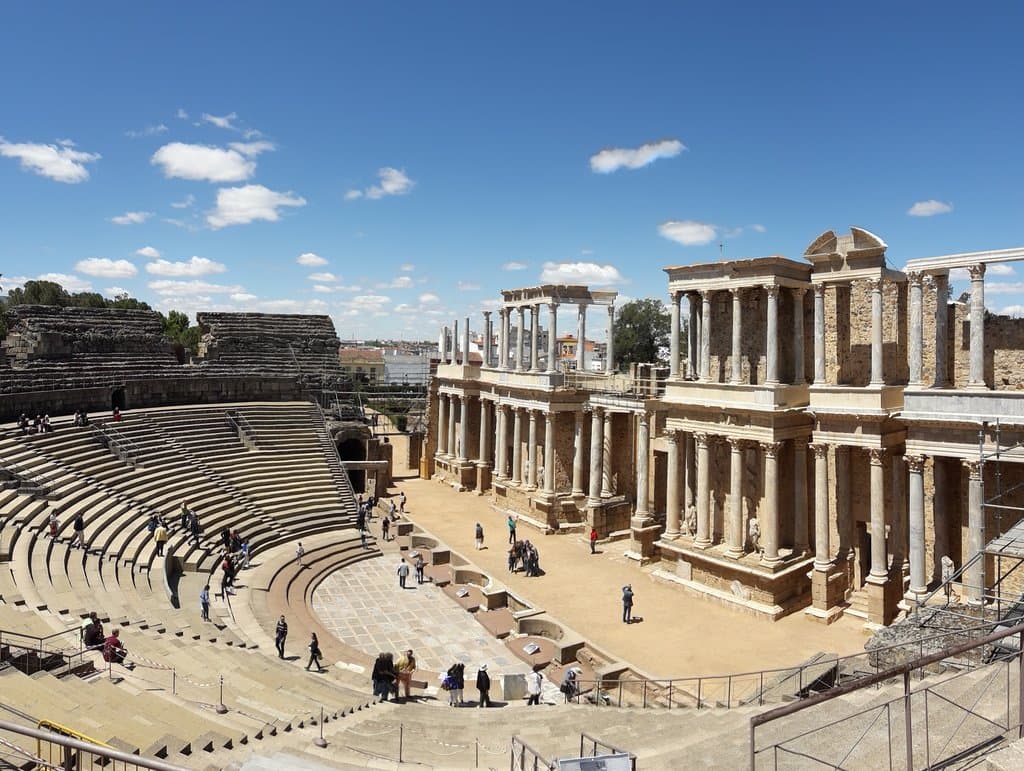
Discover the exceptionally well-preserved Roman sites in Merida, including a theater, amphitheater, circus, bridge, and temple, all part of this UNESCO World Heritage site.
Tip: Allow a full day to explore the various Roman monuments scattered throughout the city.
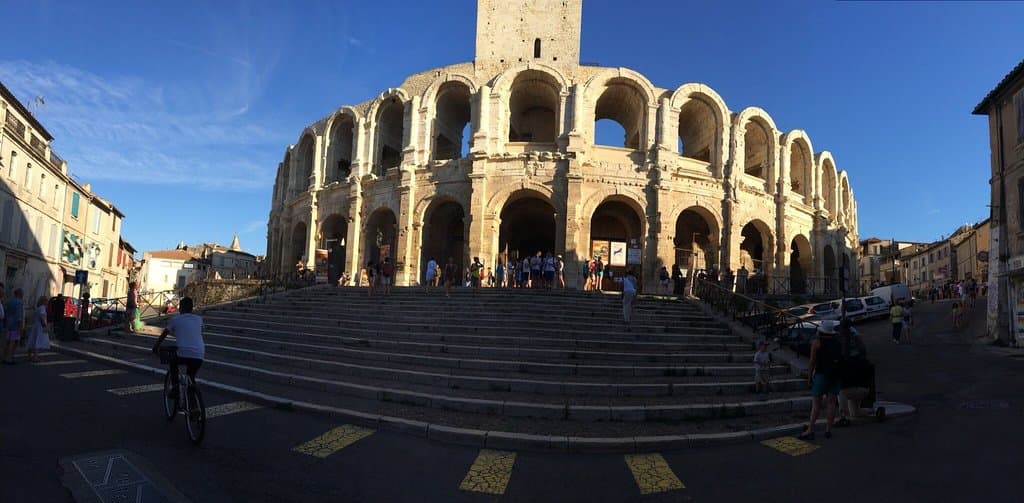
Explore the magnificent Roman amphitheater in Arles, a well-preserved arena that once hosted gladiatorial contests and public spectacles, offering a powerful connection to the past.
Tip: Arles also boasts other Roman remains, including a theater and ancient necropolis.
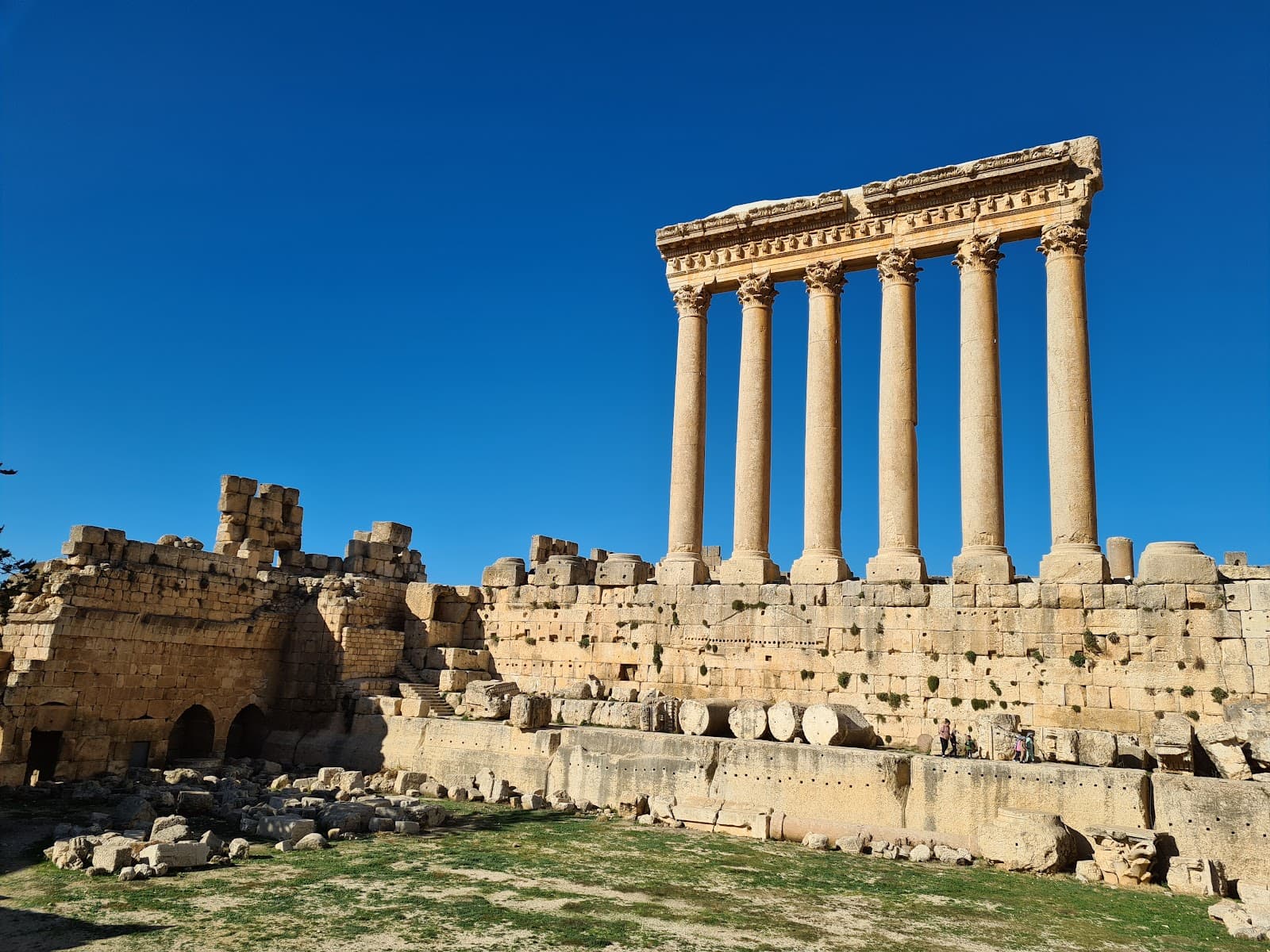
Stand in awe of the colossal Temple of Jupiter at Baalbek, featuring some of the largest stone blocks ever quarried and moved by ancient civilizations.
Tip: The sheer scale of the temple is best appreciated with a knowledgeable guide.

Wander through the remarkably preserved Roman city of Dougga (Thugga), a Numidian and Roman site in North Africa offering a magical glimpse into ancient urban life.
Tip: This site is less visited, offering a more intimate historical experience.
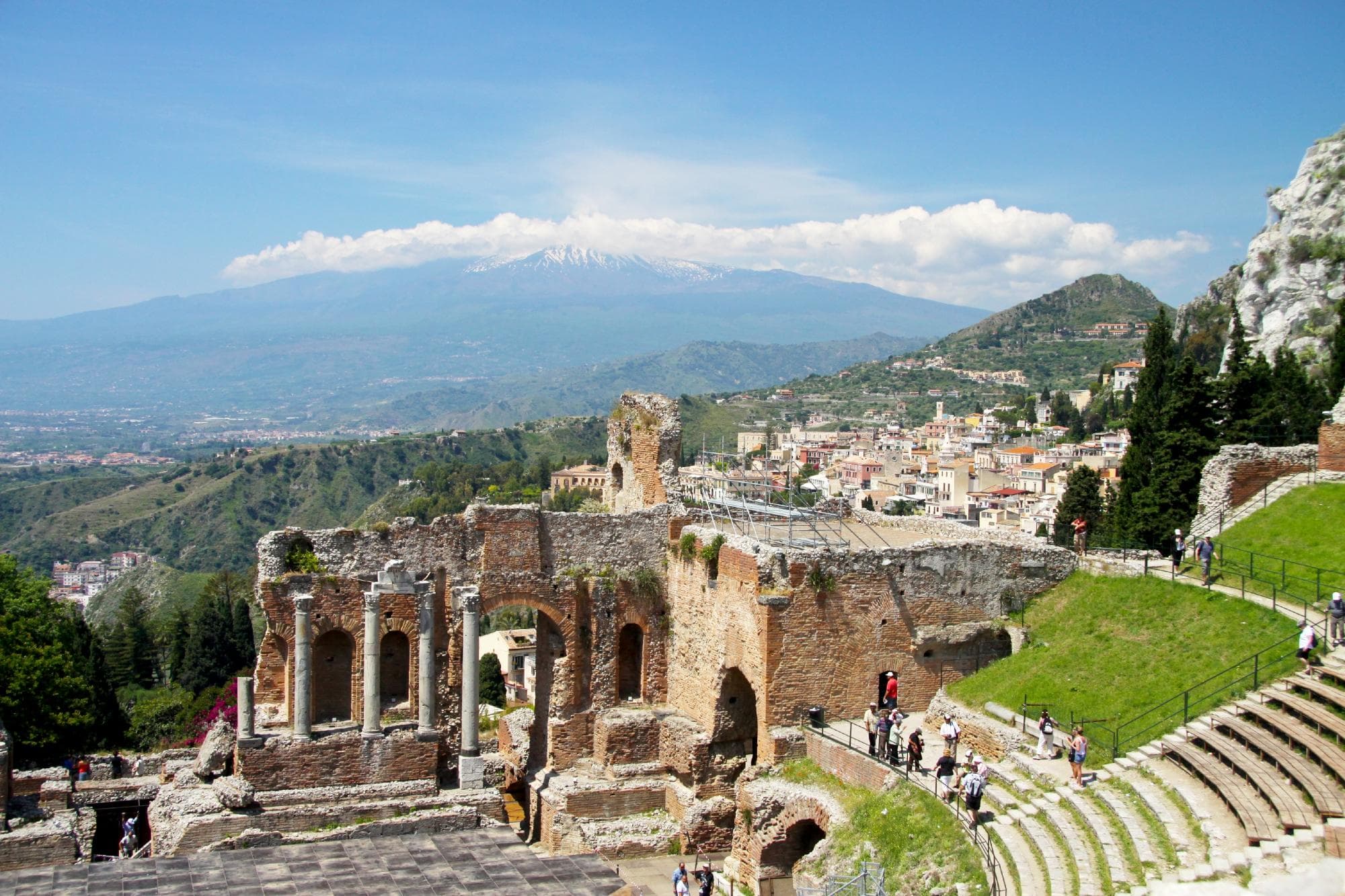
Experience the breathtaking beauty of the ancient Greek-Roman theater in Taormina, offering stunning views of Mount Etna and the Ionian Sea alongside its historical significance.
Tip: Go early in the morning to avoid the crowds and enjoy the best light for photos.
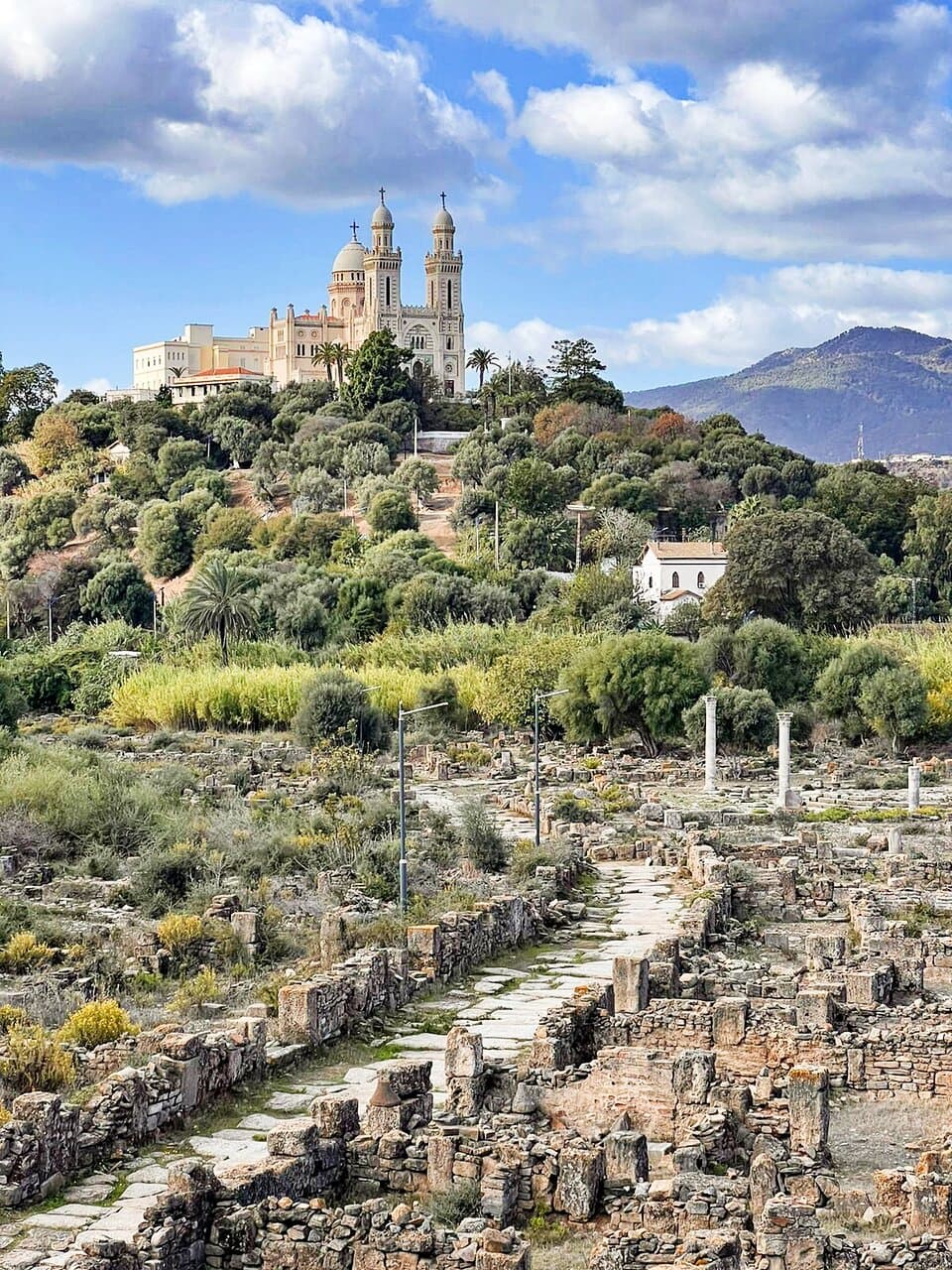
Explore the ancient Roman city of Hippo Regius in Annaba, Algeria, a significant historical site that offers a glimpse into Roman urban planning and architecture in North Africa.
Tip: Research local transportation options as this site can be challenging to access independently.
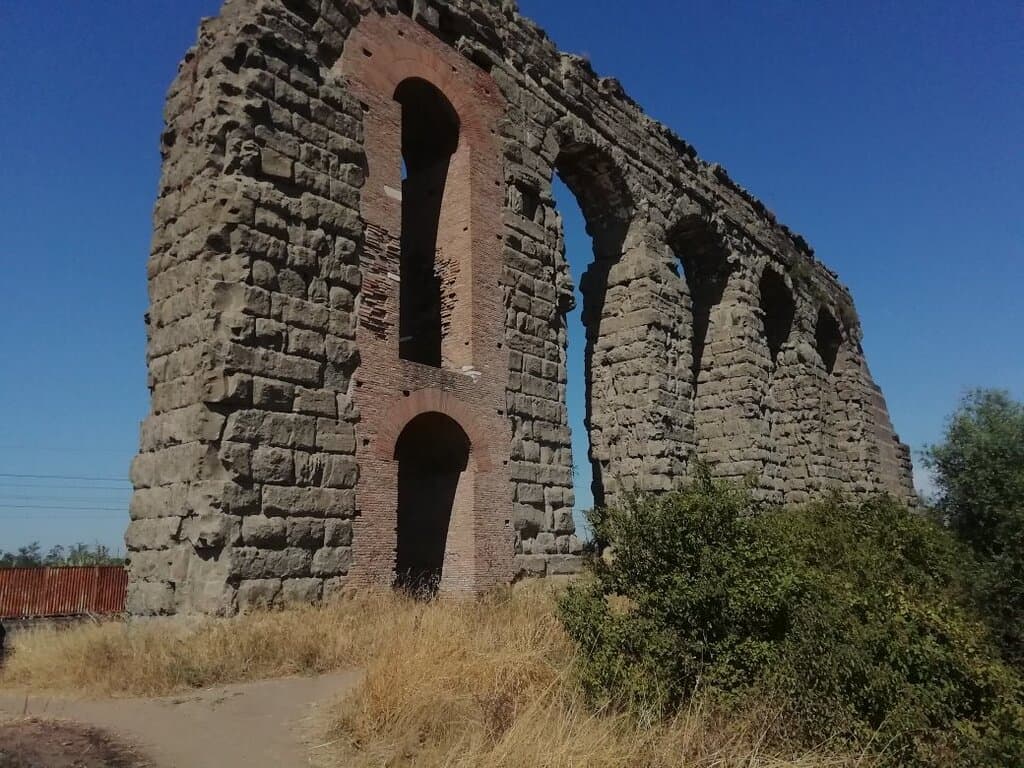
Walk amongst the majestic ruins of ancient Roman aqueducts in this beautiful park, offering a serene escape and a stunning visual of Roman engineering.
Tip: Best visited during the 'golden hour' for spectacular lighting.
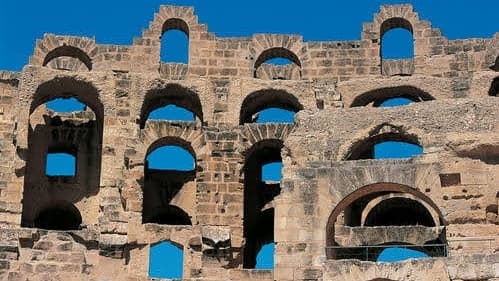
Marvel at the Amphitheatre of El Jem, one of the best-preserved Roman amphitheaters in the world, offering a powerful sense of the scale and spectacle of Roman entertainment.
Tip: Climb to the upper levels for panoramic views of the surrounding landscape.

Experience Nero's opulent Golden House, the Domus Aurea, through a guided tour that includes a fascinating VR reconstruction of its former glory.
Tip: Tickets are limited and must be booked in advance.
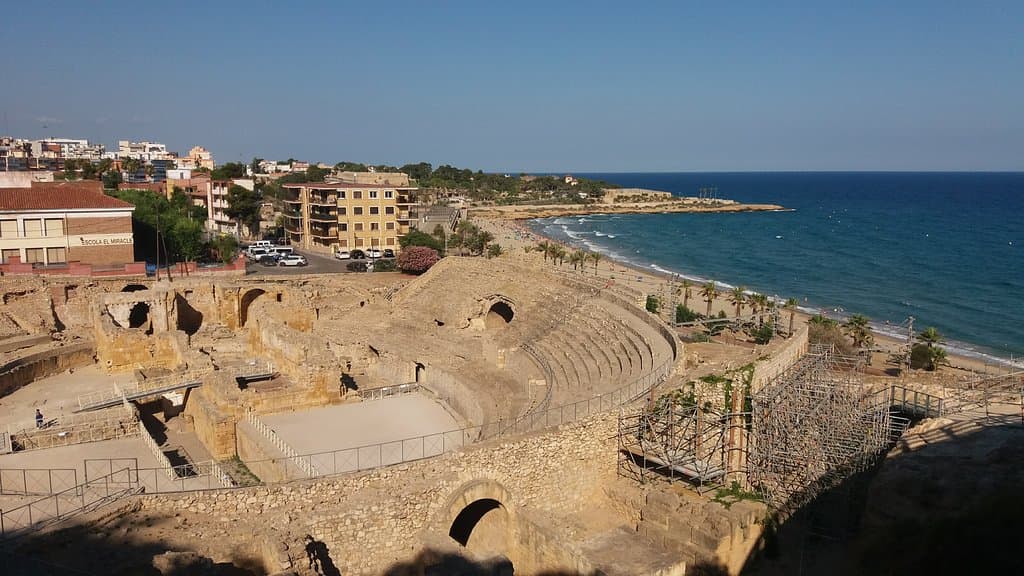
Explore Tarragona (ancient Tarraco), the former Roman provincial capital, boasting a well-preserved amphitheater, Roman walls, and an aqueduct you can walk across.
Tip: Enjoy the beautiful Mediterranean setting alongside the historical sites.
Step back in time at the remarkably preserved Roman Theatre of Merida, a stunning example of Roman architecture that still hosts performances today.
Tip: Check the schedule for performances to experience the theater in its intended use.

Walk through the remarkably preserved streets and buildings of Pompeii, an ancient Roman city frozen in time by the eruption of Mount Vesuvius.
Tip: Wear comfortable shoes and bring water, as the site is extensive and can get hot.

Discover the incredibly well-preserved Roman city of Jerash, featuring colonnaded streets, temples, theaters, and a hippodrome, offering a comprehensive look at Roman urban life in the East.
Tip: Visit early in the morning to avoid the heat and crowds.
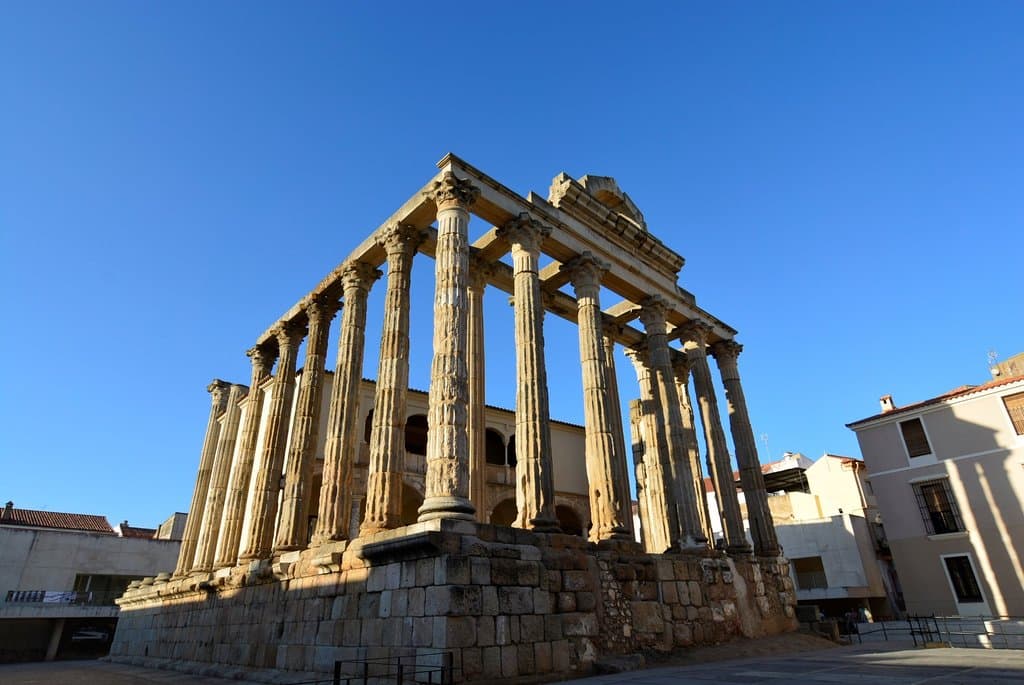
Admire the Temple of Diana in Merida, a well-preserved Roman temple that stands as a testament to the city's rich Roman heritage.
Tip: It's located in the heart of the city, making it easy to incorporate into your exploration.

Marvel at the Maison Carrée, one of the best-preserved Roman temples in the world, showcasing exquisite Corinthian architecture and offering a glimpse into Roman religious life.
Tip: Its pristine condition makes it a standout example of Roman temple design.
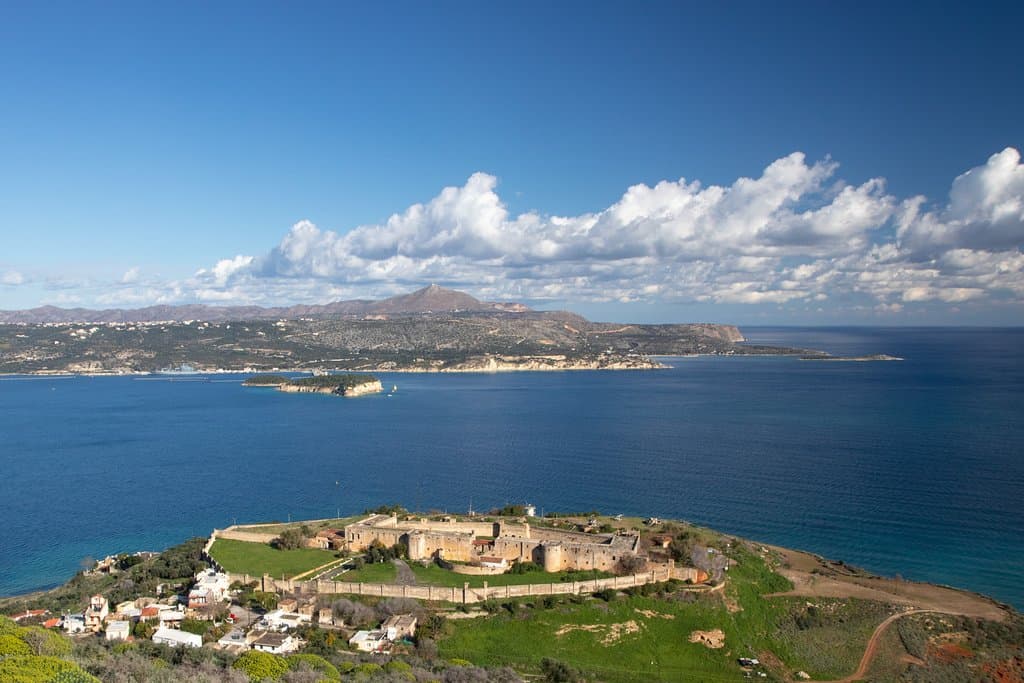
Discover the underrated Roman ruins of Aptera on Crete, where you can practically have the place to yourself and explore an amazing Roman theater.
Tip: This site offers a peaceful and authentic historical experience.

Wander through the magnificent ancient city of Ephesus, once a major Roman port, featuring impressive structures like the Library of Celsus and a grand amphitheater.
Tip: Wear a hat and bring plenty of water, as the site is exposed and can get very hot.

Explore the vast remains of the Baths of Diocletian, the largest public baths in ancient Rome, now part of the National Roman Museum.
Tip: The adjacent Basilica of Saint Mary of the Angels, built within the baths, is also worth visiting.
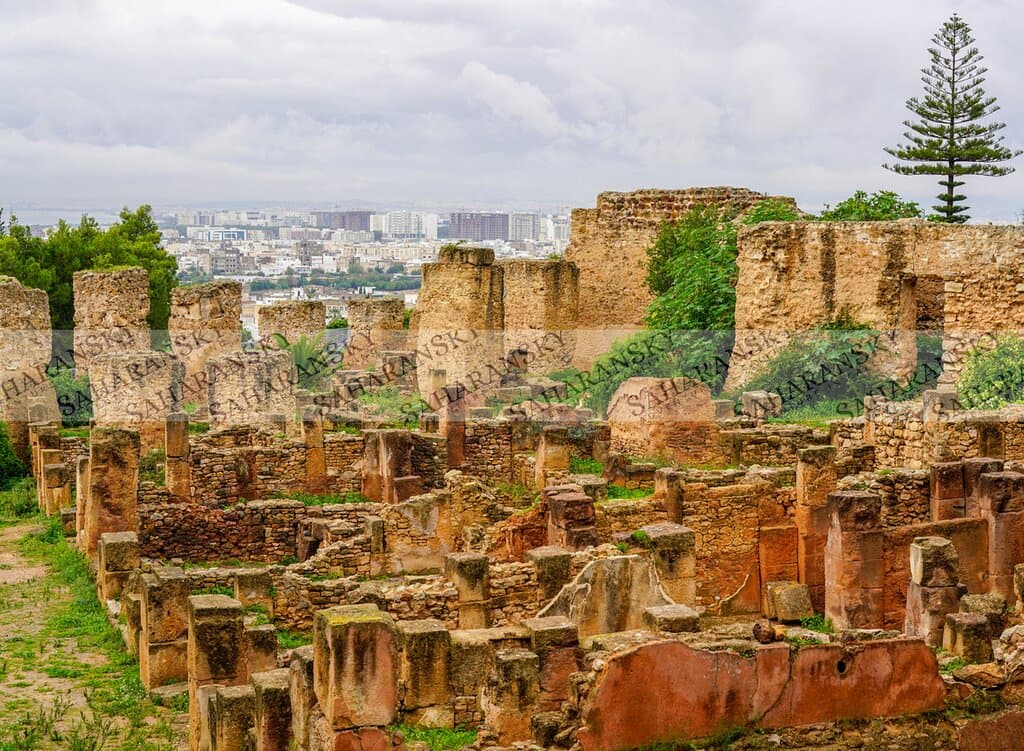
Explore the historical ruins of Carthage, a city with a rich Punic and Roman past, offering insights into its strategic importance and architectural legacy.
Tip: Combine your visit with the Carthage National Museum for a more comprehensive understanding.

Visit the well-preserved Roman amphitheater in Verona, a magnificent structure that still hosts opera performances and concerts, offering a vibrant connection to its ancient past.
Tip: Attending an opera here is a truly unforgettable experience.
Discover the impressive Roman Arena of Nîmes, one of the best-preserved Roman amphitheaters in the world, offering a glimpse into gladiatorial contests and public spectacles.
Tip: Combine with a visit to the Maison Carrée, another stunning Roman temple in the city.

Explore Palatine Hill, the legendary birthplace of Rome, offering panoramic views of the Roman Forum and Circus Maximus, along with the ruins of imperial palaces.
Tip: It's included in the ticket for the Colosseum and Roman Forum.
Step into the remarkably preserved Roman ruins of Volubilis, a UNESCO World Heritage site offering a glimpse into Roman civilization at its peak with stunning mosaics and well-preserved structures.
Tip: Visit during the spring for pleasant weather and blooming wildflowers.
Explore the exceptionally well-preserved Roman city of Timgad, known for its clear grid plan, triumphal arch, and well-defined public spaces.
Tip: This site is remote, so plan your transportation and accommodation carefully.