Tomb of Sennedjem TT1 Deir el-Medina Egypt
Discover the remarkably preserved Tomb of Sennedjem (TT1) in Deir el-Medina, showcasing vibrant artisan art and personal afterlife visions.
Highlights
Must-see attractions

Social
From TikTok & Reddit
Best Time
Beat the heat and crowds
Tomb of Sennedjem TT1 Deir el-Medina Egypt
Best Time
Beat the heat and crowds
Highlights
Must-see attractions
Discover the remarkably preserved Tomb of Sennedjem (TT1) in Deir el-Medina, showcasing vibrant artisan art and personal afterlife visions.
"The wall paintings are just stunning, and the colors so vibrant."

Prepare for Warmth
The tomb interior can get very warm. Stay hydrated and wear light clothing. :sweat_drops:
Mind the Entrance
The access is narrow and low. Be prepared to stoop and move carefully. :person_walking:

Highlights
Discover the most iconic attractions and experiences
Vibrant Wall Paintings
Interior of the tomb
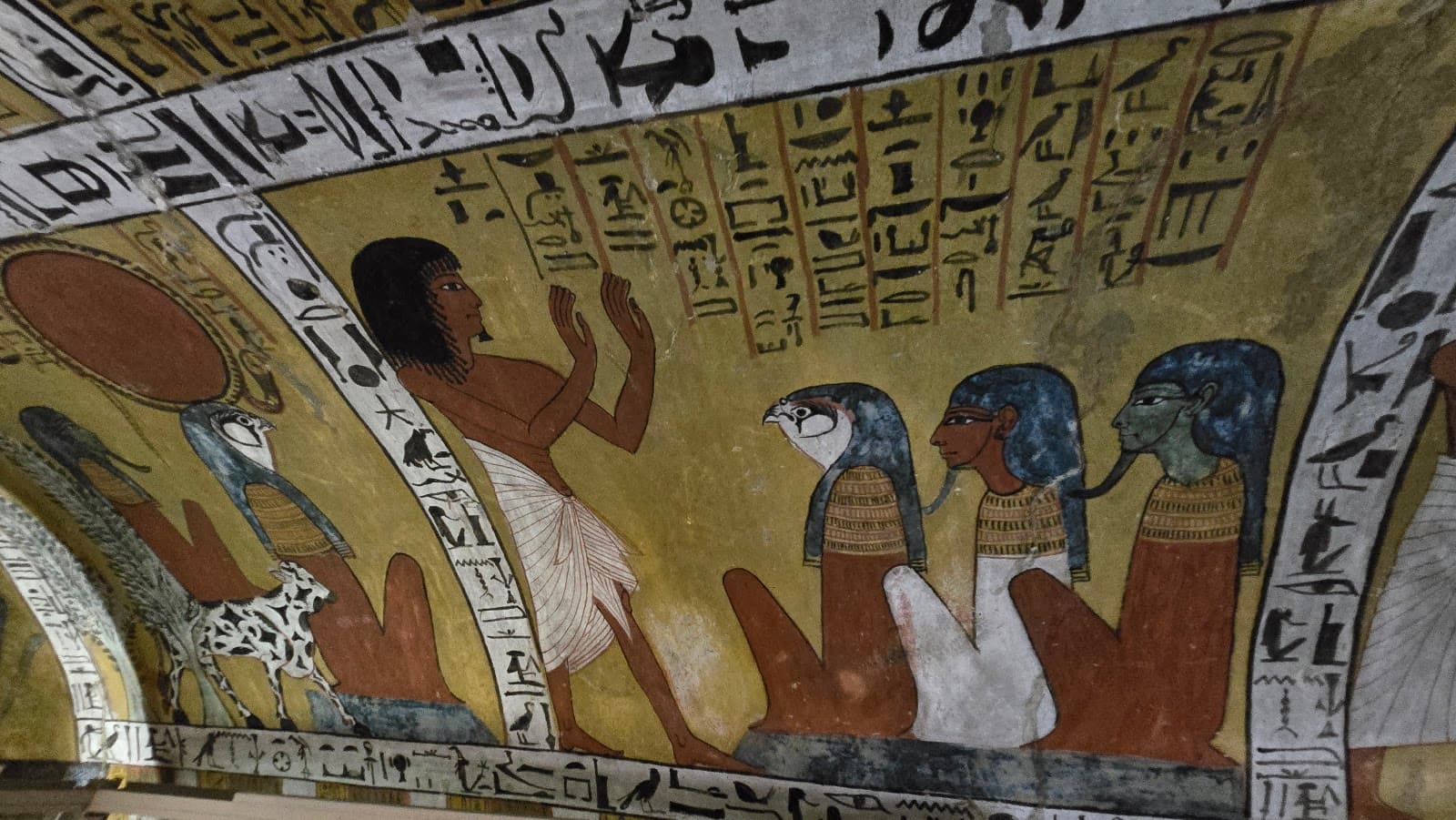
Stunningly preserved artwork with incredibly vibrant colors, depicting daily life and afterlife beliefs.
Tree Goddess Nut Scene
Interior of the tomb
A unique depiction of Sennedjem and his wife receiving offerings from the goddess Nut as a tree-goddess.

Afterlife Agricultural Scenes
End wall of the tomb
Sennedjem's vision of his afterlife as a farmer harvesting and enjoying an orchard, showcasing his earthly life.
Plans like a pro.
Thinks like you
Planning Your Visit
Accessing the Tomb
Why Deir el-Medina is Essential
Best Times
Insider Tips
from TikTok, Instagram & Reddit
Prepare for Warmth
The tomb interior can get very warm. Stay hydrated and wear light clothing. :sweat_drops:
Mind the Entrance
The access is narrow and low. Be prepared to stoop and move carefully. :person_walking:
Appreciate the Colors
The vibrant colors are exceptional, especially the traces of orpiment pigment on the ceiling stars. :art:
Explore Deir el-Medina
Don't just visit the tomb; explore the entire artisan village for a fuller picture. :village:
Sennedjem
Tips
from all over the internet
Prepare for Warmth
The tomb interior can get very warm. Stay hydrated and wear light clothing. :sweat_drops:
Mind the Entrance
The access is narrow and low. Be prepared to stoop and move carefully. :person_walking:
Appreciate the Colors
The vibrant colors are exceptional, especially the traces of orpiment pigment on the ceiling stars. :art:
Explore Deir el-Medina
Don't just visit the tomb; explore the entire artisan village for a fuller picture. :village:
What Travellers Say
Reviews Summary
Visitors find the Tomb of Sennedjem to be a small but wonderful discovery, praising its stunningly vibrant and well-preserved wall paintings. Many consider it a favorite tomb in Deir el-Medina, appreciating the more personal and colorful artwork compared to royal tombs, despite the narrow, warm interior.
"Small but wonderful tomb. The access is narrow and low, and it is very warm inside the only room of the tomb.
The wall paintings are just stunning, and the colors so vibrant."
Oliver K
"The agricultural scenes show ploughing techniques still used nearby today. The family's real funerary masks were found hidden behind a false wall. The ceiling's yellow stars contain traces of orpiment pigment from Armenia. An overall very interesting location to visit."
Arman Khachatryan
"One of three tombs possible to visit on the standard ticket."
travel mail
What People Like
What People Dislike
Frequently Asked Questions
🚇 🗺️ Getting There
The Tomb of Sennedjem (TT1) is located in Deir el-Medina, on the west bank of the Nile opposite Luxor. You can reach Deir el-Medina by taxi or a hired car from Luxor. Many tours to the Valley of the Kings include a stop here.
Yes, Deir el-Medina is accessible by road. It's a worthwhile detour from the main Valley of the Kings sites, offering a different perspective on ancient Egyptian life.
Consider hiring a local guide to truly understand the history and significance of the village and its tombs, including TT1.
🎫 🎫 Tickets & Entry
The Tomb of Sennedjem is often included in a standard ticket for the Deir el-Medina area. It's advisable to check current ticket inclusions upon arrival.
Opening hours for Deir el-Medina sites generally align with the main Luxor West Bank attractions, typically from early morning until late afternoon. It's best to confirm current hours locally.
The entrance to the tomb is narrow and low, requiring visitors to stoop. It may not be suitable for individuals with mobility issues or claustrophobia.
📸 📸 Photography
Photography rules can vary. In many tombs, including those in Deir el-Medina, photography might be restricted or require a separate permit. Always check signage and ask permission.
The vibrant wall paintings, especially the Nut tree goddess scene and the afterlife agricultural depictions, are highly photogenic. The ceiling stars are also a unique detail.
The tomb is dimly lit, so a good camera or smartphone with low-light capabilities is recommended. Natural light is minimal.
🎫 🏛️ Historical Significance
Sennedjem was a prominent artisan and foreman who lived in Deir el-Medina during the reigns of Seti I and Ramesses II. He held the title 'Servant in the Place of Truth,' indicating his work on the royal tombs.
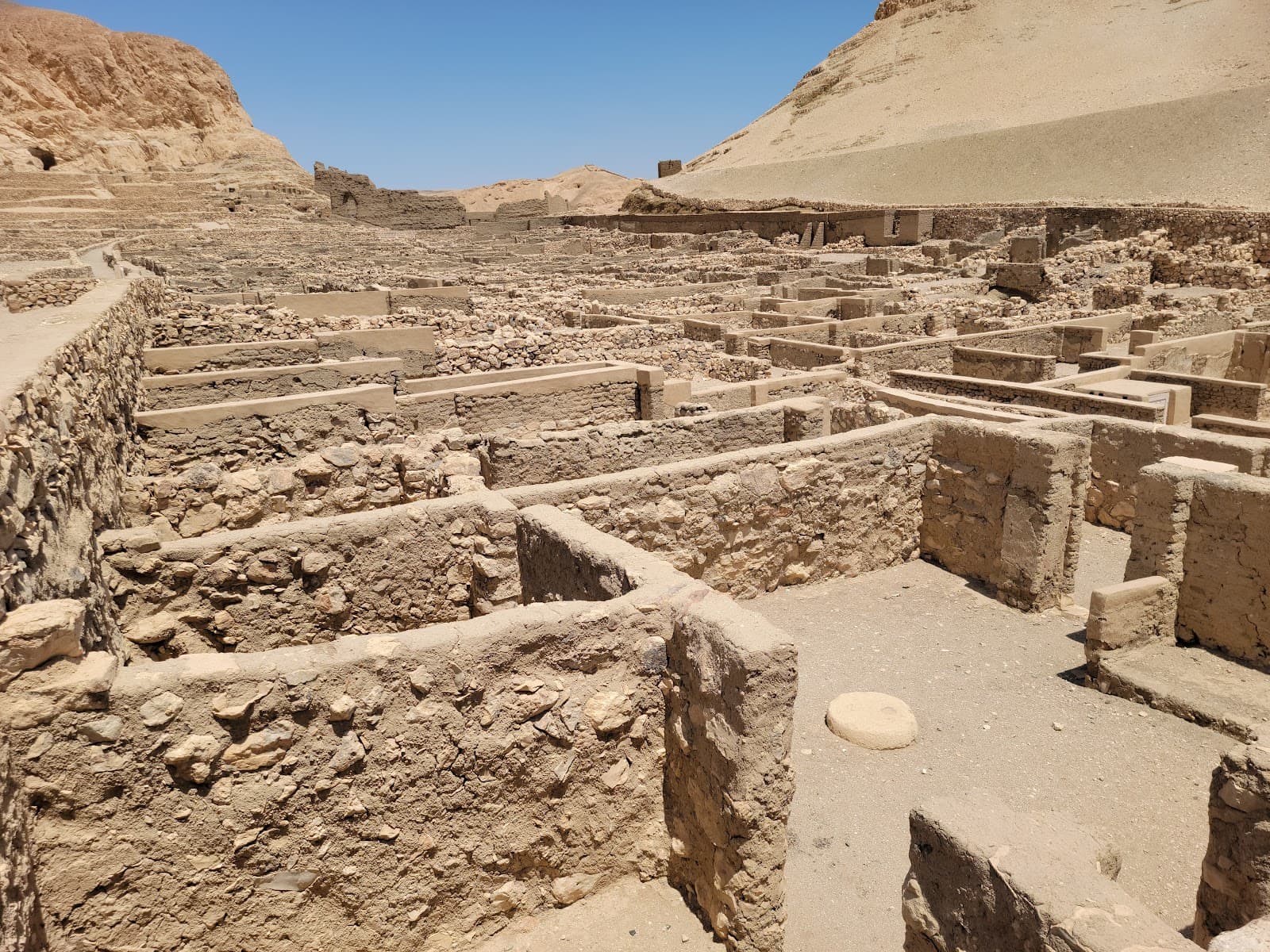
Deir el-Medina was the village of the skilled artisans and craftsmen who constructed and decorated the royal tombs in the Valley of the Kings and Valley of the Queens. It offers unique insights into their lives.
TT1 is exceptionally well-preserved, offering a more intimate and colorful look at an artisan's burial compared to the grander royal tombs. Its artwork is remarkably vibrant.
For Different Travelers
Tailored advice for your travel style
👨👩👧 Families with Kids
Consider framing the visit as a treasure hunt for colors and stories. The 'farmer in heaven' scenes are particularly relatable. Exploring the wider Deir el-Medina village can also be engaging, as it feels like stepping back into a real ancient community.
🎨 Art & History Enthusiasts
Pay close attention to the details: the pigments used, the depiction of daily life, and the theological concepts illustrated. The tomb's inclusion of Sennedjem's family and his vision of the afterlife makes it a rich source for understanding individual beliefs and societal structures.

Deep Dives
In-depth insights and expert knowledge
The Artistry of TT1
One of the most striking images is the depiction of Sennedjem and Iyneferti before the goddess Nut, who appears as a tree-goddess emerging from a sycamore. This scene reflects a belief that the goddess would provide sustenance and water to the deceased as their souls rested in the tree's shade. The agricultural scenes, showing ploughing techniques that are still recognizable today, offer a tangible link between ancient practices and modern life in the region.
These paintings provide invaluable insights into the beliefs, daily lives, and aspirations of the artisans who lived and worked in Deir el-Medina. They offer a more relatable and human perspective on ancient Egyptian funerary art, making TT1 a must-visit for anyone interested in the lives of the people behind the pharaohs' monuments.
Deir el-Medina: The Artisan Village
The village itself offers a glimpse into the daily lives of these ancient workers. You can see the layout of their homes, communal areas, and even their own smaller tombs, which were often decorated with scenes reflecting their lives and beliefs. The presence of these tombs, like Sennedjem's, highlights that even the workers had a strong belief in the afterlife and sought to preserve their memory and ensure their comfort in the next world.
Exploring Deir el-Medina alongside the Tomb of Sennedjem allows for a more comprehensive appreciation of the Theban Necropolis. It shifts the focus from the pharaohs to the people who made their eternal resting places possible, revealing a rich tapestry of ancient Egyptian society.




Social
from TikTok, Instagram & Reddit