Deir el-Medina Luxor
Discover Deir el-Medina, the ancient village of artisans who built Luxor's royal tombs, featuring stunningly preserved tombs and a unique glimpse into...

Highlights
Must-see attractions

Social
From TikTok & Reddit
Best Time
Avoid heat & crowds
Deir el-Medina Luxor
Best Time
Avoid heat & crowds
Highlights
Must-see attractions
Discover Deir el-Medina, the ancient village of artisans who built Luxor's royal tombs, featuring stunningly preserved tombs and a unique glimpse into daily life.
"Beautifully preserved tombs and possibly better than the Valley of the Kings."
📸 Capture the Colors
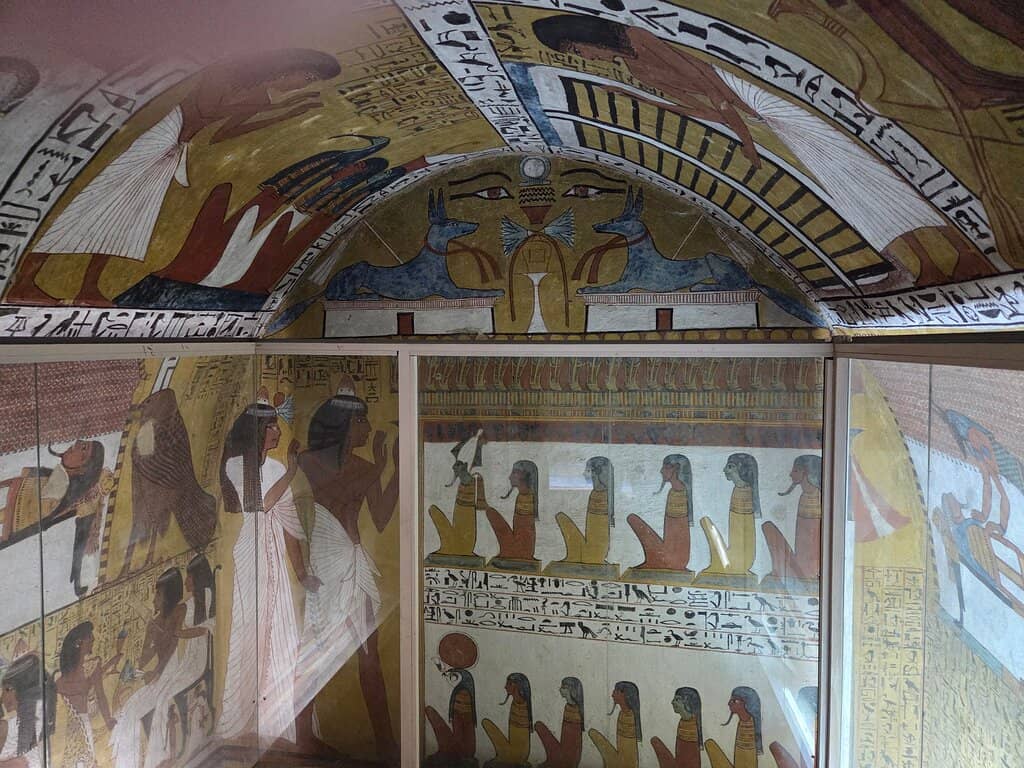
The tomb paintings are incredibly vivid! Bring your camera and be ready to snap photos of the detailed artwork.
🚶♀️ Explore the Village
Don't just focus on the tombs; wander through the remains of the artisans' village for a fuller picture.
Highlights
Discover the most iconic attractions and experiences
Tombs of the Artisans
Necropolis
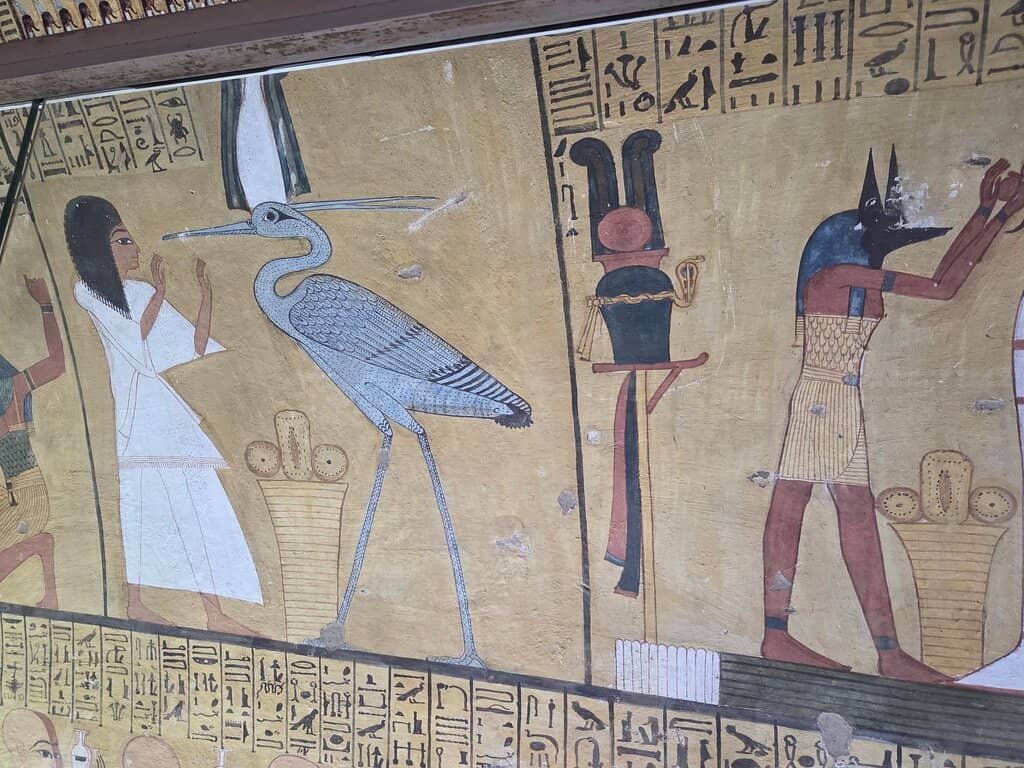
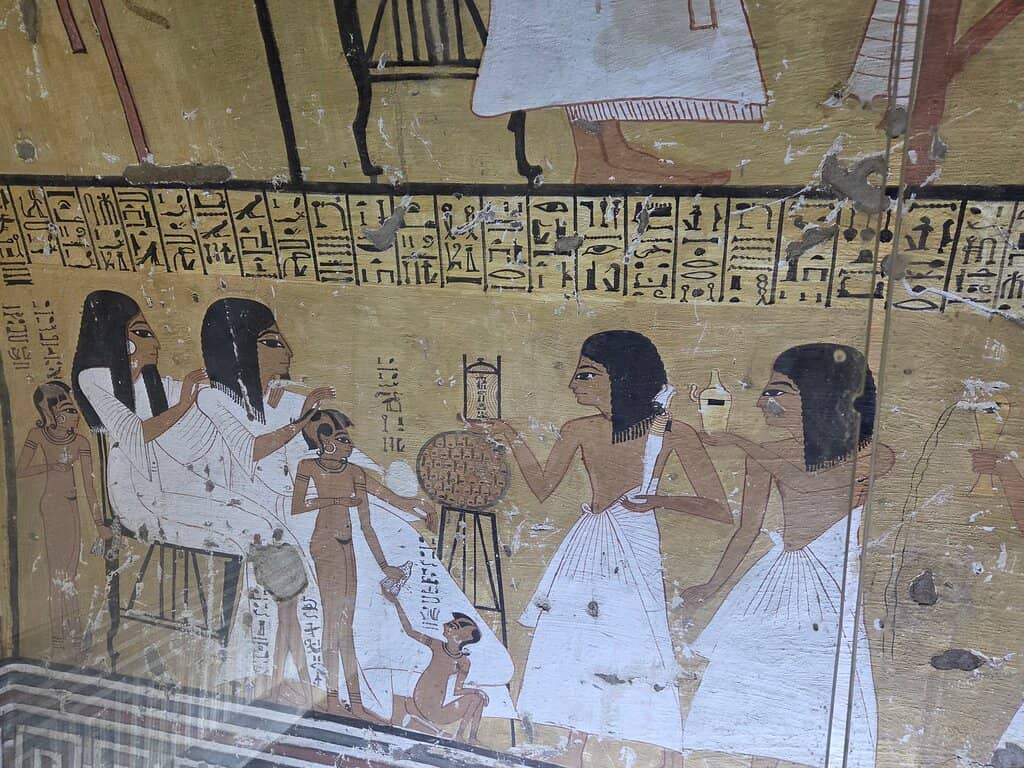
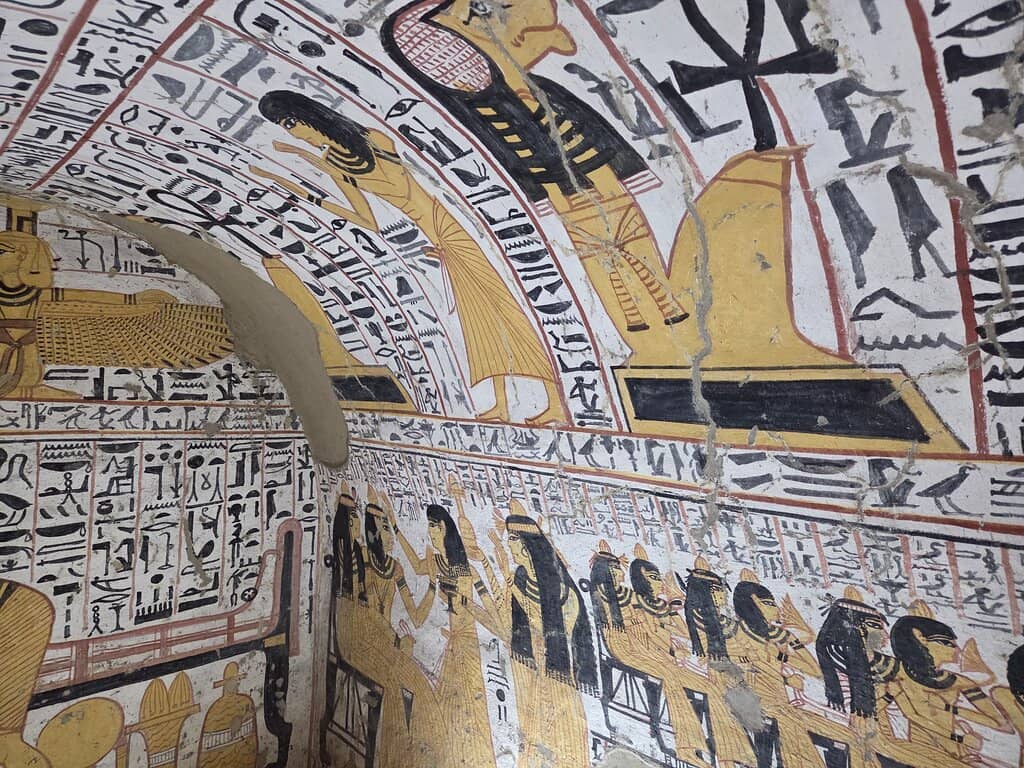
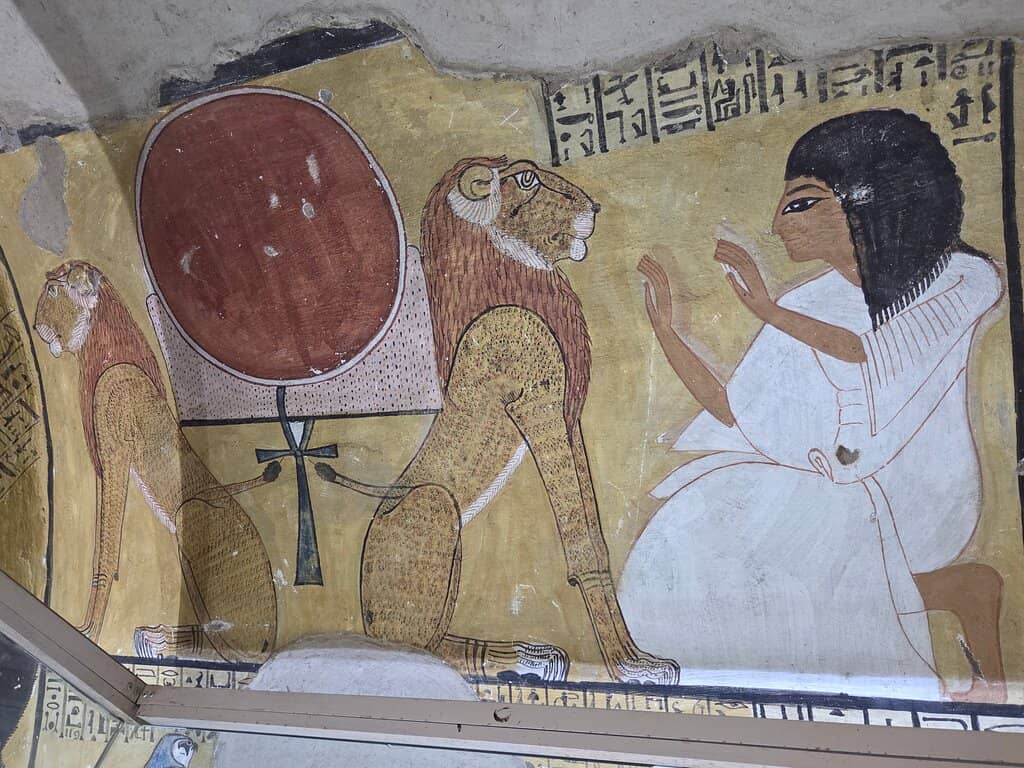
Vibrantly colored tombs showcasing daily life and beliefs, often more intimate than royal burials.
Village Remains
Ancient Village
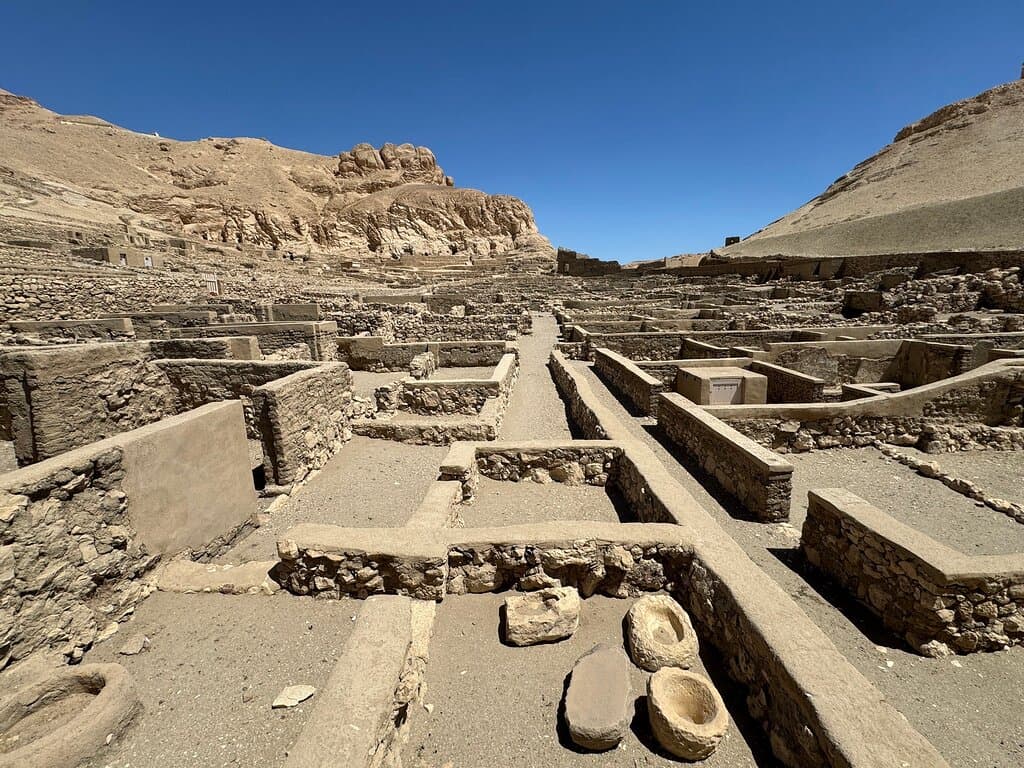
Explore the foundations of homes and workshops, offering a tangible connection to the workers' lives.
Hathor Temple
Temple Complex
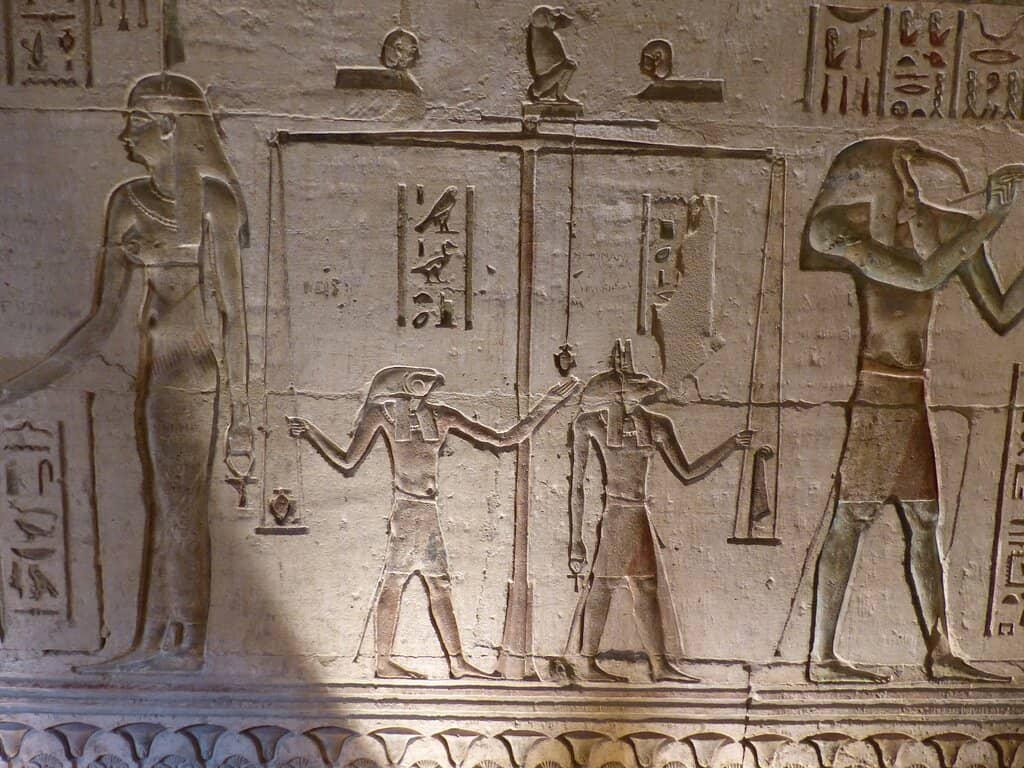
A beautifully preserved Ptolemaic-era temple, offering stunning artwork, especially in its inner chambers.
Smallest Pyramids
Necropolis
Discover the unique, miniature pyramids that served as tombs in this ancient burial ground.
Plans like a pro.
Thinks like you
Planning Your Visit
Beat the Crowds for a Deeper Dive
Luxor Pass for Value
Best Times
Insider Tips
from TikTok, Instagram & Reddit
📸 Capture the Colors
The tomb paintings are incredibly vivid! Bring your camera and be ready to snap photos of the detailed artwork.
🚶♀️ Explore the Village
Don't just focus on the tombs; wander through the remains of the artisans' village for a fuller picture.
🤝 Friendly Staff
Tomb attendees are often helpful and can point out interesting details. Be polite and appreciative!
💧 Stay Hydrated
Luxor can get very hot. Carry plenty of water, especially when exploring the open-air village remains.
Tips
from all over the internet
📸 Capture the Colors
The tomb paintings are incredibly vivid! Bring your camera and be ready to snap photos of the detailed artwork.
🚶♀️ Explore the Village
Don't just focus on the tombs; wander through the remains of the artisans' village for a fuller picture.
🤝 Friendly Staff
Tomb attendees are often helpful and can point out interesting details. Be polite and appreciative!
💧 Stay Hydrated
Luxor can get very hot. Carry plenty of water, especially when exploring the open-air village remains.
🤏 Mind Your Head
Some tomb entrances are low. If you're tall, you might need to stoop or crawl slightly to enter.
What Travellers Say
Reviews Summary
Deir el-Medina is praised for its beautifully preserved, colorful tombs that offer a unique glimpse into the lives of ancient artisans, often considered a highlight and less crowded than the Valley of the Kings. Visitors appreciate the helpful staff and the opportunity to explore the village remains and the Hathor Temple. Some find the tombs small and potentially challenging for those with claustrophobia.
"Beautifully preserved tombs and possibly better than the Valley of the Kings. The black and gold tomb is particularly stunning. Also not that busy here so you sometimes have the tombs to yourself. The tomb attendees here are also quite helpful and show you interesting features in the tombs, unlike attendents at other sites that just try get money from you."
Nicola Potts
"Great place to take in the remains of the valley's craftsmen's homes. Three master artisans tombs are there to enter. The highest set tomb is unlocked for visitors so make sure you go back to foyer meeting point where guards stand, to be shown there. There are info boards to read and a model village at the foyer. Visited a small coptic temple at the end. A well organised site with very helpful entrance staff."
Carol Reid
"It was alright. The painting in the 3 opening tombs are good and well preserved. These aren't as fancy as the ones in the valley of the kings (of course) but still interesting to see.
The tombs are quite small and narrow, if you are claustrophobic, you should probably pass this site."
Mochen Liu
What People Like
What People Dislike
Frequently Asked Questions
🚇 🗺️ Getting There
Deir el-Medina is located on the West Bank of Luxor. You can reach it by taxi, private car, or as part of an organized tour. Many visitors combine it with other West Bank sites like the Valley of the Kings and Queens.
Deir el-Medina is relatively close to the Valley of the Kings and Queens, often described as a short walk or a quick drive away. This proximity made it convenient for the artisans working on the royal tombs.
Public transport options directly to Deir el-Medina are limited. Taxis or hiring a car for the day are the most common and convenient ways to access the site from Luxor city.
Many travelers opt for a guided tour that covers Deir el-Medina along with other West Bank attractions. This ensures efficient transport and insightful commentary.
You can take a ferry across the Nile to the West Bank, but from there, you'll still need local transport like a taxi or tuk-tuk to reach Deir el-Medina.
🎫 🎫 Tickets & Entry
Tickets for Deir el-Medina are generally affordable and offer great value for the experience. It's also included in the comprehensive Luxor Pass, which can be a cost-effective option if you plan to visit multiple sites.
Deir el-Medina typically follows the standard opening hours for Luxor's archaeological sites, usually from early morning until late afternoon. It's advisable to check the most current hours before your visit.
The standard entrance ticket usually grants access to the main open tombs and the village remains. Some specific tombs might have separate access or be included in a higher-tier ticket, but generally, the main attractions are covered.
While online ticket purchasing is becoming more common for major Egyptian sites, it's often easiest to purchase tickets directly at the site's entrance. The Luxor Pass can also be arranged in advance.
Yes, Deir el-Medina is typically included in the Luxor Pass, making it a worthwhile investment for those planning to explore multiple historical locations in the area.
🎫 🏛️ Onsite Experience
The tombs of Sennedjem, Anherkha (also known as Inherkhau), and Pashedu are frequently highlighted for their vibrant and well-preserved artwork, offering a unique look into the lives of the artisans.
Deir el-Medina is generally less crowded than the Valley of the Kings, offering a more peaceful and intimate experience. You might even find yourself with entire tombs to yourself.
Beyond the tombs, you can explore the remains of the artisans' village, including houses and workshops, and visit the well-preserved Hathor Temple. There's also a small Coptic temple on site.
Photography is generally allowed inside the tombs at Deir el-Medina, though sometimes a small fee might apply or flash photography may be prohibited. Always check for local signage or ask attendants.
Some tomb entrances are low and require stooping or crawling, which might be challenging for those with significant mobility issues. The village remains are more accessible.
📸 📸 Photography
The vibrant tomb interiors are the main draw for photographers. The Hathor Temple also offers beautiful architectural shots. The village remains provide a unique context for capturing the site.
Yes, photography is generally permitted inside the tombs at Deir el-Medina. However, it's always a good idea to confirm with the site attendants, and flash photography is usually discouraged to protect the ancient artwork.
A camera with good low-light performance is beneficial for the tombs. A wide-angle lens can help capture the full scope of the tomb paintings, while a standard zoom is versatile for the village and temple.
Drone photography is typically prohibited at archaeological sites in Egypt, including Deir el-Medina, for security and preservation reasons. Always check local regulations before flying a drone.
Early morning or late afternoon offers the best light for photography, providing softer shadows and a more atmospheric glow on the ancient structures and artwork.
For Different Travelers
Tailored advice for your travel style
👨👩👧 Families with Kids
 Encourage them to spot animals, people, and everyday objects depicted in the tomb paintings. The remains of the village also provide a tangible sense of ancient life that can be easier for kids to grasp than abstract historical facts. Remember to bring plenty of water and snacks, as facilities are limited.
 🏛️ History Buffs & Egyptologists
The site's detailed inscriptions, the layout of the village, and the personal nature of the tomb art offer rich material for study and appreciation. Consider hiring a knowledgeable local guide to unlock the deeper historical context and stories behind the ruins. 📸 Photographers
The unique architecture of the Hathor Temple and the atmospheric village ruins provide diverse photographic opportunities. Visiting during the golden hours of early morning or late afternoon will enhance the mood and lighting of your shots. Deep Dives
In-depth insights and expert knowledge
The Village of the Artisans
This community was a self-contained world, providing everything its residents needed, from housing and workshops to temples and even their own burial grounds. The remains of their homes and communal spaces offer a rare and invaluable insight into the daily lives, social structures, and beliefs of ordinary Egyptians, distinct from the pharaonic elite. Walking through the village ruins, you can still discern the layout of houses, some with multiple rooms, and the remnants of workshops where artisans honed their crafts. The presence of a small Coptic temple also indicates the site's continued use and adaptation over centuries.
Artistry in the Tombs
The colors used—rich blues, reds, yellows, and blacks—remain remarkably vivid after millennia, a testament to the skill of the artists. Key tombs to explore include that of Sennedjem, a 'Servant in the Place of Truth,' whose tomb is celebrated for its detailed depictions of the afterlife and daily activities.
The tomb of Pashedu also features striking imagery, including a unique Eye of Horus with human hands. The relatively smaller scale of these tombs, compared to royal ones, can sometimes mean visitors need to stoop or crawl to fully appreciate the art, adding to the intimate experience. The Hathor Temple and Necropolis
The necropolis of Deir el-Medina also features unique elements, including the 'smallest pyramids in Egypt.'
These miniature structures served as tombs, adding another layer of architectural interest to the site. The entire area, from the village to the tombs and temples, was considered the 'Place of Truth' (Set-Ma'at) in antiquity, reflecting the belief that the artisans were divinely inspired in their sacred work. 
Social
from TikTok, Instagram & Reddit