Deir el-Shelwit Temple of Isis
A modest Greco-Roman temple dedicated to Isis, known for its unique 'divine energy' and historical layers, including Christian repurposing.
Highlights
Must-see attractions

Social
From TikTok & Reddit
Best Time
Escape the heat & crowds
Deir el-Shelwit Temple of Isis
Best Time
Escape the heat & crowds
Highlights
Must-see attractions
A modest Greco-Roman temple dedicated to Isis, known for its unique 'divine energy' and historical layers, including Christian repurposing.
"Amazing little temple with bizarre divine energy inside. Not many tourist know or go to this place but it is special and holy. "
🚗 Rocky Road Access
The temple is down a rocky road; ensure your taxi or transport is suitable. Some find it a bit challenging to reach.
🎟️ Ticket Purchase
Tickets aren't sold on-site. Buy them at the main ticket booth with other West Bank sites or ensure it's covered by your Luxor Pass.
Highlights
Discover the most iconic attractions and experiences
Temple of Isis Sanctuary
Main temple area
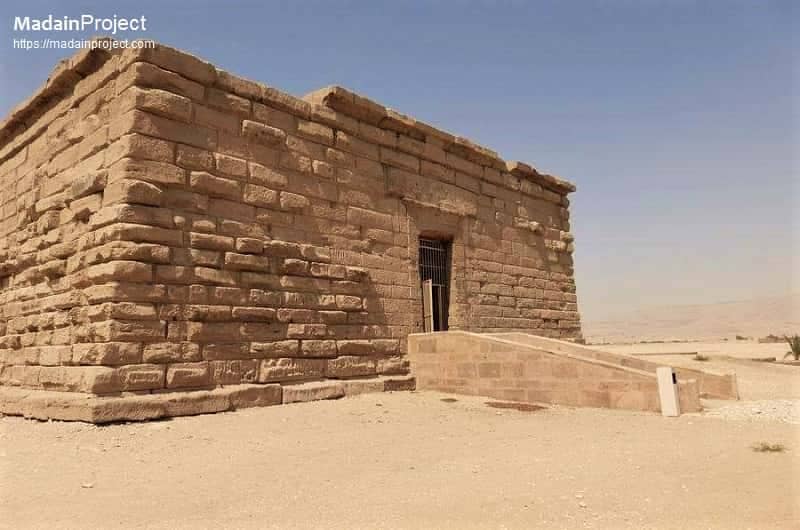
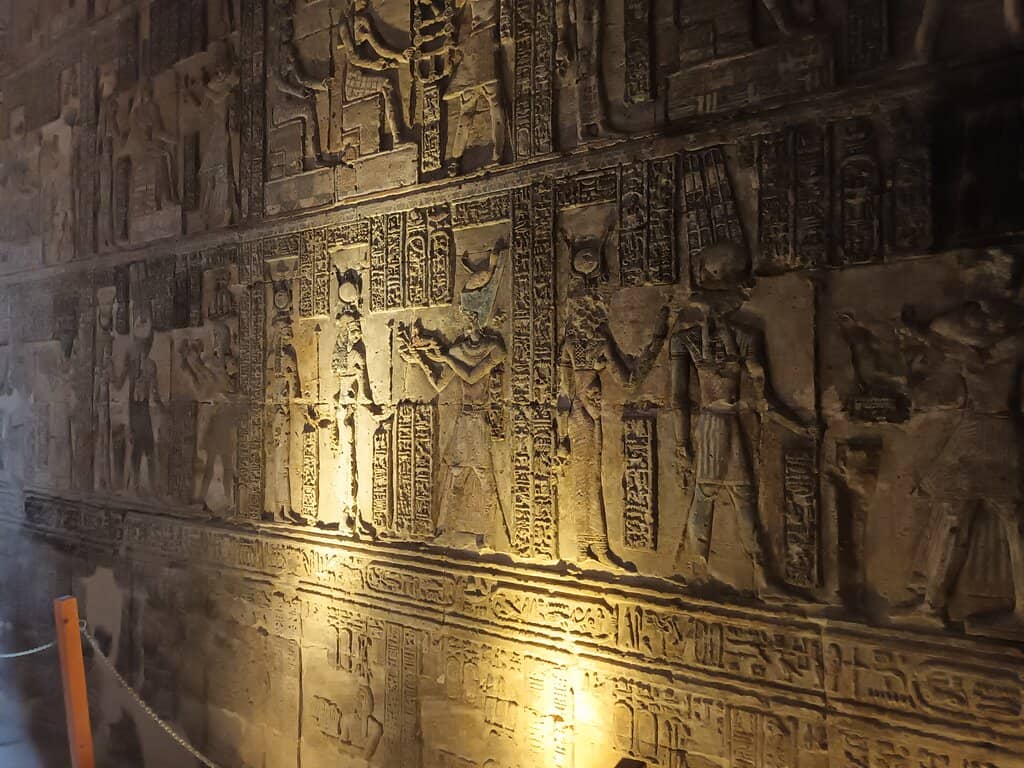
Discover a modest Greco-Roman era temple dedicated to Isis, with remnants of Christian chapel conversions.
Roman Era Restoration
Temple walls
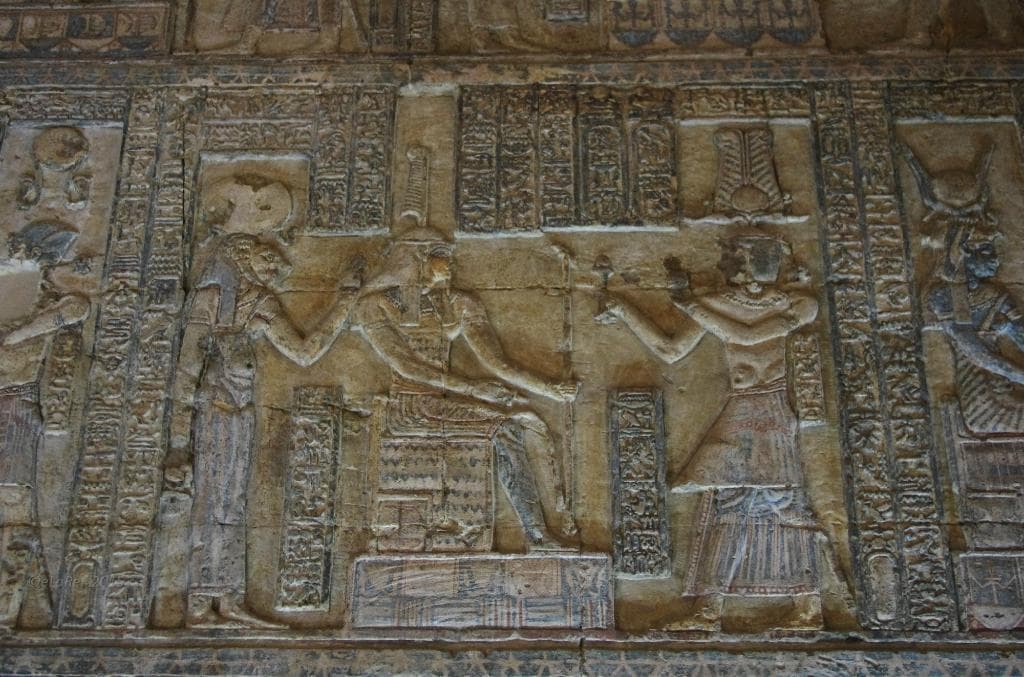
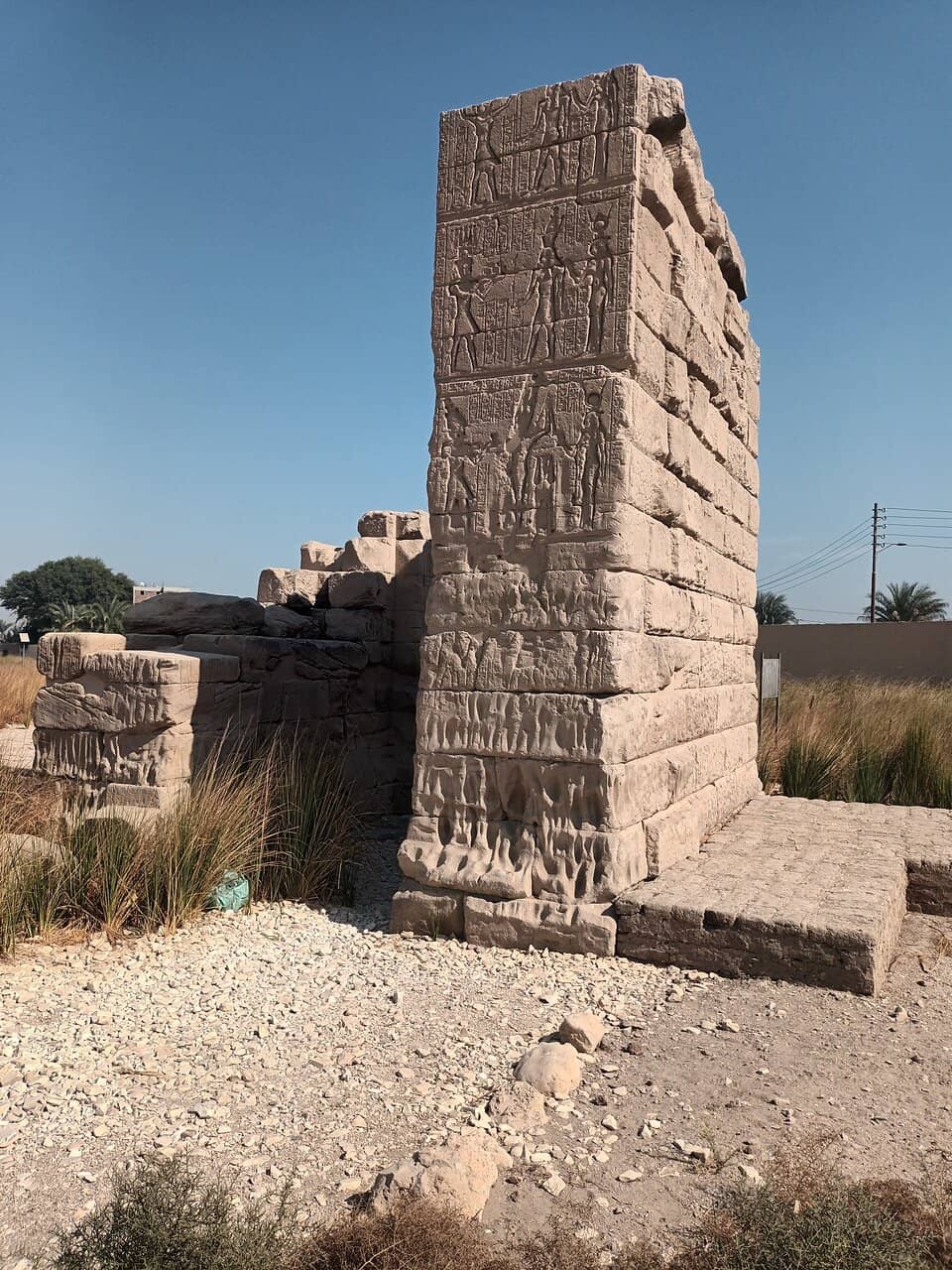
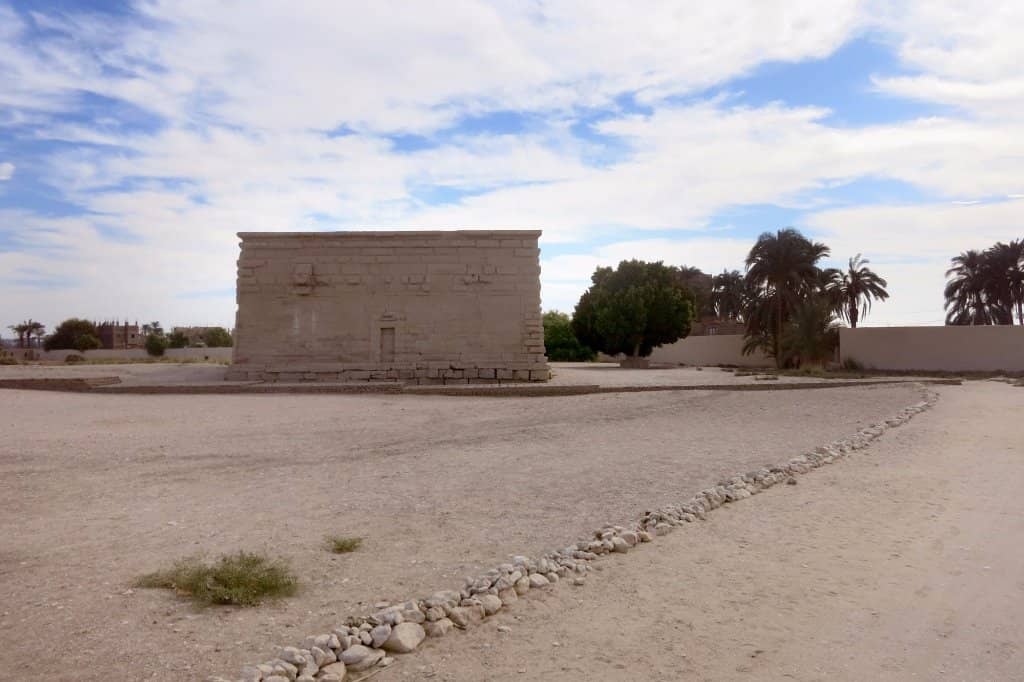
See wall carvings and legionary stamps from Roman restoration, hinting at its historical significance.
Underground Spring
Sanctuary
Experience the unique underground spring, historically used for storing ritual flowers, maintaining a constant temperature.
Plans like a pro.
Thinks like you
Planning Your Visit
Beat the Crowds & Heat
Ticket & Access
Best Times
Insider Tips
from TikTok, Instagram & Reddit
🚗 Rocky Road Access
The temple is down a rocky road; ensure your taxi or transport is suitable. Some find it a bit challenging to reach.
🎟️ Ticket Purchase
Tickets aren't sold on-site. Buy them at the main ticket booth with other West Bank sites or ensure it's covered by your Luxor Pass.
What are some of the places in Egypt which are not visited generally by tourists but are worth visiting?
🧘♀️ Divine Energy
Many visitors report a special, holy, and meditative atmosphere within the temple.
🏛️ Greco-Roman & Coptic
Note the blend of Greco-Roman architecture and later Christian conversions, offering a unique historical layering.
Tips
from all over the internet
🚗 Rocky Road Access
The temple is down a rocky road; ensure your taxi or transport is suitable. Some find it a bit challenging to reach.
🎟️ Ticket Purchase
Tickets aren't sold on-site. Buy them at the main ticket booth with other West Bank sites or ensure it's covered by your Luxor Pass.
🧘♀️ Divine Energy
Many visitors report a special, holy, and meditative atmosphere within the temple.
🏛️ Greco-Roman & Coptic
Note the blend of Greco-Roman architecture and later Christian conversions, offering a unique historical layering.
What Travellers Say
Reviews Summary
Deir el-Shelwit Temple is a small, often overlooked gem on Luxor's West Bank, praised for its unique 'divine energy' and historical layers, including Roman restoration and Christian conversions. While not as grand or well-preserved as major sites, its quiet atmosphere and intriguing details like the underground spring make it a worthwhile visit for those seeking a more intimate historical experience. +1
"Amazing little temple with bizar divine energy inside. We went there with our tour guide to meditate and pray in. Not many tourist know or go to this place but it is special and holy."
Xavi Simons Guillamon
"Small temple of ISIS, quite out of the way down a very rocky road. We had our hotel taxi take us there on a tour of some of the smaller sites on west bank. Some very nice wall carvings. Not too well preserved but still maybe worth the time if you are in Luxor for a while. Cant buy ticket there need to buy in main ticket booth with other sites in the area."
travel mail
"Roman-era restoration bricks bear legionary stamps matching Caesar's Nile fleet records. The sanctuary's underground spring maintains 22°C year-round - ideal for storing ritual flowers. Graffiti shows Coptic pilgrims continued worship here until 721 CE."
Arman Khachatryan
What People Like
What People Dislike
Frequently Asked Questions
🚇 🗺️ Getting There
Deir el-Shelwit Temple is located on the West Bank of Luxor. The easiest way to get there is by hiring a taxi or arranging transport through your hotel. Be aware that the road leading to the temple can be quite rocky and uneven, so ensure your vehicle is suitable.
It's situated not far from Medinet Habu on the West Bank, making it a good addition to a tour of smaller, less-visited sites in the area.
Public transport options are limited and may not be convenient for reaching this specific, somewhat remote site. Hiring a private taxi or joining a guided tour is generally recommended.
🎫 🎫 Tickets & Entry
You cannot purchase tickets directly at the Deir el-Shelwit Temple. Tickets must be bought at the main ticket booth that serves other West Bank sites in Luxor.
Yes, admission to Deir el-Shelwit Temple is included with the Luxor Pass. This is a convenient option if you plan to visit multiple sites.
While specific hours can vary, it generally follows the standard opening times for Luxor's archaeological sites, typically from early morning until late afternoon. It's best to confirm current hours with your ticket vendor or guide.
The cost without a Luxor Pass is typically bundled with other West Bank site tickets. It's advisable to inquire at the main ticket booth for the most current pricing.
🎫 🏛️ Onsite Experience
Deir el-Shelwit is a modest temple dedicated to Isis, featuring Greco-Roman architecture and some wall carvings. It also shows evidence of being converted into a Christian chapel or monastery.
The temple is not as well-preserved as some of the larger sites in Luxor, with many reliefs showing signs of ruin. However, it still offers interesting historical details, especially the Roman-era restoration bricks.
The sanctuary has an underground spring that maintains a constant temperature of 22°C year-round. Historically, this was ideal for storing ritual flowers.
Many visitors find the temple to have a special and holy energy, making it a suitable place for quiet reflection, meditation, or prayer.
As it's a smaller site, a visit to Deir el-Shelwit Temple usually takes about 30-60 minutes, depending on your interest in exploring the details and soaking in the atmosphere.
📸 📸 Photography
Photography is generally allowed inside the temple complex, but it's always a good idea to check for any specific restrictions on the day of your visit. Tripods might be restricted in some areas.
Early morning or late afternoon offers the best light for photography, avoiding harsh midday sun and creating a more atmospheric feel. The golden hour can highlight the ancient stonework beautifully.

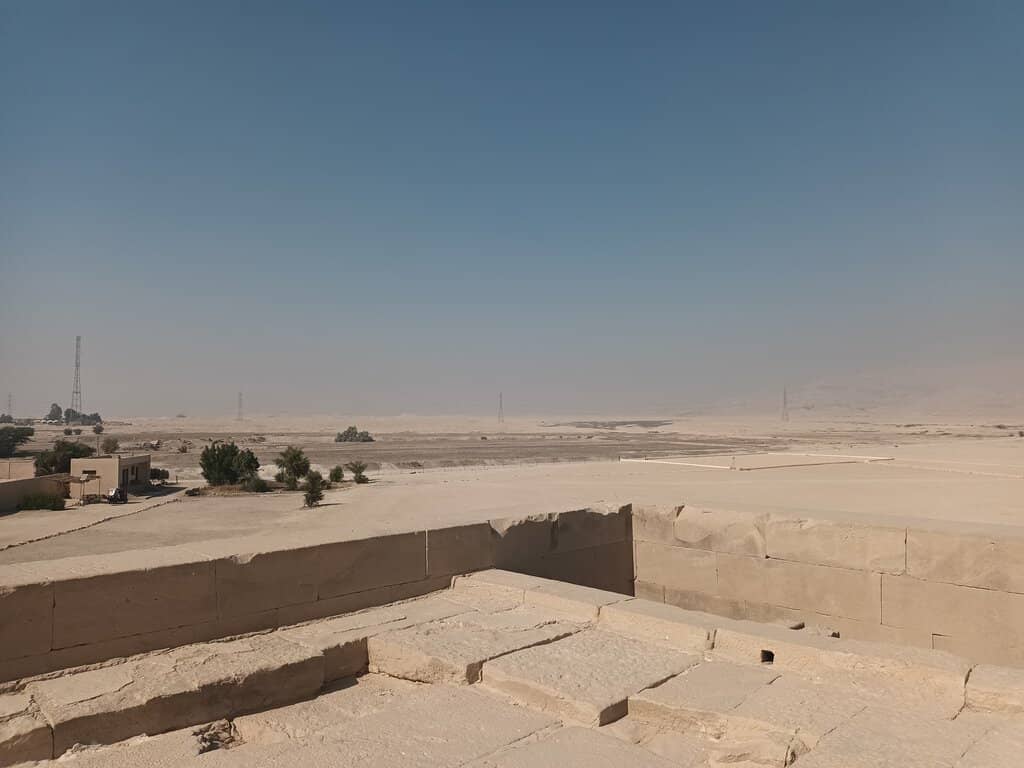
Look for the details in the wall carvings, the Roman legionary stamps, and the unique architecture that shows both its original purpose and later adaptations. The contrast between the ancient stone and the desert landscape is also striking.
For Different Travelers
Tailored advice for your travel style
👨👩👧 Families with Kids
Consider it as part of a larger West Bank tour to avoid overwhelming younger ones. The 'divine energy' some visitors mention might be harder for kids to grasp, but the historical layering and the mystery of the underground spring could be engaging points. It's a good spot for a brief, less-hectic stop.
🏛️ History Buffs & Archaeologists
Pay close attention to the wall carvings, even those that are partially ruined, as they tell stories of Isis worship and the site's transformation. The underground spring and its historical use for preserving ritual flowers also add a layer of anthropological interest. It’s a site where subtle details reveal significant historical narratives.
🧘♀️ Spiritual Seekers & Meditators
This temple is an excellent place for meditation, quiet contemplation, or prayer. Its history as a place of worship across different eras, from ancient Egyptian deities to Christian pilgrims, imbues it with a deep spiritual resonance. Take your time to absorb the tranquility and connect with the site's ancient energies.
Deep Dives
In-depth insights and expert knowledge
Historical Layers of Deir el-Shelwit
What makes Deir el-Shelwit particularly intriguing is its later use. Evidence suggests that Christians converted parts of the sanctuary into a chapel or monastery. This transformation is visible in the surviving structures and graffiti, showcasing how ancient sites were repurposed over centuries. The temple continued to be a place of worship for Coptic pilgrims until as late as 721 CE, demonstrating its enduring spiritual significance.
Furthermore, Roman-era restoration bricks found at the site bear legionary stamps that match records from Caesar's Nile fleet. This detail connects the temple to Roman military presence and logistical operations in Egypt, adding another dimension to its historical narrative. The blend of Pharaonic, Greco-Roman, and Coptic influences makes Deir el-Shelwit a unique archaeological puzzle.
The Mystical Underground Spring
Ancient Egyptians and later inhabitants utilized the spring's cool, constant temperature to preserve delicate offerings, particularly ritual flowers. The ability to keep these sacred items fresh for extended periods would have been crucial for religious ceremonies and maintaining the sanctity of the temple. The presence of this spring likely contributed to the temple's reputation as a holy and spiritually charged location.
Many visitors report a palpable 'divine energy' within the temple, and the presence of this natural, life-sustaining spring may well be a contributing factor. It adds an element of natural wonder to the man-made structures, reinforcing the temple's connection to both the divine and the earth.

Social
from TikTok, Instagram & Reddit