
Precinct of Montu Karnak North
Explore the ancient Mut Temple, a less-visited gem within Karnak, dedicated to the mother goddess Mut. Discover its unique sacred lake and impressive ...

Highlights
Must-see attractions

Social
From TikTok & Reddit
Best Time
Cooler and beautifully lit
Precinct of Montu Karnak North
Best Time
Cooler and beautifully lit
Highlights
Must-see attractions
Explore the ancient Mut Temple, a less-visited gem within Karnak, dedicated to the mother goddess Mut. Discover its unique sacred lake and impressive statues.
"A rarer place to visit with a nice quiet vibe, still should be visited if you like places not many tourists venture to."

🎯 Buy an Extra Ticket
You'll need a separate ticket for Mut Temple, often purchased with your Karnak Temple pass.
🚶♀️ Prepare for a Walk
The temple is a bit of a trek from Karnak. Wear comfortable shoes and bring water.

Highlights
Discover the most iconic attractions and experiences
Mut Temple Ruins
South Karnak
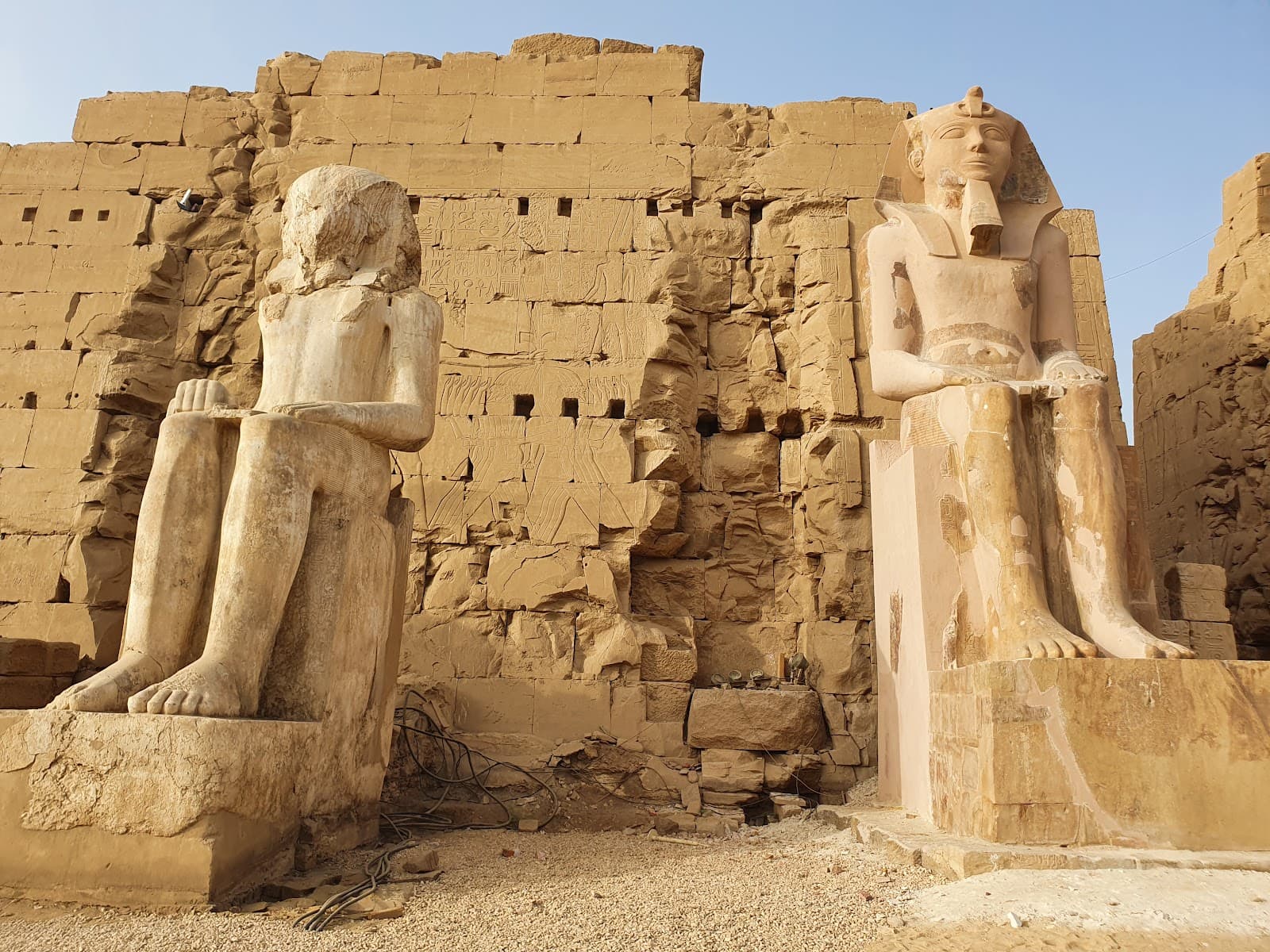
Explore the remnants of this ancient temple complex, once a vital cult center. Discover statues of Sekhmet and Rameses.
Horseshoe-Shaped Sacred Lake
Mut Temple
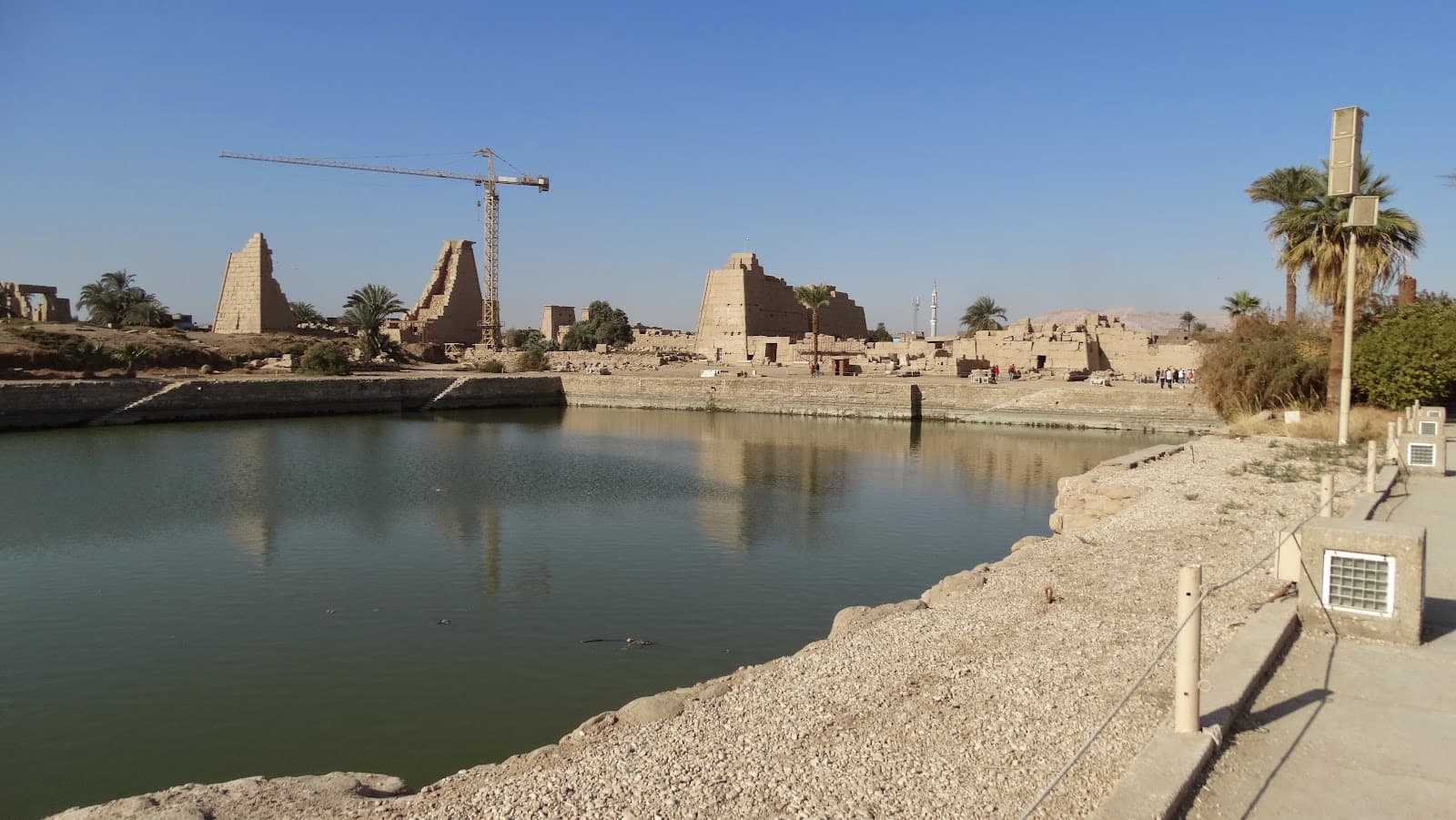
See the unique Isheru, a horseshoe-shaped sacred lake specific to 'Eye of Re' goddesses.

Statues of Sekhmet
Mut Temple
Marvel at the impressive gallery of Sekhmet statues, showcasing the grandeur of this temple in its prime.
Plans like a pro.
Thinks like you
Planning Your Visit
Navigating to Mut Temple
Best Time to Visit for Comfort
Best Times
Insider Tips
from TikTok, Instagram & Reddit
🎯 Buy an Extra Ticket
You'll need a separate ticket for Mut Temple, often purchased with your Karnak Temple pass.
🚶♀️ Prepare for a Walk
The temple is a bit of a trek from Karnak. Wear comfortable shoes and bring water. +1
🌙 Visit at Night
The temple is stunning when lit up, and the cooler temperatures are a bonus.
🤝 Consider a Guide
A guide can help you find the temple and understand its history.
Tips
from all over the internet
🎯 Buy an Extra Ticket
You'll need a separate ticket for Mut Temple, often purchased with your Karnak Temple pass.
🚶♀️ Prepare for a Walk
The temple is a bit of a trek from Karnak. Wear comfortable shoes and bring water. +1
🌙 Visit at Night
The temple is stunning when lit up, and the cooler temperatures are a bonus.
🤝 Consider a Guide
A guide can help you find the temple and understand its history.
📸 Look for Sekhmet Statues
Don't miss the impressive statues of Sekhmet, a highlight of the site.
What Travellers Say
Reviews Summary
The Mut Temple is a less-visited, somewhat challenging-to-find site within Karnak, often requiring an extra ticket. While in a state of disrepair, it offers a peaceful experience with impressive statues, particularly of Sekhmet, and unique features like its sacred lake. Visitors should be prepared for a walk and potential tipping requests.
"Mut was a daughter of the sun god like Sekhmet, Hathor, Bastet, Nekhbet and others — goddesses known as the “Eye of Re.” They were both benign and dangerous and could appear as gentle cats or fierce lionesses. Because they influenced the Nile floods and could both cause and cure disease, their cults were vital to Egypt.
Mut’s other role, which assumed greater importance from the reign of Amunhotep III on, was as consort of Amun and mother of Khonsu. She is usually portrayed as a woman wearing the Double Crown, signifying her task of protecting the office of kingship and the king himself. Mut’s primary cult center was at South Karnak, linked to the Amun Precinct by an avenue of rams. Covering over 20 acres, it contains three major temples. The Mut Temple itself is girdled by a horseshoe-shaped sacred lake (the Isheru), a type specific to Eye of Re goddesses. The earliest preserved structures date to Hatshepsut and Thutmosis III, but the Johns Hopkins University Mut Expedition discovered evidence of a Middle Kingdom temple under the later construction. Until Dynasty 25, the Mut Precinct consisted only of the Mut Temple and the sacred lake."
farid Elhady
"One of the rarer places to visit as it needs an extra ticket and it's a bit out of the way and hard to find and also it's a bit wrecked unfortunately, but still should be visited if you like the places not many tourist venture to. I was the only tourist there around 4pm and it had a nice quiet vibe. Longish walk take a right turn after the pillars Hall , long walk to the end, then right towards Khonsu temple. At Khonsu temple left turn and then along an avenue that looks like its going nowhere then see the signpost indicating left to mut temple."
travel mail
"Most of the other reviews don't seem to be relevant/ updated, so leaving this here as of October 2023.
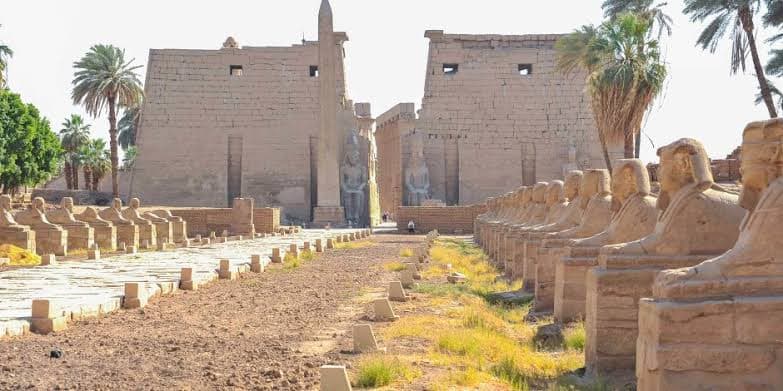
We visited this place only because we bought an extra ticket for it while buying tickets at the Karnak Temple. It was extremely difficult not just to get to, but even find. We headed south from the Karnak Temple past the Temple of Khonsu through a large gate. Somehow kept managing to go south till we hit the Avenue of Sphinxes. (If in doubt, just ask any of the security guards, they are helpful).
The Avenue turns left and then right at a point. Instead of turning right, keep heading straight (there is a signboard - see photo below) and you will see the gate to your right. The gate was locked when we got there, but the gate keeper came down and let us in after checking our tickets.
This was clearly a magnificent temple, but is in a state of disrepair. There are a couple of beautiful statues of Sekhmet and Rameses (see photos below) which make you feel slightly better about the money spent on the tickets. There is also a gallery of Sekhmet statues to help you realise how grand this temple must have been in its heyday (see video below). The ticket checker came in with us and helpfully pointed out the highlights (of course we gave him the expected tip at the end).
It was extremely peaceful as there was no other soul around. We would have enjoyed it except for the heat and the effort of getting there.
(If you don't want to head back all the way to the Karnak Temple to reach civilization, just head further down the Avenue of Sphinxes till you see a set of steps leading up. There was a ticket counter there, not sure for what. We told them we just wanted to get to the road and climbed up.)"
Devika Rajeev
What People Like
What People Dislike
Frequently Asked Questions
🚇 🗺️ Getting There
The Mut Temple is located within the Karnak Temple complex but requires a separate entrance and a bit of a walk. Head south from Karnak past the Temple of Khonsu, through a large gate. Continue south until you reach the Avenue of Sphinxes. Instead of turning right with the avenue, keep heading straight. You'll see a signpost indicating the direction to Mut Temple. If you get lost, security guards are usually helpful. +1
Finding the Mut Temple can be difficult as it's less visited and not as clearly signposted as other parts of Karnak. It's recommended to ask security guards for directions or visit with a guide who knows the way. +1
Most travelers arrive in Luxor by train or flight. Once in Luxor, taxis and ride-sharing apps are readily available for getting to Karnak and other sites. For exploring further afield, like Abu Simbel, organized tours or private drivers are common.
While you can drive to the general vicinity of Karnak Temple, navigating directly to the Mut Temple within the complex might be challenging. Parking is available near Karnak, and then it's a walk.
There are no dedicated transport options within the Karnak complex to reach the Mut Temple. It involves walking through the complex and along the Avenue of Sphinxes.
🎫 🎫 Tickets & Entry
Yes, you typically need an additional ticket for the Mut Temple, which can often be purchased when you buy your Karnak Temple entrance ticket.
The cost for Mut Temple is usually an add-on to the Karnak Temple ticket. Specific pricing can vary, so it's best to inquire at the ticket counter. Some reviews mention guards asking for an additional 50 EGP to enter.
Mut Temple generally follows the opening hours of the Karnak Temple complex. However, it's advisable to check the latest hours upon arrival, especially if planning a late afternoon or evening visit.
While Karnak Temple tickets can often be purchased online, it's less common for the specific add-on ticket for Mut Temple. It's usually best to purchase it on-site.
Mut Temple is generally accessible, but access might be managed by guards who open the gates upon ticket verification. It's not as consistently open as the main Karnak structures.
📸 📸 Photography
Look for the statues of Sekhmet and Rameses, and the unique horseshoe-shaped sacred lake. The avenue leading to the temple can also offer interesting perspectives.
Photography is generally allowed inside Mut Temple, but it's always good to be mindful of any specific restrictions or ask guards if unsure.
Drone usage is typically restricted at archaeological sites in Egypt, including Luxor. It's best to avoid bringing drones to prevent issues with authorities.
Early morning or late afternoon can offer softer light. Visiting at night when the temple is illuminated provides a dramatically different and beautiful photographic opportunity.
While not widely publicized, it's always wise to be respectful and avoid intrusive photography, especially of any staff or guards.
🎫 🏛️ Onsite Experience
Mut Temple is in a state of disrepair compared to other major Egyptian temples. However, it still holds significant historical value and offers a glimpse into its past grandeur.
For history enthusiasts and those seeking less crowded ancient sites, Mut Temple can be a rewarding visit, especially if you've purchased an add-on ticket. It offers a quieter experience and unique insights. +1
Allow at least 1-2 hours, considering the walk to get there and time to explore the ruins and appreciate the statues.
Facilities are generally limited at Mut Temple itself. It's best to use restrooms and purchase refreshments before entering the Karnak complex or at designated areas within Karnak.
Mut Temple was the primary cult center for the goddess Mut, consort of Amun. It was a significant religious site dedicated to the rejuvenation of kingship and the protection of the pharaoh.
For Different Travelers
Tailored advice for your travel style
👨👩👧 Families with Kids
Consider visiting during cooler hours, perhaps in the late afternoon, and bringing plenty of water and snacks. If possible, hiring a guide who can make the history engaging for kids could enhance the experience. The relative quietness of the site might be a plus for families seeking a less overwhelming environment.
🏛️ History Buffs & Archaeology Enthusiasts
Pay attention to the architectural remnants and imagine the temple in its prime. The fact that it's less restored allows for a more direct engagement with the ruins. Reading up on the goddess Mut and her role in the Theban pantheon beforehand will greatly enrich your visit.
🚶♀️ Solo Travelers
Be prepared for the navigation challenges and consider hiring a guide for a portion of your visit to ensure you find the temple and gain historical context. The potential for guards to offer assistance (and expect tips) is also something to be aware of.
Deep Dives
In-depth insights and expert knowledge
The Goddess Mut and Her Cult
Mut's primary cult center was located at South Karnak, connected to the Amun Precinct by an avenue of rams. The precinct itself covers over 20 acres and features three major temples. A distinctive feature is the horseshoe-shaped sacred lake (the Isheru), a type of water feature specifically associated with 'Eye of Re' goddesses like Mut. Evidence suggests a Middle Kingdom temple existed beneath the later constructions, with the earliest preserved structures dating back to the reigns of Hatshepsut and Thutmosis III.
While the Mut Temple is now in a state of disrepair, it still holds immense historical and archaeological value. Visitors can still appreciate the remnants of its grandeur, including statues of deities like Sekhmet and pharaohs like Rameses. The site offers a quieter, more contemplative experience compared to the bustling main Karnak structures, allowing for a deeper connection with ancient Egyptian religious practices.
Navigating the Mut Temple Complex
Instead of following the Avenue of Sphinxes on its main turn, visitors are advised to continue straight, looking for a signpost that indicates the direction to Mut Temple. The entrance gate might be closed, but a gatekeeper can usually let you in upon presentation of your ticket. The walk can be long, so comfortable footwear is essential.
Once inside, the temple is in a state of ruin, but its scale is still impressive. Key features to look for include the gallery of Sekhmet statues and the sacred lake. While the site is peaceful due to fewer visitors, the heat can be a factor, making early morning or late afternoon visits more comfortable.
The Experience of Visiting Mut Temple
While the temple is in disrepair, the presence of beautiful statues of Sekhmet and Rameses provides a sense of its former magnificence. Some visitors mention that ticket checkers or guards will accompany them, pointing out highlights and expecting a tip. This can be a helpful way to understand the site, but it also highlights the prevalent tipping culture in Egypt.
The effort to reach and find the temple, combined with the heat, can be a drawback for some. However, for those interested in less-touristed ancient sites and a more authentic, less crowded experience, Mut Temple can be a worthwhile addition to a Luxor itinerary.

Social
from TikTok, Instagram & Reddit