Ramesseum
The Ramesseum, Ramesses II's mortuary temple, offers a grand, serene exploration of ancient Egyptian power and artistry.
Highlights
Must-see attractions

Social
From TikTok & Reddit
Best Time
Fewer crowds, cooler temperatures
Ramesseum
Best Time
Fewer crowds, cooler temperatures
Highlights
Must-see attractions
The Ramesseum, Ramesses II's mortuary temple, offers a grand, serene exploration of ancient Egyptian power and artistry.
"The most underrated attraction in Luxor. Very few tourists come here but it is spectacular."
🎯 Go when it's quiet
Visit early or late to enjoy the Ramesseum with fewer tourists and better photo ops .
👟 Wear comfy shoes
You'll be walking on uneven terrain, so sturdy footwear is essential for exploring the ruins .
Highlights
Discover the most iconic attractions and experiences
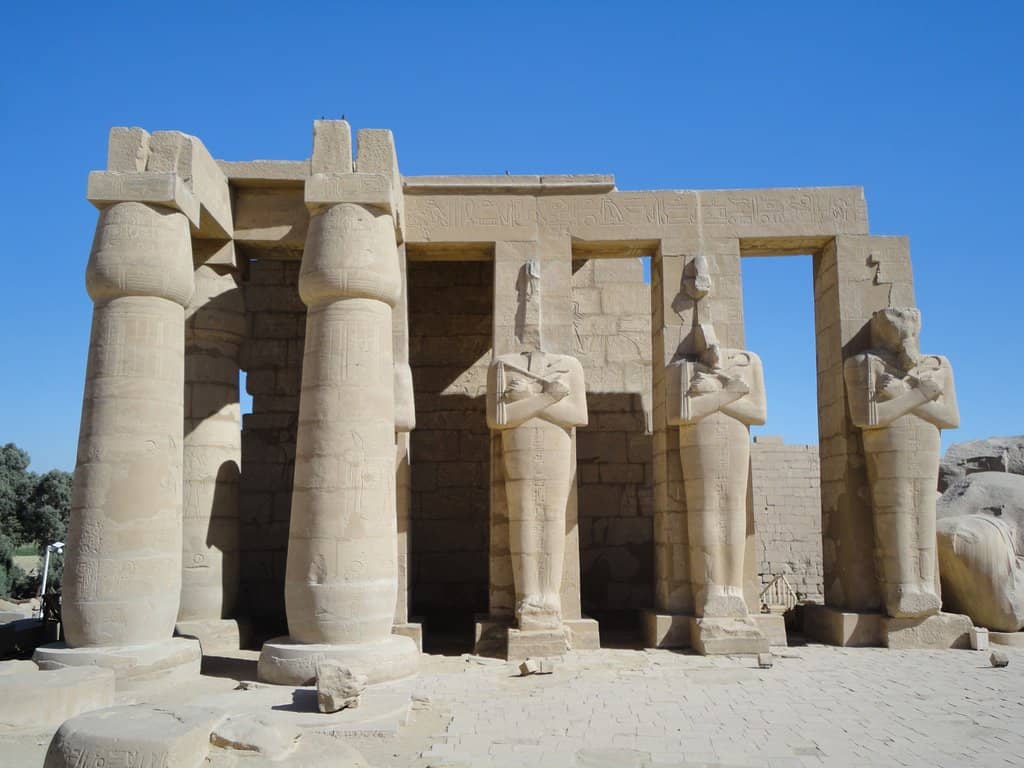
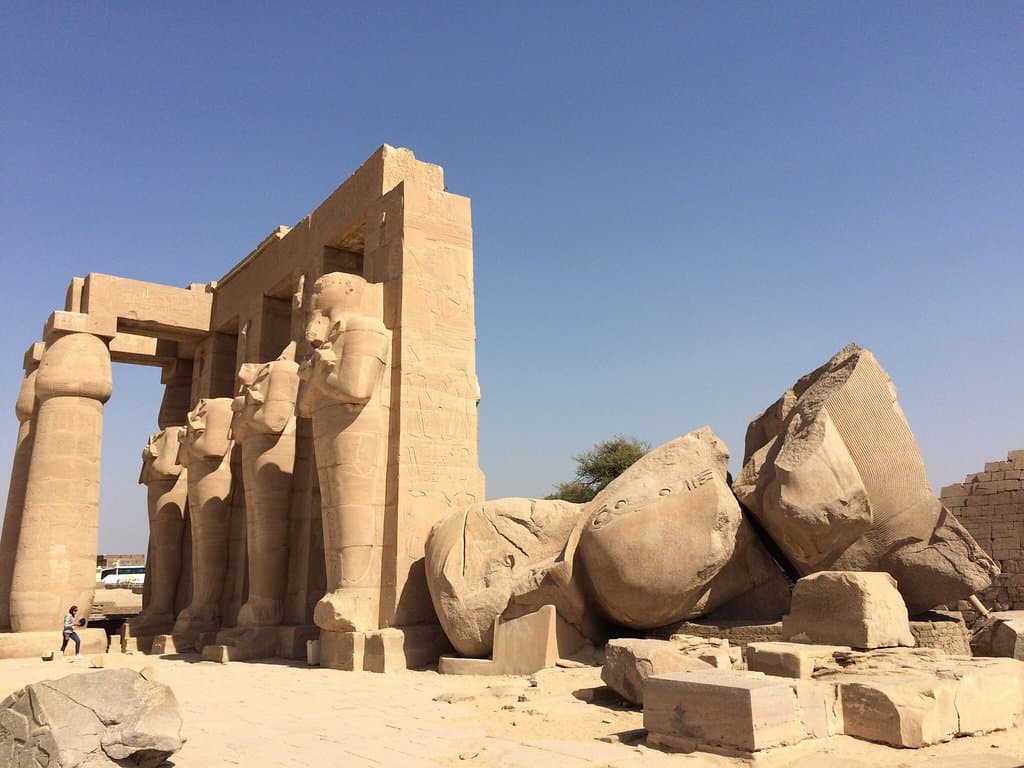
Fallen Colossus of Ramesses II
Main courtyard
Marvel at the sheer scale of this massive granite statue, now toppled but still awe-inspiring.
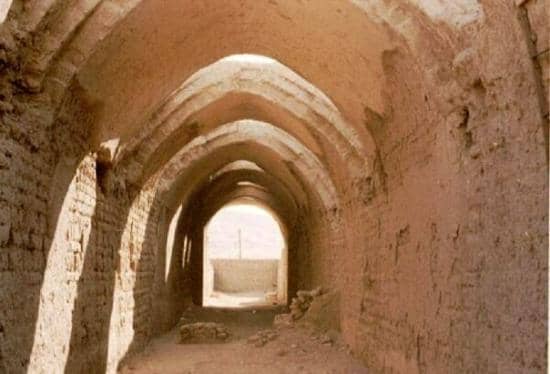
Battle of Kadesh Reliefs
First pylon
See detailed carvings depicting Ramesses II's famous victory, a testament to ancient Egyptian artistry.

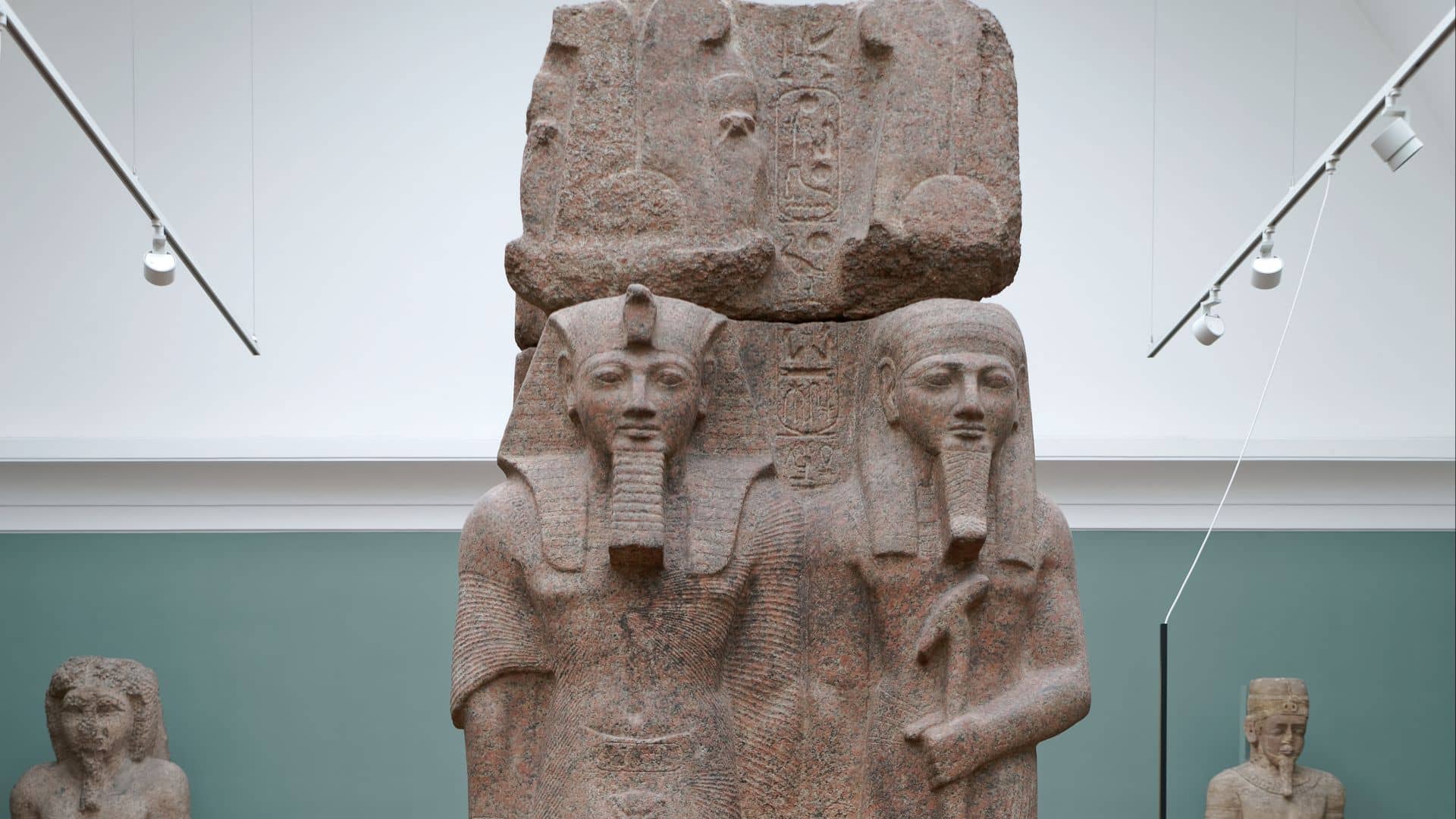
Stone Head Statue
Central area
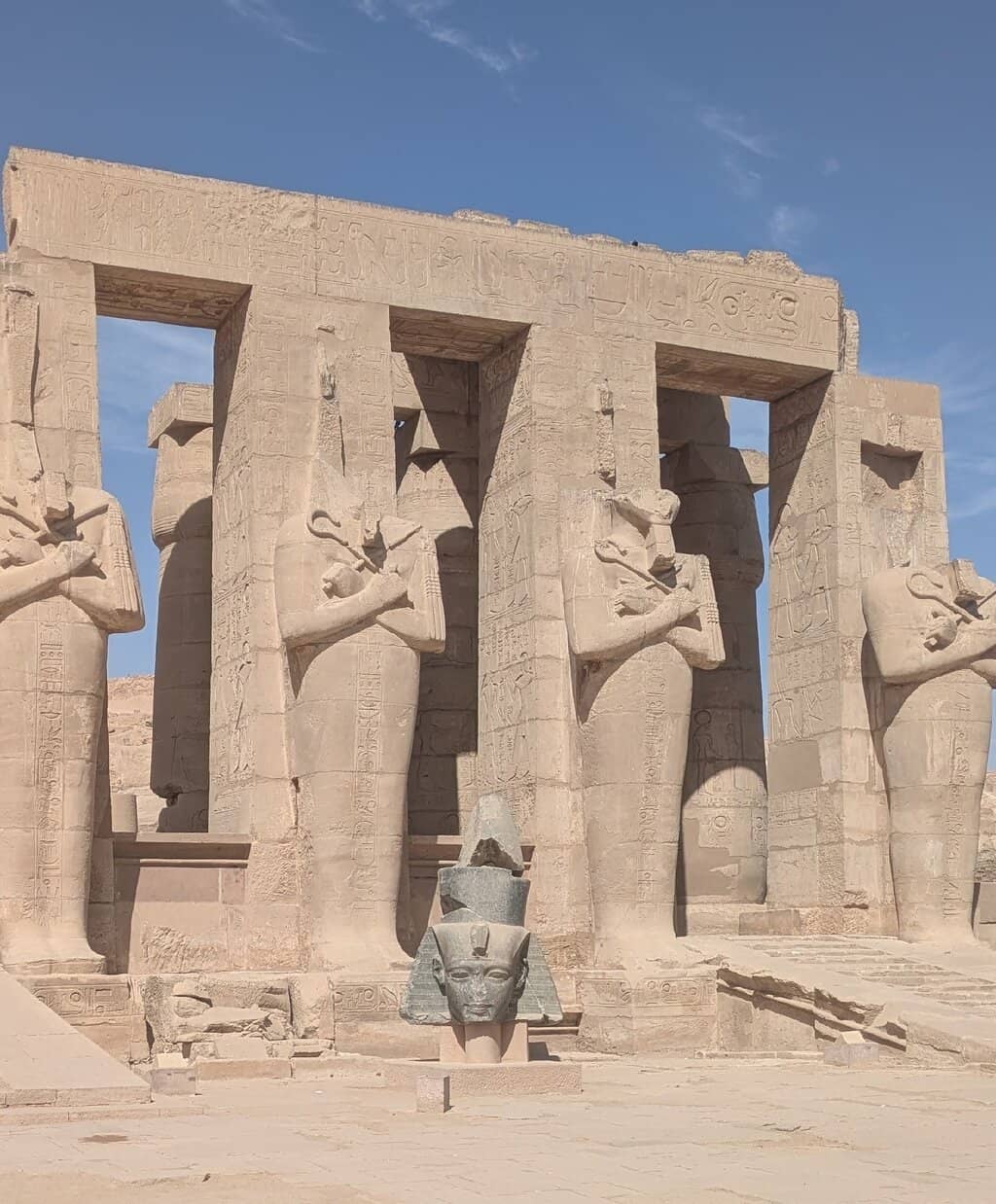
An impressive, well-preserved granite head of Ramesses II, showcasing intricate craftsmanship.
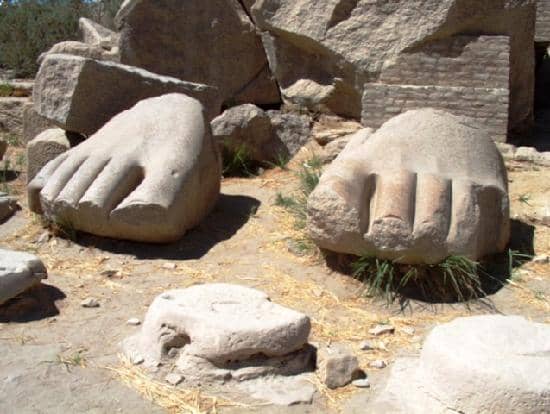
Pillared Halls
Various sections
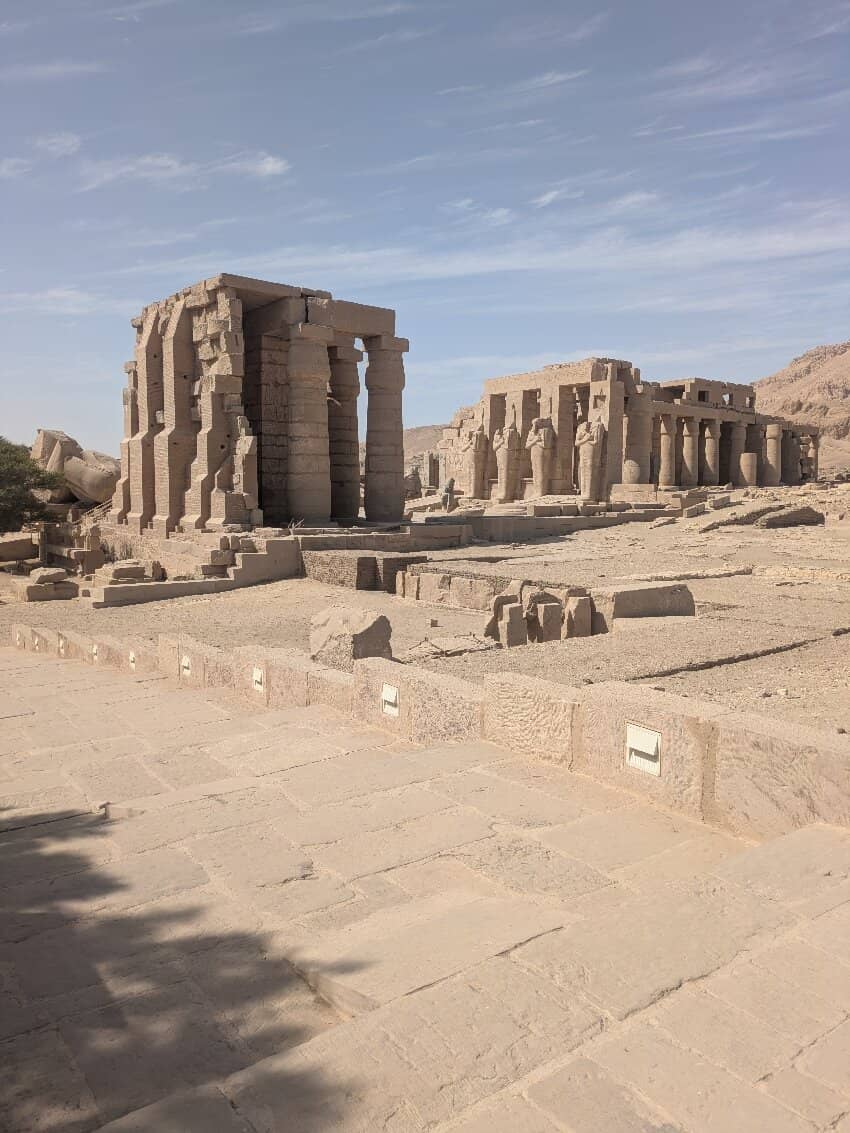
Wander through the remains of grand halls, imagining their former glory with towering columns.
Plans like a pro.
Thinks like you
Planning Your Visit
Beat the Crowds for a Serene Experience
Essential Gear for Exploration
Best Times
Insider Tips
from TikTok, Instagram & Reddit
🎯 Go when it's quiet
Visit early or late to enjoy the Ramesseum with fewer tourists and better photo ops.
👟 Wear comfy shoes
You'll be walking on uneven terrain, so sturdy footwear is essential for exploring the ruins.
💧 Stay hydrated
Bring plenty of water, especially during hot months, as shade can be limited.
📸 Great for photos
The Ramesseum offers unique photo opportunities with its fallen colossus and fewer crowds.
Tips
from all over the internet
🎯 Go when it's quiet
Visit early or late to enjoy the Ramesseum with fewer tourists and better photo ops.
👟 Wear comfy shoes
You'll be walking on uneven terrain, so sturdy footwear is essential for exploring the ruins.
💧 Stay hydrated
Bring plenty of water, especially during hot months, as shade can be limited.
📸 Great for photos
The Ramesseum offers unique photo opportunities with its fallen colossus and fewer crowds.
🍺 Cold beer nearby
A restaurant next to the site reportedly serves cold beer, a nice reward after exploring.
What Travellers Say
Reviews Summary
The Ramesseum is lauded as an underrated gem in Luxor, offering a spectacular and serene experience away from the main tourist trails. Visitors appreciate its grandeur, particularly the fallen colossus and intricate carvings, and the peaceful atmosphere that allows for personal exploration and great photo opportunities. While less conserved than other temples, its unique charm and quiet ambiance make it a highly recommended visit for history enthusiasts.
"The most underrated attraction in Luxor. Very few tourists come here but it is spectacular. The site features the fallen statue of Ramessus and another impressive stone head statute, along with Egyptian columns. If you want to visit a site with fewer tourists and great photo ops, definitely visit this site"
Nicola Potts
"Beautiful site with colonnades. Don't compare it with Karnak. Each site is unique.
You will feel 'alone' at certain hours of the day there.
Good for taking wonderful pics and having nice feelings associated with Egyptian temples. This place is little far out of mass tourism..."
Oliver K
"Ramesseum – The Forgotten Giant of Thebes
The Ramesseum, the mortuary temple of Ramses II, is an incredible place to explore. One of the highlights is the massive fallen granite statue of Ramses himself — it's absolutely huge and gives you a sense of how grand this temple must’ve been in its prime.
The site is quieter than many others in Luxor, which makes it perfect for wandering around at your own pace. There are beautiful hieroglyphs, towering columns, and lots of little corners to discover. It really felt like an adventure walking through the ruins.
Not as famous as Karnak or Medinet Habu, but definitely worth the visit — especially if you like history without the crowds.
Restaurant next to the site serves cold beer😅"
Ramses Porte
What People Like
What People Dislike
Frequently Asked Questions
🚇 🗺️ Getting There
The Ramesseum is located on the West Bank of Luxor. You can reach it by taxi, private car, or as part of a guided tour. Many visitors combine a trip to the Ramesseum with other West Bank sites like the Valley of the Kings and Hatshepsut's Temple.
The Ramesseum is relatively close to the Valley of the Kings, situated in the Theban necropolis. It's often visited in conjunction with these other major attractions on the West Bank.
While public transport options are limited for reaching specific sites on the West Bank, you can take a ferry across the Nile to the West Bank and then arrange local transport like a taxi or tuk-tuk to the Ramesseum.
Yes, many guided tours of Luxor's West Bank include the Ramesseum, offering historical context and convenient transportation. This can be a great option for first-time visitors.
Many travelers opt for a private driver or a guided tour for efficient exploration of the West Bank. This allows you to maximize your time and easily move between sites like the Ramesseum, Valley of the Kings, and Hatshepsut's Temple.
🎫 🎫 Tickets & Entry
Admission fees for the Ramesseum are typically included in a Luxor Pass or can be purchased individually. It's advisable to check the latest ticket prices before your visit, as they can change.
The Ramesseum generally follows the standard opening hours for Luxor's archaeological sites, usually from early morning until late afternoon. It's best to confirm the exact hours for the day of your visit.
While not always strictly necessary, booking tickets in advance or purchasing a Luxor Pass can save time, especially during peak tourist seasons. This is particularly helpful if you plan to visit multiple sites.
Yes, the Ramesseum is typically included in the Luxor Pass, which offers access to numerous archaeological sites on both the East and West Banks of Luxor. This can be a cost-effective option for extensive sightseeing.
Discounts may be available for students or certain nationalities. It's always a good idea to inquire at the ticket office or check official tourism websites for any applicable concessions.
🎫 🧭 Onsite Experience
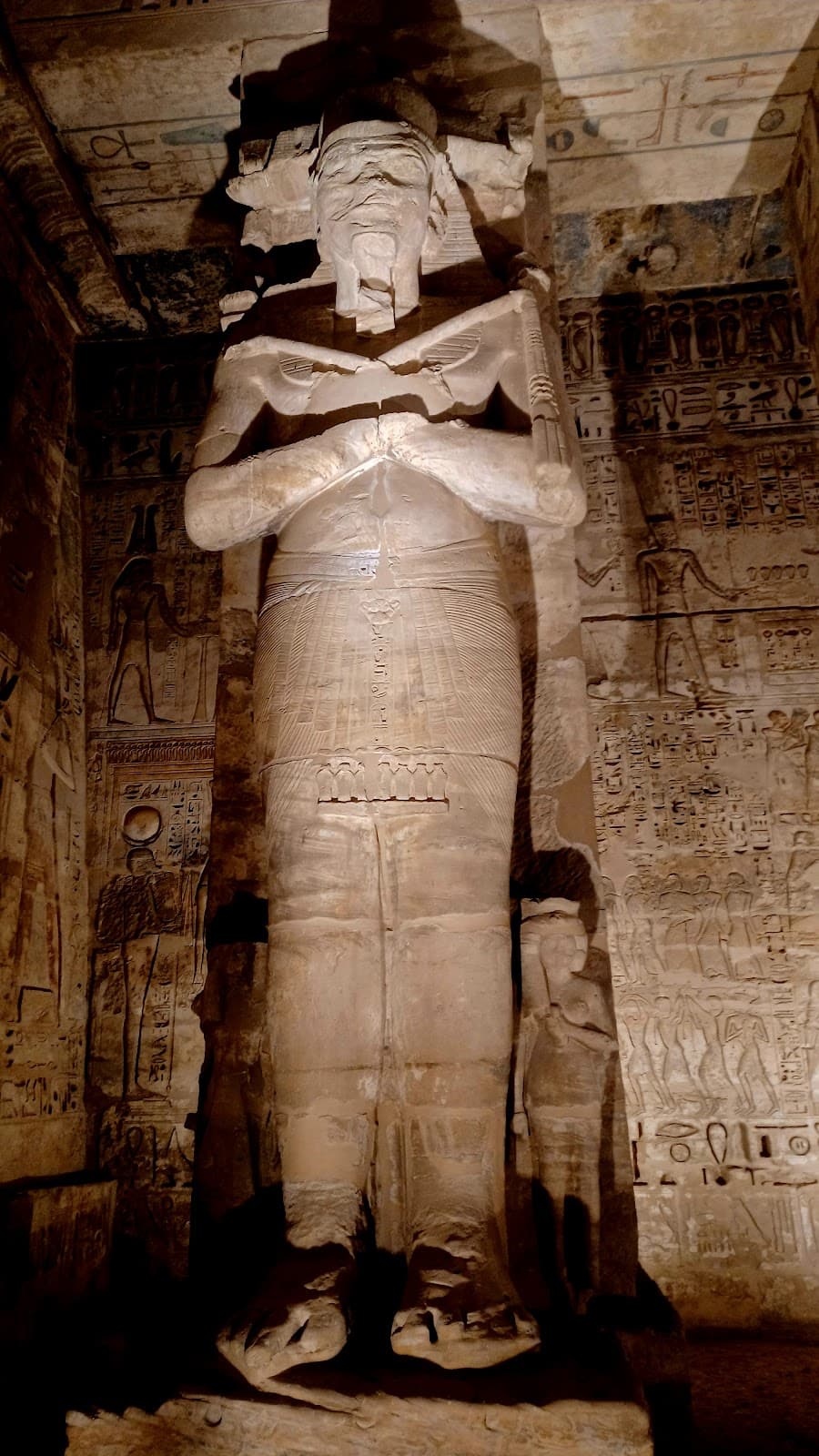
The Ramesseum features the colossal fallen statue of Ramesses II, impressive stone head statues, pillared halls, and detailed reliefs, including scenes from the Battle of Kadesh.
The Ramesseum is in a state of ruin, but this adds to its atmospheric charm. You can still see significant structures, columns, and intricate carvings that offer a glimpse into its past grandeur.
Compared to Karnak or the Valley of the Kings, the Ramesseum is often much less crowded, allowing for a more peaceful and personal exploration of the site.
The fallen colossus, the stone head statues, and the pillared halls offer excellent photographic opportunities. The quieter atmosphere also makes it easier to capture unique shots.
Allocate at least 1-2 hours to fully explore the Ramesseum, allowing time to appreciate the scale of the ruins and the details of the carvings.
📸 📸 Photography
Generally, photography is allowed for personal use. However, tripods and professional photography equipment might require special permits. Always check for any posted restrictions.
The 'golden hour' during sunrise and sunset provides beautiful lighting for photography. Early morning also offers fewer crowds, making it easier to compose shots.
Drone usage is typically prohibited at archaeological sites in Egypt for security and preservation reasons. It's best to assume drones are not permitted.
Capture wide shots of the fallen colossus, detailed close-ups of hieroglyphs and reliefs, and atmospheric images of the pillared halls. The scale of the ruins offers many unique perspectives.
Yes, you can take photos of the impressive stone head statue and the remnants of the colossal statue of Ramesses II. These are key highlights for photographers.
For Different Travelers
Tailored advice for your travel style
👨👩👧 Families with Kids
and marvel at the sheer size of the fallen colossus. The relatively fewer crowds compared to other sites mean children have more room to explore safely. It's a great place to spark their imagination about ancient Egypt, making history come alive in a tangible way. Remember to bring plenty of water and snacks, and ensure they have comfortable shoes for navigating the uneven terrain.📸 Photographers
+1 The pillared halls create atmospheric shots, especially during the golden hours of sunrise and sunset.🚶 Solo Travelers & Budget Explorers
Deep Dives
In-depth insights and expert knowledge
The Legacy of Ramesses II
+1 Built on the West Bank of Luxor, it served as a place for the royal cult and to commemorate his reign. Ramesses II is renowned for his extensive building projects and military campaigns, most famously the Battle of Kadesh against the Hittites, which is vividly depicted on the temple's walls. The sheer scale of the Ramesseum, even in its ruined state, speaks volumes about his ambition and the power of the New Kingdom.Visitors are often struck by the colossal fallen statue of Ramesses II, a granite behemoth that once stood as a testament to his divine status. Though toppled and broken, its immense size still conveys a sense of awe, offering a tangible connection to the pharaoh's grandeur.
+1 Exploring the Ramesseum provides a unique opportunity to understand the religious and political ideologies of ancient Egypt through its monumental architecture and detailed inscriptions.Architectural Marvels and Artistic Details
+1 The surviving elements, however, are remarkably detailed. The Battle of Kadesh reliefs on the first pylon are particularly significant, offering a detailed narrative of the battle, including depictions of Ramesses II in his chariot and the Hittite forces. These carvings are not just historical records but also masterful works of art, showcasing the skill of ancient Egyptian sculptors.Beyond the grand narratives, the Ramesseum also boasts finer artistic details. The sunken symbols at the base of statues and the precision of the stonework, even on massive blocks, are noteworthy.
The temple's construction involved immense logistical feats, including the transportation and erection of colossal statues made from single pieces of granite. While time and natural forces have taken their toll, the Ramesseum remains a vital site for understanding ancient Egyptian engineering, art, and religious practices, offering a more intimate experience than some of the larger, more restored temples.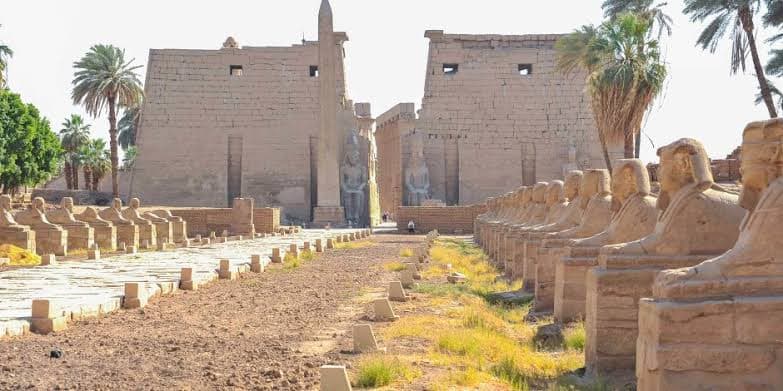
Social
from TikTok, Instagram & Reddit