54 Portuguese Colonial Architecture in Macau
Explore Macau's captivating Portuguese colonial architecture, a UNESCO World Heritage site where European charm meets Asian vibrancy. Discover historic churches, charming squares, and unique buildings that tell the story of over 400 years of cultural fusion. From the iconic Ruins of St. Paul's to the cobblestone streets of Senado Square, immerse yourself in the rich history and distinct architectural legacy of this former Portuguese colony.

See what's trending
We've done exactly what you would have done—spent hours scrolling through TikTok, Instagram, and Reddit to find the absolute best experiences. These 24 recommendations come from real travelers sharing their unfiltered takes, hidden gems, and insider secrets. No travel agency fluff, just the wisdom of people who've actually been there. This is how everyone really plans their trips these days.


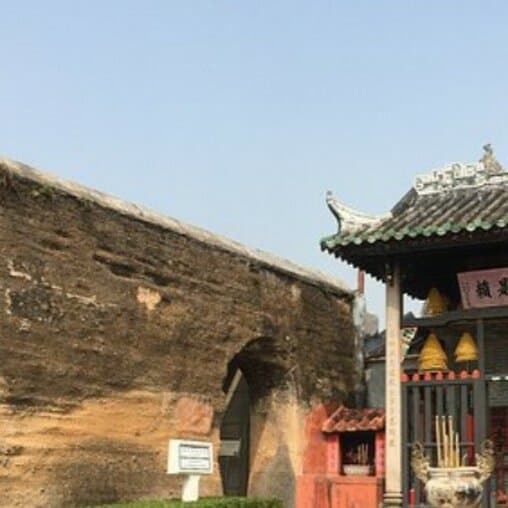
Step back in time in Macau's UNESCO World Heritage site, a captivating blend of Portuguese colonial architecture and Chinese traditions. Explore cobblestone streets, pastel-colored buildings, and charming squares that tell the story of centuries of cultural exchange.

This iconic facade is all that remains of a 17th-century church and college, a striking symbol of Macau's rich history. Climb the steps for panoramic views and explore the adjacent museum showcasing religious art.
Tip: Explore the basement for newly opened archaeological digs and see graves covered by glass.

Experience the heart of Macau's historic district at Senado Square, known for its Portuguese-style pavement, a delightful fountain, and charming pastel-colored colonial buildings. It's a vibrant hub perfect for soaking in the atmosphere.
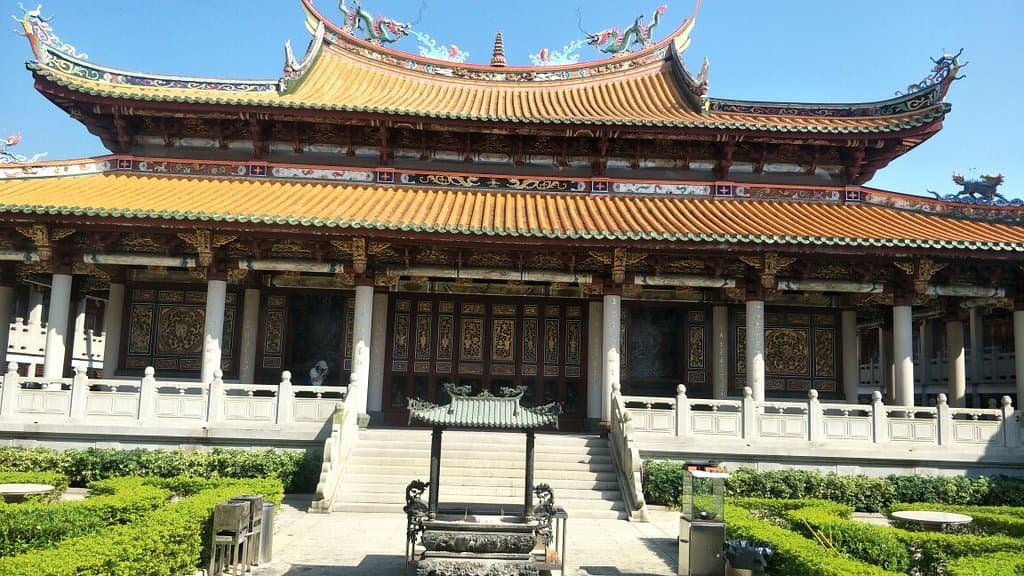
Discover one of Macau's oldest temples, dedicated to the sea goddess Mazu. This serene sanctuary showcases traditional Chinese temple architecture and offers a peaceful escape from the city bustle.

Wander through the narrow alleys of Taipa Village, a delightful area blending Portuguese colonial architecture with traditional shops and a renowned food scene. It offers a more relaxed pace compared to the bustling casinos.
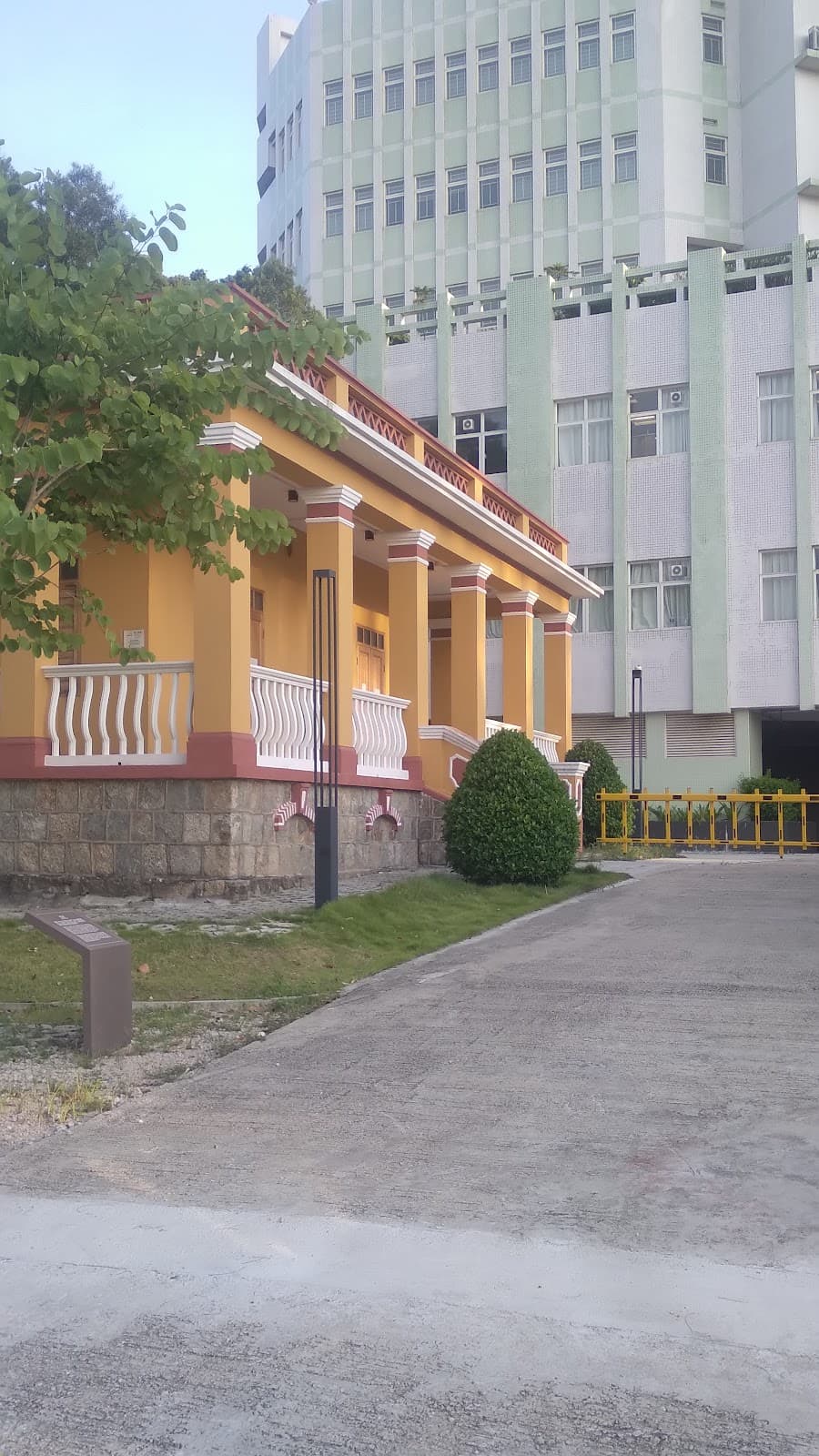
Experience the tranquility of Coloane Village, home to some of Macau's oldest Portuguese colonial buildings. This charming village offers a glimpse into a slower, more traditional way of life.
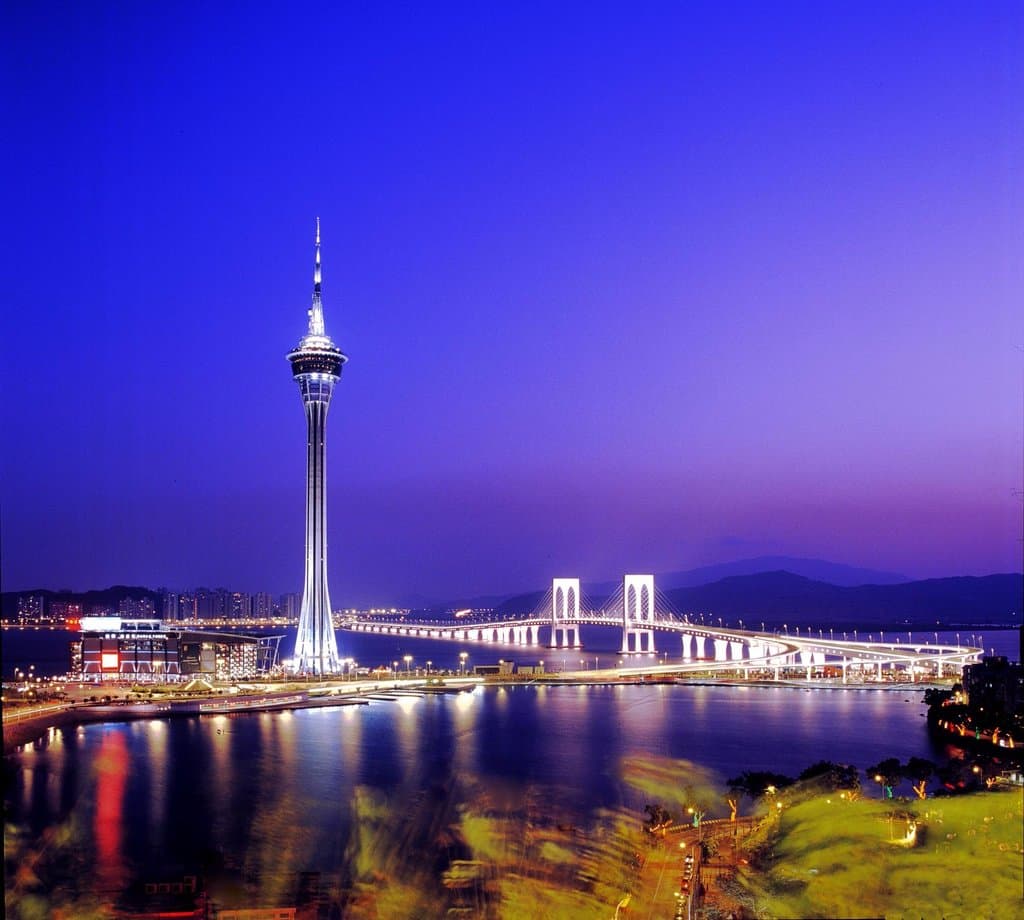
This iconic clock tower stands as a testament to Macau's Portuguese heritage. Its elegant design is a beautiful example of colonial architecture and a must-see landmark.
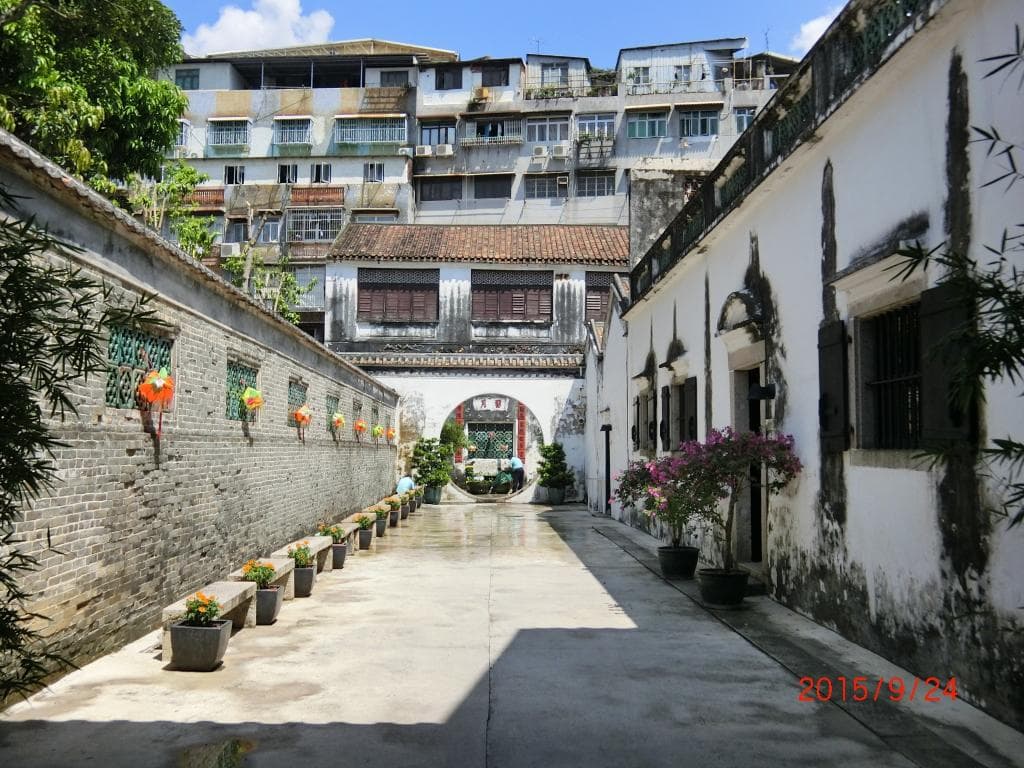
Step into the former residence of a prominent Chinese scholar, showcasing a unique blend of Chinese and Western architectural styles. This historic house offers insight into the lives of Macau's elite.

This beautiful Chinese garden offers a peaceful retreat with its traditional pavilions, ponds, and rockeries. It's a perfect spot to relax and appreciate classic Chinese landscape design.
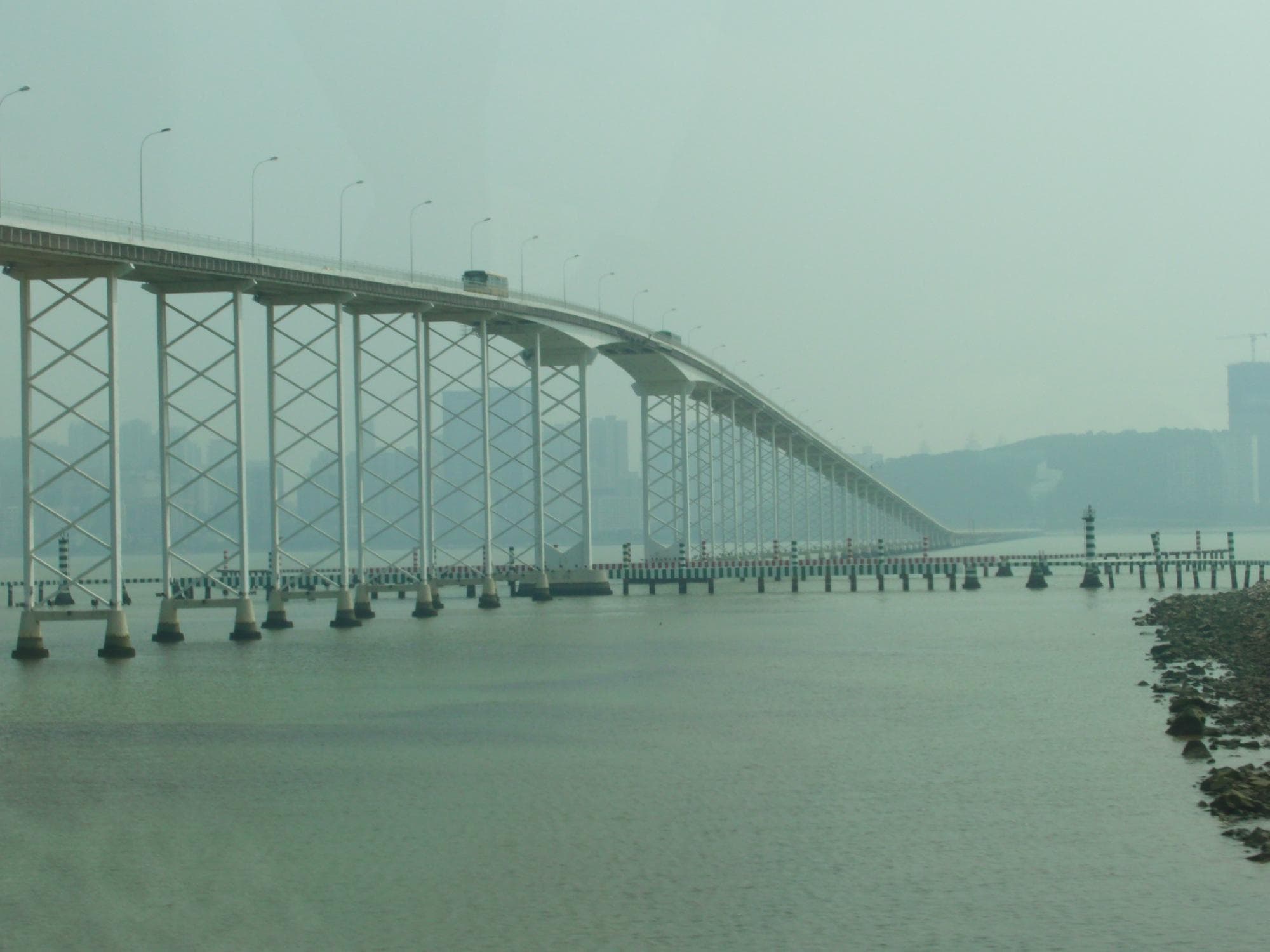
Enjoy scenic views of the Macau skyline and the Pearl River Delta as you cross this iconic bridge, connecting the Macau Peninsula to Taipa Island. It's a great way to appreciate the city's modern and historic contrasts.

One of Macau's oldest churches, St. Lawrence's Church boasts beautiful Baroque architecture and a rich history. Its elegant facade and serene interior make it a significant historical site.
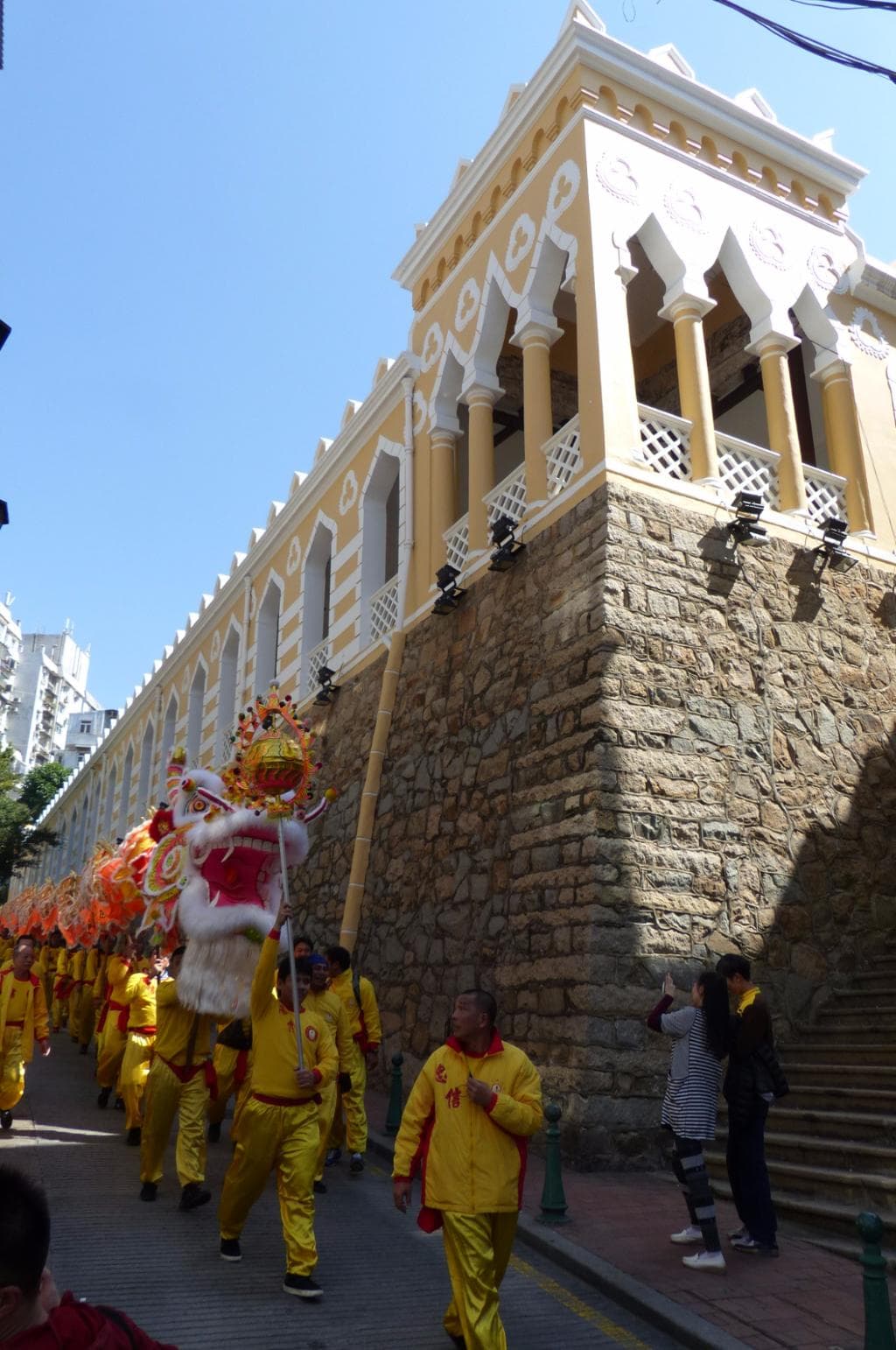
This distinctive building showcases unique Moorish architectural influences, a rare sight in Macau. It stands as a reminder of the diverse cultural interactions that shaped the city.
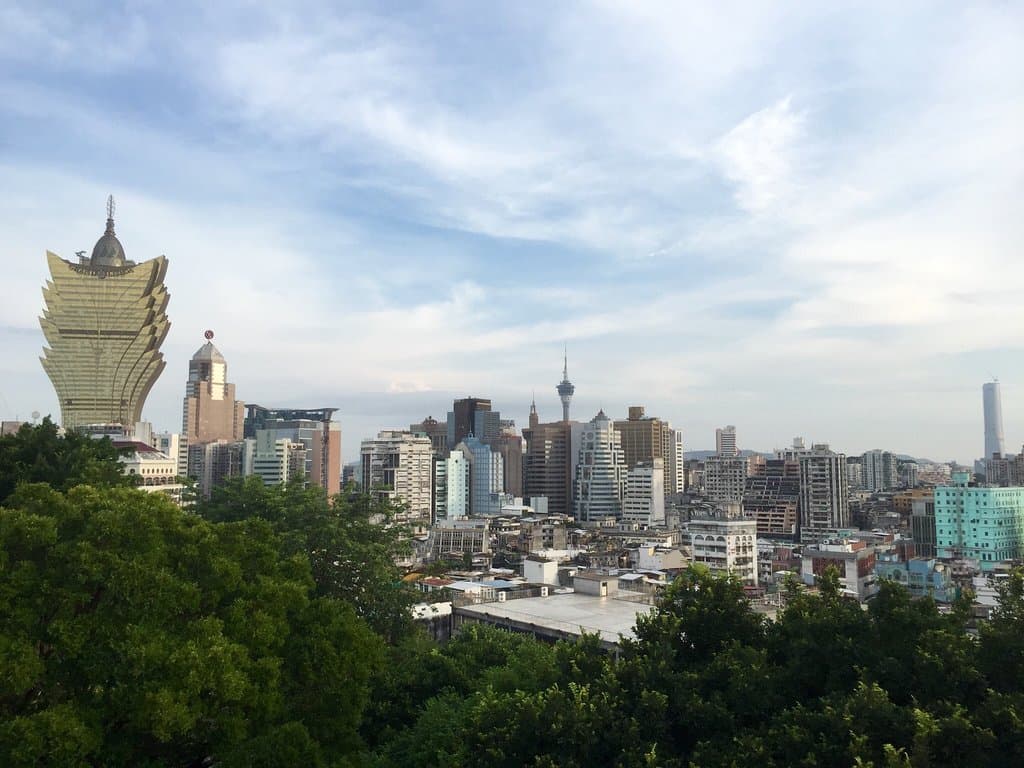
This historic fortress offers stunning panoramic views of Macau and the surrounding area. Originally built by the Jesuits, it's a key historical landmark with impressive fortifications.
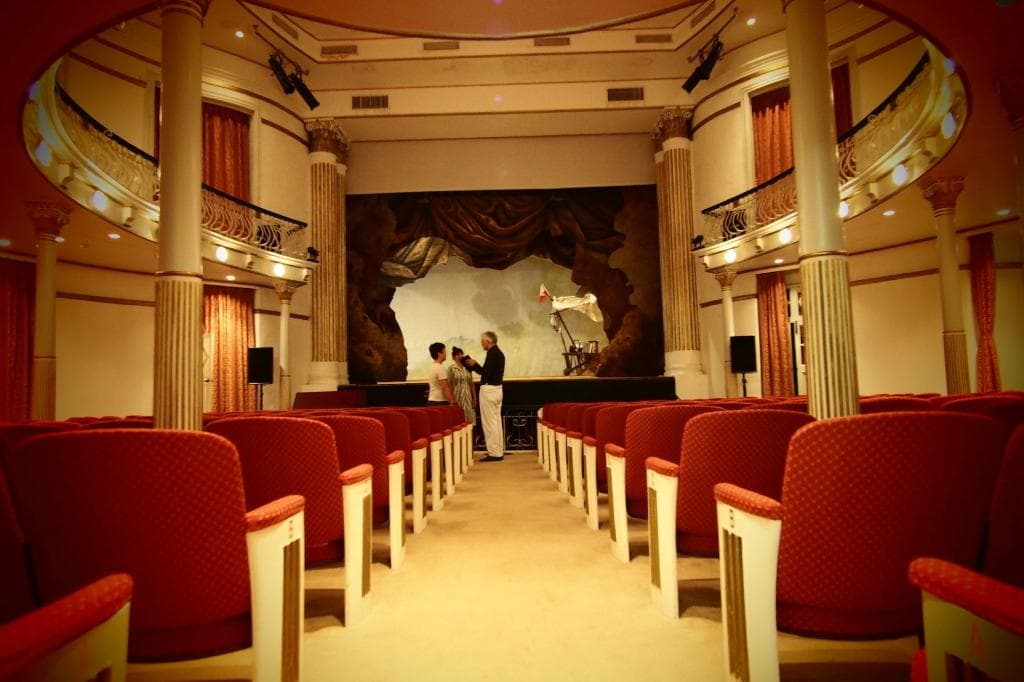
This elegant Neoclassical theatre is a beautiful example of Portuguese colonial architecture. It has hosted numerous performances and cultural events, adding to Macau's vibrant arts scene.
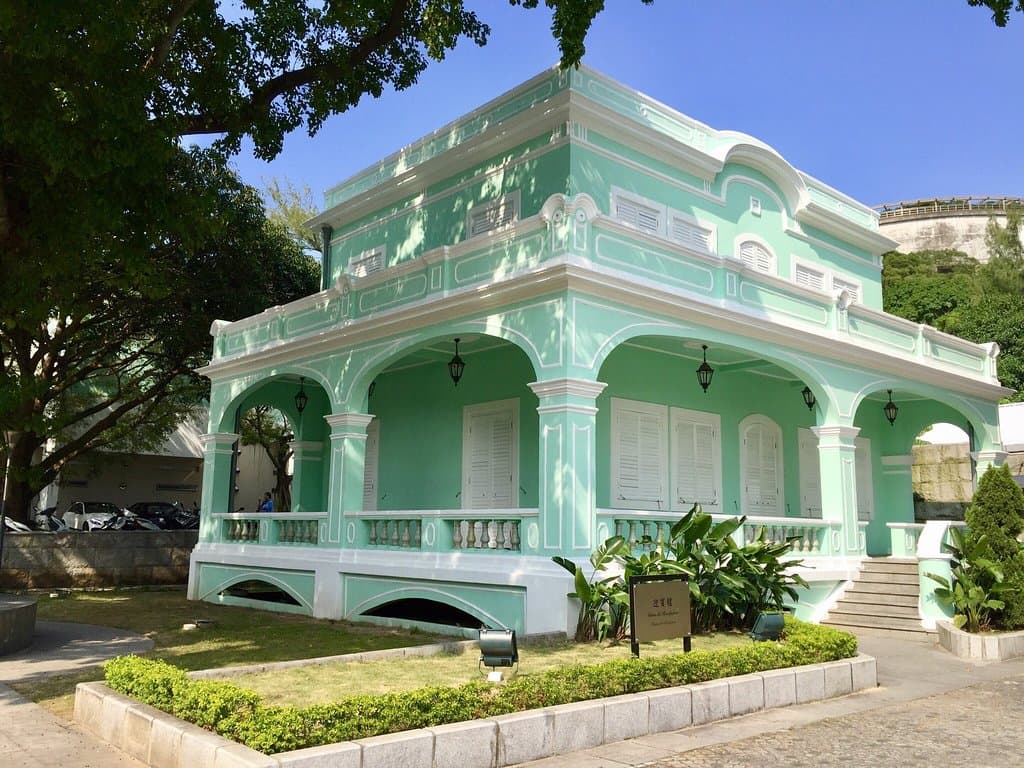
Explore a row of beautifully preserved Portuguese-style houses, now a museum showcasing colonial life. Each house offers a glimpse into the architecture and lifestyle of the past.
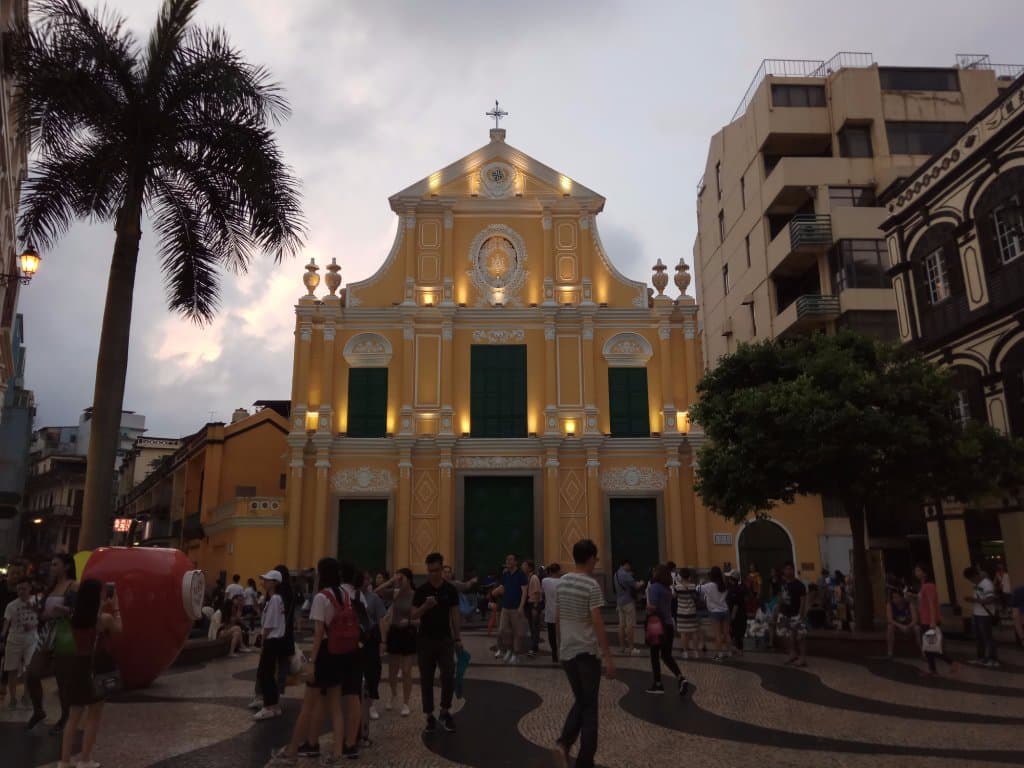
A stunning example of Baroque architecture, this historic church is a prominent landmark in Macau. Its vibrant yellow facade and intricate interior are a testament to its rich past.

This charming residential area features traditional Portuguese-style houses and a picturesque square. It's a quieter spot to appreciate the colonial architecture and local life.
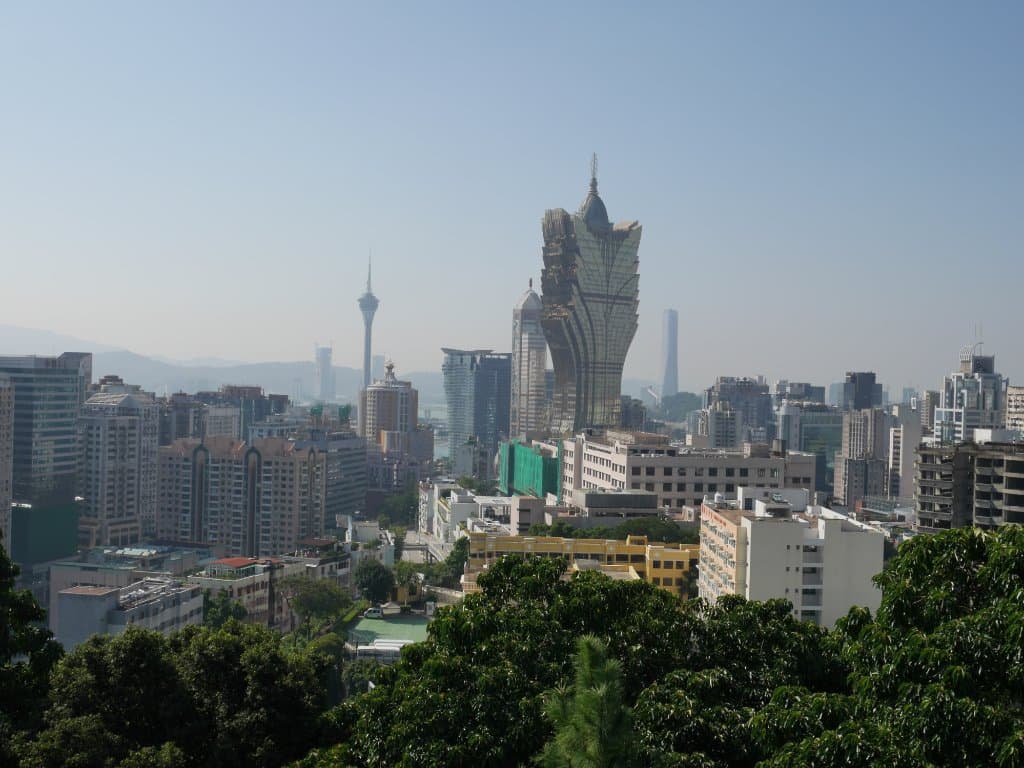
Perched atop Guia Hill, this historic fortress and lighthouse offer breathtaking views of Macau. It's a significant military site with a rich history and a beautiful vantage point.

Housed in a beautiful colonial building, this library is a peaceful oasis. It combines architectural charm with a quiet space for reading and reflection.
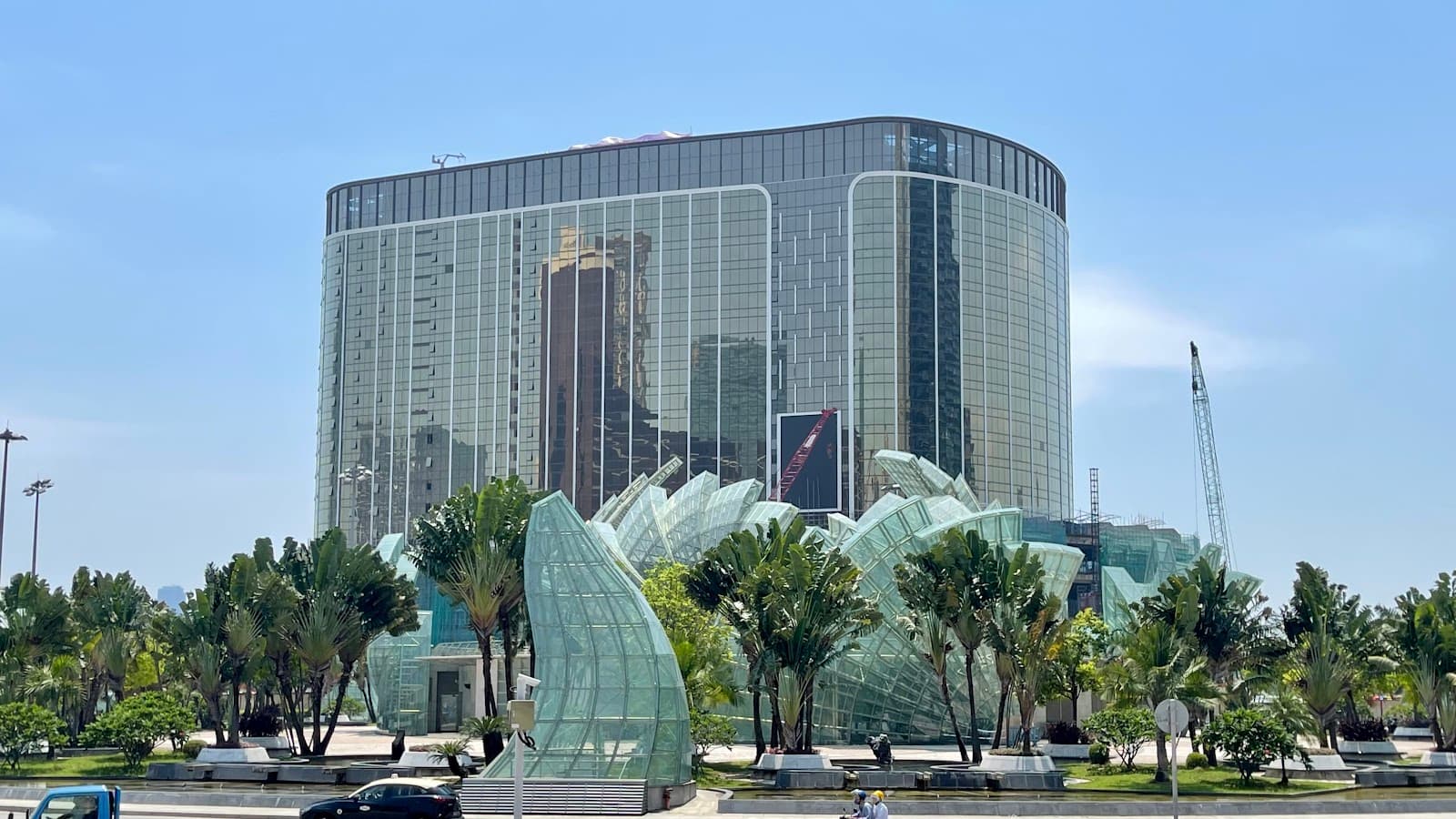
This scenic waterfront promenade offers lovely views of the South China Sea and is lined with historic buildings. It's a perfect place for a leisurely stroll and to admire the coastal scenery.
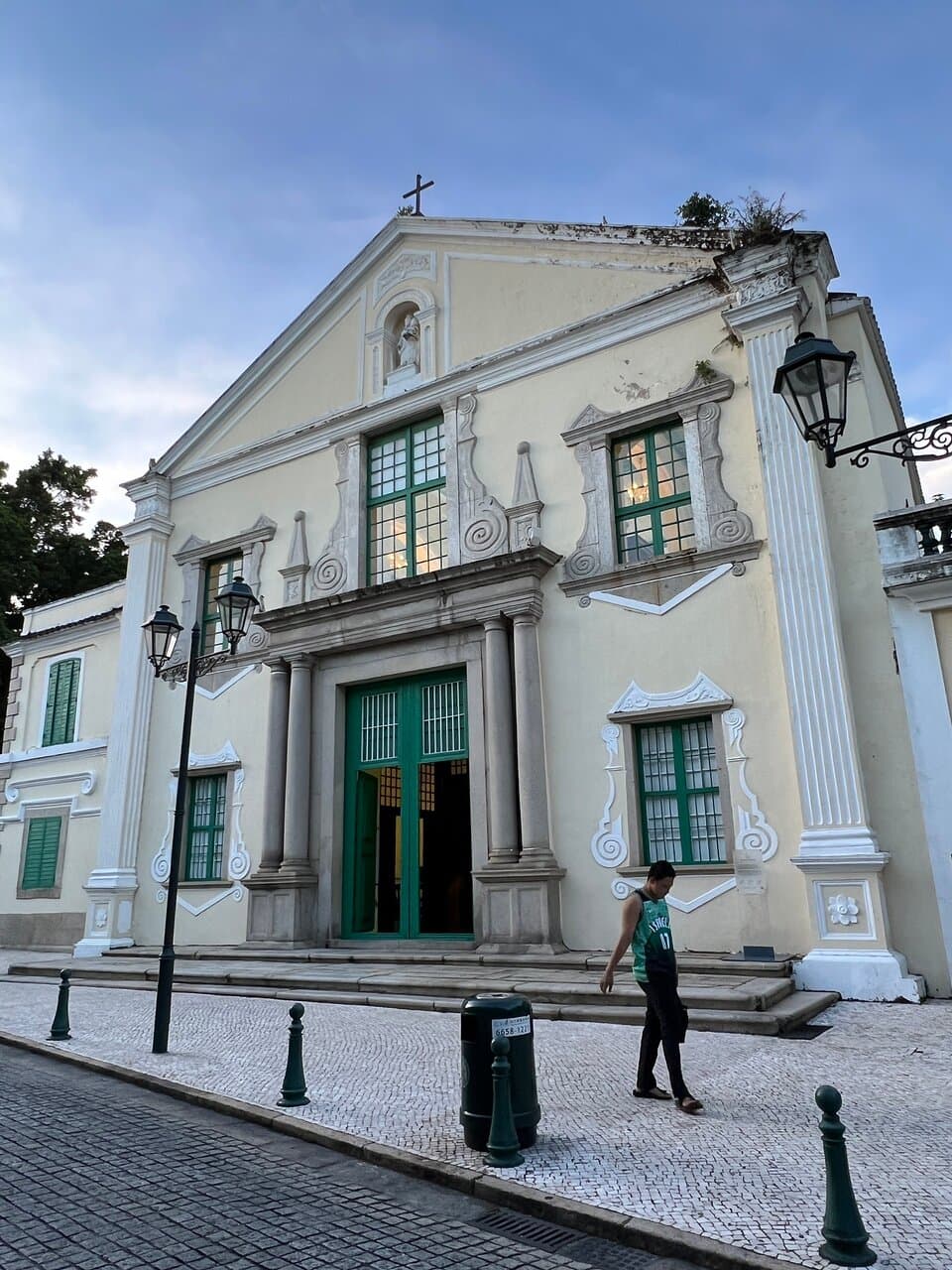
A beautiful and historic square featuring the St. Augustine's Church and the Dom Pedro V Theatre. It's a tranquil spot to admire the colonial architecture and soak in the atmosphere.
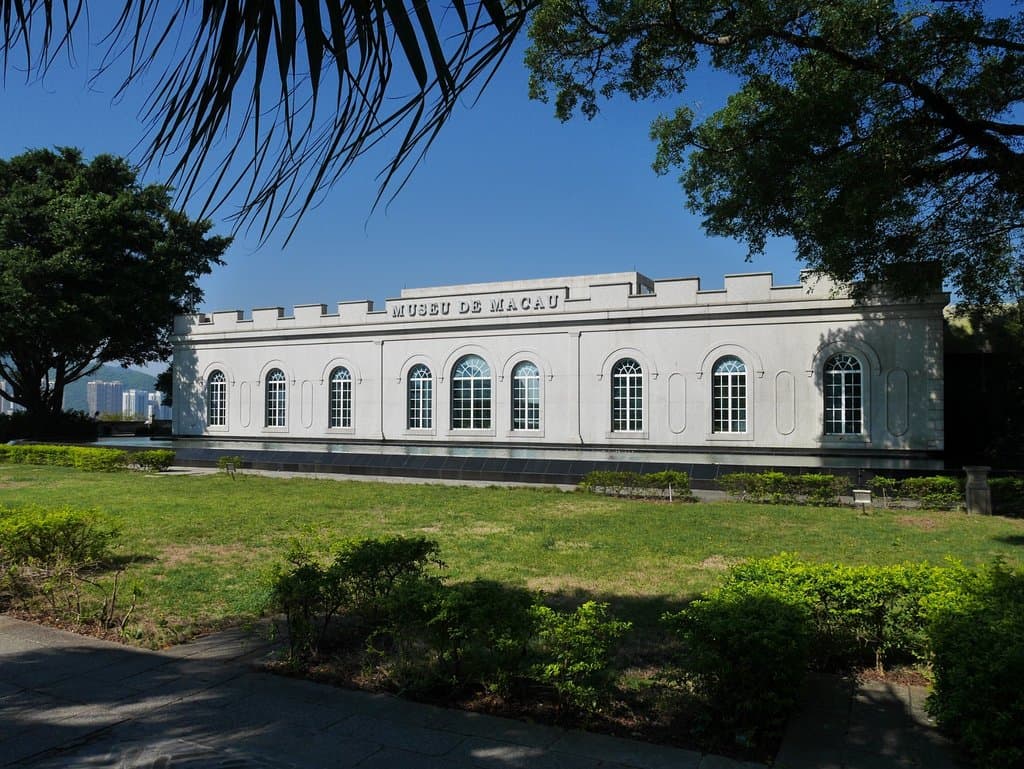
Located within the Fortaleza do Monte, this museum offers a comprehensive overview of Macau's history, culture, and art. It's an excellent place to learn about the city's unique heritage.
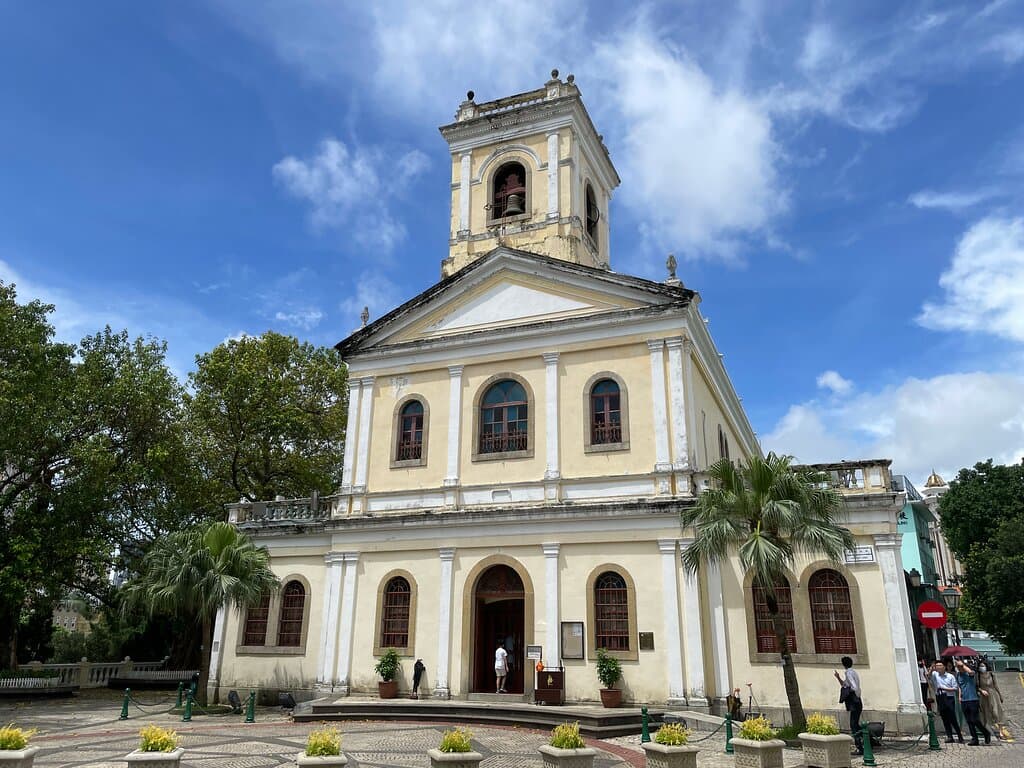
This charming church in Taipa Village is a beautiful example of Portuguese colonial architecture. Its serene setting and historical significance make it a worthwhile visit.
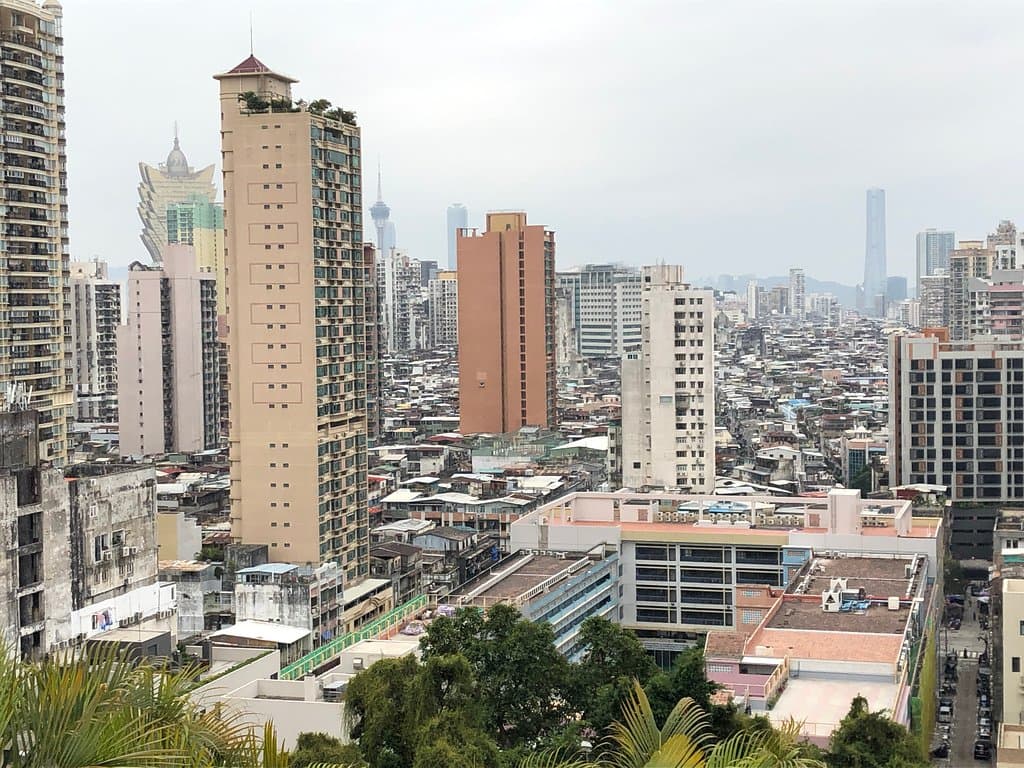
A lesser-known historical site, Mong Ha Fort offers a glimpse into Macau's military past. It provides a quieter experience and interesting views of the surrounding landscape.
Wander through the charming, narrow streets of Macau's old city, where every corner reveals a piece of its Portuguese colonial past. The unique cobblestone patterns and historic buildings create an immersive experience.

This impressive Baroque church and former seminary is a significant religious and architectural landmark. Its grandeur and historical importance are evident in its design.
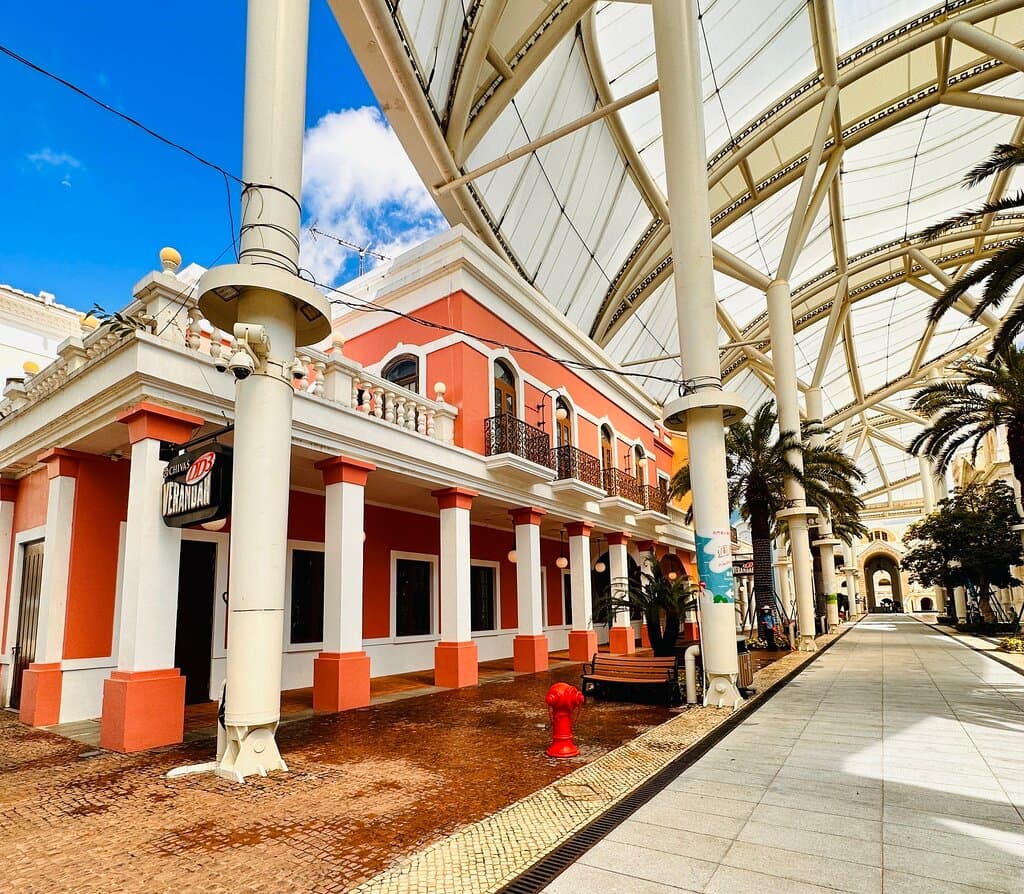
While known for its entertainment, this complex also features themed architecture inspired by European ports, offering a unique visual experience that hints at Macau's maritime history.
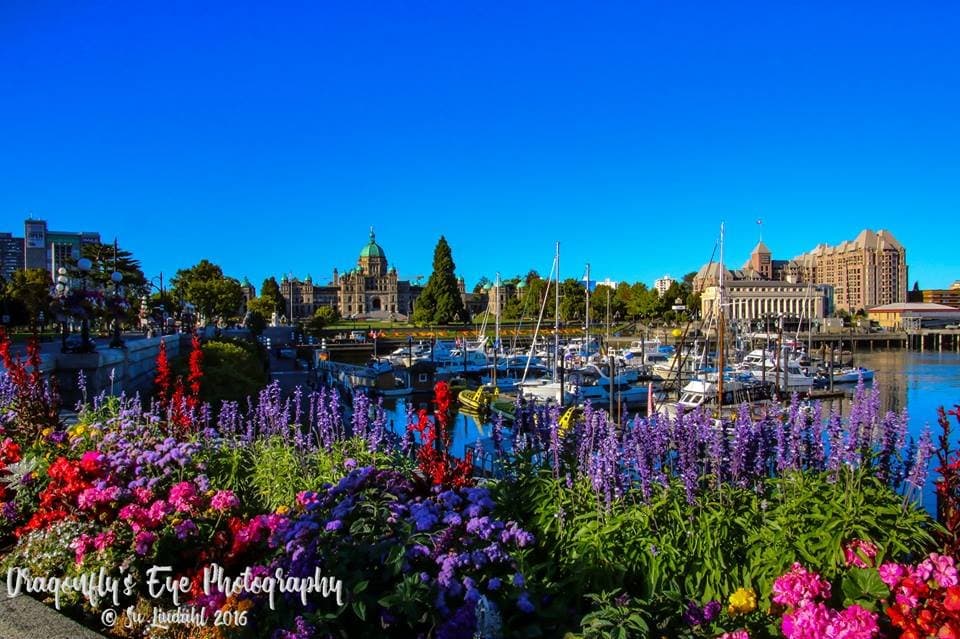
This historic waterfront area was once a bustling hub for trade and transportation. Today, it retains a sense of its past with traditional buildings and a glimpse into local maritime life.
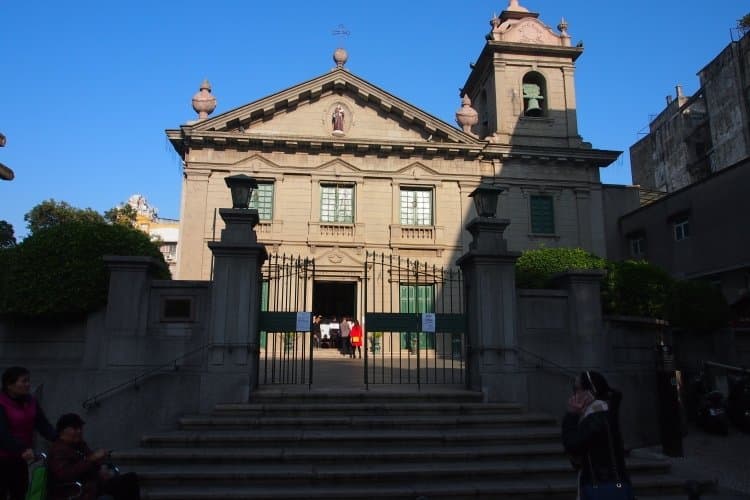
One of Macau's oldest churches, St. Anthony's has a simple yet elegant design. It's a peaceful place of worship with a long history connected to the Portuguese community.
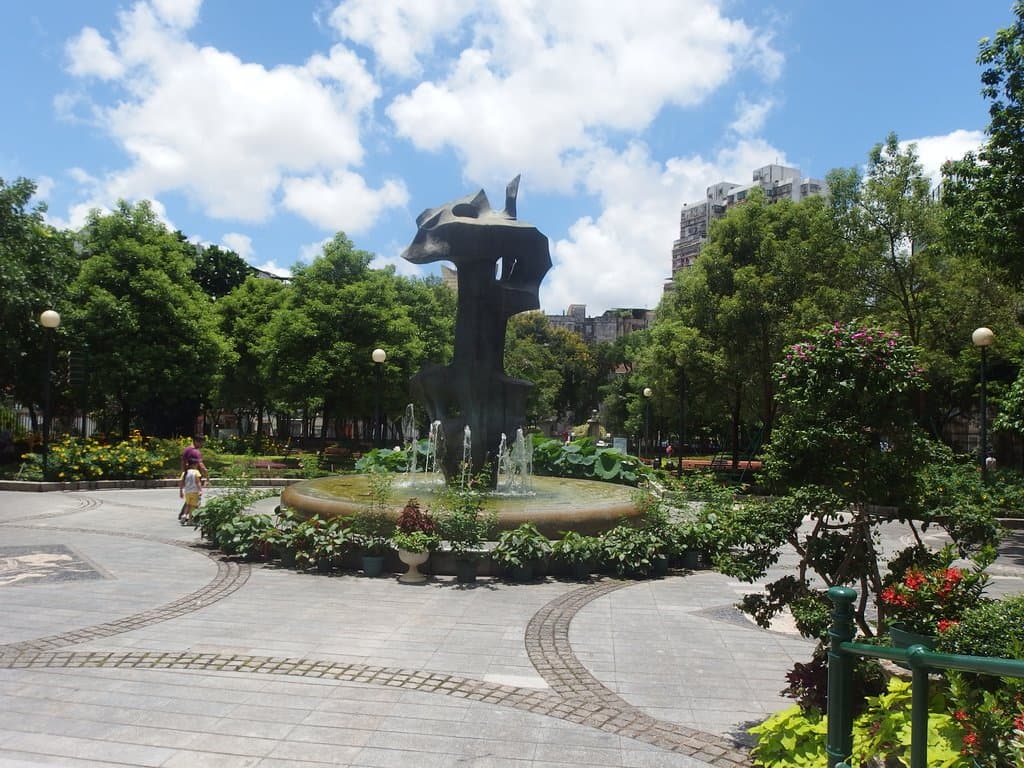
Named after the famous Portuguese poet Luís de Camões, this garden offers a tranquil escape with lush greenery and historical monuments. It's a place to relax and reflect on Macau's cultural connections.
Immerse yourself in the charming streets of Macau's old Portuguese quarter, where colorful buildings and cobblestone paths evoke a sense of European charm. It's a perfect area for leisurely exploration.
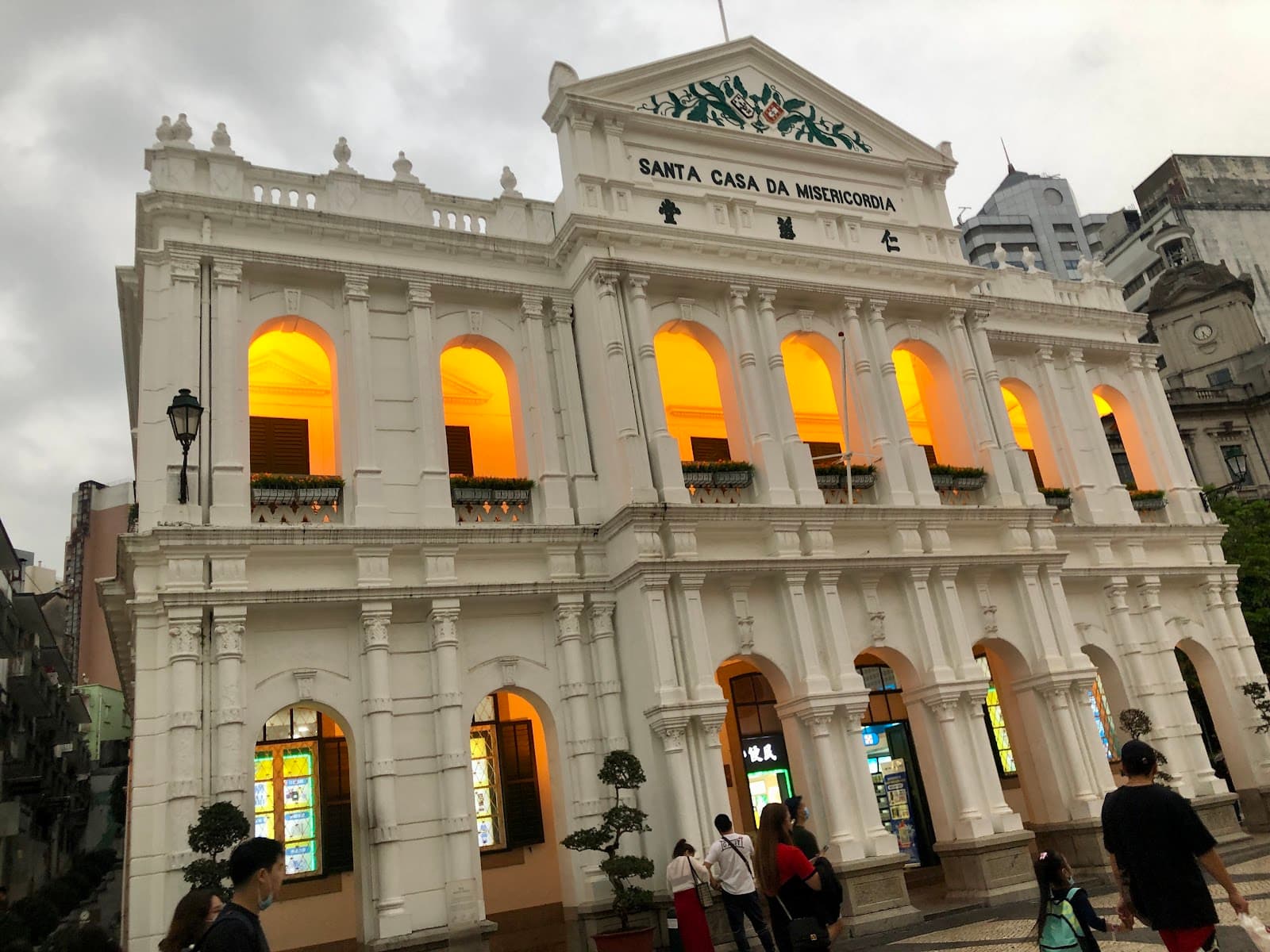
This historic institution, with its distinctive architecture, has played a significant role in Macau's social welfare history. It's a notable example of colonial-era buildings.

While focused on motorsport, the museum's building and surrounding area often feature architectural elements that reflect Macau's blend of old and new, with some colonial influences.
Wander through the heart of Macau's historic city center, a UNESCO World Heritage site, where Portuguese colonial buildings stand alongside traditional Chinese structures, creating a unique urban landscape.
Adjacent to the famous facade, these ruins offer a deeper look into the history of St. Paul's College, a significant Jesuit institution that was once part of the larger complex.
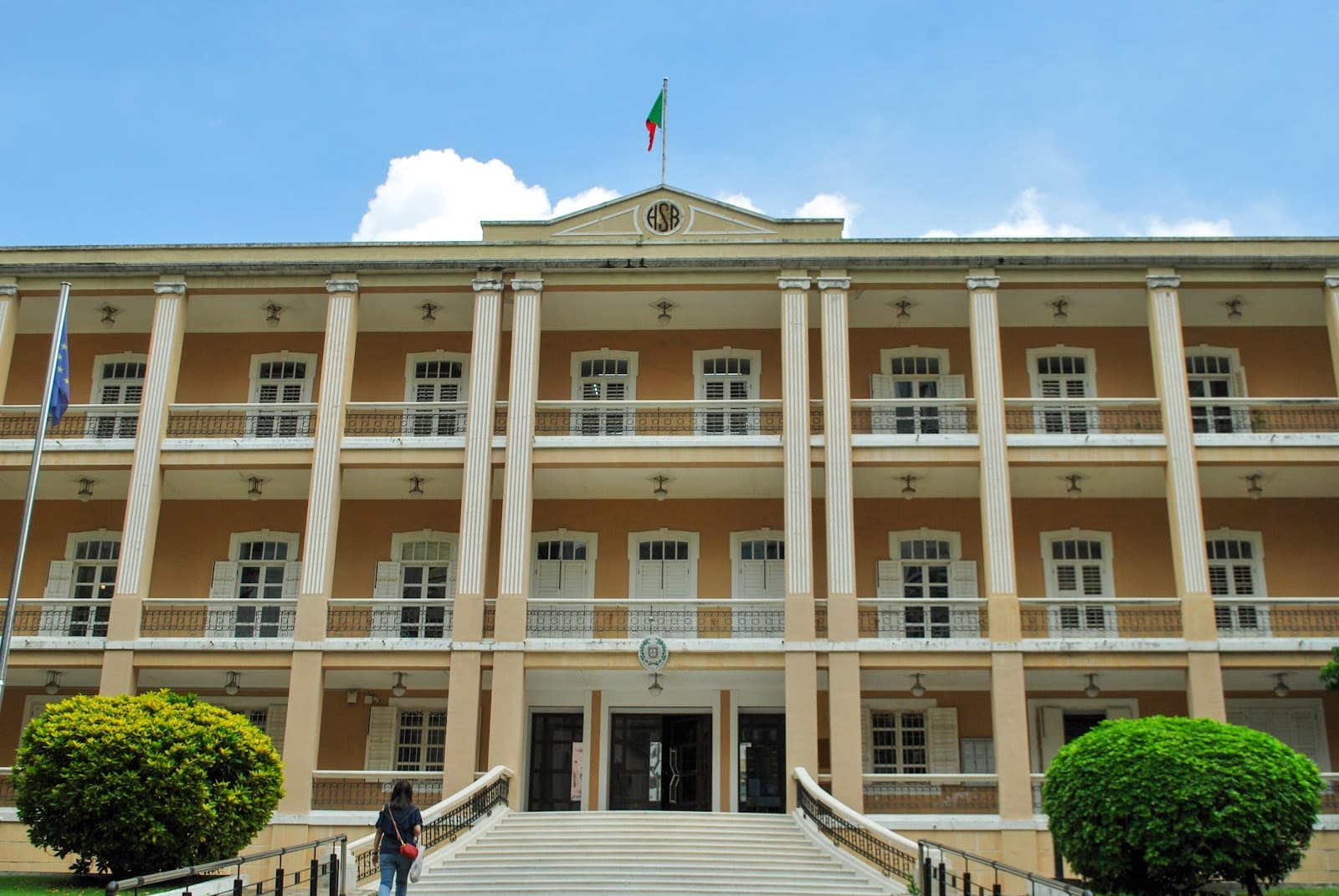
This historic building served as the Portuguese Consulate and is a fine example of colonial architecture. It stands as a symbol of Macau's past administrative ties to Portugal.
Wander through the atmospheric streets of Macau's old town, where the legacy of Portuguese colonization is evident in the architecture, street names, and overall ambiance.

A beautiful church with a blend of architectural styles, St. Michael's is a peaceful place of worship that reflects Macau's diverse religious history and Portuguese influence.
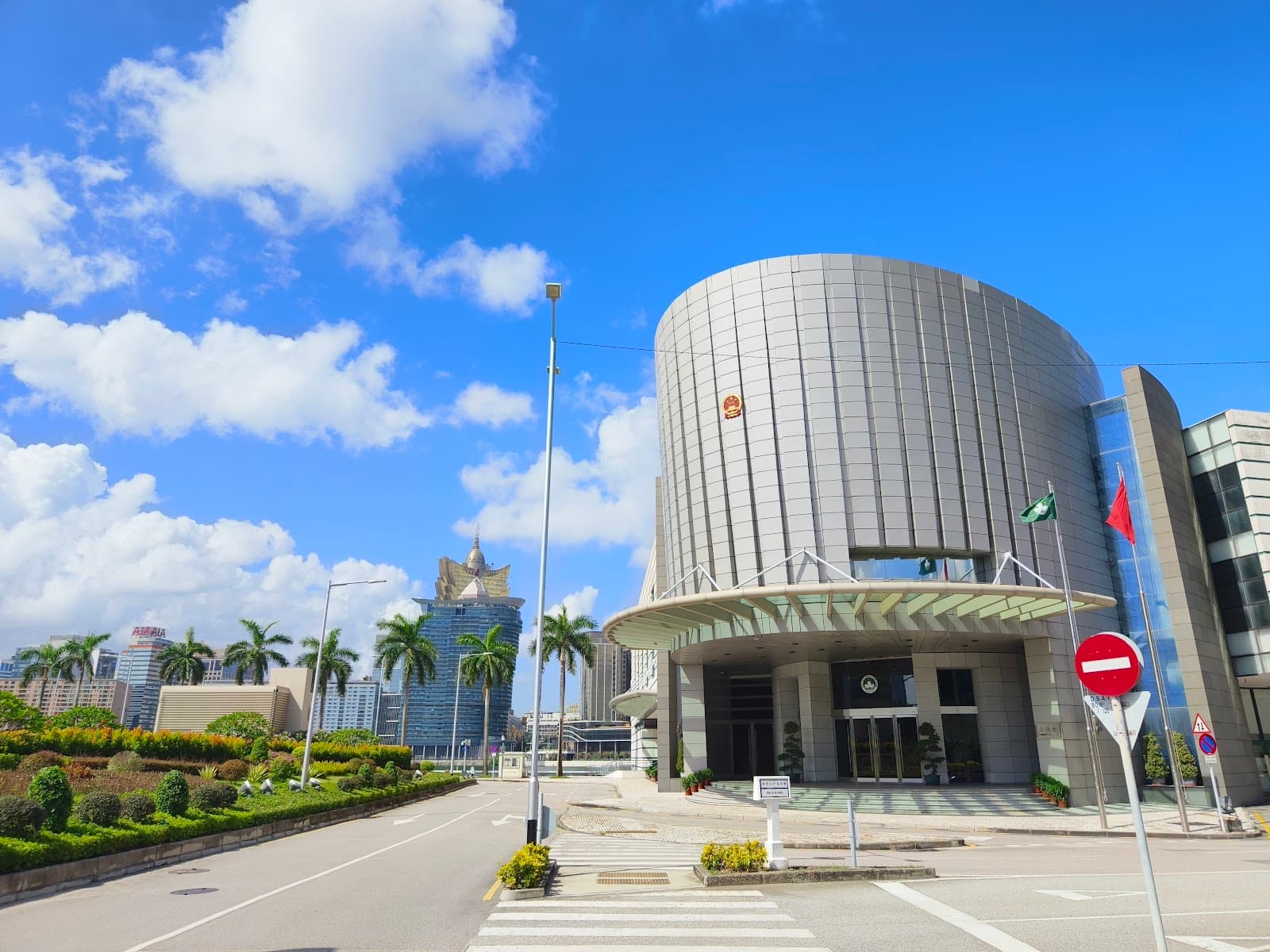
This elegant Neoclassical building, formerly the Senado, showcases Portuguese colonial architecture and serves as the seat of Macau's legislature. It's a significant historical and governmental landmark.
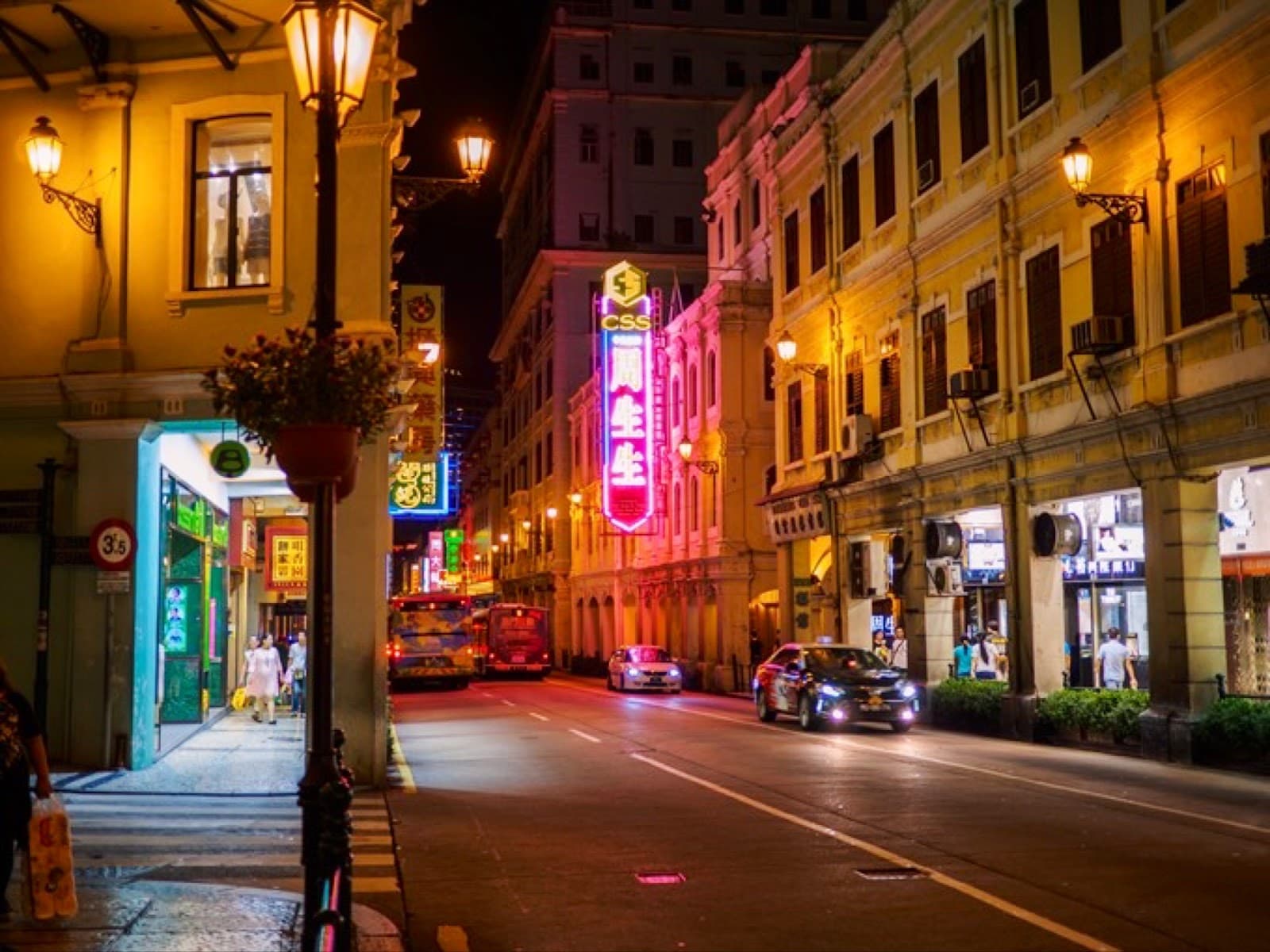
The Macau Peninsula is the historical heart of the city, brimming with Portuguese colonial architecture, historic churches, and charming squares that tell the story of its past.
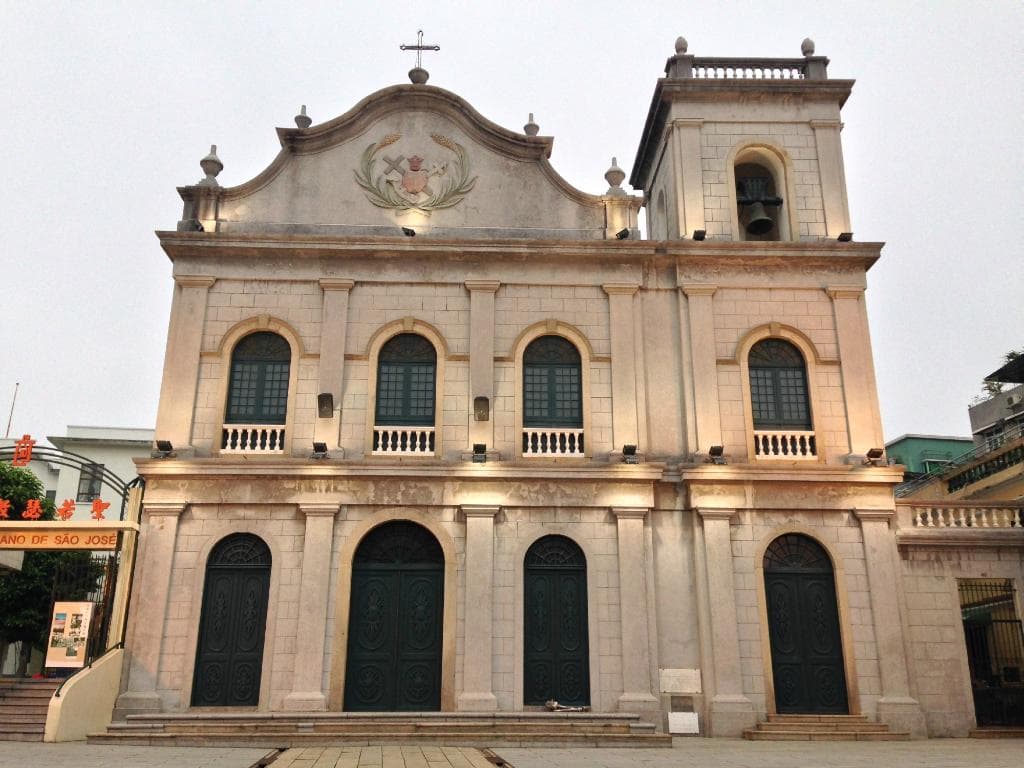
This historic church, with its distinctive facade, is one of Macau's oldest religious sites. It offers a quiet space for reflection and a glimpse into the city's colonial past.
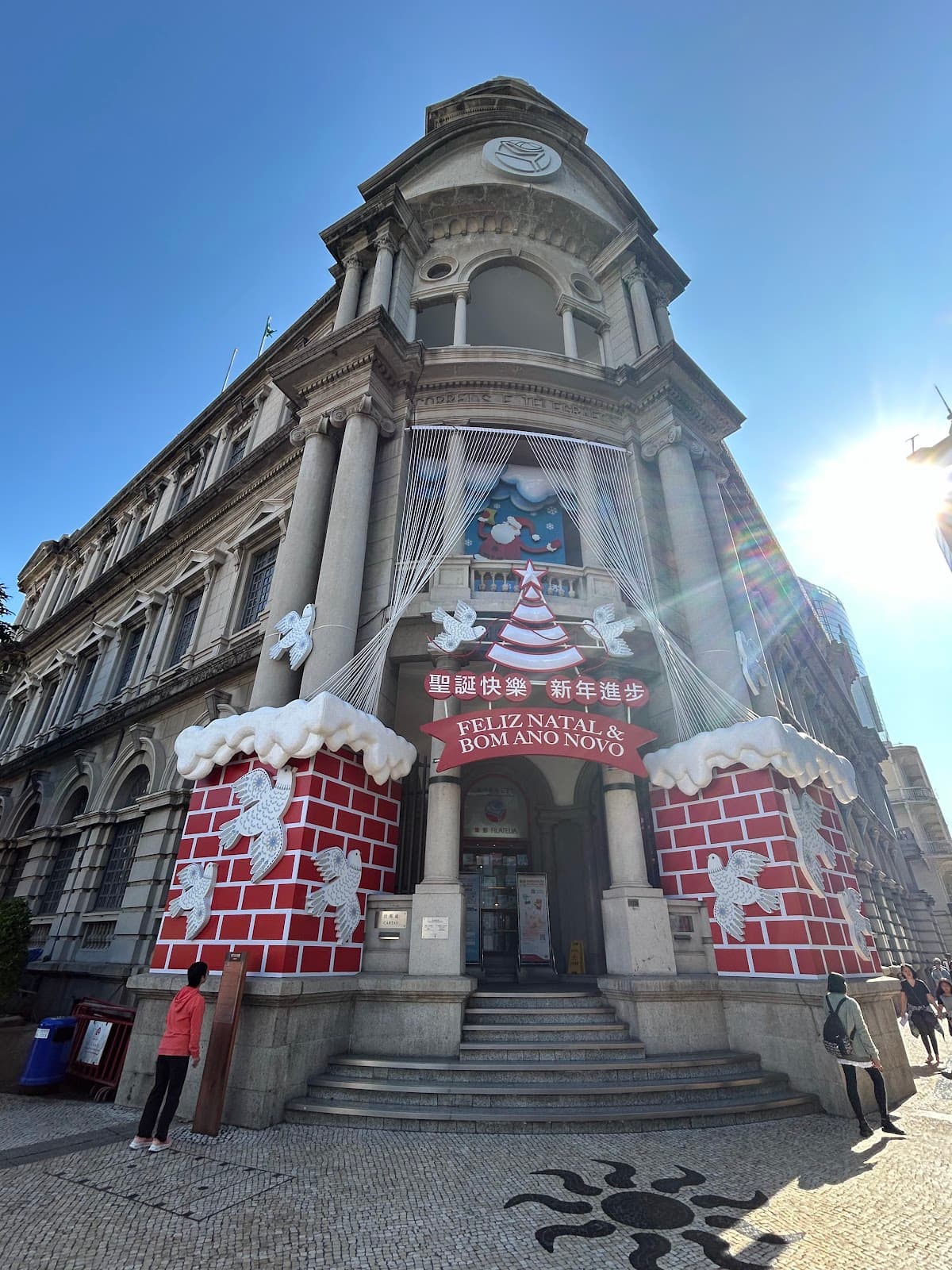
This charming colonial building once served as the Portuguese Post Office and is a beautiful example of the architectural style prevalent during the colonial era.
Wander through the atmospheric streets of Macau's historic district, a UNESCO World Heritage site, where you'll find a captivating mix of Portuguese colonial buildings and Chinese temples.
While the facade of St. Paul's is the main attraction, the surrounding area includes remnants and gates that hint at the grandeur of the original college and church complex.
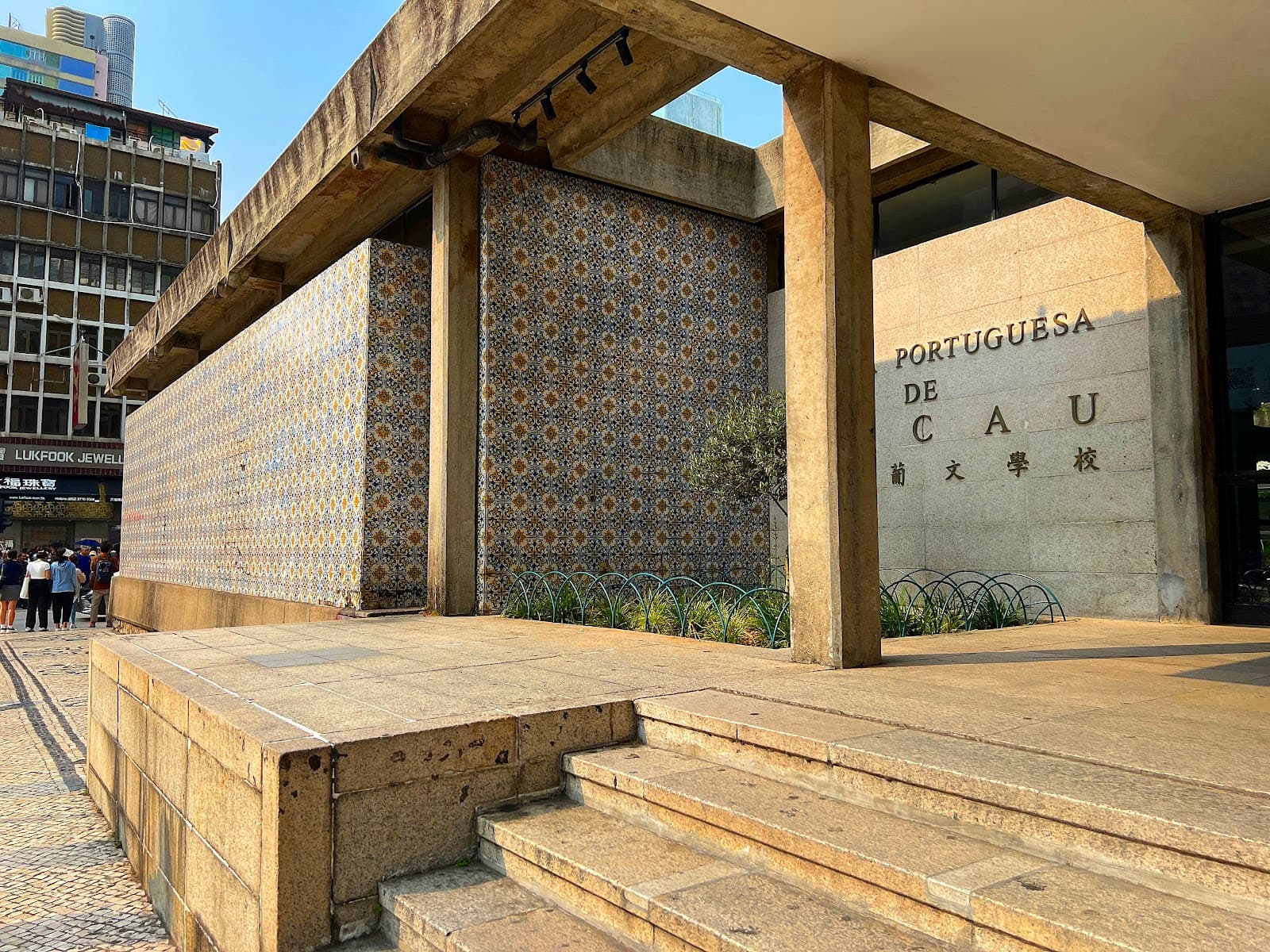
Scattered throughout the historic areas are remnants of old Portuguese school buildings, showcasing the educational legacy and architectural style of the colonial period.
Immerse yourself in the unique blend of East and West as you explore the streets of Macau's historic center, a UNESCO World Heritage site filled with Portuguese colonial architecture and cultural influences.
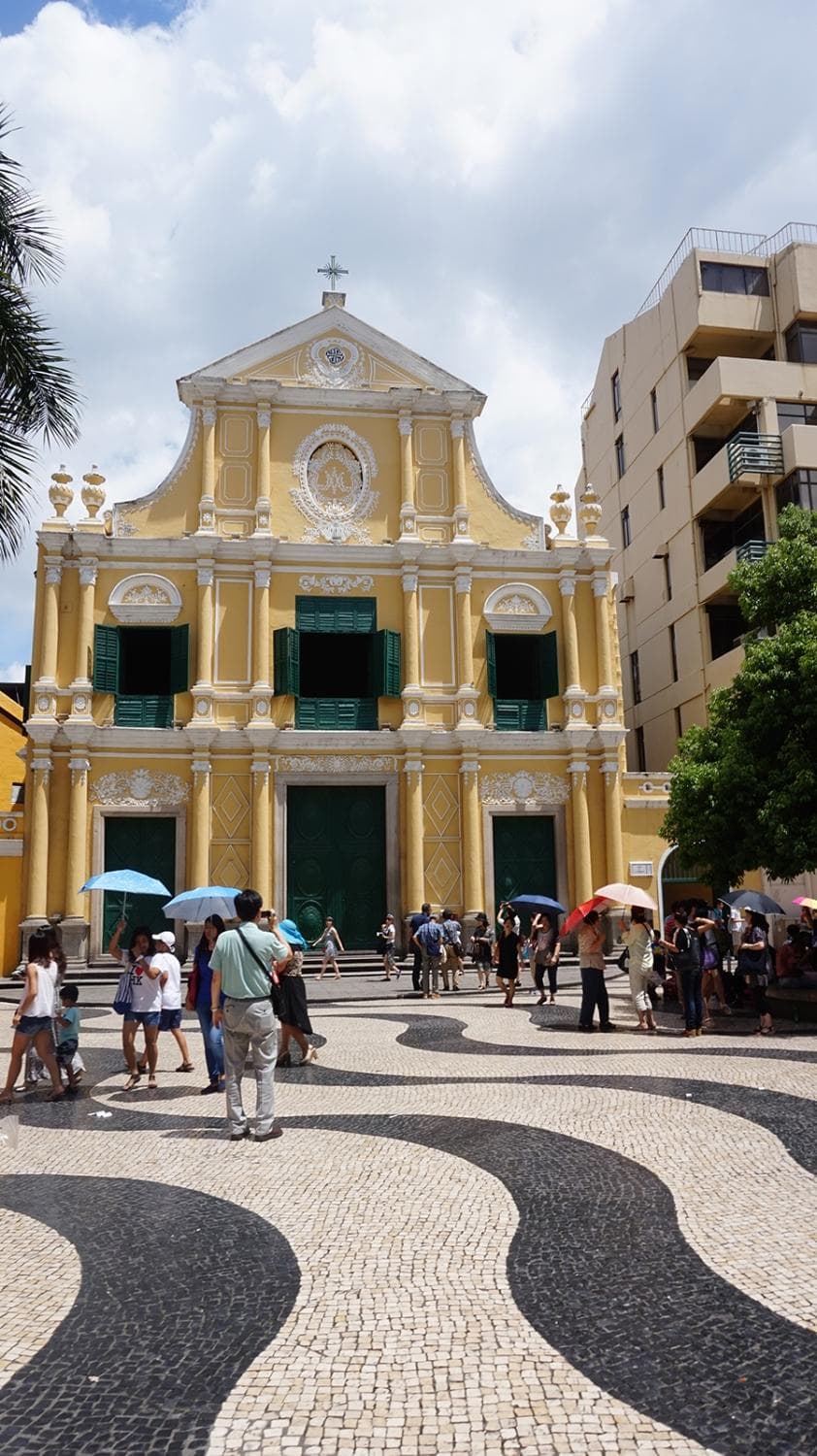
Located in Coloane Village, this historic church is a beautiful example of Portuguese colonial architecture and holds significant historical importance as one of the earliest churches built by the Portuguese.
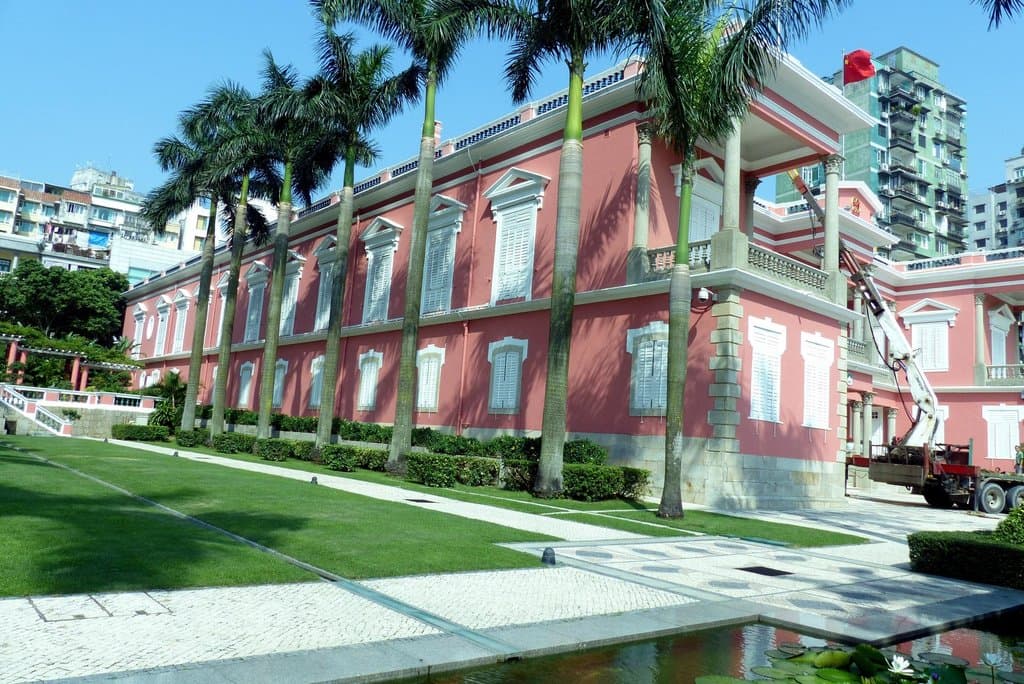
Many of Macau's former administrative buildings still stand, showcasing impressive Portuguese colonial architecture and serving as reminders of the city's governance during the colonial era.
Wander through the charming streets of Macau's old town center, where the Portuguese colonial influence is palpable in the architecture, street layout, and overall atmosphere.
Located at the base of the iconic Ruins of St. Paul's, this museum provides context and artifacts related to the history of the church and college, enhancing your understanding of the site.
Explore neighborhoods that were historically settled by Portuguese residents, characterized by their distinct architectural styles and a lingering sense of European charm.
Get lost in the enchanting streets of Macau's historic quarter, a UNESCO World Heritage site, where Portuguese colonial buildings and traditional Chinese elements create a unique cultural tapestry.
The bell tower of St. Joseph's Church is a prominent feature of the Macau skyline, showcasing Baroque architectural elements and adding to the historical ambiance of the area.
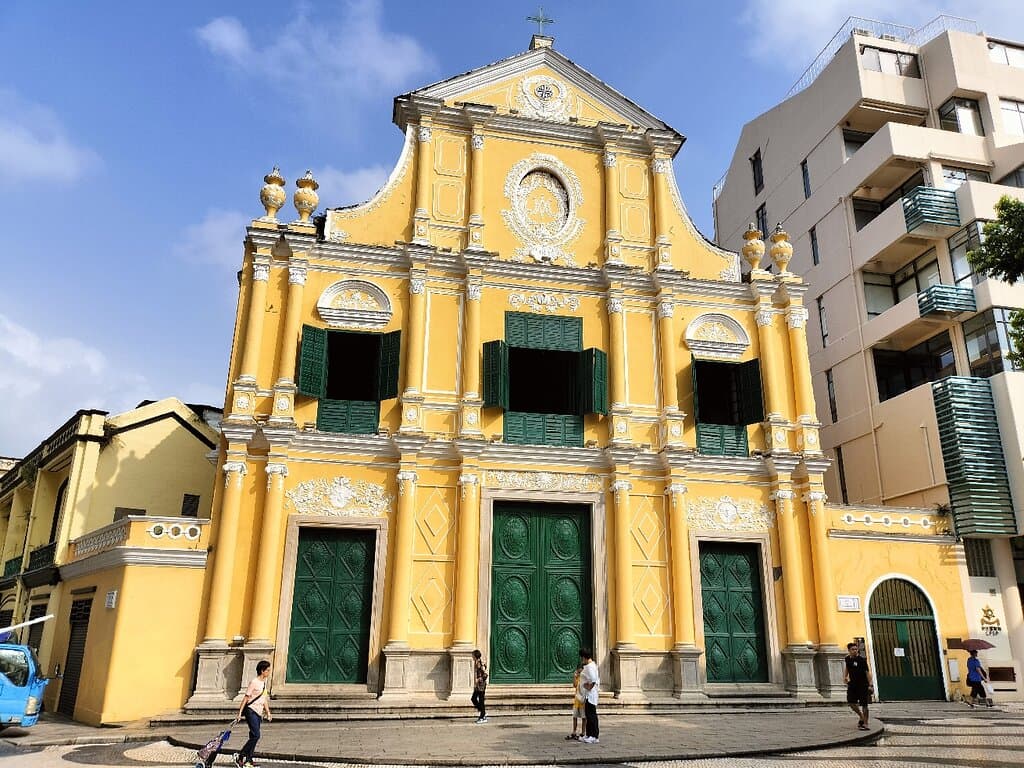
While many markets have modernized, some older structures in historic areas retain Portuguese architectural influences, offering a glimpse into past commercial life.