74 Best Photo Spots in Tokyo
Discover Tokyo's most photogenic spots, from the dazzling neon of Shibuya Crossing and Kabukicho to the serene beauty of Senso-ji Temple and traditional alleyways like Omoide Yokocho. Capture iconic landmarks like Tokyo Tower and Skytree from unique vantage points, explore modern architectural marvels, and find hidden gems for unforgettable photos. This curated list ensures you find the best cityscapes, street scenes, and cultural snapshots Tokyo has to offer.

See what's trending
We've done exactly what you would have done—spent hours scrolling through TikTok, Instagram, and Reddit to find the absolute best experiences. These 31 recommendations come from real travelers sharing their unfiltered takes, hidden gems, and insider secrets. No travel agency fluff, just the wisdom of people who've actually been there. This is how everyone really plans their trips these days.


Experience the iconic Shibuya Scramble Crossing, a mesmerizing pedestrian intersection that's a must-see for any Tokyo visitor. Capture the organized chaos from above for a truly unforgettable shot.
Tip: For the best views, head to the MAGNET by Shibuya 109 observation deck.

Step back in time in Omoide Yokocho, a narrow alleyway packed with tiny izakayas and smoky grills. It's a photographer's dream, especially at night when the lanterns cast a warm glow.
Tip: Visit in the evening for the most atmospheric lighting.
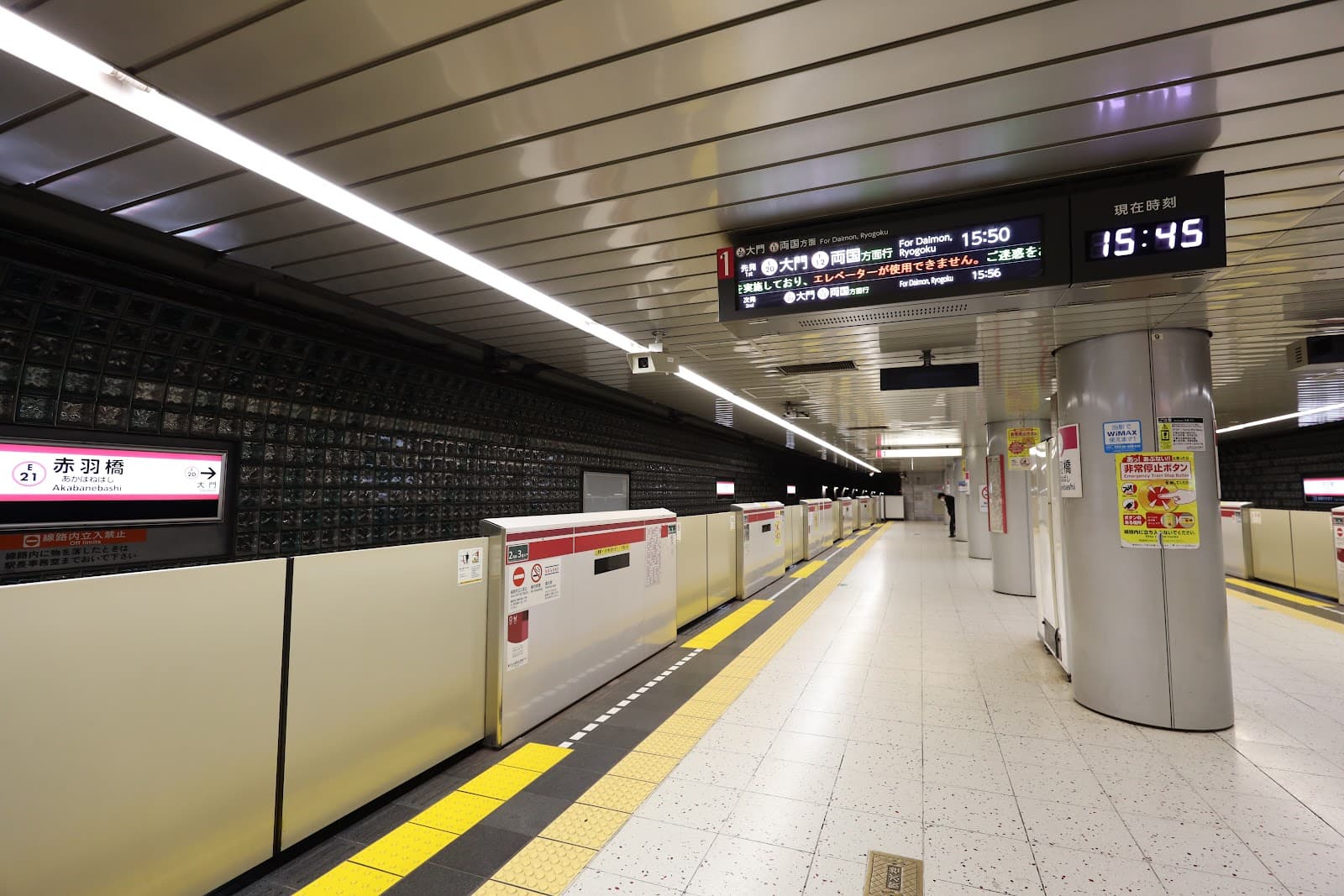
Capture a classic view of Tokyo Tower framed by the urban landscape. This spot offers a unique perspective, especially when the tower is illuminated at night.
Tip: Exit Akabanebashi Station and turn right; cross the road for the best vantage point.

Escape the city bustle in Shinjuku Gyoen, a sprawling oasis with diverse garden styles. It's a perfect spot for nature photography with its serene landscapes and seasonal blooms.
Tip: Allow at least 2-3 hours to explore all three garden styles.
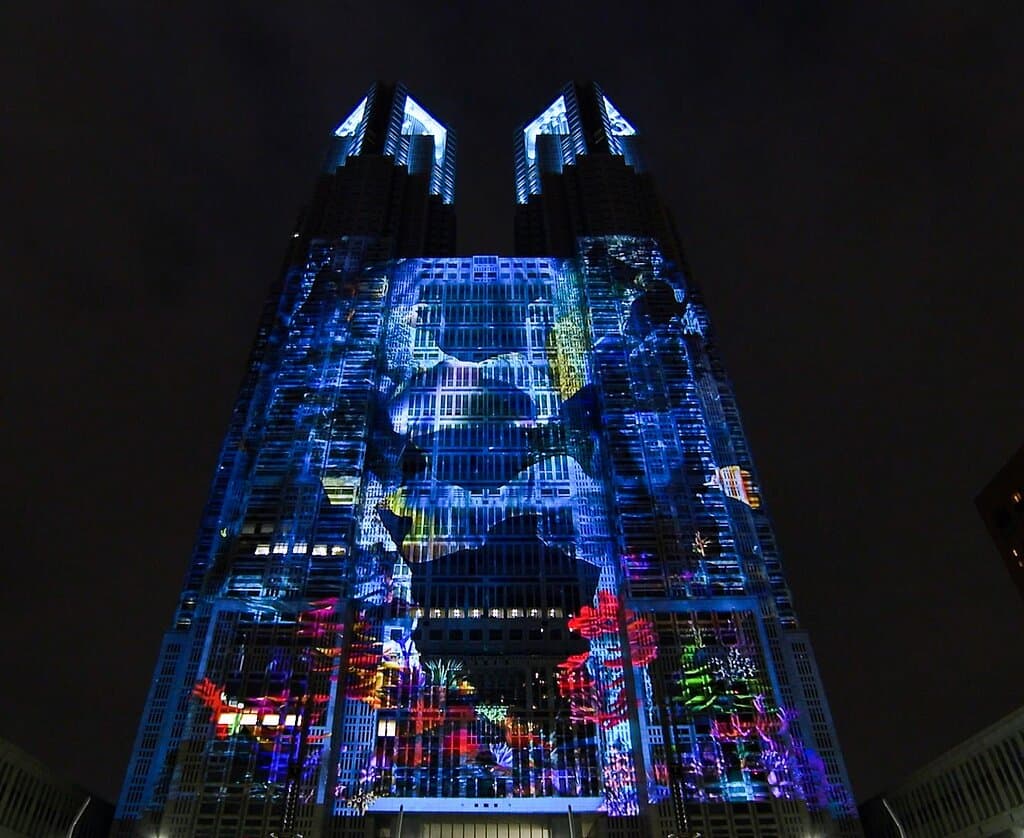
Soar to the observation decks of the Tokyo Metropolitan Government Building for breathtaking panoramic views of the city. On a clear day, you might even spot Mount Fuji!
Tip: The observation decks are free to enter and offer stunning vistas, especially at sunset.
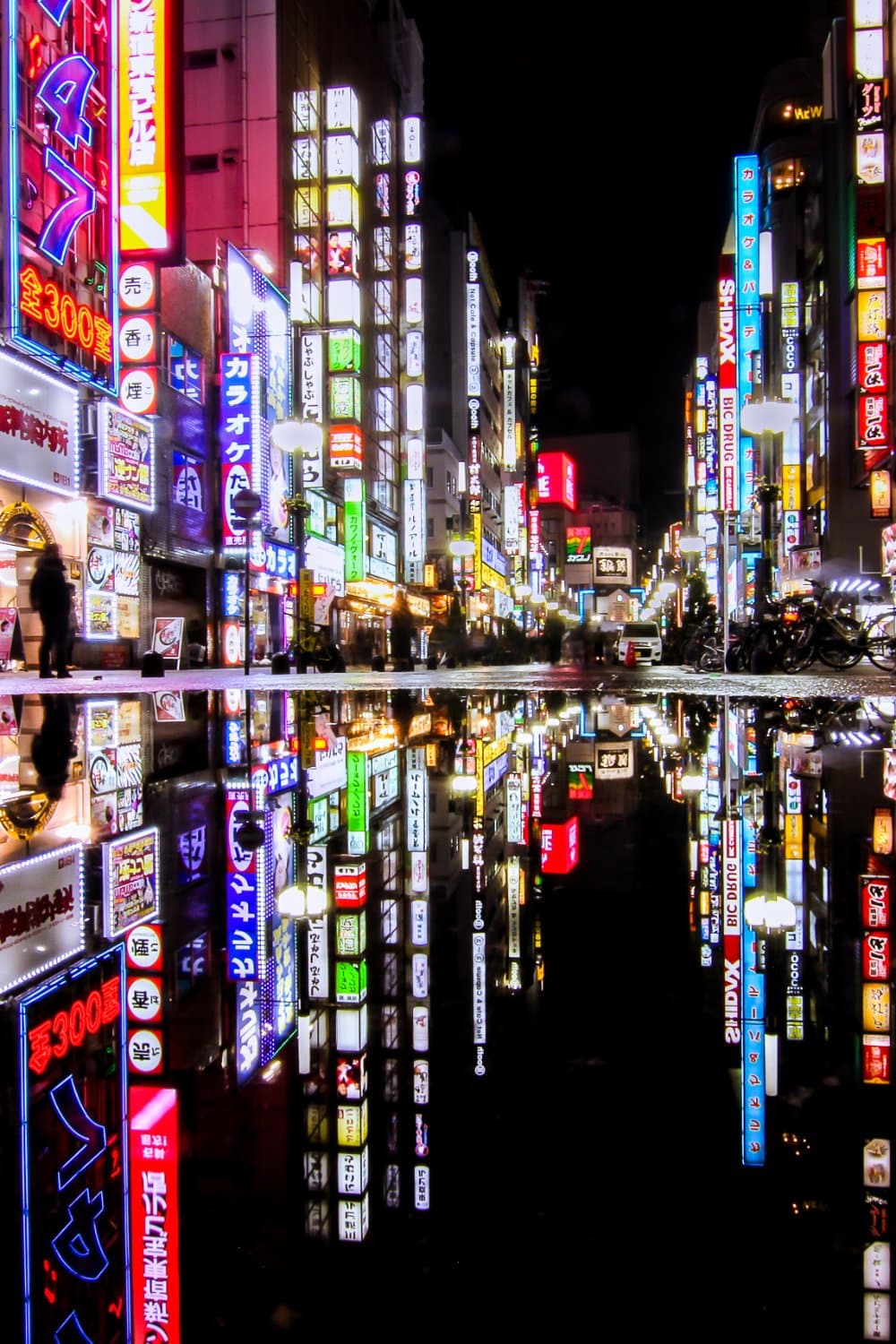
Immerse yourself in the dazzling neon lights of Kabukicho, Tokyo's entertainment district. This vibrant area is a cyberpunk photographer's paradise, especially on rainy nights.
Tip: Visit at night for the full effect of the vibrant signage and bustling atmosphere.

Get a bird's-eye view of Tokyo from Shibuya Sky, an open-air observation deck offering 360-degree vistas. It's an incredible spot for capturing the sprawling cityscape and iconic Shibuya Crossing.
Tip: Book tickets in advance, especially for sunset slots.

Explore Senso-ji, Tokyo's oldest temple, and its vibrant Nakamise-dori market. The iconic Kaminarimon Gate and the main temple hall offer stunning traditional Japanese photo opportunities.
Tip: Visit early in the morning to avoid the biggest crowds.
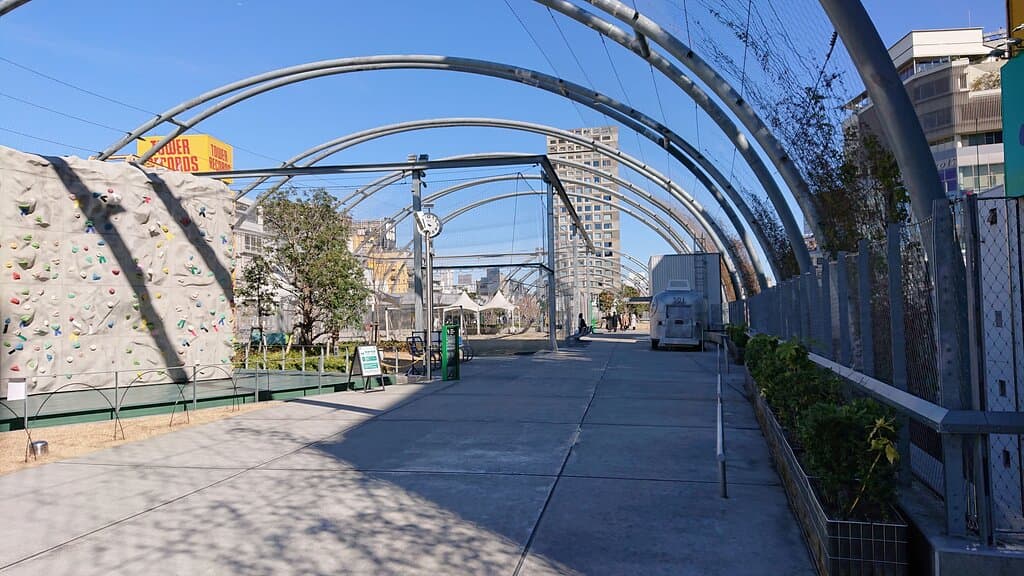
Discover Miyashita Park in Shibuya, a unique urban space with a rooftop park, skate park, and climbing walls. It offers a modern, vibrant backdrop for creative photography.
Tip: Explore the different levels of the park for varied photo perspectives.
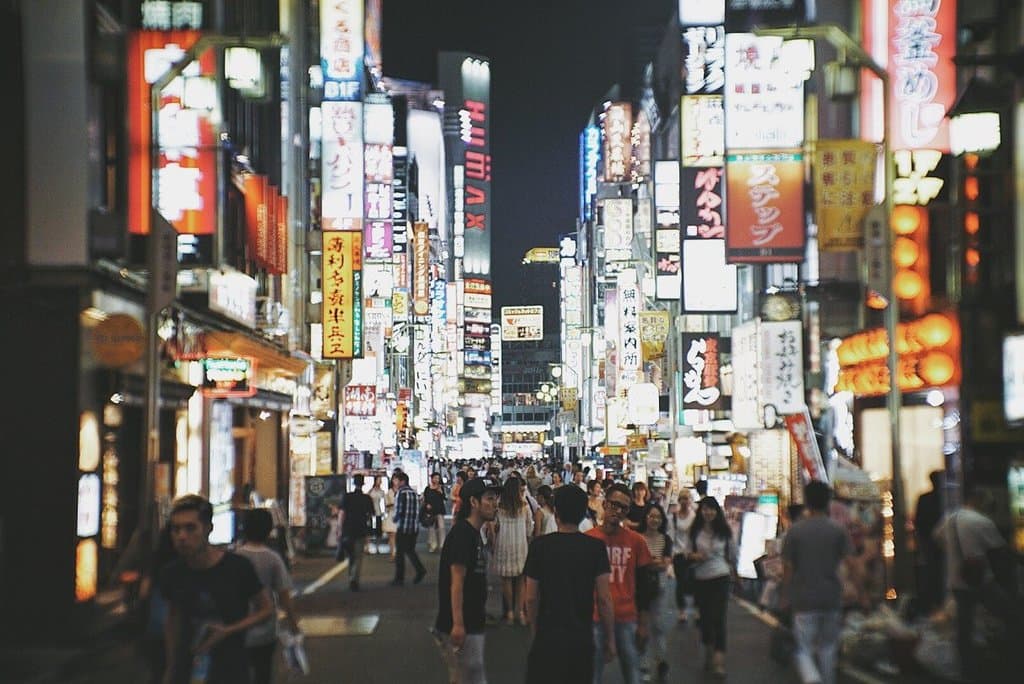
The exterior of the Yodobashi Camera building in Shinjuku is a popular spot for photographers, known for its bright lights and bustling atmosphere, especially at night.
Tip: Best photographed at night when the building's lights are most prominent.

Roppongi Hills offers a sophisticated urban landscape with its modern architecture and the Mori Art Museum. The Tokyo City View observation deck provides stunning cityscapes.
Tip: Consider visiting the Tokyo City View observation deck for excellent city photos.

Gaze up at the towering Tokyo Skytree, one of the world's tallest structures. Capture its impressive height from various vantage points around the city.
Tip: Find good vantage points from bridges like Azumabashi or areas near Kinshicho Station.

Discover the serene beauty of Hie Jinja Shrine, known for its vibrant red torii gates winding up a hillside. It offers a unique and picturesque contrast to the surrounding urban environment.
Tip: The path lined with torii gates is particularly photogenic.
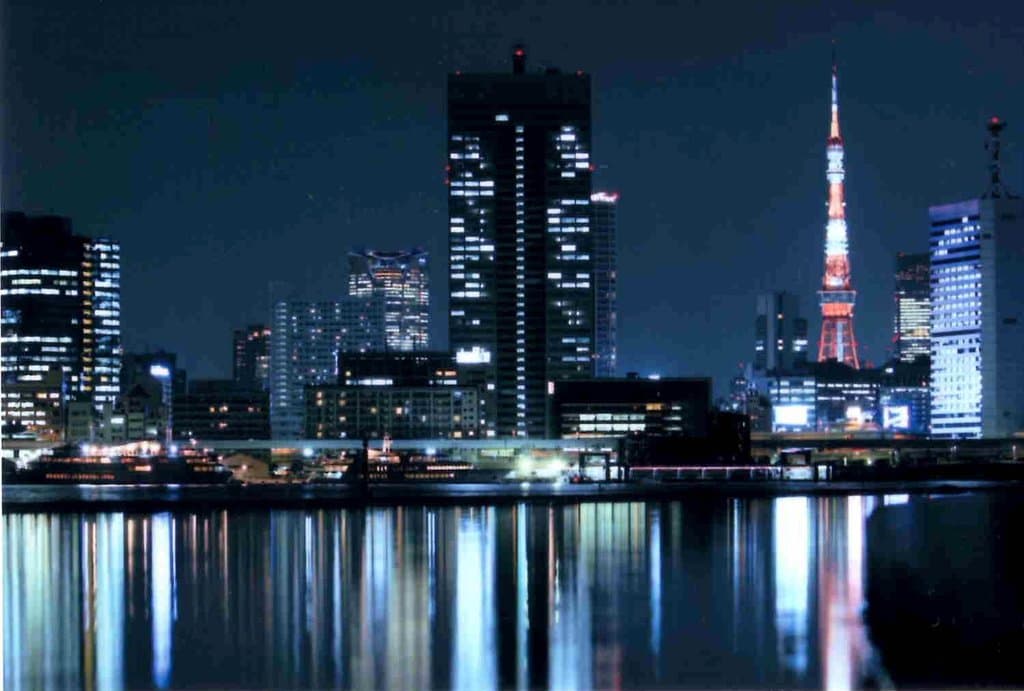
The Harumi Cruise Ship Terminal area offers unique perspectives of Tokyo Bay and the city skyline, providing a less common but rewarding photographic subject.
Tip: Explore the area around the terminal for different compositions.
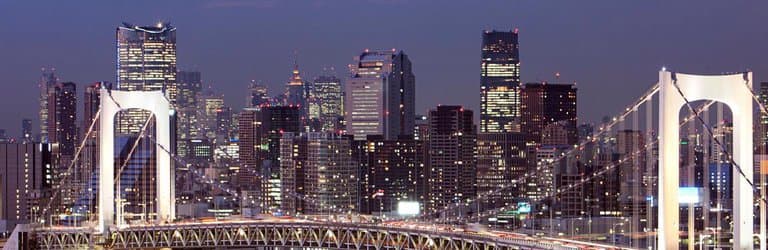
Walk or cycle across the Rainbow Bridge for stunning views of Tokyo Bay, Odaiba, and the city skyline. It's particularly magical at night when the bridge and surrounding lights illuminate the water.
Tip: The lower walkway offers great photo opportunities, especially for Odaiba.
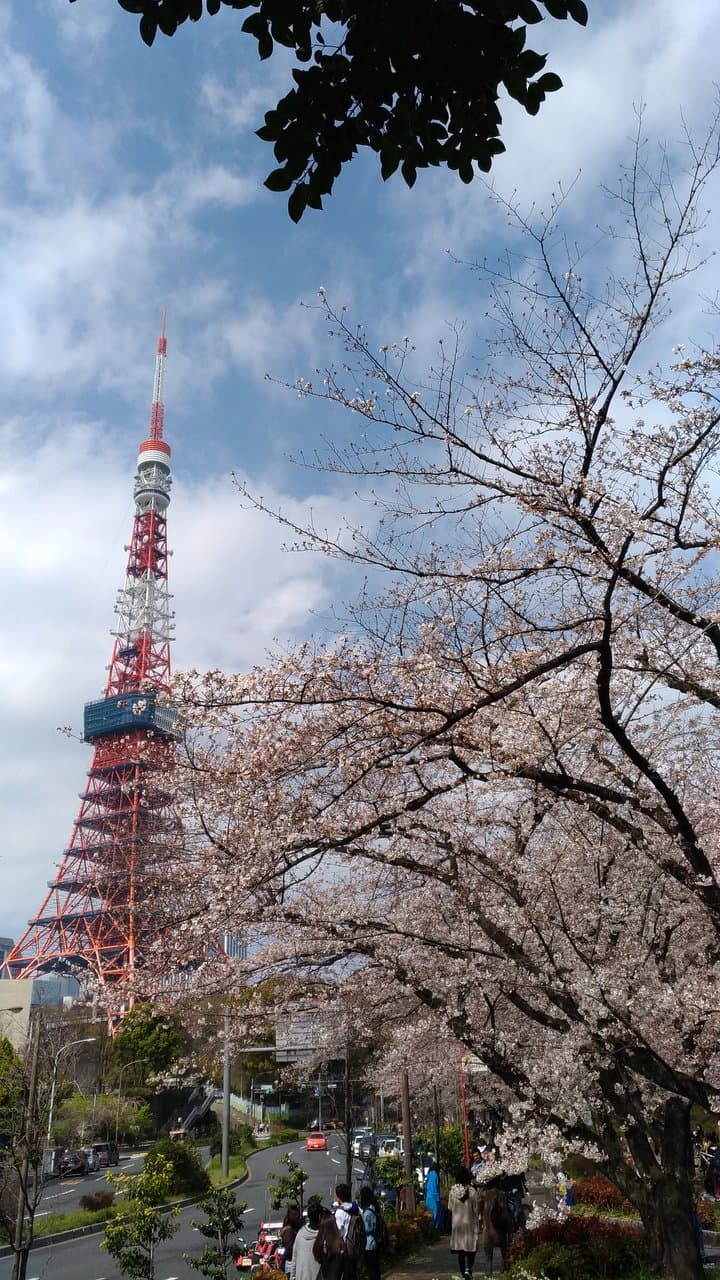
Shiba Park offers a tranquil green space with excellent views of Tokyo Tower, making it a popular spot for photographers looking for a classic city landmark shot.
Tip: Look for the specific spot marked as 'Shiba Park No. 18' for a great framing.
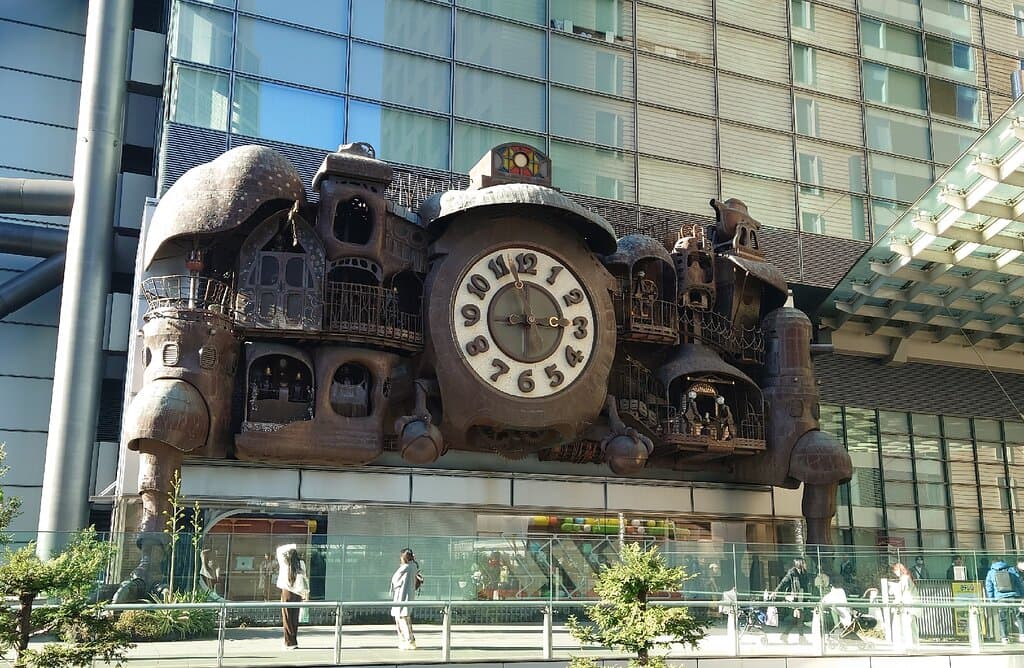
See the NTV Big Clock, a whimsical animated clock designed by Hayao Miyazaki. It puts on a show at specific times, offering a fun and unique photo opportunity.
Tip: Check the schedule for the clock's performance times.
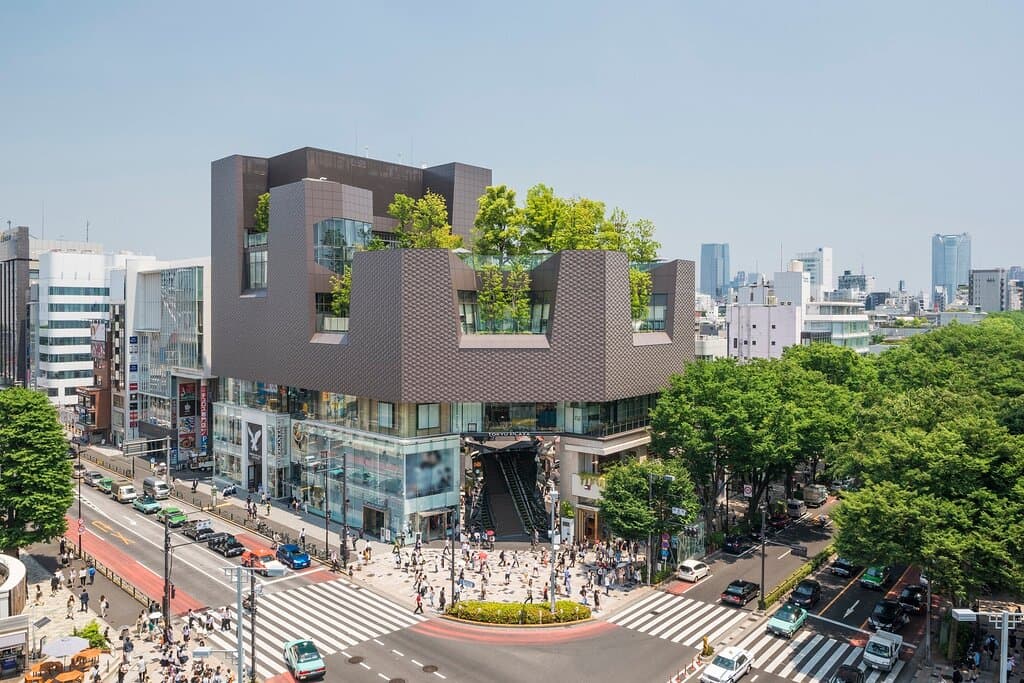
The iconic mirrored entrance of Tokyu Plaza Omotesando Harajuku is a visually striking spot, offering unique reflections and a modern architectural aesthetic.
Tip: The Starbucks on the 2nd floor offers a good vantage point for photos of the entrance.

While a cat cafe, the unique ambiance and the opportunity to photograph adorable felines in a quirky setting make it a notable spot for those seeking something different.
Tip: Check individual cafe policies regarding photography.

The area around Shiinamachi Station is noted for its charming, lantern-lit izakayas, offering a more local and less crowded alternative to Omoide Yokocho for atmospheric shots.
Tip: Explore the small streets radiating from the station.

The 24th floor of Izumi Garden Tower in Roppongi Icchome provides a less-known but excellent vantage point for city views, offering a unique perspective of the Tokyo skyline.
Tip: Accessible via the elevators; the 24th floor offers great photo opportunities.
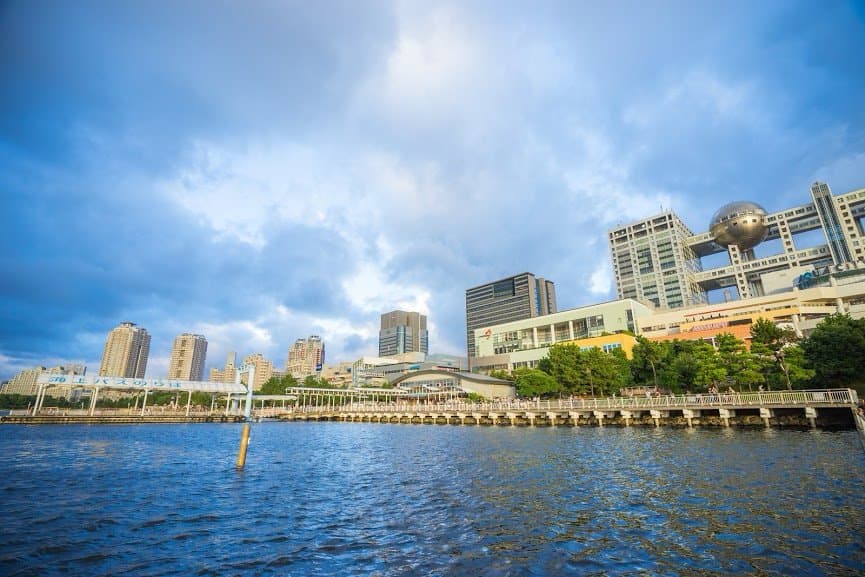
Odaiba, a man-made island in Tokyo Bay, offers futuristic architecture, entertainment, and fantastic views of the Rainbow Bridge and Tokyo skyline, especially at night.
Tip: The area to the right of DiverCity (towards the Big Site) provides good skyline views.

The Tokyo Opera City Building offers high-level views of the city, with potential for great cityscape photography from its upper floors, possibly including restaurants or cafes.
Tip: Check for accessible cafes or restaurants on higher floors.
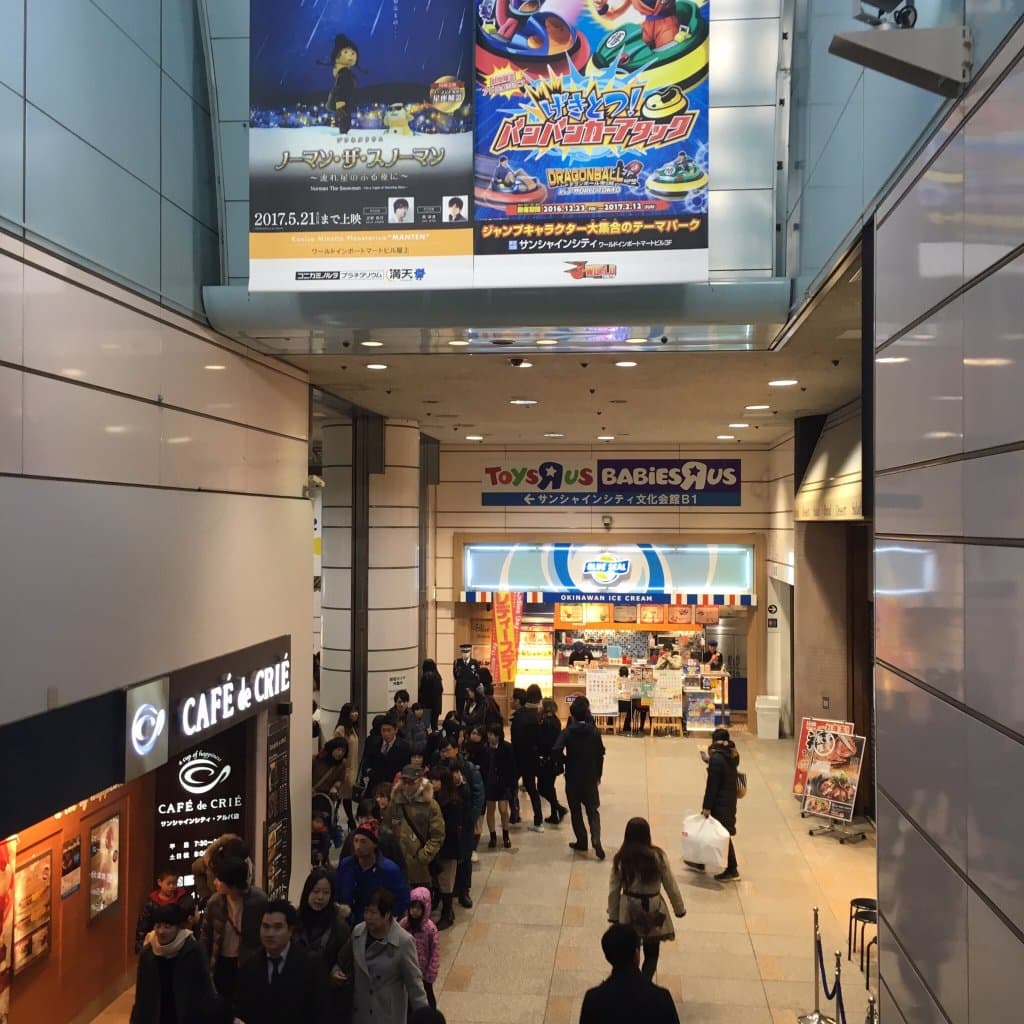
Sunshine City in Ikebukuro is a large complex with observation decks that provide elevated views of the city, making it a potential spot for cityscape photography.
Tip: Explore the various levels for different photographic perspectives.
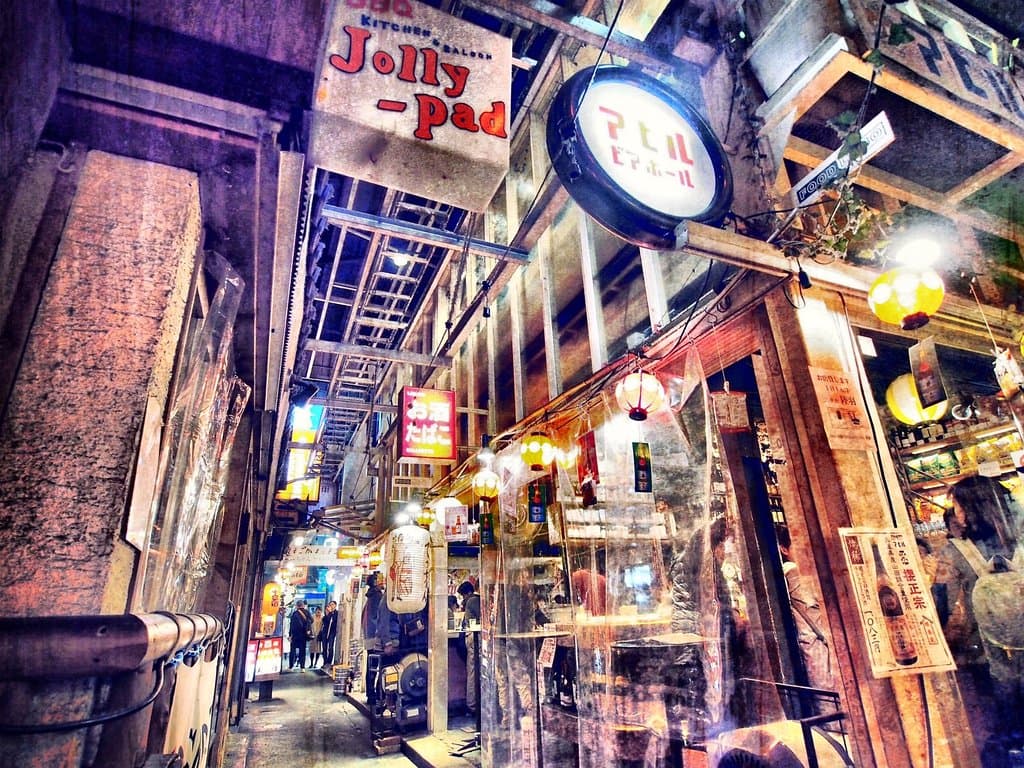
Explore Hamoniya Yokocho near Kichijoji Station, a labyrinthine alleyway packed with tiny bars and eateries. Its atmospheric charm and unique storefronts make it incredibly photogenic.
Tip: Best explored on foot to discover hidden details.
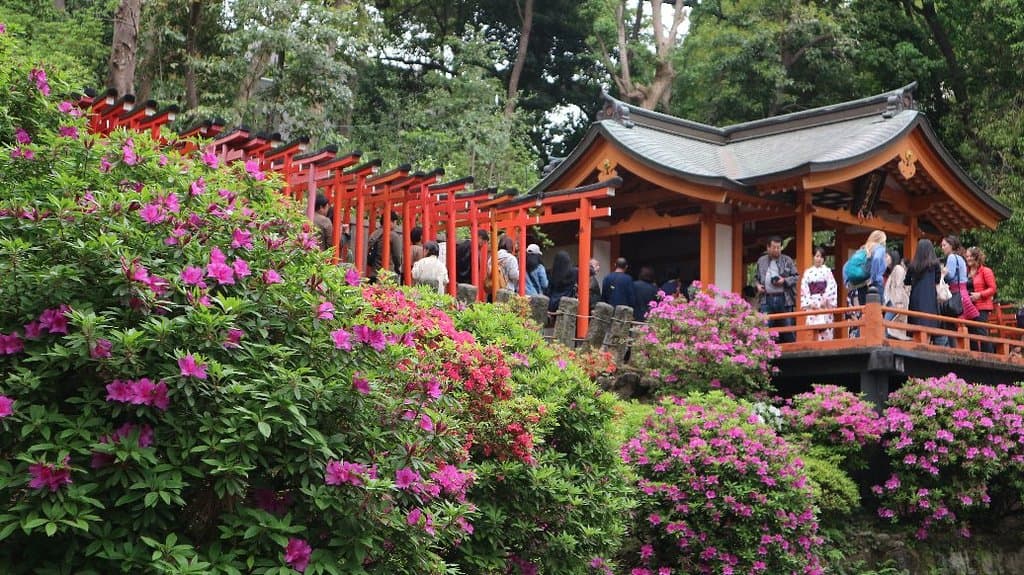
Wander through the Yanaka district, one of Tokyo's few surviving old town areas. Its traditional streets, temples, and local shops offer a glimpse into a bygone era, perfect for atmospheric shots.
Tip: Explore Yanaka Ginza shopping street for local life and unique finds.

The banks of the Arakawa River offer excellent, unobstructed views of the Tokyo Skytree, providing a great spot for capturing the iconic structure against the city skyline.
Tip: Consider using a tripod for longer exposures, especially at dusk.

The areas beneath the Shutoko Expressway can offer gritty, urban textures and dramatic lighting, appealing to photographers looking for industrial or abstract cityscapes.
Tip: Look for interesting patterns of light and shadow.

For a unique photographic challenge, capture the energy of the Yamanote Line during morning rush hour. The close-up views of commuters offer a dynamic slice of Tokyo life.
Tip: Position yourself near the exit for the best view of people boarding.

The small streets south of Sangenjaya Station are brimming with unique bar entrances and graffiti, offering a gritty and authentic urban photography experience away from the main tourist paths.
Tip: Wander the narrow alleys to discover hidden gems.
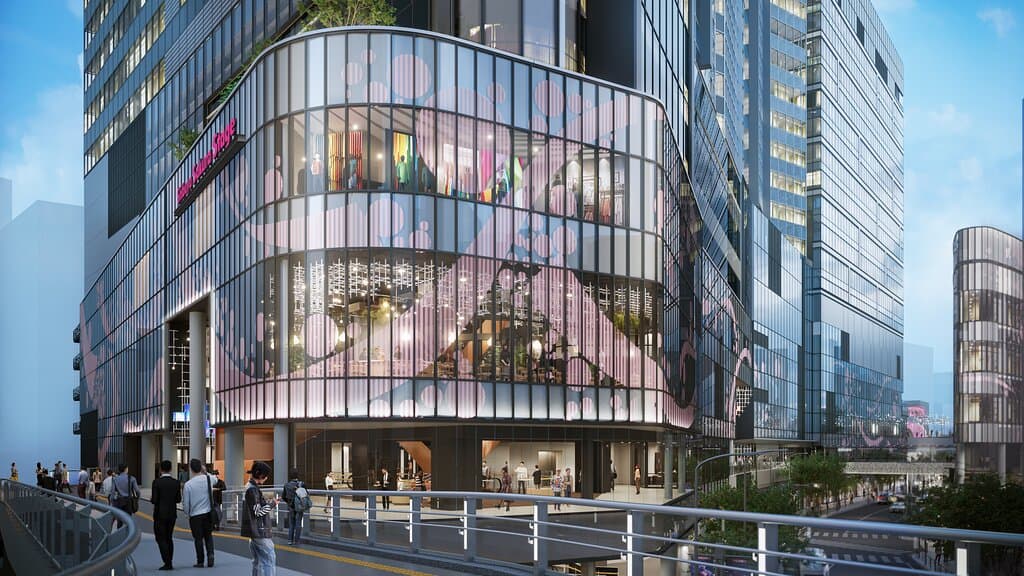
Shibuya Sakura Stage, located near Shibuya Station, is a modern complex featuring art installations and vibrant spaces, making it a contemporary and visually interesting photo spot.
Tip: Explore the mall for various art pieces and unique architectural elements.
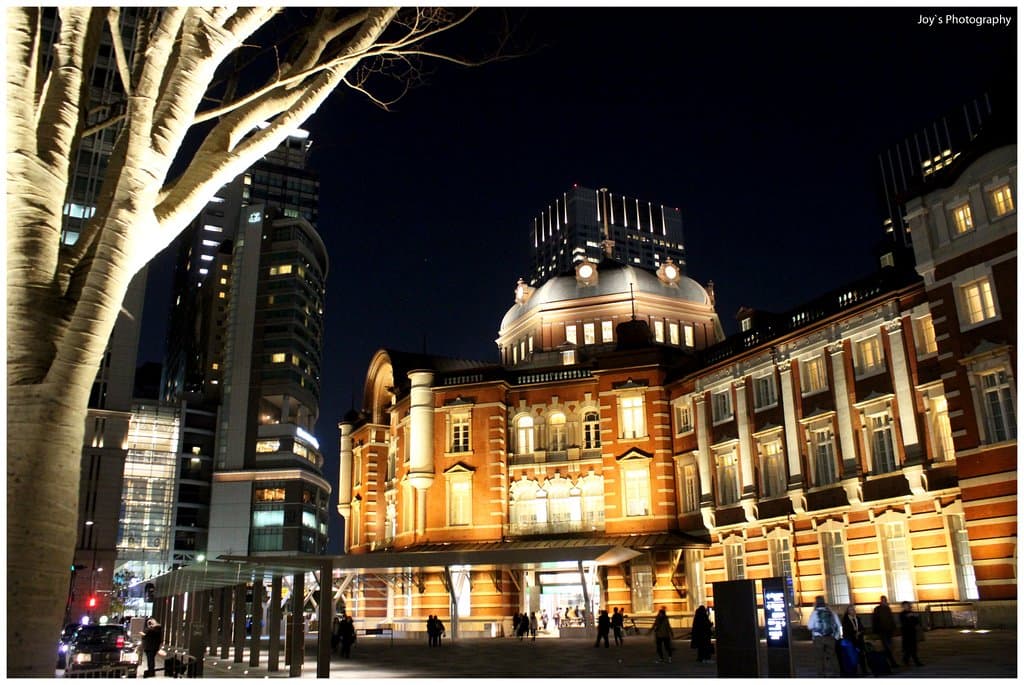
The grand Marunouchi Station Square in front of Tokyo Station provides a stunning backdrop with its historic red-brick facade, especially when illuminated at night.
Tip: The station building itself is a beautiful subject, especially at dusk.
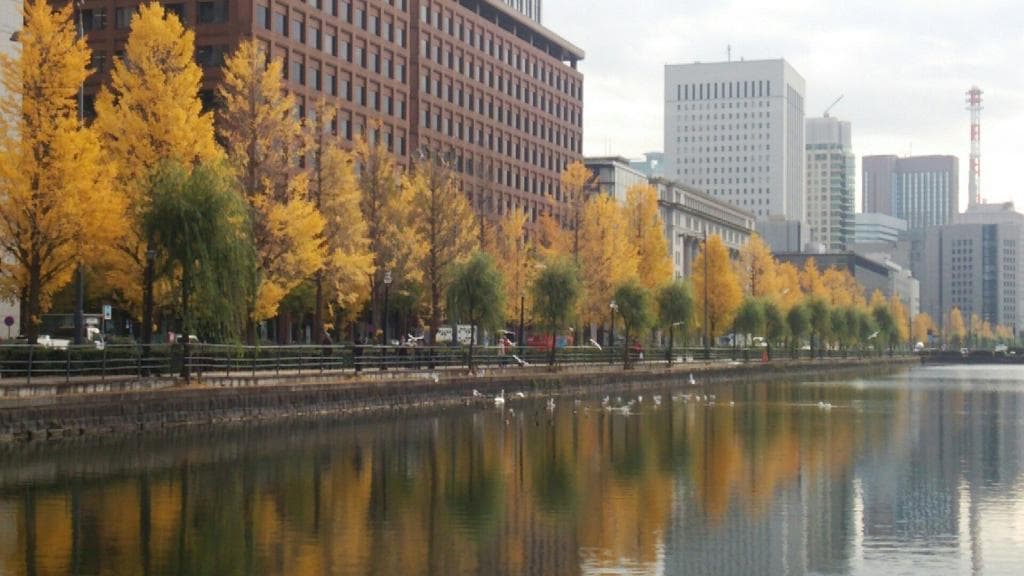
The Nijubashi Bridge within Kokkyo Gaien National Garden offers a classic, picturesque view of the Imperial Palace grounds, a symbol of Japan's imperial history.
Tip: Best photographed from the plaza in front of the bridge.
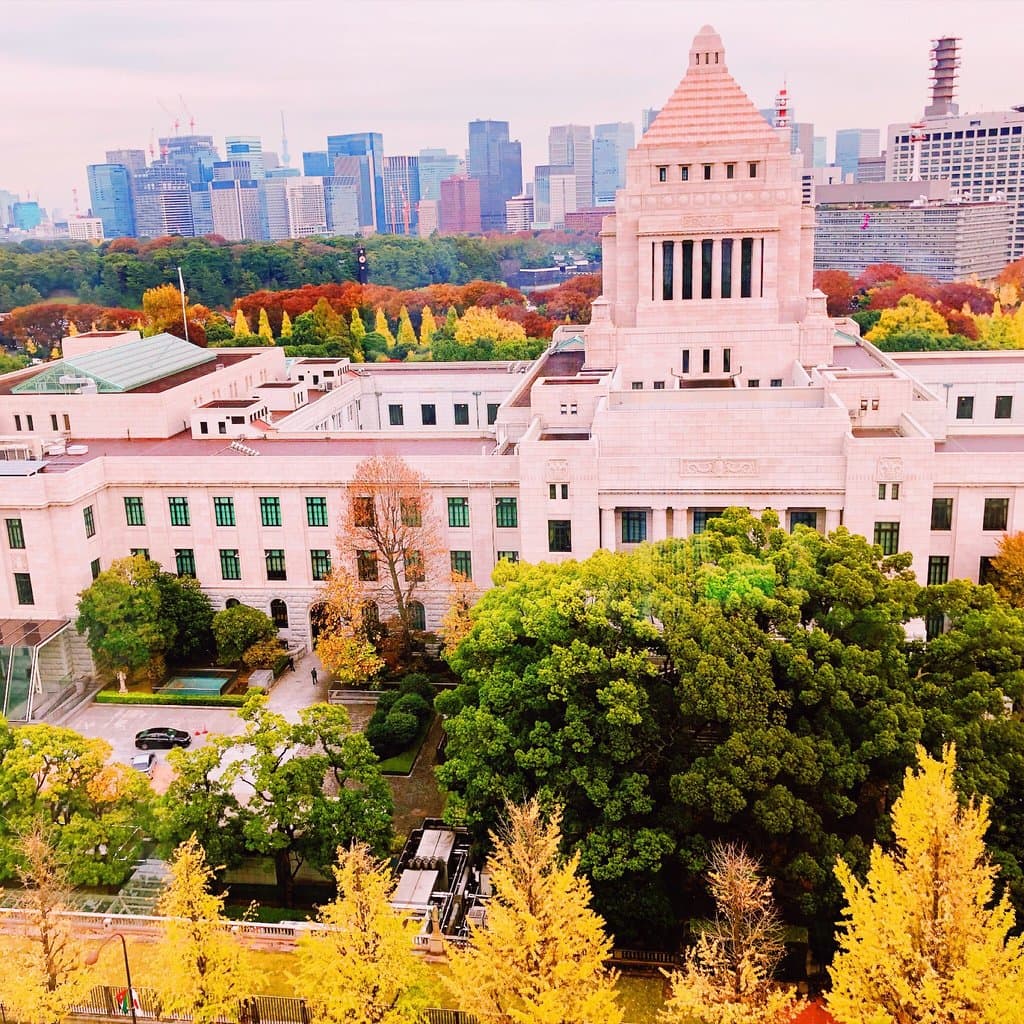
The imposing National Diet Building, with its distinctive architecture, provides a stately and impressive subject for photographers interested in government buildings and urban landmarks.
Tip: The building is impressive from various angles around the surrounding park.
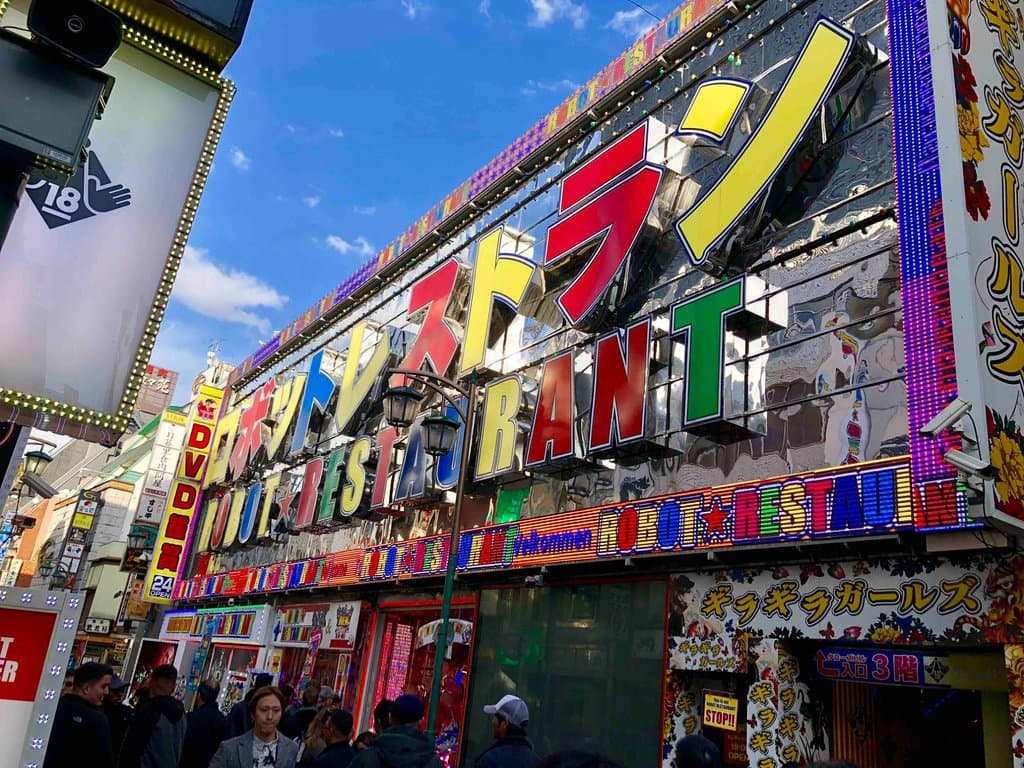
Central Road in Shinjuku is a bustling thoroughfare filled with shops, restaurants, and vibrant signage, offering a lively urban scene for street photography.
Tip: Capture the energy of the street, especially during peak hours.

Located in Ichikawa, Chiba, the I-Link Town Observatory offers a unique and less-crowded panoramic view of the Tokyo skyline, providing a different perspective than central Tokyo spots.
Tip: This spot provides a distant but expansive view of the Tokyo metropolis.

The Kawasaki Industrial Area is renowned for its striking night views, with factory lights creating a dramatic and almost otherworldly landscape, especially on clear winter evenings when Fuji-san might be visible.
Tip: Consider organized tours for the best experience and access.

Shimokitazawa is a trendy neighborhood known for its vintage shops, independent boutiques, and bohemian atmosphere. Its narrow streets and unique storefronts are a photographer's delight.
Tip: Explore the backstreets for hidden cafes and unique street art.

The pier in Sakuragicho offers picturesque views, including a Ferris wheel, making it a charming spot for photography, especially for capturing waterfront scenes.
Tip: Good for capturing evening or night shots with the illuminated Ferris wheel.

The back alleys around Monzen-Nakacho can reveal hidden shrines, traditional shops, and quiet street scenes, offering a more intimate and less-photographed side of Tokyo.
Tip: Explore these alleys for a sense of local life and quiet charm.
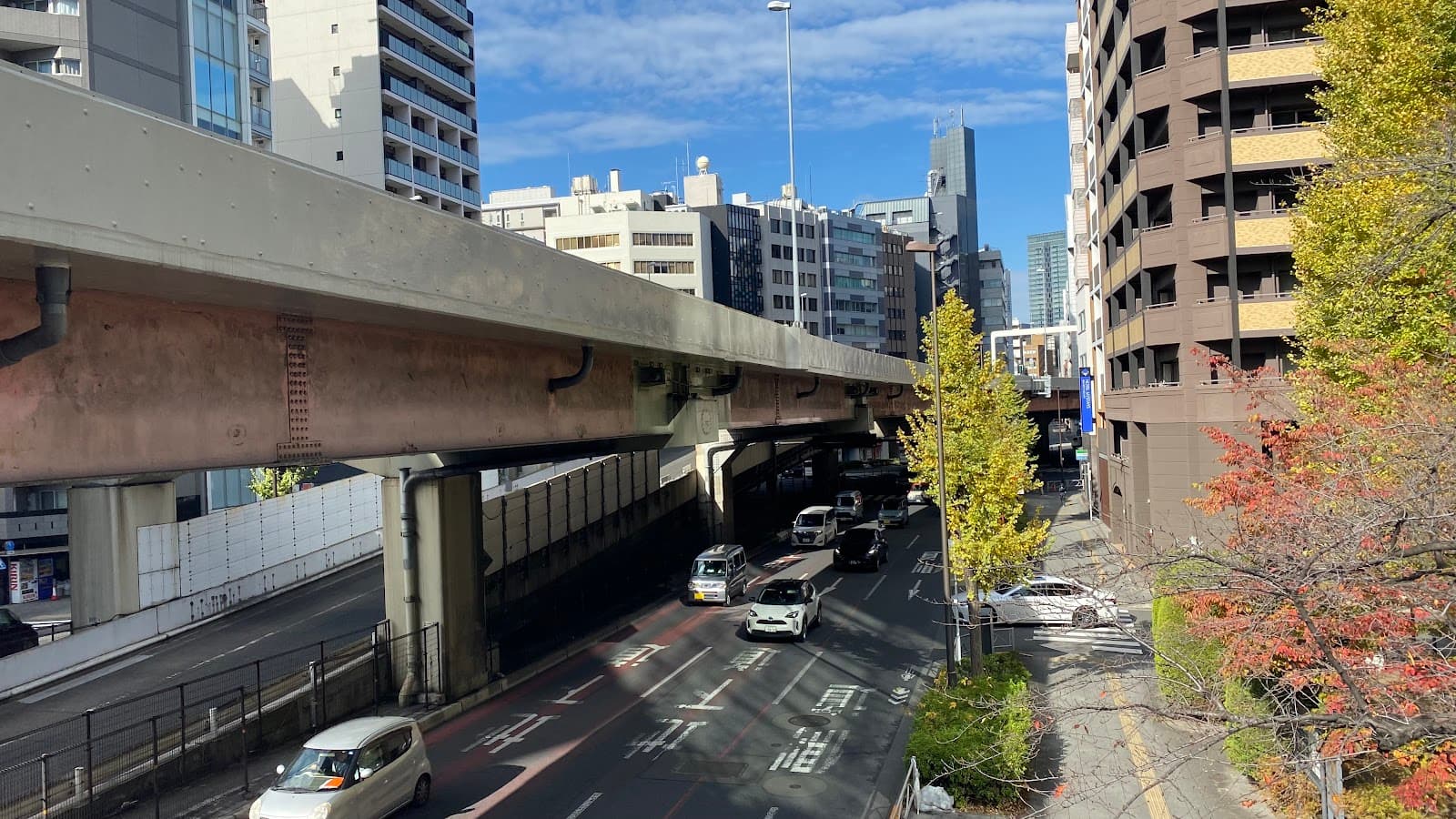
The Kanda area, including Nishi-Kanda, Kanda Nishikicho, and Kanda Tacho, offers a mix of old and new, with traditional buildings and bustling streets that can provide interesting photographic compositions.
Tip: Look for the contrast between traditional architecture and modern city life.
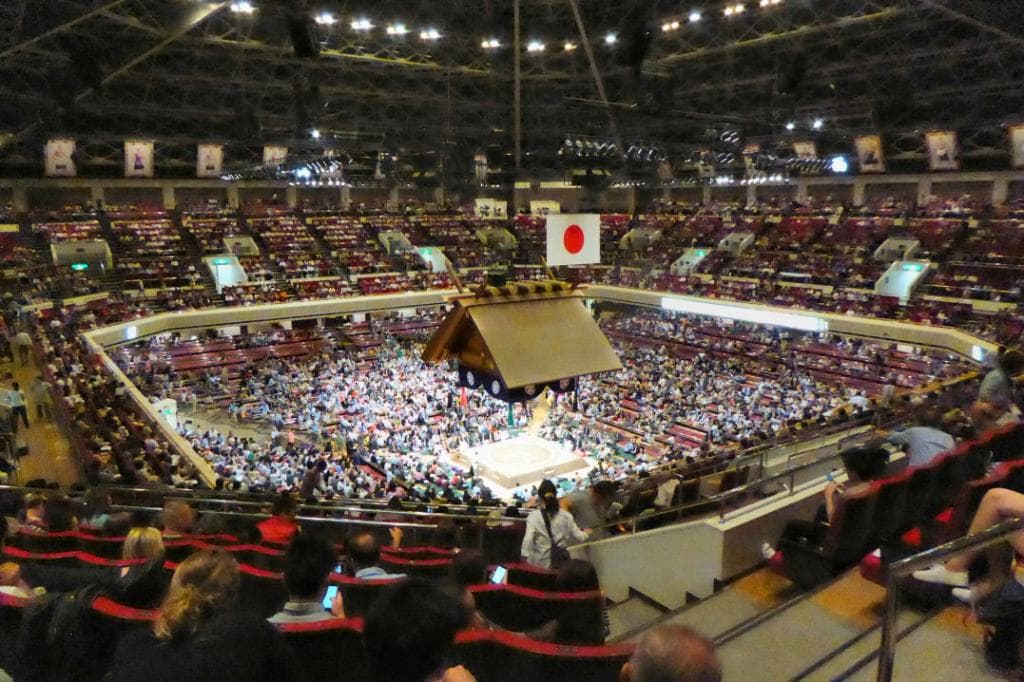
The Kokugikan is the sumo stadium, an iconic venue that represents a significant aspect of Japanese culture. Photographing its exterior or surrounding area can be a unique cultural shot.
Tip: Consider visiting during a sumo tournament for added atmosphere (if timing allows).

While often referred to humorously, the Umeda Sky Building's unique 'Floating Garden Observatory' offers striking architectural lines and city views, making it a distinctive photo spot.
Tip: The observatory offers panoramic views of Osaka, not Tokyo.

Maid cafes are a unique Tokyo subculture experience. While not a traditional photo spot, they offer a quirky and colorful subject for those interested in capturing niche aspects of Japanese pop culture.
Tip: Be mindful of cafe policies regarding photography, especially of staff.

This specific staircase near the Tokyo Tower parking lot offers a unique, slightly elevated perspective for capturing the iconic tower, often with fewer crowds than other popular spots.
Tip: Look for the staircase that provides a clear view of Tokyo Tower.
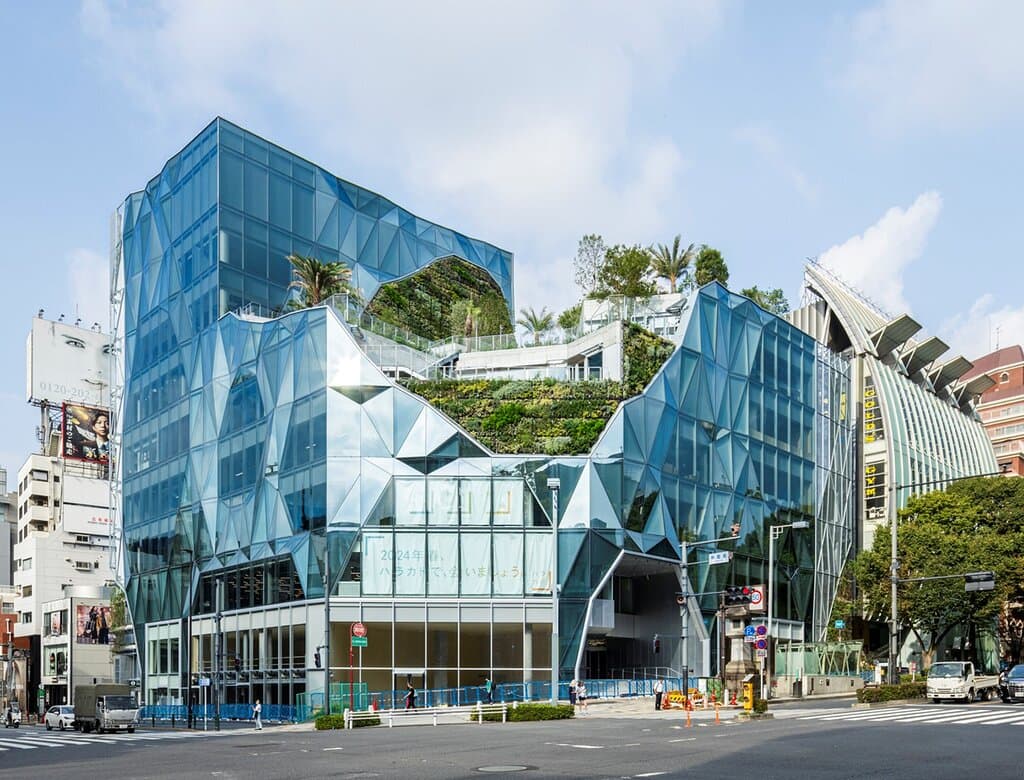
Harakado is a new landmark building in Harajuku, featuring a unique rooftop garden carved into the structure itself. Its modern design and green spaces offer interesting photographic possibilities.
Tip: Explore the rooftop for unique perspectives and architectural details.
Central Road in Kabukicho is a vibrant artery filled with dazzling neon signs and bustling activity, offering a quintessential Tokyo nightlife photography experience.
Tip: Best experienced and photographed after dark.
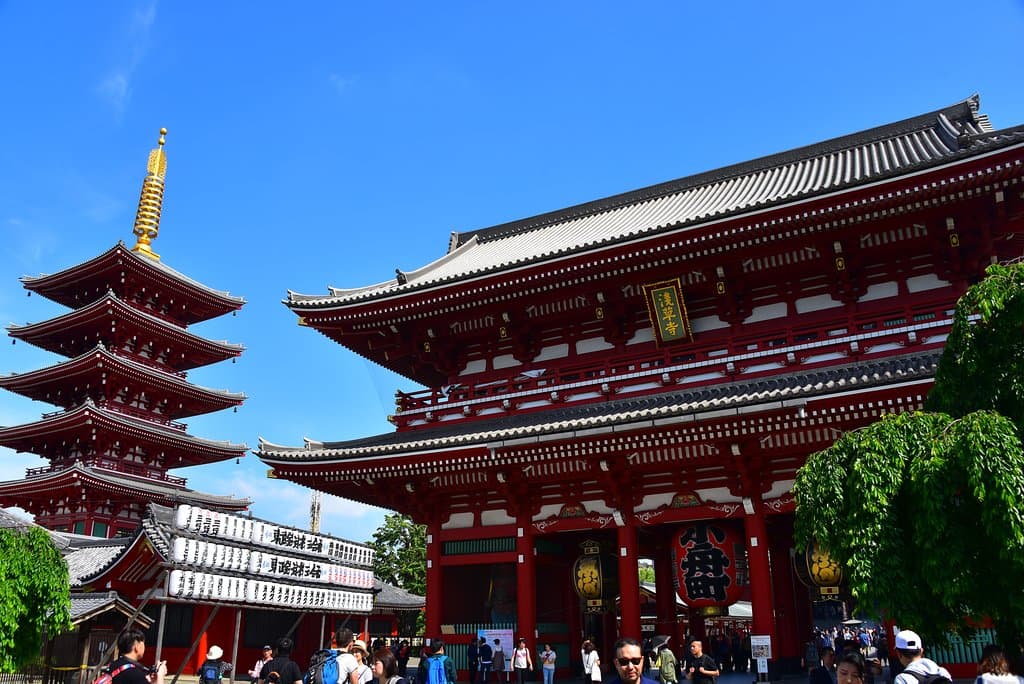
Asakusa, home to Senso-ji Temple, offers a blend of traditional charm and bustling street life. The Nakamise-dori market leading to the temple is a vibrant scene for capturing local culture.
Tip: Capture the energy of the market stalls and the iconic temple gate.
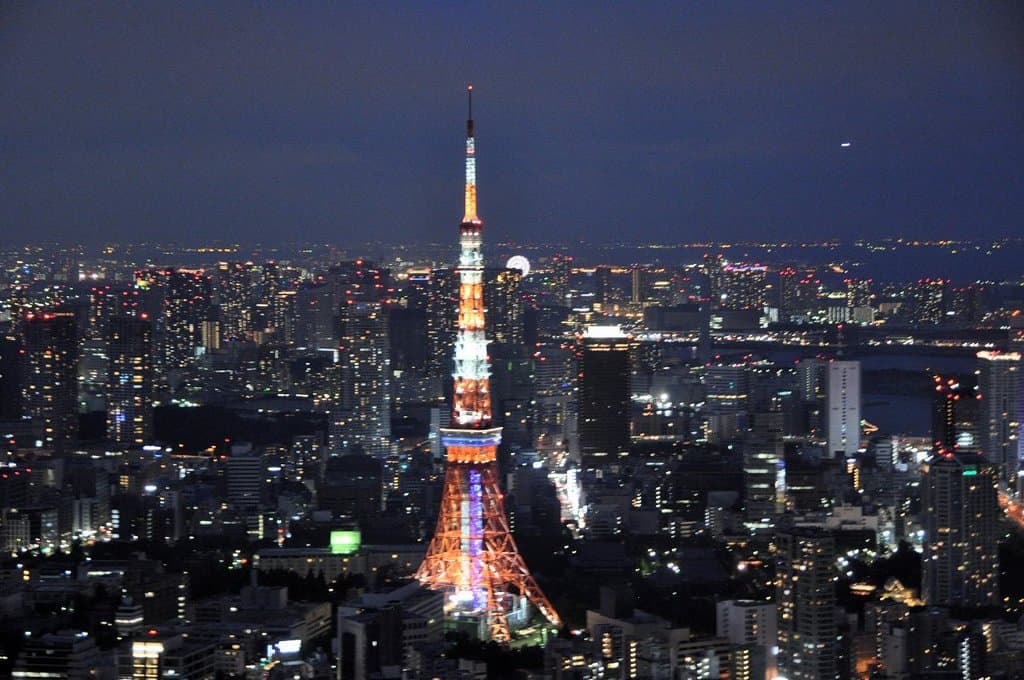
Roppongi is known for its nightlife and modern architecture, including the Roppongi Hills complex. It offers a sophisticated urban backdrop for photography, especially at night.
Tip: The area around Roppongi Hills provides excellent city views.

Kinshicho Station is highlighted as a prime location for capturing excellent photos of the Tokyo Skytree, offering a different perspective than closer viewpoints.
Tip: Explore the area around the station for the best framing of the Skytree.

This specific location in Higashiazabu is noted for providing a great view and photo opportunity of Tokyo Tower, often with fewer people than more famous spots.
Tip: Use the Google Maps pin provided to find this specific spot.

Nishi-shinjuku is home to the Tokyo Metropolitan Government Building, offering access to observation decks with panoramic city views, ideal for capturing the vastness of Tokyo.
Tip: Combine your visit with exploring the surrounding skyscrapers.
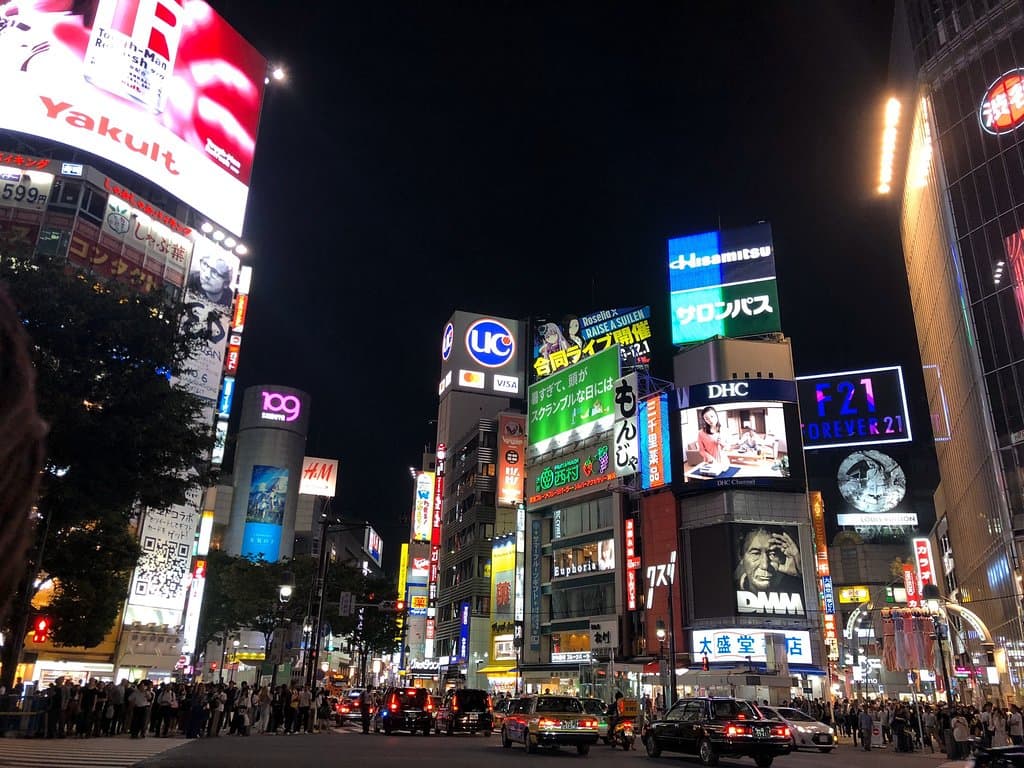
Shibuya Center-gai, located in Dogenzaka, is a bustling pedestrian street filled with shops, restaurants, and vibrant energy, perfect for capturing the lively atmosphere of Shibuya.
Tip: Experience the street's lively atmosphere, especially in the evening.

Meiji Shrine, dedicated to Emperor Meiji and Empress Shoken, is a peaceful oasis surrounded by a forest. Its serene atmosphere and traditional architecture offer a contrast to the city's hustle.
Tip: Walk through the large torii gate and explore the tranquil forest paths.
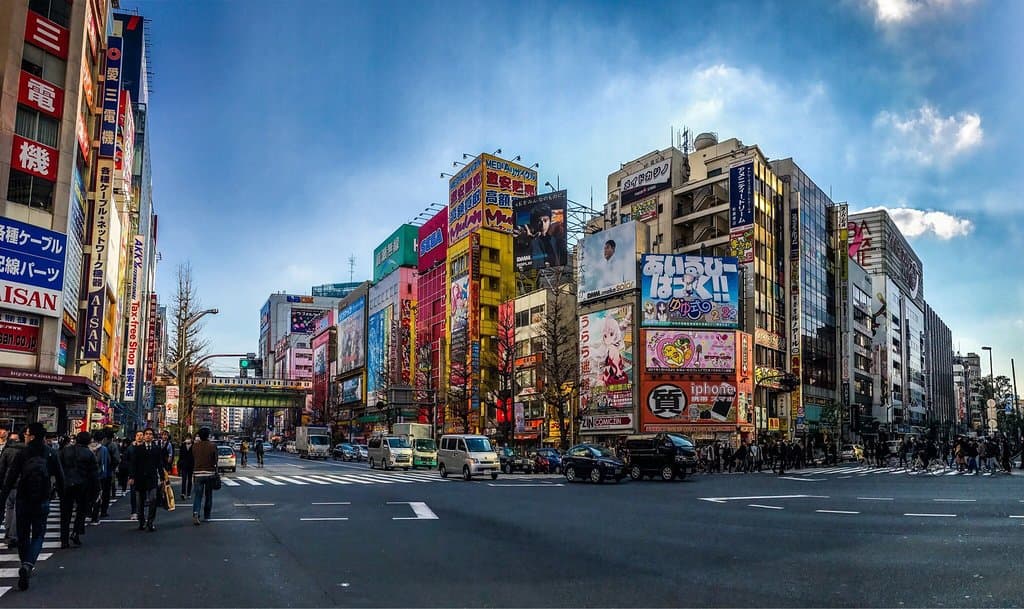
Akihabara, the electric town, is a vibrant hub for anime, manga, and electronics. Its streets are lined with colorful billboards and bustling shops, offering a unique visual experience.
Tip: Capture the overwhelming sensory experience of the area's signage and energy.
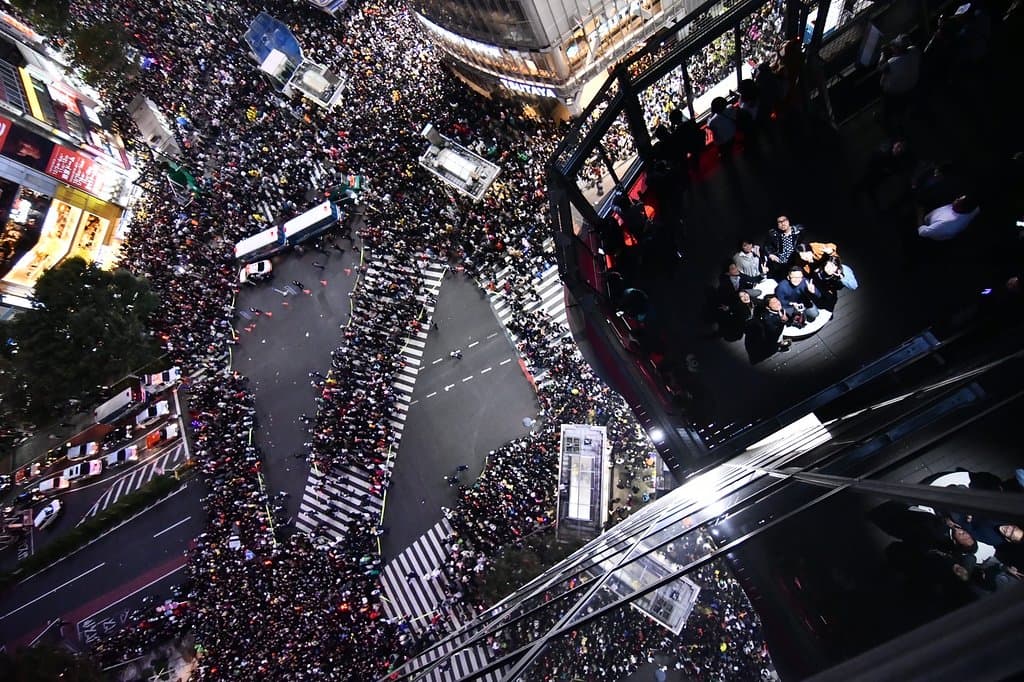
MAGNET by Shibuya 109 features an observation deck that provides an excellent, affordable view of the Shibuya Scramble Crossing, making it a popular and accessible photo spot.
Tip: The 'Crossing View' area offers a great perspective.

Tokyo Tower, inspired by the Eiffel Tower, is an iconic landmark. Capture its distinctive orange and white structure against the city skyline, especially when illuminated at night.
Tip: Various spots offer different perspectives; explore to find your favorite.
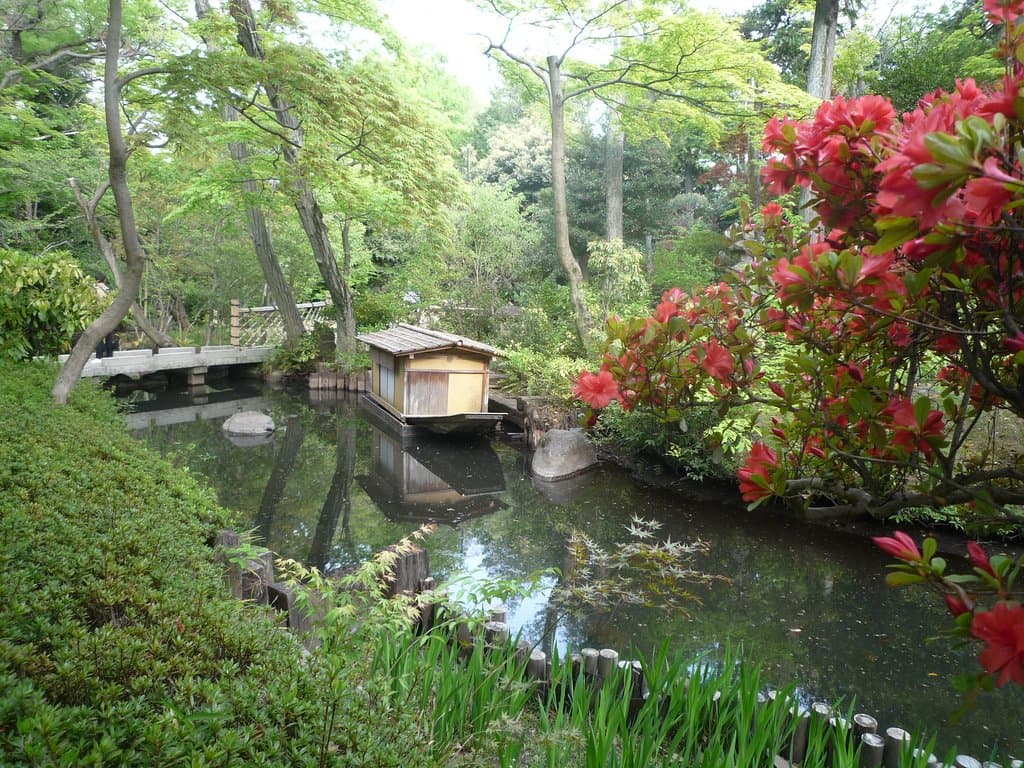
The Nezu Museum boasts a stunning traditional Japanese garden, complete with teahouses and a pond. It's a tranquil escape and a beautiful setting for photography.
Tip: The garden is particularly beautiful during cherry blossom season or autumn.

The NTV Big Clock in front of the NTV Tower is a kinetic sculpture that comes alive with movement and music at set times, offering a whimsical and unique photo opportunity.
Tip: Check the schedule for the clock's performances.
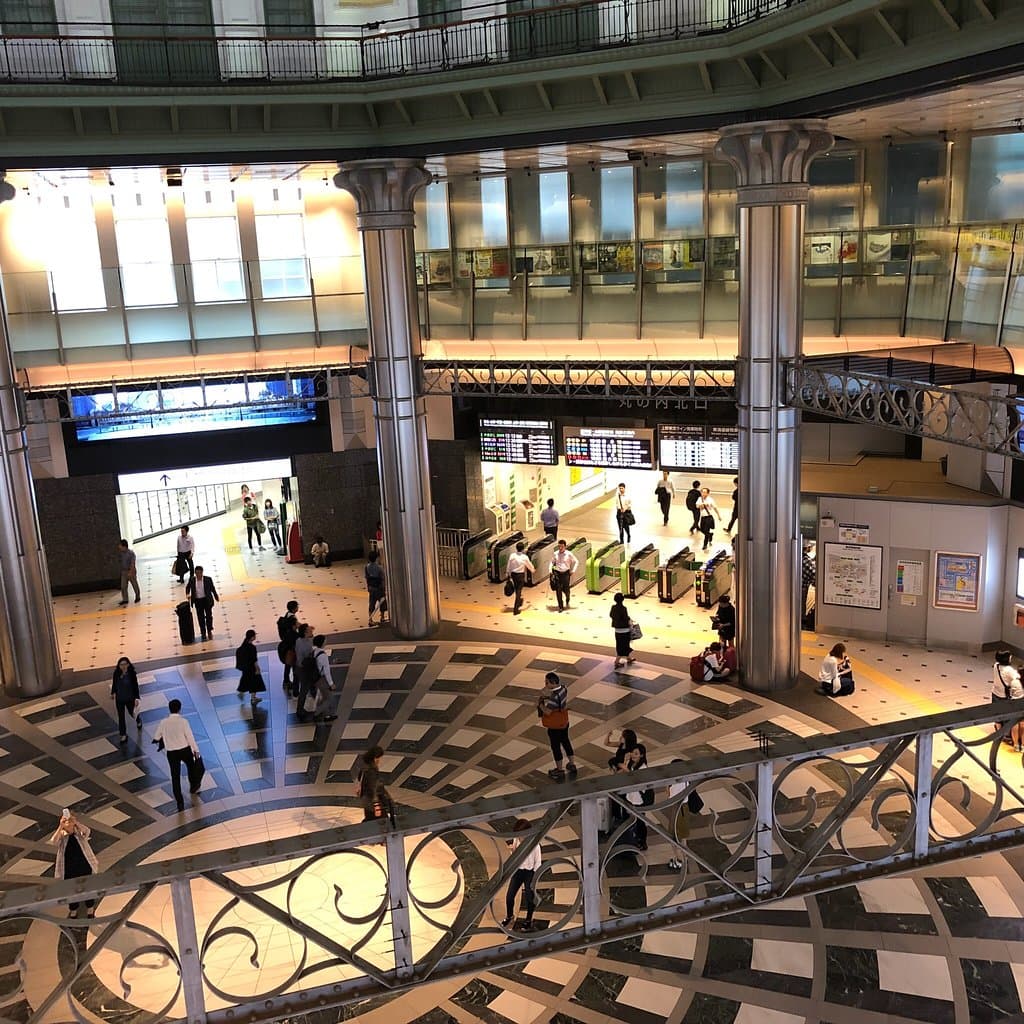
Housed within the historic Tokyo Station building, the Tokyo Station Gallery offers exhibitions and a chance to appreciate the station's architecture from a unique interior perspective.
Tip: Combine a visit with exploring the Marunouchi side of the station.
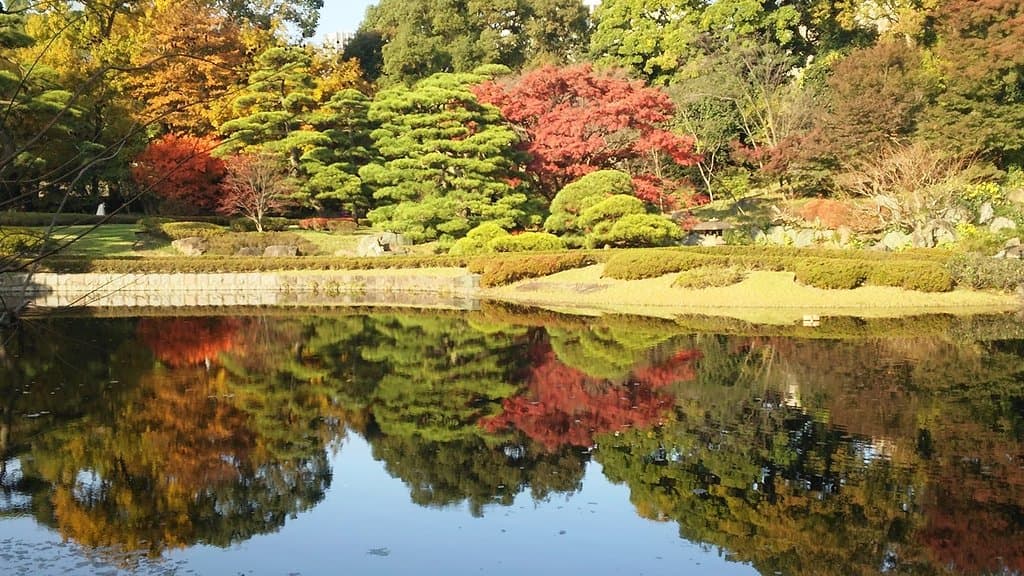
The former site of Edo Castle, the Imperial Palace East Garden offers historical ruins, manicured lawns, and beautiful seasonal flowers, providing a serene and historically rich backdrop.
Tip: Explore the remnants of the castle walls and moats.

While known for food, Tsukiji Outer Market's bustling atmosphere, colorful stalls, and lively vendors create a vibrant scene perfect for street photography capturing local life.
Tip: Go early to experience the market at its most active.

Ueno Park is a large public park housing several museums, a zoo, and shrines. Its spacious grounds and diverse attractions offer numerous photographic opportunities, from nature to culture.
Tip: Visit during cherry blossom season for stunning floral displays.

Yanaka Ginza is a charming shopping street that retains an old-Tokyo atmosphere. Its traditional shops, local snacks, and friendly vendors make it a delightful spot for candid photography.
Tip: Try some of the local street food while exploring.

A specific 7-Eleven in Minato offers a surprisingly iconic and popular view of Tokyo Tower through its window, creating a unique juxtaposition of convenience store culture and a city landmark.
Tip: This is a well-known, albeit quirky, photo spot.

Golden Gai is a network of narrow alleys filled with tiny, atmospheric bars. Its retro charm and intimate setting offer a unique glimpse into Tokyo's nightlife and a photographer's dream.
Tip: Be respectful of the small establishments and their patrons.
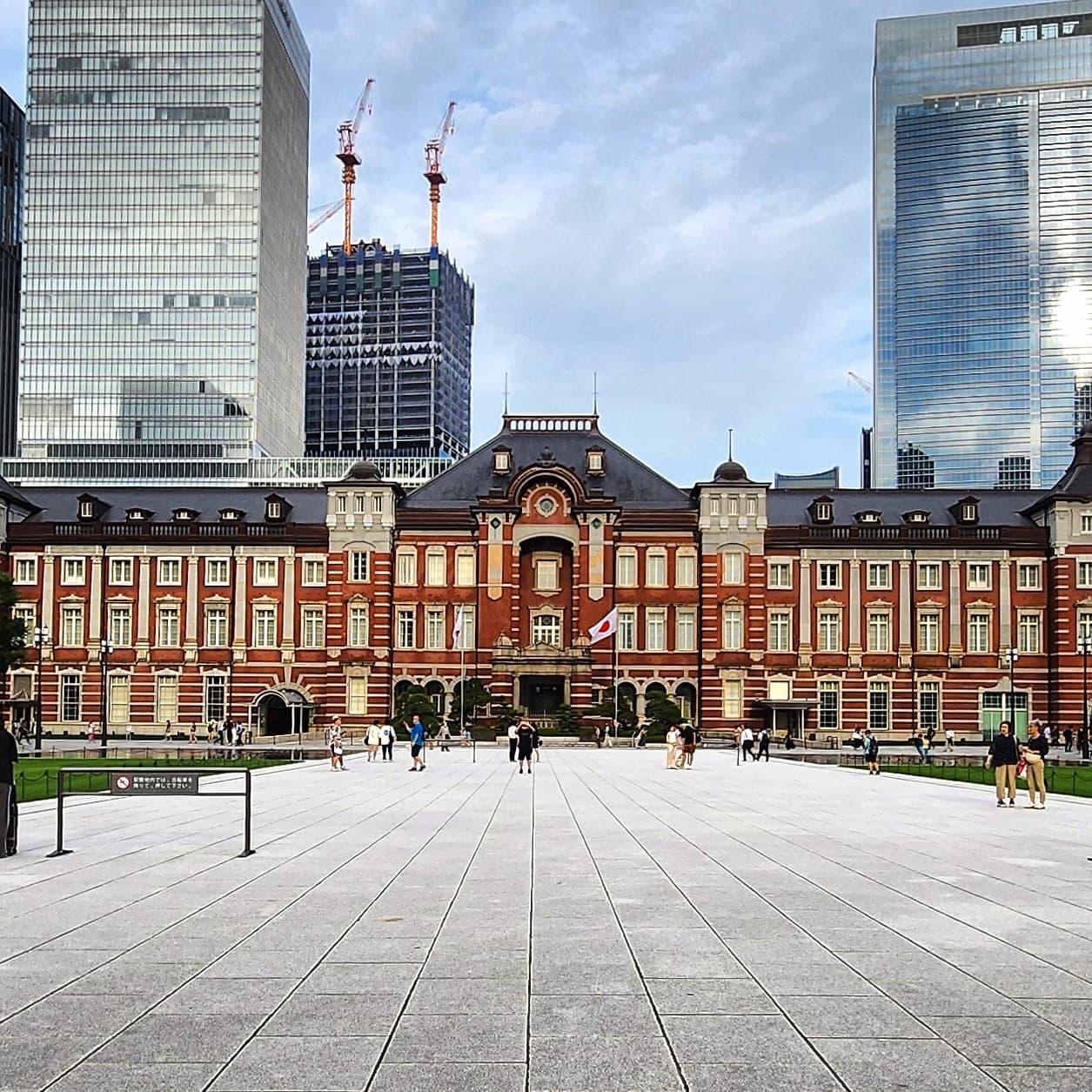
The historic red-brick Marunouchi Building of Tokyo Station is a stunning architectural masterpiece, offering a grand and timeless subject for photographers, especially when lit at night.
Tip: Photograph it from the Marunouchi side for the best view.

Odaiba Seaside Park provides beautiful views of Tokyo Bay, the Rainbow Bridge, and the city skyline, offering a pleasant environment for capturing waterfront scenes and cityscapes.
Tip: Great for sunset shots with the Rainbow Bridge in the background.

The area around the Tokyo Tower parking lot offers various angles and perspectives for photographing the iconic tower, sometimes providing less conventional but interesting shots.
Tip: Explore different parts of the parking lot area for unique compositions.
The observation deck at MAGNET by Shibuya 109 provides an iconic, elevated view of the Shibuya Scramble Crossing, allowing you to capture the organized chaos from a prime vantage point.
Tip: This spot is known for its great, affordable view of the crossing.
The area around Shiinamachi Station is known for its charming, lantern-lit izakayas, offering a more local and intimate atmosphere for capturing the essence of Tokyo's nightlife.
Tip: Explore the side streets for the most atmospheric spots.
Kabukicho's main road is a dazzling spectacle of neon signs and bustling activity, creating a quintessential Tokyo nightlife scene that's a must-photograph for its vibrant energy.
Tip: Visit at night for the full immersive experience.
Senso-ji Temple in Asakusa is Tokyo's oldest temple, featuring the iconic Kaminarimon Gate and a vibrant Nakamise-dori market. It's a prime location for traditional Japanese photography.
Tip: Visit early to avoid crowds and capture the temple's serene beauty.
The exterior of the Yodobashi Camera building in Shinjuku is a popular spot for photographers, known for its bright lights and bustling atmosphere, especially at night.
Tip: Best photographed at night when the building's lights are most prominent.