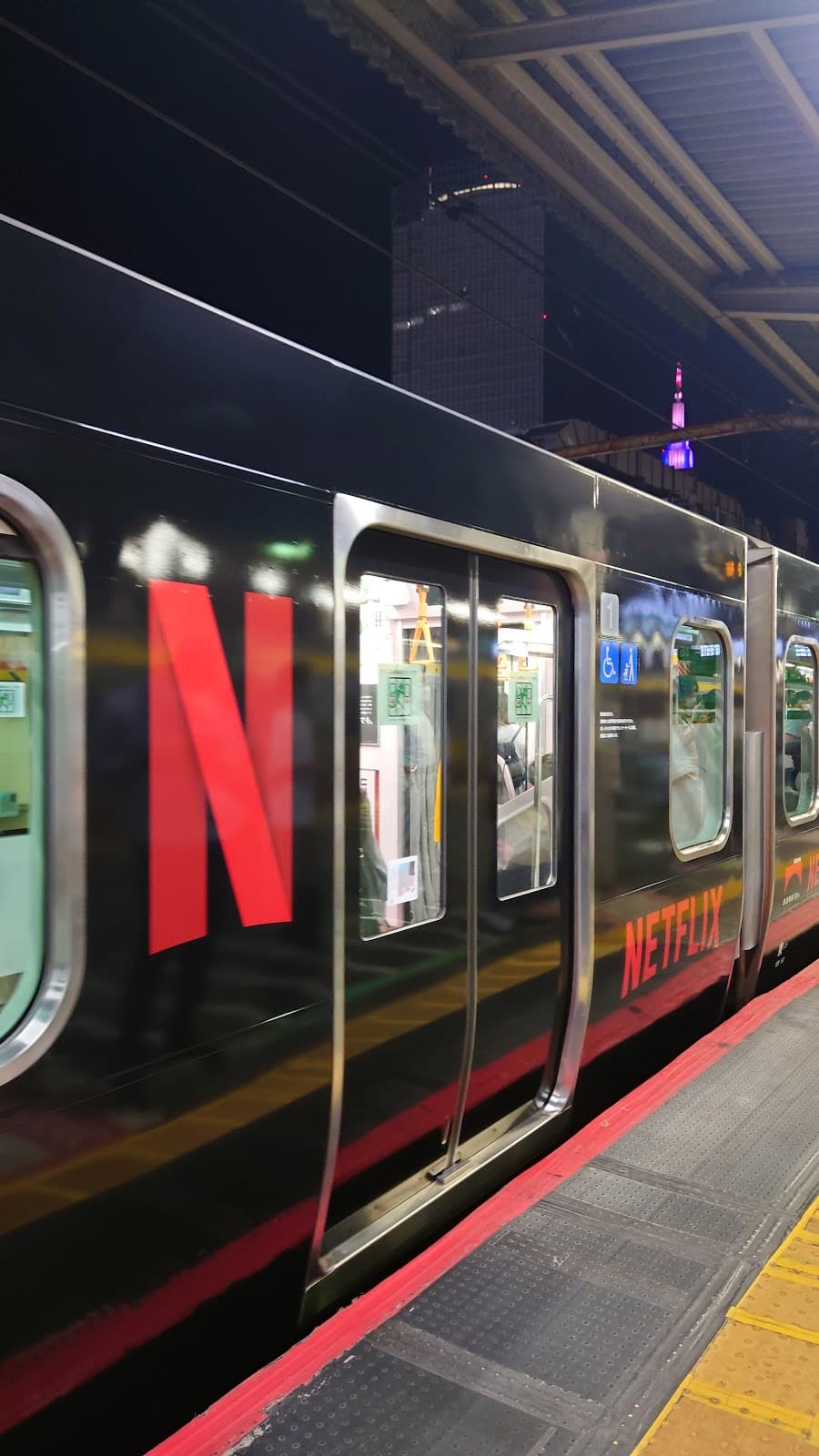
Yamanote Line
Tokyo's iconic green loop, connecting major districts like Shinjuku, Shibuya, and Tokyo Station. Essential for exploring the city.
Highlights
Must-see attractions

Social
From TikTok & Reddit
Best Time
Beat the commuter rush.
Yamanote Line
Best Time
Beat the commuter rush.
Highlights
Must-see attractions
Tokyo's iconic green loop, connecting major districts like Shinjuku, Shibuya, and Tokyo Station. Essential for exploring the city.
"The Yamanote Line is the heartbeat of Tokyo, making city exploration incredibly easy and efficient."
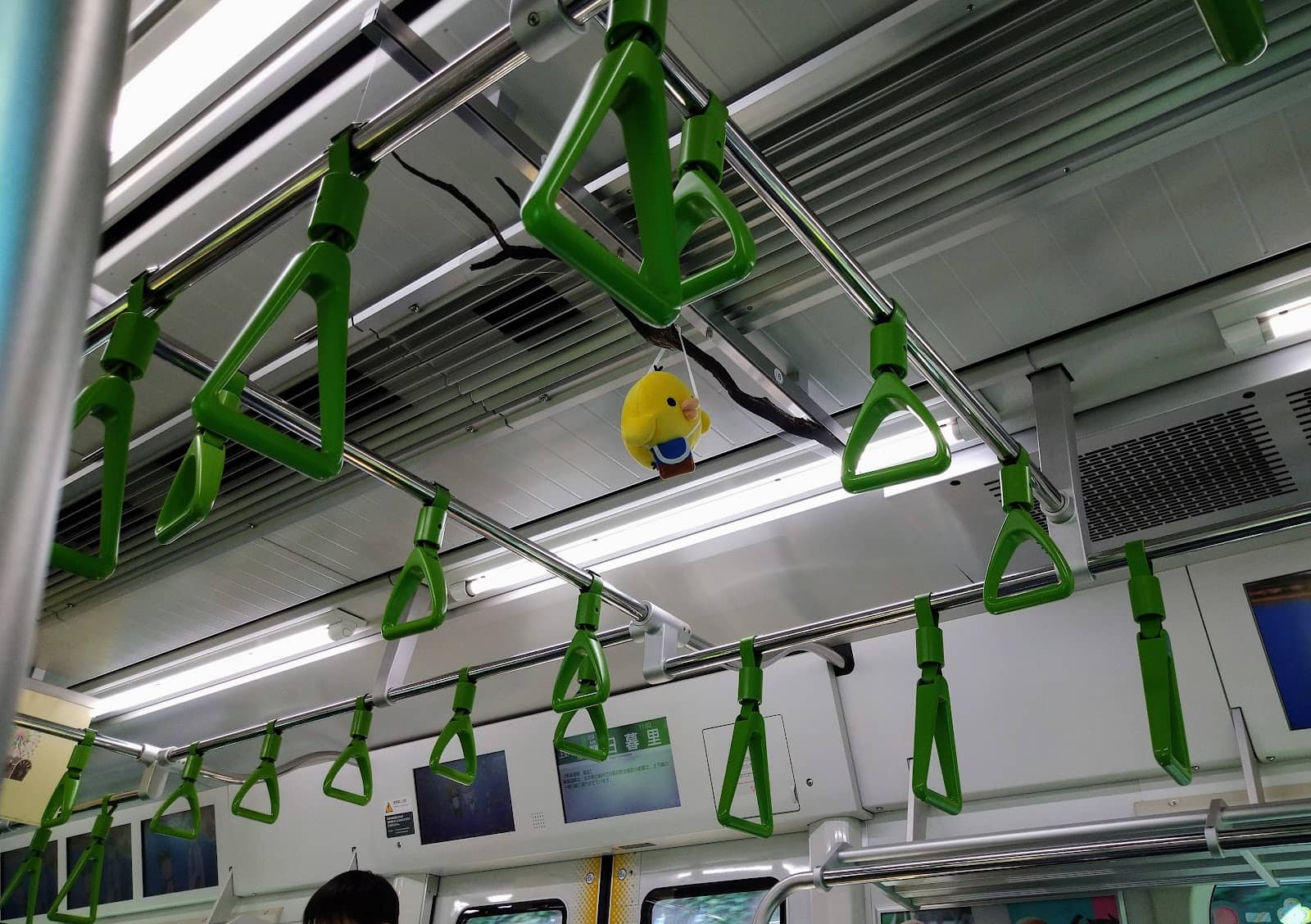
🎶 Iconic Station Melodies
Listen for the unique jingles at each station – they're a fun part of the Yamanote Line experience!
💳 Get a Suica/Pasmo Card
Essential for easy tap-and-go travel. Top it up at any station.
Highlights
Discover the most iconic attractions and experiences
Shinjuku Station
Shinjuku
A bustling hub with endless shopping, dining, and entertainment options. Don't miss the Tokyo Metropolitan Government Building for free panoramic views.
Shibuya Crossing
Shibuya
Experience the world's busiest intersection, a true symbol of modern Tokyo's energy and dynamism.
Tokyo Station
Marunouchi
Admire the historic red-brick facade and explore the underground shopping and dining complex, Character Street.
Akihabara Electric Town
Akihabara
Immerse yourself in the vibrant world of anime, manga, electronics, and gaming culture.
Plans like a pro.
Thinks like you
Planning Your Visit
Navigate Tokyo's Heartbeat
Mastering the Yamanote Line
Best Times
Insider Tips
from TikTok, Instagram & Reddit
🎶 Iconic Station Melodies
Listen for the unique jingles at each station – they're a fun part of the Yamanote Line experience! +2
💳 Get a Suica/Pasmo Card
Essential for easy tap-and-go travel. Top it up at any station.
🧳 Luggage Strategy
Avoid large luggage during peak hours. Use station lockers if needed.
📱 Use Navigation Apps
Google Maps or Japan Transit Planner are lifesavers for routes and times.
Tips
from all over the internet
🎶 Iconic Station Melodies
Listen for the unique jingles at each station – they're a fun part of the Yamanote Line experience! +2
💳 Get a Suica/Pasmo Card
Essential for easy tap-and-go travel. Top it up at any station.
🧳 Luggage Strategy
Avoid large luggage during peak hours. Use station lockers if needed.
📱 Use Navigation Apps
Google Maps or Japan Transit Planner are lifesavers for routes and times.
📸 Capture the Vibe
The trains and stations themselves are photogenic! +1
What Travellers Say
Reviews Summary
The Yamanote Line is universally praised as Tokyo's most convenient and essential train line, connecting all major hubs with impressive frequency. Travelers love its accessibility and how it simplifies exploring the city. However, the significant crowds during peak hours are a common point of frustration, making luggage management a key consideration.
What People Like
What People Dislike
Frequently Asked Questions
🚇 🗺️ Getting There
The Yamanote Line is a loop line, so you can hop on at any of its 29 stations. Major transfer points include Tokyo Station, Shinjuku Station, Shibuya Station, and Ikebukuro Station, which are accessible via various other JR lines and subway lines. +1
Yes, the Yamanote Line is a JR East line, so it is fully covered by the Japan Rail Pass. This makes it incredibly convenient for JR Pass holders exploring Tokyo.
Using a navigation app like Google Maps or Jorudan is highly recommended. They provide real-time train information, platform numbers, and transfer guidance.
Absolutely! Suica and Pasmo cards are widely accepted on the Yamanote Line and can be purchased and topped up at ticket machines in most stations.
Trains on the Yamanote Line are incredibly frequent, typically running every 2-4 minutes during peak hours and every 5-10 minutes during off-peak times.
🎫 🎫 Tickets & Entry
The fare depends on the distance traveled. A single ride typically ranges from ¥140 to ¥210. You can check exact fares on station displays or use a journey planner app.
While there isn't a specific Yamanote Line day pass, the Tokyo Subway Ticket (24, 48, or 72 hours) can be a good value if you plan to use both JR and subway lines extensively. The Japan Rail Pass is also a great option if you have one.
You can purchase single-ride tickets from ticket vending machines at any Yamanote Line station. Alternatively, using a Suica or Pasmo card is the most convenient method.
The Yamanote Line generally operates from around 5:00 AM to 1:00 AM the following day. Service frequency is highest during daytime hours.
No, the Yamanote Line operates as a commuter train with no reserved seating. You simply board the next available train.
🎫 📍 Onsite Experience
Popular stations include Shinjuku (world's busiest station), Shibuya (famous for its crossing), Tokyo Station (historic architecture), Ikebukuro (shopping and entertainment), and Ueno (cultural hub). +2
Each station offers unique attractions: Shinjuku Gyoen National Garden, Shibuya Sky observation deck, Imperial Palace near Tokyo Station, Ueno Park museums, and Akihabara's electronics district. +1
Yes, the Yamanote Line can get extremely crowded, especially during morning and evening rush hours (approximately 7:30 AM - 9:30 AM and 5:00 PM - 7:00 PM). Traveling outside these times is recommended.
Yes, automated announcements are made in Japanese and English for each upcoming station. Many lines, including the Yamanote, have distinctive melodies played before doors close. +2
The Yamanote Line primarily uses the E235 series trains, with some older E231 series trains still in operation. +1
📸 📸 Photography
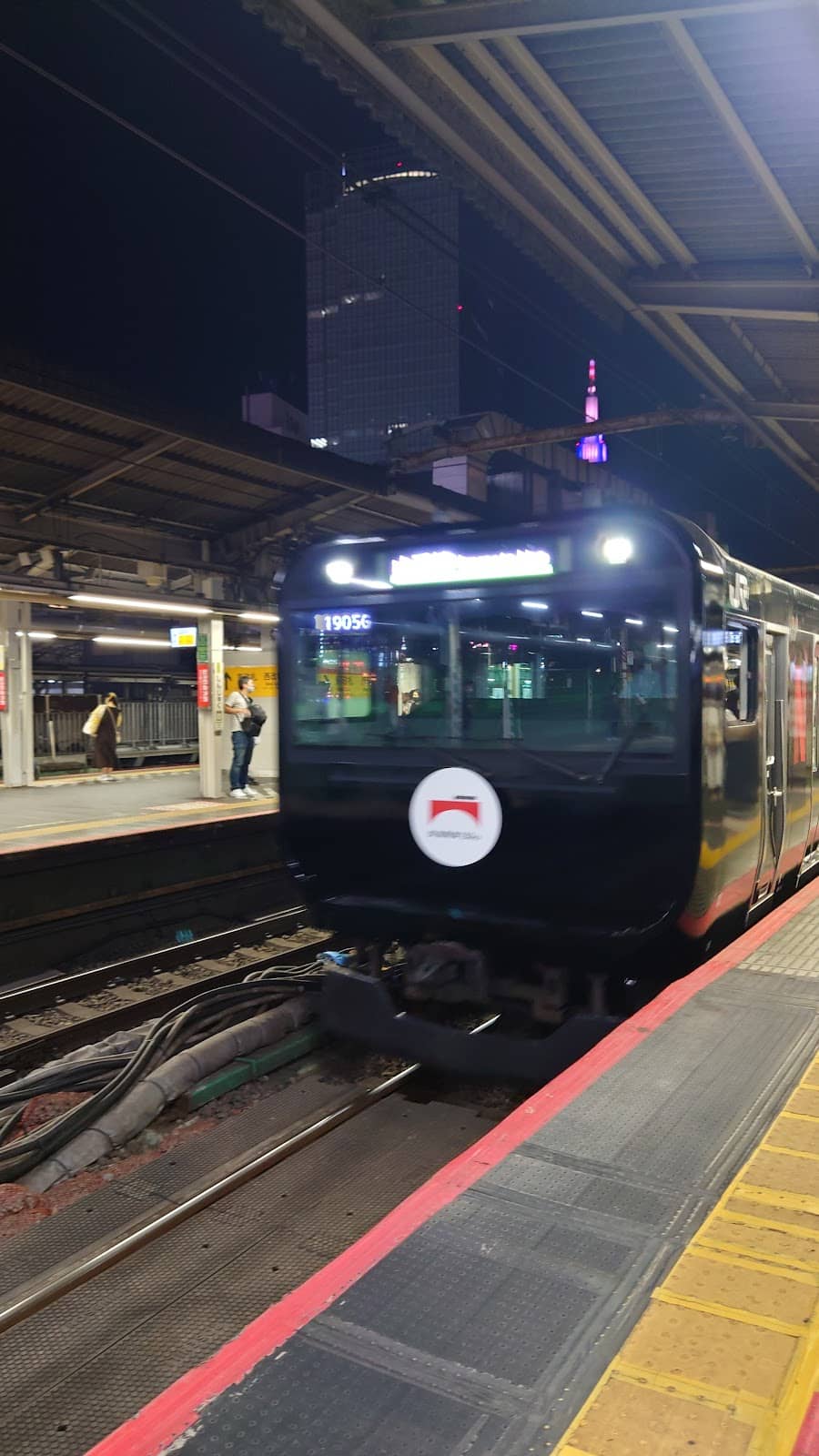
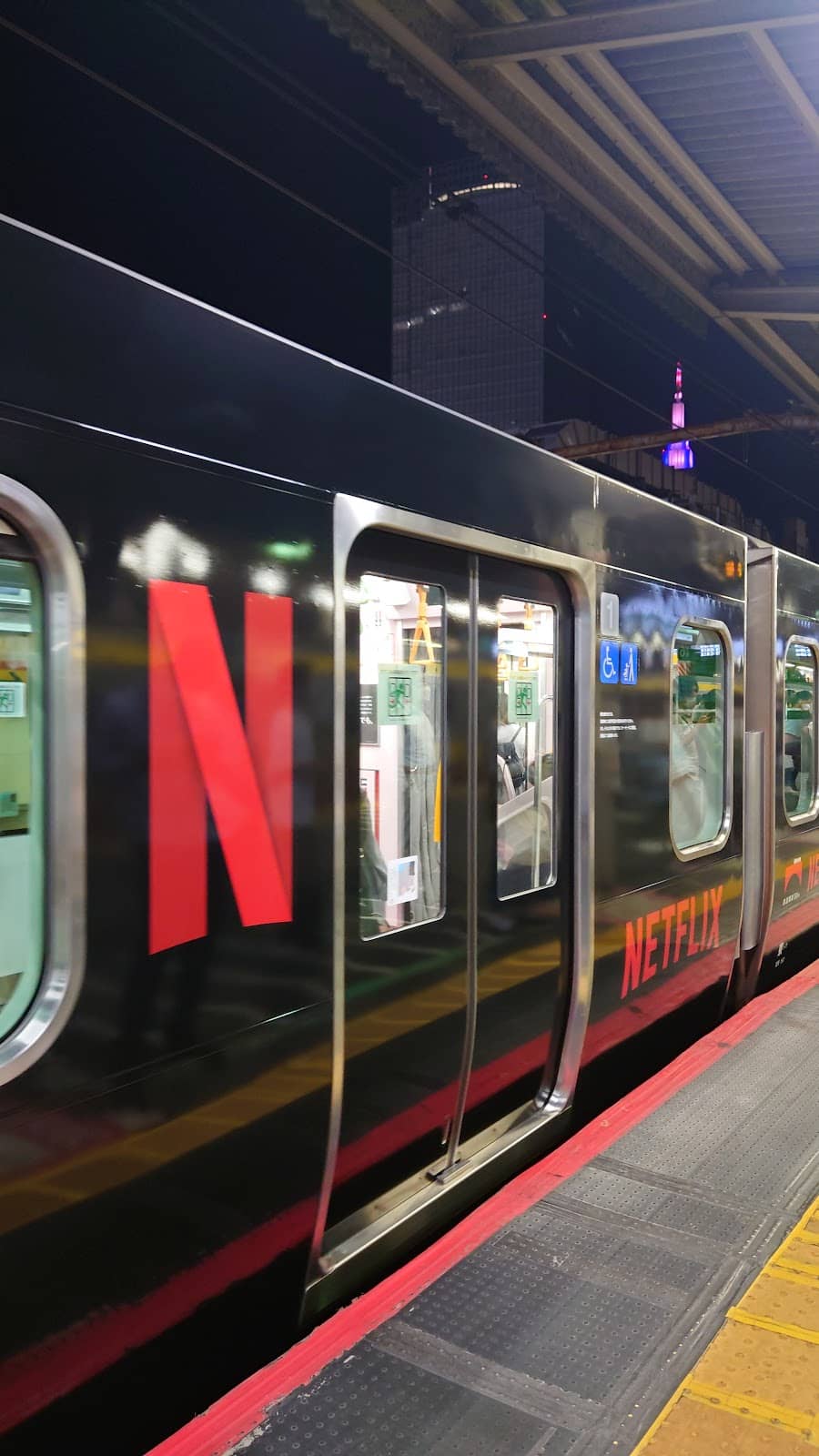
Capture the iconic Shibuya Crossing from above, the historic Tokyo Station building, or the vibrant street scenes around Akihabara. The trains themselves, especially with their distinctive green color, are also popular subjects. +1
Yes, you can take photos inside the trains, but be mindful of other passengers. The unique station melodies and interior designs can make for interesting shots. +1
You can find gashapon (capsule toys) featuring Yamanote Line train models and station melodies, which make for fun, quirky souvenirs.
For Different Travelers
Tailored advice for your travel style
👨👩👧 Families with Kids
To make the journey smoother, consider purchasing Suica or Pasmo cards for quick boarding and disembarking. Traveling outside of peak rush hours is highly recommended to avoid overwhelming crowds with children. If you have a lot of gear, look for station lockers or plan your route to minimize the need to carry heavy items.
💰 Budget Travelers
Many of the key attractions accessible via the Yamanote Line are free or low-cost, such as the Tokyo Metropolitan Government Building for panoramic views in Shinjuku or simply experiencing the energy of Shibuya Crossing.
🚶 Solo Adventurers
Embrace the station melodies as a fun way to orient yourself and enjoy the unique soundscape of Tokyo.
Deep Dives
In-depth insights and expert knowledge
Understanding the Yamanote Line's Significance
Its strategic route makes it a traveler's best friend, offering seamless access to areas like the bustling Shinjuku, the trendy Shibuya, the cultural hub of Ueno, and the historic Tokyo Station. The line's efficiency and frequency mean you can hop on and off with ease, maximizing your sightseeing time. Understanding the Yamanote loop line is key to navigating Tokyo effectively.
Interestingly, living along the Yamanote Line is considered a mark of convenience and prestige for Tokyo residents, highlighting its central role in the city's infrastructure and lifestyle.
Navigating Crowds and Luggage
Travelers with significant luggage, such as suitcases, are strongly advised to avoid traveling during peak hours. Reddit users suggest utilizing station lockers if available, or planning your travel for off-peak times to ensure a more comfortable journey.
For smoother travel, consider purchasing a Suica or Pasmo IC card. These rechargeable cards allow for quick tap-and-go entry and exit at the ticket gates, saving you time compared to buying single-use tickets.
The Iconic Yamanote Line Soundscape
Travelers often find these sounds charming and a quintessential part of the Tokyo train experience. Some of the most recognized melodies are associated with major stations like Shinjuku, Shibuya, and Ikebukuro. Listening to these jingles can help you identify which station you're approaching, adding an auditory layer to your journey.
These melodies are not just for ambiance; they serve a practical purpose, signaling the imminent departure of the train and helping passengers be aware of their surroundings. The Yamanote line melody is a small but significant detail that contributes to the overall charm and efficiency of Tokyo's public transport system.
Social
from TikTok, Instagram & Reddit