76 Budget-Friendly Attractions in Rome
Discover Rome on a budget with these incredible, affordable attractions and hidden gems! From the iconic Colosseum and Trevi Fountain to charming neighborhoods like Trastevere and lesser-known churches filled with art, this list offers a wealth of experiences without breaking the bank. Explore ancient ruins, marvel at Baroque masterpieces, and soak in the vibrant Roman atmosphere, all while keeping your wallet happy. Perfect for budget travelers seeking authentic Roman adventures.

See what's trending
We've done exactly what you would have done—spent hours scrolling through TikTok, Instagram, and Reddit to find the absolute best experiences. These 33 recommendations come from real travelers sharing their unfiltered takes, hidden gems, and insider secrets. No travel agency fluff, just the wisdom of people who've actually been there. This is how everyone really plans their trips these days.


Step back in time at the iconic Colosseum, imagining gladiatorial contests, and then wander through the ruins of the Roman Forum, the heart of ancient Roman public life.
Tip: Book tickets online in advance to save money and skip lines. Consider a combined ticket for the Colosseum, Roman Forum, and Palatine Hill.

Marvel at the stunning Baroque masterpiece of the Trevi Fountain and participate in the tradition of tossing a coin to ensure your return to Rome.
Tip: Visit very early in the morning (around 6 AM) to avoid crowds and get the best photos.

Ascend the elegant Spanish Steps, a popular gathering spot offering picturesque views and a chance to soak in the Roman atmosphere.
Tip: Enjoy the view from the top, and explore the surrounding high-end shopping streets.

Escape the city bustle in the expansive Villa Borghese Gardens, a beautiful green oasis perfect for a leisurely stroll, picnic, or boat ride.
Tip: Rent a rowboat on the small lake for a charming and affordable experience.

Be awestruck by the architectural marvel of the Pantheon, a former Roman temple with a breathtaking dome and oculus, now a church.
Tip: Entry is free, but there might be a small fee for specific areas or to climb the dome.

Get lost in the charming cobblestone streets of Trastevere, known for its bohemian vibe, artisan shops, and authentic Roman trattorias.
Tip: Enjoy a walk across Ponte Sisto for great views and explore the lively piazzas in the evening.

Discover one of Rome's four major papal basilicas, adorned with stunning mosaics and rich history, offering a serene and free spiritual experience.
Tip: Entry to the main basilica is free; special areas may have a fee.

Be mesmerized by the incredible trompe-l'oeil ceiling fresco in this Baroque church, creating a stunning illusion of depth and grandeur.
Tip: Look up and be amazed by the painted dome that appears to open to the heavens.

Stroll along the ancient Appian Way, one of Rome's oldest roads, lined with Roman tombs, ruins, and picturesque countryside.
Tip: Rent a bike or walk on a Sunday when the road is closed to traffic for a more immersive experience.
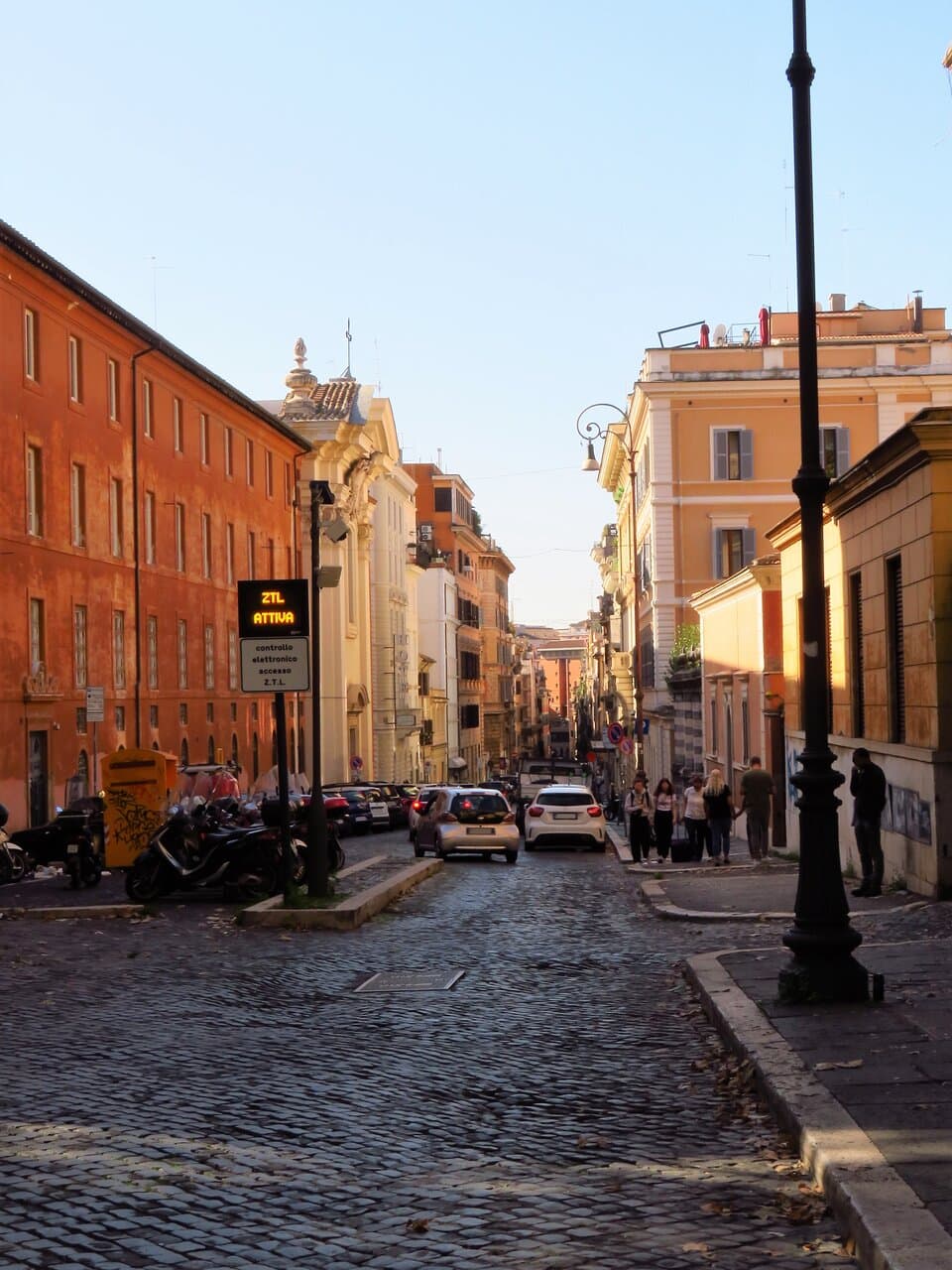
Wander through the trendy Monti district, a charming area near the Colosseum filled with independent boutiques, artisan workshops, and cozy wine bars.
Tip: It's a great area to explore on foot, especially in the evening for a local vibe.
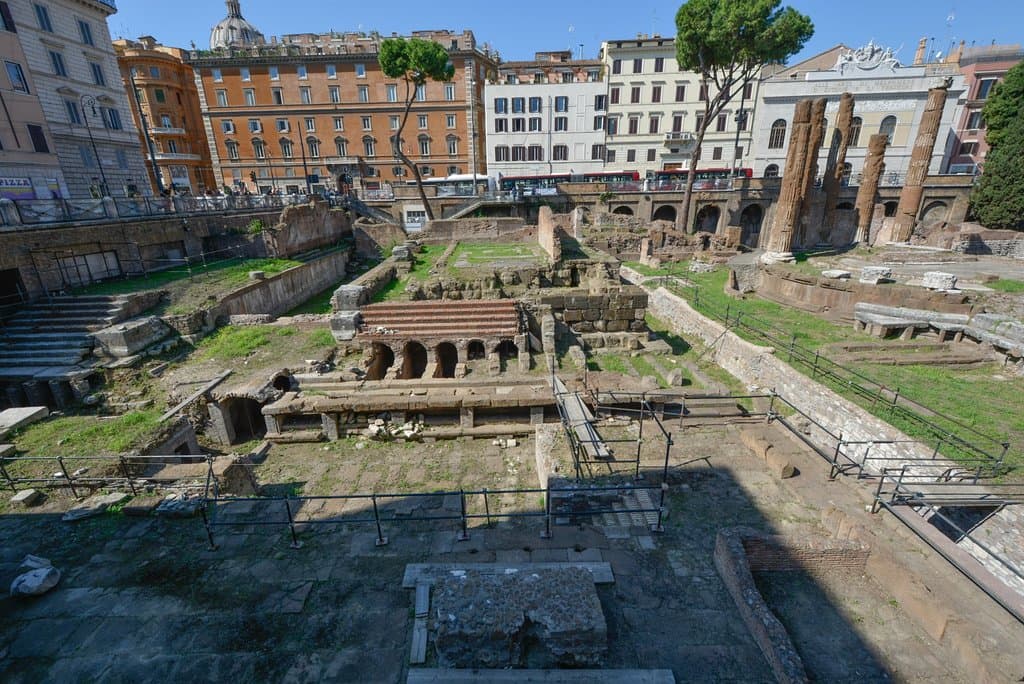
See ancient Roman ruins inhabited by a colony of friendly cats at the Torre Argentina Cat Sanctuary, a unique and heartwarming spot.
Tip: The cats roam freely among the ruins, and donations are welcome to support their care.
Gain insights into Rome's history and culture with a free walking tour, led by knowledgeable guides who share fascinating stories.
Tip: Look for 'Guru Walks' or similar services online; tipping your guide is customary.

Visit the imposing Altare della Patria, a monument dedicated to Victor Emmanuel II, offering panoramic views of Rome from its terraces.
Tip: Take the panoramic glass lift to the top for the best views of the city.
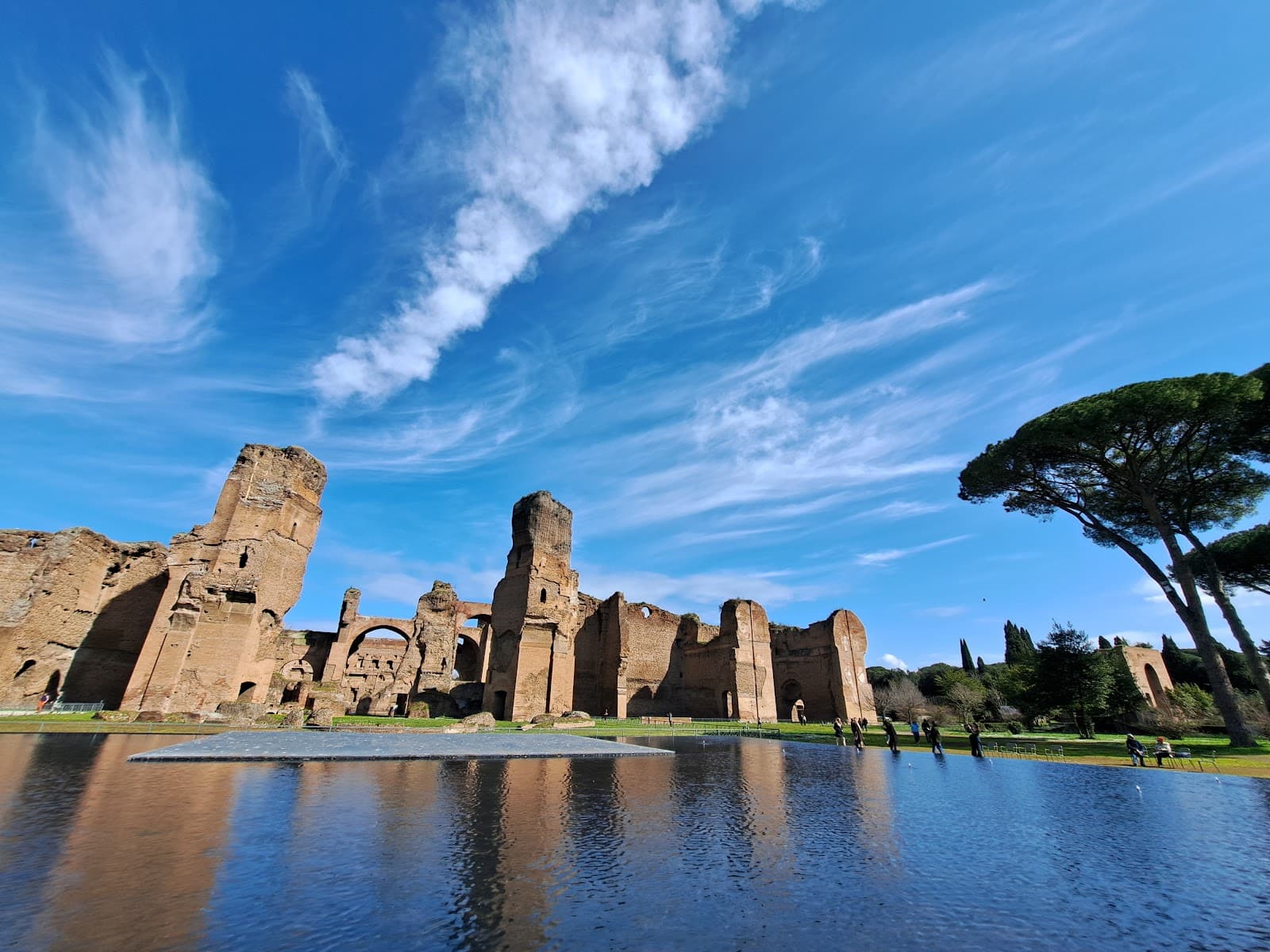
Imagine ancient Roman life at the impressive ruins of the Baths of Caracalla, a vast public bathing complex that was once a social hub.
Tip: Wander through the vast complex and appreciate the scale of Roman engineering.

Descend through layers of history at the Basilica di San Clemente, with its medieval church built over a 4th-century church and ancient Roman structures below.
Tip: There's a fee to access the lower levels, but it's worth it to see the ancient Roman house and Mithraic temple.

Experience the vibrant atmosphere of Piazza Navona, a stunning elliptical piazza featuring Bernini's Fountain of Four Rivers and lively street artists.
Tip: Enjoy the street performers and artists, and perhaps grab a gelato.

Immerse yourself in art at the Borghese Gallery, home to masterpieces by Bernini, Caravaggio, and Raphael, set within the beautiful Villa Borghese.
Tip: Booking tickets well in advance is essential as entry is timed and limited.
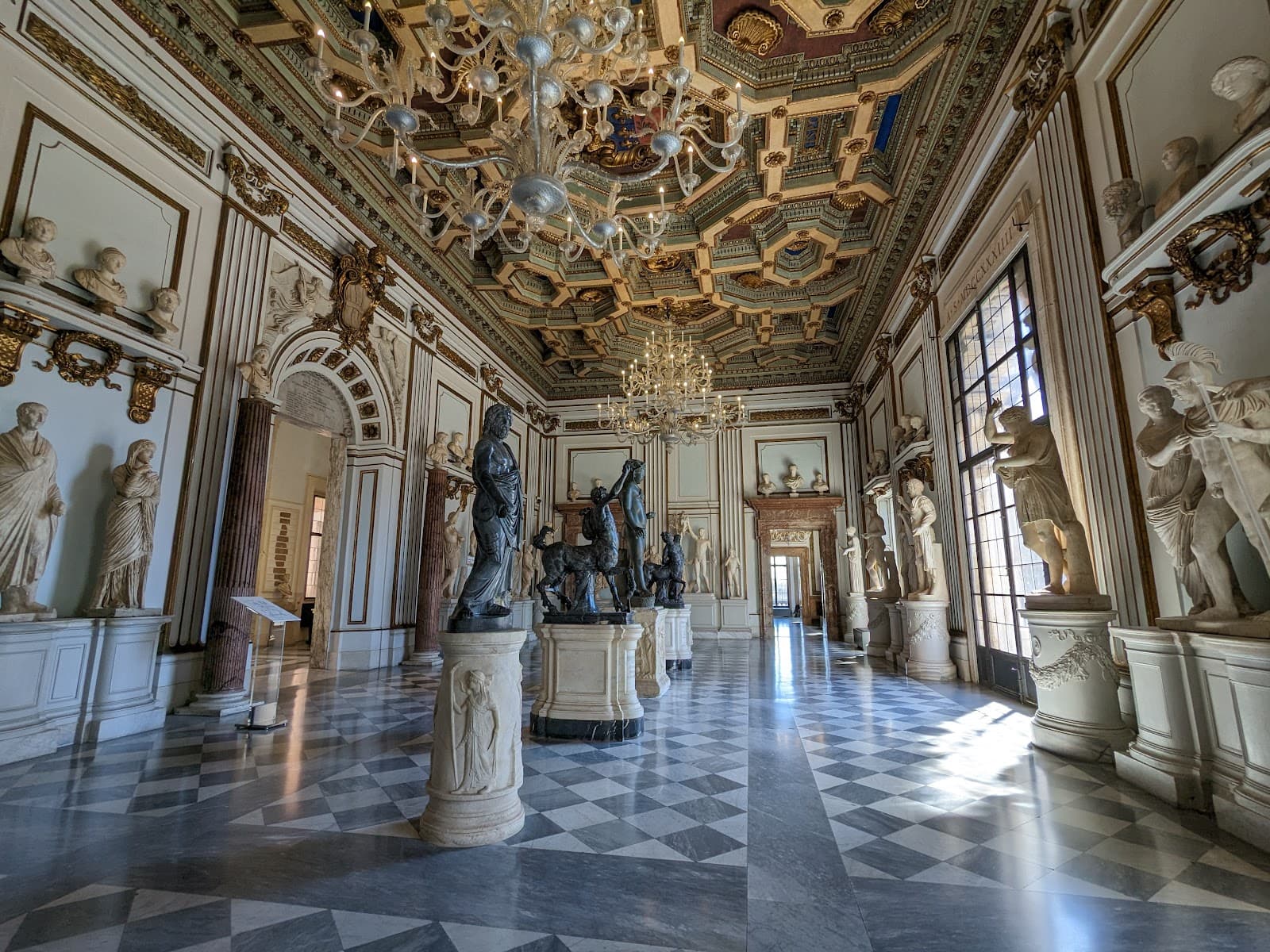
Explore the world's oldest public museums, housing an incredible collection of Roman sculptures and artifacts, with stunning views over the Roman Forum.
Tip: The museums are located on Capitoline Hill, designed by Michelangelo.
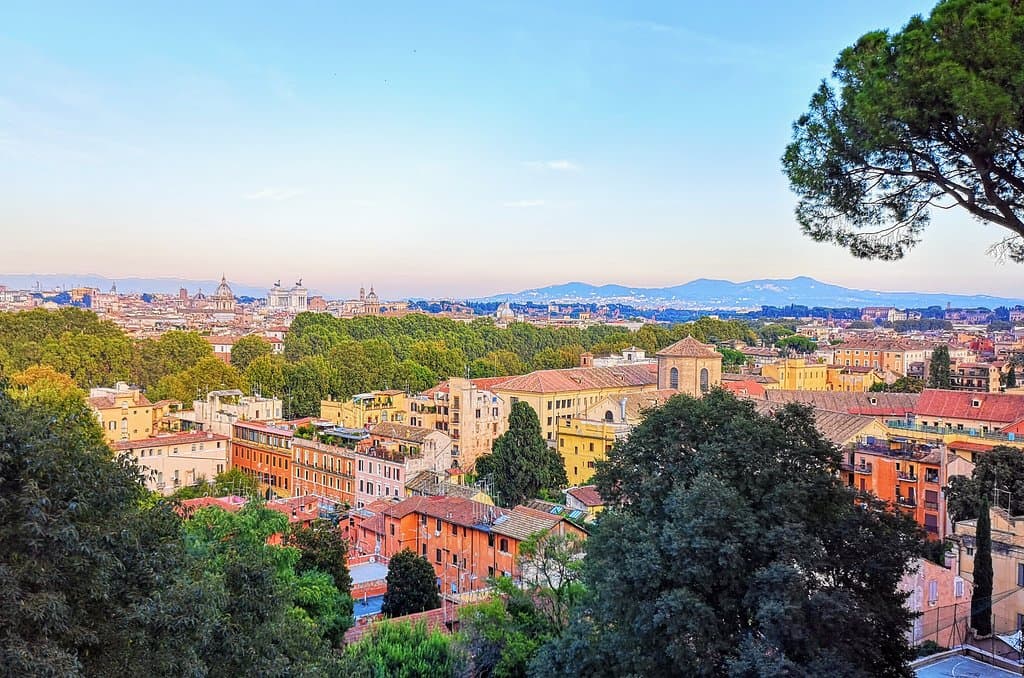
Enjoy breathtaking panoramic views of Rome from Janiculum Hill, a peaceful spot perfect for watching the sunset or sunrise.
Tip: The cannon fires daily at noon, a tradition dating back to the 19th century.

Wander through the historic Jewish Ghetto, one of the oldest in Europe, with its unique atmosphere, ancient ruins, and delicious Roman-Jewish cuisine.
Tip: Don't miss the Portico d'Ottavia and the Great Synagogue.

Step inside the Chiesa del Gesù, the mother church of the Jesuit order, and marvel at its opulent Baroque interior and stunning ceiling frescoes.
Tip: The ceiling fresco is renowned for its realistic, almost 3D effect.
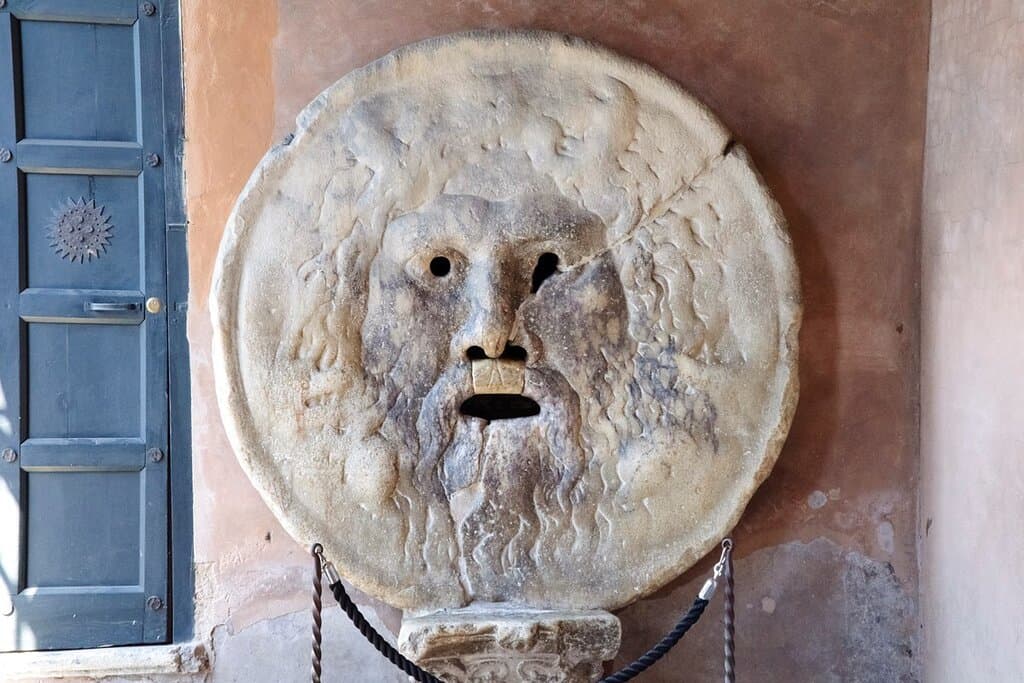
Test your honesty by placing your hand in the ancient stone carving of the Mouth of Truth, rumored to bite off the hand of a liar.
Tip: There might be a small queue to take a photo with the Mouth of Truth.
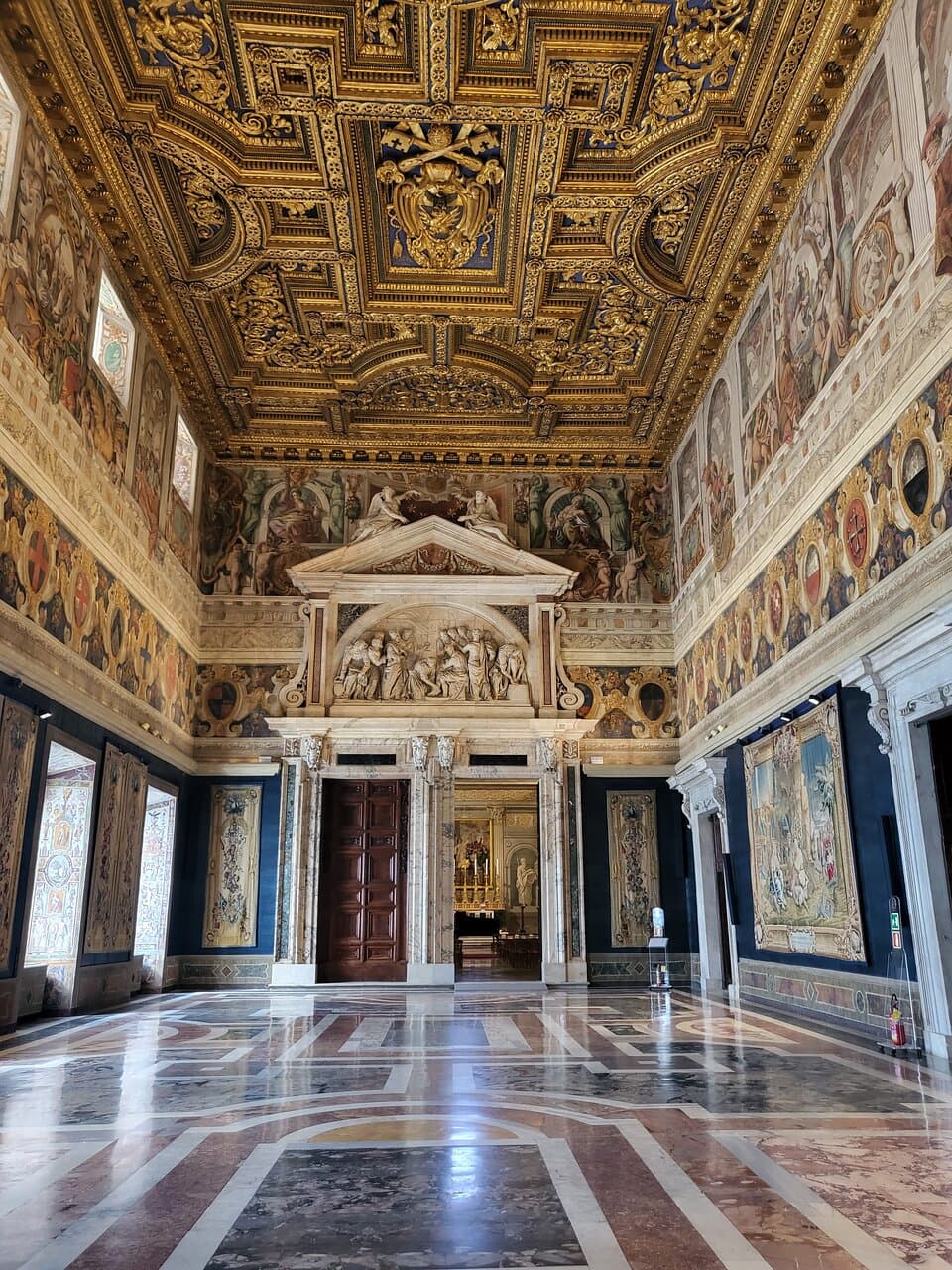
Visit the official residence of the President of Italy, the Quirinal Palace, a grand former papal and royal palace with impressive architecture and gardens.
Tip: Guided tours are available and offer a glimpse into the palace's history and art.

Explore one of the most important archaeological museums in Italy, showcasing stunning Roman frescoes, mosaics, sculptures, and ancient coins.
Tip: It's located near Termini Station, making it convenient for a visit.

Admire the Ara Pacis, an ancient altar dedicated to Pax, the Roman goddess of Peace, housed in a modern museum designed by Richard Meier.
Tip: The museum offers a well-preserved glimpse into Augustan Rome.

Discover the hidden gem of Santa Prassede, a small basilica renowned for its breathtaking Byzantine mosaics, particularly in the Chapel of San Zenone.
Tip: The mosaics are incredibly detailed and vibrant, a true feast for the eyes.

Experience a local culinary hub at the Testaccio Market, offering a vibrant array of fresh produce, street food, and artisanal products.
Tip: Great place to grab an affordable and delicious lunch.

Explore the cylindrical fortress of Castel Sant'Angelo, originally Emperor Hadrian's mausoleum, later a papal fortress and prison, offering historical insights and views.
Tip: Walk along the Ponte Sant'Angelo, adorned with angel statues, leading to the castle.

Wander through the vast ruins of the Baths of Diocletian, the largest public baths in ancient Rome, now part of the National Roman Museum.
Tip: Explore the remains of the frigidarium, tepidarium, and caldarium.
Tour the magnificent Quirinal Palace, a former papal and royal residence, now the official seat of the President of Italy, showcasing opulent rooms and art.
Tip: Check the official website for tour availability and booking information.

Step into the remains of Nero's opulent Golden House, a vast and extravagant palace complex that offers a glimpse into imperial Roman luxury.
Tip: Access is often via guided tours or special exhibitions, so check in advance.
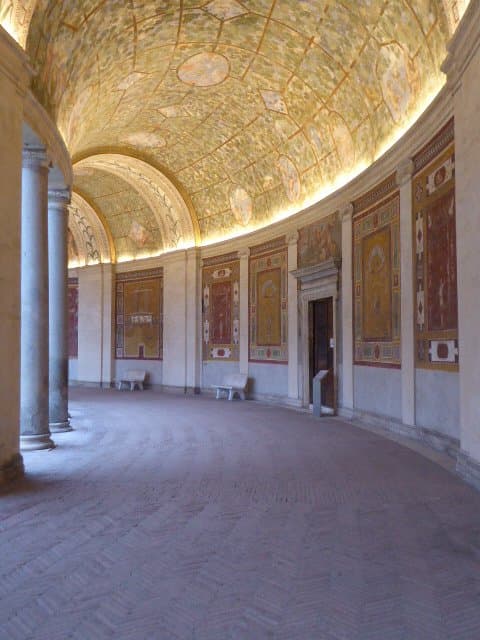
Discover the fascinating world of the Etruscans at this museum, housed in a beautiful Renaissance villa, showcasing artifacts from this ancient civilization.
Tip: Learn about the pre-Roman civilization that heavily influenced Roman culture.
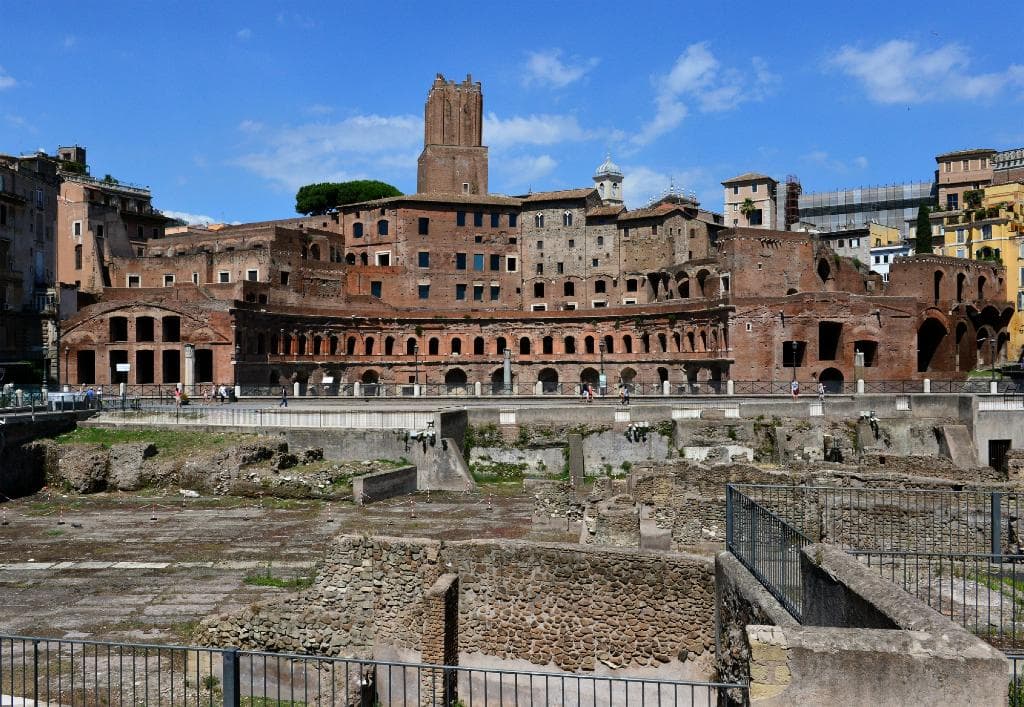
Explore the ruins of the Forum of Augustus, a grand imperial forum built by Emperor Augustus, featuring impressive columns and remnants of temples.
Tip: It's located near the Imperial Fora and can be viewed from the outside.
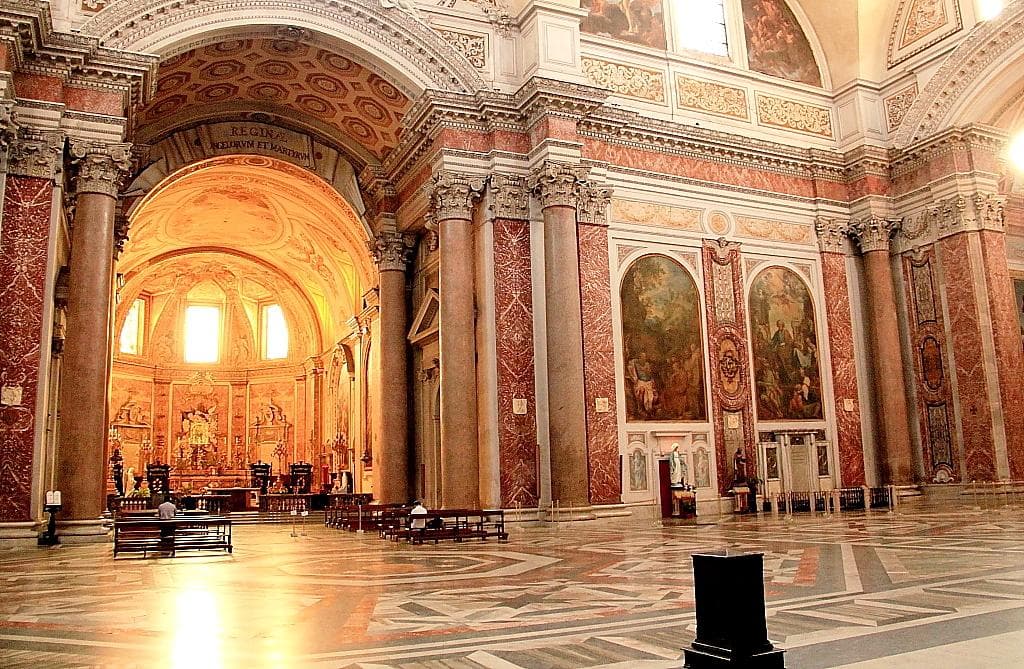
Experience the unique architecture of this basilica, built within the ruins of the Baths of Diocletian, featuring a stunning nave designed by Michelangelo.
Tip: The meridian line on the floor is a fascinating astronomical feature.
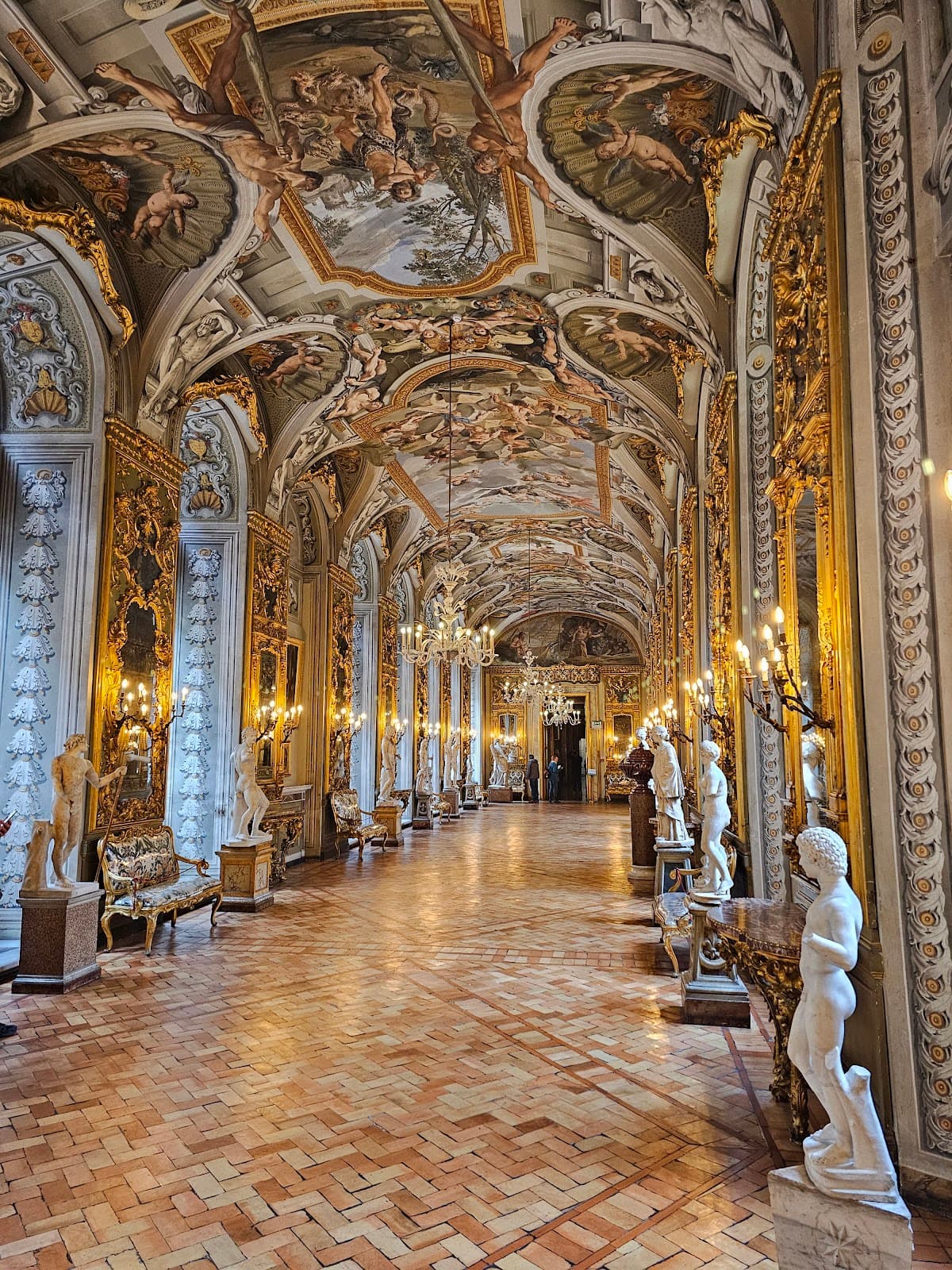
Wander through the opulent rooms of Palazzo Doria Pamphilj, a private palace still inhabited by the family, showcasing an impressive art collection.
Tip: See masterpieces by Caravaggio, Velázquez, and Bernini in their original setting.
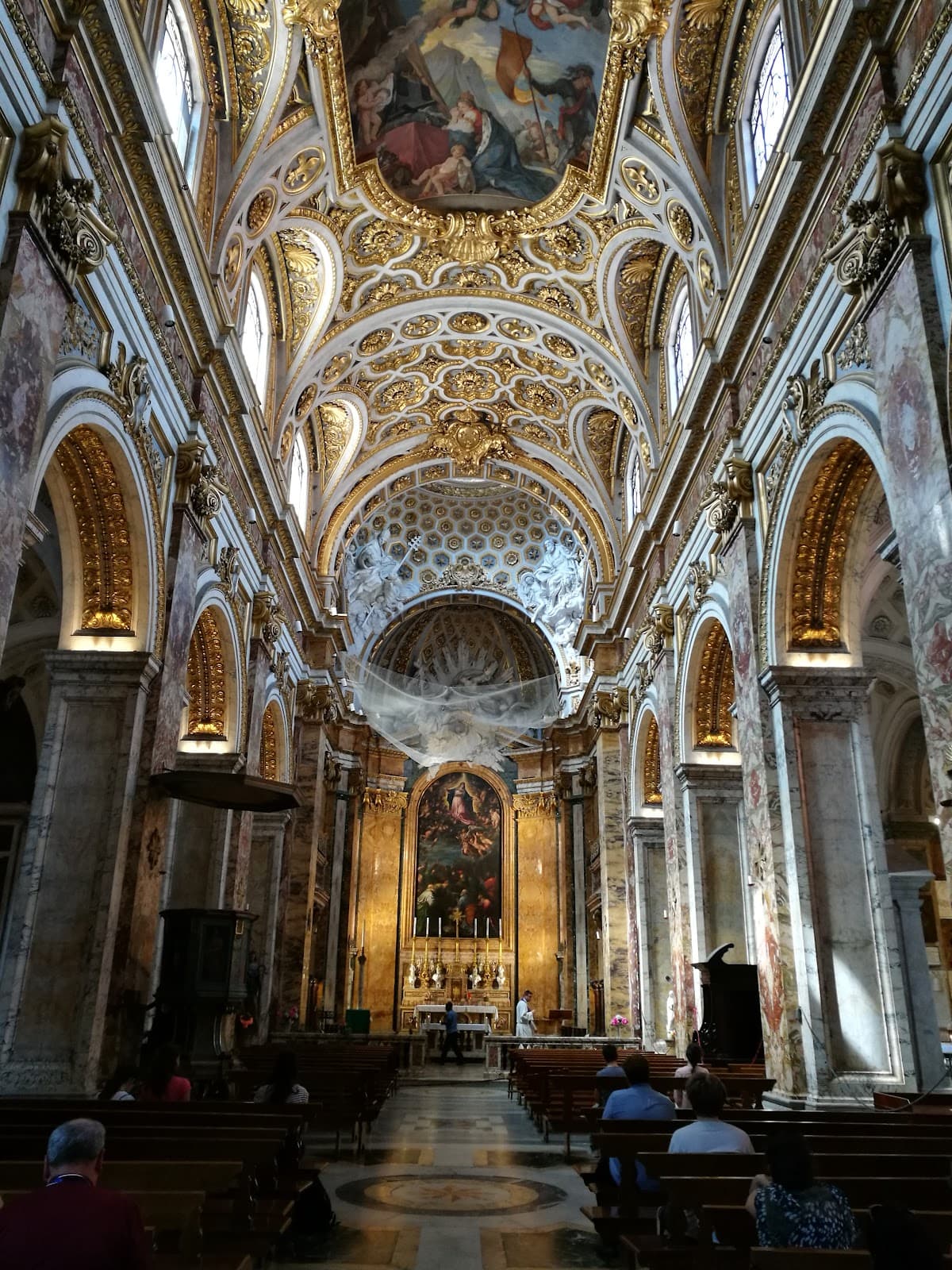
Admire the breathtaking Caravaggio paintings in the Contarelli Chapel of this beautiful French national church in Rome.
Tip: The paintings are free to view, but bring coins for the lighting.
Gaze up at the oculus, the open circular hole in the center of the Pantheon's dome, which allows natural light to illuminate the interior.
Tip: On a sunny day, you can see a beam of light move across the interior.
Discover the vast scale of ancient Roman public life at the Baths of Diocletian, now a section of the National Roman Museum, housing significant archaeological finds.
Tip: Combine your visit with other branches of the National Roman Museum for a comprehensive experience.

See Bernini's dramatic sculpture, the Ecstasy of Saint Teresa, in the Cornaro Chapel of this stunning Baroque church.
Tip: The Cornaro Chapel is a masterpiece of Baroque art and theater.

Stroll along the Via dei Fori Imperiali, connecting the Colosseum to Piazza Venezia, and admire the ruins of several imperial forums built by Roman emperors.
Tip: This area is best explored on foot, allowing you to appreciate the scale of the ancient structures.
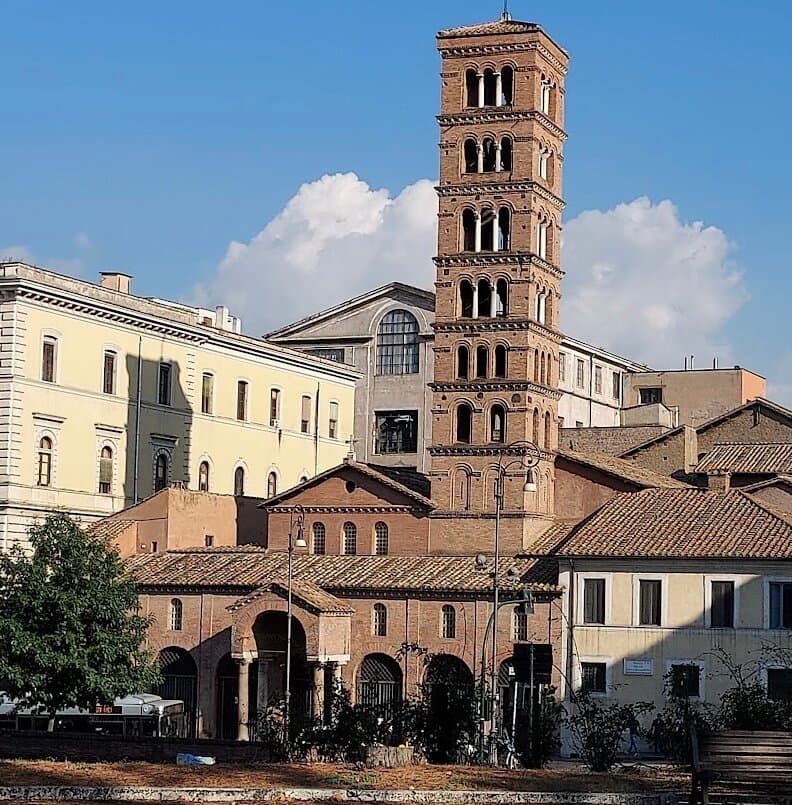
See the famous Mouth of Truth (Bocca della Verità) located just outside this ancient church, and admire its beautiful medieval interior.
Tip: The church itself is also worth a visit for its historical significance and architecture.

Descend into the ancient underground burial chambers of the Catacombs of Callixtus, a significant early Christian burial site.
Tip: Guided tours are mandatory and provide historical context.

Admire a remarkable collection of ancient Roman sculptures, including famous works like the Ludovisi Ares and the Dying Gaul, in this elegant Renaissance palace.
Tip: The courtyard of the palace is also a beautiful space to explore.
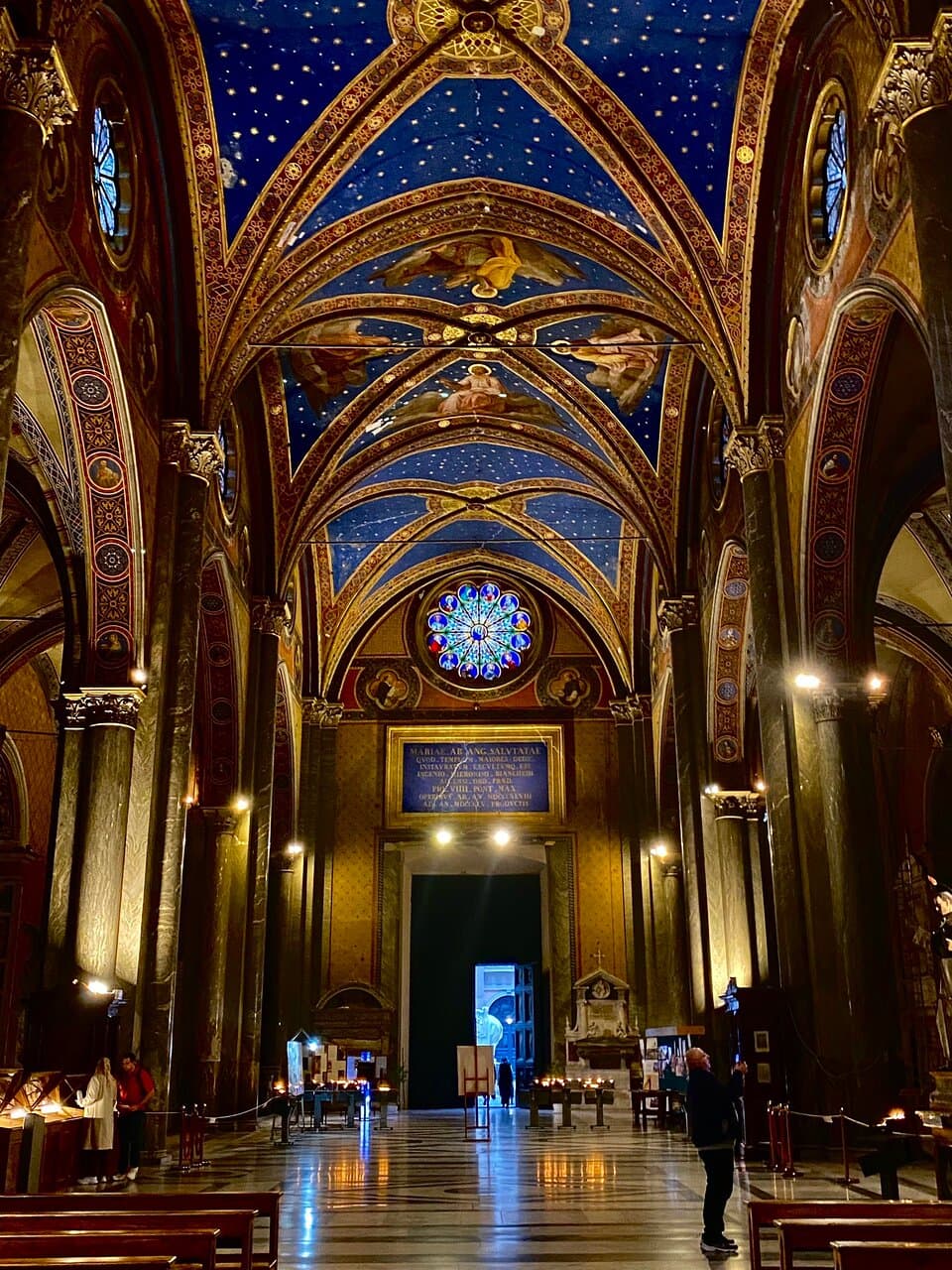
See Michelangelo's sculpture of Christ the Redeemer and works by Filippino Lippi in this unique Gothic church, the only one in Rome with a Gothic facade.
Tip: It's located near the Pantheon and is a beautiful contrast to the classical architecture.

Imagine chariot races at the vast ancient stadium of Circus Maximus, now a large public park where Romans gather for events and relaxation.
Tip: It's a great spot for a picnic or a leisurely walk with views of the Palatine Hill.
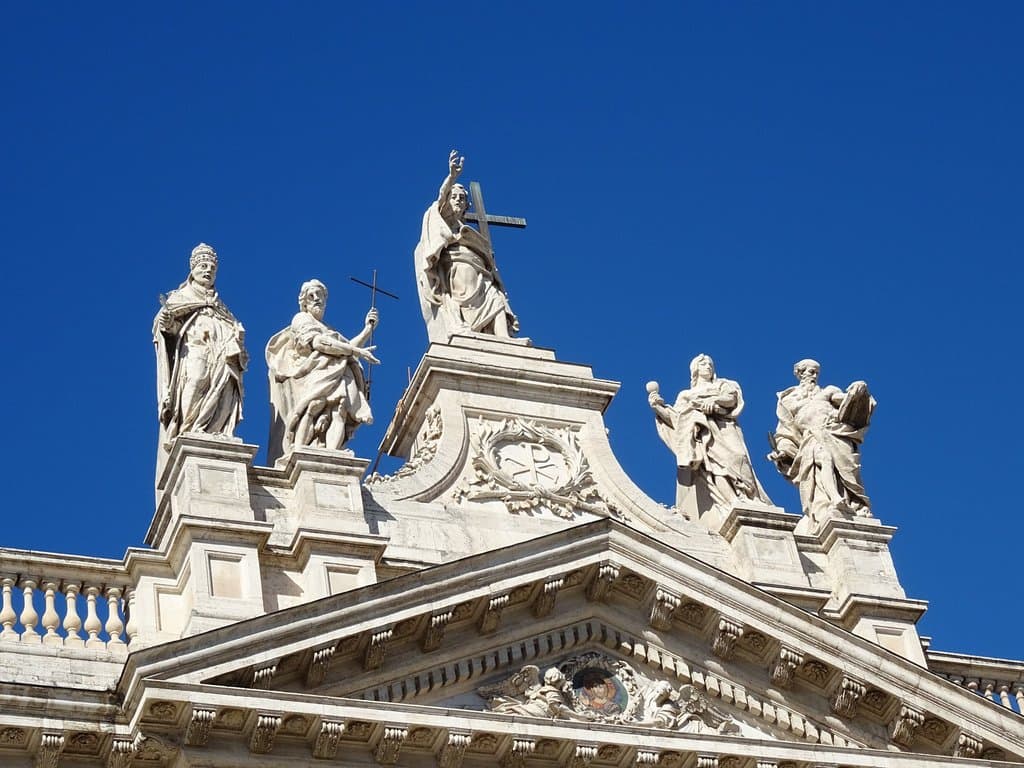
Explore the Cathedral of Rome, the official ecclesiastical seat of the Pope, a magnificent basilica with a rich history and impressive facade.
Tip: It's one of the four major papal basilicas and a significant pilgrimage site.
Admire the grand portico of the Pantheon, with its massive Corinthian columns, a testament to Roman engineering and architectural prowess.
Tip: The sheer scale of the columns is impressive up close.
Be amazed by the illusionistic ceiling fresco by Andrea Pozzo, which creates the appearance of a soaring dome and heavenly architecture.
Tip: The effect is so convincing, it's hard to believe it's just a flat surface.

Wander through the legendary birthplace of Rome, Palatine Hill, exploring the ruins of imperial palaces and enjoying panoramic views of the Forum and Circus Maximus.
Tip: Often included with the Colosseum and Roman Forum ticket, it offers a different perspective.

Ascend Capitoline Hill, designed by Michelangelo, and enjoy stunning views over the Roman Forum from the Piazza del Campidoglio.
Tip: The piazza itself is a work of art, with its symmetrical layout and statues.
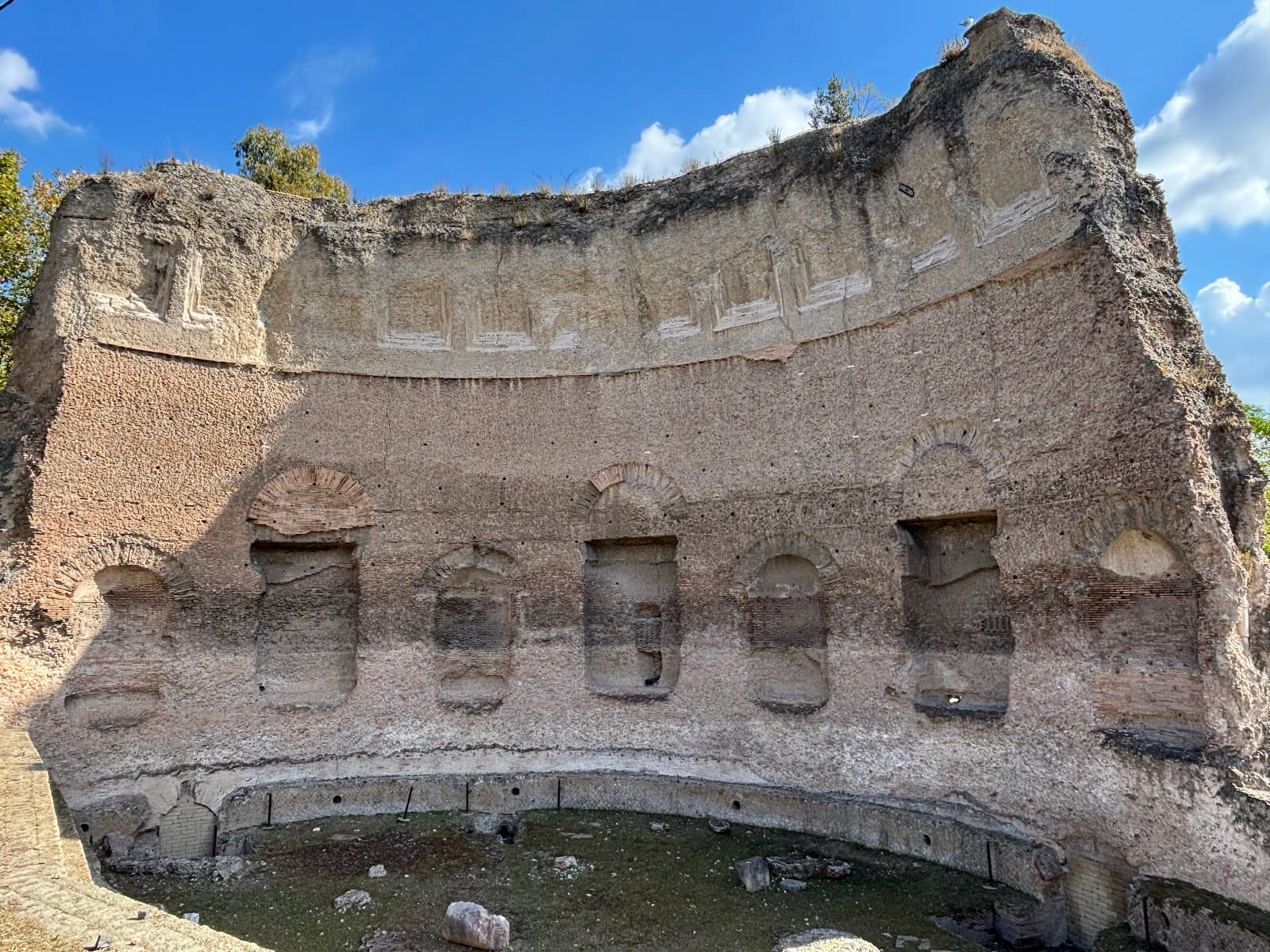
Explore the remains of the Baths of Trajan, a grand imperial bath complex built on the site of Nero's Domus Aurea, offering insights into Roman leisure.
Tip: Part of the archaeological area, it provides context to the surrounding ruins.
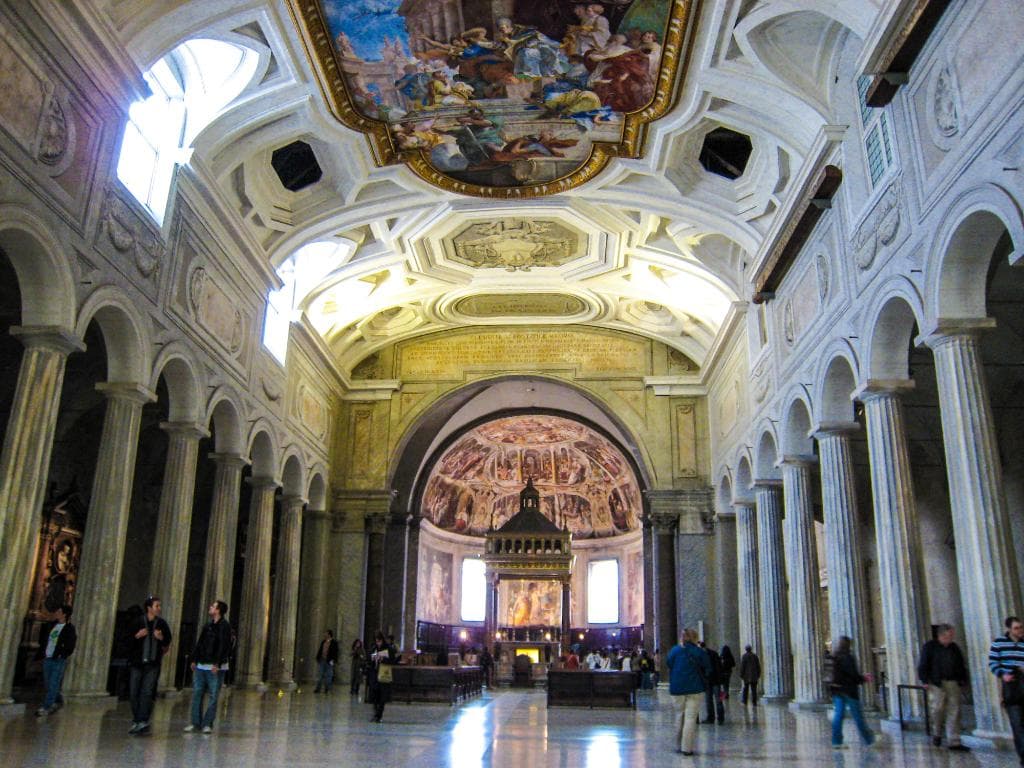
See Michelangelo's powerful sculpture of Moses in this ancient church, which is said to house the chains of St. Peter.
Tip: The sculpture of Moses is incredibly detailed and emotive.

Walk among the ruins of the Roman Forum, the political, religious, and social center of ancient Rome, imagining life in the heart of the empire.
Tip: Wear comfortable shoes as you'll be doing a lot of walking on uneven terrain.

Explore one of Rome's four major papal basilicas, a grand and beautiful church built over the tomb of Saint Paul the Apostle.
Tip: The cloister is particularly beautiful and peaceful.
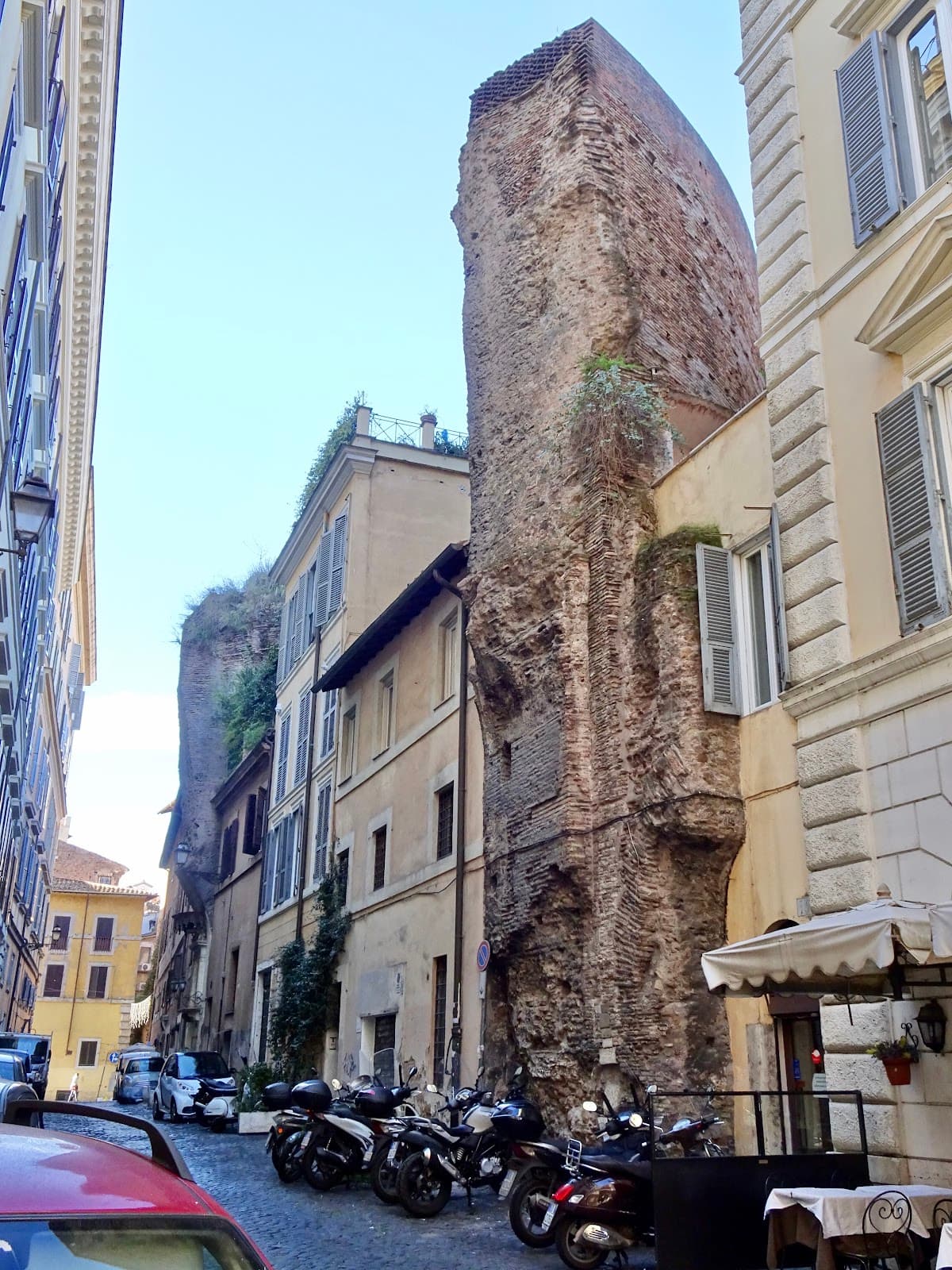
See the remains of the Baths of Agrippa, one of the earliest public baths in ancient Rome, located near the Pantheon.
Tip: These ruins are less extensive but offer historical context to the area.

Admire Bernini's masterpiece of Baroque architecture in this oval-shaped church, known for its dynamic interior and dramatic use of light.
Tip: The interplay of light and shadow is a key feature of the design.

Uncover ancient Roman houses beneath Palazzo Valentini through an immersive multimedia exhibition that brings history to life.
Tip: Booking in advance is recommended for this popular attraction.
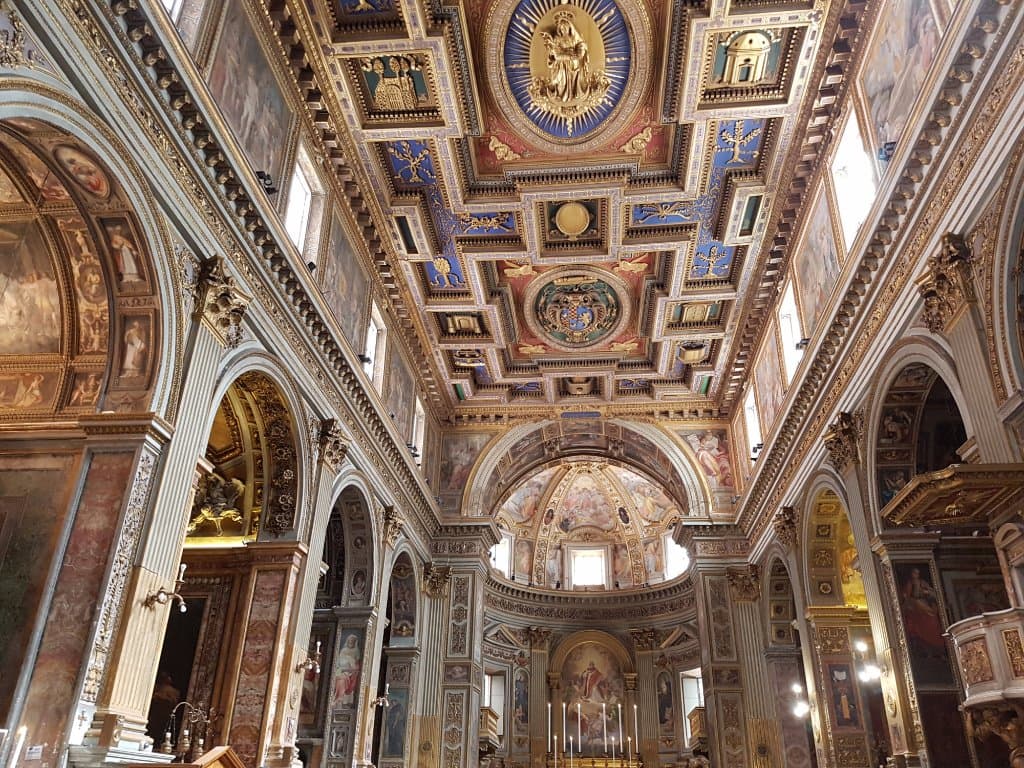
See the impressive Baroque facade of this church and its historical significance as a site of early Christian worship.
Tip: It's located on Via del Corso, a major shopping street.
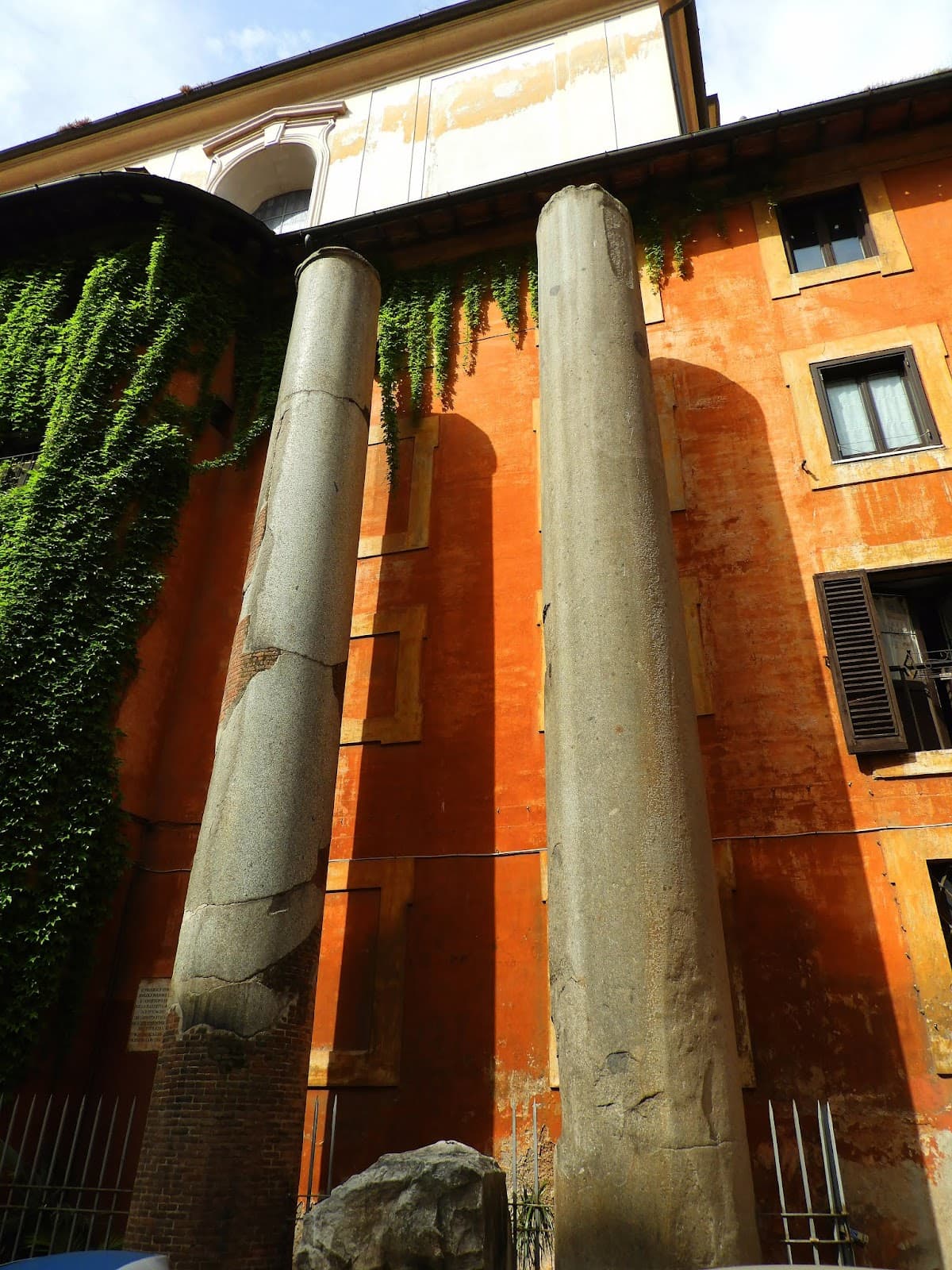
See the remnants of the Baths of Nero, an ancient Roman bath complex that was later incorporated into other structures.
Tip: These ruins are less prominent but add to the layers of history in the city.

Explore one of the oldest churches in Rome, famous for its stunning golden mosaics and beautiful facade in the heart of Trastevere.
Tip: The piazza outside is a lively spot to experience the Trastevere atmosphere.

See the ancient open-air theatre, predating the Colosseum, which has been incorporated into later buildings and offers a glimpse into Roman entertainment.
Tip: It's a fascinating blend of ancient and modern architecture.

Admire Borromini's architectural genius in this small but exquisite Baroque church, known for its undulating facade and intricate dome.
Tip: The church is a masterpiece of Baroque design, despite its small size.
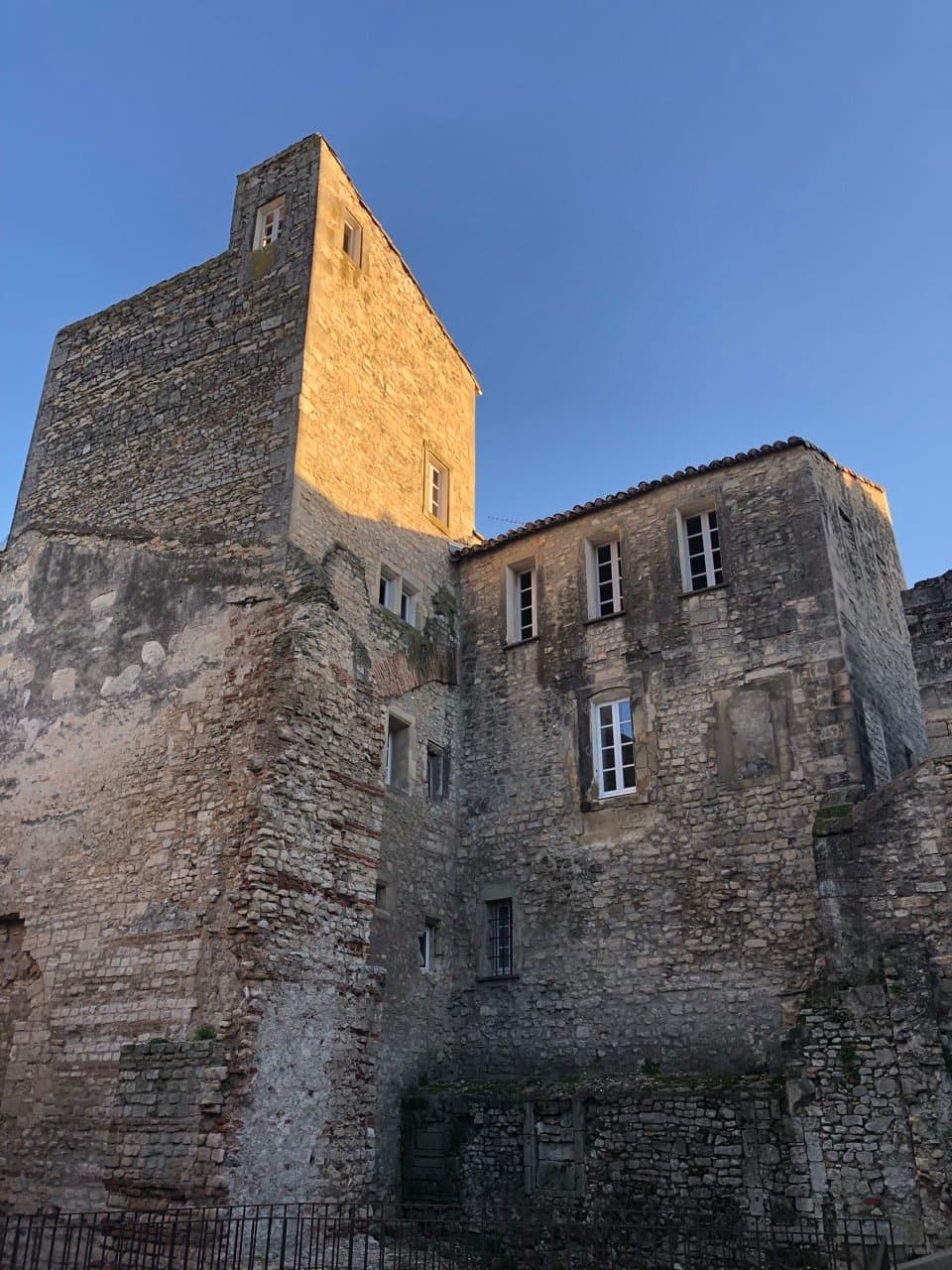
See the remains of the Baths of Constantine, a large imperial bath complex located on the Quirinal Hill.
Tip: These ruins are less preserved but contribute to the historical landscape.
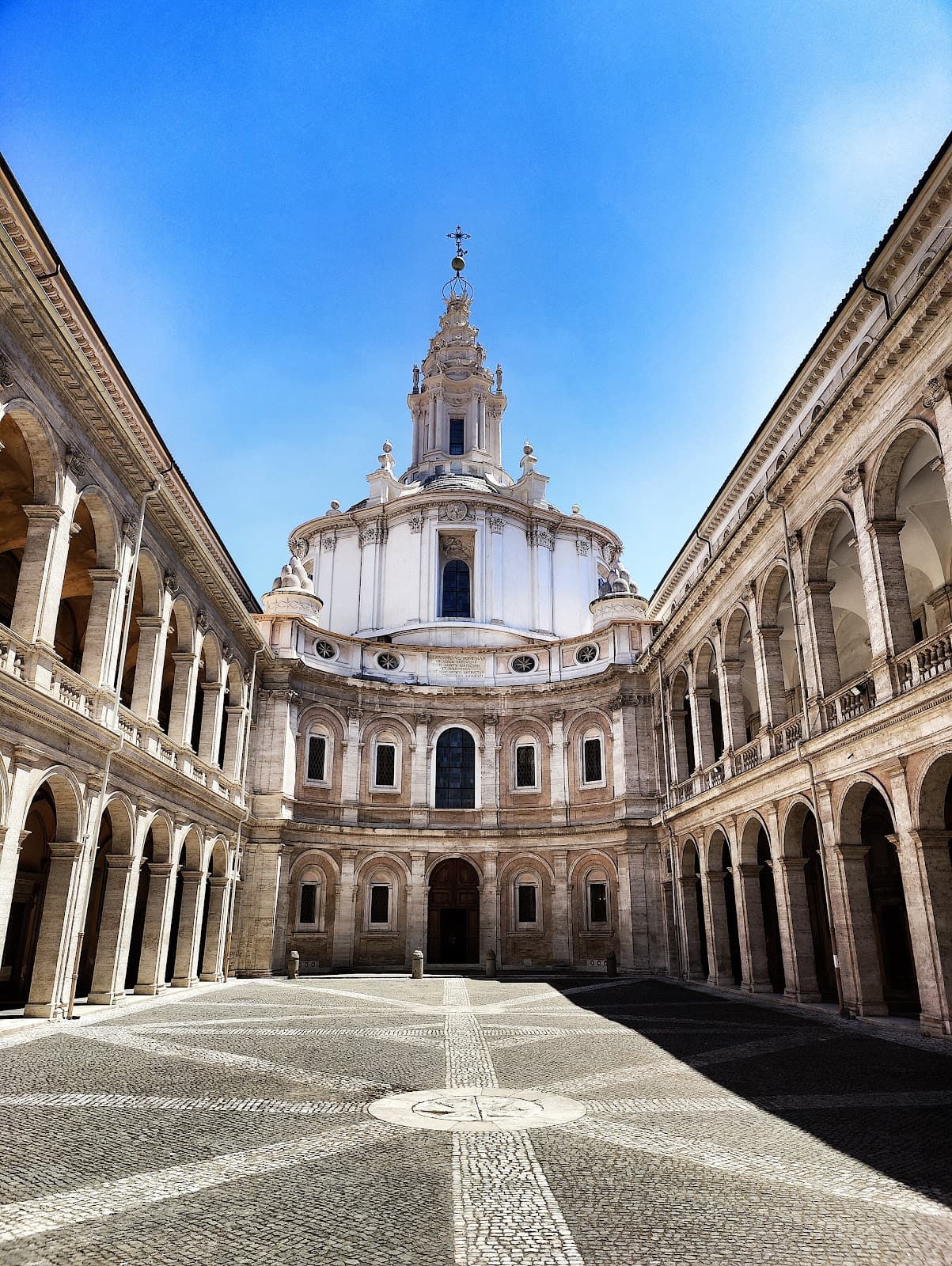
Marvel at Borromini's innovative Baroque design in this church, featuring a unique spiral dome and a facade that seems to twist and turn.
Tip: The exterior is as impressive as the interior, showcasing a unique architectural style.
See the remnants of the Baths of Alexander, an ancient Roman bath complex located near the Pantheon.
Tip: These ruins are part of the historical fabric of the city center.
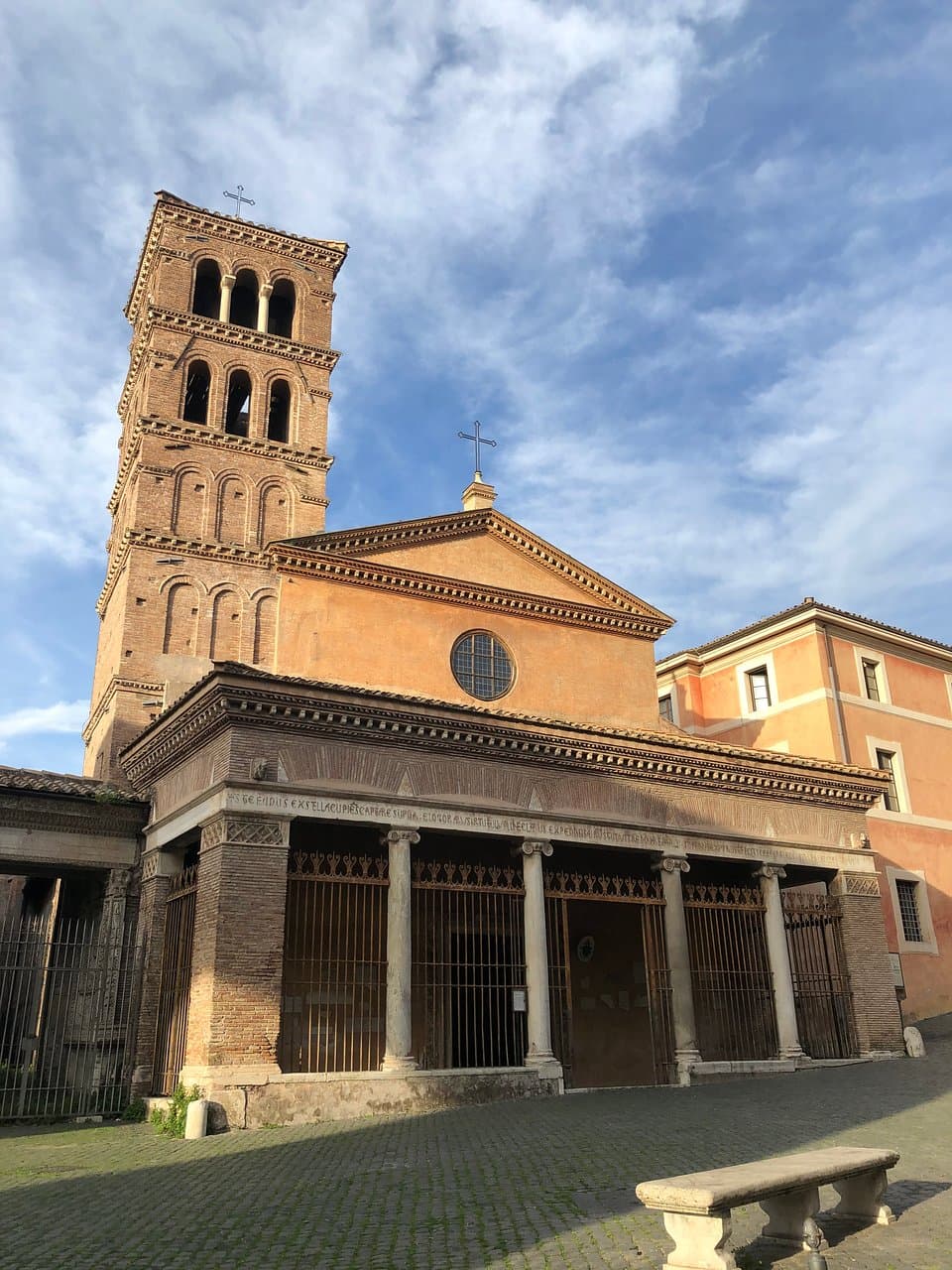
Discover this ancient church with its Romanesque campanile, located near the Arch of Titus and the Forum.
Tip: It's a quiet and atmospheric church with historical significance.
Descend through layers of history at the Basilica di San Clemente, with its medieval church built over a 4th-century church and ancient Roman structures below.
Tip: There's a fee to access the lower levels, but it's worth it to see the ancient Roman house and Mithraic temple.
Explore the remains of the Baths of Trajan, a grand imperial bath complex built on the site of Nero's Domus Aurea, offering insights into Roman leisure.
Tip: Part of the archaeological area, it provides context to the surrounding ruins.
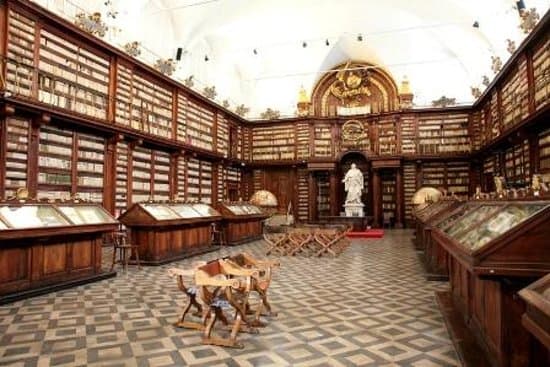
Step into the serene beauty of Biblioteca Casanatense, a stunning 17th-century library with ornate architecture and a peaceful atmosphere.
Tip: It's a free and unique cultural experience, located near the Pantheon.
Enjoy a romantic and affordable boat ride on the picturesque lake within Villa Borghese Gardens, offering a unique perspective of the park.
Tip: Rentals are available for a set period, making it a budget-friendly option.

Admire masterpieces by Caravaggio and Bernini within this historic church, a significant stop on the Via del Corso.
Tip: The church is free to enter, but donations are appreciated.
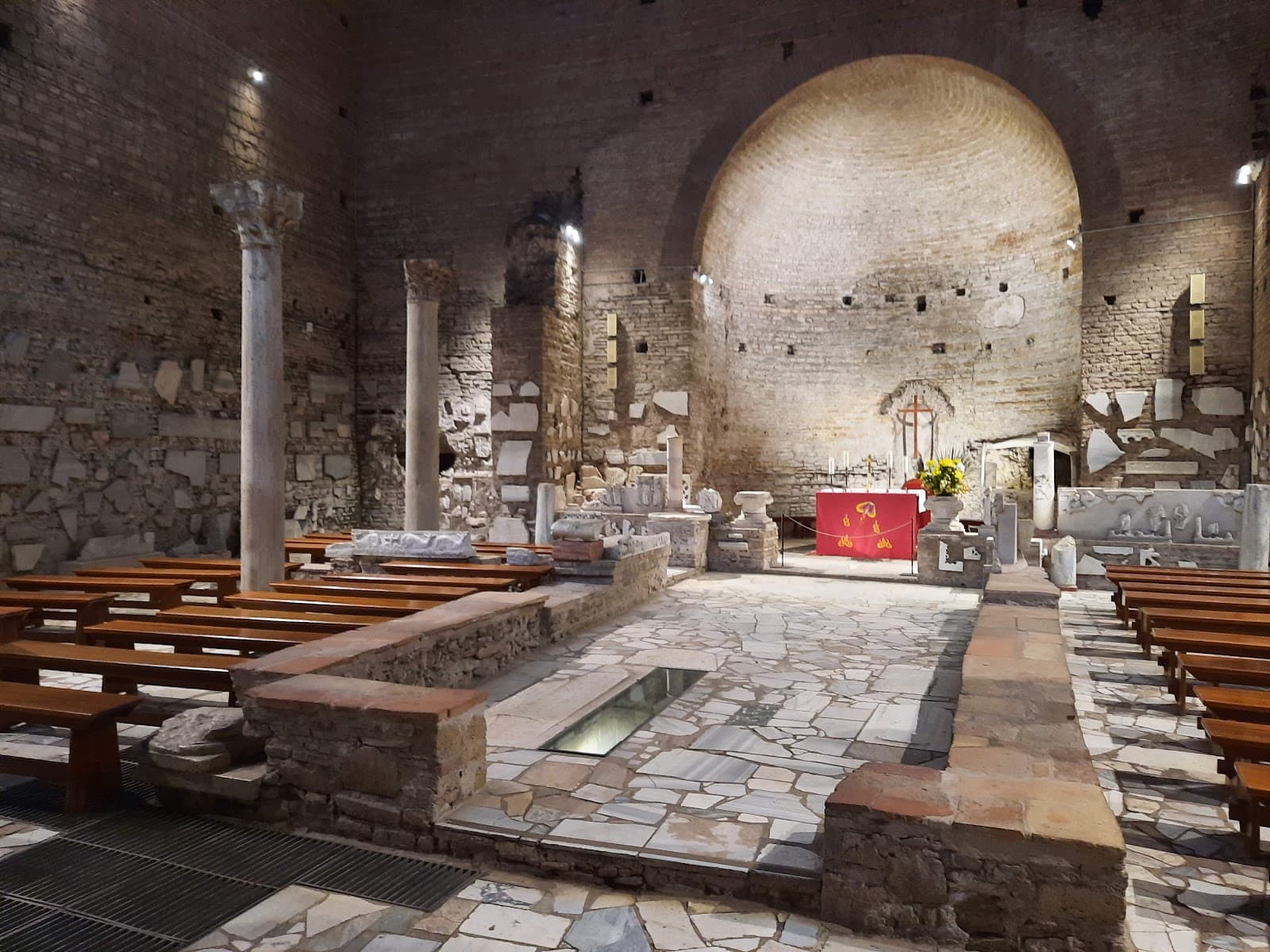
Discover one of the oldest and largest Christian catacombs in Rome, featuring ancient frescoes and burial chambers.
Tip: Guided tours are essential to understand the history and significance of the catacombs.
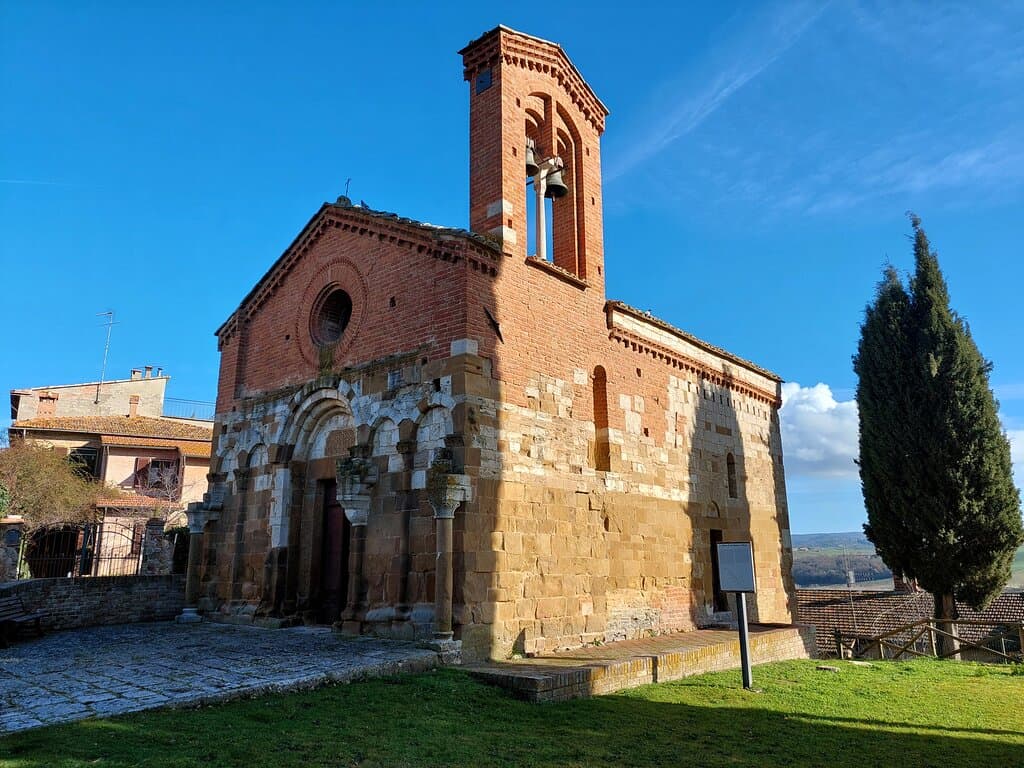
See Bramante's Tempietto, a small, perfectly proportioned Renaissance shrine, located in the courtyard of this church.
Tip: The Tempietto is considered a masterpiece of Renaissance architecture.
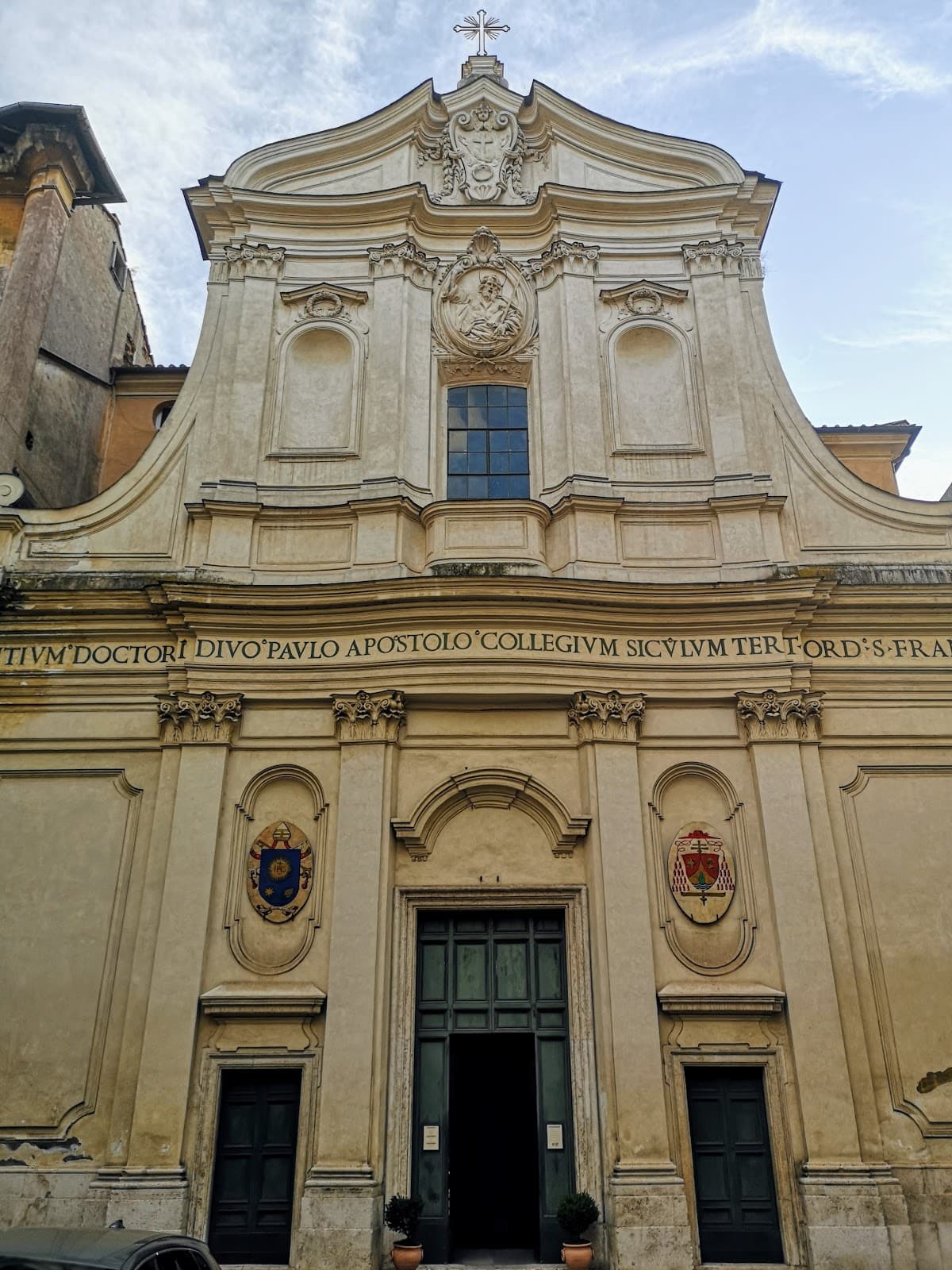
Discover this historic church in the Jewish Ghetto, known for its ancient Roman remains beneath the current structure.
Tip: It offers a glimpse into the layered history of the neighborhood.
Explore the monumental ruins of the Baths of Diocletian, once the largest public baths in ancient Rome, now a part of the National Roman Museum.
Tip: The site is vast and offers a glimpse into the social life of ancient Romans.
See the remains of the Baths of Constantine, a large imperial bath complex located on the Quirinal Hill.
Tip: These ruins are less preserved but contribute to the historical landscape.