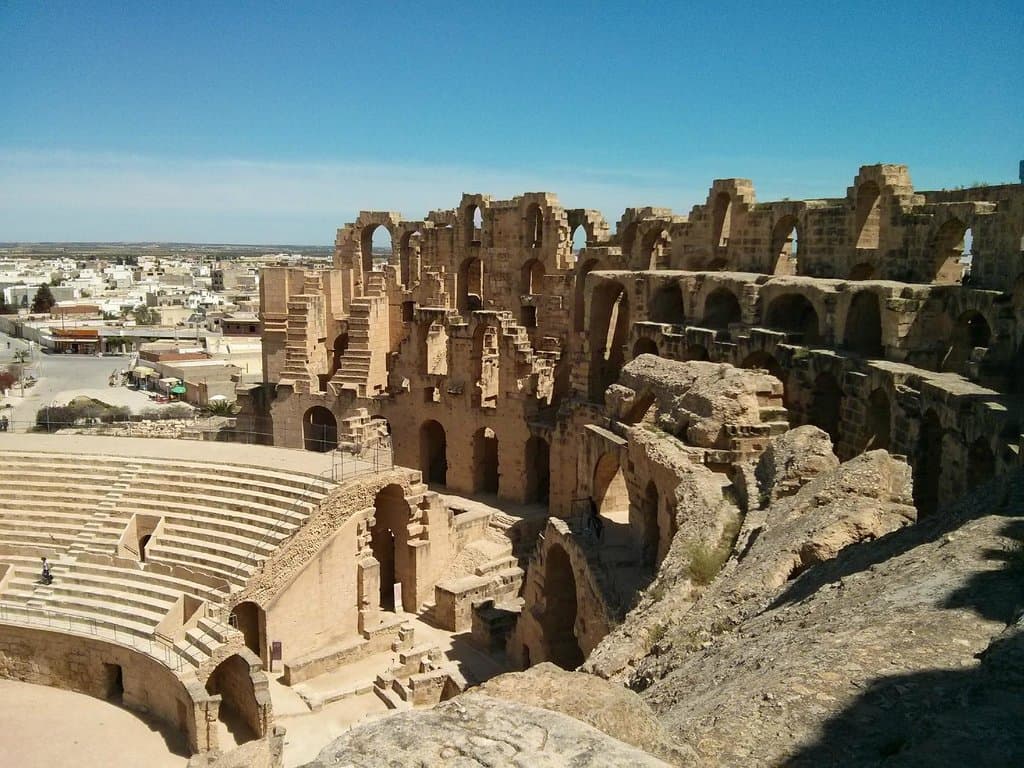
El Jem Archaeological Museum
Discover stunning Roman mosaics and villa remnants at this archaeological museum, a perfect complement to the El Jem Colosseum.
Highlights
Must-see attractions

Social
From TikTok & Reddit
Best Time
Fewer crowds, peaceful viewing
El Jem Archaeological Museum
Best Time
Fewer crowds, peaceful viewing
Highlights
Must-see attractions
Discover stunning Roman mosaics and villa remnants at this archaeological museum, a perfect complement to the El Jem Colosseum.
"The mosaics are truly astonishing, detailed, and expressive – a highlight of Roman art."
🎟️ Combined Ticket Advantage
Your Colosseum ticket also grants entry to the museum. No need to buy separately!
🚶♀️ Museum is Separate
The museum is about 700m from the Colosseum. Turn left after exiting the amphitheater.
Quick Facts
Hours
Rating
4.7 · 1,635 reviews
Type
Museum
Highlights
Discover the most iconic attractions and experiences
Stunning Roman Mosaics
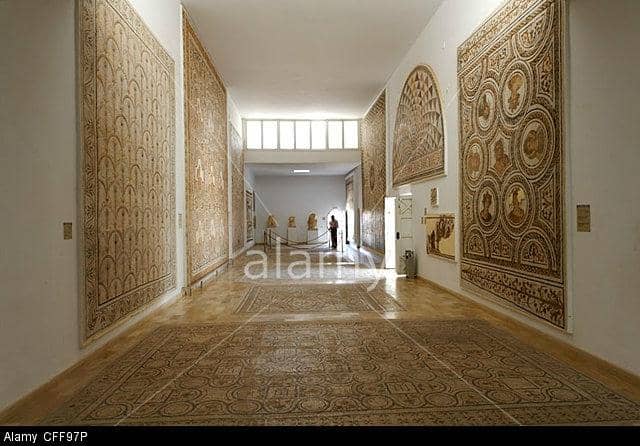
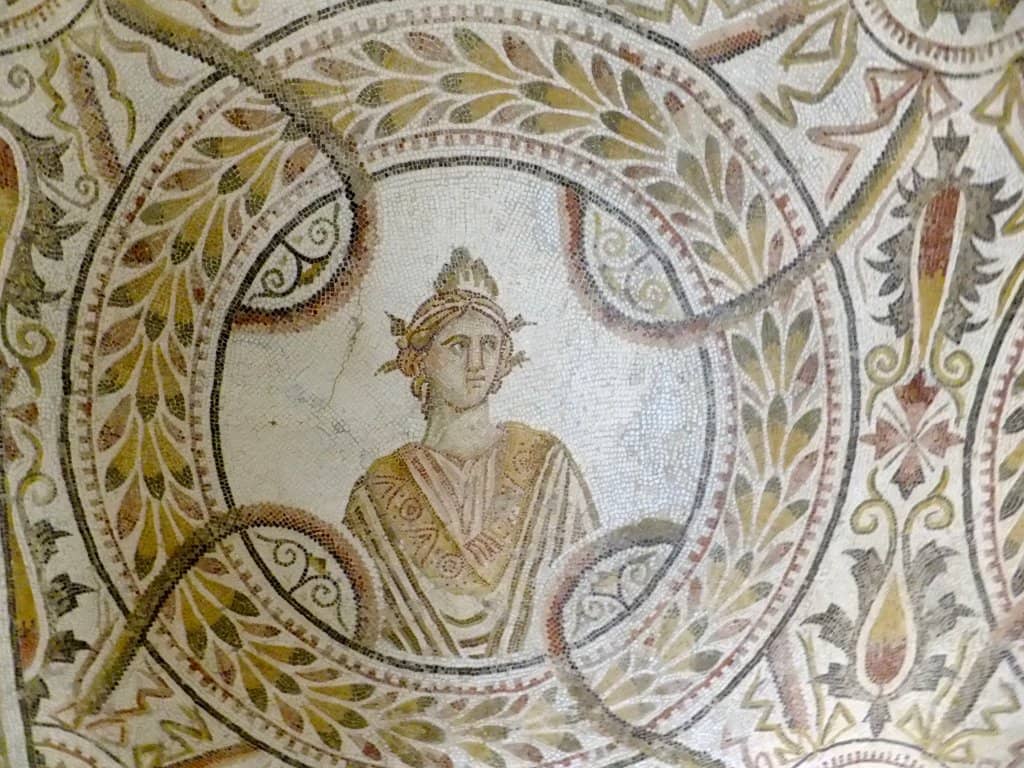
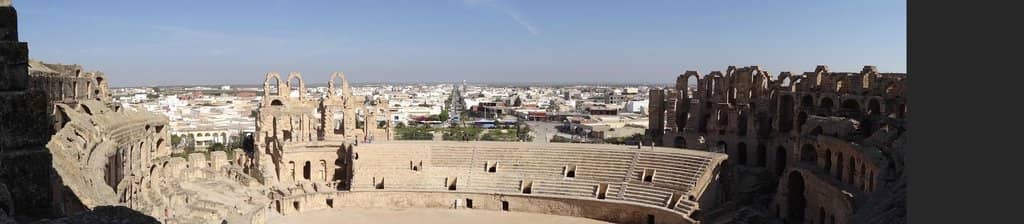
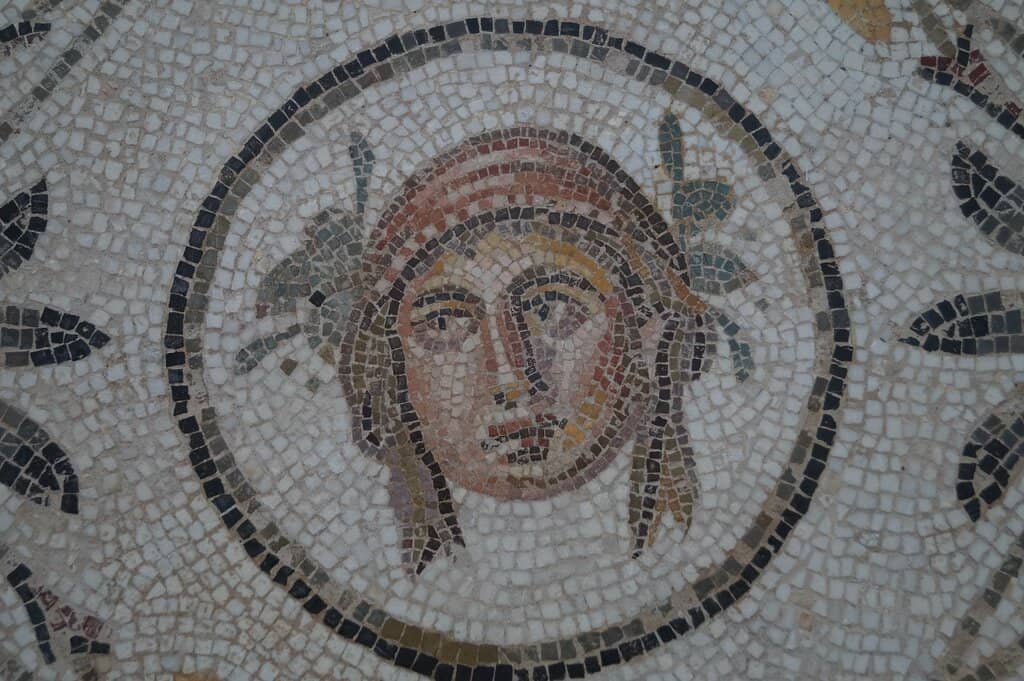
Marvel at an extensive collection of authentic Roman mosaics, showcasing incredible detail and vibrant, preserved colors.
Roman Villa Reconstruction
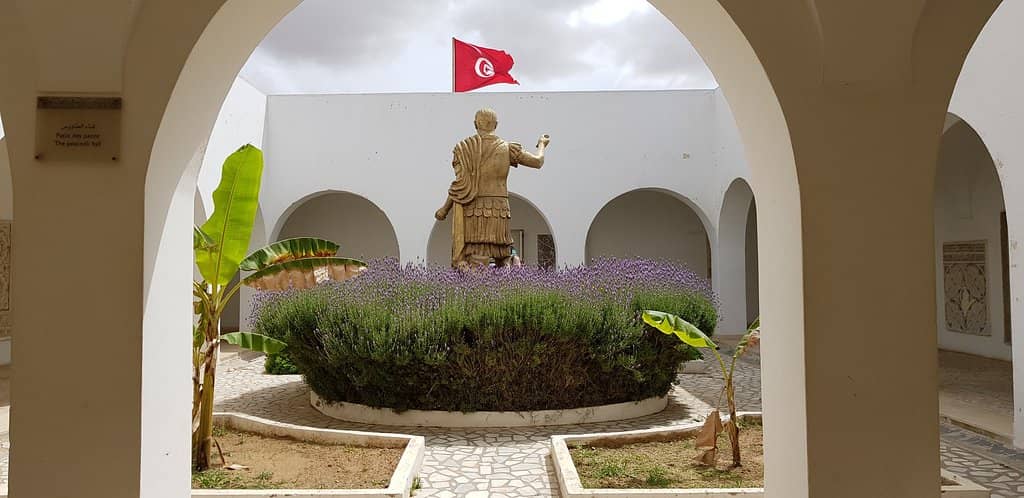
Explore the remnants of a Roman villa, offering a glimpse into the domestic life of the era.

Sculptures and Artifacts
Discover a variety of sculptures, ceramics, and other historical artifacts from the Roman period.
Plans like a pro.
Thinks like you
Planning Your Visit
Combine Your Tickets
Timing is Key
Best Times
Insider Tips
from TikTok, Instagram & Reddit
🎟️ Combined Ticket Advantage
Your Colosseum ticket also grants entry to the museum. No need to buy separately!
🚶♀️ Museum is Separate
The museum is about 700m from the Colosseum. Turn left after exiting the amphitheater.
⏳ Allow 1 Hour
Allocate about an hour to fully appreciate the mosaics and artifacts inside and outside.
🍽️ Dining Advice
Avoid restaurants directly in front of the Colosseum; venture further for better value and taste.
Tips
from all over the internet
🎟️ Combined Ticket Advantage
Your Colosseum ticket also grants entry to the museum. No need to buy separately!
🚶♀️ Museum is Separate
The museum is about 700m from the Colosseum. Turn left after exiting the amphitheater.
⏳ Allow 1 Hour
Allocate about an hour to fully appreciate the mosaics and artifacts inside and outside.
🍽️ Dining Advice
Avoid restaurants directly in front of the Colosseum; venture further for better value and taste.
🖼️ Mosaic Masterpieces
The mosaics are truly astonishing, detailed, and expressive – a highlight of Roman art.
What Travellers Say
Reviews Summary
Visitors rave about the El Jem Archaeological Museum, particularly its stunning and well-preserved Roman mosaics, which are described as astonishing and incredibly detailed. The museum's connection to the Colosseum via a combined ticket is a significant plus, offering great value and convenience. While some note it's not a large museum, the quality and historical insight provided make it a highly recommended stop for anyone interested in Roman history and art. +2
"Mosaic museum and Africa house are free with your ticket from the colosseum. This is equally impressive with stunningly preserved mosaics and Africa House attached which has an interesting history. It was unexpectedly excellent to see this place."
Leaburn
"The mosaics in the museum are beautiful and well-preserved. Don't forget to visit the historical ruins in the extensive garden. We also used the same 12 TND ticket we paid for the Roman amphitheater to enter the museum. The museum is located in another building about 700 meters away, after turning left at the amphitheater exit."
S E
"So the visit to the museum is included with the coliseum for 12d. Very interesting. The mosaics as late roman are astonishing. So detailed and expressive. I was fascinated. Good notes alongside each piece also explain and help to build a picture of the house of Africa remains which are outside the museums protective walls. The museum experience really embellishes the experience of the coliseum as this where the people lived who helped build and pay for the structure to be built and no doubt they would have been spectators at the games. 10/10..."
Kevin Costello
What People Like
What People Dislike
Frequently Asked Questions
🚇 🗺️ Getting There
The museum is located in El Djem, Tunisia. It's a short walk (about 700 meters) from the famous El Jem Colosseum. If you're arriving by car, there is parking available near the Colosseum. Many group tours also include both the Colosseum and the museum.
No, the museum is conveniently located about 700 meters away from the Colosseum. After exiting the amphitheater, turn left, and you'll find the museum building.
The most common and recommended way is to walk. It's a pleasant stroll and allows you to see more of the town. Taxis are also readily available if you prefer not to walk.
El Jem is accessible by train from Tunis and other major cities in Tunisia. From the train station, you can take a short taxi ride or walk to the museum and Colosseum.
Yes, El Jem is a popular day trip destination from Sousse (closer) and Tunis. Many visitors combine it with other sites like Sousse's Archaeological Museum.
🎫 🎫 Tickets & Entry
The museum is typically included with the ticket for the El Jem Colosseum. The combined ticket price is usually around 12 TND. It's highly recommended to purchase this combined ticket to save money and time. +1
No, you do not need separate tickets. The entrance fee for the El Jem Colosseum usually covers admission to the Archaeological Museum as well.
Opening hours can vary seasonally, but generally, the museum follows similar hours to the Colosseum. It's advisable to check the latest hours before your visit, especially during holidays or off-season.
While online ticketing options might be limited, you can easily purchase the combined ticket at the entrance of the El Jem Colosseum. There are usually no long queues for tickets.
Information on specific discounts for students or seniors is not widely publicized, but it's always worth inquiring at the ticket counter. The combined ticket offers excellent value for all visitors.
🎫 🏛️ Onsite Experience
The museum boasts a remarkable collection of Roman mosaics, many of which are exceptionally well-preserved and feature intricate designs and vibrant colors. You'll also find sculptures, ceramics, and artifacts from the Roman era, as well as the remains of a Roman villa. +1
Most visitors find that about an hour is sufficient to explore the museum's exhibits, both inside and in the surrounding garden area. This allows for a thorough appreciation of the mosaics and artifacts.
While official guided tours might not always be readily available, the museum provides good informational notes alongside its exhibits. Many visitors find these notes helpful in understanding the context of the artifacts.
The museum is housed in a Roman villa-style building, which may present some challenges for accessibility. While the main exhibition areas are generally navigable, some parts might be uneven. It's best to inquire about specific accessibility features upon arrival.
The El Jem Colosseum is a massive Roman amphitheater where gladiatorial contests took place. The Archaeological Museum, located in a Roman villa, houses artifacts, sculptures, and stunning mosaics that offer insight into the daily lives and art of the people who lived in the region during Roman times.
🍽️ 🍽️ Food & Dining
There are restaurants located near the El Jem Colosseum. However, it's recommended to avoid the ones directly in front of the Colosseum, as they can be more expensive and less authentic. Exploring a bit further into the town will likely yield better dining experiences.
In El Jem, you can expect traditional Tunisian cuisine, which often includes couscous, tagines, grilled meats, and fresh seafood. Local restaurants will offer authentic flavors of the region.
It's generally recommended to have lunch after your visit to both the Colosseum and the museum, allowing you to fully immerse yourself in the historical sites without rushing. This also gives you time to find a well-regarded local eatery.
Yes, you can find cafes in El Jem offering coffee, tea, and light snacks. These can be a good option for a brief rest between exploring the historical sites.
Look out for local variations of couscous, flavorful stews, and perhaps some fresh fish if you're near the coast. Enjoying a mint tea is also a quintessential Tunisian experience.
📸 📸 Photography
Photography is generally allowed inside the museum, but it's always a good idea to check for any specific signage or ask staff. Flash photography might be restricted to protect the delicate mosaics.
The mosaics themselves are the primary photographic subjects, offering incredible detail and color. The reconstructed villa also provides interesting architectural shots. The garden area with remaining walls can also be picturesque.
Drone photography is typically restricted in archaeological sites and museums in Tunisia for preservation and security reasons. It's best to assume drones are not permitted.
Given the indoor lighting, a camera with good low-light performance or a tripod (if allowed) can be beneficial. Natural light filtering in can also create beautiful effects on the mosaics.
Yes, the historical ruins and garden area outside the museum are open for exploration and photography. These remnants provide further context to the estate.
Social
from TikTok, Instagram & Reddit