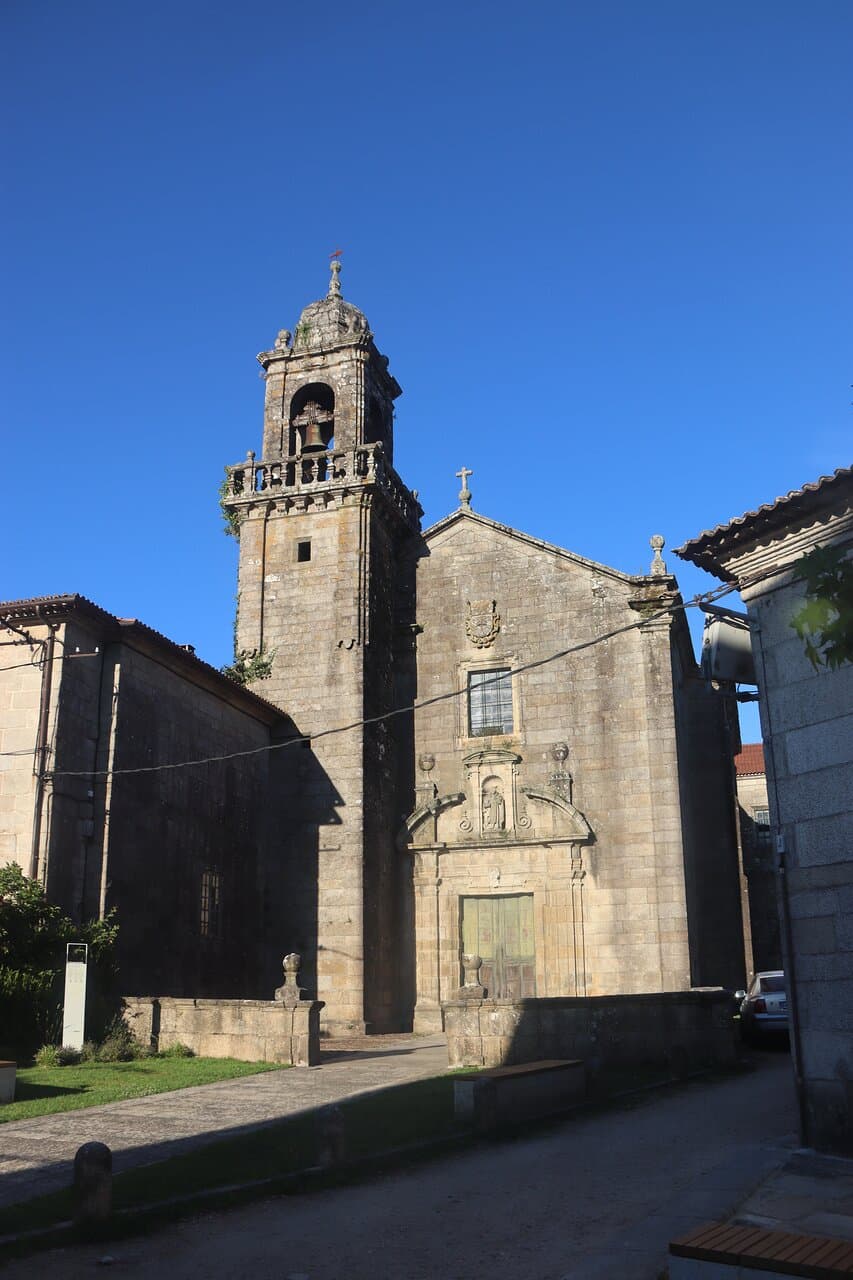
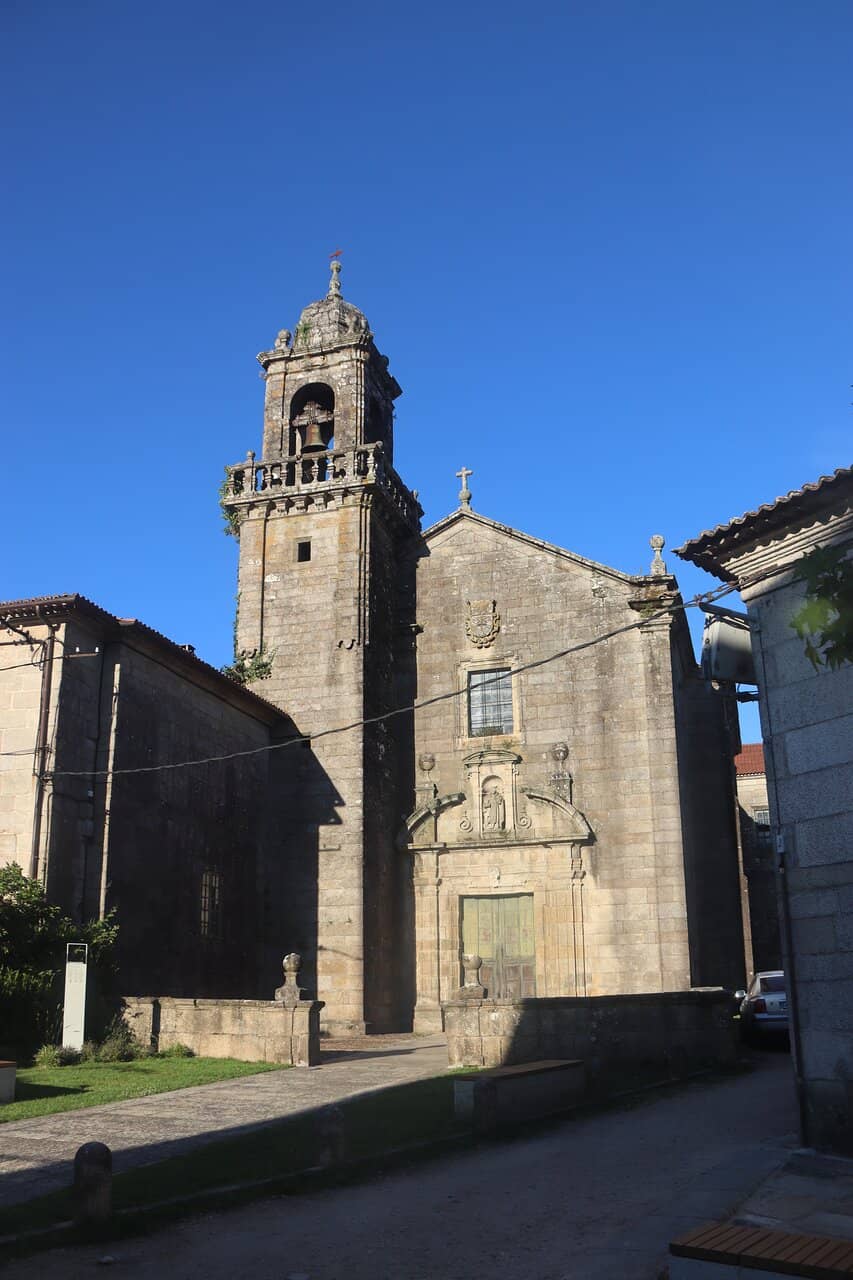
Santo Domingo Church and Convent Tui
A stunning Gothic church and former convent on the Portuguese Way, rich in history and architectural beauty.
Highlights
Must-see attractions

Social
From TikTok & Reddit
Best Time
Fewer crowds, peaceful atmosphere
Santo Domingo Church and Convent Tui
Best Time
Fewer crowds, peaceful atmosphere
Highlights
Must-see attractions
A stunning Gothic church and former convent on the Portuguese Way, rich in history and architectural beauty.
"Truly in line with the rest of the town and is truly stunning. It's very pretty and well worth a visit. "
Verify Opening Times
Check hours before visiting, as it may be closed for services or restoration. :information_desk:
Respectful Attire
Dress modestly when visiting this religious site. :dress:
Highlights
Discover the most iconic attractions and experiences
Gothic Architecture
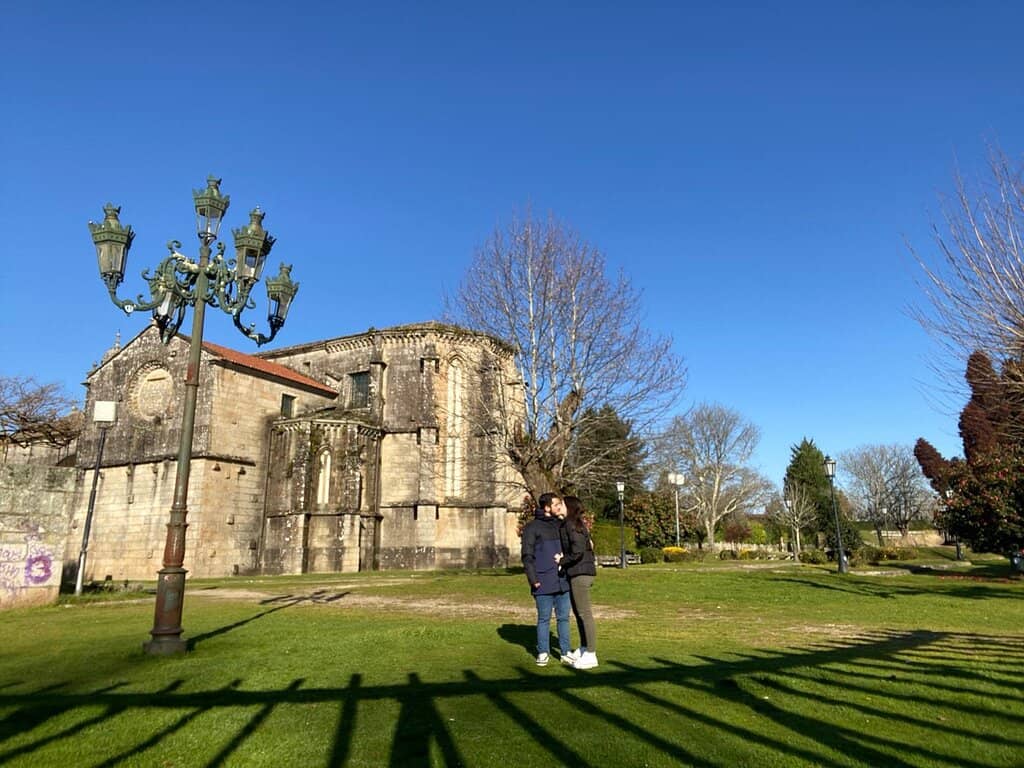
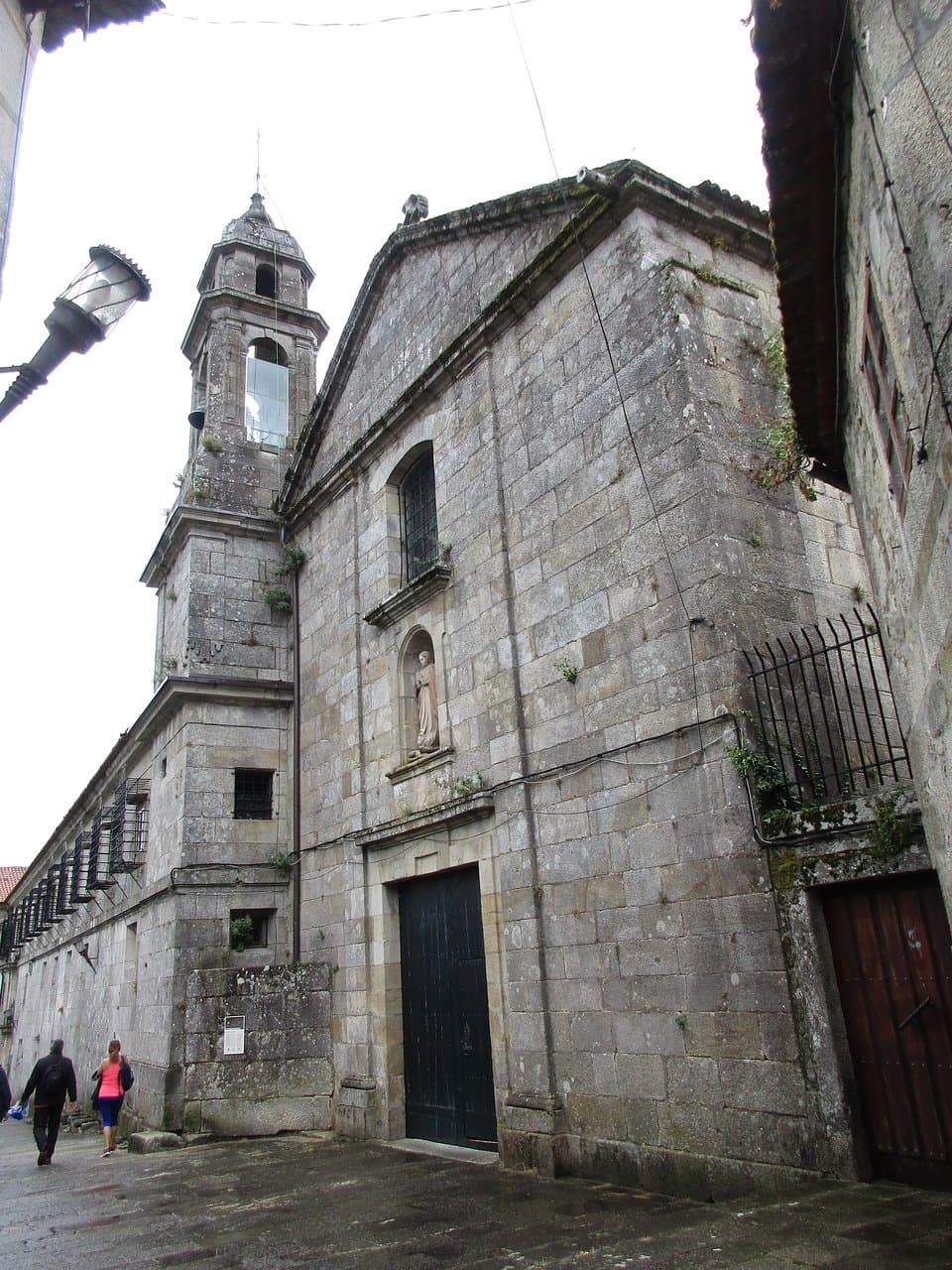
Admire the stunning Gothic style of this historic church, a testament to centuries of architectural evolution.
Franciscan Convent
Explore the remnants of the convent, once home to Franciscan friars, offering a glimpse into monastic life.

Soutomaior Family Tombs
Discover the elaborate tombs of the influential Soutomaior family, a significant historical feature within the church.
Plans like a pro.
Thinks like you
Planning Your Visit
Check Opening Hours
Pilgrimage Route Stop
Best Times
Insider Tips
from TikTok, Instagram & Reddit
Verify Opening Times
Check hours before visiting, as it may be closed for services or restoration. :information_desk:
Respectful Attire
Dress modestly when visiting this religious site. :dress:
Explore Tui Town
Combine your visit with exploring the charming historic town of Tui. :cityscape:
Tips
from all over the internet
Verify Opening Times
Check hours before visiting, as it may be closed for services or restoration. :information_desk:
Respectful Attire
Dress modestly when visiting this religious site. :dress:
Explore Tui Town
Combine your visit with exploring the charming historic town of Tui. :cityscape:
What Travellers Say
Reviews Summary
Visitors praise the beautiful Gothic architecture and the historical significance of the Santo Domingo Church and Convent, noting its serene atmosphere. Some reviewers mentioned finding it closed during their visit, suggesting checking opening times in advance.
"Gothic style historic church next to pilgrimage route the Portuguese Way. Dates back to 1524 built for Franciscan friars."
Mark Auchincloss
"I really liked how beautiful this church and everything surrounding it looks. It's truly in line with the rest of the town and is truly stunning. It's very pretty and well worth a visit and a moment to spend."
Christian
"Não cheguei a entrar, pois estava fechada. Deu a impressão que estaria em recuperação interna, mas sem certezas.
No entanto vale sempre a pena ver estes edifícios, pela sua antiguidade e arquitetura, bem como históricos!"
José Trindade
What People Like
What People Dislike
Frequently Asked Questions
🚇 🗺️ Getting There
The church and convent are located in the historic center of Tui, Galicia, Spain. If you are driving, there is parking available nearby. For those using public transport, buses run to Tui from major cities in Galicia.
Yes, Tui is well-connected by bus services from cities like Vigo and Pontevedra. From the bus station, it's a short walk to the historic center where the church is located.
Many visitors arrive in Tui as part of the Portuguese Way pilgrimage. If not walking, driving or taking a bus are the most common methods.
🎫 🎫 Tickets & Entry
Entry to the church itself is generally free, though donations are appreciated. Access to specific convent areas might have a fee or be restricted. It's advisable to check on-site for any specific ticketing requirements.
Opening hours can vary, especially due to religious services or potential restoration work. It's highly recommended to check the most current hours before your visit, as it may sometimes be closed.
While the church is typically free to enter, access to certain parts of the convent might involve a fee or be part of guided tours. Confirm on-site for the latest information.
Religious services are often held on Sundays, which might affect visitor access to certain areas. It's best to verify the schedule for Sunday visits.
🎫 🏛️ Onsite Experience
The church is primarily built in the Gothic style, with elements reflecting its long history and various construction phases.
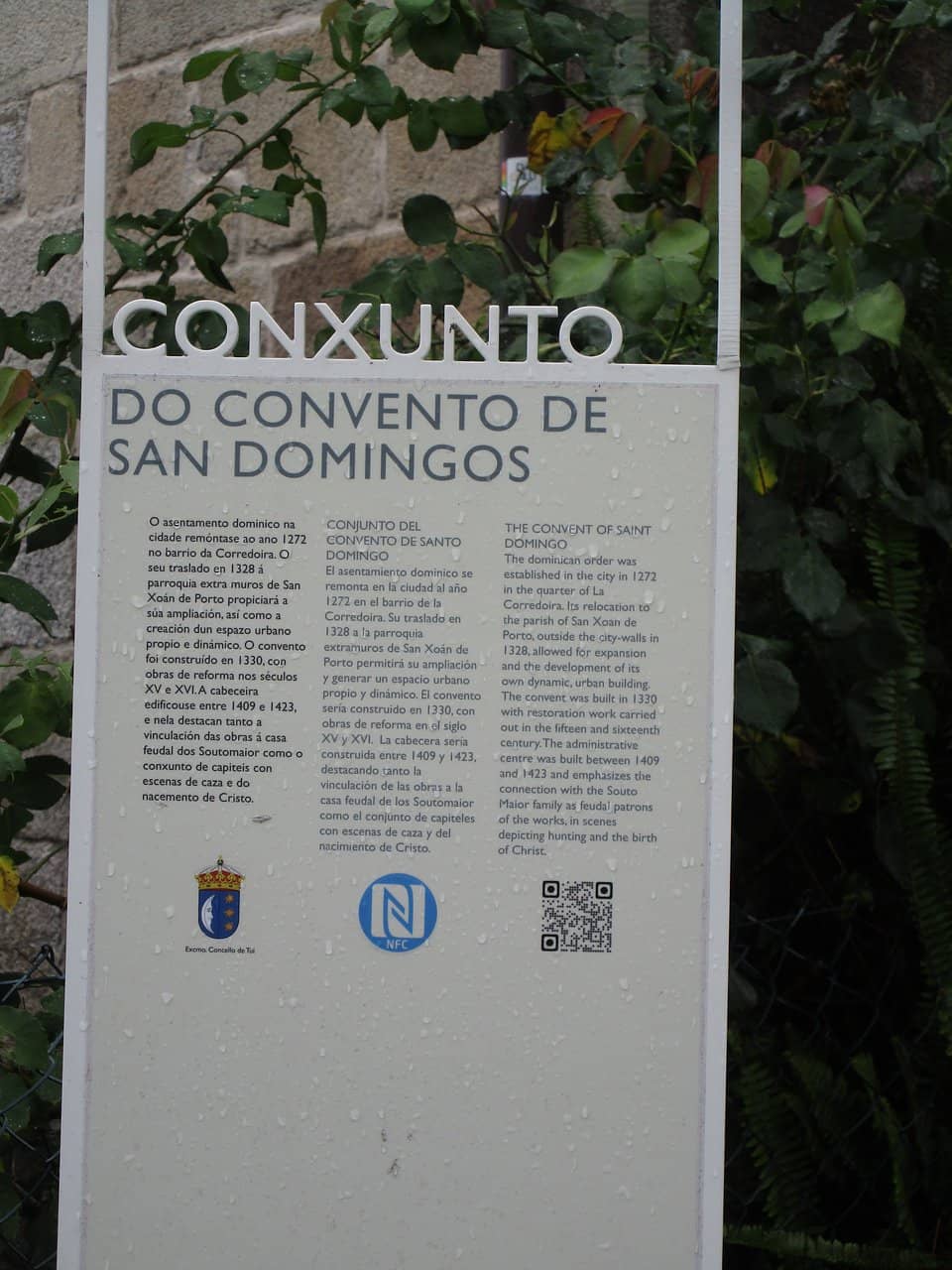
Founded around 1272, the convent has a rich history, with construction beginning in 1330. It's a significant site on the Portuguese Way and features historical tombs.
Inside, you can find the tombs of the Soutomaior family and Bishop Diego de Zúñiga. The church also features fan vaults in its chancel.
Yes, you can appreciate the main architectural features and historical significance in a relatively short visit, though spending more time allows for deeper exploration.
The church is a notable stop for pilgrims on the Portuguese Way, adding to its spiritual and historical importance.
📸 📸 Photography
Photography rules can vary in religious sites. It's generally permitted for personal use, but be respectful of ongoing services and avoid flash photography.
The exterior architecture, especially the Gothic elements, and the interior tombs offer great photographic opportunities. The surrounding town also provides picturesque backdrops.
For Different Travelers
Tailored advice for your travel style
Pilgrims on the Portuguese Way
Consider it a peaceful stop to rest your feet and absorb the atmosphere of Tui. The church's location makes it a natural point of interest for pilgrims seeking both spiritual solace and a connection to the Camino's heritage.
History Enthusiasts
Pay close attention to the Gothic architectural elements, the fan vaulting in the chancel, and the historical tombs of notable families and bishops. The story of its relocation and expansion offers a fascinating case study in medieval urban and religious development.
Deep Dives
In-depth insights and expert knowledge
A Glimpse into History
The church itself evolved over centuries. New chapels were added from the 15th century onwards, and in 1482, the church of San Xoán de Porto was annexed, with elements like its south portal being reused. The church of San Domingos de Tui is believed to have been consecrated between 1523 and 1525 by Bishop Pedro Gómez Sarmiento. Inside, the tombs of the influential Soutomaior family and Bishop Diego de Zúñiga are prominent features, reflecting the church's historical importance and patronage.
The architectural evolution continued with new work beginning around 1400 to build the current chancel, a project significantly aided by Bishop Xoán Fernández de Soutomaior in 1423. The central nave and chancel, featuring three apses, showcase fan vaulting, particularly in the larger and Epistle apses. This layered history is evident in the structure, offering visitors a tangible connection to the past.
Architectural Marvels
Internally, the church boasts a chancel with three apses, notable for their fan vaulting, a complex and visually striking architectural technique. The central nave and these apses are key elements that draw the eye upwards, emphasizing the spiritual and aesthetic aspirations of the builders. The reuse of elements from the older San Xoán de Porto church, such as its south portal, adds another layer of historical and architectural interest.
Beyond the main structure, the presence of elaborate tombs, such as those of the Soutomaior family and Bishop Diego de Zúñiga, adds significant artistic and historical value. These funerary monuments are often intricately carved and provide insights into the prominent figures associated with the church and the region.

Social
from TikTok, Instagram & Reddit