
San Bartolomé de Rebordáns Church
An 11th-century Romanesque church on the Portuguese Way, once a cathedral, showcasing layers of history.
Highlights
Must-see attractions

Social
From TikTok & Reddit
Best Time
Potentially fewer crowds inside
San Bartolomé de Rebordáns Church
Best Time
Potentially fewer crowds inside
Highlights
Must-see attractions
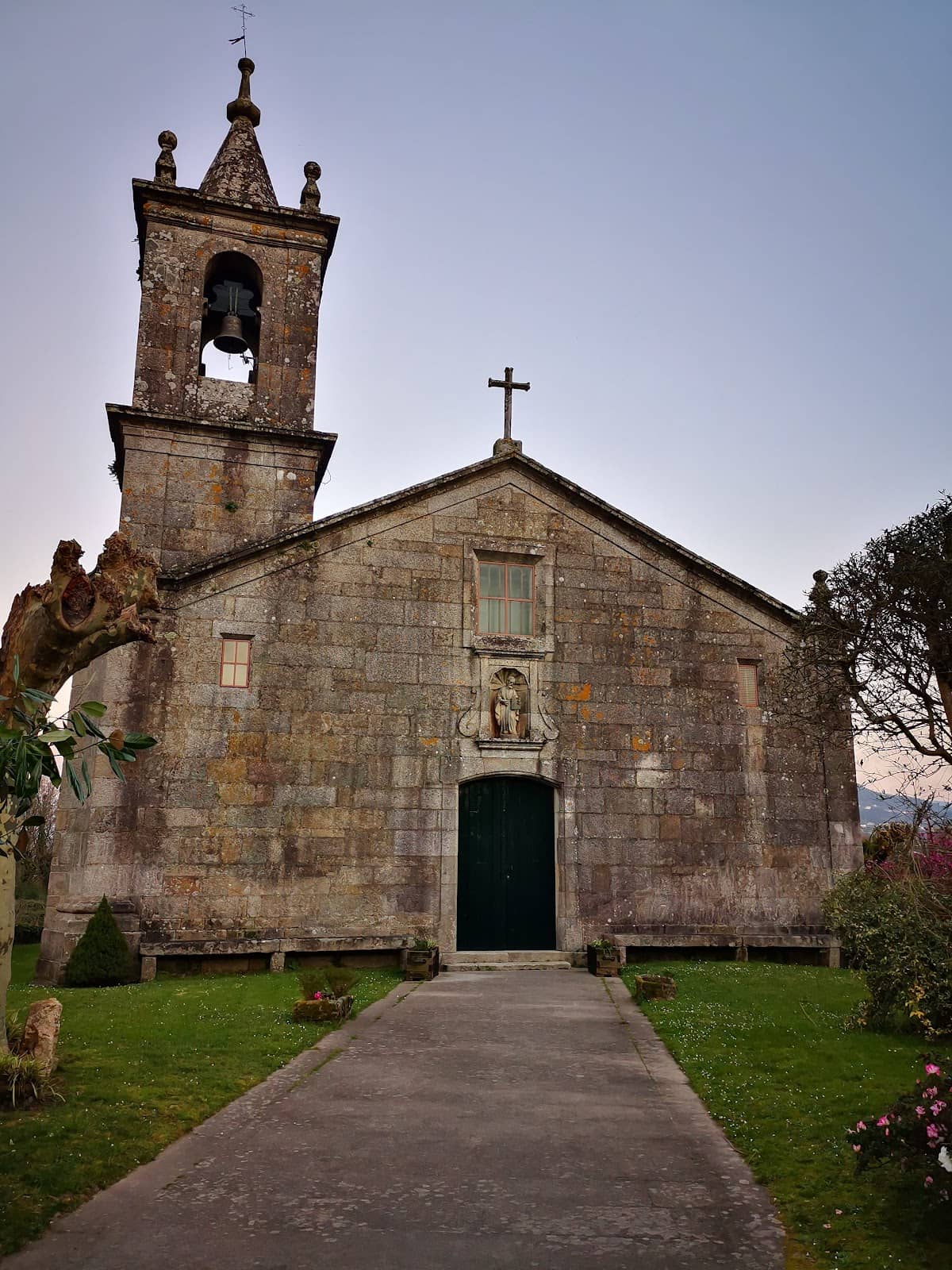
An 11th-century Romanesque church on the Portuguese Way, once a cathedral, showcasing layers of history.
"A historically rich church, though its limited hours mean planning is essential to see the interior."
🎯 Check Opening Hours First
Many visitors find it closed. Confirm hours before your visit to avoid disappointment!
⛪ Appreciate the Interior
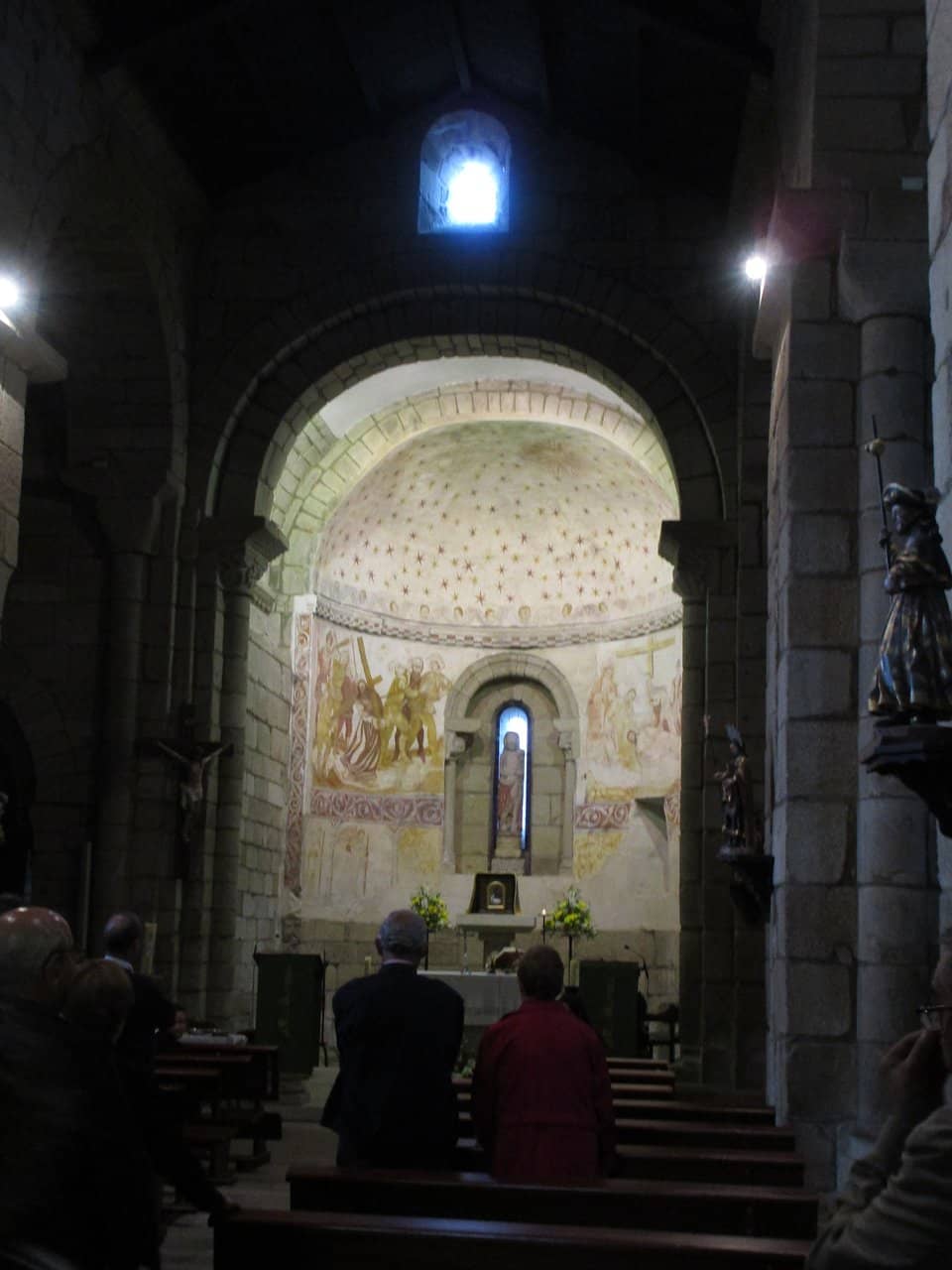
The real treasures are inside; exterior renovations mask its original construction.
Highlights
Discover the most iconic attractions and experiences
11th Century Romanesque Architecture
Experience the archaic charm of this ancient church, a rare example of its original construction style in Galicia.
Historical Cathedral Seat
Imagine this as the seat of bishops in the 11th-12th centuries, a significant historical role.
Pre-Romanesque Remains
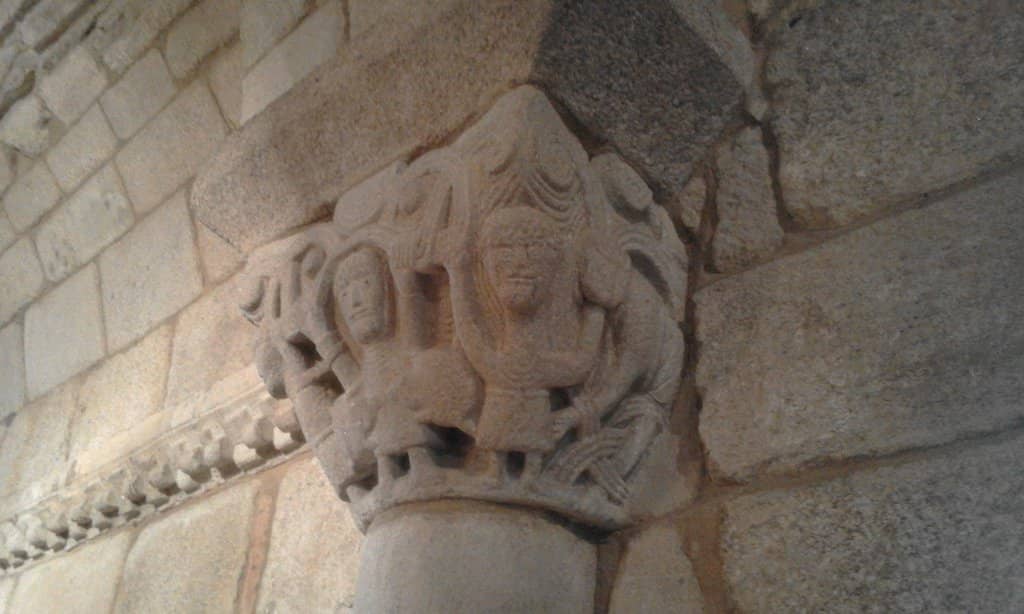
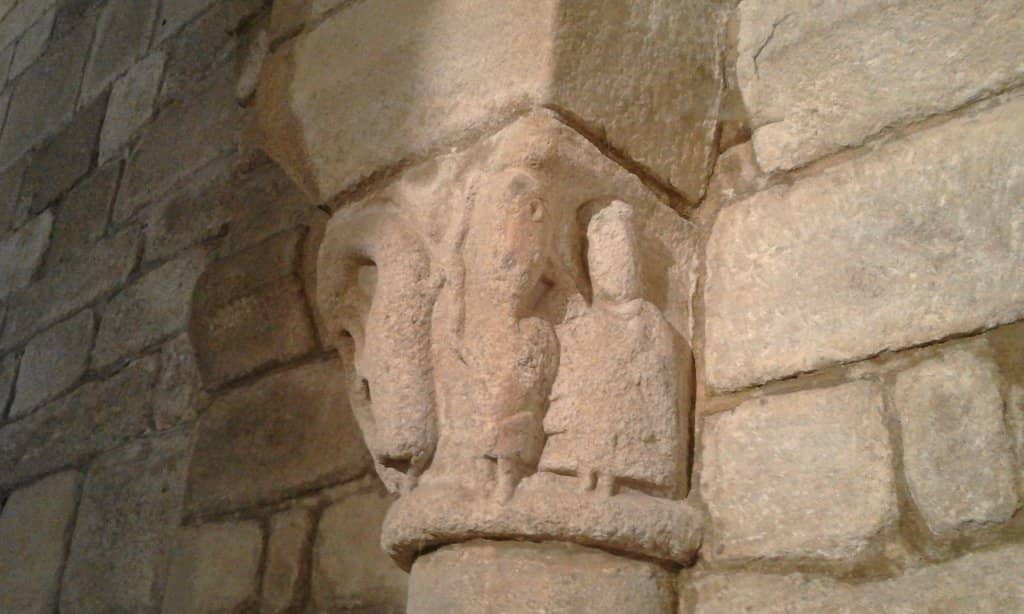
Discover remnants of earlier constructions, including pre-Romanesque apses and primitive capitals, hinting at its long history.
Historic Processional Cross
Admire the beautiful historic cross from 1770 standing in front of the church.
Plans like a pro.
Thinks like you
Planning Your Visit
Timing Your Visit
Understanding Its History
Best Times
Insider Tips
from TikTok, Instagram & Reddit
🎯 Check Opening Hours First
Many visitors find it closed. Confirm hours before your visit to avoid disappointment!
⛪ Appreciate the Interior
The real treasures are inside; exterior renovations mask its original construction.
🚶 Part of the Camino
Located on the Portuguese Way to Santiago, a meaningful stop for pilgrims.
✨ Friendly Priest
Some visitors mention a wonderful and wise priest who enhances the experience.
Tips
from all over the internet
🎯 Check Opening Hours First
Many visitors find it closed. Confirm hours before your visit to avoid disappointment!
⛪ Appreciate the Interior
The real treasures are inside; exterior renovations mask its original construction.
🚶 Part of the Camino
Located on the Portuguese Way to Santiago, a meaningful stop for pilgrims.
✨ Friendly Priest
Some visitors mention a wonderful and wise priest who enhances the experience.
What Travellers Say
Reviews Summary
Visitors find San Bartolomé de Rebordáns Church to be a historically significant site with unique Romanesque architecture, though its limited opening hours can be a point of frustration. Many appreciate its role on the pilgrimage route and the potential for a peaceful, reflective visit.
"Roman 11th Century Church on the pilgrimage route to Santiago known as the Portuguese Way."
Mark Auchincloss
"Rebordáns is a parish in the municipality of Tui, belonging to the archpriesthood of Tui-Entenza and diocese of Tui-Vigo. The church of San Bartolomeu de Rebordáns served as the cathedral of the diocese of Tui in the 12th century. Two councils were held in it. It was the church of a Benedictine monastery and then of regular canons until 1435, when it remained as a parish. The most interesting thing about this church is inside, since the exterior renovations have made all traces of its original construction, which went through several stages, disappear. The first Suebian temple was built on top of a Roman necropolis. This was demolished to build another pre-Romanesque one, which also underwent a profound transformation at the beginning of the 12th century. The basic structure of the current temple dates back to this period, although remains remain of all those previous constructions: Suebian graves, pre-Romanesque apses and very primitive capitals that recall those of San Martiño de Mondoñedo. In front of the church there is a beautiful historic cross from the year 1770."
VICTOR MARTINEZ
"I didn't see it inside because it was closed, but it's very pretty from the outside."
Pepito Sánchez
What People Like
What People Dislike
Frequently Asked Questions
🚇 🗺️ Getting There
The church is located in the parish of Rebordáns, within the municipality of Tui. It's accessible by car, and is a stop on the Portuguese Way pilgrimage route. Public transport options might be limited, so checking local bus schedules is advisable if not driving.
As it's a significant historical site and a stop on a popular pilgrimage route, it is generally well-signposted within the Tui area.
Parking availability can vary. It's best to look for designated parking areas in the vicinity of the church or in the main village of Rebordáns.
🎫 🎫 Tickets & Entry
Opening hours can be inconsistent and are often limited. It's crucial to verify the current schedule before visiting, as many visitors report finding it closed.
Information on entrance fees is scarce, suggesting it might be free to enter during its open hours, or a small donation may be requested. Always check on-site or local tourist information.
While the exterior is visible, many visitors have noted the interior was closed during their visit. Planning and checking hours is essential to see the inside.
Given the limited hours and potentially small visitor numbers, advance booking is unlikely to be necessary, but confirming this with local tourist offices is recommended.
🎫 🧭 Onsite Experience
This 11th-century Romanesque church served as the cathedral of Tui in the 12th century and was home to Benedictine and Augustinian monks. Its structure incorporates elements from earlier Suebian and pre-Romanesque periods.
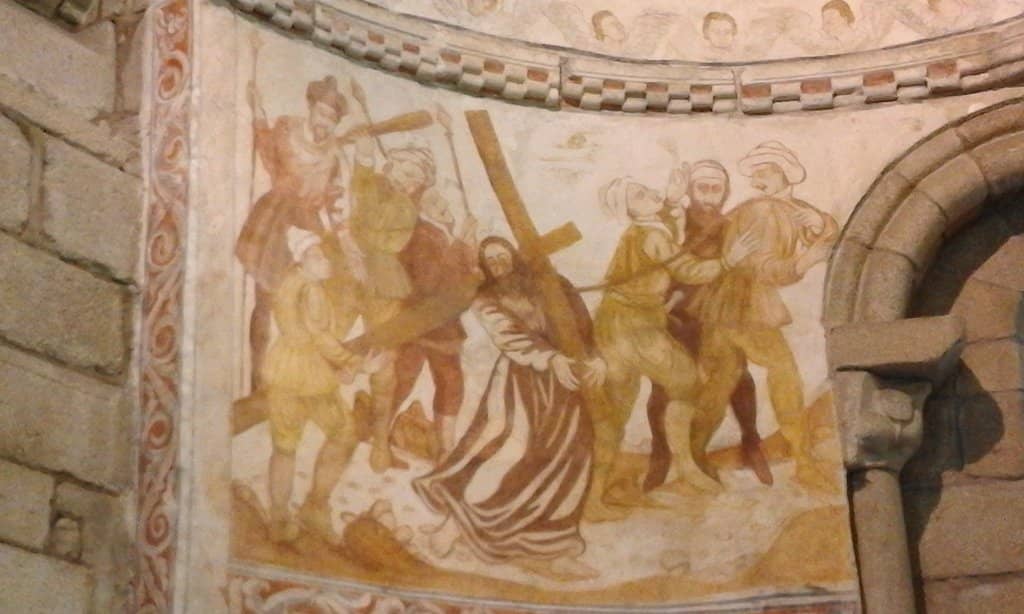
The interior is noted for its archaic appearance, dating largely from the 11th century, with remnants of pre-Romanesque apses and primitive capitals. The apse was rebuilt in the 12th century.
Yes, in front of the church stands a beautiful historic cross dating from 1770.
Information on accessibility is limited. Given its age and historical nature, some areas might present challenges. It's advisable to inquire locally if specific accessibility needs are a concern.
Absolutely. It's situated on the Portuguese Way and offers a significant historical and spiritual point of interest for pilgrims.
📸 📸 Photography
The historic cross in front of the church offers a great foreground element. The Romanesque facade, though altered, still presents a unique architectural subject.
If the church is open, photography is usually permitted, but it's always best to check for any specific restrictions or ask permission from the clergy.
Early morning or late afternoon light can provide softer shadows and a more atmospheric feel for photographing the exterior and the cross.
For Different Travelers
Tailored advice for your travel style
Pilgrims on the Camino Portugués
Consider taking a moment to appreciate the ancient architecture and reflect on the centuries of pilgrims who have passed through this area. The presence of the historic cross also offers a picturesque spot for a brief pause and reflection.
History Enthusiasts
Pay close attention to the subtle differences in architectural styles and the remnants of older structures. The information panel inside (if accessible) can provide further context. The historic cross also adds to the site's historical ambiance.
Deep Dives
In-depth insights and expert knowledge
A Journey Through Time: The Architecture of San Bartolomé de Rebordáns
Inside, visitors can still find echoes of its past. Remains of pre-Romanesque apses and primitive capitals offer glimpses into earlier styles, distinct from the more typical Galician Romanesque. The central apse, rebuilt in the 12th century, stands in contrast to the general archaic style of the church, highlighting the evolution of its construction. This blend of styles makes it a unique site for those interested in early medieval architecture.
Beyond the church itself, the presence of a beautiful historic cross from 1770 in front adds another layer to the site's historical narrative. This cross, a common feature in Galician villages, marks the church's continued importance as a community and religious center over centuries.
The Church's Role as a Cathedral
This dual role as a monastic church and a bishop's seat meant that Rebordáns was a center of both religious life and administrative power. It hosted two important councils during its time as a cathedral, further cementing its historical significance. The transition from a monastic church (first Benedictine, then Augustinian) to a parish church in 1435 marked the end of its most prominent ecclesiastical functions but not its enduring legacy.
Social
from TikTok, Instagram & Reddit