
Sierra de la Culebra Spain
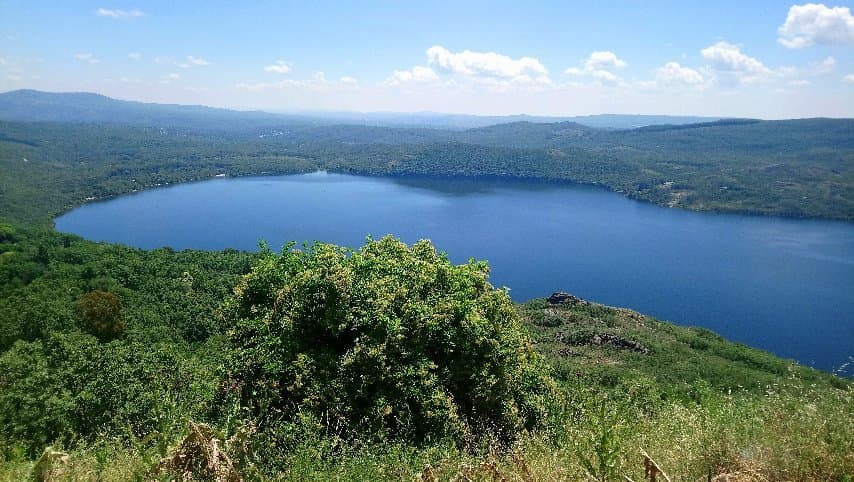
A wild Spanish landscape renowned for its Iberian wolf population, serene lakes, and traditional stone villages, recovering from recent fires.
Highlights
Must-see attractions

Social
From TikTok & Reddit
Best Time
Deer rutting season
Sierra de la Culebra Spain
Best Time
Deer rutting season
Highlights
Must-see attractions
A wild Spanish landscape renowned for its Iberian wolf population, serene lakes, and traditional stone villages, recovering from recent fires.
"Pure air of living Nature... It breathed peace and faith in the life of centuries and centuries!"

Pack for Wildlife Spotting
Bring binoculars and a good camera for wildlife viewing. Early mornings and late evenings are best for spotting wolves and deer. :camerawithflash:
Respect Fire Prevention
Be extremely cautious with fire. Many areas are prone to wildfires, and prevention is crucial for this fragile ecosystem. 🚒

Quick Facts
Rating
4.6 · 121 reviews
Type
Natural Feature
Highlights
Discover the most iconic attractions and experiences
Iberian Wolf Sightings
Various locations within the Sierra
Spot the elusive Iberian wolf in its natural habitat. A truly wild and unforgettable wildlife encounter.
Berrea (Deer Rut)
Forests and valleys
Witness the dramatic mating season of deer, a symphony of nature's calls and displays.

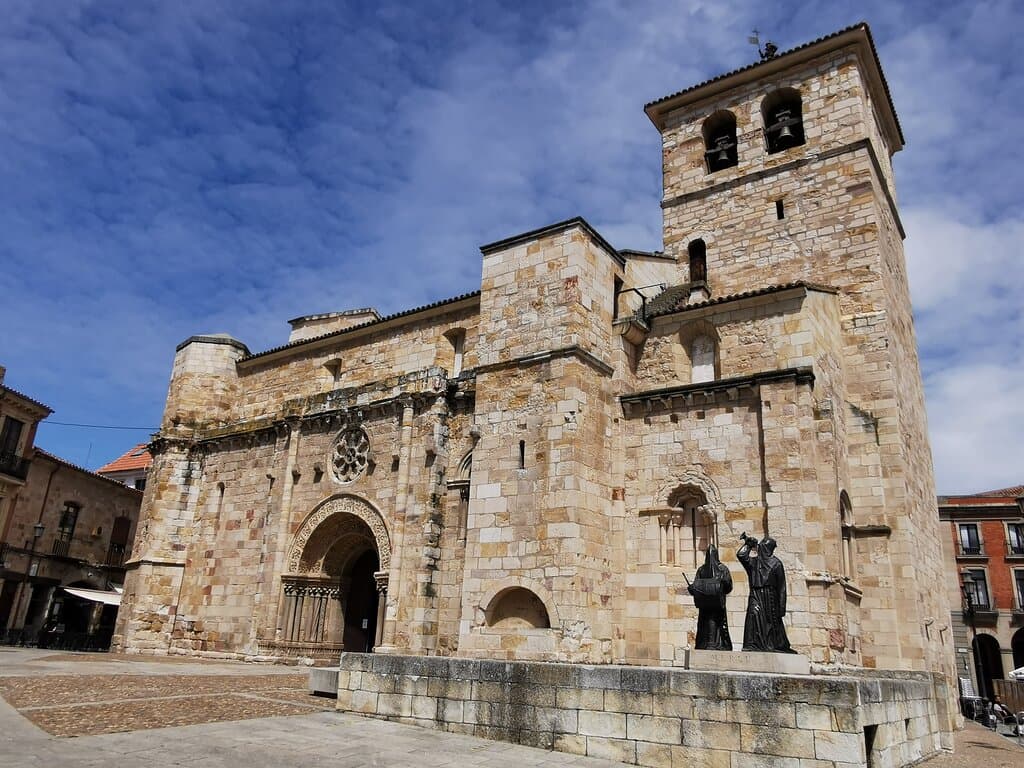
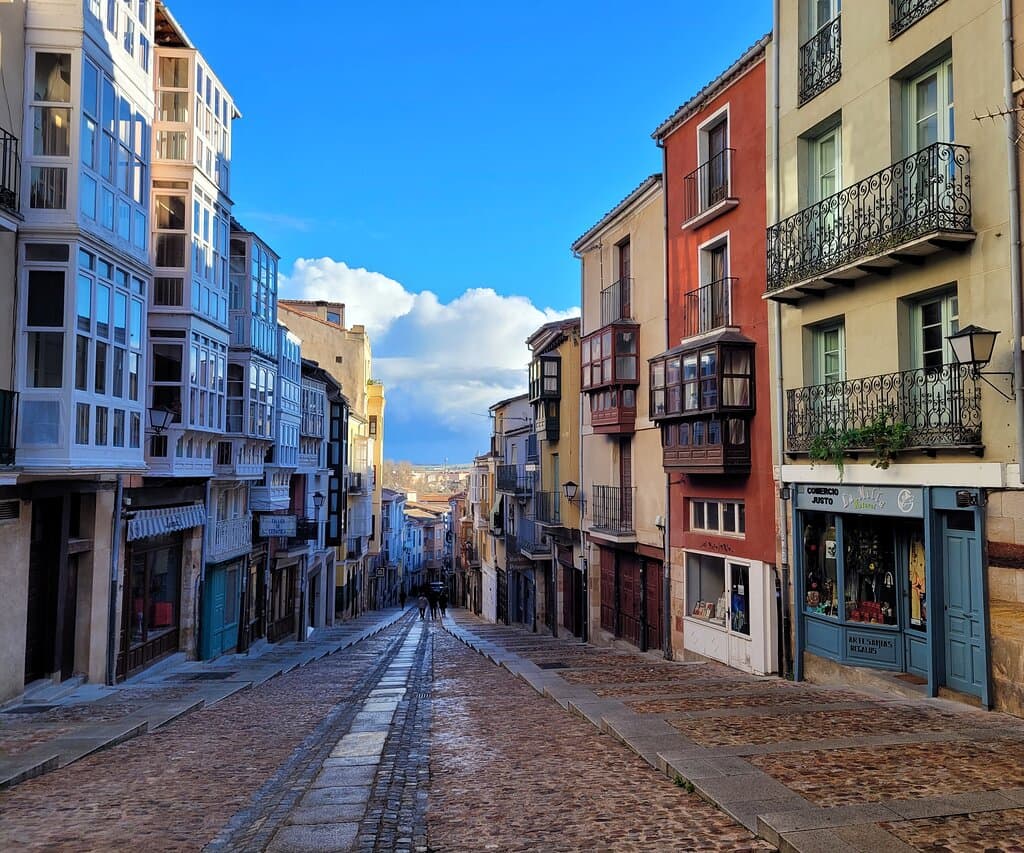
Stone and Slate Villages
Villages like Santa Cruz de los Cuerragos
Explore charming traditional villages with unique stone and slate architecture, offering a glimpse into local life.
Natural Lakes and Mountains
Throughout the range
Enjoy the serene beauty of natural lakes and majestic mountain landscapes, perfect for hiking and reflection.
Plans like a pro.
Thinks like you
Planning Your Visit
Understand the Impact of Fires
Wildlife Watching Opportunities
Best Times
Insider Tips
from TikTok, Instagram & Reddit
Pack for Wildlife Spotting
Bring binoculars and a good camera for wildlife viewing. Early mornings and late evenings are best for spotting wolves and deer. :camerawithflash:
Respect Fire Prevention
Be extremely cautious with fire. Many areas are prone to wildfires, and prevention is crucial for this fragile ecosystem. 🚒
Consider Guided Tours
Local guides offer the best insights and chances for wildlife sightings, especially for wolves. 🚶
Embrace the Quiet
This is a place for peace and nature. Enjoy the tranquility and the 'pure air of living Nature'. 🍃
Tips
from all over the internet
Pack for Wildlife Spotting
Bring binoculars and a good camera for wildlife viewing. Early mornings and late evenings are best for spotting wolves and deer. :camerawithflash:
Respect Fire Prevention
Be extremely cautious with fire. Many areas are prone to wildfires, and prevention is crucial for this fragile ecosystem. 🚒
Consider Guided Tours
Local guides offer the best insights and chances for wildlife sightings, especially for wolves. 🚶
Embrace the Quiet
This is a place for peace and nature. Enjoy the tranquility and the 'pure air of living Nature'. 🍃
Check Road Conditions
Some rural roads can be challenging. Always check local conditions, especially after adverse weather. :road:
What Travellers Say
Reviews Summary
Visitors praise the Sierra de la Culebra for its raw, untamed natural beauty, rich wildlife, and peaceful atmosphere. The traditional stone villages offer a charming glimpse into local life. However, the devastating impact of recent wildfires is a significant concern, with many noting the scarred landscapes and the emotional toll on the region.
"Stayed in Santa Cruz de los Cuerragos during chestnut time. Beautiful area with stone and slate villages, lakes and wildlife. Fabulous!"
Juliet Allaway
"Visited several times - friendly people and a comfortable family run small hotel with good food and accommodation. Good base for exploring the surrounding area and wildlife watching(especially wolves)."
Linda Musgrove
"Less population and natural lakes and mountains"
Muhammad el lamin
What People Like
What People Dislike
Frequently Asked Questions
🚇 🗺️ Getting There
The Sierra de la Culebra is best accessed by car. The nearest major cities are Zamora and Salamanca. From these cities, you can drive towards towns within the Sierra like Villardeciervos or Figueruela de Arriba. Public transport options are limited, so a car is highly recommended for exploring the region.
Key access points include towns like Villardeciervos, Figueruela de Arriba, and Santa Cruz de los Cuerragos. These serve as good starting points for exploring the natural parks and villages within the Sierra. 
Driving within the Sierra can be challenging on some rural roads, which may be narrow or unpaved. It's advisable to have a reliable vehicle and to drive cautiously, especially in more remote areas.
The closest major airports are in Valladolid (VLL) and Porto (OPO) in Portugal. From these airports, you would typically rent a car and drive to the Sierra de la Culebra, which can take several hours.
Exploring by car offers the most flexibility. For specific wildlife viewing or hiking, consider joining guided tours or using local knowledge to navigate the best trails and observation points.
🎫 🎫 Tickets & Entry
The Sierra de la Culebra is a natural park and does not typically require entrance tickets for general access to its landscapes and trails. However, specific guided tours or visitor centers might have associated fees.
Generally, accessing the natural landscapes and hiking trails within the Sierra de la Culebra is free. Be mindful of any local regulations or protected areas that might have specific access rules.
As a natural park, the Sierra de la Culebra is open 24/7. However, the best times for wildlife viewing are typically dawn and dusk, and visitor centers or local businesses will have their own operating hours.
Yes, the Sierra de la Culebra can be visited year-round. Each season offers a different experience, from spring wildflowers to autumn deer rutting. Be prepared for varying weather conditions.
During periods of high fire risk, access to certain areas might be restricted for safety reasons. Always check local advisories before your visit, especially during dry summer months. +1
🎫 🏞️ Onsite Experience
Trails vary in difficulty. Popular areas include routes around the lakes and through the forests. Local tourist information offices can provide maps and recommendations for trails suitable for your fitness level.
The Sierra is famous for its Iberian wolf population. You can also spot deer, wild boar, various bird species, and smaller mammals. Early mornings and late evenings are prime times for sightings.
While the fires have impacted the landscape, the Sierra is resilient and recovering. Be aware of your surroundings, stick to marked trails, and follow any safety guidelines. The wildlife is still present.
Higher elevations offer panoramic views. Peña Mira is noted as a high point, though it can be overgrown. Look for clearings and elevated spots for sweeping vistas of the landscape.
Yes, several local operators offer guided tours specifically for wolf watching and general wildlife observation. These tours significantly increase your chances of seeing animals and provide valuable local knowledge.
🍽️ 🍽️ Food & Dining
Look for regional specialties like 'ternera de Aliste' (Aliste beef), chestnuts (especially during autumn), and local game dishes. Many rural restaurants offer authentic Castilian cuisine.
Restaurants are typically found in the larger villages like Villardeciervos and Figueruela de Arriba. Many are family-run establishments offering hearty, traditional meals.
Options might be limited in traditional rural restaurants. It's advisable to inquire in advance or be prepared for simpler dishes. Fresh produce might be available seasonally.
During the chestnut season (autumn), you can often find local produce for sale in villages or at local markets. This is a great way to experience the region's agricultural bounty.
Lunch is usually served between 1:30 PM and 3:30 PM, and dinner from 8:30 PM to 10:30 PM. Some places may close between lunch and dinner or on certain days of the week.
📸 📸 Photography
Capture the dramatic landscapes, traditional villages, and abundant wildlife. Early morning and late evening light offer the most atmospheric conditions for landscape and wildlife photography.
The Sierra is a prime location for photographing Iberian wolves and deer, especially during the 'berrea' (rutting season). Patience and a good telephoto lens are key.
The aftermath of fires can present stark contrasts between burnt and recovering landscapes. Weather can change rapidly, so be prepared for varied conditions.
Golden hour, shortly after sunrise and before sunset, provides soft, warm light that enhances the natural beauty of the mountains and valleys.
Absolutely. The stone and slate architecture of villages like Santa Cruz de los Cuerragos offers unique photographic opportunities, especially in the soft light of morning or late afternoon.

Social
from TikTok, Instagram & Reddit