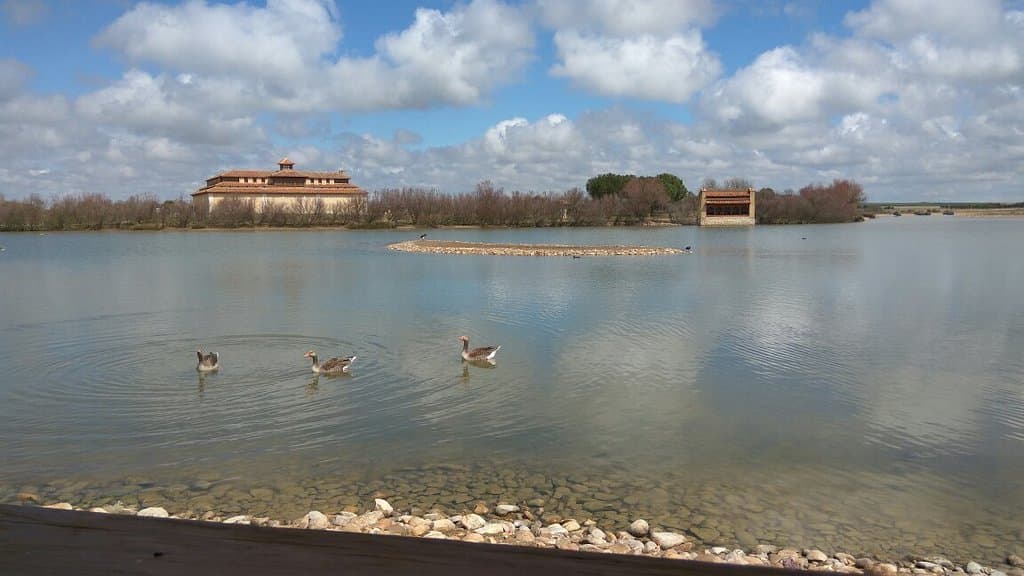
Lagunas de Villafáfila
A unique steppe wetland in Zamora, Spain, famous for its temporary saline lagoons and rich birdlife, including the Great Bustard.
Highlights
Must-see attractions

Social
From TikTok & Reddit
Best Time
Peak bird migration
Lagunas de Villafáfila
Best Time
Peak bird migration
Highlights
Must-see attractions
A unique steppe wetland in Zamora, Spain, famous for its temporary saline lagoons and rich birdlife, including the Great Bustard.
"Beautiful walk around the lagoons admiring the bird life. Peaceful and pleasant."
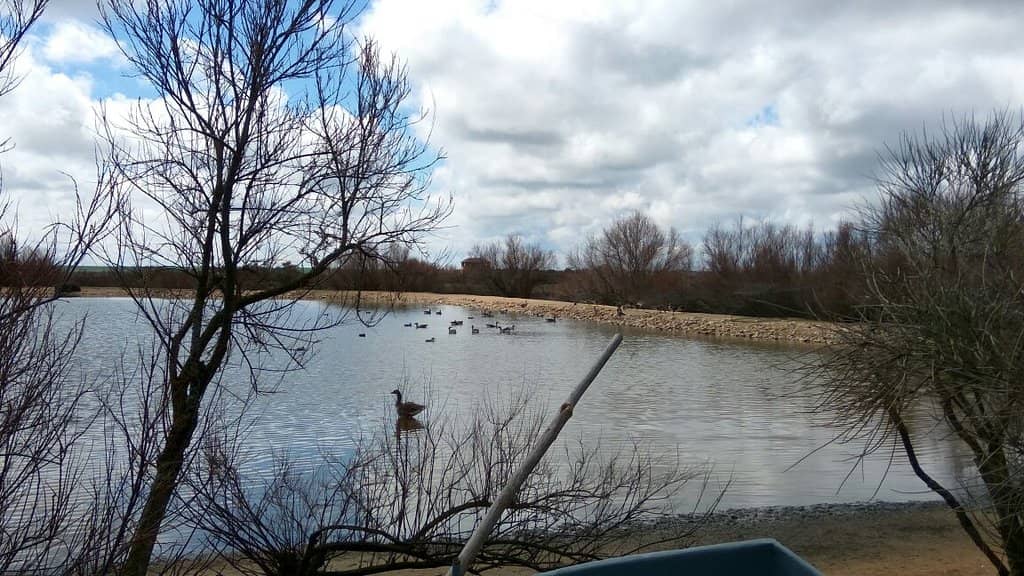
Binoculars are a must! :binoculars:
Essential for spotting distant birds and appreciating the details of wildlife.
Check water levels before you go :droplet:
Lagoon water levels vary; dry spells can impact bird presence.
Highlights
Discover the most iconic attractions and experiences
Great Bustard Observation
Fields near the road
Witness the impressive Great Bustard, the world's heaviest flying bird, in its natural habitat. A truly unique sight!

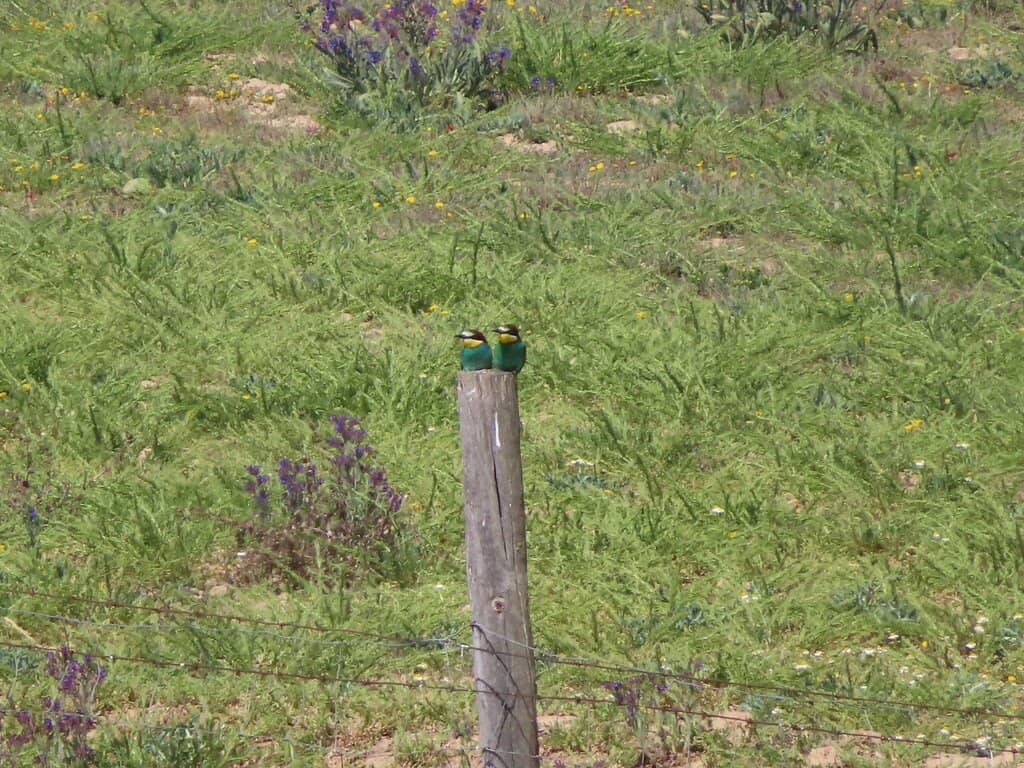
Migratory Bird Spectacle
Lagoon areas
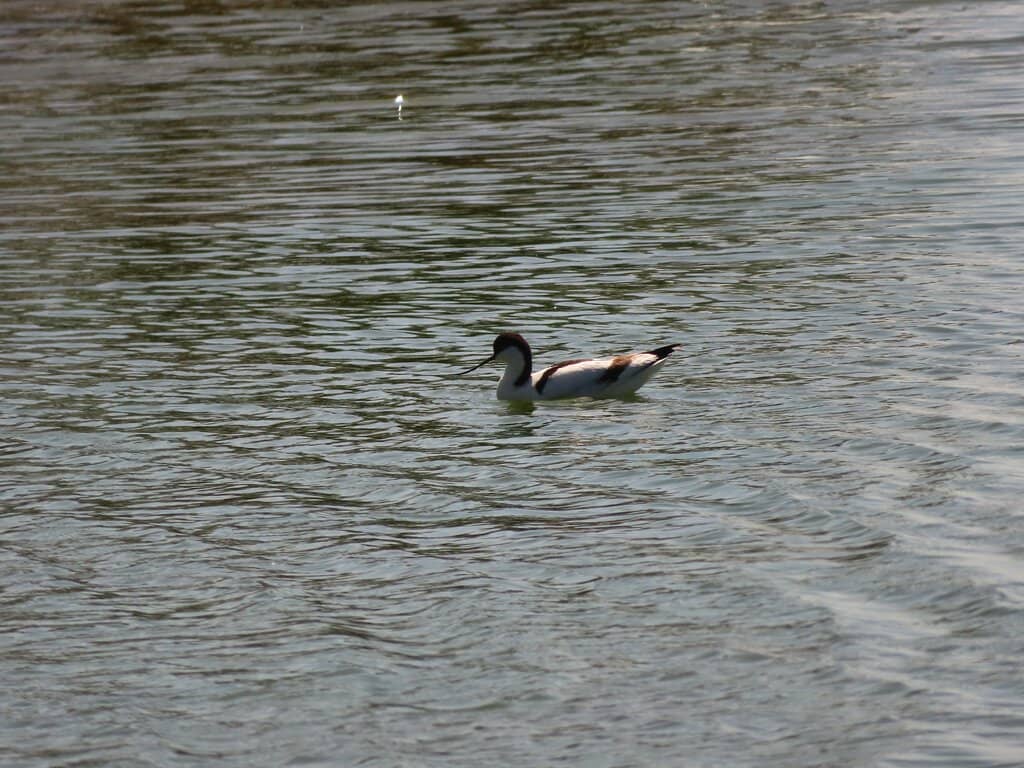
Thousands of migratory birds grace these temporary saline lagoons, creating a dynamic and captivating natural display.
Pallid Harrier Sighting
Nature reserve
Keep an eye out for the majestic Pallid Harrier, a stunning raptor often spotted in this diverse ecosystem.
Plans like a pro.
Thinks like you
Planning Your Visit
Timing is Everything for Birdwatching
Respecting the Wildlife and Rules
Best Times
Insider Tips
from TikTok, Instagram & Reddit
Binoculars are a must! :binoculars:
Essential for spotting distant birds and appreciating the details of wildlife.
Check water levels before you go :droplet:
Lagoon water levels vary; dry spells can impact bird presence.
Respect the no-dog policy :no_entry:
To protect the sensitive bird populations, dogs are not permitted in certain areas.
Visit the Casa del Parque :information_desk:
Staff are incredibly helpful and provide great insights into the local wildlife.
Tips
from all over the internet
Binoculars are a must! :binoculars:
Essential for spotting distant birds and appreciating the details of wildlife.
Check water levels before you go :droplet:
Lagoon water levels vary; dry spells can impact bird presence.
Respect the no-dog policy :no_entry:
To protect the sensitive bird populations, dogs are not permitted in certain areas.
Visit the Casa del Parque :information_desk:
Staff are incredibly helpful and provide great insights into the local wildlife.
Wear comfortable walking shoes :athletic_shoe:
Explore the paths and observation cabins comfortably.
What Travellers Say
Reviews Summary
Visitors praise the Lagunas de Villafáfila for its beautiful birdlife and peaceful atmosphere, with many highlighting the chance to see the Great Bustard. The well-maintained paths and helpful staff at the 'Casa del Parque' are also frequently commended. However, some visitors have been disappointed by dry lagoons during their visit and noted a lack of visitor information in English.
"Went there to see the Great bustard and yes 14 on a field near the road. Also a few other species. Missing a bit of visitor info in English."
K Stenman
"Very disappointed 🙁
Can't give even one star. Dogs are not permitted, some part of our family was left behind with dog.
It's not a lagun it's a puddle with rubbish all over the place."
Lesya Balyuk
"Beautiful walk around the lagoons admiring the bird life. Peaceful and pleasant."
Mark O‘Shea
What People Like
What People Dislike
Frequently Asked Questions
🚇 🗺️ Getting There
The Lagunas de Villafáfila are located in the northeast of Zamora province, within the Tierra de Campos region. The easiest way to access them is by car. From Zamora city, take the N-630 north and then follow signs for Villafáfila. Parking is available near the main observation points.
Public transport options are limited. While there might be bus services to nearby towns like Villafáfila, it's highly recommended to have your own vehicle for flexibility in exploring the reserve and reaching different observation spots.
Many visitors recommend driving slowly along the roads surrounding the lagoons, stopping at designated pull-offs and observation cabins. The area around the main lagoons is particularly good for spotting a variety of species.
While not always advertised, local guides or nature organizations may offer tours, especially during peak birdwatching seasons. Checking with the 'Casa del Parque' (Park House) upon arrival is a good idea for information on any available guided experiences.
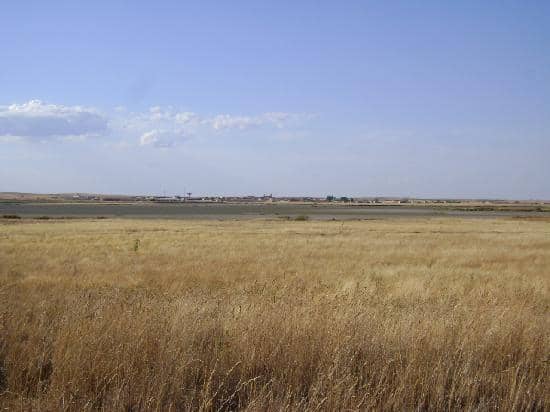
The landscape is dominated by cereal steppes, with the temporary saline lagoons breaking up the monotony. It's a unique steppe wetland environment.
🎫 🎫 Tickets & Entry
Entry to the Lagunas de Villafáfila Nature Reserve is generally free. However, specific visitor centers or interpretation points might have small fees or donation requests.
The reserve itself is an open natural area and can be visited at any time. The 'Casa del Parque' (Park House) will have specific opening hours, which are best checked locally or online before your visit.
The observation cabins are typically free to use and are part of the natural reserve's infrastructure for visitors to enjoy the wildlife.
Yes, the reserve is accessible year-round. However, the experience can vary significantly depending on the season and water levels, which directly affect bird populations.
The main restriction is that dogs are not permitted in certain areas to protect the wildlife. Visitors are also expected to stay on designated paths and not disturb the birds.
🎫 🐦 Birdwatching & Wildlife
The lagoons are a haven for a wide variety of birds, including the Great Bustard, Pallid Harrier, flamingos, avocets, and numerous migratory species. The exact species depend on the season.
The Great Bustard is often spotted in the fields near the roads, particularly during the winter months. Early mornings or late afternoons can also be good times for sightings.
While binoculars are highly recommended for a better viewing experience, you can still enjoy the wildlife with the naked eye. A camera with a zoom lens is also great for capturing photos.
Yes, the reserve is equipped with well-maintained observation cabins and hides, allowing visitors to view the birds without disturbing them.
Besides a vast array of bird species, the surrounding steppe landscape may host other small mammals and insects. The focus, however, is primarily on the rich avian life.
📸 📸 Photography
The observation cabins offer excellent vantage points for photographing birds without disturbing them. The open steppe landscape also provides opportunities for landscape photography.
A telephoto lens is highly recommended for capturing detailed shots of birds. A wide-angle lens can be useful for landscape shots of the steppe and lagoons.
Golden hours, shortly after sunrise and before sunset, offer the most flattering light for both wildlife and landscape photography.
While not explicitly advertised, local nature guides or photography enthusiasts might organize specialized tours. Inquire at the 'Casa del Parque' for any leads.
Drone usage is generally restricted in nature reserves to protect wildlife and ensure visitor safety. It's best to assume drones are not permitted unless explicitly stated otherwise.
🍽️ 🍽️ Food & Dining
There are no dining facilities directly within the nature reserve itself. Visitors will need to bring their own food and drinks or dine in nearby towns.
The closest town with dining options is Villafáfila. You can also find restaurants in larger nearby towns like Toro or Zamora.
Picnicking is generally allowed in designated areas, but it's crucial to pack out all your trash to keep the reserve clean.
The region is known for its agricultural products, so expect hearty Castilian cuisine, often featuring lamb, pork, and local vegetables.
For a complete day trip experience, some visitors combine a visit to the lagoons with lunch in nearby towns like Toro, known for its wine cellars and traditional eateries.
For Different Travelers
Tailored advice for your travel style
👨👩👧 Families with Kids
Encourage kids to bring a small notebook to sketch the birds they see or to list the different species. The observation cabins provide a safe and comfortable way for families to watch wildlife together. Consider combining the visit with a trip to nearby historical sites like the Monasterio de Santa María de Moreruela for a well-rounded family day out.
📸 Photographers
+1 The golden hours around sunrise and sunset provide the best light for capturing stunning images of the steppe landscape and its inhabitants. Utilize the observation cabins for discreet wildlife photography. A telephoto lens is essential for capturing detailed shots of birds, while a wide-angle lens can be useful for the expansive steppe vistas. Be patient, as wildlife photography often requires waiting for the perfect moment.
🚶♀️ Nature Enthusiasts & Hikers
Remember to wear comfortable walking shoes and bring binoculars to fully appreciate the diverse flora and fauna. The 'Casa del Parque' is an excellent starting point for understanding the trails and points of interest within the reserve.
Deep Dives
In-depth insights and expert knowledge
The Unique Ecology of Saline Lagoons
These lagoons are not permanent water bodies; their existence and water levels are highly dependent on rainfall. This temporality creates a dynamic environment that supports specialized flora and fauna adapted to fluctuating conditions. The 'Casa del Parque' often provides detailed information about the ecological significance of these unique habitats.
Recent concerns have been raised about potential industrial projects that could impact the water levels of these sensitive lagoons, highlighting the ongoing need for conservation efforts to protect this natural heritage.
Birdwatching Hotspot: What to Expect
During migration seasons, the lagoons become a bustling hub for a diverse array of species. Visitors can expect to see waterfowl, waders, raptors like the Pallid Harrier, and various steppe birds. The presence of observation cabins and well-maintained paths enhances the birdwatching experience, allowing for close observation without disturbing the wildlife.
To maximize your birdwatching success, it's advisable to visit during the wetter months and to bring good quality binoculars. Local information from the 'Casa del Parque' can provide insights into current sightings and the best areas to focus on.
Conservation Concerns and Future
Conservationists and local communities are actively raising awareness about the potential negative consequences of such projects on the unique biodiversity of the lagoons. The reserve is recognized for its international importance, being part of the Natura 2000 network and a Ramsar site, underscoring the need for careful environmental management.
Efforts are underway to balance regional development with the preservation of this natural treasure. Visitors can contribute by being mindful of their impact and supporting local conservation initiatives.

Social
from TikTok, Instagram & Reddit