Tongdosa Temple
A UNESCO World Heritage Buddhist temple in South Korea, renowned for housing sacred relics and its serene natural setting.

Highlights
Must-see attractions

Social
From TikTok & Reddit
Best Time
Vibrant nature, fewer crowds
Tongdosa Temple
Best Time
Vibrant nature, fewer crowds
Highlights
Must-see attractions
A UNESCO World Heritage Buddhist temple in South Korea, renowned for housing sacred relics and its serene natural setting.
"A peaceful, quiet Buddhist temple where you can take a leisurely stroll around."

🚶 Walk to the Temple
Enjoy a scenic 1.2km walk along the river to the temple entrance. It's a peaceful experience, and you can even go barefoot!
✨ Witness Night Illumination
Experience the temple's magical ambiance during special night events with stunning lantern displays.
Highlights
Discover the most iconic attractions and experiences
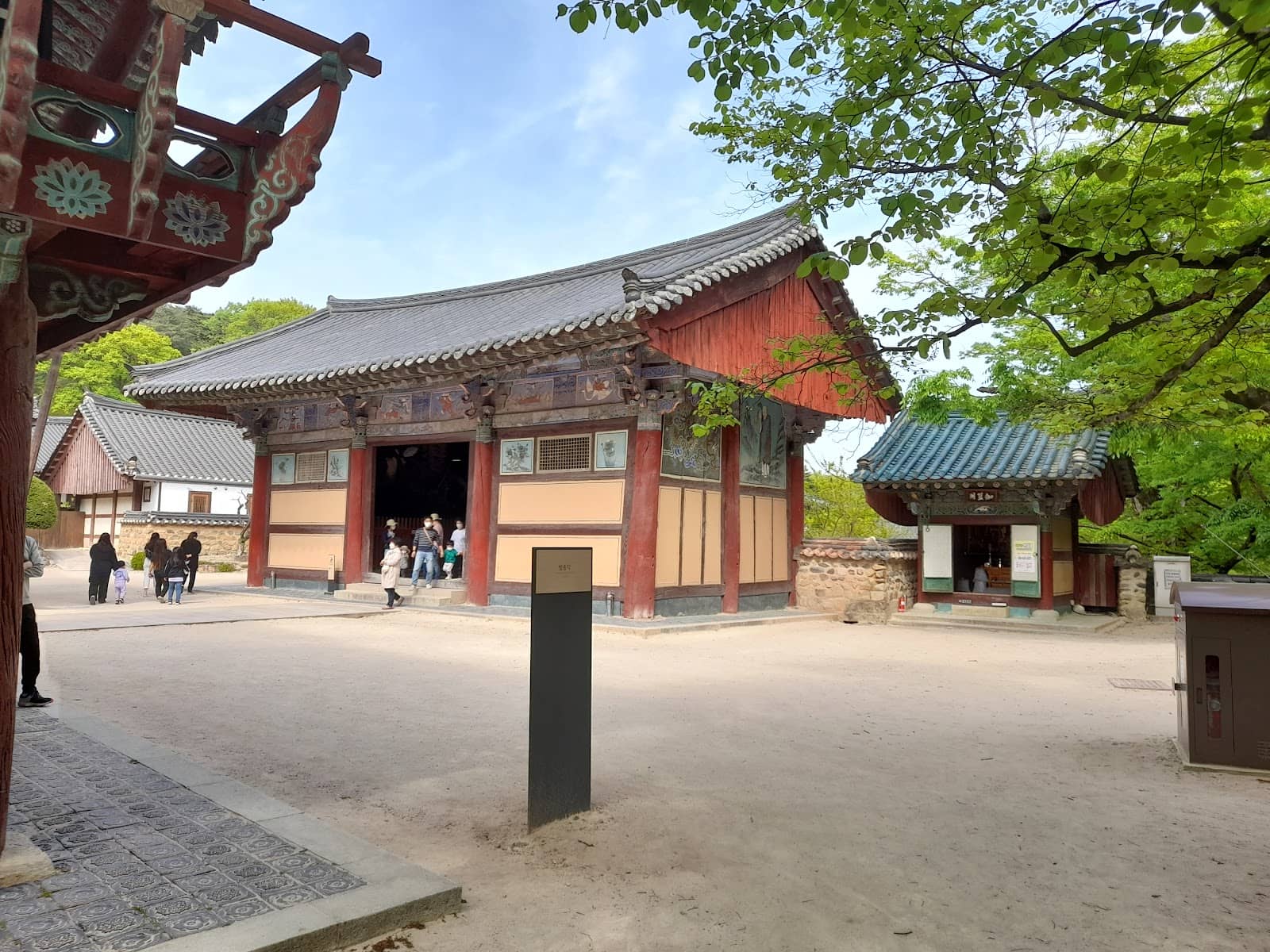
Daeungjeon Hall
Main temple complex
The heart of Tongdosa, housing sacred relics instead of Buddha statues, offering a unique spiritual experience.
Geumganggyedan
Central courtyard
A significant altar, believed to be where Buddha's relics are enshrined, radiating a profound sense of history.
Janggyeonggak Pavilion
Temple grounds
Home to precious Buddhist scriptures, this pavilion adds to the temple's rich historical and cultural significance.
Natural Surroundings
Temple periphery
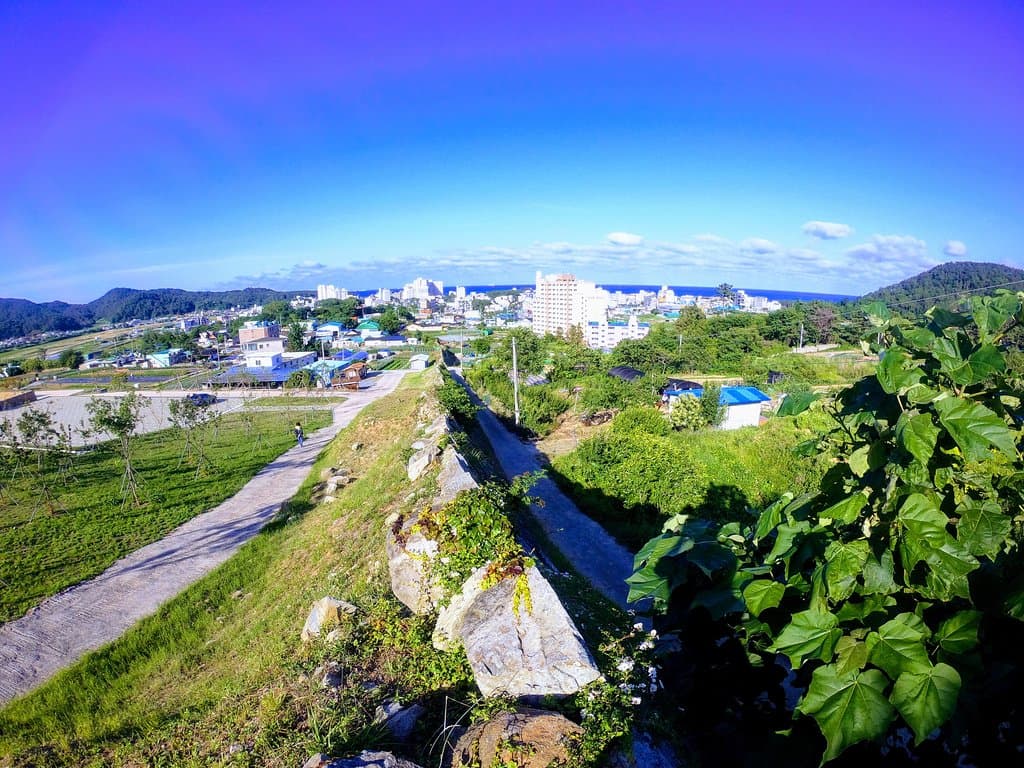
Nestled amidst beautiful mountains and streams, offering a peaceful retreat and stunning natural beauty.
Plans like a pro.
Thinks like you
Planning Your Visit
Embrace the Serenity: Best Times to Visit
Getting to Tongdosa: Your Travel Guide
Best Times
Insider Tips
from TikTok, Instagram & Reddit
🚶 Walk to the Temple
Enjoy a scenic 1.2km walk along the river to the temple entrance. It's a peaceful experience, and you can even go barefoot!
✨ Witness Night Illumination
Experience the temple's magical ambiance during special night events with stunning lantern displays.
🙏 Respectful Attire
Dress modestly when visiting this sacred site to show respect for Buddhist traditions.
☕ Relax at Cafes
There are cafes on-site selling snacks and drinks, perfect for a break during your visit.
Tips
from all over the internet
🚶 Walk to the Temple
Enjoy a scenic 1.2km walk along the river to the temple entrance. It's a peaceful experience, and you can even go barefoot!
✨ Witness Night Illumination
Experience the temple's magical ambiance during special night events with stunning lantern displays.
🙏 Respectful Attire
Dress modestly when visiting this sacred site to show respect for Buddhist traditions.
☕ Relax at Cafes
There are cafes on-site selling snacks and drinks, perfect for a break during your visit.
📅 Check for Events
Look out for special events like media art installations or lantern festivals for a unique experience.
What Travellers Say
Reviews Summary
Visitors praise Tongdosa Temple for its serene atmosphere, beautiful natural surroundings, and rich cultural heritage. Many highlight the peaceful walk to the temple and the unique spiritual experience of its relic-focused worship. While generally well-received, some note the entrance fee and the potential for crowds during peak times.
"It is sounded by beautiful mountains and streams.
Tongdosa temple is one of the beautiful temples in South Korea."
Weon Lee
"Peaceful quiet Buddhist temple where you can take a leisurely stroll around. There's some cafes here that sells snacks and drinks. Sometimes they have night markets too."
SL Wong
"A beautiful Unesco world heritage destination. The temple itself is quite large and I was lucky enough to hear a prayer during my time there. The walking path to the temple (if you don't have a car) is about 1.2km and is a very easy walk along the river. There were quite a few people when I went but other than that it was a good time.
Entrance fee for adults is 3,000 won"
Ryann Ellis
What People Like
What People Dislike
Frequently Asked Questions
🚇 🗺️ Getting There
From Busan, take Subway Line 1 (Orange Line) to Nopo Station. From Nopo, you can take a local bus (e.g., Bus 1010) directly to Tongdosa Temple. Some visitors also combine a visit with Ulsan, taking a train to Ulsan Station and then a bus.
Yes, Tongdosa Temple is well-connected by public transport. Buses run regularly from nearby cities like Busan and Yangsan.
Yes, driving is an option, and there is parking available. However, many visitors enjoy the walk from the bus stop or subway station.
Absolutely! Tongdosa Temple is a popular and highly recommended day trip from Busan, offering a peaceful escape and cultural immersion.
If you're coming from Ulsan, you can take a bus or train to Yangsan and then transfer to a local bus heading to Tongdosa Temple.
🎫 🎫 Tickets & Entry
The entrance fee for adults is 3,000 won. However, some visitors mention there is no ticket required for entry, possibly referring to specific areas or times.
Generally, a standard entrance fee applies. It's always a good idea to check the official temple website for any updates on ticketing or special event passes.
While specific hours can vary, temples in Korea are typically open from early morning until late afternoon or early evening. It's best to confirm current hours before your visit.
Tongdosa Temple sometimes hosts special night events with illuminated lanterns, offering a unique viewing experience. Check for event schedules.
Yes, Tongdosa Temple is recognized as a UNESCO World Heritage site, highlighting its significant cultural and historical value.
🎫 🧭 Onsite Experience
Tongdosa Temple is unique because it enshrines sacred relics of the Buddha rather than statues. It's considered one of the three major temples in Southeast Korea and a 'Great Headquarters Temple of Seon Buddhism'. 
Don't miss Daeungjeon Hall, Geumganggyedan, and Janggyeonggak Pavilion. The surrounding natural beauty of mountains and streams is also a major draw.
The temple complex is quite large, and the walk from the bus stop or subway station to the main temple grounds is about 1.2km. The terrain is generally easy.
Yes, Tongdosa Temple offers Templestay programs, allowing visitors to immerse themselves in the monastic life and experience Korean Buddhism firsthand.
Take your time to wander through the various halls and courtyards. The peaceful atmosphere encourages a leisurely stroll and quiet contemplation.
📸 📸 Photography
Capture the architectural beauty of Daeungjeon Hall, the serene courtyards, and the picturesque natural surroundings. The temple grounds offer many scenic vistas.
Photography rules can vary within temple complexes. It's advisable to look for signage or ask temple staff before taking photos inside sacred buildings.
Early mornings or late afternoons can offer beautiful light. Special events like lantern festivals also provide unique photographic opportunities.
A versatile lens that can capture both wide architectural shots and details would be ideal. A tripod might be useful for low-light conditions, but check if they are permitted.
Drone usage is often restricted at religious sites and heritage locations. It's crucial to check local regulations and obtain any necessary permits before flying a drone.
For Different Travelers
Tailored advice for your travel style
👨👩👧 Families with Kids
Look for any special events or exhibitions that might engage younger visitors. The unique aspect of the temple housing relics rather than statues can be an interesting point of discussion. Pack snacks and water, and be mindful of the temple's serene atmosphere.
🚶 Solo Travelers & Backpackers
Consider participating in a Templestay program for a more profound experience and to connect with other travelers or locals. The walk to the temple is a great way to start your visit, offering a moment of calm before exploring the main complex.
🧘 Spiritual Seekers & Meditation Enthusiasts
+1Participating in a Templestay program is highly recommended for an authentic spiritual experience. Even a day visit allows for quiet contemplation in the temple's serene courtyards and halls. The emphasis on relics over statues offers a different, often more profound, spiritual connection for many visitors.
Deep Dives
In-depth insights and expert knowledge
The Spiritual Significance of Tongdosa Temple
+1The temple complex itself is vast, comprising 35 buildings spread across the serene landscape. Key structures like Daeungjeon Hall, Geumganggyedan, and Janggyeonggak Pavilion are central to its spiritual practice and historical narrative. The presence of these relics and the temple's deep-rooted history imbue the atmosphere with a palpable sense of peace and reverence. Visitors often describe feeling a strong connection to the past and a sense of tranquility while exploring the grounds.
Furthermore, Tongdosa is celebrated for its integration with nature. Surrounded by the picturesque Yeongchuksan Mountain and pristine streams, the temple offers a harmonious blend of spiritual sanctuary and natural beauty. This connection to the environment enhances the meditative experience, providing a perfect setting for reflection and inner peace. The temple's commitment to preserving both its spiritual heritage and its natural surroundings makes it a truly exceptional destination.
Experiencing Tongdosa: Templestay and Cultural Immersion
Social media content often highlights the peacefulness and the unique cultural aspects of visiting Tongdosa. Many visitors appreciate the opportunity to walk barefoot on the temple grounds, finding it a grounding and meditative experience. The presence of cafes on-site also offers a chance to relax and reflect while enjoying local snacks and drinks.
Tongdosa Temple is not just a place of worship; it's a living heritage site. Its designation as a UNESCO World Heritage site underscores its importance not only to Korea but to the world. Whether you are a spiritual seeker, a history enthusiast, or simply looking for a peaceful escape, Tongdosa offers a rich and rewarding experience that resonates long after your visit.

Social
from TikTok, Instagram & Reddit