Yangdong Folk Village
Step back in time at Yangdong Folk Village, a UNESCO World Heritage site preserving Joseon Dynasty aristocratic life.

Highlights
Must-see attractions

Social
From TikTok & Reddit
Best Time
Fewer crowds, peaceful atmosphere
Yangdong Folk Village
Best Time
Fewer crowds, peaceful atmosphere
Highlights
Must-see attractions
Step back in time at Yangdong Folk Village, a UNESCO World Heritage site preserving Joseon Dynasty aristocratic life.
"It's a marvel that this village still exists intact. And it is frankly charming. "

👟 Wear Comfortable Shoes
The village is large and hilly; good walking shoes are essential for exploring.
💧 Bring Water & Snacks
Limited food options available, so pack your own to stay energized.

Highlights
Discover the most iconic attractions and experiences
Joseon Dynasty Architecture
Throughout the village
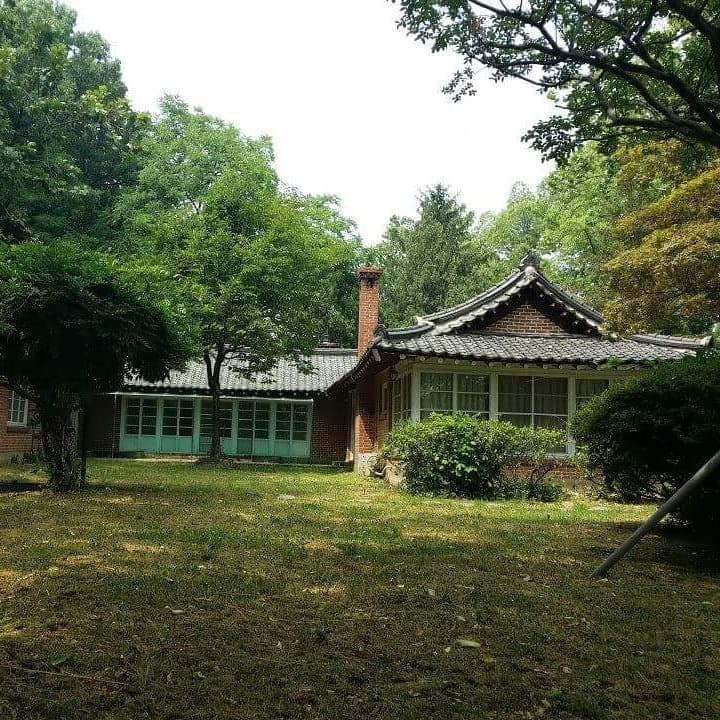
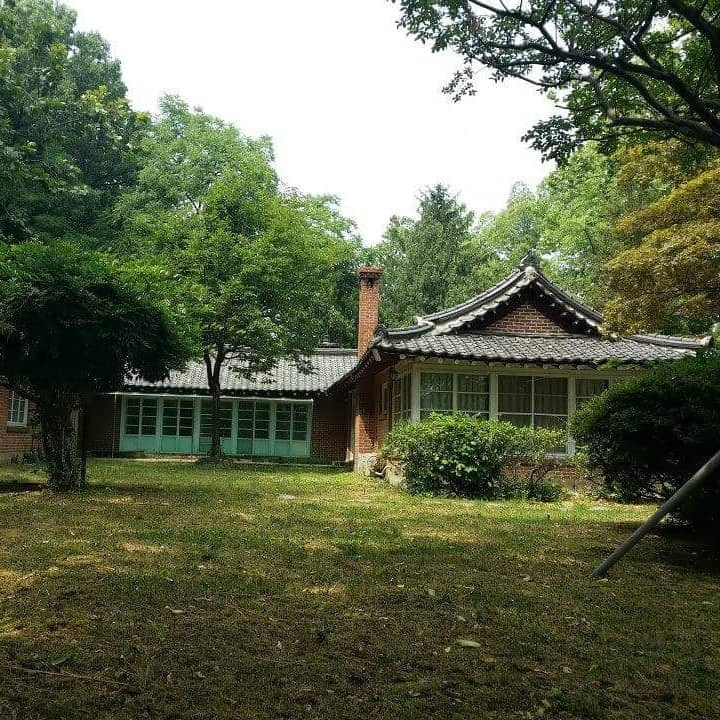
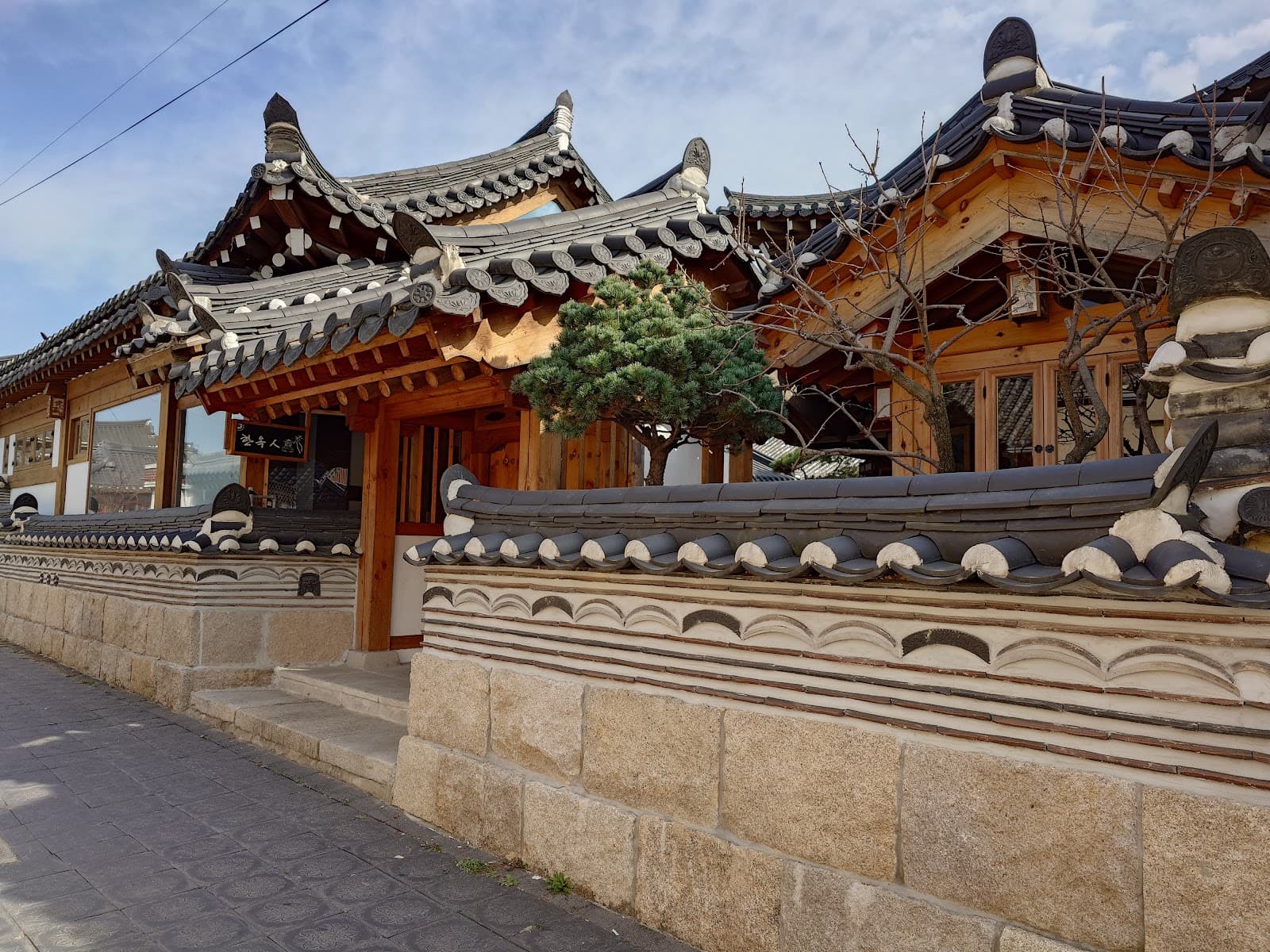
Explore well-preserved tile-roofed aristocratic homes and charming thatched-roof dwellings.
Ancient Trees
Various locations
Stand in awe of centuries-old trees, some over 600 years old, adding to the village's majestic atmosphere.
Scenic Natural Setting
Along the Hyeongsan River
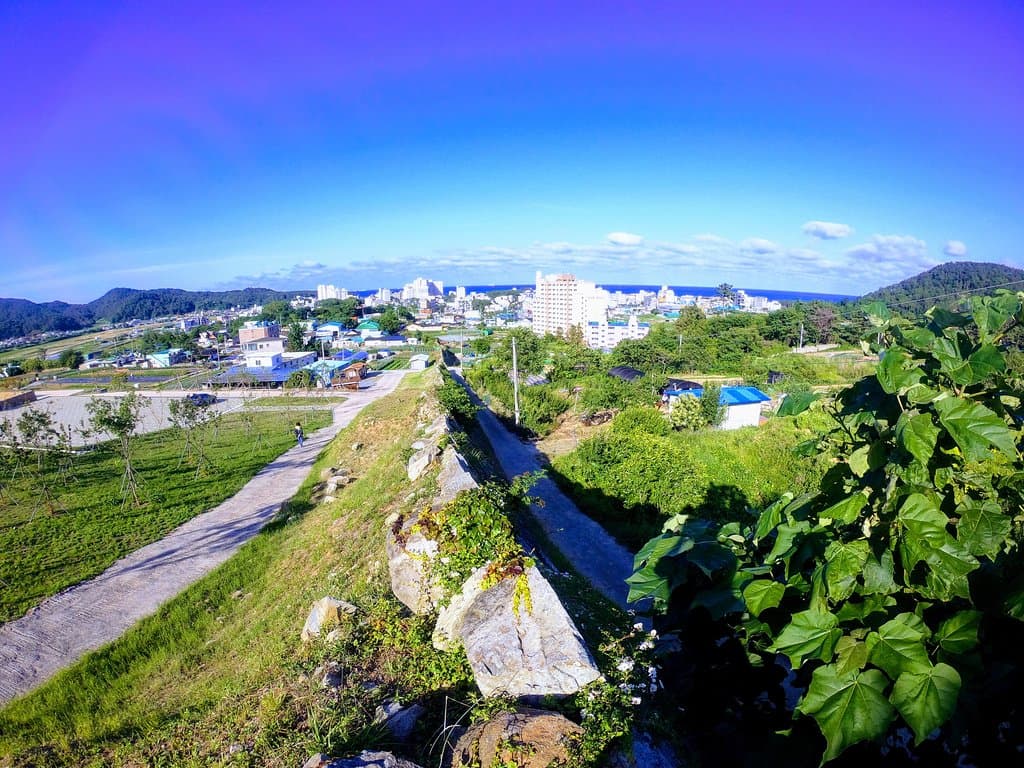
Enjoy the picturesque landscape where the village is nestled amidst mountains and the gentle flow of the Hyeongsan River.
Plans like a pro.
Thinks like you
Planning Your Visit
Embrace the Living History

Prepare for Exploration
Bring water and snacks, as on-site options are limited. Best Times
Insider Tips
from TikTok, Instagram & Reddit
👟 Wear Comfortable Shoes
The village is large and hilly; good walking shoes are essential for exploring.
💧 Bring Water & Snacks
Limited food options available, so pack your own to stay energized.
🗺️ Get a Map
Navigating can be tricky; a map will help you find your way around.
🗣️ Inquire About Tours
Free English-speaking guides may be available; ask at the tour guide shack.
Tips
from all over the internet
👟 Wear Comfortable Shoes
The village is large and hilly; good walking shoes are essential for exploring.
💧 Bring Water & Snacks
Limited food options available, so pack your own to stay energized.
🗺️ Get a Map
Navigating can be tricky; a map will help you find your way around.
🗣️ Inquire About Tours
Free English-speaking guides may be available; ask at the tour guide shack.
📸 Respect Residents' Privacy
Many homes are still inhabited; interiors are often closed to visitors.
What Travellers Say
Reviews Summary
Visitors find Yangdong Folk Village a charming and fascinating experience, offering a unique glimpse into traditional Korean life. While many appreciate the well-preserved architecture and scenic beauty, some express disappointment that many houses are closed to the public and wish for better maintenance and accessibility in inhabited areas.
"Wow a fascinating experience! So charming! I understand what the other reviewer said about being disappointed many houses being closed off- well, residents are still living there and of course they don’t want strangers coming inside their house. Yes some residents live sloppily and have garbage strewn, but what can you do- that is how they choose to live. Many of these residents are older folks and do not live fancy lives. Though they should be more understanding of tourists walking around to take photos. Also better signage is needed. Even with the map, it was quite confusing. And yes, it would be nice if they could open up some more of these homes and let us take a look inside. Surely they could use the entrance fee we pay to do this.
There are some famous houses you can enter and take photos, though a lot of interiors were closed. Many houses were converted into rental housing sadly. But it’s still a fascinating place. Korea has had much of it’s traditional structures razed and burned by the Japanese. It’s a marvel that this village still exists intact. And it is frankly charming. So charming. Little Korean hobbit homes. I loved it. Great photos. It’s quite vast and we spent 3 hours here and yet it wasn’t enough time. But we were tired after 3 hours. Stop by the tour guide shack and inquire if there are any tours. Bring a little snack in case you get hungry. I definitely would come back- I found the entire village to be so charming."
Jean Y
"This place sparked my interest since I’m interested in learning the history of the region/country.
We visited this place during the week and we had no issues parking our car on the free parking lot as it was almost empty.
When buying tickets - 4,000 Won per adult - we didn’t have to wait at all.
The village is nice with some very old buildings. I only wish some of the buildings would be more accessible/open to the public. Every building was basically closed for the public and you could only see the building and patios. All the shrines were closed off.
Some of the old buildings have a massive accumulation of garbage and personal things since people still live there. Sometimes there was so much garbage that we almost became disgusted about certain houses.
One house had a little dog outside on a chain; the animal had no water and food and there was dog poop all over the place. The dog had no place to run since he was chained up (7 ft chain) and the only bit of shade he had was from his little dog house which was standing there in the burning sun!
If this is a cultural heritage site then I would expect better maintenance, more accessibility, and more respect to the land from the people that live there.
To be honest, one visit to this place was more than enough for me. I wouldn’t go back.
I took a bunch of pictures to try to get some of the beauty of the buildings."
Gerry Ghostrider
"I visited around 11 AM. We took a bus from the city center, then walked about 7–10 minutes from the gate to reach the village.
At the entrance, the security guard gave us the 203 bus schedule, which is helpful for planning your visit.
Interestingly, we didn’t buy any tickets — there was no one at the ticket booth, so we’re not sure if it was free or just unmanned that day.
The atmosphere was calm and peaceful, but it felt a bit quiet. I’m not sure how many people still live there — we only saw a few tourists, not many locals.
There were only about two shops selling coffee and snacks, so options are quite limited.
Still, it was a nice experience and worth a visit if you’re interested in learning more about traditional Korean houses and village life."
Ngoc Thuy Dao
What People Like
What People Dislike
Frequently Asked Questions
🚇 🗺️ Getting There
Yangdong Folk Village is doable as a day trip from Busan using public transport. Take the KTX train to Gyeongju (less than 45 minutes), then transfer to a local bus like the 203. Check bus schedules in advance.
You can take a bus, such as the 203, from Gyeongju city center. Alternatively, a taxi is also an option.
Yes, there is a free parking lot available, which is often nearly empty on weekdays.
Absolutely! Public transport, including buses from Gyeongju city center, makes it accessible without a car.
It's about sixteen kilometers northeast of Gyeongju city. Travel time will depend on your mode of transport, but buses and taxis are readily available.
🎫 🎫 Tickets & Entry
The entrance fee is typically around 4,000-5,000 KRW per person. However, some visitors have reported no one at the ticket booth, suggesting it might be free or unmanned on certain days.
Tickets can be purchased on-site at the entrance.
Information on specific discounts is not widely available, but the general admission fee is quite affordable.
While specific hours aren't always listed, it's generally open during daylight hours. It's advisable to check locally or plan your visit during typical daytime hours.
It's a living village, so it's generally accessible during daylight hours. However, it's best to confirm local operating times if possible.
🎫 🧭 Onsite Experience
Explore traditional Joseon Dynasty architecture, including aristocratic tile-roofed homes and commoner thatched-roof houses.
Many houses are still inhabited by residents, so interiors are generally closed to the public to respect their privacy.
Yes, Yangdong Folk Village is a UNESCO World Heritage Site, recognized for its preservation of traditional Korean architecture and lifestyle. +4
The village is quite vast. Many visitors spend around 3 hours, but some feel it's not enough time to fully explore.
Yes, English-speaking local guides may be available upon request, often free of charge. Inquire at the tour guide shack.
📸 📸 Photography
Every alley offers a flashback to the past.
Photography is generally allowed in the outdoor areas. However, be mindful of residents' privacy when photographing their homes.
A versatile camera with a good lens for landscapes and architectural details would be ideal.
Specific drone regulations are not widely published, but it's always best to check local advisories before flying a drone in heritage sites.
Late afternoon offers beautiful golden hour light for photography. Early mornings can also provide a peaceful and less crowded atmosphere for capturing shots.
For Different Travelers
Tailored advice for your travel style
👨👩👧 Families with Kids
The concept of living in old houses might spark their imagination, like stepping into a storybook. To make the visit more enjoyable for kids, consider packing plenty of snacks and drinks, as options within the village are limited.
🚶 Budget Travelers
To save further, pack your own snacks and water, as purchasing them inside the village can be more expensive.
Deep Dives
In-depth insights and expert knowledge
A Glimpse into Joseon Dynasty Life
This makes for an authentic experience, allowing visitors to feel like they've stepped back in time. The village layout itself reflects the social hierarchy of the time, with grand tile-roofed houses for the aristocracy and simpler thatched-roof homes for the commoners.
Walking through its alleys, you'll encounter numerous cultural assets and a beautiful natural setting along the Hyeongsan River, contributing to its UNESCO World Heritage status. While the charm of seeing a living historical village is undeniable, it's important to note that many interiors are closed to the public.
Navigating Yangdong Folk Village
Many visitors recommend allocating at least three hours to explore, though some feel even this isn't enough to fully appreciate its scale. On-site amenities are limited, with only a couple of shops selling coffee and snacks.
For those seeking a deeper understanding of the village's history and significance, guided tours are available.

Social
from TikTok, Instagram & Reddit