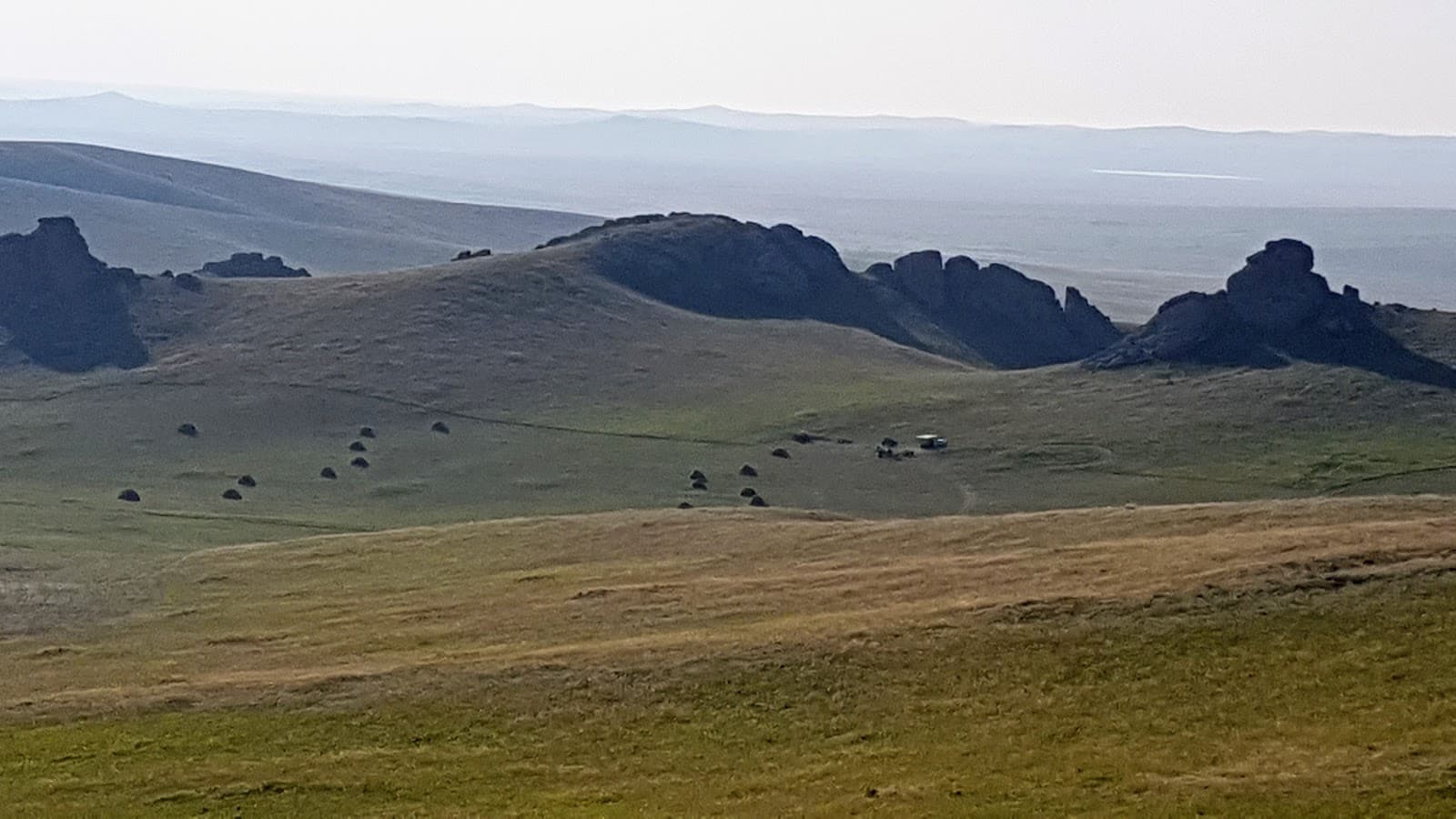
Daursky Nature Reserve
A vast UNESCO World Heritage steppe and lake ecosystem, teeming with millions of migratory birds and unique wildlife.
Highlights
Must-see attractions

Social
From TikTok & Reddit
Best Time
Peak bird migration
Daursky Nature Reserve
Best Time
Peak bird migration
Highlights
Must-see attractions
A vast UNESCO World Heritage steppe and lake ecosystem, teeming with millions of migratory birds and unique wildlife.
"A remote gem for nature lovers, offering breathtaking steppe vistas and incredible birdwatching opportunities."
Book a Local Guide
Essential for navigating the vast reserve and spotting wildlife. They know the best locations!
Pack for All Weather
Conditions can change rapidly. Bring layers, rain gear, and sun protection. ☂️ :sunwithface:
Quick Facts
Highlights
Discover the most iconic attractions and experiences
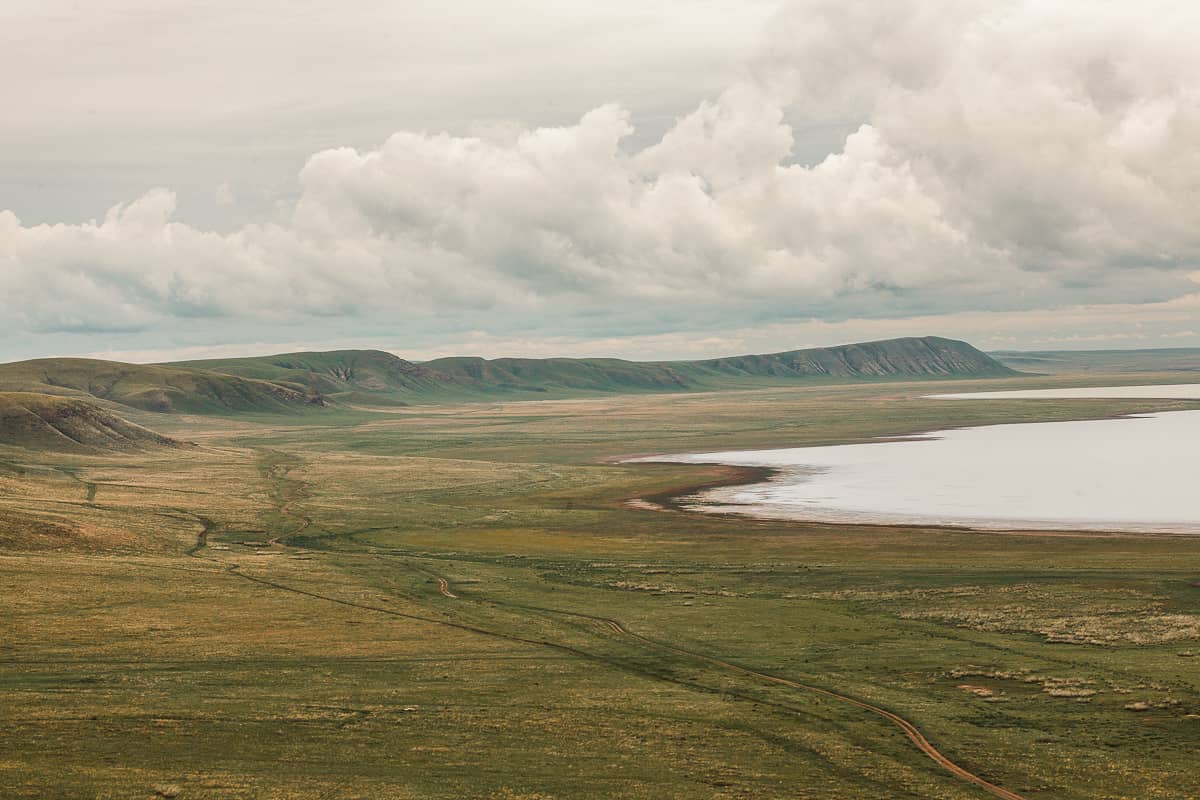
Barun-Torey and Zun-Torey Lakes
Central reserve area
Vast steppe lakes, a haven for millions of migratory birds. Witness unique salt formations along the shores.
Asian Antelope Sightings
Steppe landscapes
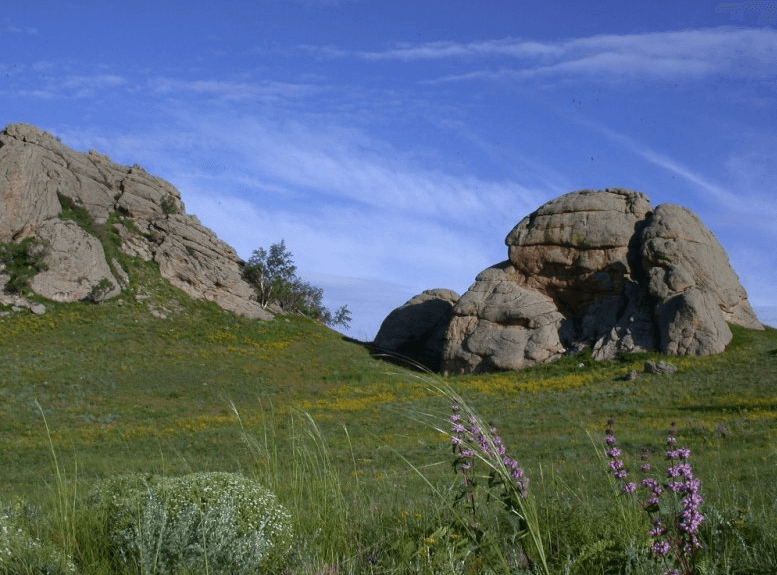
Keep an eye out for herds of graceful Asian antelopes roaming the expansive steppes.
Relict Gull Habitat
Lake shores
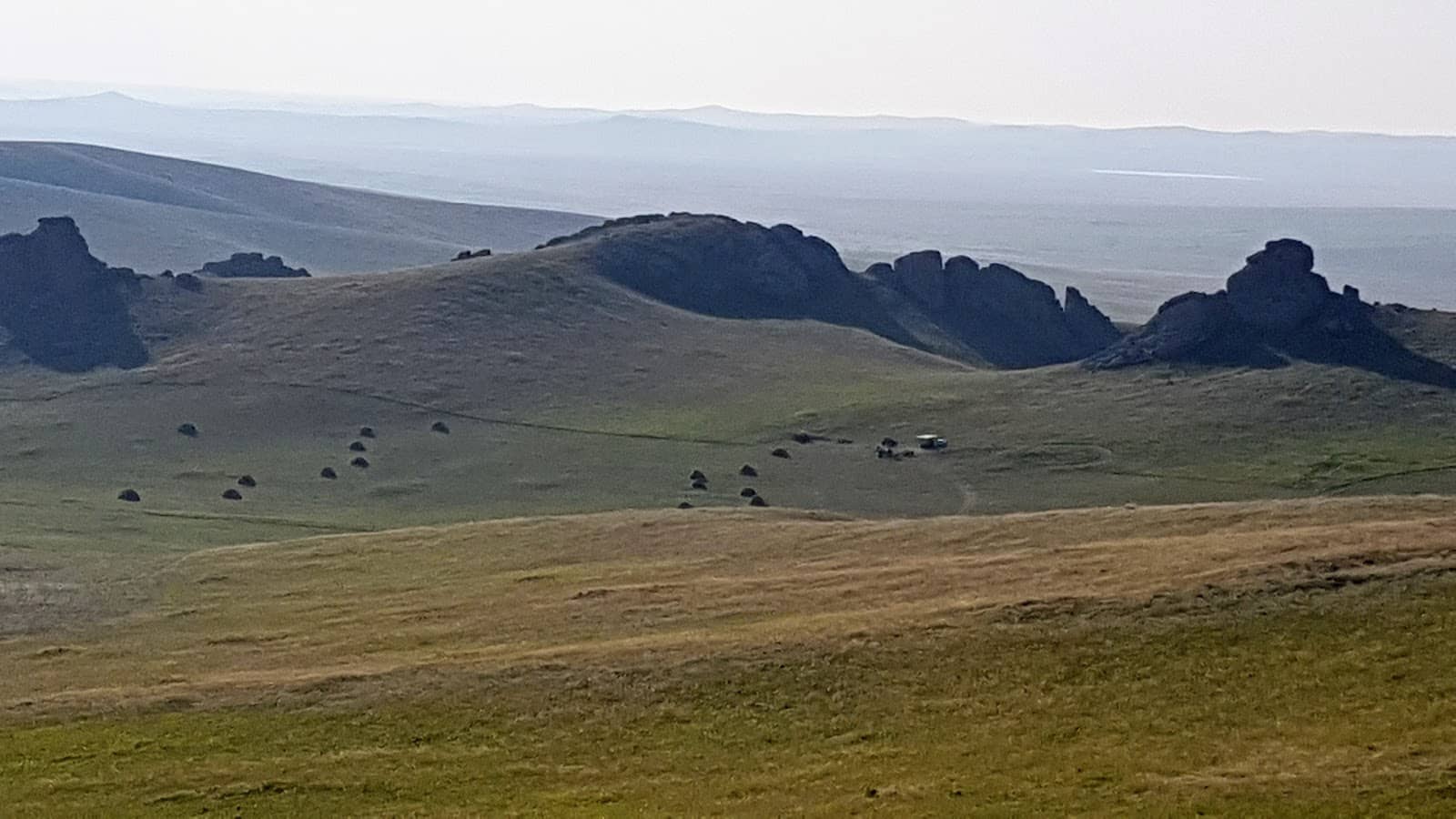
Spot the rare and elusive relict gull, a species with a fascinating evolutionary history.
Plans like a pro.
Thinks like you
Planning Your Visit
Best Time for Wildlife Viewing
Logistics and Accessibility
Best Times
Insider Tips
from TikTok, Instagram & Reddit
Book a Local Guide
Essential for navigating the vast reserve and spotting wildlife. They know the best locations!
Pack for All Weather
Conditions can change rapidly. Bring layers, rain gear, and sun protection. ☂️ :sunwithface:
Bring Binoculars
Crucial for observing birds and distant wildlife. :binoculars:
Check Lake Levels
Lake sizes vary greatly by season and rainfall. Plan accordingly. :droplet:
Tips
from all over the internet
Book a Local Guide
Essential for navigating the vast reserve and spotting wildlife. They know the best locations!
Pack for All Weather
Conditions can change rapidly. Bring layers, rain gear, and sun protection. ☂️ :sunwithface:
Bring Binoculars
Crucial for observing birds and distant wildlife. :binoculars:
Check Lake Levels
Lake sizes vary greatly by season and rainfall. Plan accordingly. :droplet:
What Travellers Say
Reviews Summary
Daursky Nature Reserve is lauded for its immense natural beauty and unique ecological significance as a UNESCO World Heritage site. Visitors are captivated by the vast steppe landscapes, the dynamic steppe lakes, and the incredible birdlife. However, its remoteness and limited infrastructure mean that visitors must be well-prepared for a rugged, self-sufficient experience.
"The Daursky State Biosphere Reserve is a reserve in southeastern Transbaikalia, located in the Borzinsky and Olovyanninsky Districts of the Transbaikalia Territory. It was established on December 25, 1987, primarily to protect bird nests.
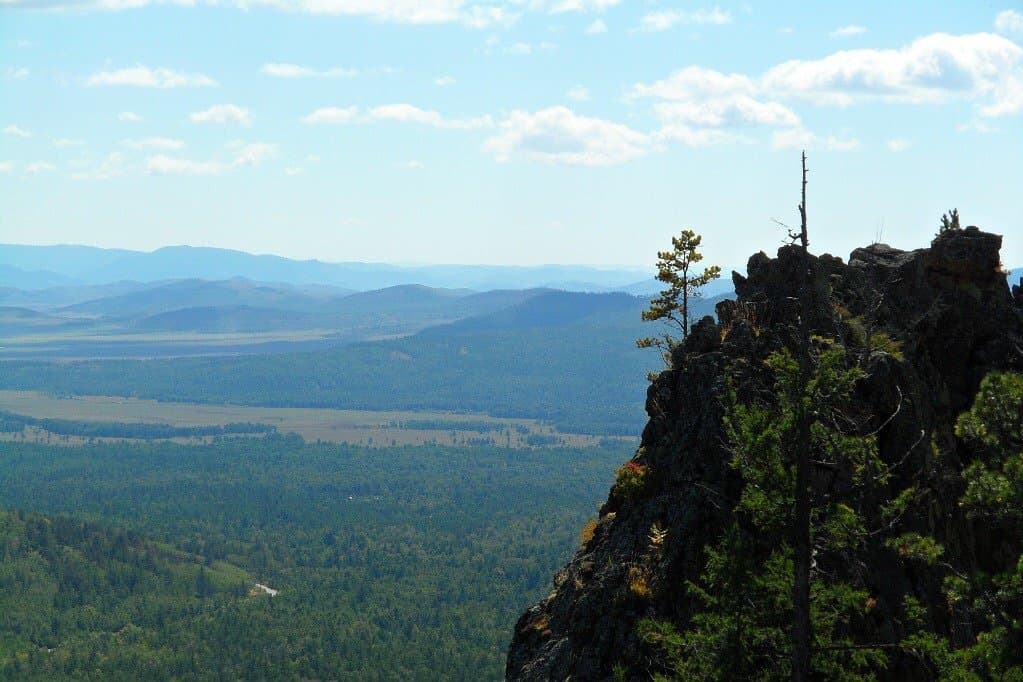
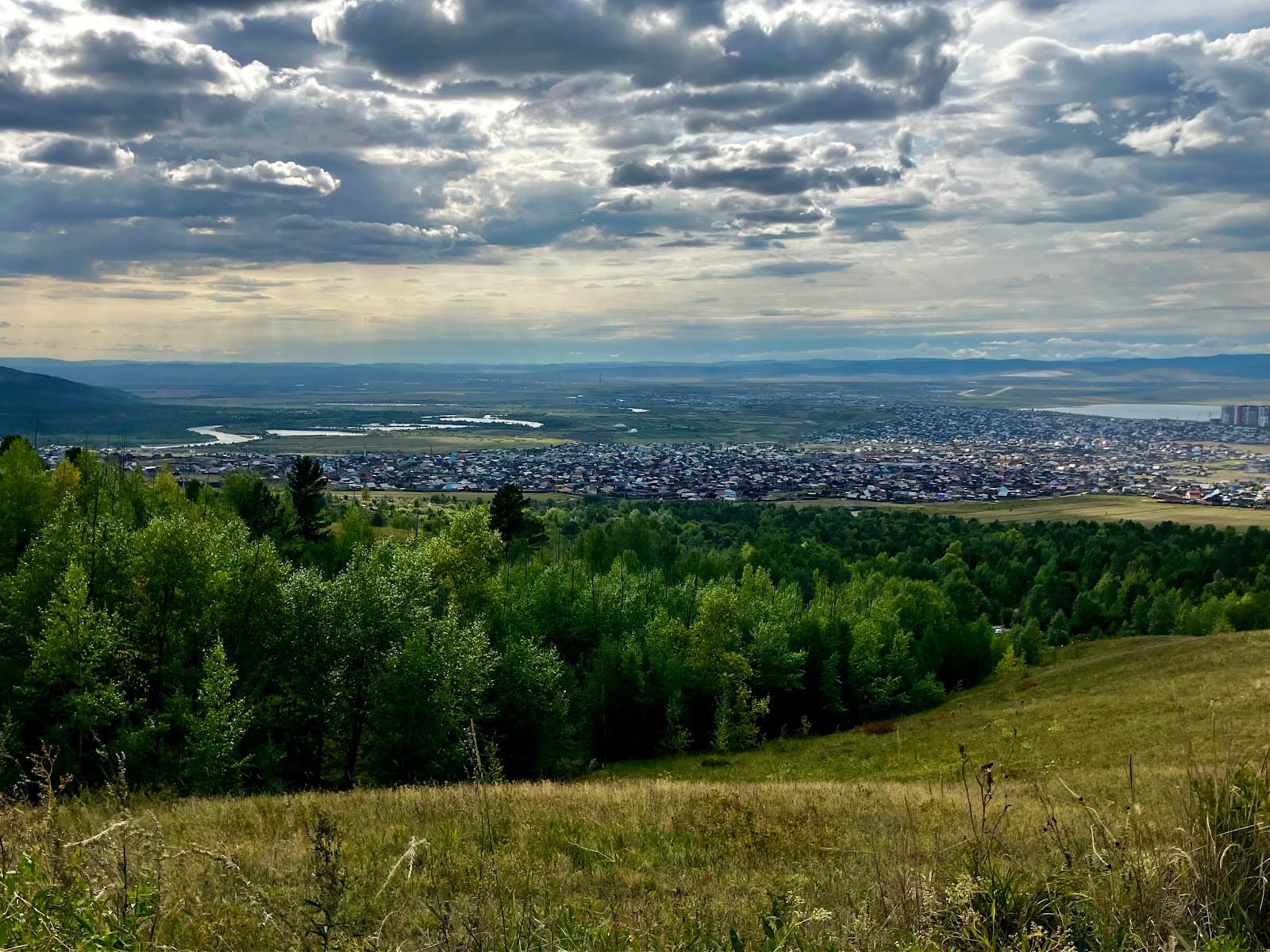
Steppe, lake-steppe, wetland, and forest landscapes in southeastern Transbaikalia. The reserve includes the steppe lakes Barun-Torey and Zun-Torey and several isolated lake-steppe areas with a total area of 45,790 hectares. The protected areas are surrounded by a protected area of 163,530 hectares. There are nine plots. The central territory of the reserve is located in the village of Nizhniy Tsasuchey.
It is a UNESCO World Heritage Site "Landscapes of Dauria", which includes, in addition to the Russian part, also the Mongolian part of the Daurian steppe."
Erwan
"Tens of millions of years ago there was a sea. Now there are several lakes. Fragments of eight-rayed corals, ancient marine inhabitants, are still found along the shores. Among the variety of birds nesting here, one of the least studied and rare is the relict gull.
Lake Barun-Torey is the largest reservoir in Transbaikalia. During the years of full flood, its area can reach 580 km2, and its depth is four meters. It is pleasant to swim in the mineral water of the lake, despite the fact that due to the abundance of silt, it is not transparent for long, immediately after the ice melts. In years of drought and shallowing, the water of the lake becomes salty, and salt marshes form along the shores. Cossacks and local residents have long been accustomed to eating this salt, but today it is no longer safe. Lake Zun-Torey, the maximum area of which reaches 300 km2, can dry up completely in dry years.
Tens of millions of years ago there was a sea. Now there are several lakes. Fragments of eight-rayed corals, ancient marine inhabitants, are still found along the shores. Among the variety of birds nesting here, one of the most poorly studied and rare birds is the relic gull.
Barun-Torey Lake is the largest body of water in Transbaikalia. Its area during the years of full flood can reach 580 km2, and a depth of four meters. It is pleasant to swim in the mineral water of the lake, despite the fact that, due to the abundance of silt, it is not transparent for long, immediately after the ice melts. During the years of drought and shallowing, the lake water becomes salty, and salt marshes form along the shores. Cossacks and local residents have long been accustomed to consuming this salt as food, however today it is already unsafe. Zun-Torey Lake, with a maximum area of 300 km2, can dry out during dry years."
Nurullo Yunusov
"Russia é um lugar muito bonito."
iago sarti
What People Like
What People Dislike
Frequently Asked Questions
🚇 🗺️ Getting There
The reserve is quite remote. The closest major town is Borzya. From Borzya, you'll likely need to arrange private transport or a taxi to reach the reserve's entrance or visitor center in Nizhniy Tsasuchey. Public transport options are very limited.
Given the vastness, a 4x4 vehicle is highly recommended for exploring the reserve's diverse landscapes. Hiring a local guide often includes transportation.
Yes, but roads can be unpaved and challenging, especially after rain. A sturdy vehicle is advisable. Check local conditions before you go.
The nearest major airport is in Chita (HTA). From Chita, you would need to take a train or bus to Borzya, and then arrange further transport to the reserve.
Expect a mix of paved and unpaved roads. Some areas can be rough and require careful navigation. It's best to have a reliable vehicle and possibly a local guide who knows the terrain.
🎫 🎫 Tickets & Entry
Yes, entry to the reserve requires a permit or ticket. It's advisable to inquire about the latest entry requirements and fees in advance, as these can change.
The reserve is generally open year-round for visitors, but specific visitor centers or ranger stations may have limited hours. It's best to confirm operating times before your visit.
While technically possible to enter some areas, hiring a local guide is highly recommended for a richer experience, better wildlife spotting, and to ensure you adhere to reserve regulations.
Entry fees can vary. It's best to check the official Daursky Nature Reserve website or contact them directly for the most up-to-date pricing information.
Information on online booking might be limited. It's often more practical to arrange permits and tickets upon arrival or through a local tour operator.
🎫 🏞️ Onsite Experience
The reserve is famous for its diverse birdlife, including millions of migratory birds on the steppe lakes. You can also spot Asian antelopes, various mammals, and unique flora.
The expansive Barun-Torey and Zun-Torey lakes are major highlights, along with the vast steppe landscapes. The chance to see rare species like the relict gull is also a draw.
While not extensively developed with marked trails like some Western reserves, there are opportunities for walking and exploring, especially with a guide. Be prepared for off-trail exploration.
Facilities are basic. You'll find a visitor center in Nizhniy Tsasuchey, but expect limited amenities within the broader reserve. Camping might be possible in designated areas, but check regulations.
Absolutely! The dramatic landscapes, vast skies, and abundant wildlife offer incredible photographic opportunities. Early morning and late afternoon light are particularly stunning.
🍽️ 🍽️ Food & Dining
No, there are no restaurants or cafes within the reserve itself. You'll need to bring your own food and drinks.
The village of Nizhniy Tsasuchey might have very basic local eateries, but options are scarce. It's best to pack all your meals and snacks for your visit.
Yes, picnicking is allowed in designated areas. Remember to pack out everything you pack in to keep the reserve clean. :picnic_sun:
Bring non-perishable items, plenty of water, and snacks. Consider meals that are easy to prepare or eat on the go.
You'll find limited supplies in Borzya before heading to the reserve. For a comprehensive selection, it's best to stock up in a larger city like Chita.
📸 📸 Photography
The shores of Barun-Torey and Zun-Torey lakes offer stunning reflections and birdlife. The open steppes provide dramatic landscapes, especially during sunrise and sunset.
A telephoto lens is essential for wildlife photography. A wide-angle lens is great for capturing the vast landscapes. Don't forget a sturdy tripod. :camerawithflash:
The 'golden hours' around sunrise and sunset provide the most beautiful light for landscape and wildlife photography. Midday sun can be harsh.
Generally, photography for personal use is allowed. However, commercial photography or drone usage might require special permits. Always check with reserve authorities.
The remoteness means limited access to power for charging batteries. Dust and wind can also be issues, so protect your gear.

Social
from TikTok, Instagram & Reddit