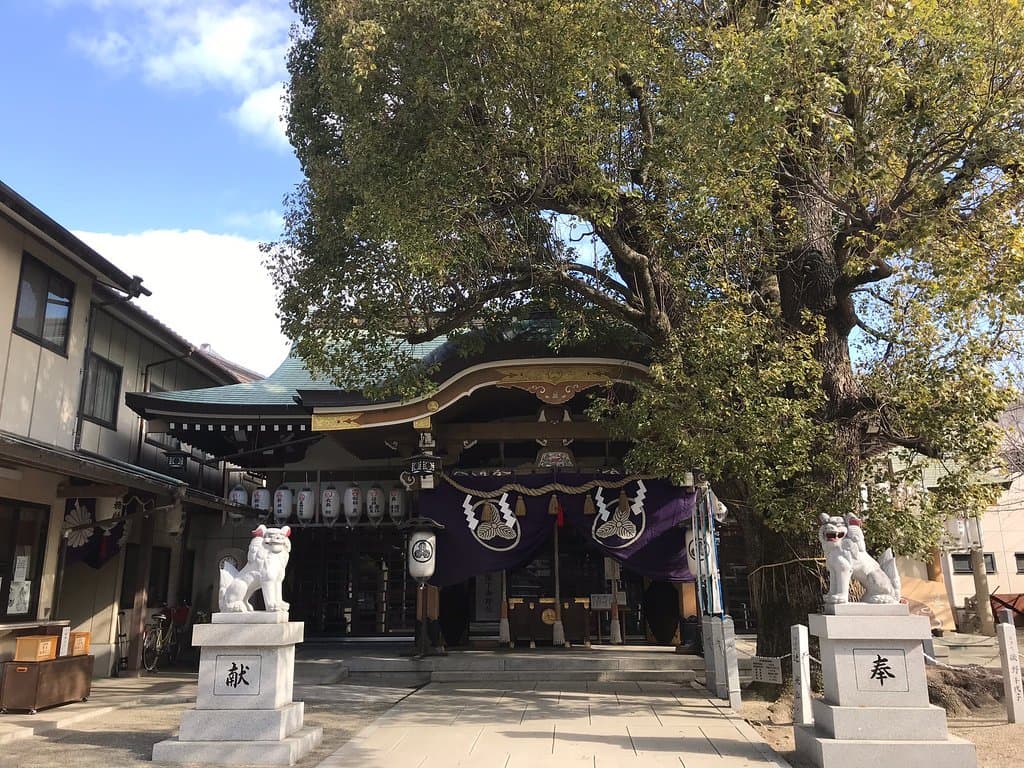
Ishizu Shrine
Japan's oldest Ebisu Shrine, steeped in legend and home to ancient camphor trees, offering a serene spiritual experience.
Highlights
Must-see attractions

Social
From TikTok & Reddit
Best Time
See ancient trees & architecture
Ishizu Shrine
Best Time
See ancient trees & architecture
Highlights
Must-see attractions
Japan's oldest Ebisu Shrine, steeped in legend and home to ancient camphor trees, offering a serene spiritual experience.
"The atmosphere at night was so different from what I saw during the day."
🚶♀️ Walk the Kumano Kaido
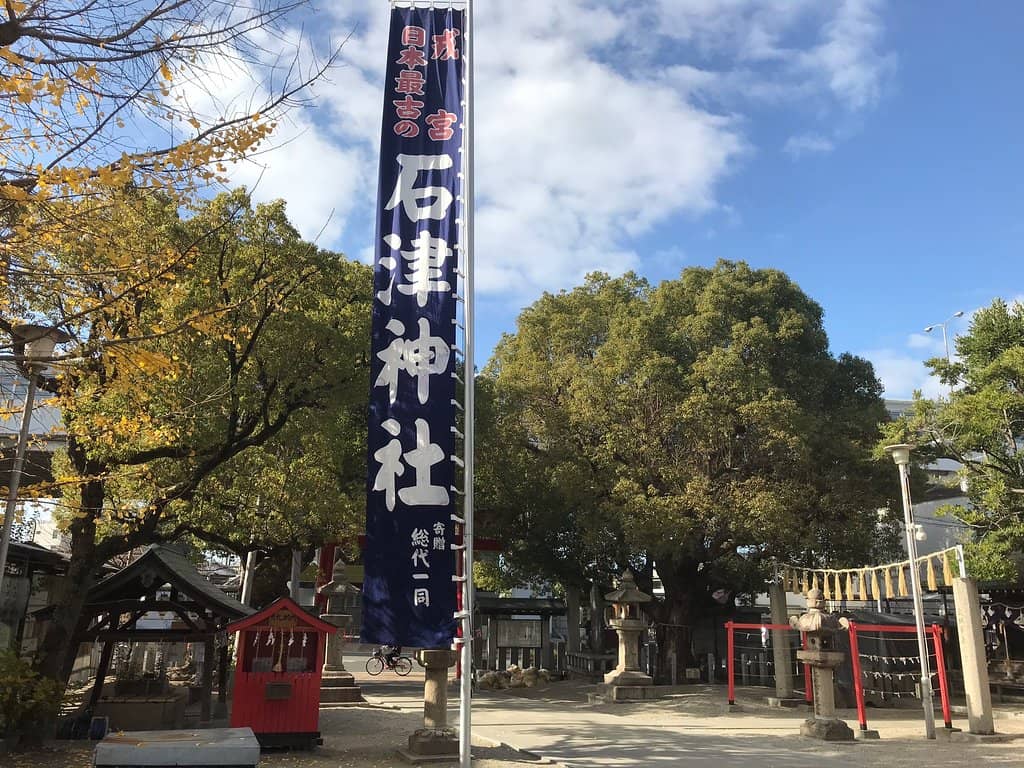
Ishizu Shrine is conveniently located along the historic Kumano Kaido pilgrimage route. :walking:
👂 Hear the Ebisu God
A special board allows visitors to strike it with a mallet to make prayers, as Ebisu is said to be hard of hearing. :pray:
Highlights
Discover the most iconic attractions and experiences
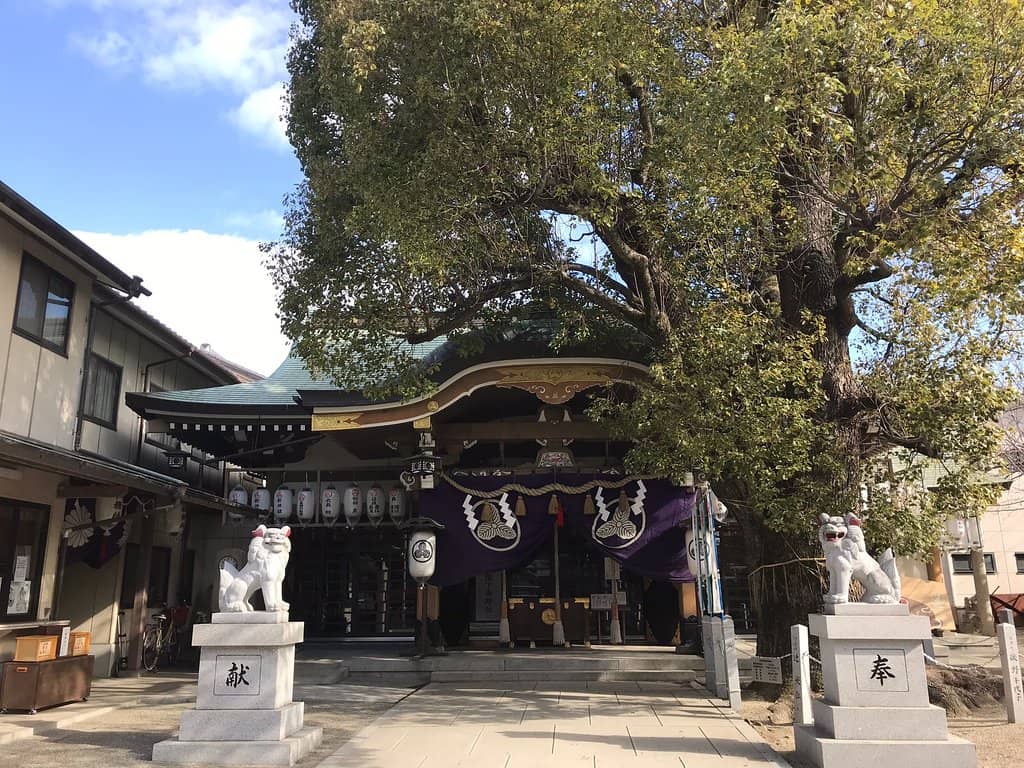
Ancient Camphor Trees
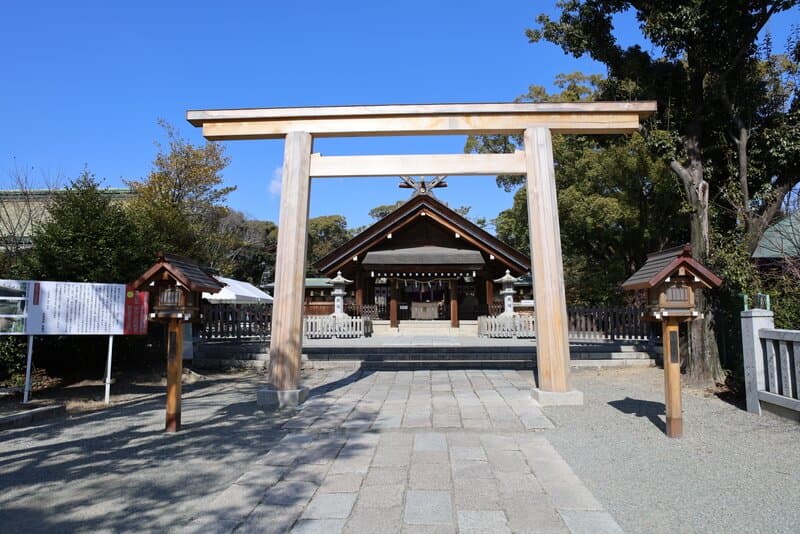
Shrine Grounds
Majestic, centuries-old camphor trees stand as silent witnesses to the shrine's long history.
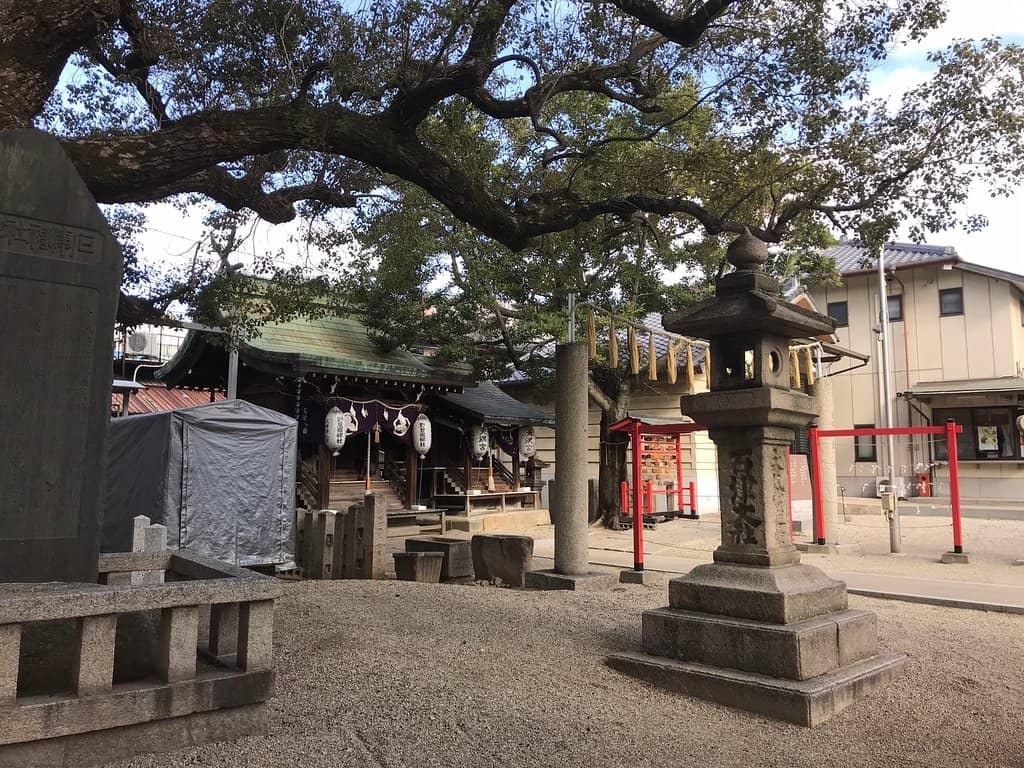
The Ebisu God's Descent
Main Hall
Experience the spiritual heart of Japan's oldest Ebisu Shrine, dedicated to the god of fortune.
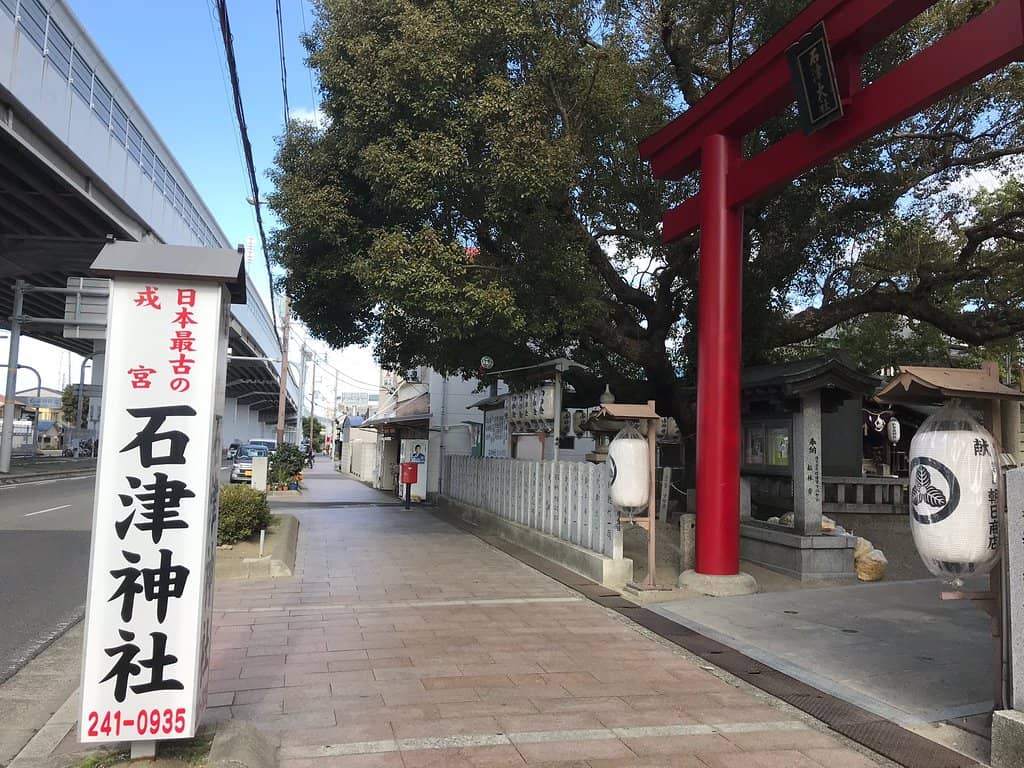
Nomi no Sukune Shrine
Shrine Grounds
A dedicated shrine honoring Nomi no Sukune, a significant figure in Japanese mythology and history.
Plans like a pro.
Thinks like you
Planning Your Visit
Timing is Everything
Understanding its Legacy
Best Times
Insider Tips
from TikTok, Instagram & Reddit
🚶♀️ Walk the Kumano Kaido
Ishizu Shrine is conveniently located along the historic Kumano Kaido pilgrimage route. :walking:
👂 Hear the Ebisu God
A special board allows visitors to strike it with a mallet to make prayers, as Ebisu is said to be hard of hearing. :pray:
🌳 Admire the Camphor Trees
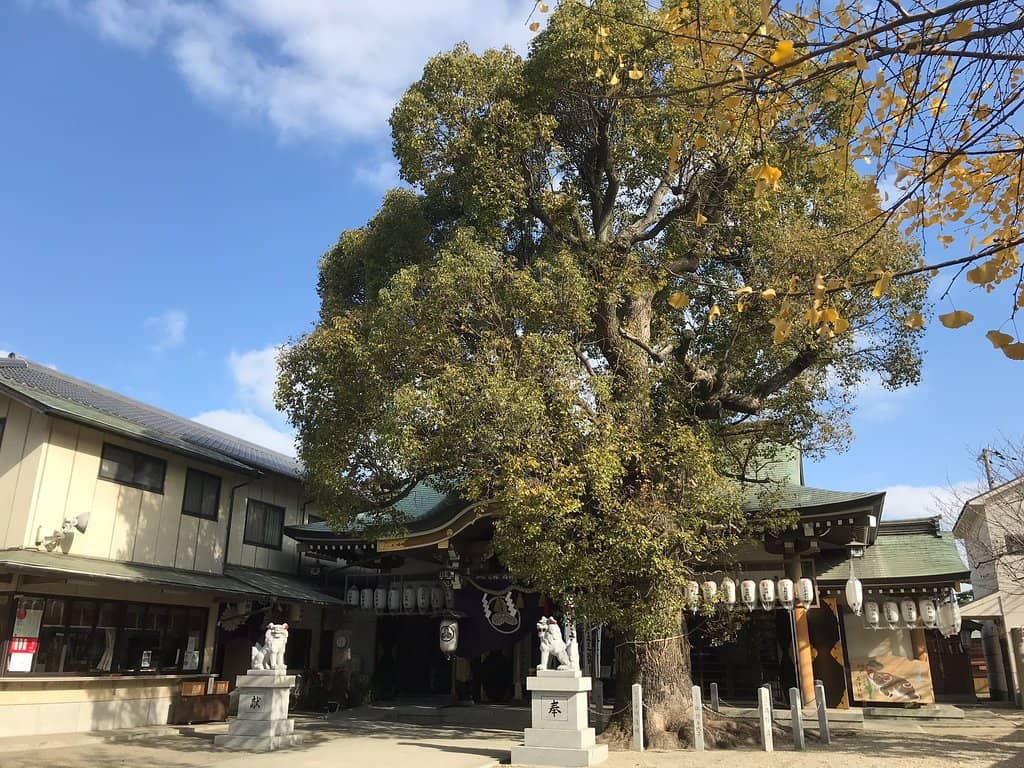
Marvel at the magnificent, ancient camphor trees on the shrine grounds, some over a thousand years old. :evergreen_tree:
📜 Seek a Goshuin
If you're collecting shrine stamps, you can receive a Goshuin from the shrine office. :scroll:
Tips
from all over the internet
🚶♀️ Walk the Kumano Kaido
Ishizu Shrine is conveniently located along the historic Kumano Kaido pilgrimage route. :walking:
👂 Hear the Ebisu God
A special board allows visitors to strike it with a mallet to make prayers, as Ebisu is said to be hard of hearing. :pray:
🌳 Admire the Camphor Trees
Marvel at the magnificent, ancient camphor trees on the shrine grounds, some over a thousand years old. :evergreen_tree:
📜 Seek a Goshuin
If you're collecting shrine stamps, you can receive a Goshuin from the shrine office. :scroll:
What Travellers Say
Reviews Summary
Visitors praise Ishizu Shrine for its deep historical significance as Japan's oldest Ebisu Shrine and its serene atmosphere, particularly noting the impressive ancient camphor trees. The unique prayer method for Ebisu is also a highlight. Some reviewers mention the shrine's location along the Kumano Kaido and its connection to local legends.
"Ishizu Shrine is the oldest Ebisu Shrine in Japan, said to have been founded in 469 BC. Located along Route 26, I always admired it from afar whenever I passed by, but the atmosphere at night was so different from what I saw during the day. Next time, I'd like to take my time and visit during the day."
Noop Noop
"[ISHIZU SHRINE]
Address: 1-15-21 Ishizu-cho, Nishi-ku, Sakai City, Osaka Prefecture
Main deities: Yae Kotoshironushi no Mikoto, Okuninushi no Mikoto, Amenohohi no Mikoto
Associated deities: Nomi no Sukune, Sugawara no Michizane
It is considered to be the same as Ishizu Taijin Shrine in Hamadera Ishizu-cho, Nishi-ku, the same city, and both are known as the "oldest Ebisu Shrine in Japan" as the place where Yae Kotoshironushi no Mikoto "Ebisu God" descended. It is believed that one is the main shrine and the other is a temporary shrine or branch shrine.
The legend of the shrine states that Yae Kotoshironushi no Mikoto descended to this place carrying five-colored stones, which is why the place came to be called Ishizu. It is said to have been founded by the imperial decree of the fifth emperor, Emperor Kōshō (469 BC), and during the reign of the 11th emperor, Emperor Suinin (around 29 BC), Nomi no Sukune, who is said to be the 14th generation descendant of Amenohohi no Mikoto, became the chief priest. The shrine grounds include Sukune Shrine, dedicated to Nomi no Sukune, and Tenmangu Shrine, dedicated to Sugawara no Michizane.
The stone carried by Yae Kotoshironushi was said to have been buried in front of the shrine, and it is said to rise from the ground in the event of a natural disaster.
At the mouth of the Ishizu River, just before Osaka Bay, on the north bank of the river, there is a place where Hiruko no Mikoto (Ebisu god) is said to have washed ashore in a reed boat, and this place is now enshrined as a temporary shrine."
もーまんたい
"Personally, I was walking along the Kumano Kaido, and on this day (October 14, 2023), I was planning to keep walking from Nanshuji Temple in Sakai until it started to rain. Ishizu Shrine is also located along the Kumano Kaido. According to the guidebook I had, the place name Ishizu was named after the port where the stone materials of the Mozu Kofun Group were unloaded. When I finished praying and received the goshuin, I asked the woman who wrote it, "What does this stone monument say?" She replied, "There are many similar stories here and there, but this is the place where Ebisu first rose from the sea and laughed for the first time." Therefore, Ishizu Shrine is the oldest "Ebisu-san". "You can tell it's an old shrine just by looking at the camphor tree next door, which is over a thousand years old. Nowadays, there are complaints about its fallen leaves, and it used to be taller than the overpass, but it became weak due to exhaust fumes and vibrations, so we had an arborist treat it. The shrine used to be much larger (it was once a "Taisha" shrine, as marked on the stone monument), and the world has become a tough place for even gods to live in," he said in a friendly manner, sharing his honest thoughts.
It's good that Ebisu-san isn't crying now, having laughed for the first time..."
ブラタマキ
What People Like
What People Dislike
Frequently Asked Questions
🚇 🗺️ Getting There
Ishizu Shrine is accessible via public transport. It's about a 15-minute walk from Ishizu Station on the Hankai Electric Tramway Hankai Line. It's also situated along the Kumano Kaido, making it a stop for those walking the historic route.
Yes, it's located along Route 26 and the Kumano Kaido, making it relatively easy to spot, especially if you're familiar with the area or using navigation.
While the review mentions passing by on Route 26, specific parking information isn't detailed. It's advisable to check for local parking availability or use public transport to avoid potential issues.
The closest station is Ishizu Station on the Hankai Electric Tramway Hankai Line, about a 15-minute walk away.
Absolutely! Ishizu Shrine is a significant historical and spiritual landmark directly on the Kumano Kaido pilgrimage route.
🎫 🎫 Tickets & Entry
Entry to the shrine grounds is generally free. There are no mentions of admission fees in the provided information.
Specific opening hours are not detailed, but shrines are typically open during daylight hours. The review mentions the night atmosphere being different, implying it's accessible then too, though daytime is recommended for full appreciation.
Yes, visitors can receive a Goshuin (shrine stamp) from the shrine office.
No, the shrine grounds are typically free to enter.
Yes, in October, futon taiko drums and floats are paraded into the shrine, indicating local festival activities.
🎫 ⛩️ Onsite Experience
Ishizu Shrine is renowned as the oldest Ebisu Shrine in Japan, with legends tracing its founding back to 469 BC. It's also known for its ancient camphor trees and its connection to the Kumano Kaido.
The main deities are Yae Kotoshironushi no Mikoto (Ebisu God), Okuninushi no Mikoto, and Amenohohi no Mikoto. It also enshrines Nomi no Sukune and Sugawara no Michizane.
The shrine's name, 'Ishizu,' is derived from a five-colored sacred stone brought by the Ebisu God upon his descent. This stone is said to rise from the ground during natural disasters.
Yes, due to Ebisu being hard of hearing, a special board is installed where visitors can strike it with a wooden mallet to make their prayers heard.
The shrine grounds feature magnificent camphor trees, some estimated to be over a thousand years old, adding to the serene and historic atmosphere.
📸 📸 Photography
The ancient camphor trees offer a dramatic backdrop. The main hall and the shrine's traditional architecture are also picturesque. The atmosphere at night is noted as different, potentially offering unique photo opportunities.
Photography rules can vary at shrines. It's best to look for signage or observe other visitors. Generally, exterior shots and general grounds photography are permitted.
One reviewer mentioned the 'atmosphere at night was so different,' suggesting it's accessible. However, lighting might be limited, so plan accordingly for night photography.
There are no specific mentions of drone photography restrictions, but it's always wise to check local regulations and shrine policies before flying drones.
A camera capable of handling low light would be beneficial if you plan to capture the night atmosphere. For daytime, any standard camera or smartphone will capture the beauty of the ancient trees and architecture.
For Different Travelers
Tailored advice for your travel style
👨👩👧 Families with Kids
While the shrine is primarily a place of worship, its location along the Kumano Kaido offers opportunities for a gentle walk, making it a potential stop for families exploring the area. It's a chance to introduce children to Japanese culture and mythology in a peaceful setting. Remember to check for any local events or festivals that might add extra excitement to a family outing.
🚶♀️ Solo Travelers & Pilgrims
Take your time to explore the grounds, admire the ancient camphor trees, and understand the unique prayer method for Ebisu. Receiving a Goshuin can serve as a meaningful memento of your visit. The shrine offers a peaceful respite and a chance to immerse yourself in centuries of Japanese spiritual tradition.
Deep Dives
In-depth insights and expert knowledge
The Legend of Ishizu Shrine
Beyond its founding myths, Ishizu Shrine is also intrinsically linked to the Kumano Kaido, a network of ancient pilgrimage routes. Its location along this historic path makes it a significant spiritual waypoint for travelers. The shrine's history is also marked by a historical rivalry with another shrine, Ishizutaisha, over its status as the primary Ebisu shrine, a dispute that has persisted through time. This rich tapestry of legends, historical figures, and geographical connections makes Ishizu Shrine a deeply resonant cultural site.
Exploring the Shrine Grounds
Within the shrine complex, visitors will find dedicated areas for worship and remembrance. The main hall is the spiritual heart, dedicated to the primary deities. Adjacent to this, the Sukune Shrine honors Nomi no Sukune, and the Tenmangu Shrine is dedicated to Sugawara no Michizane. A unique feature for visitors is the special board installed for prayer, catering to the belief that Ebisu, the god of fortune, is hard of hearing. Visitors can strike this board with a wooden mallet to ensure their prayers are heard, adding an interactive element to the spiritual experience.
The shrine's location near the Ishizu River, which flows into Osaka Bay, also connects it to the legend of Hiruko no Mikoto (another name for Ebisu) washing ashore. This historical and mythological context enriches the visitor's understanding and appreciation of the shrine's deep cultural significance. The overall experience is one of stepping back in time, surrounded by nature and steeped in ancient lore.


Social
from TikTok, Instagram & Reddit