
Sumiyoshi Taisha Osaka
One of Japan's oldest Shinto shrines, featuring unique architecture and serene gardens, offering a peaceful escape.
Highlights
Must-see attractions

Social
From TikTok & Reddit
Best Time
Fewer crowds, peaceful atmosphere
Sumiyoshi Taisha Osaka
Best Time
Fewer crowds, peaceful atmosphere
Highlights
Must-see attractions
One of Japan's oldest Shinto shrines, featuring unique architecture and serene gardens, offering a peaceful escape.
"A beautiful and peaceful escape from the city, with stunning architecture and a rich history."

🎯 Avoid New Year's Rush
Sumiyoshi Taisha is extremely crowded during Hatsumode (New Year's). If you seek peace, visit another time.
🚶♀️ Explore the Grounds
Don't just see the main shrine; wander through the peaceful gardens and admire the unique architecture.

Quick Facts
Hours
Rating
4.5 · 14,267 reviews
Type
Shinto Shrine
Highlights
Discover the most iconic attractions and experiences

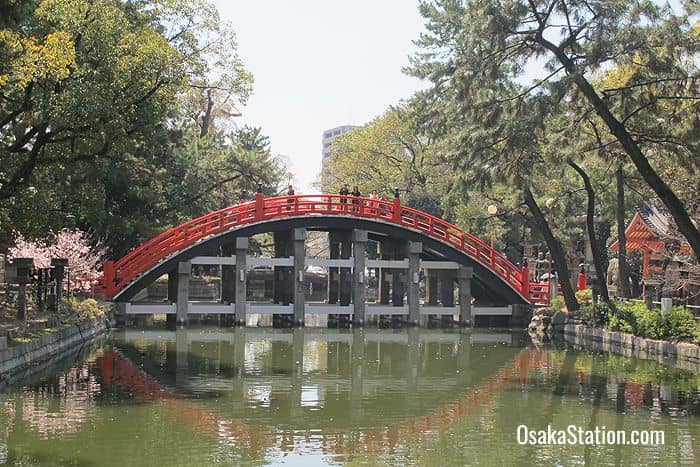
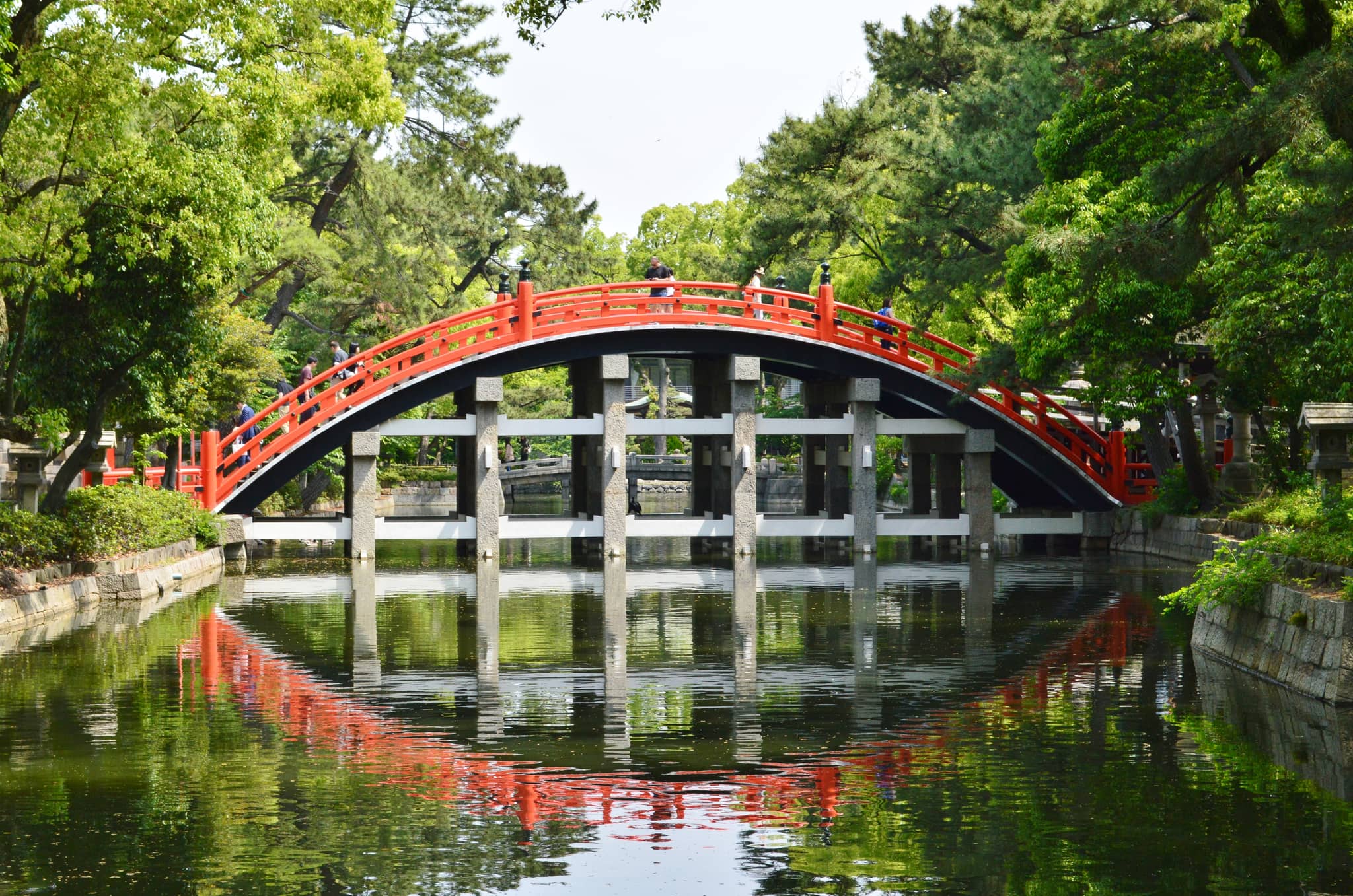
The Iconic Sorihashi Bridge
Main Shrine Complex
A striking, arched vermilion bridge offering stunning views and a unique photo opportunity. It's a must-see architectural marvel.
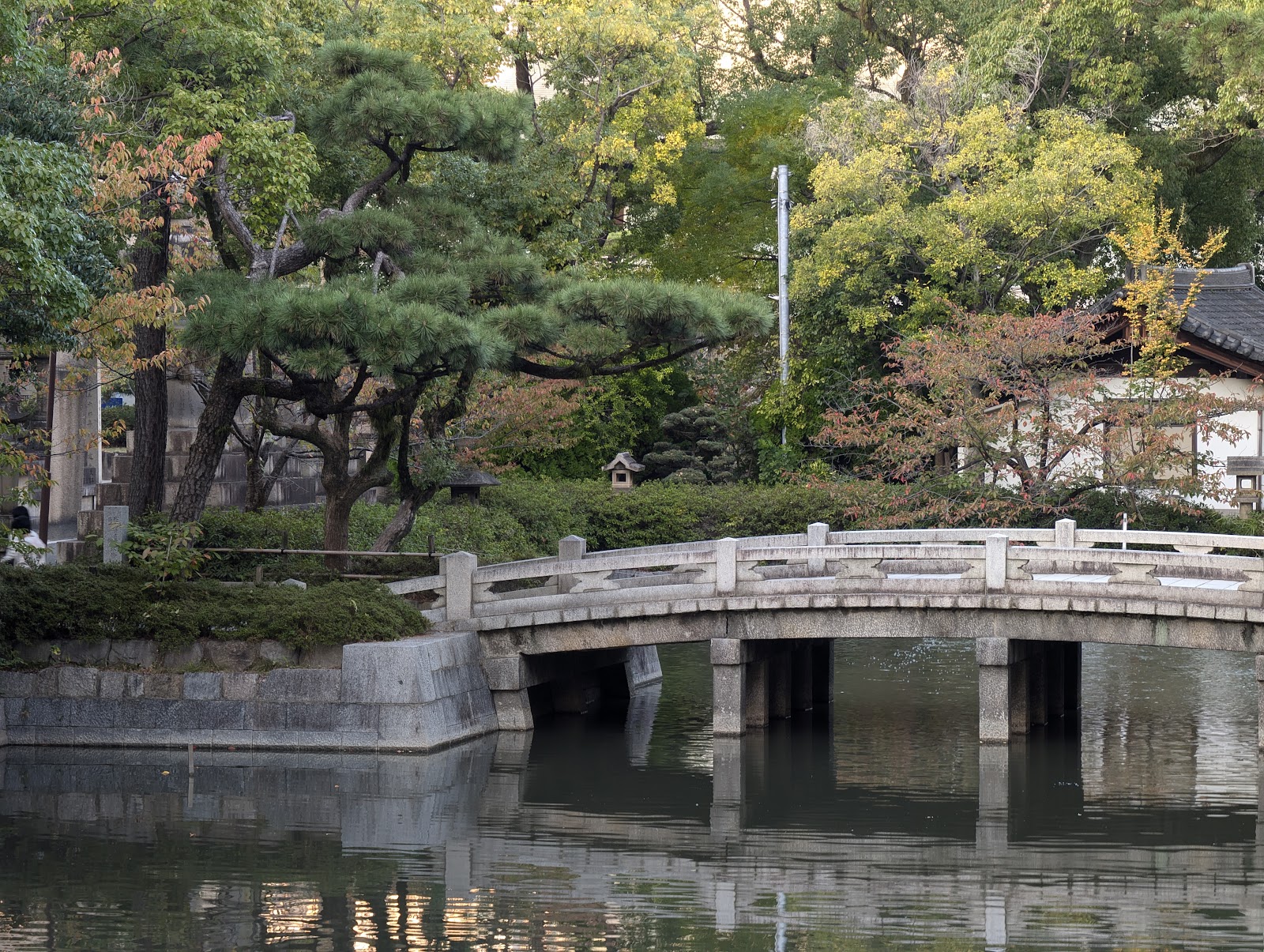
Peaceful Garden and Ponds
Shrine Grounds
Wander through serene gardens with tranquil ponds, offering a peaceful escape from the city bustle. Perfect for quiet reflection.
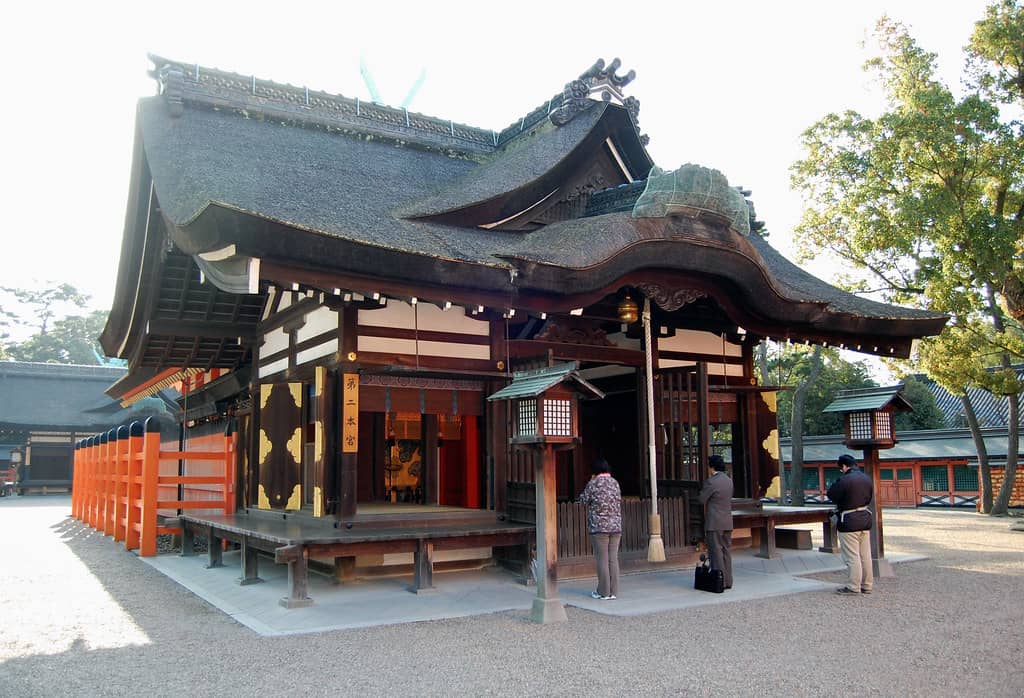
Ancient Architecture
Main Shrine Buildings
Explore structures with a history dating back to the 3rd century, showcasing unique architectural styles that have been repeatedly rebuilt.
Plans like a pro.
Thinks like you
Planning Your Visit
Beat the Crowds at Sumiyoshi Taisha
Getting to Sumiyoshi Taisha
Best Times
Insider Tips
from TikTok, Instagram & Reddit
🎯 Avoid New Year's Rush
Sumiyoshi Taisha is extremely crowded during Hatsumode (New Year's). If you seek peace, visit another time.
🚶♀️ Explore the Grounds
Don't just see the main shrine; wander through the peaceful gardens and admire the unique architecture.
📸 Capture the Bridge
The arched Sorihashi Bridge is a highlight. Visit during good light for the best photos.

👟 Comfortable Shoes
You'll be doing a lot of walking around the expansive grounds, so wear comfortable footwear.
Sumiyoshi Taisha - Hatsumode for tourist?
Hi All! I am landing in Japan on the 31st (today) around 5pm. I really want to experience new years in Japan and ringing the bell at a temple will be a great spiritual experience to start off my new year and trip in Japan! Am I able to participate in Hatsumode at midnight as a…
Tips
from all over the internet
🎯 Avoid New Year's Rush
Sumiyoshi Taisha is extremely crowded during Hatsumode (New Year's). If you seek peace, visit another time.
🚶♀️ Explore the Grounds
Don't just see the main shrine; wander through the peaceful gardens and admire the unique architecture.
📸 Capture the Bridge
The arched Sorihashi Bridge is a highlight. Visit during good light for the best photos.
👟 Comfortable Shoes
You'll be doing a lot of walking around the expansive grounds, so wear comfortable footwear.
What Travellers Say
Reviews Summary
Visitors praise Sumiyoshi Taisha for its historical significance, unique architecture, and tranquil gardens, offering a peaceful escape from Osaka's busy city life. While the iconic Sorihashi Bridge is a major draw, some find the shrine less engaging than other major Osaka attractions if they are not deeply interested in Shinto culture.
"What a magical shrine which also felt like a time portal into the past. Super close to the subway station. It was fairly quiet when we went with just a minimal amount of visitors. Cool to see some family portraits being taken here. Really serene, peaceful and such slow paced delight. Anyone in need of a system reset? Meow?"
Stanley Yang
"A beautiful and peaceful temple. The surroundings are clean and well-maintained, with a lovely little park and pond. The fish and turtles were a pleasant surprise – they add a special charm to the place. A perfect spot to relax, take a walk, and enjoy the calm atmosphere."
Evelina Davojan
"Sumiyoshi Taisha is a beautiful and peaceful shrine, and I was amazed by how quiet it was compared to other famous spots in Osaka. The atmosphere felt calm and authentic, making it easy to enjoy the unique architecture and tranquil grounds. Getting there by the old streetcars was a wonderful part of the experience – it added charm and made the visit feel even more special. A hidden gem that I highly recommend for anyone looking for a more serene side of the city."
Angelo Romeo
What People Like
What People Dislike
Frequently Asked Questions
🚇 🗺️ Getting There
Sumiyoshi Taisha is accessible via public transport. The Nankai Main Line (Sumiyoshi Taisha Station) or the Hankai Tramway (Sumiyoshi Torii-mae Station) are convenient options. It's also reachable from JR Sugimoto-cho Station, about a 1-minute walk.
Yes, it's well-signposted and a popular destination. Using a navigation app on your phone is always helpful.
There is parking available, but it can fill up quickly, especially on weekends and holidays. Public transport is often recommended.
The Nankai Main Line from Namba Station offers a direct and quick route to Sumiyoshi Taisha Station.
It's located in the Sumiyoshi Ward and can be combined with visits to Sumiyoshi Park or other local points of interest.
🎫 🎫 Tickets & Entry
Entry to the main grounds of Sumiyoshi Taisha Shrine is generally free. Some special exhibitions or inner areas might have a fee, but the core experience is accessible without tickets.
The shrine is typically open from early morning until late afternoon. Specific hours can vary slightly, so it's best to check closer to your visit.
Yes, it is open on holidays, but be prepared for significantly larger crowds, especially on New Year's Day.
The main shrine grounds are usually closed after sunset. However, the surrounding park areas might be accessible.
The main shrine and its immediate gardens are usually free to enter.
📸 📸 Photography
Photography is generally allowed in most outdoor areas of Sumiyoshi Taisha. However, always be respectful and check for any signs prohibiting photos inside certain buildings or sacred areas.
The iconic arched Sorihashi Bridge, the main shrine buildings, and the serene garden ponds are popular for photography. The vermilion structures against the greenery offer beautiful contrast.
Tripod usage might be restricted in certain areas or during busy periods to avoid obstructing other visitors. It's advisable to use a handheld camera or a small, portable tripod if permitted.
Late afternoon, during the 'golden hour,' can provide beautiful lighting for your photos, especially on the bridge and main structures. Early mornings offer fewer crowds and softer light.
Be mindful of other visitors and avoid intrusive photography. Respect any designated no-photo zones.
🎫 🚶♀️ Onsite Experience
You can admire the unique architecture, walk across the distinctive Sorihashi Bridge, explore the peaceful gardens, and experience the spiritual atmosphere of one of Japan's oldest shrines.
Allow at least 1-2 hours to explore the main shrine complex and gardens. If you plan to relax or visit nearby areas, you could spend half a day.
Yes, despite its popularity, the expansive grounds and serene gardens offer a tranquil atmosphere, especially if you visit during off-peak hours.
Yes, like many shrines, there are shops selling omamori (amulets), omikuji (fortunes), and other traditional souvenirs.
The main paths are generally flat and paved, but some areas might have stairs. It's advisable to check accessibility details if you have specific concerns.



Social
from TikTok, Instagram & Reddit