
Nishina Shinmei-gu Azumino Nagano Japan
A serene sanctuary featuring ancient, unpainted Sugi wood architecture and majestic gardens, offering a glimpse into pre-Buddhist Japan.
Highlights
Must-see attractions

Social
From TikTok & Reddit
Best Time
Fewer crowds, more peace
Nishina Shinmei-gu Azumino Nagano Japan
Best Time
Fewer crowds, more peace
Highlights
Must-see attractions
A serene sanctuary featuring ancient, unpainted Sugi wood architecture and majestic gardens, offering a glimpse into pre-Buddhist Japan.
"The serenity and beauty of the surrounding Sugi Tree gardens coupled with the constant sound of running water is absolutely out of this world."

🚶♀️ Stroll the Gardens
Wander through the serene Sugi tree gardens and listen to the calming sound of water. It's a truly peaceful experience.
🐠 Feed the Carp
You can purchase food to feed the carp in the pond, a simple yet enjoyable activity.
Highlights
Discover the most iconic attractions and experiences
Majestic Sugi Tree Gardens
Surrounding the shrine
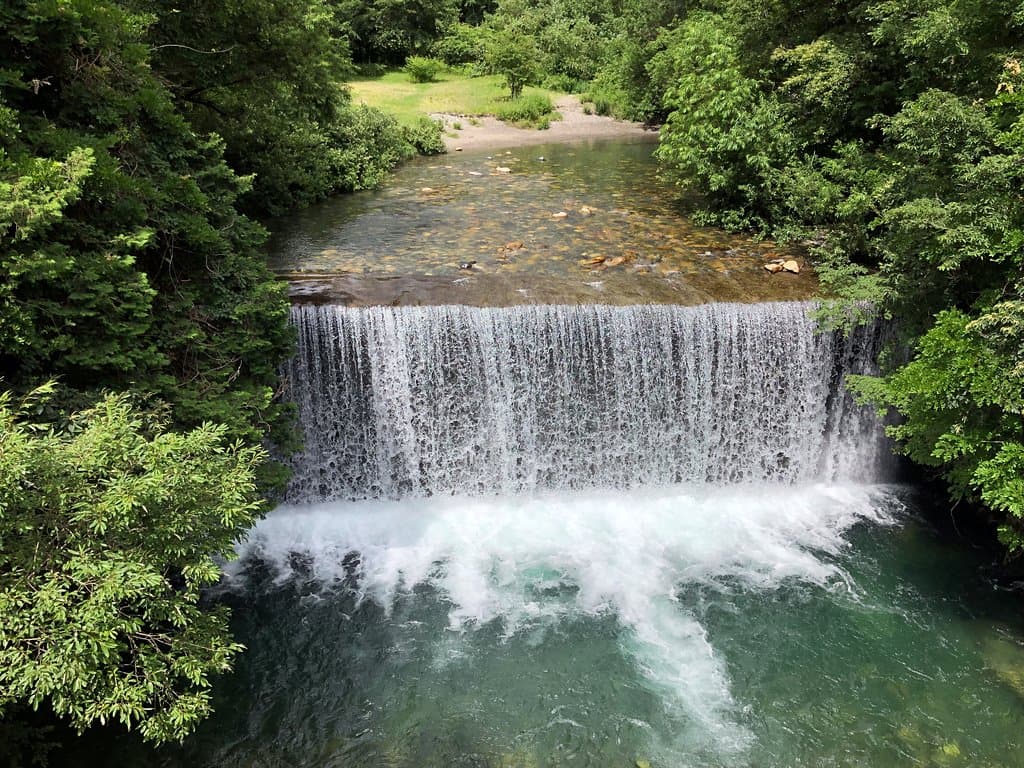
Towering Sugi trees create a serene, almost otherworldly atmosphere, complemented by the soothing sound of running water.
Ancient Japanese Architecture
Main shrine building
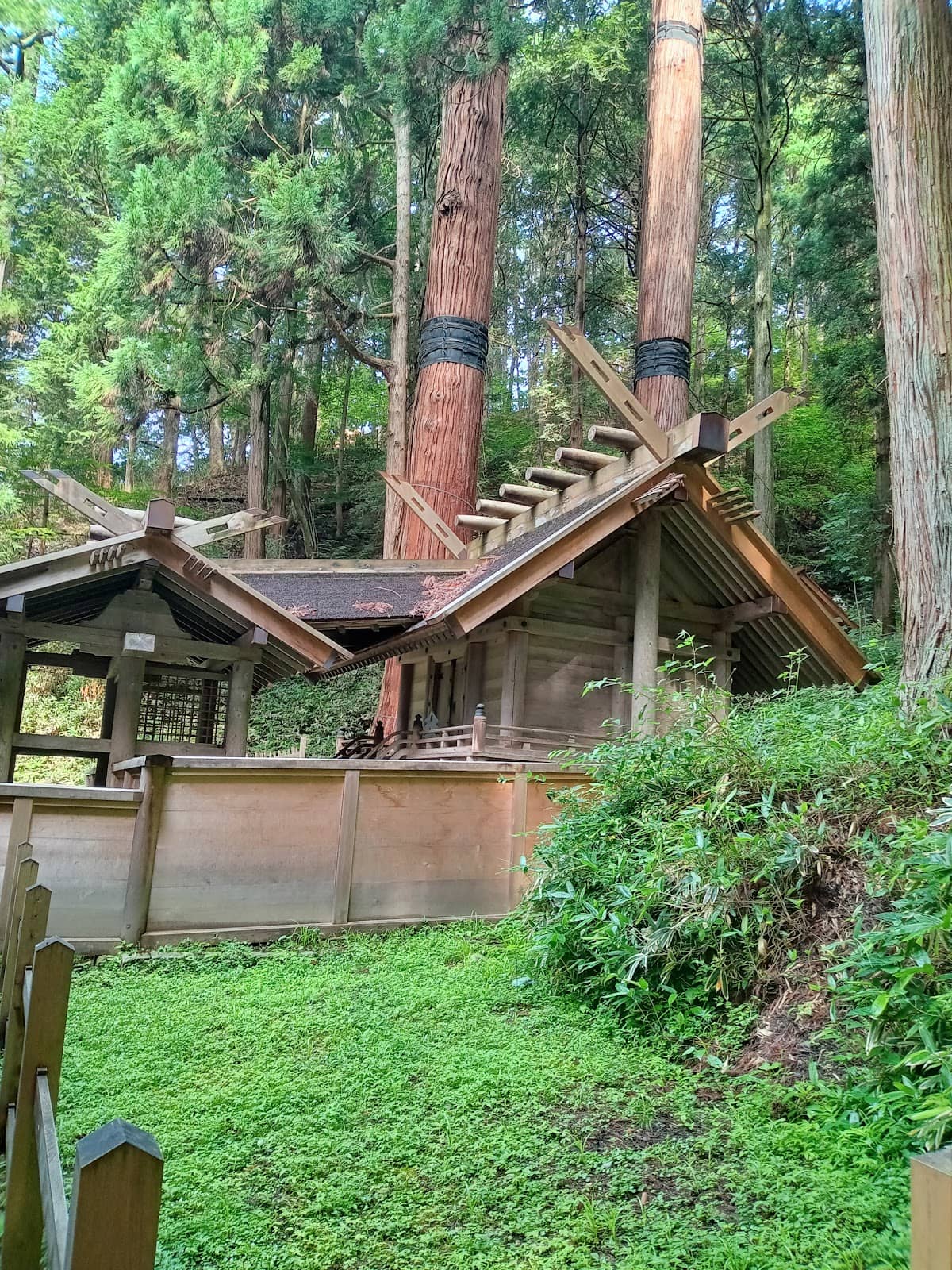
Experience a rare example of pre-Buddhist Japanese architecture, crafted entirely from unpainted Sugi wood.

Carp Pond
Near the shrine entrance
A tranquil spot to observe and feed the carp, adding a touch of gentle activity to the peaceful surroundings.
Plans like a pro.
Thinks like you
Planning Your Visit
Embrace the Serenity
Architectural Significance
Best Times
Insider Tips
from TikTok, Instagram & Reddit
🚶♀️ Stroll the Gardens
Wander through the serene Sugi tree gardens and listen to the calming sound of water. It's a truly peaceful experience.
🐠 Feed the Carp
You can purchase food to feed the carp in the pond, a simple yet enjoyable activity.
📸 Capture the Architecture
The unique, unpainted Sugi wood architecture is a photographer's dream.
🧘♀️ Embrace the Atmosphere
This is a place for quiet contemplation and soaking in Japanese culture.
Tips
from all over the internet
🚶♀️ Stroll the Gardens
Wander through the serene Sugi tree gardens and listen to the calming sound of water. It's a truly peaceful experience.
🐠 Feed the Carp
You can purchase food to feed the carp in the pond, a simple yet enjoyable activity.
📸 Capture the Architecture
The unique, unpainted Sugi wood architecture is a photographer's dream.
🧘♀️ Embrace the Atmosphere
This is a place for quiet contemplation and soaking in Japanese culture.
What Travellers Say
Reviews Summary
Visitors consistently praise Nishina Shinmei-gu for its profound serenity, unique ancient architecture, and the majestic beauty of its Sugi tree gardens. The peaceful atmosphere, enhanced by the sound of running water, offers a deeply cultural and restorative experience. While it's a smaller, less elaborate site, its authenticity and historical significance are highly valued.
"It’s such a beautiful and peaceful place, of course it’s not a fancy but if you’re looking for a place that has a good atmosphere and full of Japanese culture, a part of Ise jingu , you should visit here"
Mola mola
"Great place to visit! It’s small but it’s unique"
MeiFang (MeiFang)
"The serenity and beauty of the surrounding Sugi Tree gardens coupled with the constant sound of running water is absolutely out of this world. The stately Sugi trees surrounding the shrine is also a sight to behold. What is most interesting though is the architecture of the shrine is a Japanese invention, it goes back to approximately 1800 years ago before Buddhism came to Japan and it's Chinese form of architecture. This shrine predates the Ise Jinja in Mie ken and the structure is made entirely of Sugi trees unpainted and planed.
The jinja is dedicated to the goddess Amaterasu and this is evident in the criss crossed timber with the edges cut horizontal to the ground. You can buy some carp food and feed the carp."
Alex Johansson
What People Like
What People Dislike
Frequently Asked Questions
🚇 🗺️ Getting There
Nishina Shinmei-gu is accessible by car or public transport. From Matsumoto Station, you can take a bus towards Hotaka and get off at the Shinmei-gu Iriguchi stop. It's recommended to check local bus schedules in advance as they can be infrequent.
Yes, there is parking available for visitors, making it convenient if you are traveling by car.
The fastest way from Tokyo to Azumino is by Shinkansen (bullet train) to Nagano Station, then transferring to a local train or bus. Alternatively, you can take a direct bus from Shinjuku to Azumino.
Taxis are available in Azumino, but it's advisable to book in advance, especially if you are traveling during peak hours or to less accessible areas.
Azumino is known for its cycling routes. If you enjoy cycling, it can be a pleasant way to explore the area and reach the shrine, though distances can be significant.
🎫 🎫 Tickets & Entry
Nishina Shinmei-gu is generally free to enter, allowing visitors to explore the grounds and admire the shrine without a ticket.
The shrine grounds are typically open from morning until late afternoon. It's best to visit during daylight hours to fully appreciate the surroundings.
Yes, the shrine is open on holidays. However, expect slightly larger crowds during national holidays.
No advance booking is required as there is no admission fee. You can visit spontaneously.
While not always advertised widely, local festivals or ceremonies may occur. Checking with local tourism information upon arrival could provide details.
🎫 🧭 Onsite Experience
You can stroll through the beautiful Sugi tree gardens, admire the unique pre-Buddhist architecture, feed the carp in the pond, and enjoy the peaceful, spiritual atmosphere.
Absolutely! The towering Sugi trees, the natural wood architecture, and the serene setting make it a fantastic spot for photography.
While not a major shopping destination, there might be small stalls selling local crafts or amulets, especially during certain times.
The main paths around the shrine are generally flat and well-maintained, but some areas might have steps or uneven terrain. It's advisable to check accessibility on-site.
The shrine features a rare example of ancient Japanese architecture, predating Buddhism, constructed entirely from unpainted Sugi trees. Its design is dedicated to the goddess Amaterasu.
🍽️ 🍽️ Food & Dining
Dining options are more limited directly at the shrine. You'll find more restaurants and cafes in the nearby town of Azumino or in the larger city of Matsumoto.
It's generally best to refrain from eating meals within the sacred shrine grounds. There are usually designated areas or you can enjoy a snack outside the main shrine area.
Azumino is known for its fresh produce, so look for local vegetables and fruits. Soba noodles are also a popular dish in the Nagano region.
You might find small local shops, but for a wider selection of snacks and drinks, it's better to visit a convenience store in the main town areas of Azumino.
There may be some open spaces or benches where a light picnic could be enjoyed, but always be mindful of keeping the area clean and respecting the shrine's tranquility.
📸 📸 Photography
The towering Sugi trees, the intricate details of the unpainted wooden architecture, and the serene pond with carp offer excellent photographic opportunities.
Drone usage is generally restricted at religious sites in Japan to maintain peace and respect. It's best to assume it's not permitted unless explicitly stated otherwise.
Early morning or late afternoon can offer beautiful soft light that enhances the natural beauty of the Sugi trees and the shrine's textures.
While generally welcoming to photographers, avoid intrusive behavior and respect the sanctity of the site. Flash photography might be discouraged inside certain structures.
Yes, taking photos of the carp in the pond is perfectly fine and can add a charming element to your pictures.
For Different Travelers
Tailored advice for your travel style
👨👩👧 Families with Kids
While the shrine itself is a place of quiet reverence, the surrounding gardens offer space for gentle exploration. It's a great chance to introduce children to Japanese culture and history in a calm, non-overwhelming environment. Pack some snacks and drinks, as dining options are limited nearby, and enjoy a tranquil family visit.
🧘 Solo Travelers & Spiritual Seekers
Take your time to wander through the Sugi tree gardens, listen to the water, and absorb the historical significance of the shrine. It’s a place to disconnect from the everyday and reconnect with oneself amidst a beautiful, culturally rich setting. The simplicity and authenticity of the shrine resonate strongly with those looking for genuine spiritual experiences.
Deep Dives
In-depth insights and expert knowledge
The Ancient Architecture of Nishina Shinmei-gu
The shrine is dedicated to Amaterasu, the sun goddess, and its construction reflects this reverence. The distinctive criss-crossed timber and the way the edges are cut horizontally to the ground are characteristic features associated with early Shinto shrines. It's fascinating to note that this shrine is said to predate even the famous Ise Jingu in Mie Prefecture, making its preservation and architectural integrity incredibly important for understanding Japanese religious history.
Visitors often remark on the serenity and authenticity of the shrine, attributing it in part to its natural materials and ancient design. The constant sound of running water in the surrounding gardens further enhances the peaceful ambiance, creating an immersive experience that connects visitors to Japan's spiritual past.
Experiencing the Natural Beauty
Many visitors find the combination of the ancient architecture and the lush natural environment to be profoundly beautiful and restorative. It's a place where one can easily spend time simply walking, breathing in the fresh air, and appreciating the harmony between human creation and nature. The gardens are well-maintained, ensuring that the natural elements are always at their best, complementing the spiritual purpose of the shrine.
For those looking to escape the hustle and bustle, Nishina Shinmei-gu offers a perfect retreat. The serenity and beauty are frequently mentioned in reviews, highlighting its appeal as a place for quiet reflection and a deep connection with Japanese culture and nature.




Social
from TikTok, Instagram & Reddit