
Bungo Kokubun-niji Ruins
Explore the historical nunnery ruins of Bungo Kokubun-niji, a site reflecting ancient Shinto-Buddhist syncretism and imperial devotion.
Highlights
Must-see attractions

Social
From TikTok & Reddit
Best Time
Best for exploring ruins
Bungo Kokubun-niji Ruins
Best Time
Best for exploring ruins
Highlights
Must-see attractions
Explore the historical nunnery ruins of Bungo Kokubun-niji, a site reflecting ancient Shinto-Buddhist syncretism and imperial devotion.
"A glimpse into ancient geography, though restoration methods raise preservation concerns. "

🚶♀️ Wear Comfortable Shoes
The site is best explored on foot, so comfortable footwear is essential for navigating the grounds.
📚 Research History Beforehand
Understanding the historical context greatly enhances the appreciation of the ruins.

Highlights
Discover the most iconic attractions and experiences
Foundation Remains
Main Hall Area
See the base of the former main hall, offering a tangible connection to the temple's past structure.
Surrounding Landscape
Entire Site
Experience the geographical environment that shaped this ancient religious site.

Historical Significance
Interpretive Signage
Learn about Empress Komyo's nunnery and its connection to Amaterasu and Emperor Shomu's devotion.
Plans like a pro.
Thinks like you
Planning Your Visit
Understand the Site's Preservation Status
Historical Context is Key
Best Times
Insider Tips
from TikTok, Instagram & Reddit
🚶♀️ Wear Comfortable Shoes
The site is best explored on foot, so comfortable footwear is essential for navigating the grounds.
📚 Research History Beforehand
Understanding the historical context greatly enhances the appreciation of the ruins.
🧐 Observe Restoration Efforts
Note the ongoing restoration work and consider its impact on the site's preservation.
Tips
from all over the internet
🚶♀️ Wear Comfortable Shoes
The site is best explored on foot, so comfortable footwear is essential for navigating the grounds.
📚 Research History Beforehand
Understanding the historical context greatly enhances the appreciation of the ruins.
🧐 Observe Restoration Efforts
Note the ongoing restoration work and consider its impact on the site's preservation.
What Travellers Say
Reviews Summary
Visitors find the Bungo Kokubun-niji Ruins offer a sense of the historical geographical environment, though the extent of visible ruins is limited. Some express significant concern over modern restoration methods potentially compromising the site's authenticity.
"good"
atsua
"I stopped by during a walking pilgrimage. There aren't many ruins, but you can get a sense of the surrounding geographical environment."
雲外蒼天123
"It seems that they are working on restoring the base of the main hall, but the base is made of concrete and they are just filling it with soil, making it seem like a "residential land development project." I feel angry at the Ishii Town Board of Education for damaging the precious underground remains in order to pour the concrete. I wish they had at least received training at another institution with a proven track record in cultural property preservation (such as the Nara Institute of Cultural Affairs) before formulating their plans. This is one of the worst examples of the poor preservation of buried cultural properties."
plastererist
What People Like
What People Dislike
Frequently Asked Questions
🚇 🗺️ Getting There
The ruins are located in Ishii Town. Public transportation options might be limited, so checking local bus routes or considering a taxi from the nearest station is advisable. Driving is often the most convenient way to access historical sites in rural Japan.
Information on specific parking facilities is scarce, but it's common for historical sites in Japan to have some form of visitor parking. It's best to check with local tourism information centers for the most up-to-date details.
Yes, the ruins can be visited as part of a day trip, especially if you are exploring the Oita Prefecture. Combine it with other nearby historical or natural attractions for a full day's itinerary.
🎫 🎫 Tickets & Entry
Generally, historical ruins sites in Japan are free to enter, though specific information for Bungo Kokubun-niji Ruins is not widely available. It's recommended to confirm on-site or through local tourism resources.
As an open-air historical site, it's likely accessible during daylight hours. However, for any specific visitor center hours or guided tour times, it's best to check with local authorities.
Information on official guided tours is limited. However, local historical societies or tourism boards might offer tours, especially during peak seasons or for specific events.
🎫 🧭 Onsite Experience
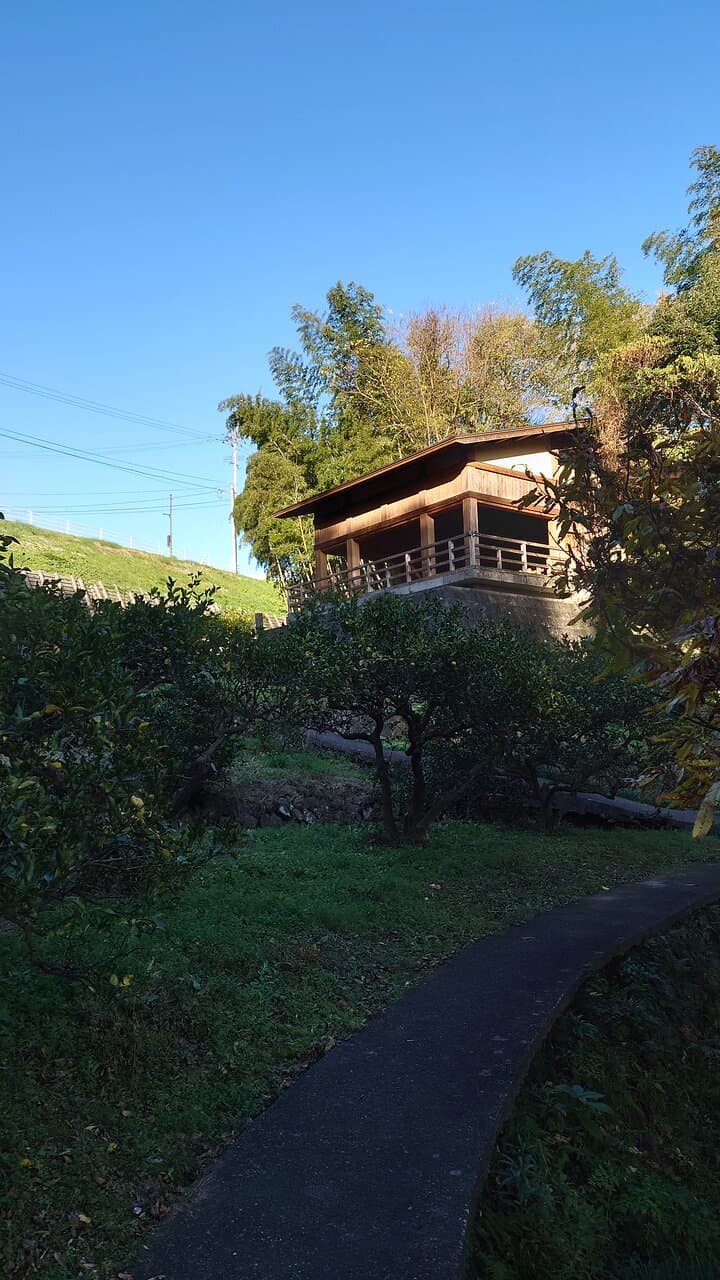
You can see the foundation remains of the main hall, offering a sense of the temple's original scale. The surrounding geographical environment is also a key aspect to appreciate.
Yes, the site is ideal for walking tours. Visitors can explore the grounds and imagine the historical significance of the area. Comfortable shoes are recommended.
Facilities at historical ruin sites can be basic. It's advisable to use restrooms before arriving and to bring your own refreshments, as amenities might be limited.
This site was a nunnery founded by Empress Komyo, wife of Emperor Shomu, around 740 AD. It was dedicated to Amaterasu and played a role in the syncretic Shinto-Buddhist religious landscape of the era.
📸 📸 Photography
Focus on capturing the scale of the foundation remains against the natural landscape. The surrounding environment offers scenic views that complement the historical context.
Photography is generally permitted at historical sites for personal use. However, always be respectful of the site and any ongoing preservation work.
For Different Travelers
Tailored advice for your travel style
👨👩👧 Families with Kids
It's advisable to prepare children beforehand by explaining the concept of ruins and their historical importance. Bringing snacks and drinks is recommended, as amenities are likely limited. The site's historical depth might appeal more to older children or those with a keen interest in history.
🏛️ History Enthusiasts
Pay close attention to the foundation remains and the surrounding landscape, which provide tangible links to the past. Consider the ongoing restoration efforts and the debates surrounding them as part of your historical understanding of the site.
Deep Dives
In-depth insights and expert knowledge
The Historical Significance of Bungo Kokubun-niji
This dedication to Amaterasu is believed to be linked to the nearby Ama-no-Iwatowake-Yatsukurahime Shrine, considered the ancient tomb of Susanoo-no-kami. Emperor Shomu's reverence for Susanoo, and Empress Komyo's for Amaterasu, led to the creation of these temples as a way to harmonize indigenous Shinto beliefs with imported Buddhism. The site also holds a special connection to the imperial family, as Emperor Shomu and Empress Komyo requested their memorial tablets be enshrined here, a testament to their deep spiritual connection to the location.
Recent interpretations suggest that the imperial couple envisioned a spiritual union, with Emperor Shomu aspiring to embody Susanoo and Empress Komyo, Amaterasu, in the afterlife. This profound historical narrative, intertwined with Shinto deities and Buddhist practices, makes the Bungo Kokubun-niji Ruins a fascinating site for understanding Japan's early religious and imperial history.
Preservation and Restoration Concerns
The concern is that these modern materials and techniques may not align with best practices for cultural property preservation. The reviewer specifically wished that the Ishii Town Board of Education had sought expertise from institutions with proven track records in heritage conservation, such as the Nara Institute of Cultural Affairs, before proceeding with their plans. This highlights a broader challenge in managing historical sites: balancing the desire to make them accessible and understandable with the imperative to protect their authenticity for future generations.


Social
from TikTok, Instagram & Reddit