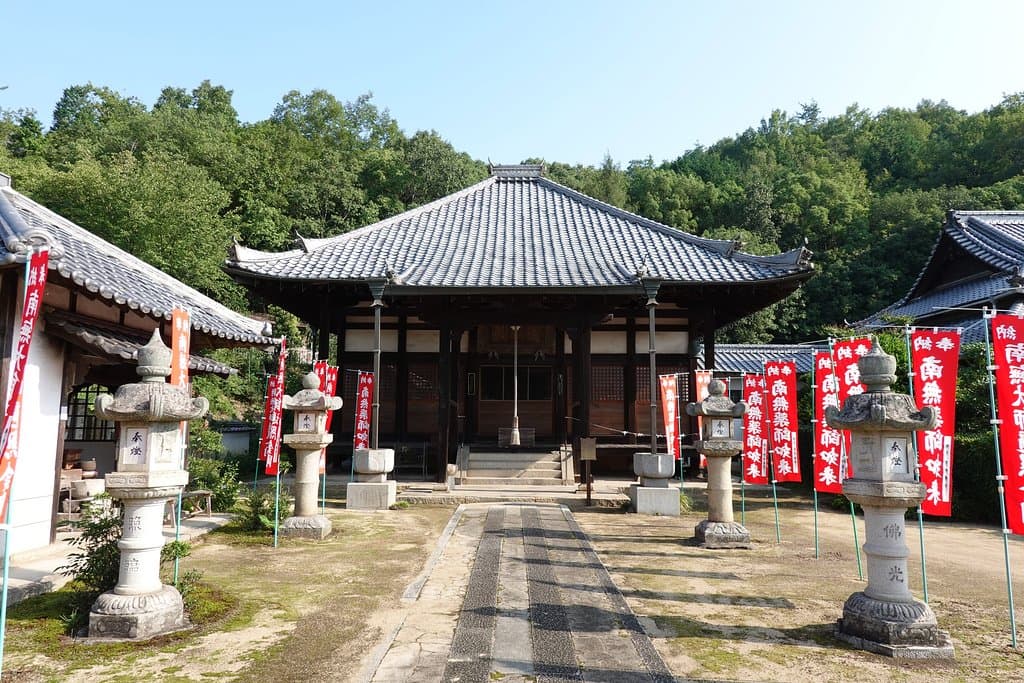
Bungo Kokubun-ji Ruins
Explore the historical remnants of a provincial temple founded by imperial decree, now a serene site with a Yakushi Nyorai Buddha and a beautiful gard...
Highlights
Must-see attractions

Social
From TikTok & Reddit
Best Time
Enjoy tranquility and fewer visitors.
Bungo Kokubun-ji Ruins
Best Time
Enjoy tranquility and fewer visitors.
Highlights
Must-see attractions
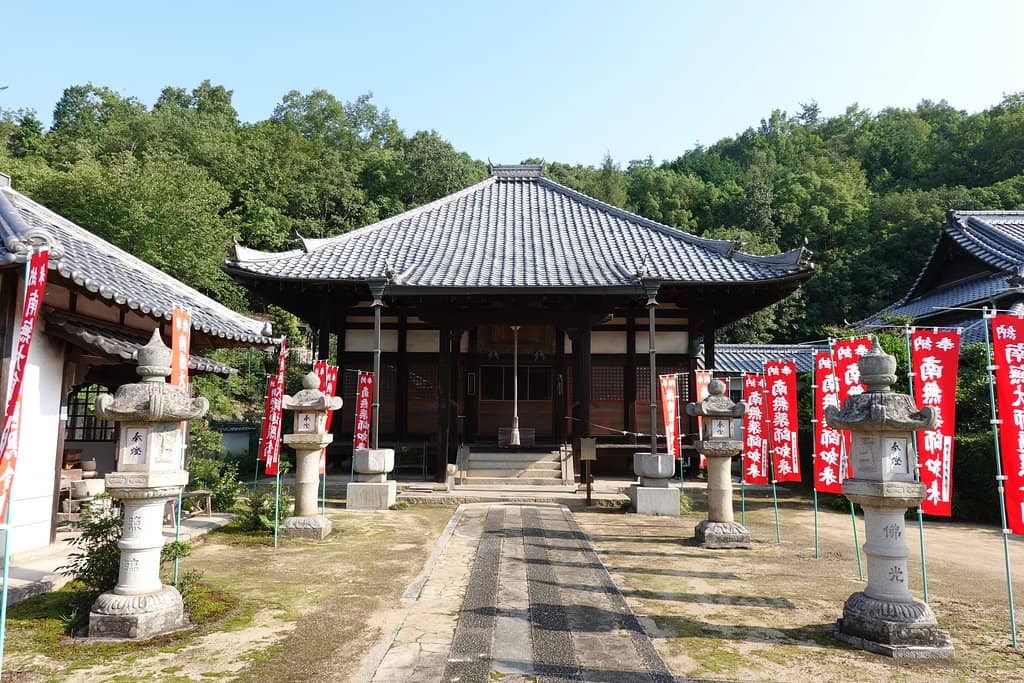
Explore the historical remnants of a provincial temple founded by imperial decree, now a serene site with a Yakushi Nyorai Buddha and a beautiful garden.
"A quiet, well-maintained place with a caring head priest, offering a glimpse into Bingo Province's past."
Drive Slowly on Approach
The road to parking is narrow with raised asphalt. Drive with caution to avoid damage. :car:
Appreciate the Garden
Take time to wander through the meticulously maintained garden for a peaceful experience. :seedling:
Highlights
Discover the most iconic attractions and experiences
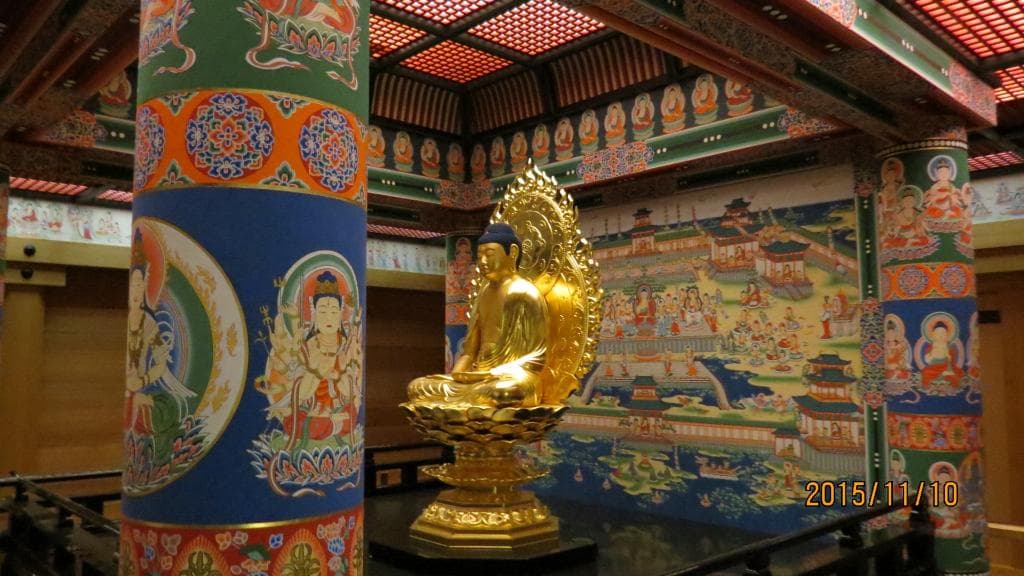
Yakushi Nyorai Buddha
The principal deity enshrined here, offering a focal point for reflection and spiritual connection.
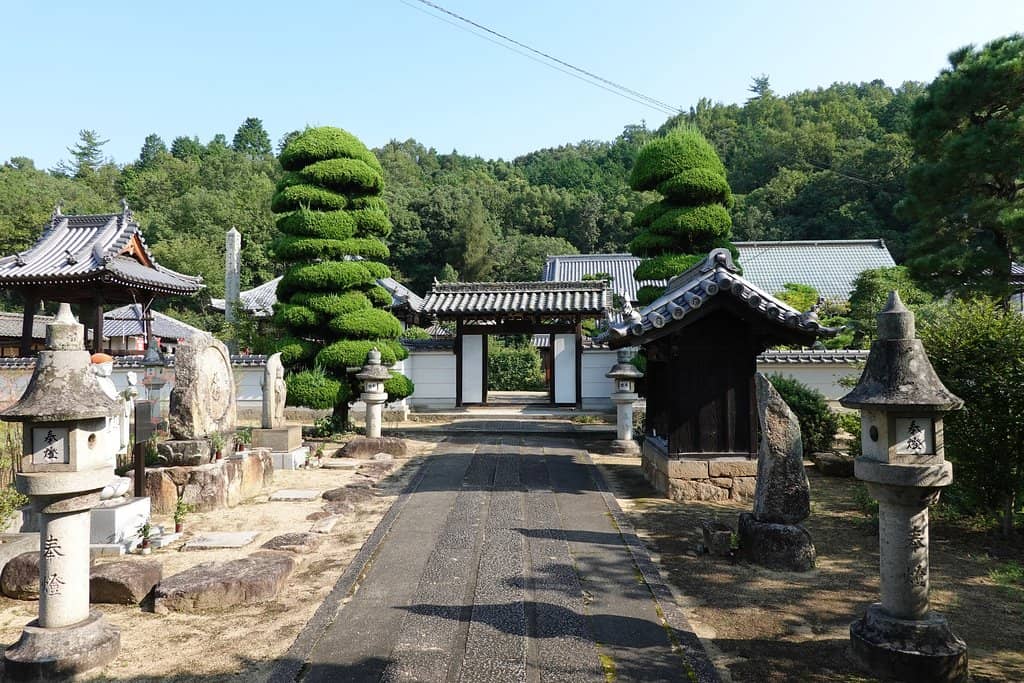
Well-Maintained Garden
A serene and beautifully kept garden provides a peaceful atmosphere for visitors to enjoy.
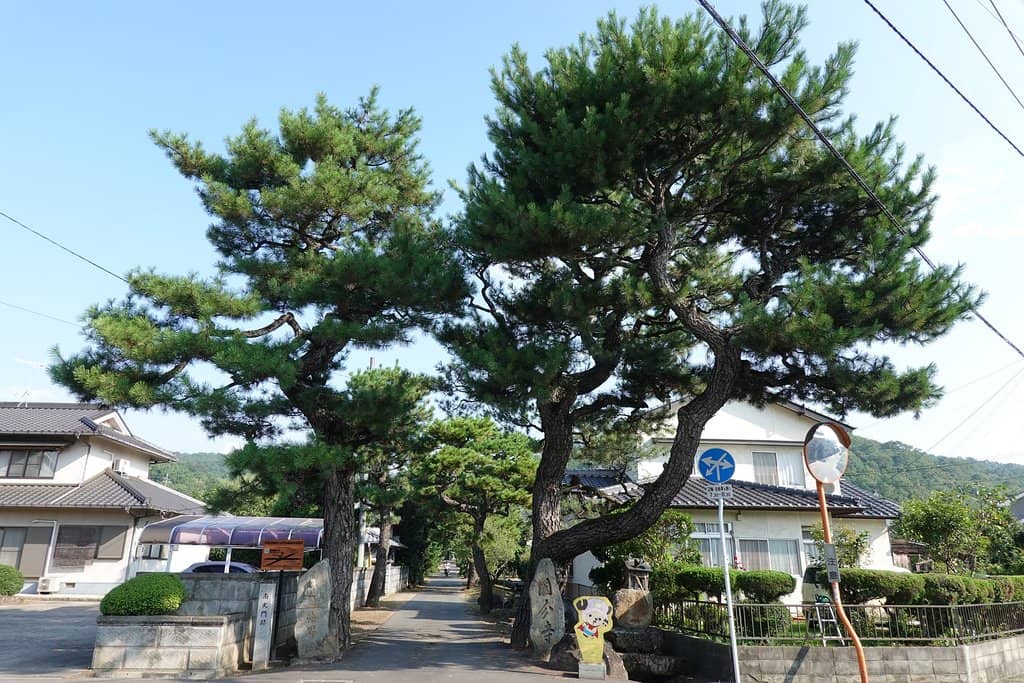
Former Temple Complex Site
Imagine the grandeur of the original main hall, pagoda, and lecture hall that once stood here.
Plans like a pro.
Thinks like you
Planning Your Visit
Understand Its Historical Significance
Navigating the Site
Best Times
Insider Tips
from TikTok, Instagram & Reddit
Drive Slowly on Approach
The road to parking is narrow with raised asphalt. Drive with caution to avoid damage. :car:
Appreciate the Garden
Take time to wander through the meticulously maintained garden for a peaceful experience. :seedling:
Learn the History
Understand its past as a provincial temple to fully appreciate the site's significance. :scroll:
Tips
from all over the internet
Drive Slowly on Approach
The road to parking is narrow with raised asphalt. Drive with caution to avoid damage. :car:
Appreciate the Garden
Take time to wander through the meticulously maintained garden for a peaceful experience. :seedling:
Learn the History
Understand its past as a provincial temple to fully appreciate the site's significance. :scroll:
What Travellers Say
Reviews Summary
Visitors find Bungo Kokubun-ji Ruins to be a quiet, well-maintained historical site with a dedicated head priest. Its significance as a former provincial temple and the presence of the Yakushi Nyorai Buddha are appreciated. However, the narrow access roads and uneven parking can be a minor inconvenience.
"This temple is the successor to the provincial temple founded by imperial decree of Emperor Shomu.
Although it is now located deep in the mountains inland, the sea once extended close to this area, and the old Sanyo Road was located here.
This area may have been the centre of Bingo Province.
It may also have had connections with the neighbouring, then highly civilised Kibi Province.
The original temple complex was destroyed by wars in the medieval period and mudslides caused by the flooding of the Dodo River during the Edo period.
The temple has since been rebuilt and moved north.
The former temple complex was an impressive one, comprising a main hall, pagoda and lecture hall."
Kou K
"According to Kokubunji's wife, "When I married into the family (before the war), the Kokubunji grounds were vast and I owned the entire area from the main gate to the surrounding area, but after the war I lost everything when farmland was reformed and at one point I couldn't even pay my electricity bill."
Also, regarding Bingo Kokubunji Nunnery, there is Koyama Pond about 500m to the west, and the surrounding area is said to be the site of the Kokubunji Nunnery.
I've attached a photo."
Kazuya Tamiya
"[Shingon Buddhism Daikakuji School]
[Mt. Karao] [Io-in]
[Principal Deity - Yakushi Nyorai]
[Temple No. 12 of the 49 Yakushi Pilgrimages of China]
[Founding Date] Unknown, but presumed to have been founded around the time of the imperial edict for the construction of provincial temples in 741."
Yasushi Ikeda
What People Like
What People Dislike
Frequently Asked Questions
🚇 🗺️ Getting There
Information on public transport or driving directions to Bungo Kokubun-ji Ruins is limited in available sources. It's recommended to use a GPS or navigation app for driving, paying close attention to the narrow roads in the vicinity.
Yes, there is parking available. However, the approach road and parking area can be narrow, with some uneven surfaces. Drive slowly and carefully.
🎫 🎫 Tickets & Entry
There is no mention of admission fees or ticket requirements for visiting the Bungo Kokubun-ji Ruins. It is likely a free-access historical site.
Specific opening hours for Bungo Kokubun-ji Ruins are not provided. As it is a historical site, it is generally accessible during daylight hours.
🎫 🧭 Onsite Experience
Visitors can see the site of the former provincial temple complex, including the location of the main hall, pagoda, and lecture hall. The Yakushi Nyorai Buddha is enshrined here, and there is a well-maintained garden to explore.
Yes, Bungo Kokubun-ji Ruins can be appreciated in a relatively short visit, especially if you focus on the main points of interest like the enshrined Buddha and the garden.
Bungo Kokubun-ji Ruins was a provincial temple founded by imperial decree around 741 AD, likely serving as a center of Bingo Province. It was destroyed by wars and mudslides, with the temple later rebuilt and moved.
📸 📸 Photography
The well-maintained garden offers picturesque scenes. The serene atmosphere and the architectural elements of the current temple structures, including the Yakushi Nyorai Buddha, can also make for compelling photographs.
No specific photography restrictions are mentioned for Bungo Kokubun-ji Ruins. However, it's always respectful to be mindful of ongoing religious services or private areas.
For Different Travelers
Tailored advice for your travel style
History Enthusiasts
Delve into the narrative of its destruction and rebuilding, understanding how historical events shaped the site. The presence of the Yakushi Nyorai Buddha adds another layer to its historical and religious context. It's a place to reflect on the enduring legacy of ancient Japan.
Spiritual Seekers
Visitors often find the dedication of the head priest and the overall tranquility of the site to be deeply calming. It's an opportunity to connect with a place of historical religious significance and find a moment of inner peace away from the bustle of everyday life.
Deep Dives
In-depth insights and expert knowledge
A Glimpse into Bingo Province's Past
Over centuries, the ruins faced destruction from medieval wars and later, mudslides caused by the Dodo River floods during the Edo period. These events led to the temple's eventual rebuilding and relocation to its current, more inland site. Despite the loss of the original structures, the current temple preserves the legacy and continues to enshrine the Yakushi Nyorai Buddha as its principal deity. The site offers a quiet and well-maintained space for visitors to connect with this historical narrative.
Visiting the Bungo Kokubun-ji Ruins is an opportunity to step back in time and contemplate the rise and fall of historical centers. The presence of the Yakushi Nyorai, often associated with healing, adds a layer of spiritual significance to the site. The head priest's dedication and the care taken in maintaining the grounds further enhance the visitor experience, making it a peaceful and meaningful exploration of Japan's provincial history.
The Serenity of the Temple Grounds
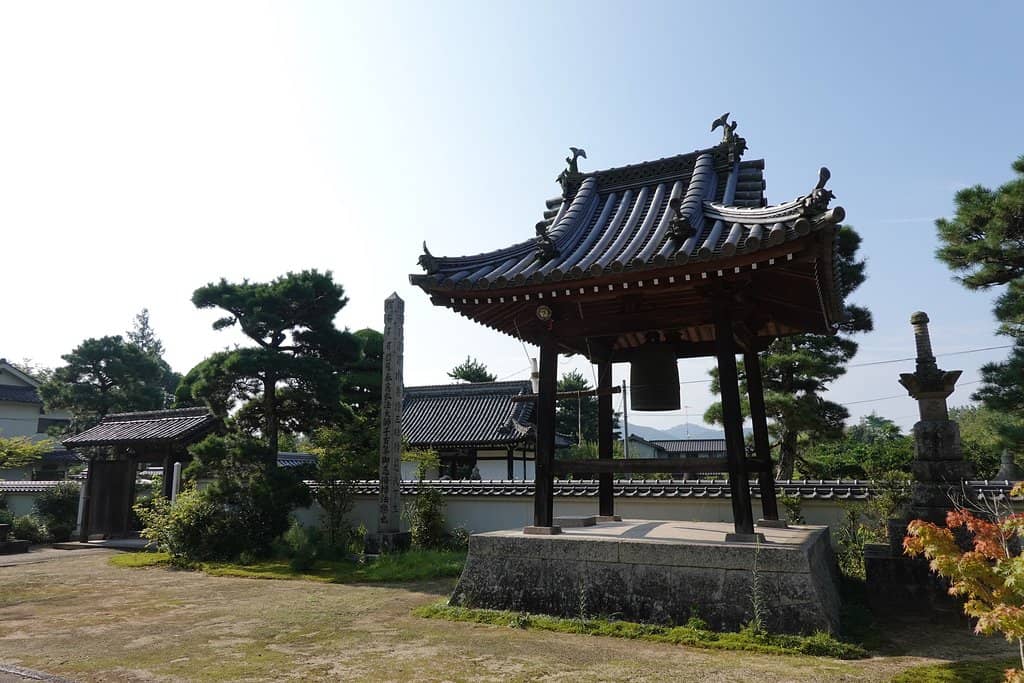
The current temple structure, while a successor to the original complex, houses the important Yakushi Nyorai Buddha, a principal deity that draws visitors seeking spiritual connection. The care taken by the head priest is frequently noted, contributing to the welcoming and respectful environment of the temple. This dedication ensures that the grounds remain a place of peace and reverence for all who visit.
While the historical ruins themselves are spread across the site, the immediate temple area and its garden offer a focused experience of tranquility. It’s a place where one can reflect on the past while enjoying the present beauty of the meticulously kept surroundings. The simplicity and quietude of the location make it a valuable stop for those seeking a moment of calm and historical insight.

Social
from TikTok, Instagram & Reddit