
Zenyo-ji Kofun Group
A partially collapsed keyhole-shaped tumulus from the 6th-7th century, offering a glimpse into ancient burial practices and scenic sea views.
Highlights
Must-see attractions

Social
From TikTok & Reddit
Best Time
Pleasant weather for exploring
Zenyo-ji Kofun Group
Best Time
Pleasant weather for exploring
Highlights
Must-see attractions
A partially collapsed keyhole-shaped tumulus from the 6th-7th century, offering a glimpse into ancient burial practices and scenic sea views.
"It's a 43-meter long keyhole-shaped tumulus located behind Mamayama Guhoji Temple, but it's just a grove of trees."

🚶♀️ Wear Comfortable Shoes
The terrain can be uneven, so sturdy footwear is recommended for exploring the tumulus and surrounding areas.
📸 Manage Photo Expectations
While the tumulus is historically significant, its condition may not be as visually striking as other sites.
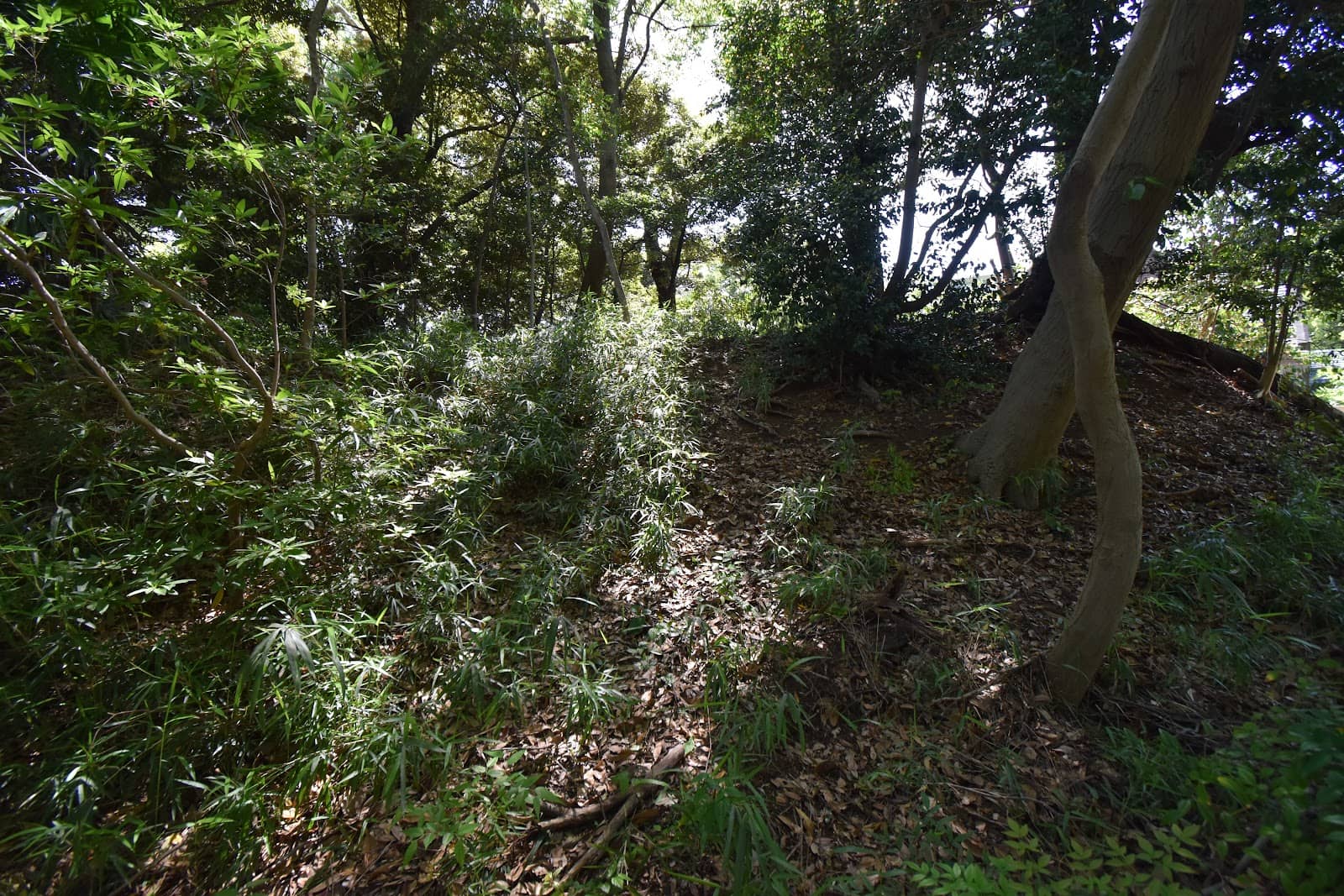
Highlights
Discover the most iconic attractions and experiences
Keyhole-Shaped Tumulus
Within Kobo-ji Temple grounds
A 43-meter long ancient burial mound, offering a glimpse into 6th-7th century Japanese history.
Scenic Cliffside Location
Overlooking the sea
Enjoy beautiful views from this historic site, once an inlet for ancient inhabitants.
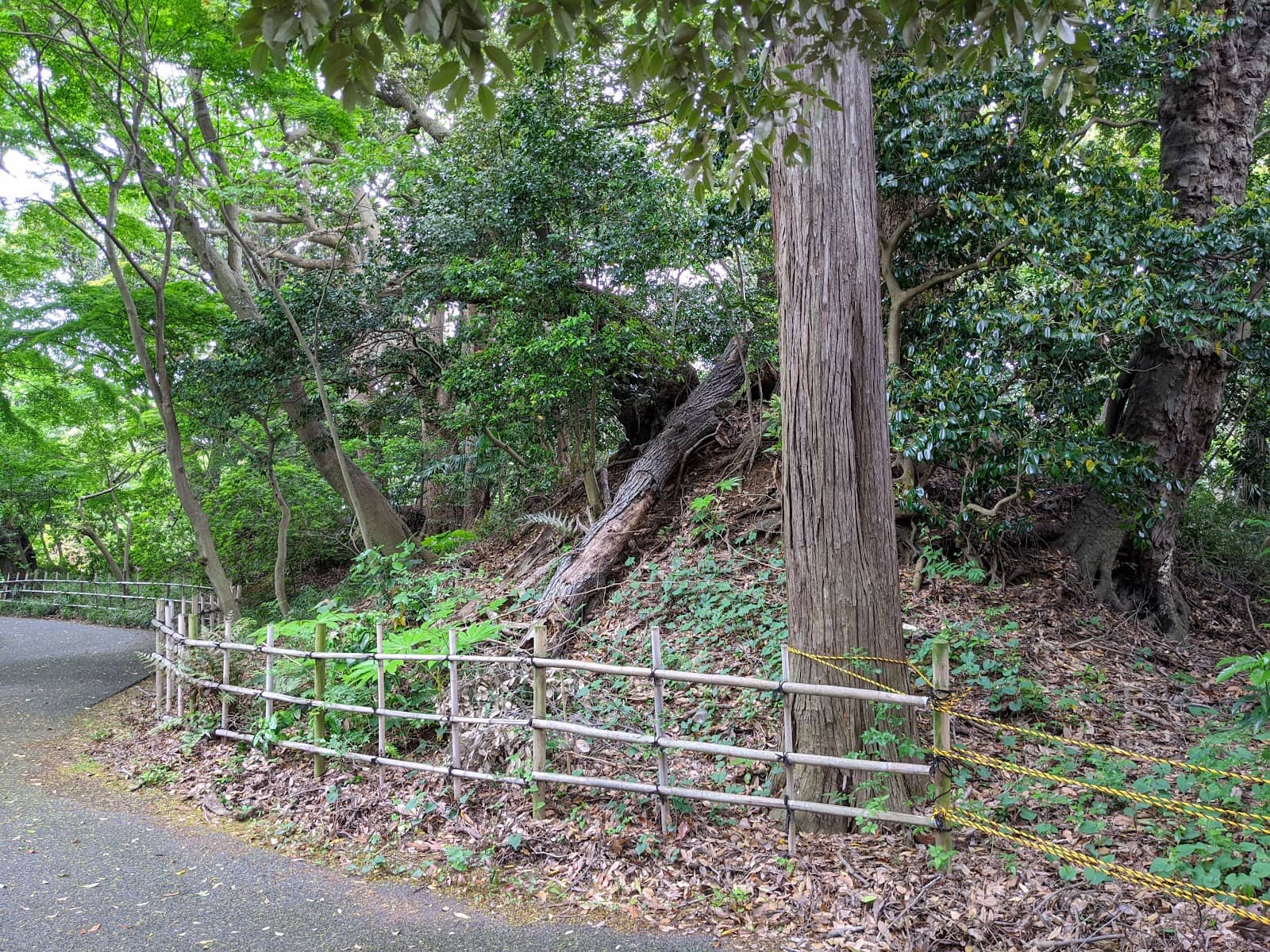
Konodai Tumulus Group
Surrounding area
Discover numerous other ancient tombs in the vicinity, showcasing the area's rich historical significance.
Plans like a pro.
Thinks like you
Planning Your Visit
Understand the Tumulus's Condition
Explore the Historical Context
Best Times
Insider Tips
from TikTok, Instagram & Reddit
🚶♀️ Wear Comfortable Shoes
The terrain can be uneven, so sturdy footwear is recommended for exploring the tumulus and surrounding areas.
📸 Manage Photo Expectations
While the tumulus is historically significant, its condition may not be as visually striking as other sites.
🗺️ Explore Nearby History
The area is rich with other ancient tombs and historical sites, so allow time for broader exploration.
Tips
from all over the internet
🚶♀️ Wear Comfortable Shoes
The terrain can be uneven, so sturdy footwear is recommended for exploring the tumulus and surrounding areas.
📸 Manage Photo Expectations
While the tumulus is historically significant, its condition may not be as visually striking as other sites.
🗺️ Explore Nearby History
The area is rich with other ancient tombs and historical sites, so allow time for broader exploration.
What Travellers Say
Reviews Summary
Visitors acknowledge the historical significance of the Zenyo-ji Kofun Group as a keyhole-shaped tumulus from the Kofun period. However, many note its partially collapsed state and suggest managing expectations regarding its visual appeal. The scenic cliffside location and the broader historical context of the surrounding area are often highlighted as positive aspects.
"Even after searching online, I couldn't find any reliable information about this ancient tomb. What kind of people are buried here in this beautiful spot overlooking the sea?"
Hiroshi Saito
"This keyhole-shaped tumulus, constructed at the end of the 6th century, is 41 meters long, with a diameter of 8 meters at the remaining "circular rear" (estimated at the time of construction: approximately 20 meters), a height of 3 meters at the "circular rear" and a width of 15 meters at the "front" and a height of 3 meters at the "front" (according to the Nara Women's University Keyhole-Shaped Tumulus Database).
Because the tumulus was built right on the cliff line, some areas have naturally collapsed, and it was originally much larger.
It belongs to the Konodai Tumulus Group, and while there are other surviving tumuli nearby, several buried tumuli were discovered during the construction of an apartment building just west of it.
The presence of Kobo-ji Temple makes large-scale surveys of the surrounding area impossible, but it is likely that there were many more tumuli within the temple grounds."
ふっきーしんじ
"It is a 43-meter-long keyhole-shaped tumulus estimated to have been built between the late 6th century and the early 7th century.
It is currently half-destroyed due to the collapse of the plateau.
[Excerpt from on-site information board]
It is located within the grounds of Kobo-ji Temple.
The shape of the keyhole-shaped tumulus can just about be seen, but overall it does not appear to be in good condition.
Considering that an inlet once approached the base of the cliff, it is clear that the location was suitable for ancient people to live here."
中山家範
What People Like
What People Dislike
Frequently Asked Questions
🚇 🗺️ Getting There
The Zenyo-ji Kofun Group is located within the grounds of Kobo-ji Temple. Specific public transport details are scarce, but it's advisable to check local bus routes or consider a taxi for direct access.
Information on dedicated parking is limited. If visiting Kobo-ji Temple, inquire about visitor parking options.
Depending on your starting point, walking might be an option, especially if you are exploring other historical sites in the Kokufudai area.
🎫 🎫 Tickets & Entry
As the tumulus is located within the grounds of Kobo-ji Temple, entry may be subject to temple hours and any associated fees. It's best to check with the temple directly.
The tumulus itself does not have set opening hours, but access is likely dependent on the operating hours of Kobo-ji Temple.
There is no specific admission fee for the tumulus itself, but Kobo-ji Temple might have its own entrance fees or donation requests.
🎫 🧭 Onsite Experience
The tumulus is described as being in a partially collapsed state due to its cliffside location. While the keyhole shape can be discerned, it may not appear well-preserved. +1
You can observe the remnants of a 6th-7th century keyhole-shaped tumulus and appreciate its historical significance, along with the scenic views overlooking the sea.
While the historical context is strong, the visual appeal for photography might be limited due to the tumulus's condition. The surrounding sea views offer better photographic opportunities.
Information on guided tours is not readily available. It's recommended to explore independently or seek local information.
Based on the era of construction (late 6th to early 7th century), it is likely that individuals of high status or importance were interred here, though specific details are scarce.
🍽️ 🍽️ Food & Dining
Dining options directly at the tumulus are unlikely. You'll need to explore nearby towns or areas around Kobo-ji Temple for food and drink.
As it's a historical site, it's generally advisable to be respectful and clean up any food or drinks you bring. Check for any specific temple regulations.
📸 📸 Photography
Focus on capturing the overall landscape and the sea views from the cliffside. The tumulus itself might be challenging to photograph due to its condition.
Photography is generally permitted, but always be mindful of any rules set by Kobo-ji Temple, especially if you are within temple grounds.
For Different Travelers
Tailored advice for your travel style
👨👩👧 Families with Kids
Consider combining this visit with other more engaging historical sites or parks in the area. If you do visit, focus on telling simple stories about ancient people and their lives. Ensure children wear appropriate footwear as the ground can be uneven.
🚶 History Enthusiasts
While the physical preservation may be a concern, the context of the Konodai Tumulus Group and the surrounding historical landscape offers a richer experience. Researching the Kofun period and the significance of keyhole tombs beforehand will greatly enhance your appreciation of this site.
Deep Dives
In-depth insights and expert knowledge
Understanding the Tumulus's History and Construction
The tumulus's location on a cliff overlooking the sea is noteworthy. Historically, such elevated and strategic positions were often chosen for burial sites, possibly for symbolic reasons or to signify power and prominence. The original construction was likely more substantial, but due to the natural erosion and collapse of the plateau, parts of the tumulus have been lost over time. This has led to its current state, where the keyhole shape is still discernible but the overall structure is compromised.
It's important to note that Zenyo-ji Kofun Group is part of the broader Konodai Tumulus Group, indicating a concentration of ancient burial sites in the region. The presence of Kobo-ji Temple nearby also suggests a long history of human settlement and religious activity in the area. While large-scale archaeological surveys might be limited due to the temple's presence, the discovery of other buried tumuli during construction projects highlights the potential for further historical findings.
Experiencing the Site Today
The scenic location overlooking the sea is a significant draw. The cliffside setting offers beautiful vistas, and it's easy to imagine why ancient people found this area suitable for settlement and burial. The surrounding area, known as Kokufudai, is rich with other ancient tombs, allowing for a more comprehensive exploration of the region's historical landscape.


Social
from TikTok, Instagram & Reddit