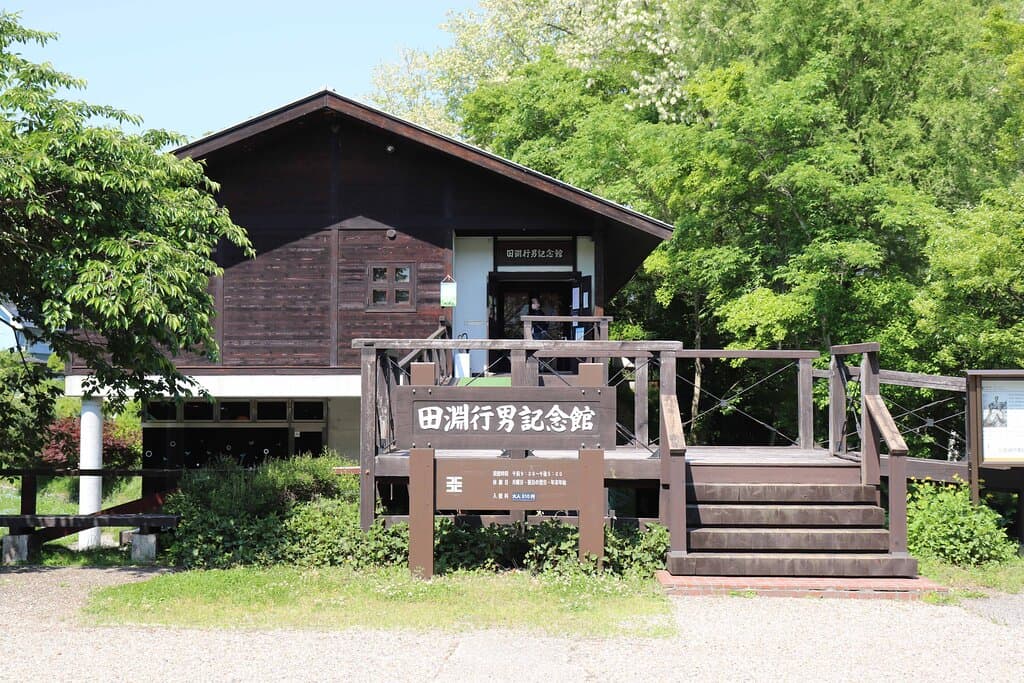
Takahashi Setsuro Museum of Art Azumino
Discover the transformative art of lacquer at the Takahashi Setsuro Museum, showcasing a master's innovative techniques and connection to Azumino's he...
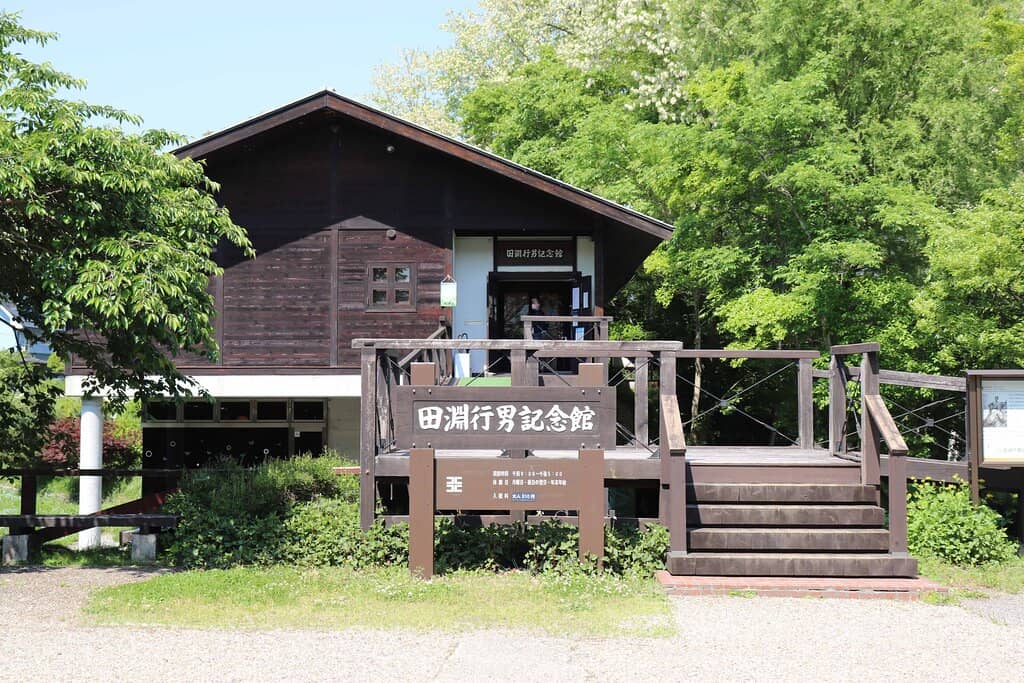
Highlights
Must-see attractions

Social
From TikTok & Reddit
Best Time
Fewer crowds, more serene viewing
Takahashi Setsuro Museum of Art Azumino
Best Time
Fewer crowds, more serene viewing
Highlights
Must-see attractions
Discover the transformative art of lacquer at the Takahashi Setsuro Museum, showcasing a master's innovative techniques and connection to Azumino's heritage.
"A beautiful, modern museum with a very sophisticated feel, showcasing meticulously crafted lacquer art."
🚖 Taxi from Ariake Station
Take a short taxi ride (approx. 5 mins, ¥900) from Ariake Station. Walk back (approx. 20 mins) if you enjoy scenic strolls. :taxi:
💰 Cash for Train Fare
Ariake Station staff may not be present after noon. Pay train fare in cash; Suica/other cards not accepted. :moneybag:
Highlights
Discover the most iconic attractions and experiences
Takahashi Setsuro's Lacquer Masterpieces
Main Exhibition Hall
Witness the exquisite beauty of lacquer art, from delicate maki-e to large folding screens, showcasing unique techniques and vibrant colors.
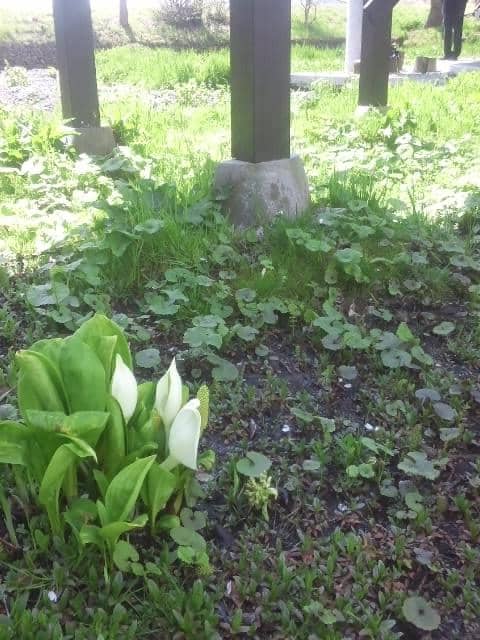
Artist's Birthplace & Storehouse
Adjacent to Museum
Step back in time at the artist's original home and storehouse, offering a glimpse into his upbringing and creative process.
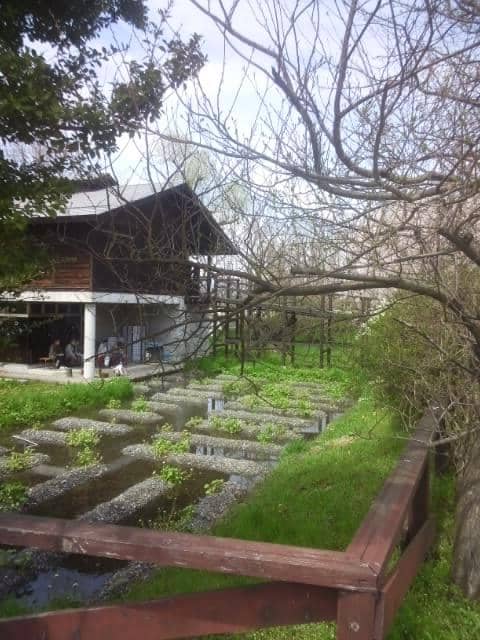
Tranquil Japanese Garden
Adjacent to Museum
Stroll through a beautifully maintained Japanese garden with meticulously pruned trees, offering a peaceful escape.
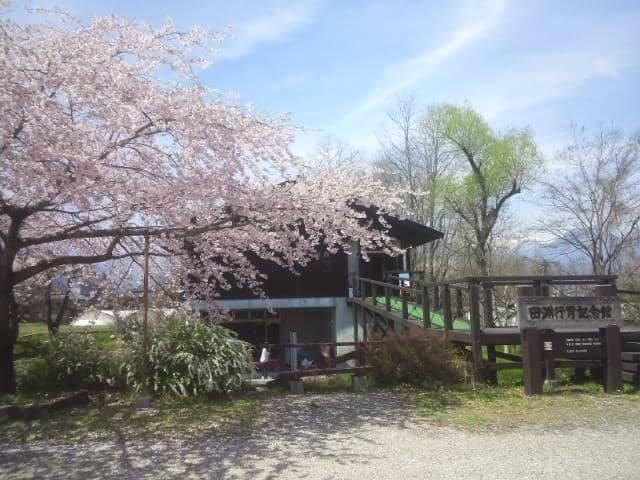
Avant-Garde Special Exhibitions
Traditional Building
Experience unique, avant-garde exhibitions held in the historic traditional building, a fascinating juxtaposition of old and new.
Plans like a pro.
Thinks like you
Planning Your Visit
Embrace the Art of Lacquer
Explore Beyond the Galleries
Best Times
Insider Tips
from TikTok, Instagram & Reddit
🚖 Taxi from Ariake Station
Take a short taxi ride (approx. 5 mins, ¥900) from Ariake Station. Walk back (approx. 20 mins) if you enjoy scenic strolls. :taxi:
💰 Cash for Train Fare
Ariake Station staff may not be present after noon. Pay train fare in cash; Suica/other cards not accepted. :moneybag:
📍 Hard to Find? Look Closely
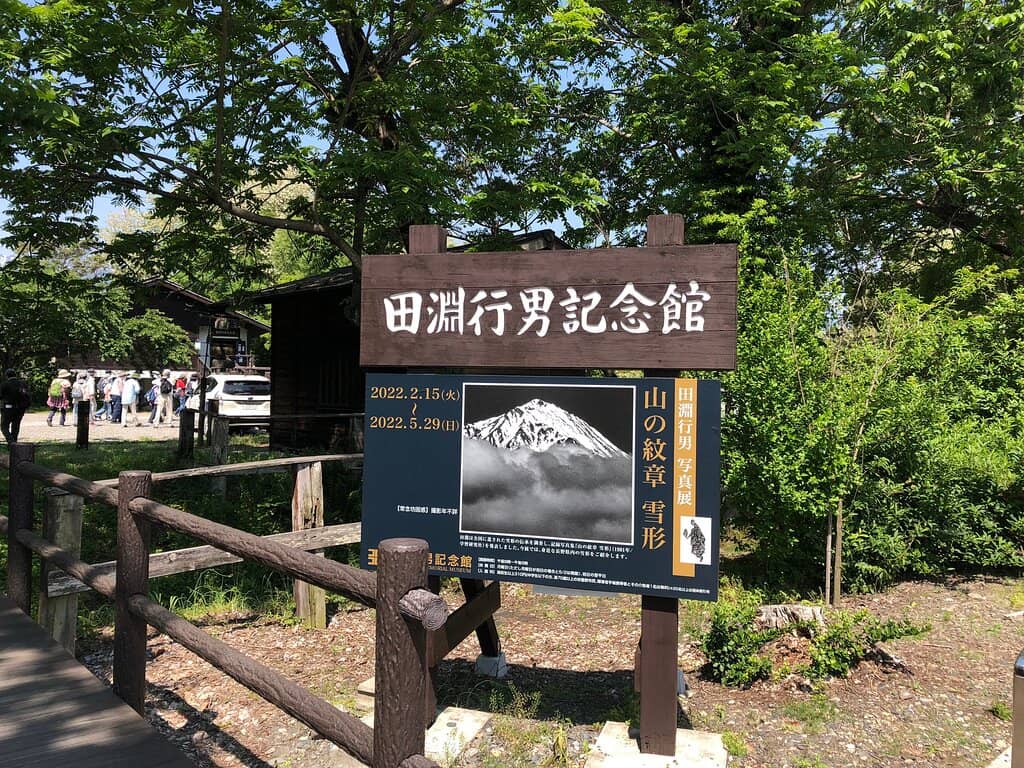
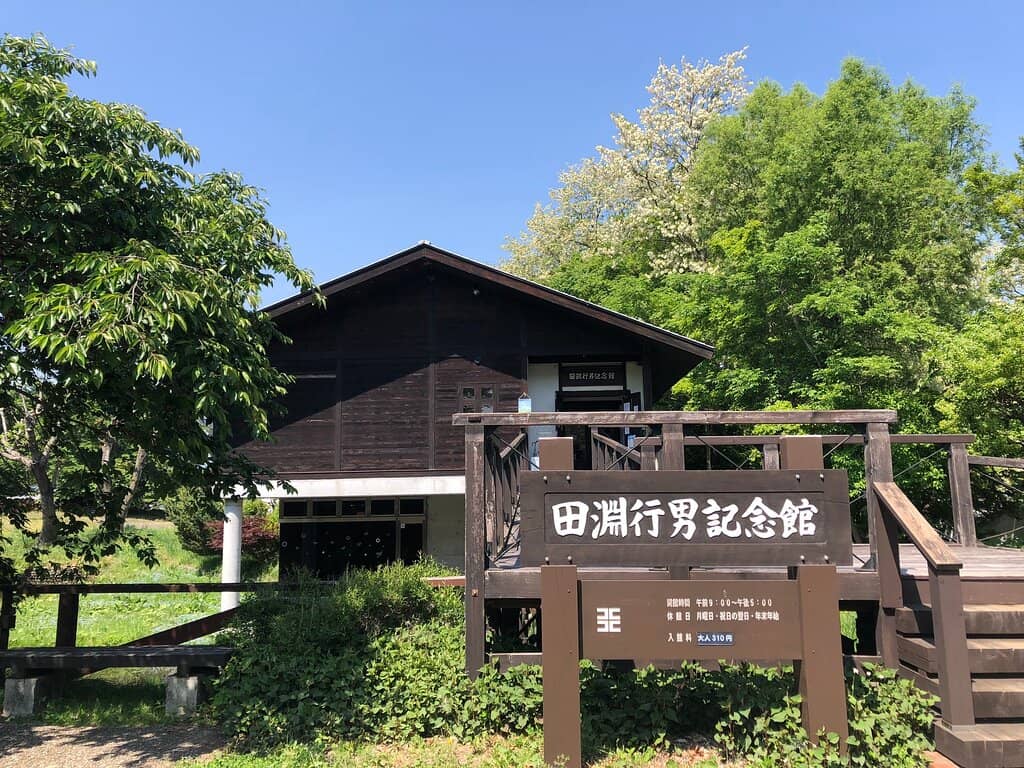
The museum can be tricky to spot from the road. Keep an eye out for signage. :mag:
⏳ Allow 1-2 Hours
A visit typically takes about an hour, but allow more time if you wish to explore the birthplace and garden thoroughly. :clock:
Tips
from all over the internet
🚖 Taxi from Ariake Station
Take a short taxi ride (approx. 5 mins, ¥900) from Ariake Station. Walk back (approx. 20 mins) if you enjoy scenic strolls. :taxi:
💰 Cash for Train Fare
Ariake Station staff may not be present after noon. Pay train fare in cash; Suica/other cards not accepted. :moneybag:
📍 Hard to Find? Look Closely
The museum can be tricky to spot from the road. Keep an eye out for signage. :mag:
⏳ Allow 1-2 Hours
A visit typically takes about an hour, but allow more time if you wish to explore the birthplace and garden thoroughly. :clock:
🖼️ Curator Insights
Engage with the curator's stories; they offer fascinating insights into Takahashi Setsuro's life and work. :speech_balloon:
What Travellers Say
Reviews Summary
Visitors praise the Takahashi Setsuro Museum for its modern, clean facilities and the exquisite beauty of its lacquer art. The adjacent artist's birthplace and Japanese garden are highlighted as charming additions, offering a peaceful, traditional contrast to the contemporary museum. While some found the exhibition size smaller than expected, the overall experience is described as fulfilling and visually captivating.
"Azumino Takahashi Setsuro Memorial Museum
This is a beautiful, modern museum with a very sophisticated feel.
The parking lot, building, and interior were all immaculately clean, and I had a wonderful time.
The numerous works on display were meticulously crafted using lacquer.
I haven't seen much lacquer art until now, but
the geometric patterns, paintings, and contrasting gold and black lacquer pieces...
I was intrigued by the techniques and finishes used.
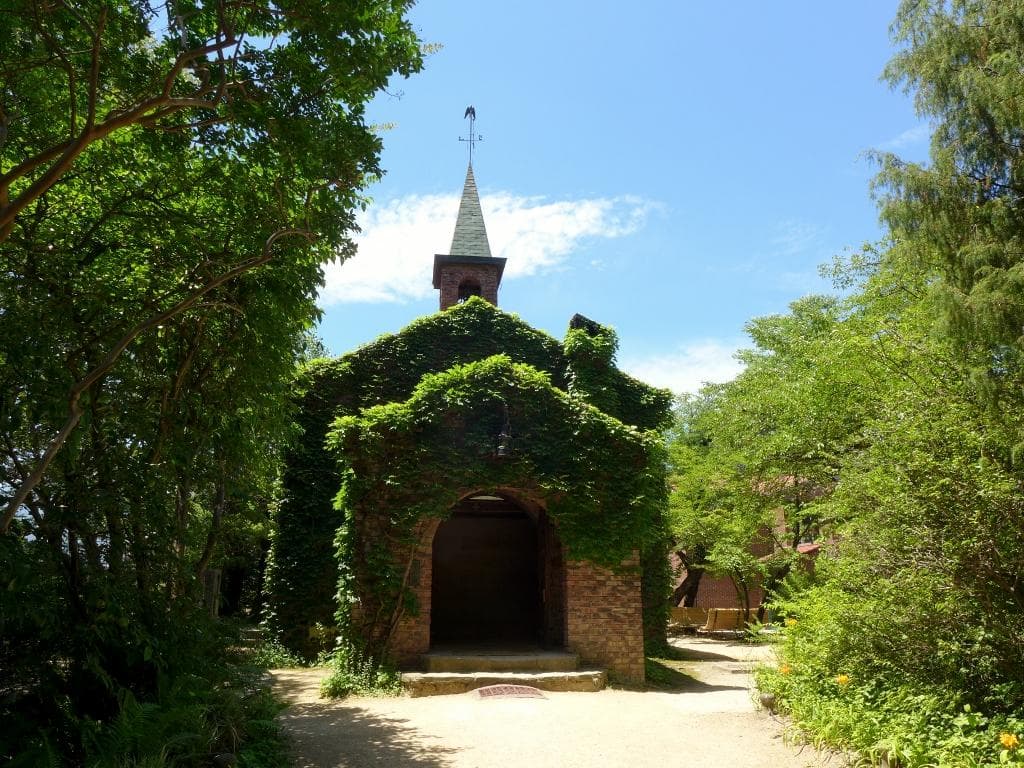
Next to the museum are the artist's birthplace, storehouse, and Japanese garden with beautifully pruned trees.
In stark contrast to the museum, there was a dignified, analog atmosphere.
By the way, the persimmons drying in the main house were real."
大津芳之 Y Ohtsu
"The "gold spear" art of inlaying gold into black lacquer is beautiful.
On the rooftop, which is normally off-limits due to the collaborative exhibition,
I don't think it was painted by Takahashi Setsuro, but part of the wall has been turned into graffiti art using soot and dirt, and I was strangely impressed by the sense of fun and style that everyone involved had.
The building's exterior is modern, but inside is Takahashi Setsuro's birthplace and storehouse, and it's interesting that avant-garde special exhibitions are held relatively frequently in this traditional building."
㤁- ten -
"This museum is dedicated to Takahashi Setsuro, a native of Hotaka, Azumino City. He transformed lacquer, a material long used in everyday items and crafts, into works of art using his unique techniques and aesthetic sensibility. He was awarded the Order of Culture in 1997.
His works, which use his unique techniques to create delicate yet dynamic works based on the nature and ancient tombs of his hometown, Azumino, were incredibly beautiful, using black, gold, and a variety of other hues.
The "Takahashi Setsuro 110th Anniversary Exhibition: ROUND Connections" is currently on display. It runs until Sunday, December 1st.
Works on loan from the Takahashi Setsuro Museum of Art, Toyota Municipal Museum of Art in Aichi Prefecture, which is closed for renovations for the rest of the year, are on display chronologically, ranging from drawings from his childhood, sketches from his time at the Tokyo School of Fine Arts, early colored maki-e (lacquerware) works, and large lacquer panels and folding screens previously exhibited at the Nitten Exhibition.
Because there were fewer explanations this time, the works were larger, and there were fewer exhibits than on previous visits, I was able to finish looking around in about an hour. But it was a truly fulfilling experience!
Next to the museum are the artist's birthplace, storehouse, and garden, which are free to visit. The birthplace, which was closed to the public last time due to an event, offers a 15-minute video showing interviews and footage of his creative process. The autumn leaves in the garden were still a little early, but I expect they'll be at their peak soon. 🍁
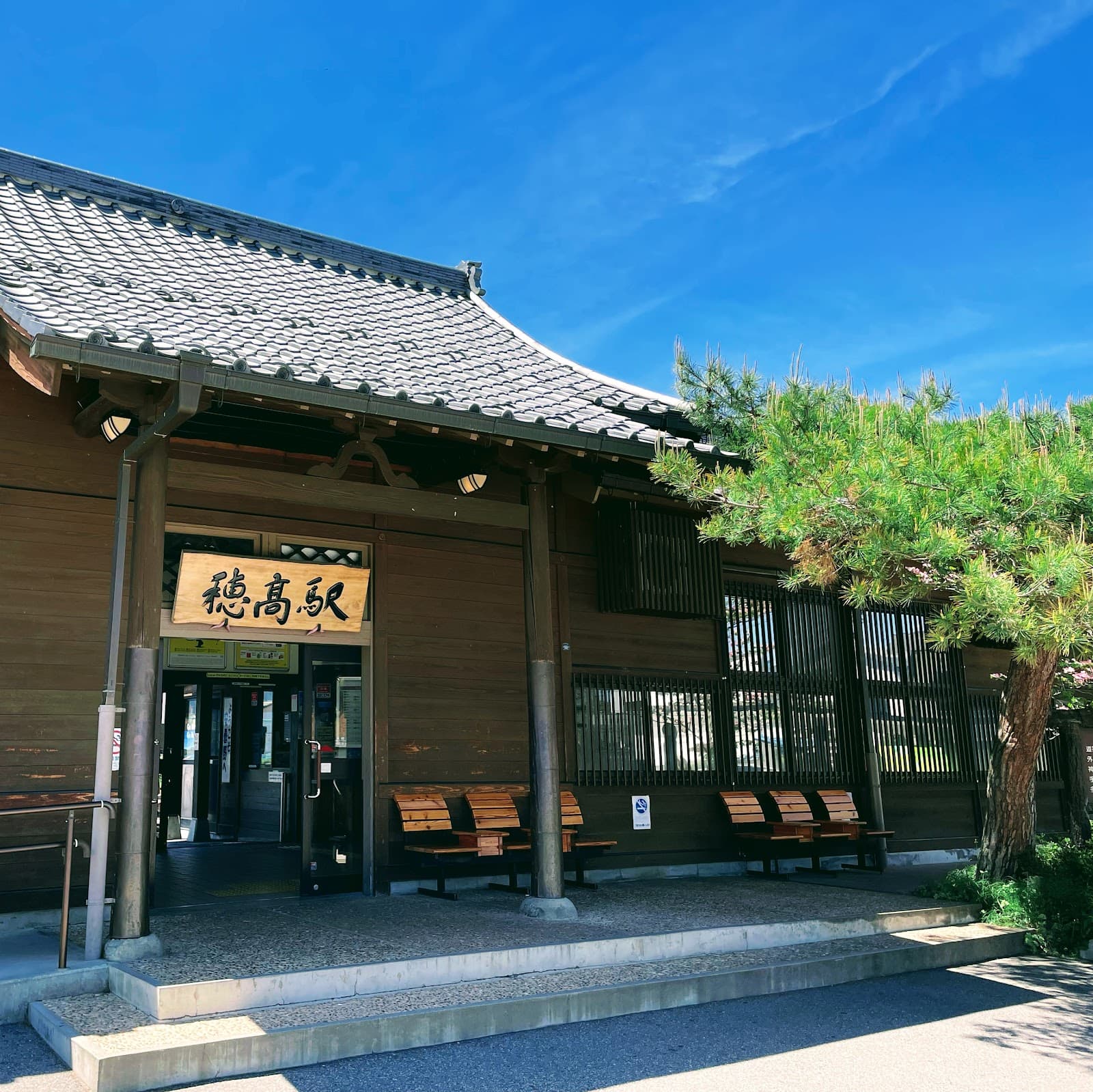
I took a taxi from Ariake Station on the Oito Line (there's a dedicated taxi company phone line in front of the station). It took less than five minutes and cost 900 yen. It was fairly easy to find the route from the station, so I walked back. It took about 20 minutes to get to the station.
However, it seems that staff are only on-hand at Ariake Station until noon, so please get a boarding pass and board the train. Payment must be made in cash when you disembark. Suica cards and other cards are not accepted. (As of June 2024) Please note.
Azumino is home to many art galleries and museums. There are also wasabi farms and herb gardens. Take your time and enjoy exploring.
Visited on June 14, 2024.
Returned on November 8th."
広 重子
What People Like
What People Dislike
Frequently Asked Questions
🚇 🗺️ Getting There
The museum is accessible by taxi from Ariake Station on the Oito Line (approx. 5 minutes, ¥900). You can also walk back to the station, which takes about 20 minutes. Be aware that staff at Ariake Station may only be available until noon, and train fares require cash payment. :taxi: :moneybag:
While it's along the road, some visitors find it hard to spot. Pay close attention to signage to avoid missing the entrance. :mag:
Yes, cycling is an option, but be mindful of the location as some visitors have accidentally driven past it. :bike:
Azumino is home to many art galleries, museums, wasabi farms, and herb gardens. Plan for a day of exploration! :world_map:
For flexibility, consider a rental car or utilizing local taxis. Public transport options might be limited between some sites. :car:
🎫 🎫 Tickets & Entry
Operating hours can vary, and it's advisable to check the official website or local listings before your visit. Special exhibitions may have different schedules. :clock:
Admission fees are generally reasonable. The artist's birthplace, storehouse, and garden are typically free to visit. :ticket:
Advance booking is usually not required for general admission, but it's always a good idea to check for any special exhibitions or events that might have different ticketing policies. :computer:
Information on discounts for students, seniors, or groups is usually available on the museum's official website. :moneywithwings:
The rooftop is normally off-limits, but has been used for special collaborative exhibitions featuring graffiti art. Check for current exhibition details. :camerawithflash:
🎫 🖼️ Onsite Experience
The museum primarily features the lacquer art of Takahashi Setsuro, known for his innovative techniques, geometric patterns, and striking use of gold and black. Special exhibitions can also include avant-garde works. :art:
Most visitors spend about an hour in the main museum galleries. If you plan to explore the artist's birthplace, storehouse, and garden, allocate an additional hour. :stopwatch:
While the art is sophisticated, the modern facilities and the adjacent garden can be engaging for older children. The birthplace video might also be of interest. :child:
Photography policies can vary. Generally, non-flash photography might be permitted for personal use, but it's best to check for specific restrictions on artworks. :iphone:
The museum offers a sophisticated and modern feel, contrasted by the dignified, analog atmosphere of the artist's birthplace and garden. :sparkles:
🍽️ 🍴 Food & Dining
The museum itself may not have extensive dining facilities. It's recommended to explore local restaurants in Azumino for lunch or snacks. :forkandknife:
Azumino is known for its fresh local produce and regional specialties. Look for restaurants serving soba noodles or other local delicacies. :ramen:
Picnic areas might be available in the garden, but it's best to confirm this with the museum staff. Be sure to clean up after yourself. :picnic_table:
There are likely local cafes in the surrounding Azumino area that offer refreshments and light meals. :coffee:
Local tourist information centers or online reviews can provide recommendations for highly-rated restaurants in the Azumino region. :star:
📸 📸 Photography
The modern architecture of the museum, the intricate details of the lacquer art, the beautifully pruned trees in the garden, and the traditional elements of the birthplace offer diverse photographic opportunities. :camera:
Flash photography is generally not permitted inside museums to protect the artworks. Always check for specific signage or ask staff. :no_flash:
If the rooftop exhibition is open, the unique graffiti art using soot and dirt would make for interesting photos. Check exhibition details for access and photography rules. :spray:
Early morning or late afternoon light can create beautiful shadows and highlight the garden's textures. Golden hour is particularly magical. :sunrise:
Drone usage is typically prohibited in and around cultural sites and residential areas due to privacy and safety regulations. :drone:
For Different Travelers
Tailored advice for your travel style
👨👩👧 Families with Kids
🎨 Art Enthusiasts
🚶 Solo Travelers
Deep Dives
In-depth insights and expert knowledge
The Art of Lacquer: Takahashi Setsuro's Legacy
His artistic inspiration was deeply rooted in his hometown of Azumino, drawing from the region's natural landscapes and the ancient burial mounds found there. This connection to place imbues his art with a sense of history and groundedness. Visitors can witness this through his use of color palettes and thematic elements that reflect the local environment. The museum showcases a range of his works, from early sketches and colored maki-e pieces to monumental lacquer panels and folding screens, offering a comprehensive overview of his artistic journey.
Beyond the technical brilliance, Takahashi Setsuro's art invites contemplation on the intersection of tradition and innovation. He pushed the boundaries of what lacquerware could be, elevating it from functional craft to a medium for profound artistic expression. The museum's collection provides an excellent opportunity to appreciate this evolution and understand why he is celebrated as a master of his craft.
Exploring the Artist's Heritage: Birthplace and Garden
The Japanese garden adjoining the birthplace is a testament to meticulous care and traditional aesthetics. With beautifully pruned trees and serene landscaping, it serves as a peaceful sanctuary. While the autumn foliage might be at its peak later in the season, the garden offers a tranquil space for reflection year-round. Visitors can imagine the artist finding inspiration in this very setting. The combination of the modern museum and the preserved historical elements creates a rich, multi-layered experience that appeals to a wide range of interests.
Navigating Azumino: Transportation and Local Charm
It's important to note practicalities for train travel: staff presence at Ariake Station might be limited to mornings, and train fares must be paid in cash, as cards like Suica are not accepted. This detail is crucial for smooth travel.

Social
from TikTok, Instagram & Reddit