
Porta Laurentina
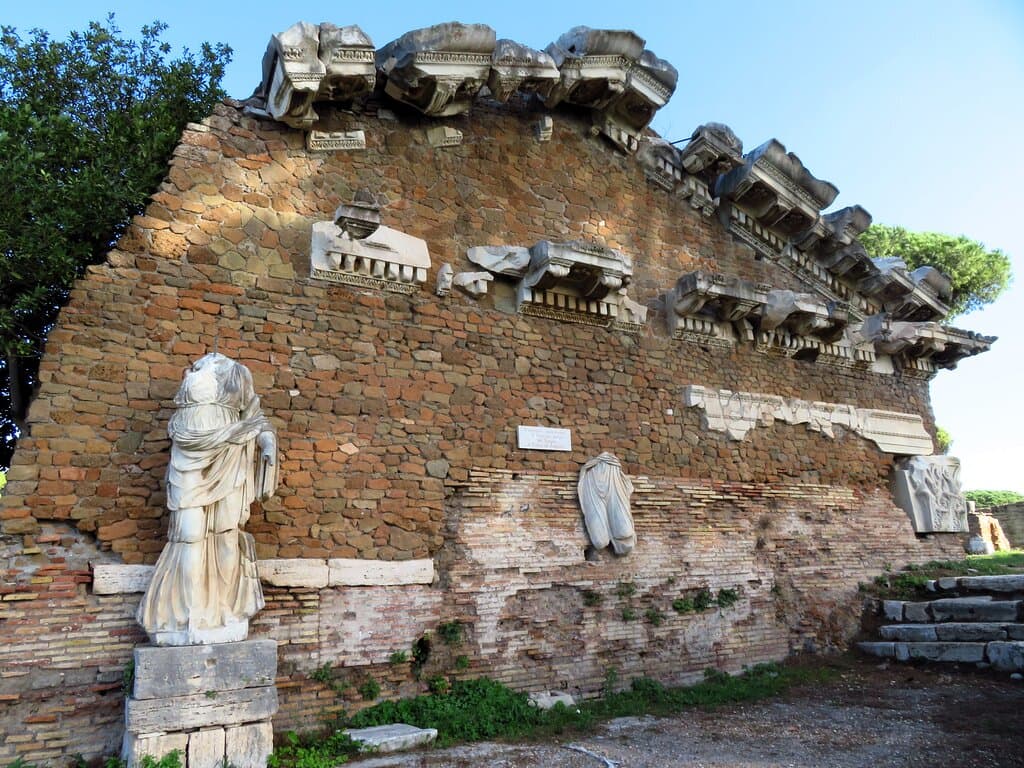
Southern gate of Ostia Antica, featuring well-preserved 1st-century BC Republican walls and the evocative Temple of Attis.
Highlights
Must-see attractions

Social
From TikTok & Reddit
Best Time
Pleasant weather, fewer crowds
Porta Laurentina
Best Time
Pleasant weather, fewer crowds
Highlights
Must-see attractions
Southern gate of Ostia Antica, featuring well-preserved 1st-century BC Republican walls and the evocative Temple of Attis.
"Discover the impressive Republican walls and the myth-evoking statues of Attis at this significant ancient gateway."

Wear Comfortable Shoes
You'll be walking on ancient cobblestones and uneven terrain. :athletic_shoe: Comfortable footwear is a must for exploring Ostia Antica.
Allow Ample Time
Porta Laurentina is part of the larger Ostia Antica archaeological site. Give yourself at least 3-4 hours to explore fully. :clock1:

Highlights
Discover the most iconic attractions and experiences
Republican Walls
Porta Laurentina
Explore remarkably preserved 1st-century BC fortifications, a testament to Roman military engineering.
Temple of Attis
Adjacent to Porta Laurentina
Discover statues that vividly depict the myth of Attis, adding a layer of ancient storytelling.

Campo della Magna Mater
Just outside Porta Laurentina
Wander through this suggestive area, once bordered by a portico and the temple of Magna Mater.
Plans like a pro.
Thinks like you
Planning Your Visit
Timing Your Visit to Porta Laurentina
Understanding Porta Laurentina's Significance
Best Times
Insider Tips
from TikTok, Instagram & Reddit
Wear Comfortable Shoes
You'll be walking on ancient cobblestones and uneven terrain. :athletic_shoe: Comfortable footwear is a must for exploring Ostia Antica.
Allow Ample Time
Porta Laurentina is part of the larger Ostia Antica archaeological site. Give yourself at least 3-4 hours to explore fully. :clock1:
Bring Water & Sun Protection
Especially in warmer months, stay hydrated and protected from the sun. :droplet: :sunwithface:
Tips
from all over the internet
Wear Comfortable Shoes
You'll be walking on ancient cobblestones and uneven terrain. :athletic_shoe: Comfortable footwear is a must for exploring Ostia Antica.
Allow Ample Time
Porta Laurentina is part of the larger Ostia Antica archaeological site. Give yourself at least 3-4 hours to explore fully. :clock1:
Bring Water & Sun Protection
Especially in warmer months, stay hydrated and protected from the sun. :droplet: :sunwithface:
What Travellers Say
Reviews Summary
Visitors praise Porta Laurentina as a significant and well-preserved section of Ostia Antica, highlighting the impressive Republican walls and the evocative nearby temples. Its historical context as a key defensive gate is a major draw, offering a tangible link to Roman military engineering and urban planning.
"What remains of the southern gate of the town, the natural urban conclusion of the Cardo Maximus towards Laurentum.
Here, the Republican walls dating back to the 1st century BC are visible and well preserved: the fortification of the previous defensive wall was commissioned by Sulla to more effectively protect a center of delicate importance such as Ostia, which had openly sided with the dictator during the civil conflict."
Maurizio Faraone
"One of the three main gates (Roman, Marina and Laurentina) in the walls of the Silla period, which surrounded Ostia, located shortly after the junction of the Cardo Maximus, coming from the Forum, and the Semina dei Cippi. The Campo della Magna Mater is very suggestive, on the right as you exit, bordered by the remains of a portico that was leaning against the walls and by the temple of the same name. Interesting right next to the gate is the Temple of Attis with the statues that evoke his myth."
Stefano Cozzi
"ONE OF THE THREE MOST IMPORTANT GATES THAT SURROUNDED OSTIA! BEAUTIFUL STATUES THAT EVOKE THE MYTH OF ATTIS"
daniele pedroni
What People Like
What People Dislike
Frequently Asked Questions
🚇 🗺️ Getting There
Porta Laurentina is located within the Ostia Antica archaeological park. The easiest way to reach Ostia Antica from Rome is by taking the Roma-Lido train from Piramide station (connected to the Metro B line). Get off at the 'Ostia Antica' stop, and it's a short walk to the entrance. From the entrance, follow signs for the ancient city, and you'll reach Porta Laurentina as you explore the southern part of the site.
Yes, Ostia Antica is accessible by car, and there is parking available near the entrance. However, driving within the archaeological site itself is not permitted. Porta Laurentina is a significant landmark within the pedestrian-only ruins.
🎫 🎫 Tickets & Entry
Yes, Porta Laurentina is part of the Ostia Antica archaeological park, and an entrance ticket is required to access the site. It's advisable to purchase tickets in advance, especially during peak season, to avoid queues. :ticket:
Opening hours for Ostia Antica, including access to Porta Laurentina, vary seasonally. Generally, it opens around 8:30 AM and closes between 4:00 PM and 7:00 PM depending on the time of year. Always check the official website for the most up-to-date information before your visit.
Yes, guided tours are often available at Ostia Antica, which can greatly enhance your understanding of sites like Porta Laurentina and its historical context. You can inquire about tours at the ticket office or book them in advance.
🎫 🏛️ Onsite Experience
Porta Laurentina is one of the three main gates of the ancient city of Ostia, specifically part of the Republican walls built in the 1st century BC. It's significant for its well-preserved fortifications and its location at the southern end of the Cardo Maximus. The nearby Temple of Attis and Campo della Magna Mater add to its historical allure.
Adjacent to Porta Laurentina, you can explore the evocative Campo della Magna Mater, bordered by the remains of a portico and the temple of the same name. The Temple of Attis, with its statues depicting his myth, is also a notable attraction right next to the gate.
Yes, the Republican walls surrounding Porta Laurentina are described as well-preserved, offering a clear view of the defensive structures from the 1st century BC. This makes it a significant historical point of interest within Ostia Antica.
Porta Laurentina was a crucial defensive gate for Ostia, commissioned by Sulla during a civil conflict to protect the strategically important port town. Its construction reflects the city's growth and the need for enhanced fortifications during that period.
For Different Travelers
Tailored advice for your travel style
History Enthusiasts
Photographers
Deep Dives
In-depth insights and expert knowledge
The Republican Walls of Ostia
Exploring these walls provides insight into the city's layout and its defensive capabilities. They represent a significant upgrade from earlier defensive structures, highlighting Ostia's growing importance and the political climate of the time. The sheer scale and engineering prowess evident in these ancient ramparts are truly impressive.
When you visit Porta Laurentina, take a moment to appreciate the solidity and design of these walls. They are a direct link to a turbulent period in Roman history and a testament to the enduring legacy of Roman engineering. The experience is enhanced by imagining the bustling port life that once passed through this very gate.
Mythology and Spirituality at the Temple of Attis
The Campo della Magna Mater, bordering the temple and the walls, further immerses visitors in this spiritual atmosphere. This area, once graced by a portico and the temple dedicated to Magna Mater (the Great Mother, often identified with Cybele), suggests a significant religious precinct. The juxtaposition of military fortifications with sites of worship highlights the multifaceted nature of ancient Roman urban life.
For visitors, the Temple of Attis offers a unique opportunity to connect with ancient beliefs and artistic expression. The evocative statues and the surrounding sacred space provide a contemplative pause amidst the exploration of Ostia's more secular ruins. It’s a reminder that ancient cities were not just centers of commerce and defense, but also vibrant hubs of spiritual practice and cultural storytelling.

Social
from TikTok, Instagram & Reddit