Christian Basilica Ostia
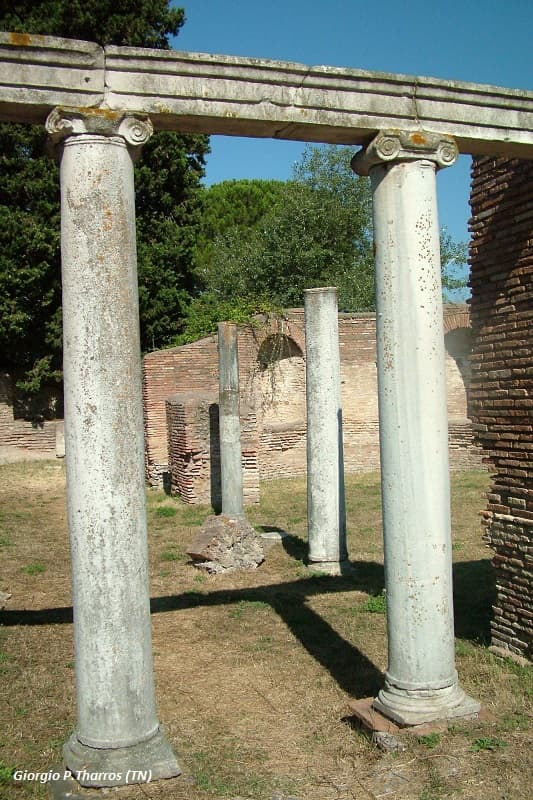
Discover the remnants of a late Roman domus, possibly used as an early Christian basilica, with intriguing columns and a Christogram architrave.
Highlights
Must-see attractions

Social
From TikTok & Reddit
Best Time
Fewer crowds, cooler temperatures
Christian Basilica Ostia
Best Time
Fewer crowds, cooler temperatures
Highlights
Must-see attractions
Discover the remnants of a late Roman domus, possibly used as an early Christian basilica, with intriguing columns and a Christogram architrave.
"A fascinating glimpse into early Christian life and Roman domestic architecture, requiring imagination to fully appreciate."
👟 Wear Comfortable Shoes
The ancient site has uneven terrain. Comfortable footwear is essential for exploring Ostia Antica.
💧 Bring Water
Especially during warmer months, staying hydrated is crucial while walking around the ruins.
Quick Facts
Highlights
Discover the most iconic attractions and experiences
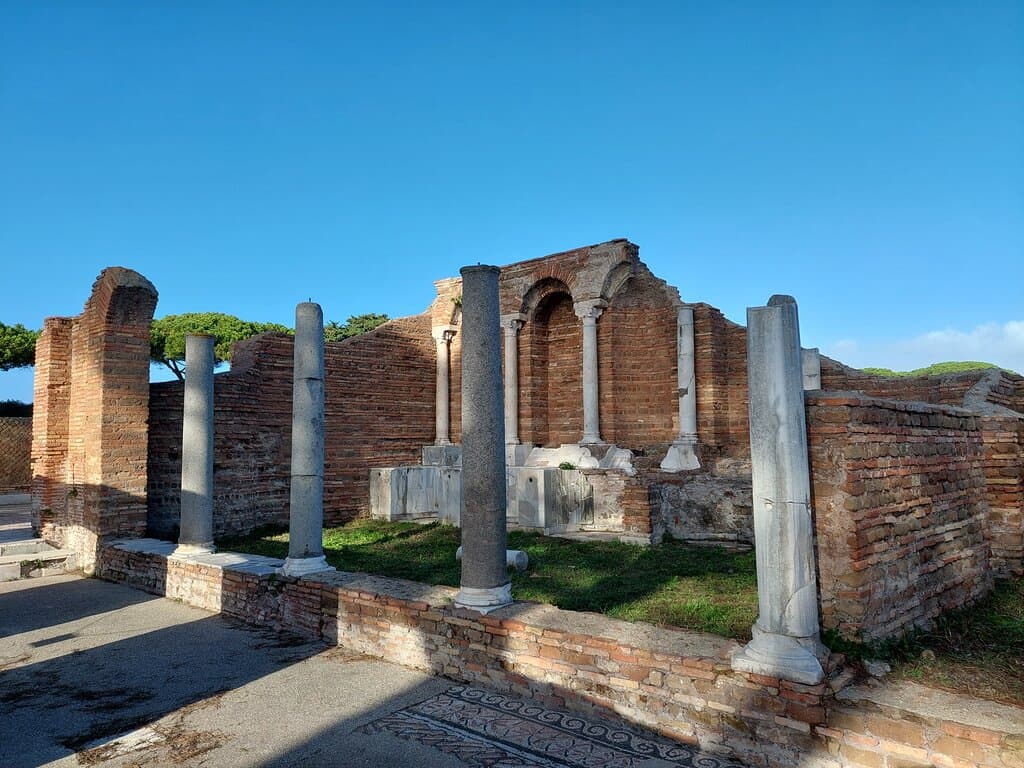
Dividing Columns
Interior of the Basilica
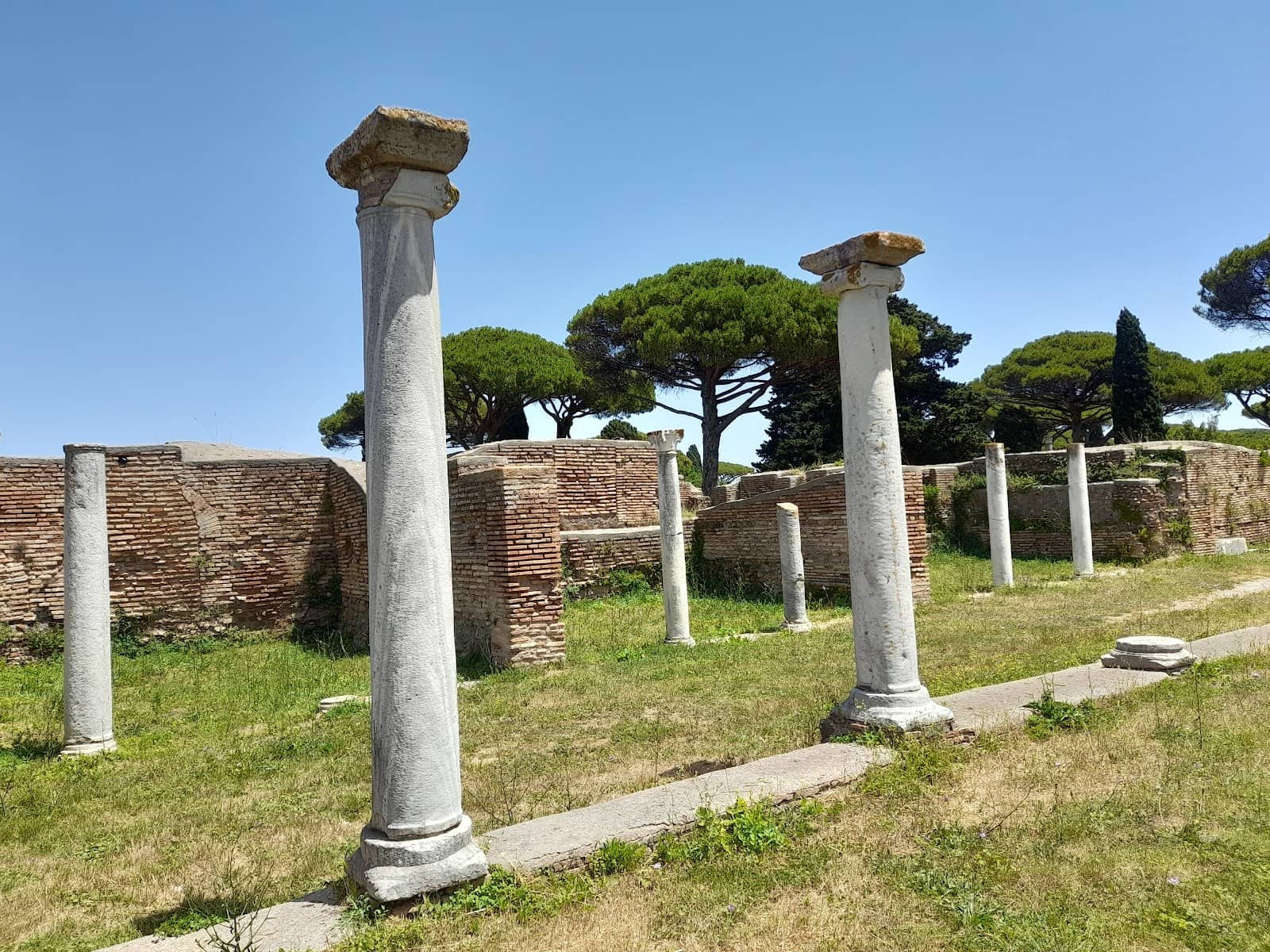
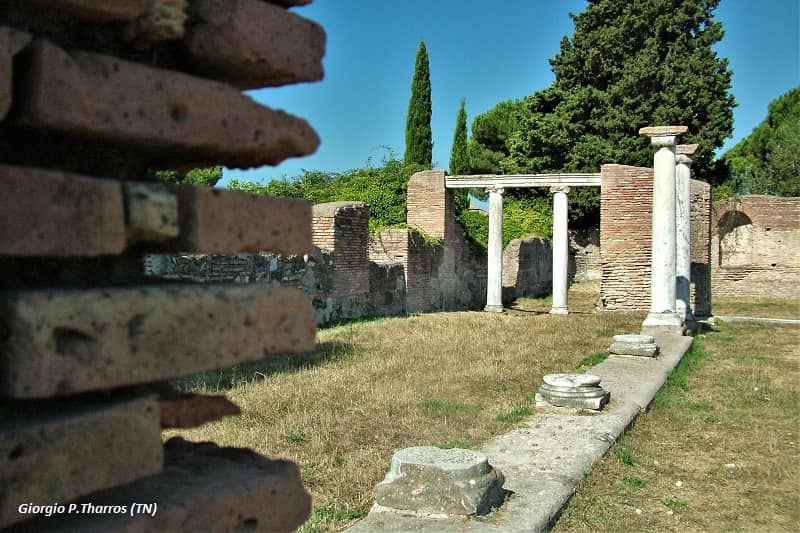
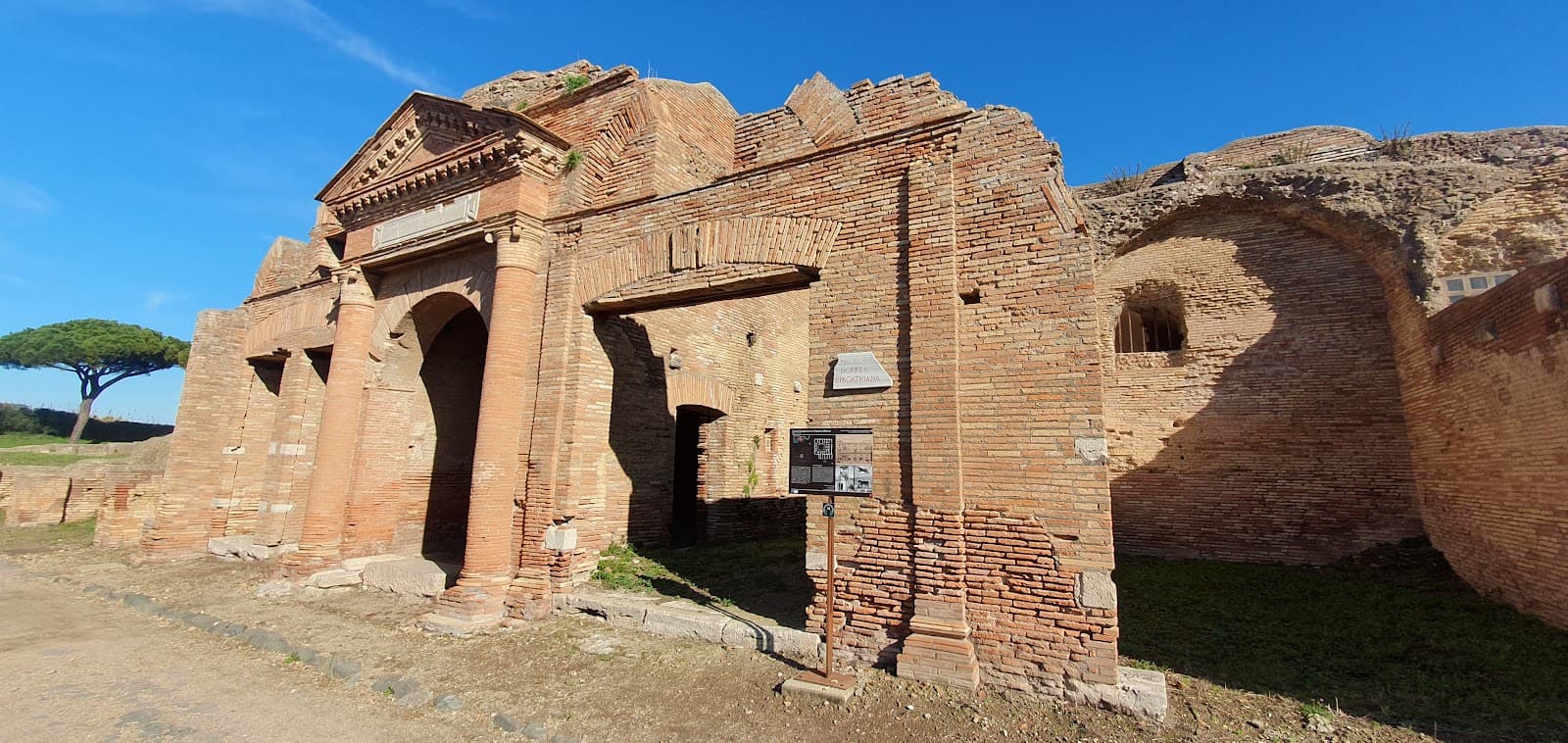
Columns that once separated the naves, offering a glimpse into the basilica's original layout and grandeur.
Architrave with Christogram
Interior of the Basilica
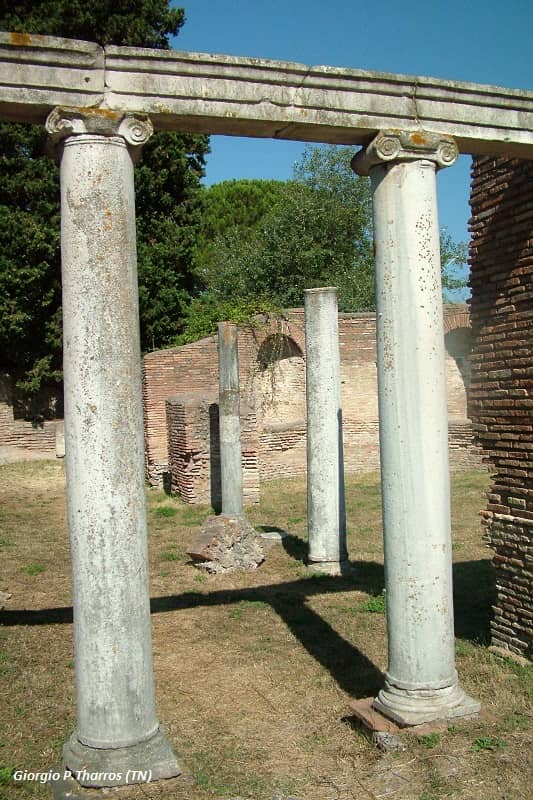
A beautifully preserved architrave featuring a Christogram, a significant early Christian symbol.
Presumed Presbytery Shape
Eastern end of the Basilica
The identifiable shape of the presbytery, hinting at the area where religious ceremonies took place.
Plans like a pro.
Thinks like you
Planning Your Visit
Imagine the Past
Context is Key
Best Times
Insider Tips
from TikTok, Instagram & Reddit
👟 Wear Comfortable Shoes
The ancient site has uneven terrain. Comfortable footwear is essential for exploring Ostia Antica.
💧 Bring Water
Especially during warmer months, staying hydrated is crucial while walking around the ruins.
📖 Research History
Understanding the site's context as a domus built over older structures enriches the visit.
Tips
from all over the internet
👟 Wear Comfortable Shoes
The ancient site has uneven terrain. Comfortable footwear is essential for exploring Ostia Antica.
💧 Bring Water
Especially during warmer months, staying hydrated is crucial while walking around the ruins.
📖 Research History
Understanding the site's context as a domus built over older structures enriches the visit.
What Travellers Say
Reviews Summary
Visitors find the Christian Basilica within Ostia Antica to be a site of historical intrigue, particularly the preserved columns and the Christogram architrave. While much of the structure is in ruins, it offers a valuable glimpse into early Christian presence and Roman domestic architecture. The site is best appreciated with an understanding of its context as a domus built over earlier structures.
"What remains of the original Christian basilica, visible to the visitor, are the columns dividing the naves into which the building's interior is divided, and a beautifully preserved architrave with Christian symbols.
The presbytery is easily identifiable in shape, even though it lacks any significant structure.
The rest is pure imagination of the human eye, which sees and fantasizes."
Michele Soldovieri
"ROME CHRISTIAN BASILICA OSTIA ANTICA
This building, traditionally interpreted as a place of Christian worship due to the presence of a Christogram (a combination of the initials of Christ's name) on an inscribed architrave, is likely a domus, built in the late 4th century AD and perhaps belonging to the Tigriniani family.
The irregular layout was determined by the domus being superimposed on a previous building with shops, a small street, and a bathhouse. It consisted of two long naves separated by a colonnade, terminating in apsidal rooms (a hall with niches for statues and a nymphaeum).
Off the left nave were three rooms, introduced by columns, perhaps used for philosophical meetings or as a school for catechumens, given the presence of the Christian symbol."
Giorgio Pegoretti
"I have not visited"
giuseppe milardo
What People Like
What People Dislike
Frequently Asked Questions
🚇 🗺️ Getting There
The Christian Basilica is located within the archaeological park of Ostia Antica. You can reach Ostia Antica by taking the Roma-Lido train from Piramide station in Rome. The journey takes about 30 minutes. From the Ostia Antica station, it's a short walk to the park entrance.
Yes, Ostia Antica is well-connected by public transport. The Roma-Lido train is a convenient and affordable option from Rome. Consider purchasing a day pass for Rome's public transport if you plan to use it extensively.
Driving is an option, but parking can be limited and paid. The train is often recommended by visitors for its ease and cost-effectiveness.
🎫 🎫 Tickets & Entry
Yes, the Christian Basilica is part of the Ostia Antica archaeological park, so you will need an entrance ticket to the park to access it.
Opening hours vary seasonally. It's best to check the official Ostia Antica website for the most up-to-date information on opening and closing times before your visit.
Ticket prices can vary. Check the official Ostia Antica website for current admission fees. Sometimes, combined tickets or passes might be available.
It is highly recommended to purchase tickets online in advance to avoid long queues, especially during peak season. This ensures smoother entry into the park.
🎫 🧭 Onsite Experience
While the basilica itself is a smaller section, allow at least 30-45 minutes to explore it and absorb the details. This is within the context of a larger visit to Ostia Antica, which can take 3-4 hours or more.
The basilica is largely in ruins, but key elements like the columns and the architrave with Christian symbols are visible and well-preserved, offering significant historical insight.
Yes, guided tours are often available and can greatly enhance your understanding of the site, including the Christian Basilica. Check for options at the visitor center or book in advance.
The Christian Basilica is located within the vast Ostia Antica complex, which includes the Theatre, Baths of Neptune, and numerous ancient houses and shops.
📸 📸 Photography
Photography is generally allowed within the Ostia Antica park, including the Christian Basilica. However, always be respectful of the site and other visitors. Avoid using flash if it's prohibited.
Early morning or late afternoon offers the best light for photography, creating a beautiful atmosphere and softer shadows. The golden hour can make the ancient stones glow.

Social
from TikTok, Instagram & Reddit