
Centopietre Patù
Discover Centopietre Patù, an ancient mausoleum and 10th-century church in Puglia, rich with history and legends of knights and Saracens.
Highlights
Must-see attractions

Social
From TikTok & Reddit
Best Time
Fewer crowds, peaceful atmosphere
Centopietre Patù
Best Time
Fewer crowds, peaceful atmosphere
Highlights
Must-see attractions
Discover Centopietre Patù, an ancient mausoleum and 10th-century church in Puglia, rich with history and legends of knights and Saracens.
"An ancient monument not many people know of. It's worth a visit!"
🚶♀️ Explore the Path
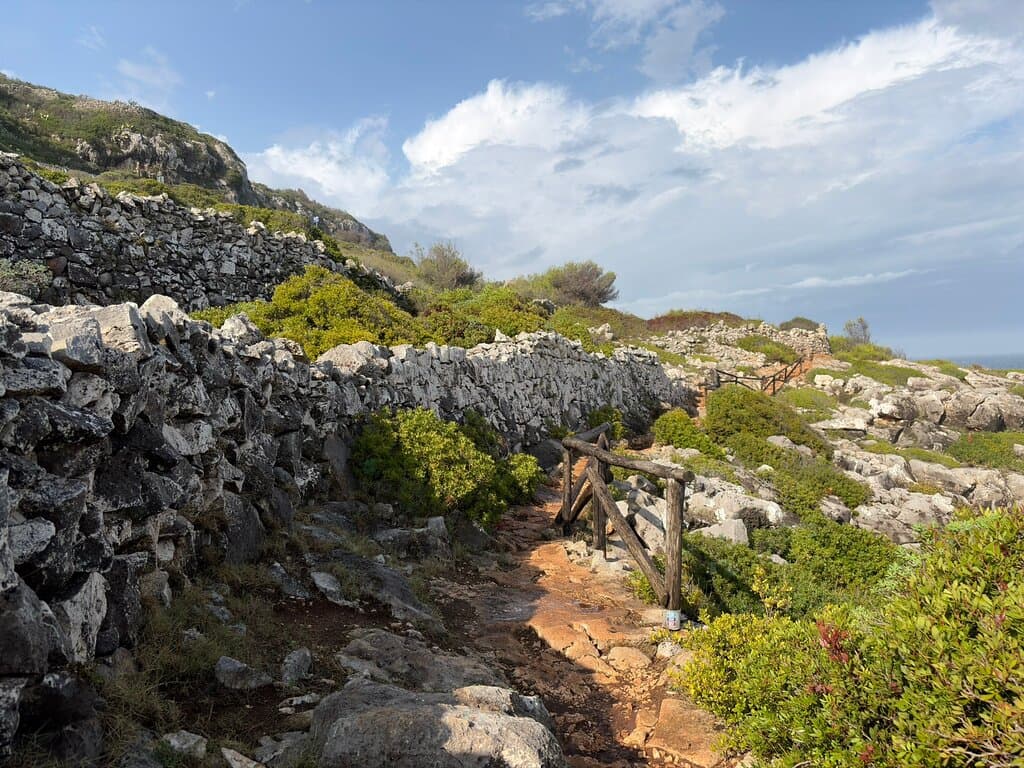
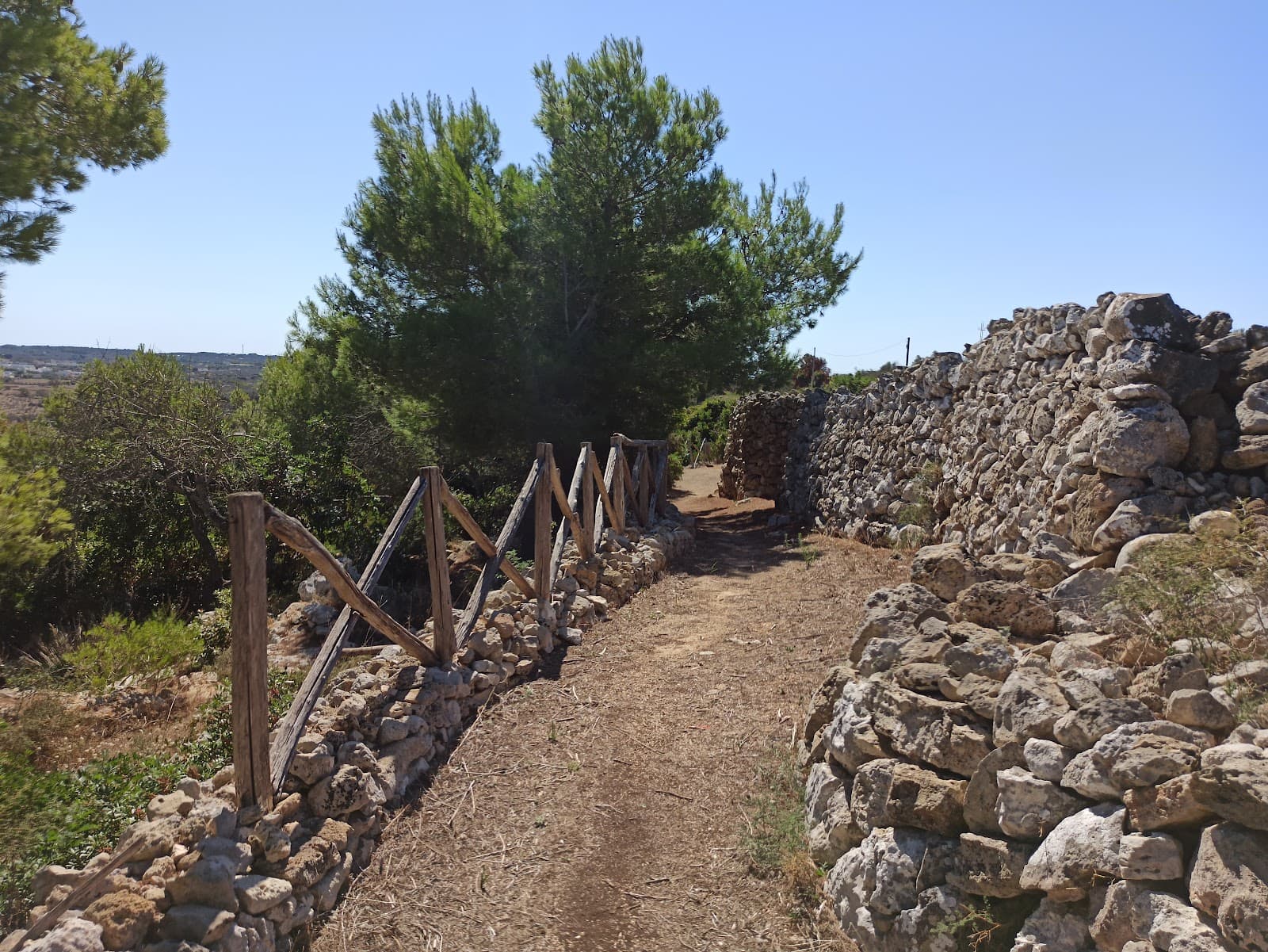
Take the scenic path towards San Giovanni di Leuca for beautiful gardens and old farm ruins.
✨ Soak in the History
Appreciate the spiritual simplicity and ancient monument's unique construction.
Highlights
Discover the most iconic attractions and experiences
The Church of San Giovanni Battista
Patù
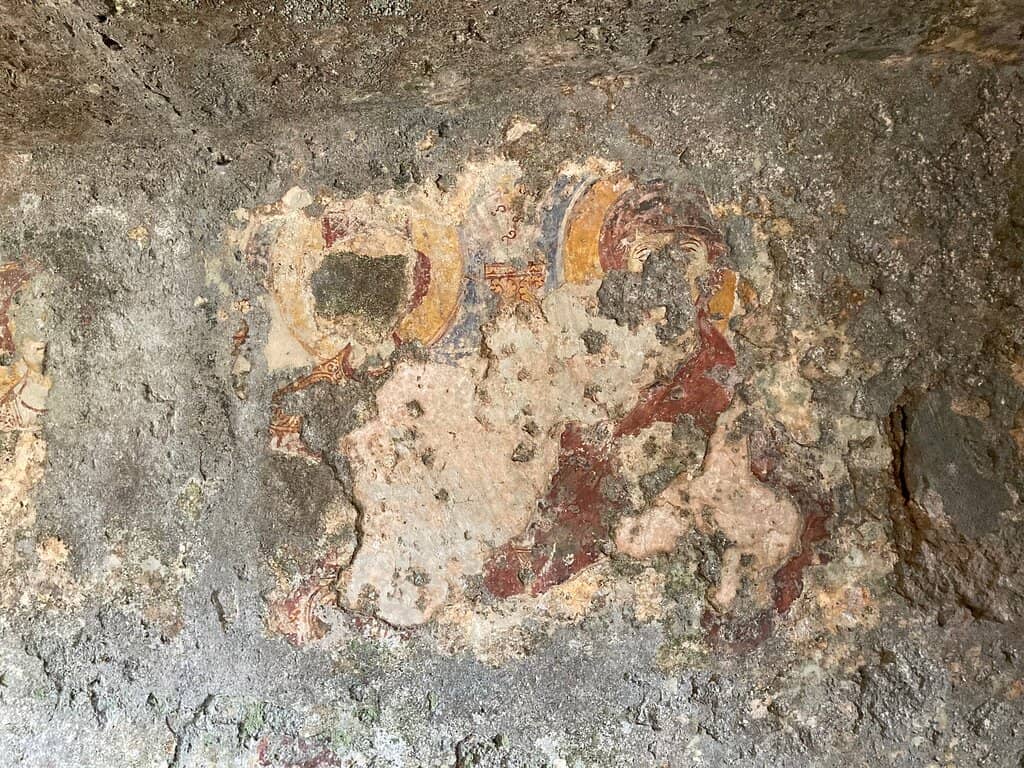
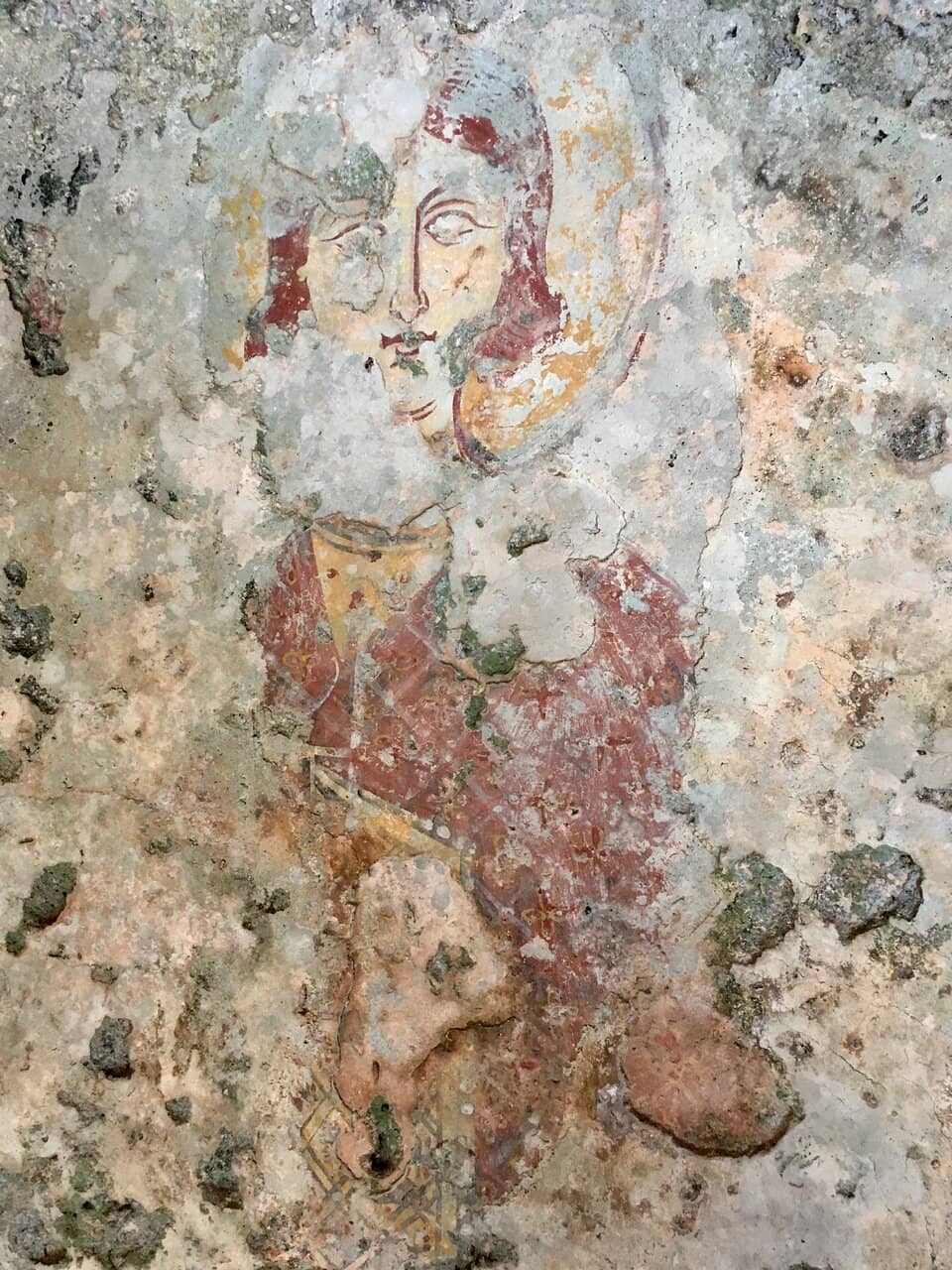
A Romanesque-Byzantine church dating back to the 10th century, featuring well-preserved frescoes and a spiritual ambiance.
 +1
+1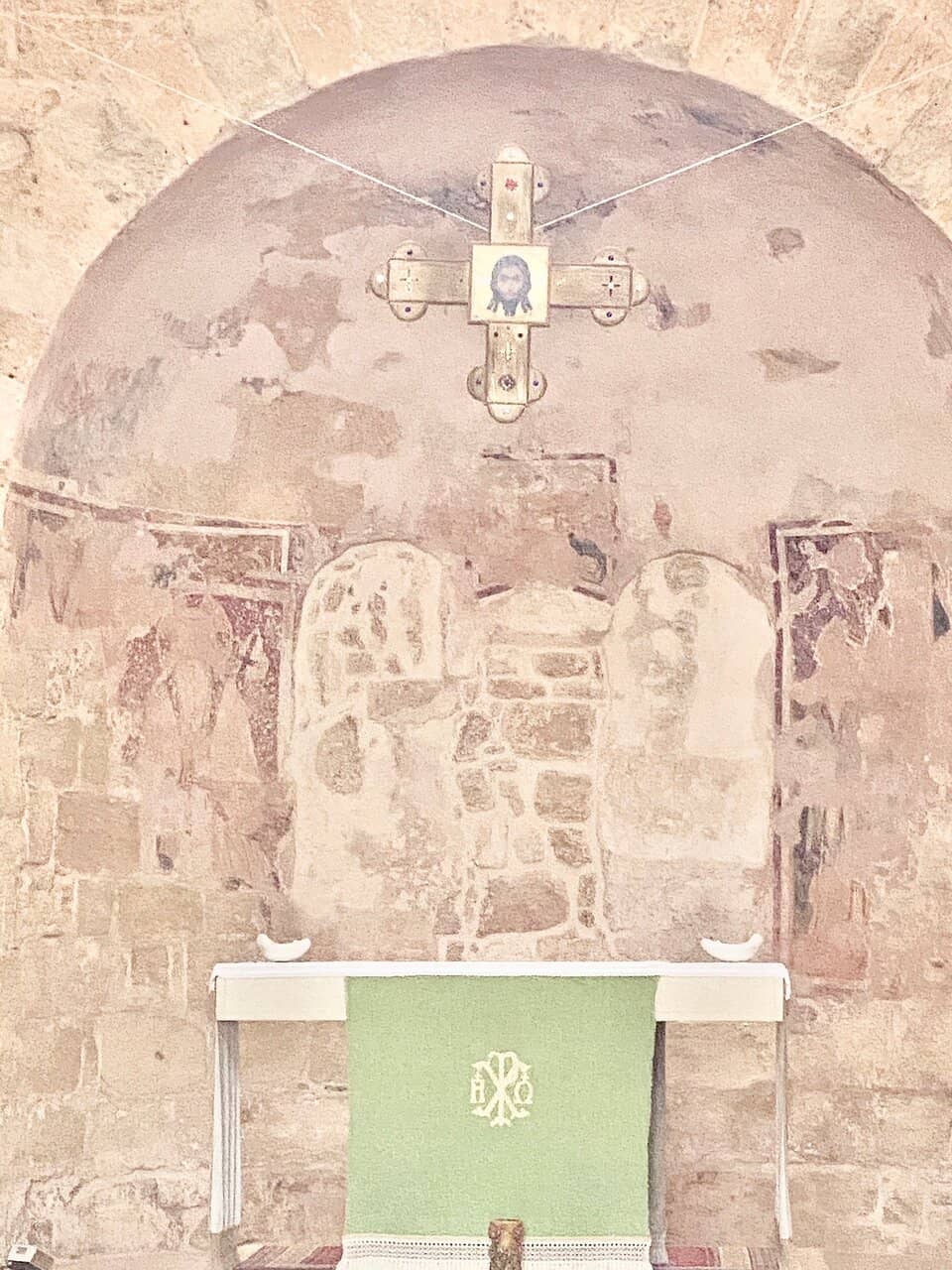
The Mausoleum of Geminiano
Centopietre, Patù
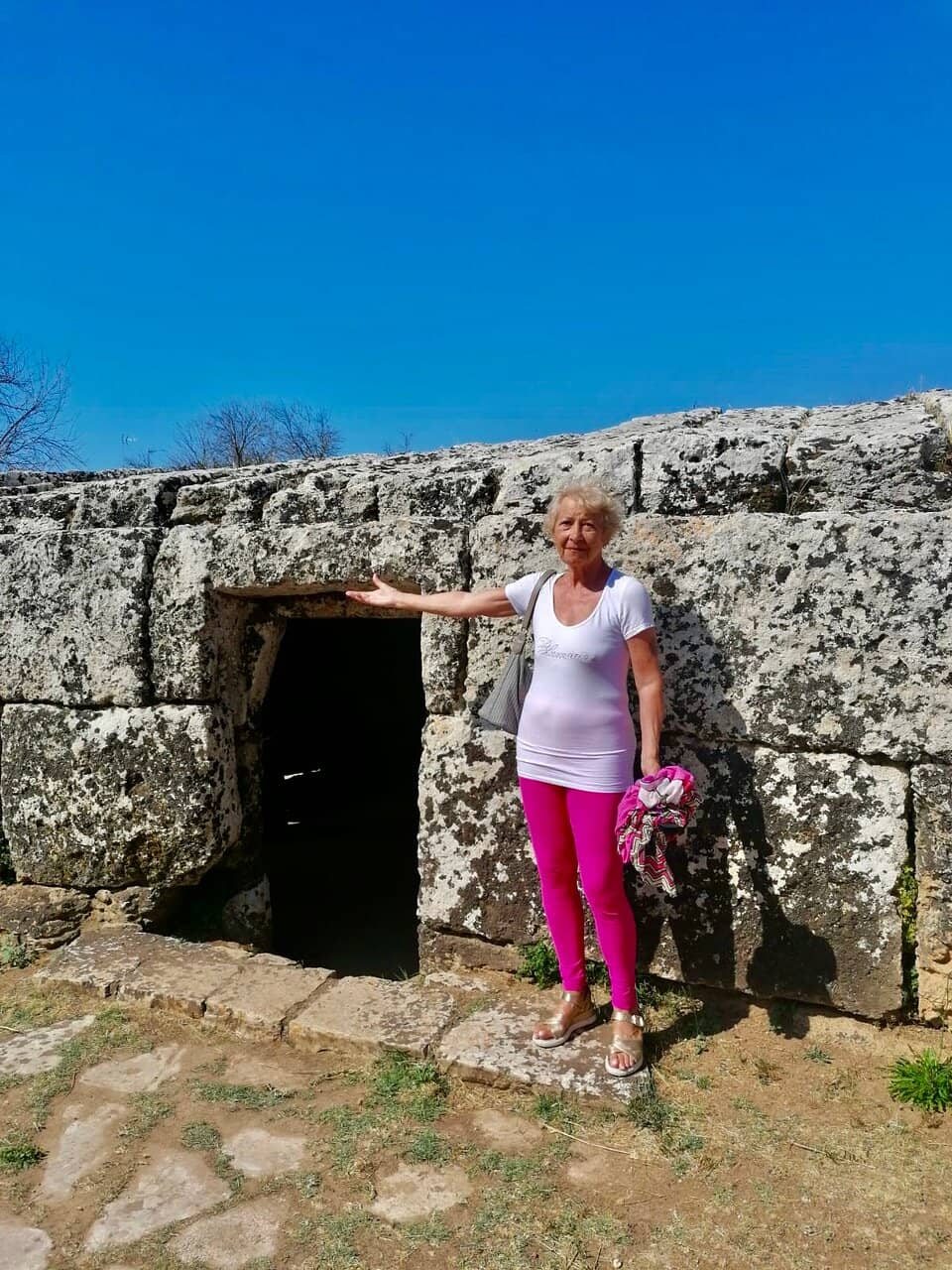
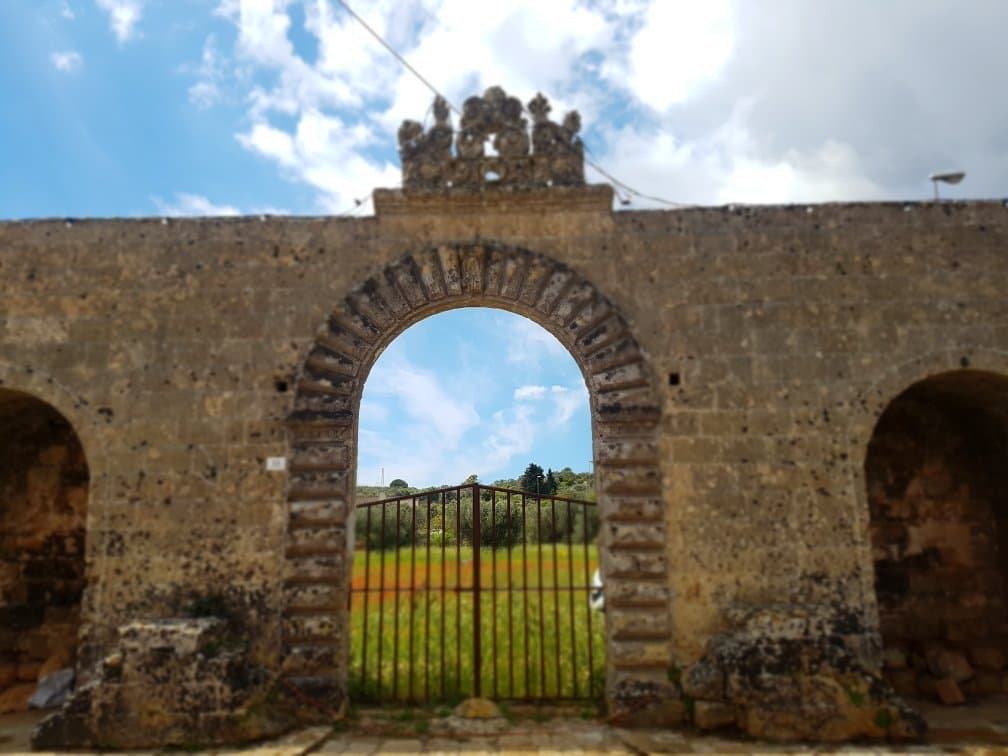
An ancient monument, originally a tomb for a knight who fought Saracens, built with massive local stones.
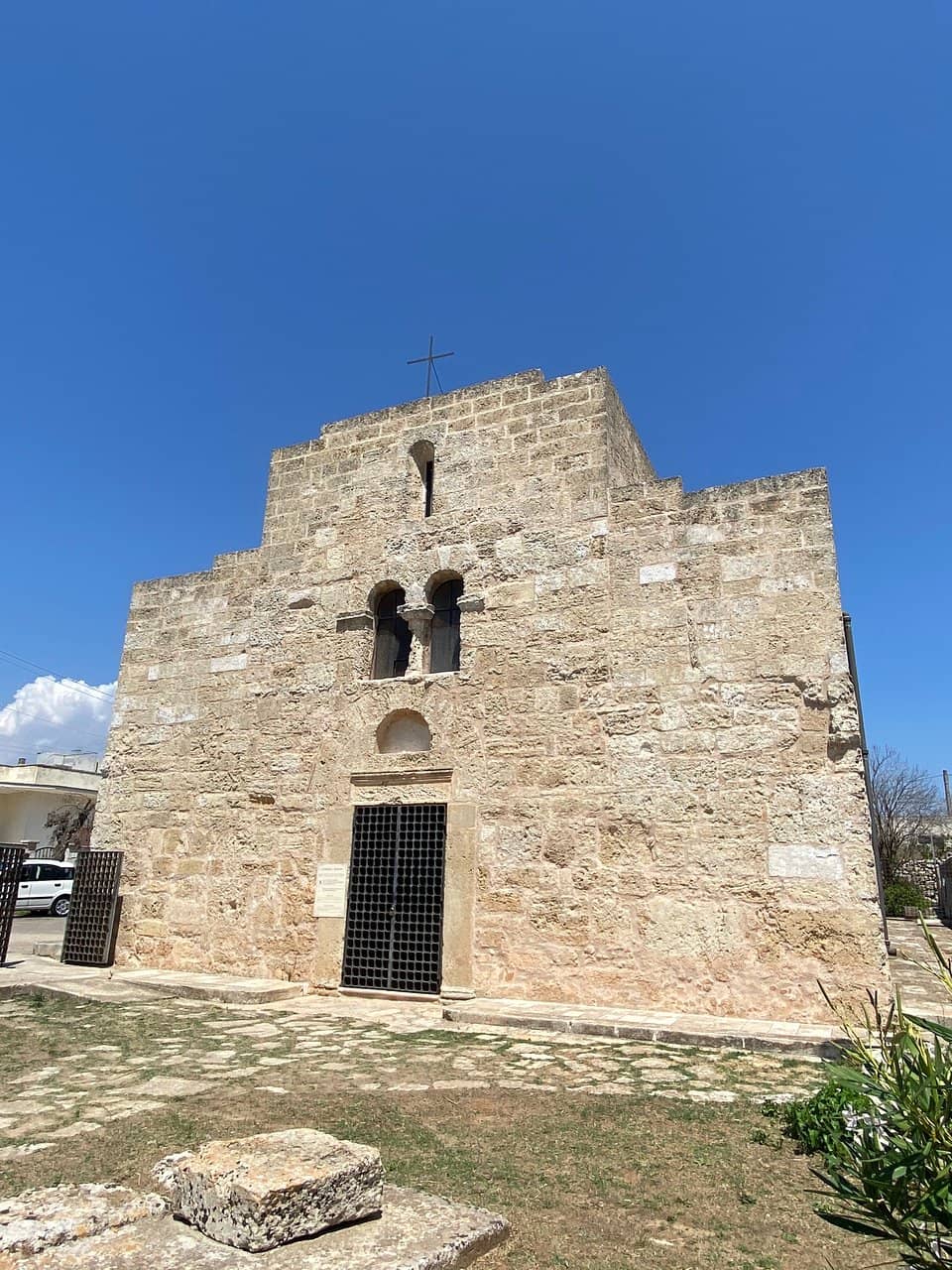
The Stones of Vereto
Centopietre, Patù
Marvel at the colossal stones, believed to be sourced from the ruins of the ancient city of Vereto, showcasing impressive ancient construction.
Plans like a pro.
Thinks like you
Planning Your Visit
Discover Ancient History
Embrace the Serenity
Best Times
Insider Tips
from TikTok, Instagram & Reddit
🚶♀️ Explore the Path
Take the scenic path towards San Giovanni di Leuca for beautiful gardens and old farm ruins.
✨ Soak in the History
Appreciate the spiritual simplicity and ancient monument's unique construction.
🎶 Enjoy Local Events
Check for local events like 'Note sotto le stelle' held in the Atrio Centopietre.
📸 Capture the Details
Look for remaining depictions and the peculiar size of the stones.
Tips
from all over the internet
🚶♀️ Explore the Path
Take the scenic path towards San Giovanni di Leuca for beautiful gardens and old farm ruins.
✨ Soak in the History
Appreciate the spiritual simplicity and ancient monument's unique construction.
🎶 Enjoy Local Events
Check for local events like 'Note sotto le stelle' held in the Atrio Centopietre.
📸 Capture the Details
Look for remaining depictions and the peculiar size of the stones.
What Travellers Say
Reviews Summary
Visitors praise Centopietre Patù for its ancient charm, spiritual simplicity, and historical significance as a knight's tomb and early church. Many appreciate its unique construction with massive stones and the well-preserved frescoes, highlighting it as an often-overlooked gem in the Salento region. Some note that the village itself offers little else, but the historical site is definitely worth the visit.
"A most ancient and original church. It was originally the tomb of a soldier, Geminiano, who played an intelligence role ahead of a successful battle against Saracens. The stones come from the ruins of the old city of Vereto. From here, I recommend that you take the lovely path SC Giovanni di Leuca which takes you through beautiful gardens and ruins of old farms."
Yannick MIGOTTO
"Ancient monument not many people know of. It's worth a visit!"
emilio magris
"Lovely and spiritual simplicity"
Filippo Colangeli
What People Like
What People Dislike
Frequently Asked Questions
🚇 🗺️ Getting There
Centopietre Patù is located in the town of Patù, in the Salento region of Puglia, Italy. It's easily accessible by car, with parking available nearby. From the main church in Patù, it's a short walk to the mausoleum.
Yes, the site is generally well signposted within the town of Patù, making it relatively easy to locate on foot once you are in the vicinity of the main church.
Absolutely! Centopietre Patù is a perfect stop for a day trip in the Salento region. You can combine it with visits to nearby towns like Leuca or Alessano.
The town of Patù is small and best explored on foot. For reaching Patù from other Salento towns, a car is recommended, or you can utilize local bus services.
While direct public transport to Patù might be limited, regional buses connect major Salento towns. It's advisable to check local bus schedules in advance if you are relying on public transport.
🎫 🎫 Tickets & Entry
Centopietre Patù is an ancient monument and generally accessible without an entrance fee. It's an open-air historical site.
As an open-air historical site, Centopietre Patù does not have set opening hours. You can visit it at any time, though visiting during daylight hours is recommended for better visibility.
The church is often open for visitors, and typically there is no admission fee. However, it's always a good idea to check locally for any specific visiting times or donation requests.
While the site itself is accessible, visiting at night might be less safe and you won't be able to appreciate the details of the stones and frescoes. However, special events like 'Note sotto le stelle' are held in the Atrio Centopietre.
Official guided tours might not be readily available. However, local tourist information points or guides in the Salento region may offer tours that include Centopietre Patù.
🎫 🧭 Onsite Experience
You can explore the ancient mausoleum built with massive stones, believed to be from Vereto, and the nearby 10th-century Church of San Giovanni Battista with its remaining frescoes.
A visit to Centopietre Patù typically takes about 30 minutes to an hour, depending on your interest in history and photography.
Yes, children can explore the site, but adult supervision is recommended due to the ancient nature of the monument. It's a good educational stop.
The massive stones of the mausoleum and the interior of the church with its frescoes offer great photographic opportunities. The surrounding landscape also provides scenic backdrops.
Facilities might be limited directly at the site. You'll find restrooms and cafes in the town of Patù itself, which is a short walk away.
📸 📸 Photography
Late afternoon offers beautiful golden hour light that enhances the texture of the ancient stones. Morning light is also good for capturing details without harsh shadows.
Drone regulations can vary. It's best to check local rules and regulations regarding drone usage in historical and religious sites before flying.
This site is ideal for historical, architectural, and landscape photography. Capturing the scale of the stones and the details of the frescoes is highly recommended.
Photography inside the church is usually permitted, but it's respectful to be discreet, especially if there are services or other visitors. Avoid flash photography to protect the frescoes.
A wide-angle lens is useful for capturing the scale of the stones, while a prime lens can be good for details of the frescoes. A tripod can be helpful for low-light conditions inside the church.
For Different Travelers
Tailored advice for your travel style
👨👩👧 Families with Kids
Encourage kids to explore the site and imagine life in ancient times. The nearby Church of San Giovanni Battista provides a quieter, more contemplative experience. Remember to bring water and snacks, as facilities directly at the site are minimal. The walk from Patù's center is short and manageable for most children.
🏛️ History Buffs & Archaeologists
Delve into the legends surrounding the knight Geminiano and his role in defending the region. The well-preserved frescoes within the Church of San Giovanni Battista provide further insight into the area's medieval religious art and architecture. Consider researching the Messapi people, who inhabited this region, for a richer understanding.
🚶♀️ Solo Travelers & Explorers
Take your time to wander through the site, absorb the ancient energy, and perhaps follow the recommended path towards San Giovanni di Leuca for a more extended exploration of the area's rural beauty and ruins. It's a perfect spot for quiet photography and personal discovery.
Deep Dives
In-depth insights and expert knowledge
The History and Legends of Centopietre
The monument is characterized by its colossal stones, which are believed to have been quarried from the ruins of the ancient city of Vereto. This practice of repurposing materials from older settlements was common in antiquity, adding another layer to the site's historical narrative. The sheer size and placement of these stones are a testament to the engineering capabilities of the time.
Adjacent to the mausoleum stands the Church of San Giovanni Battista, a Romanesque-Byzantine structure dating back to the 10th century. This church, dedicated to Saint John the Baptist, holds its own historical importance, with some frescoes still visible, though faded. The combination of the ancient mausoleum and the medieval church creates a unique historical tapestry for visitors to explore.
Architectural Significance and Preservation
The Church of San Giovanni Battista, built centuries later, exhibits Romanesque-Byzantine influences. Its interior, though simple, is remarkably well-preserved for its age. Visitors can still discern remnants of frescoes on the walls, offering a glimpse into the religious art of the period. The church's dedication and its construction date are linked to significant historical events in the region.
Efforts have been made to preserve this historical site, ensuring that its unique character and historical narrative are maintained for future generations. While it's an open-air monument, its significance is recognized, and it remains a point of interest for those exploring the Salento region's rich heritage.

Social
from TikTok, Instagram & Reddit