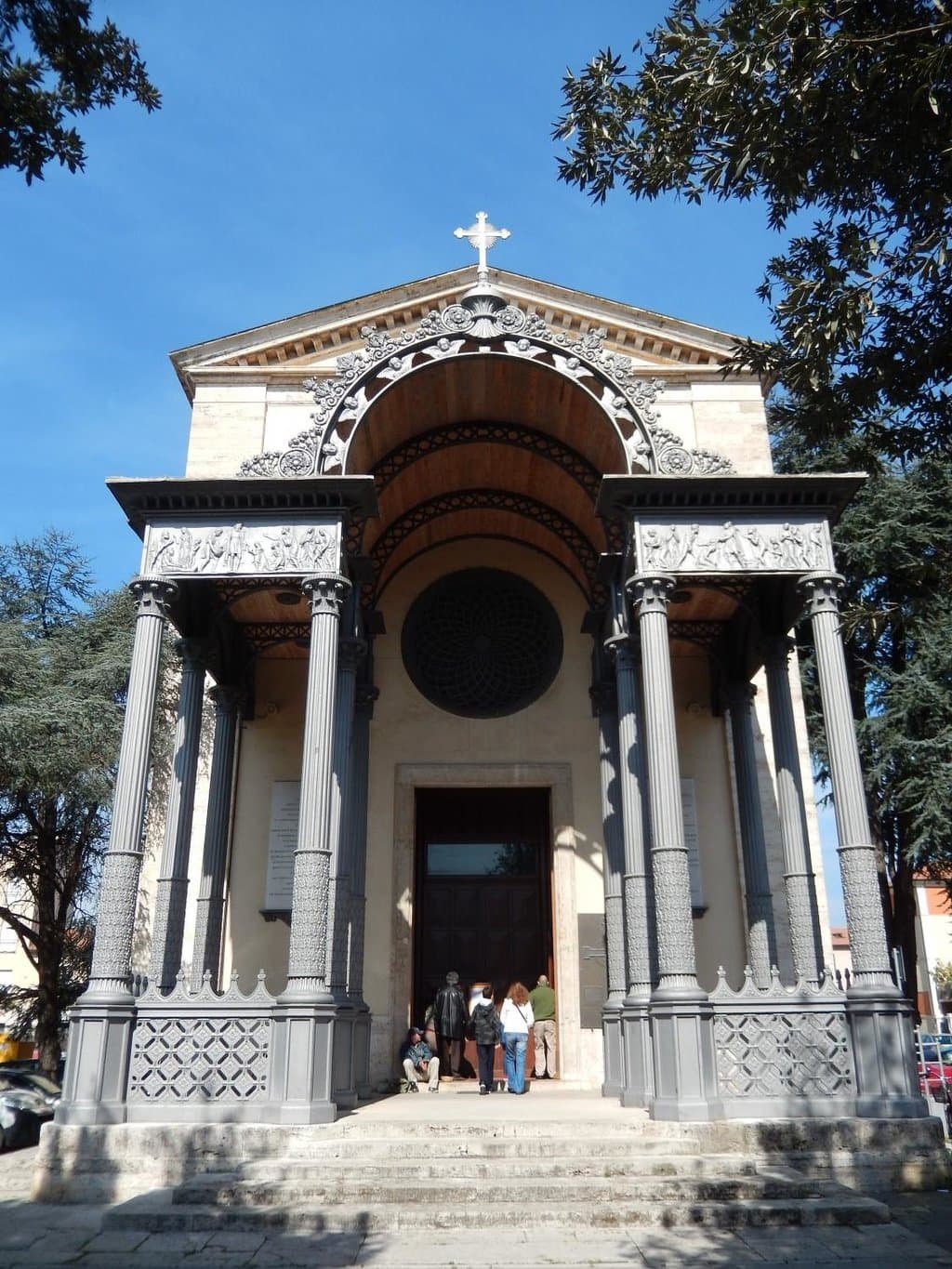
Church of San Leopoldo
A neoclassical church from 1836, celebrated for its groundbreaking use of cast iron in columns, furnishings, and decorative elements.
Highlights
Must-see attractions

Social
From TikTok & Reddit
Best Time
Experience the vibrant atmosphere
Church of San Leopoldo
Best Time
Experience the vibrant atmosphere
Highlights
Must-see attractions
A neoclassical church from 1836, celebrated for its groundbreaking use of cast iron in columns, furnishings, and decorative elements.
"One of a kind, showcasing Follonica's iron and steel tradition through its unique cast iron architecture."
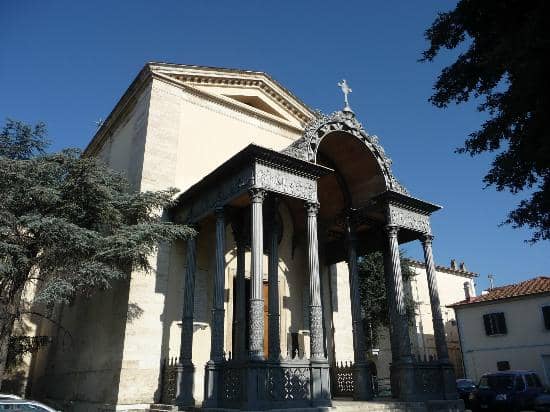
Admire the Ironwork
Don't miss the intricate cast iron details throughout the church, a true testament to local craftsmanship. :hammerandwrench:
Check for Events
The church hosts many activities; check the schedule to enhance your visit. :calendar:
Highlights
Discover the most iconic attractions and experiences
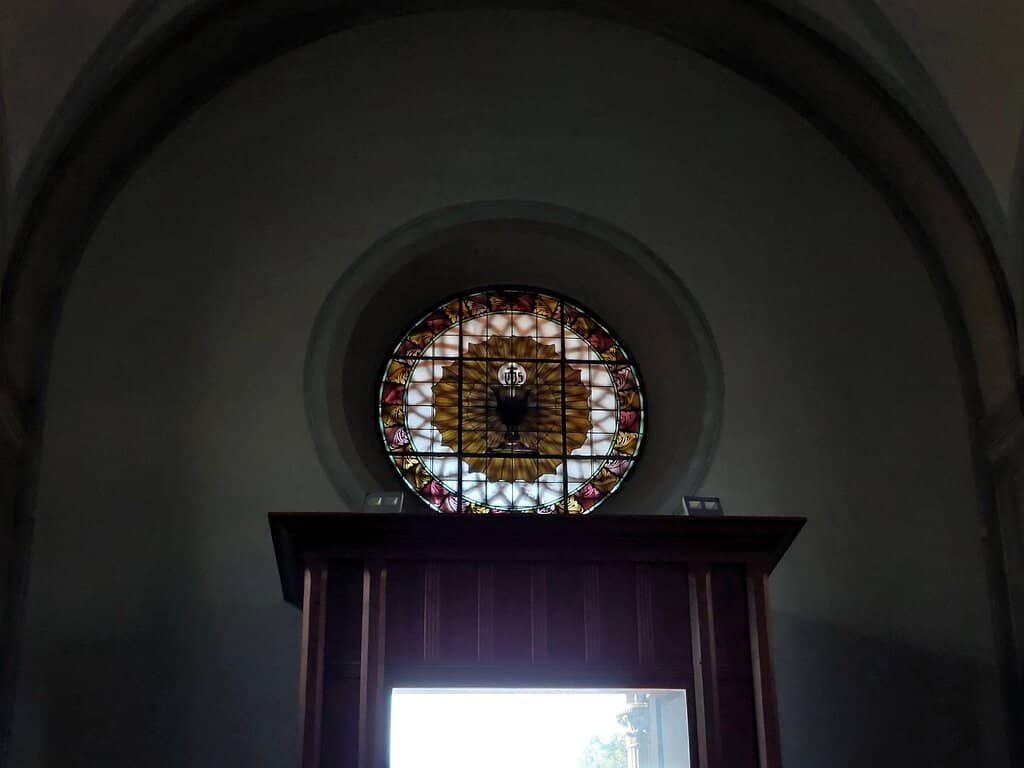
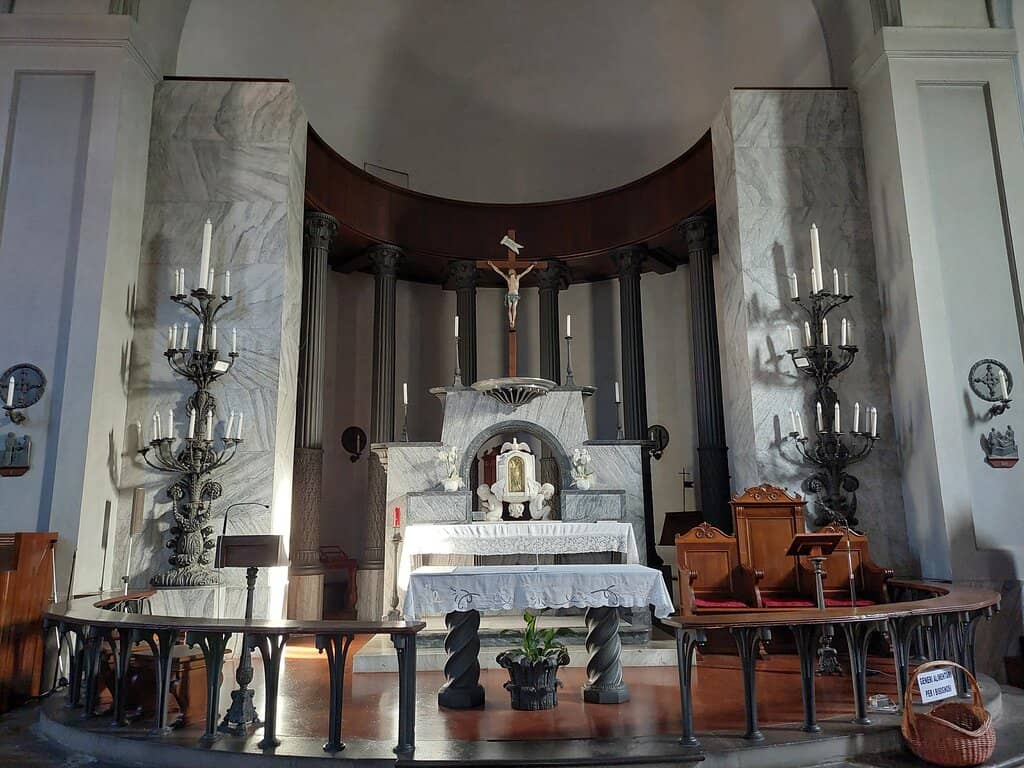
Cast Iron Architecture
Entire Church
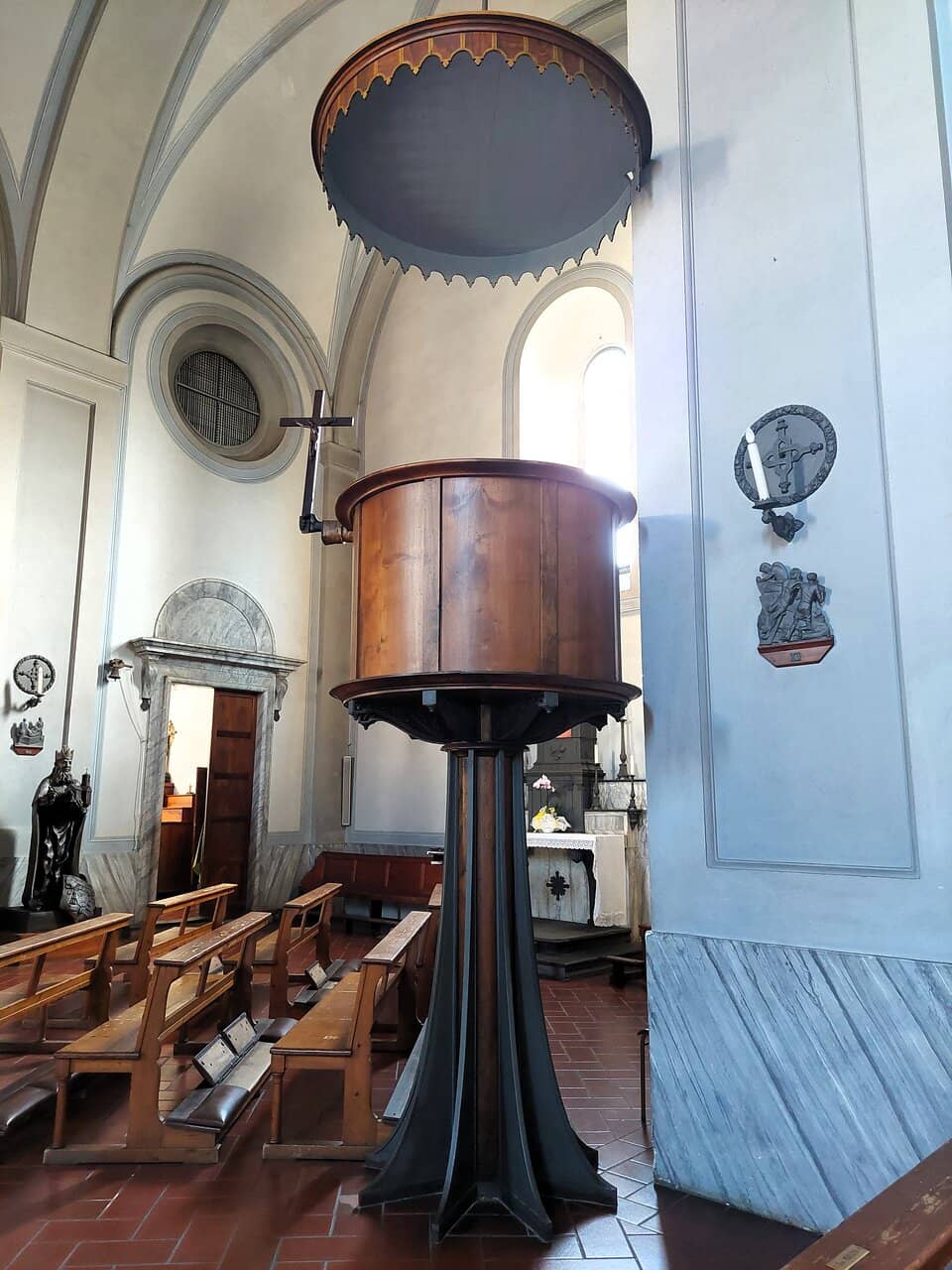
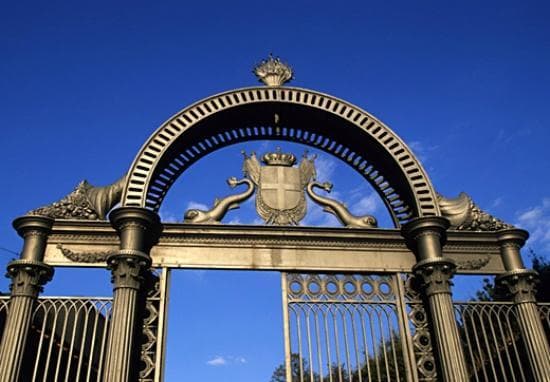
Marvel at the innovative use of cast iron in columns, furnishings, and decorative elements, showcasing local industrial heritage.
Neoclassical Design
Exterior and Interior
Appreciate the elegant neoclassical style, a testament to 19th-century architectural trends commissioned by Grand Duke Leopold II.
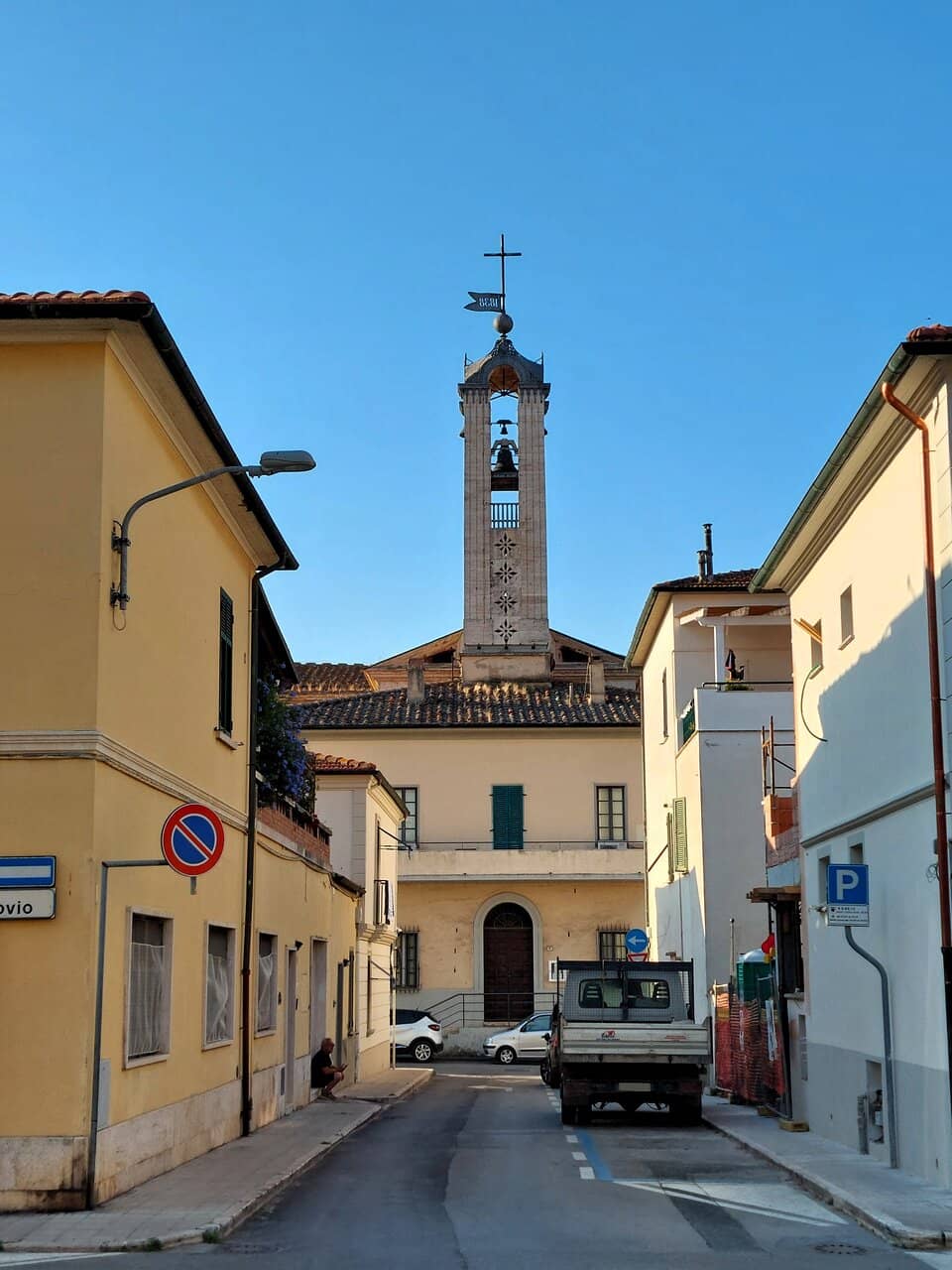
Artistic Bell Tower
Bell Tower
Admire the bell tower adorned with bas-reliefs and artistic friezes, all crafted from cast iron.
Plans like a pro.
Thinks like you
Planning Your Visit
A Unique Architectural Gem
Comfort and Activities
Best Times
Insider Tips
from TikTok, Instagram & Reddit
Admire the Ironwork
Don't miss the intricate cast iron details throughout the church, a true testament to local craftsmanship. :hammerandwrench:
Check for Events
The church hosts many activities; check the schedule to enhance your visit. :calendar:
Appreciate the History
Learn about its construction under Grand Duke Leopold II and Follonica's foundry history. :scroll:
Tips
from all over the internet
Admire the Ironwork
Don't miss the intricate cast iron details throughout the church, a true testament to local craftsmanship. :hammerandwrench:
Check for Events
The church hosts many activities; check the schedule to enhance your visit. :calendar:
Appreciate the History
Learn about its construction under Grand Duke Leopold II and Follonica's foundry history. :scroll:
What Travellers Say
Reviews Summary
Visitors praise the Church of San Leopoldo for its unique architectural style, particularly its extensive use of cast iron, which reflects Follonica's industrial heritage. The neoclassical design is also noted as a significant feature. Some reviews mention the comfort provided by air conditioning during events.
"No."
Annapaola Salustro
"very particular church from an architectural point of view for cast iron inserts expression of the local iron and steel tradition.
air conditioning during celebrations and many activities."
Carlo Somaglino
"Wonderful!
The columns and rose window were made in the old foundry; they are entirely cast iron!
One of a kind."
Monica Doimo
What People Like
What People Dislike
Frequently Asked Questions
🚇 🗺️ Getting There
The Church of San Leopoldo is located in Follonica, Tuscany. It's easily accessible by car, with parking available nearby. Public transport options might include local buses depending on your starting point within the region.
While the main areas of the church are generally accessible, it's advisable to contact the church directly for specific information regarding wheelchair access to all parts of the building.
🎫 🎫 Tickets & Entry
Typically, visiting churches for prayer and admiration is free. However, if there are special exhibitions or events, there might be an admission fee. It's best to check their official website or inquire locally.
Opening hours can vary, especially on holidays or during specific church services. It's recommended to check for the most up-to-date hours before your visit, as they may differ from standard times.
🎫 🏛️ Onsite Experience
The church is unique for its extensive use of cast iron in its construction, including columns, furnishings, and decorative elements. This reflects Follonica's historical importance in iron and steel production.
Information on guided tours is not widely available online. For specific inquiries about guided tours or to arrange one, it's best to contact the church administration directly.
Photography policies can vary. Generally, respectful photography for personal use is permitted, but flash photography or professional shoots might be restricted. Always observe any posted signs or ask church officials.
🍽️ 🍽️ Food & Dining
Follonica offers a variety of dining options. You'll find numerous restaurants, trattorias, and cafes in the town center, offering local Tuscan cuisine and seafood.
For Different Travelers
Tailored advice for your travel style
Architecture Enthusiasts
Pay close attention to how the industrial materials are integrated with the classical architectural forms. The bell tower, with its cast iron bas-reliefs and friezes, is another highlight. This church provides a unique opportunity to appreciate the intersection of art, industry, and faith, making it a standout destination for anyone interested in architectural history and material innovation.
History Buffs
Learn about the royal foundries that once operated in Follonica and how their output influenced local architecture. The church itself serves as a historical artifact, demonstrating how industrial advancements were embraced and integrated into cultural and religious structures. Visiting here offers a tangible connection to the past and an understanding of Follonica's unique heritage.
Deep Dives
In-depth insights and expert knowledge
The Iron Legacy of Follonica
The neoclassical style of the church, built in 1836, provides an elegant backdrop for these industrial materials. The contrast between the refined architectural lines and the robust ironwork creates a unique aesthetic. Even the bell tower is adorned with bas-reliefs and friezes made from cast iron, further emphasizing the material's versatility and the artistic vision behind the church's design. Visiting San Leopoldo offers a glimpse into how industrial heritage can be beautifully integrated into sacred spaces.
Architectural Significance
Beyond its material innovation, the church adheres to a neoclassical aesthetic, characterized by its clean lines, symmetry, and classical proportions. This style, popular in the early 19th century, lends an air of solemnity and grandeur to the building. The combination of neoclassical elegance with the raw, industrial nature of cast iron creates a distinctive and memorable architectural experience. The church was commissioned by Grand Duke Leopold II, further highlighting its importance as a symbol of the region's development and artistic patronage during his reign.
Social
from TikTok, Instagram & Reddit