Ex Ilva Ironworks Taranto
Europe's largest steel plant, a symbol of industrial might and a complex focal point for Taranto's economy and environment.
Highlights
Must-see attractions

Social
From TikTok & Reddit
Best Time
Blue hour photography, calmer galleries
Ex Ilva Ironworks Taranto
Best Time
Blue hour photography, calmer galleries
Highlights
Must-see attractions
Europe's largest steel plant, a symbol of industrial might and a complex focal point for Taranto's economy and environment.
"A colossal industrial landmark that defines the landscape and economy of Taranto."
Highlights
Discover the most iconic attractions and experiences
The Blast Furnaces
Visible from designated viewpoints
Towering structures that symbolize the heart of steel production. Witness their immense scale and industrial power.
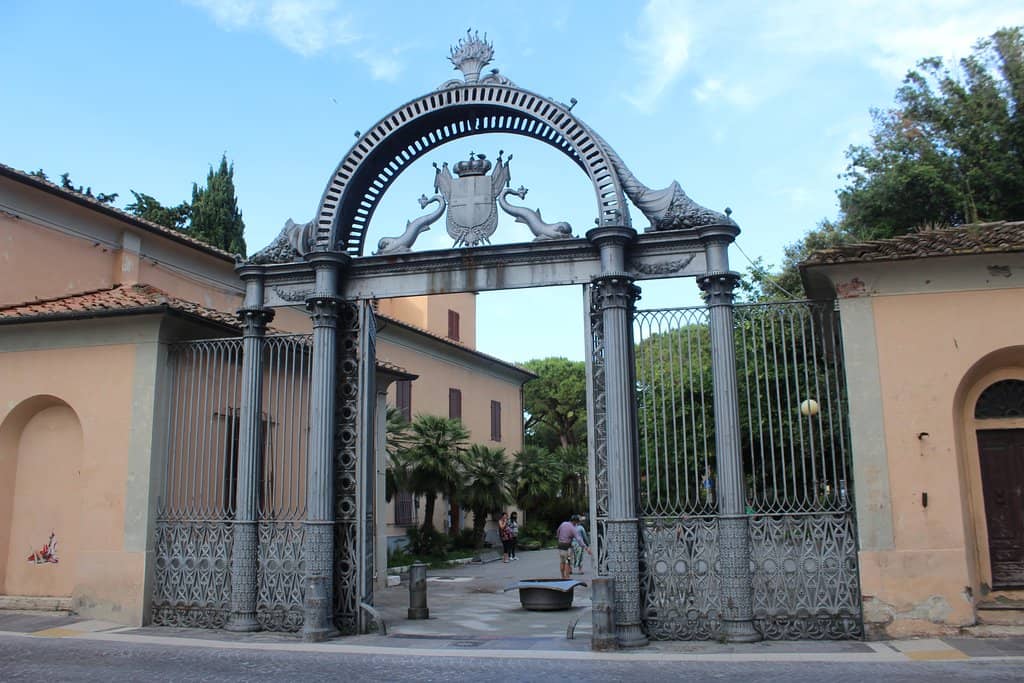
The Coke Ovens
Industrial complex
A crucial part of the steelmaking process, these ovens highlight the intricate operations within the plant.
The Port Facilities
Adjacent to the plant
See the vital logistics that support the ironworks, including raw material import and finished product export.
Plans like a pro.
Thinks like you
Planning Your Visit
Understand the Scale
Respect Local Context
Insider Tips
from TikTok, Instagram & Reddit
Tips
from all over the internet
What Travellers Say
Reviews Summary
The Ex Ilva Ironworks in Taranto is a site of immense industrial scale and historical significance, dominating the city's landscape. While direct visitor access is limited, its imposing presence is a key feature for those interested in heavy industry and its impact on a region. Discussions often center on its economic importance versus environmental and health considerations.
""
Patrizia Occupati
What People Like
What People Dislike
Frequently Asked Questions
🚇 🗺️ Getting There
Access to the Ex Ilva Ironworks is primarily for industrial purposes. Public tours or visitor access are not standard. If visiting Taranto, you can view the plant's perimeter and scale from various points around the city, particularly from areas overlooking the industrial zone or along the coast. Driving is the most common way to approach the general vicinity, with parking available in designated areas outside the immediate plant boundaries.
Public transport within Taranto can get you close to the industrial areas, but direct access to viewing points for the Ex Ilva plant is limited. Buses may serve routes near the plant's perimeter. It's advisable to check local Taranto bus routes for services that pass by or near the industrial zone.
No, walking around the active Ex Ilva Ironworks site is not permitted for safety and security reasons. Visitors can only observe the plant from designated external viewpoints or through organized, limited access if available.
🎫 🎫 Tickets & Entry
Generally, no tickets are required for public viewing as access is limited to external observation points. If any special organized tours or events are ever announced, specific ticketing information would be provided by the organizers.
There are no official 'opening hours' for viewing the Ex Ilva Ironworks as it is a continuously operating industrial facility. You can observe its scale from the outside at any time, though visibility and atmosphere may vary with daylight.
Currently, there is no dedicated official visitor center for the Ex Ilva Ironworks. Information and context about the plant are best sought through local historical resources or environmental discussions related to Taranto.
📸 📸 Photography
The best photographic opportunities are from viewpoints that offer a panoramic perspective of the vast industrial complex. Areas along the coast or elevated points on the outskirts of Taranto provide good vantage points to capture the scale of the plant, especially during sunrise or sunset for dramatic lighting.
While general photography from public areas is usually permitted, it's always wise to be mindful of security perimeters. Avoid photographing sensitive areas or personnel. Focus on capturing the architectural and industrial landscape from a respectful distance.
🎫 🌍 Local Context & Impact
Ex Ilva is historically and economically one of the most significant industrial sites in Italy and Europe, crucial for steel production. However, it is also a focal point for environmental and health concerns within the Taranto community, making it a complex symbol of industrial progress and its challenges.
To understand the history of Ex Ilva, explore local museums in Taranto, historical archives, and reputable online resources that cover Italian industrial history. Documentaries and journalistic reports often delve into its past and its impact on the region.
Environmental concerns primarily revolve around air quality, emissions, and potential soil and water contamination stemming from the steelmaking processes. These issues have been a subject of significant public debate and regulatory attention over the years.
For Different Travelers
Tailored advice for your travel style
Industrial Enthusiasts & Photographers
Researching the plant's layout beforehand can help identify the most impactful vantage points. Remember to be respectful of any security perimeters and focus on capturing the industrial aesthetic from public spaces. The visual impact of the plant, especially when contrasted with the natural beauty of the surrounding coastline, can be quite striking.
Deep Dives
In-depth insights and expert knowledge
Understanding the Industrial Landscape
Observing the Ex Ilva site from a distance offers a stark visual of industrial might. The sheer size of the structures and the continuous activity highlight the complex logistical and operational demands of such a massive undertaking. While direct visitor access is restricted, understanding the different zones and their functions provides a deeper appreciation for the industrial processes at play. The plant's presence has profoundly shaped the economic landscape of Taranto for decades.
It's important to approach the Ex Ilva site with an awareness of its multifaceted impact. Beyond its industrial significance, the plant is a central topic in discussions about environmental sustainability, public health, and the socio-economic future of the region. Recognizing these interconnected aspects offers a more complete picture of this monumental industrial complex.
Social
from TikTok, Instagram & Reddit