Villa Pallavicino National Verdi Museum
A Renaissance architectural gem in Busseto, once a site for emperors and popes, now showcasing historical frescoes.
Highlights
Must-see attractions

Social
From TikTok & Reddit
Best Time
Guided tours enhance experience
Villa Pallavicino National Verdi Museum
Best Time
Guided tours enhance experience
Highlights
Must-see attractions
A Renaissance architectural gem in Busseto, once a site for emperors and popes, now showcasing historical frescoes.
"The villa is very interesting from the outside, but the same cannot be said of the interior."
Check FAI Events
Visit during FAI Autumn Days for guided tours and deeper insights into the villa's history. 📅
Focus on Architecture
Appreciate the Renaissance design and exterior beauty, as interior exhibits may be limited. :building_construction:

Quick Facts
Rating
4.2 · 13 reviews
Type
Museum
Highlights
Discover the most iconic attractions and experiences
Renaissance Architecture
Exterior
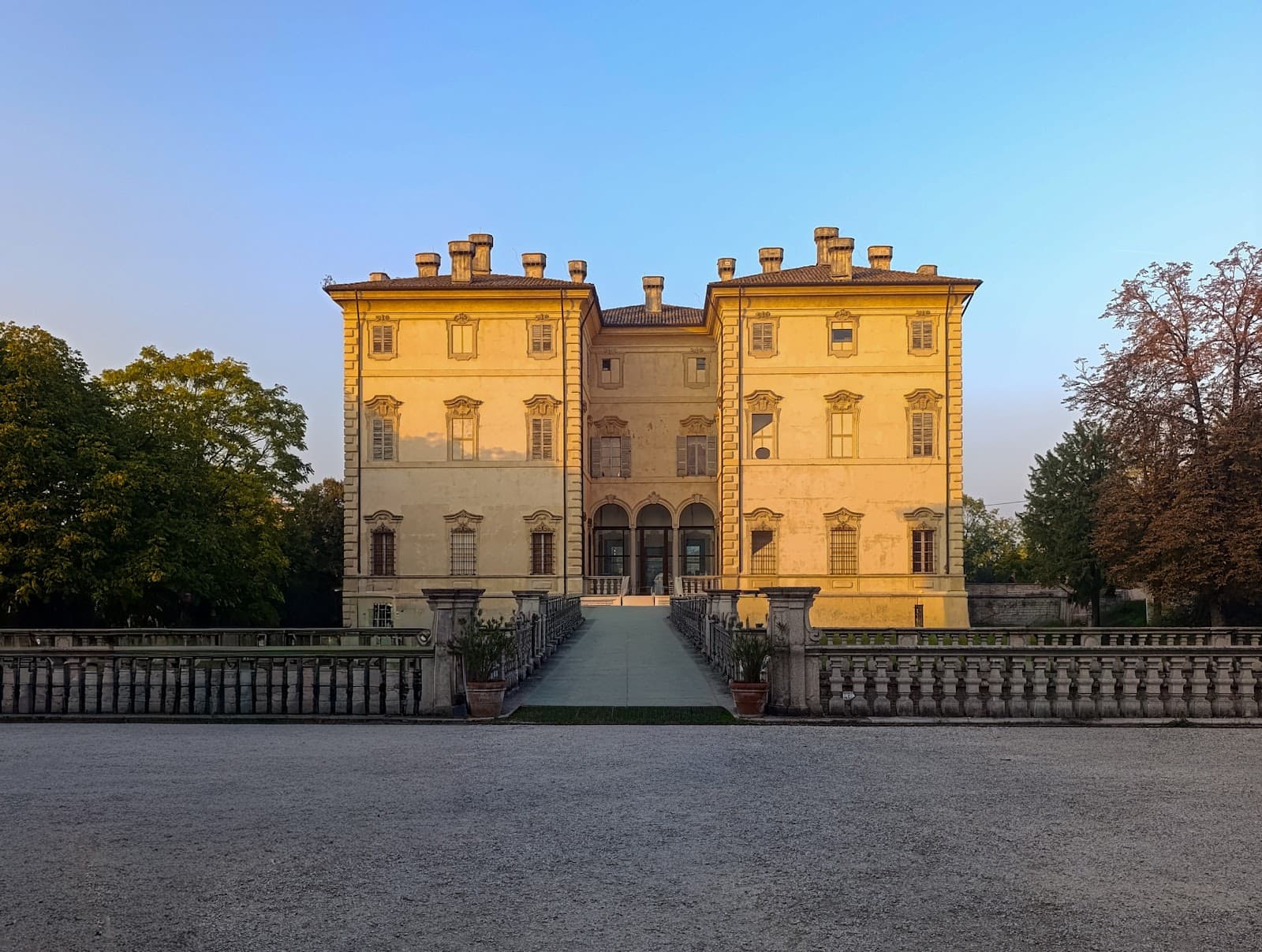
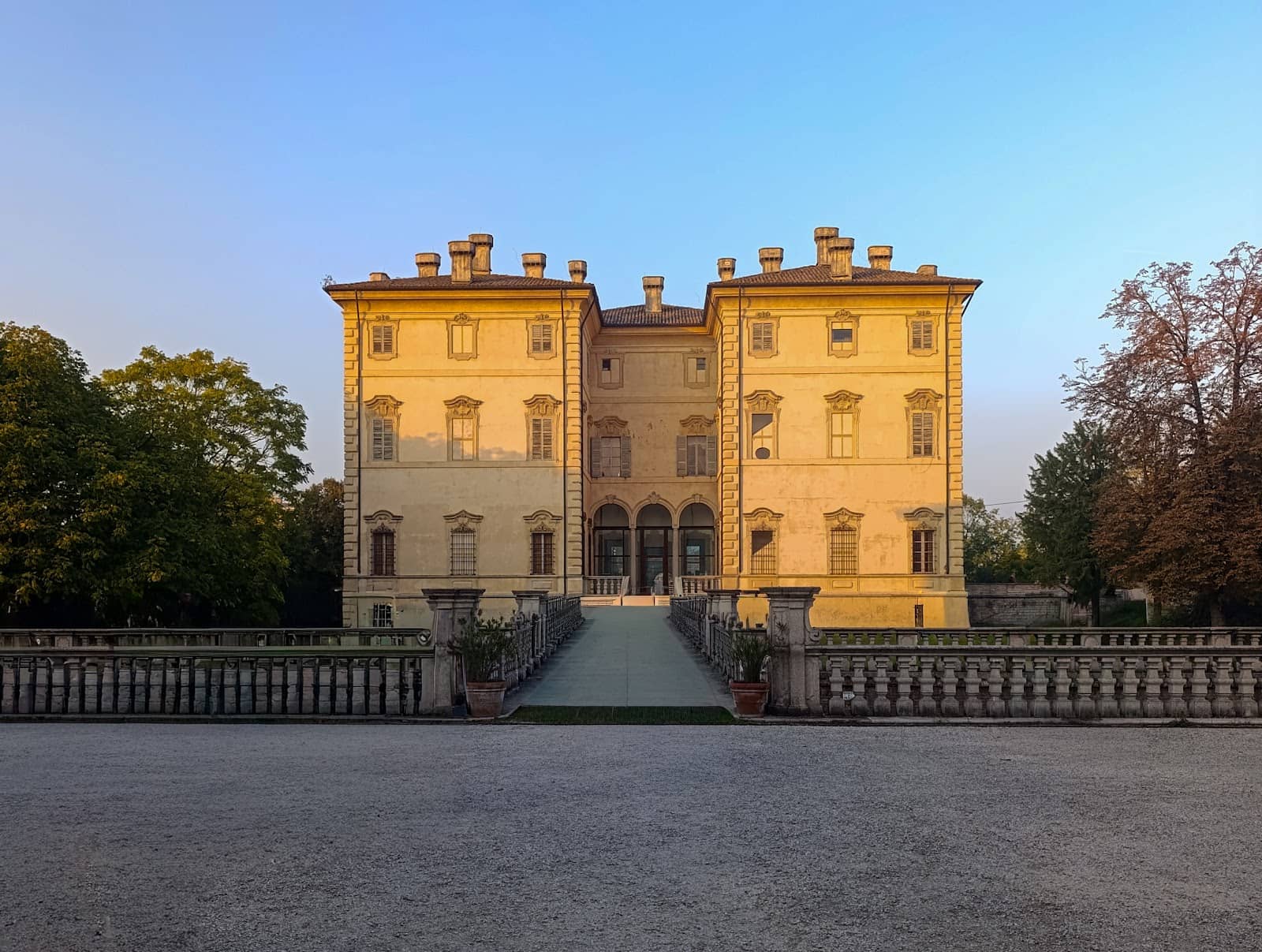
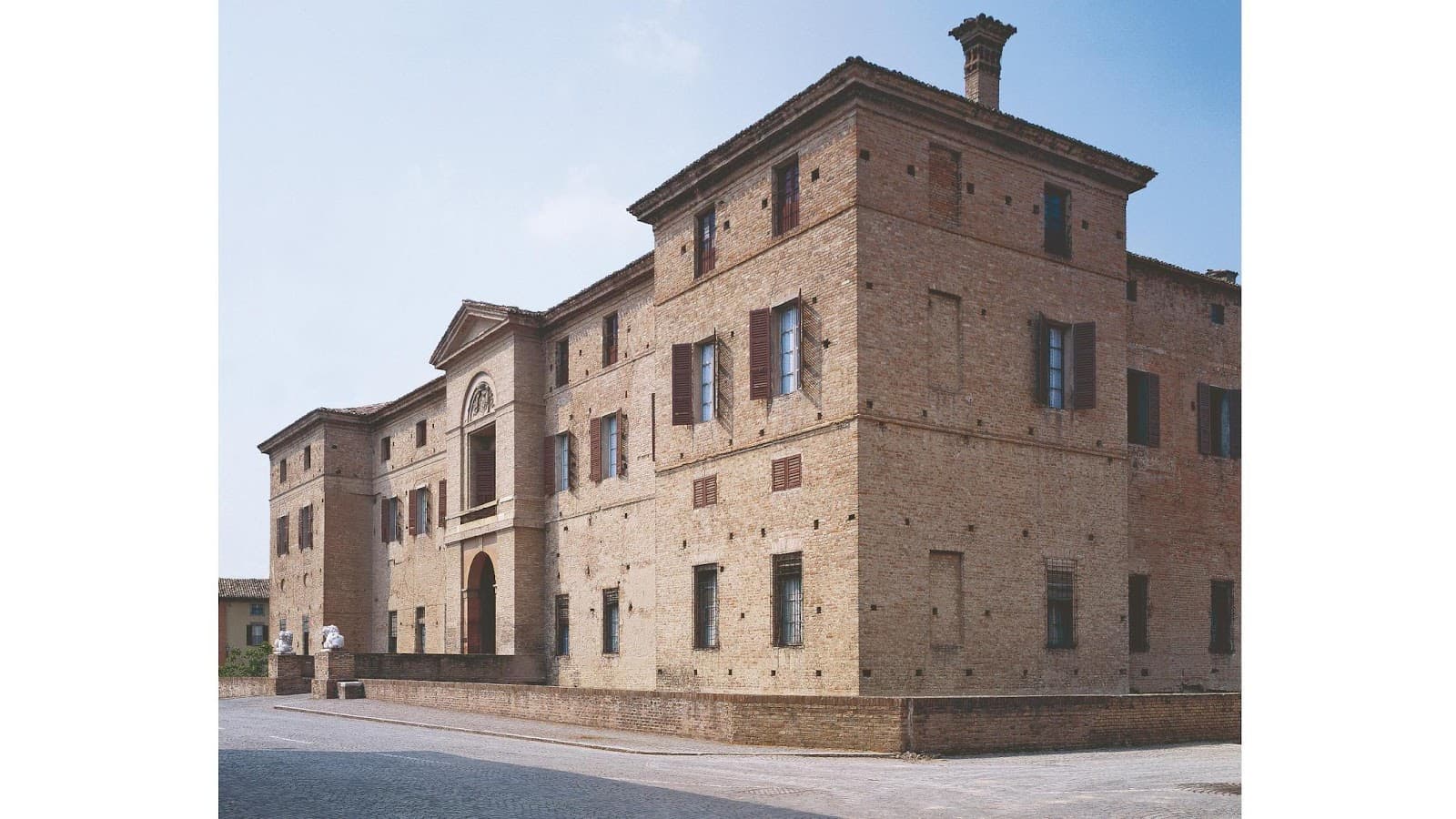
Admire the symmetrical, five-module checkerboard layout and its reflection in the surrounding fishpond.
Seventeenth-Century Entrance Pavilion
Entrance
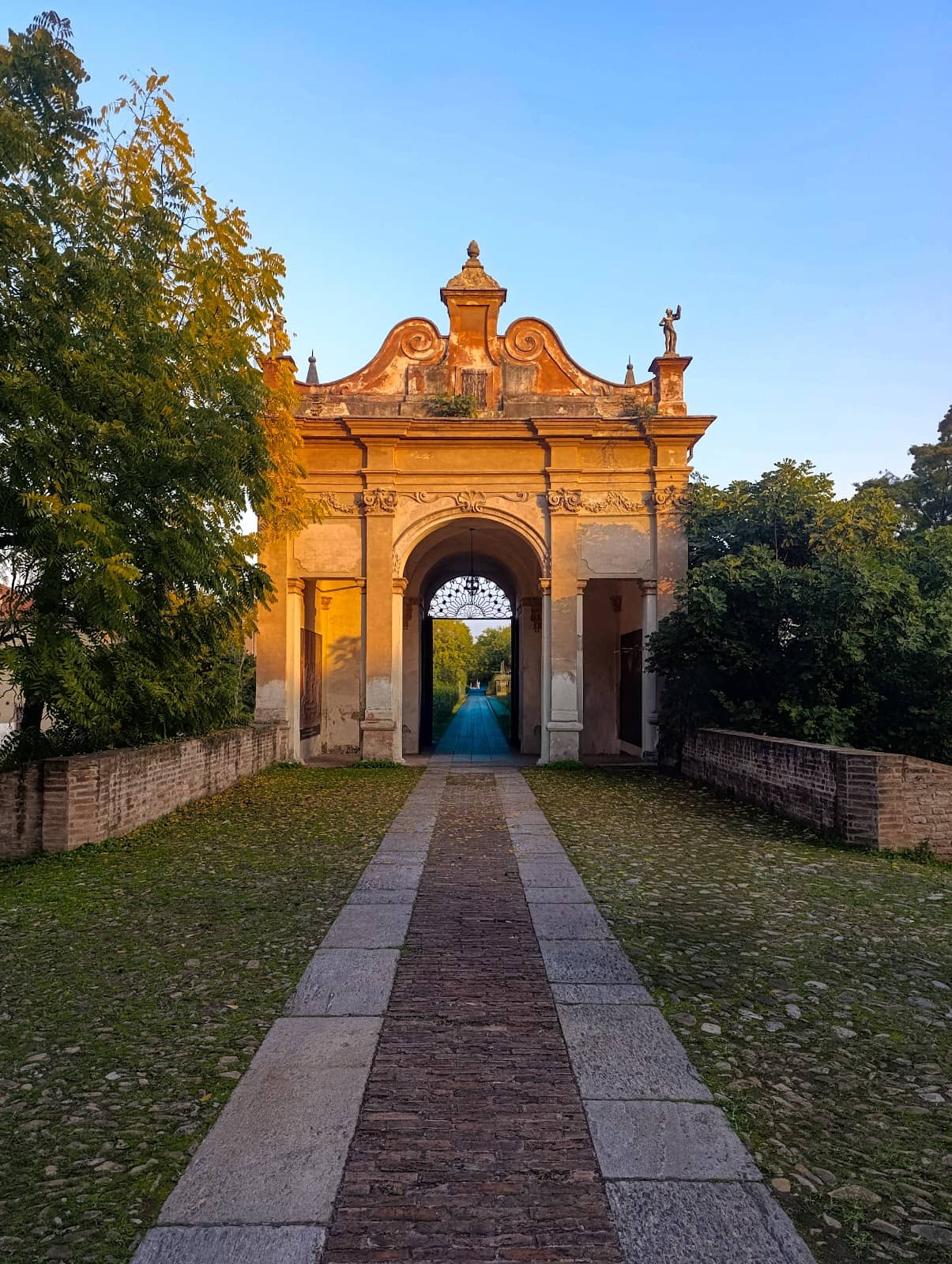
Pass through the guardhouse arch, a triumphal structure with Mannerist decorations and allegorical frescoes.
Preserved Frescoes
Interior
Discover 17th and 18th-century frescoes by artists like Evangelista Draghi and Ilario Spolverini.
Plans like a pro.
Thinks like you
Planning Your Visit
Timing Your Visit
Understanding the Interior
Best Times
Insider Tips
from TikTok, Instagram & Reddit
Check FAI Events
Visit during FAI Autumn Days for guided tours and deeper insights into the villa's history. 📅
Focus on Architecture
Appreciate the Renaissance design and exterior beauty, as interior exhibits may be limited. :building_construction:
Accessibility Info
The villa is partially accessible for people with disabilities. ♿
Historical Context
Research its history, including hosting Emperor Charles V and Pope Paul III. 📜
Tips
from all over the internet
Check FAI Events
Visit during FAI Autumn Days for guided tours and deeper insights into the villa's history. 📅
Focus on Architecture
Appreciate the Renaissance design and exterior beauty, as interior exhibits may be limited. :building_construction:
Accessibility Info
The villa is partially accessible for people with disabilities. ♿
Historical Context
Research its history, including hosting Emperor Charles V and Pope Paul III. 📜
What Travellers Say
Reviews Summary
Visitors find Villa Pallavicino architecturally impressive, particularly its Renaissance exterior and the grand entrance pavilion. While the interior's current state, featuring remnants of a former Verdi museum, may not meet all expectations, the historical significance and the efforts of guides during events like FAI Autumn Days are often praised. The villa's partial accessibility is noted as a positive aspect.
"Villa Pallavicino is located in Busseto (PR).
I was able to visit the villa during the FAI Autumn Days 2025, but honestly, I expected something more.
Unfortunately, the rooms I visited still contain installations from the old museum (now closed) dedicated to Giuseppe Verdi, which, rather than enhancing the structure, in my opinion, diminish its value.
The structure is partially accessible to people with disabilities ♿️.
I'm including the presentation from the FAI website.
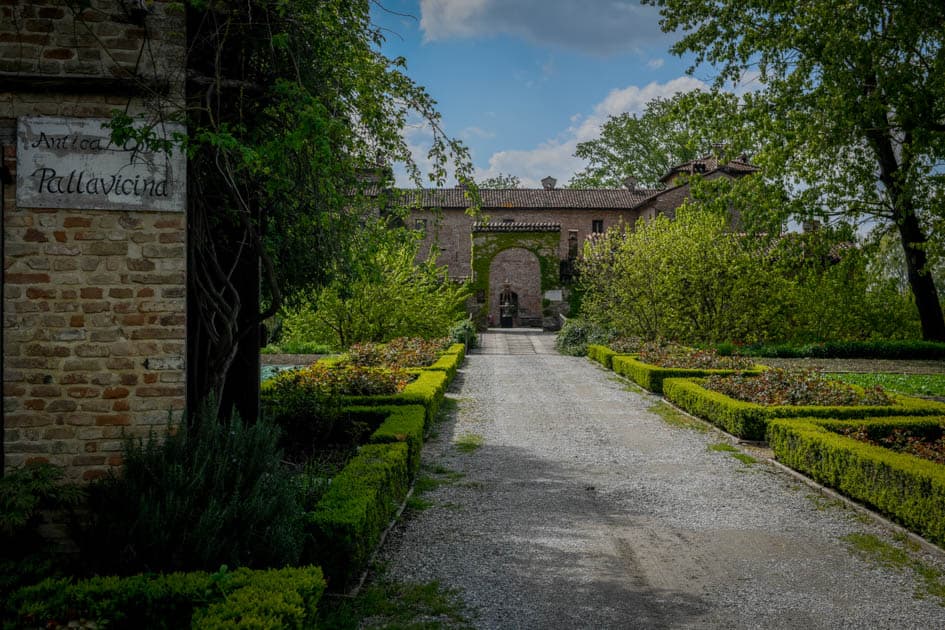
Villa Pallavicino is among the most prestigious in the Parma area and stands at the center of a square artificial island, outside the ancient walls of Busseto, near the convent of Santa Maria degli Angeli. The Renaissance style, with a five-module checkerboard layout—four at the sides and one at the center—lends great symmetry and harmony to the structure, which also recalls the Pallavicino coat of arms. The villa is surrounded by a square fishpond, preceded by a seventeenth-century entrance pavilion, the guardhouse arch, which is accessed after a long avenue of poplars.
Its construction began in the 1520s; around 1530, it was purchased by the Pallavicino family and initially intended as a summer residence. In 1533, Emperor Charles V of Habsburg was also hosted there, expressing his amazement and admiration for the building's beauty. Furthermore, in 1543, the building was the site of the meeting between Pope Paul III and Emperor Charles V, who It sanctioned the creation of the Duchy of Parma and Piacenza. The villa was subsequently expanded and modified by the Pallavicino family in the late 17th and 18th centuries, according to the taste of the time, until almost the 19th century, without however altering the original 16th-century layout. In 1959, the building was acquired by the Municipality of Busseto and became the home of the civic museum, with notable exhibits and relics of Verdi.
A 17th-century triumphal arch welcomes visitors at the entrance to the Villa, which is reached after a long and picturesque tree-lined avenue. Divided into three sections with Mannerist decorations, the arch features a drape at its center, imitating a theater curtain opened over a false balustrade. Stucco and terracotta are combined with other decorative elements such as niches with stone statues. The unique checkerboard structure, with its symmetrical and harmonious profiles, exposes the Villa to the winds, so much so that it is commonly called Boffalora ("where the wind blows"). Inside the palace are The seventeenth-century allegorical frescoes by Evangelista Draghi and the eighteenth-century frescoes by Ilario Spolverini and Pietro Rubini are preserved, as well as the stuccoes by Carlo Bossi (mid-18th century). A large garden surrounds the Villa, and to the south of the noble palace stands the Palazzo delle Scuderie, with a horseshoe plan and ends facing the Villa."
Matteo Ferrari
"Visited during the FAI days, the villa is very interesting from the outside, but the same cannot be said of the interior as it previously housed the Verdi museum, which is no longer active."
Giusy Meles
"The now-defunct museum dedicated to Giuseppe Verdi, the villa is being opened for the FAI Days. The visit is architecturally interesting, although the furnishings and tapestries are obviously not original."
Silvers Travels
What People Like
What People Dislike
Frequently Asked Questions
🚇 🗺️ Getting There
Villa Pallavicino is located in Busseto, in the province of Parma, Italy. The best way to reach it is by car, as public transport options might be limited. If driving, use GPS coordinates for Busseto. Parking is generally available near the villa, especially during event days.
Yes, the villa is a prominent landmark in Busseto, often mentioned in relation to the town's historical sites. It's situated outside the ancient walls, near the convent of Santa Maria degli Angeli, and is preceded by a long avenue of poplars.
🎫 🎫 Tickets & Entry
General admission details can vary. It's highly recommended to check for special events like FAI Autumn Days, which often require tickets or donations for entry and guided tours. For regular visits, confirm opening hours and ticket requirements with the local municipality or FAI.
Opening hours can be inconsistent outside of special events. It's best to check the official FAI website or local tourism information for Busseto, especially if you plan to visit during specific FAI events.
The villa is partially accessible to people with disabilities. While some areas might be challenging, efforts have been made to improve accessibility. It's advisable to contact the venue directly for specific details on accessible routes.
🎫 🏛️ Onsite Experience
Inside, you can see preserved 17th and 18th-century frescoes by artists like Evangelista Draghi and Ilario Spolverini, as well as stucco work. The interior may also feature remnants from the former Giuseppe Verdi museum.
Yes, a large garden surrounds the Villa. It's a pleasant area to explore and complements the architectural beauty of the main palace.
Historically, the villa hosted Emperor Charles V of Habsburg in 1533 and was the site of a meeting between Pope Paul III and Emperor Charles V in 1543, which sanctioned the creation of the Duchy of Parma and Piacenza.
The villa is a prime example of Renaissance architecture, characterized by its symmetrical, five-module checkerboard layout. It's also known for its unique structure that exposes it to the wind, earning it the nickname 'Boffalora'.
🍽️ 🍽️ Food & Dining
There are typically no dining facilities directly within Villa Pallavicino itself. However, Busseto offers several local trattorias and restaurants where you can enjoy regional Emilia-Romagna cuisine.
In the Busseto area, be sure to try local specialties like Parmigiano Reggiano cheese, Prosciutto di Parma, and fresh pasta dishes such as tortelli or anolini.
📸 📸 Photography
The exterior, especially the Renaissance facade and the entrance pavilion with its Mannerist decorations, offers excellent photographic opportunities. The surrounding garden and the reflection in the fishpond are also picturesque.
Photography rules inside historical buildings can vary. It's best to check for any signage or ask a guide. Generally, non-flash photography is often permitted for personal use, but professional shoots may require special permission.


Social
from TikTok, Instagram & Reddit