
Gartan Monastery St Colmcille's
Ancient monastic ruins and sacred pilgrimage site on the Slí Cholmcille, offering peace and historical sanctuary.
Highlights
Must-see attractions

Social
From TikTok & Reddit
Best Time
Pilgrimage season
Gartan Monastery St Colmcille's
Best Time
Pilgrimage season
Highlights
Must-see attractions
Ancient monastic ruins and sacred pilgrimage site on the Slí Cholmcille, offering peace and historical sanctuary.
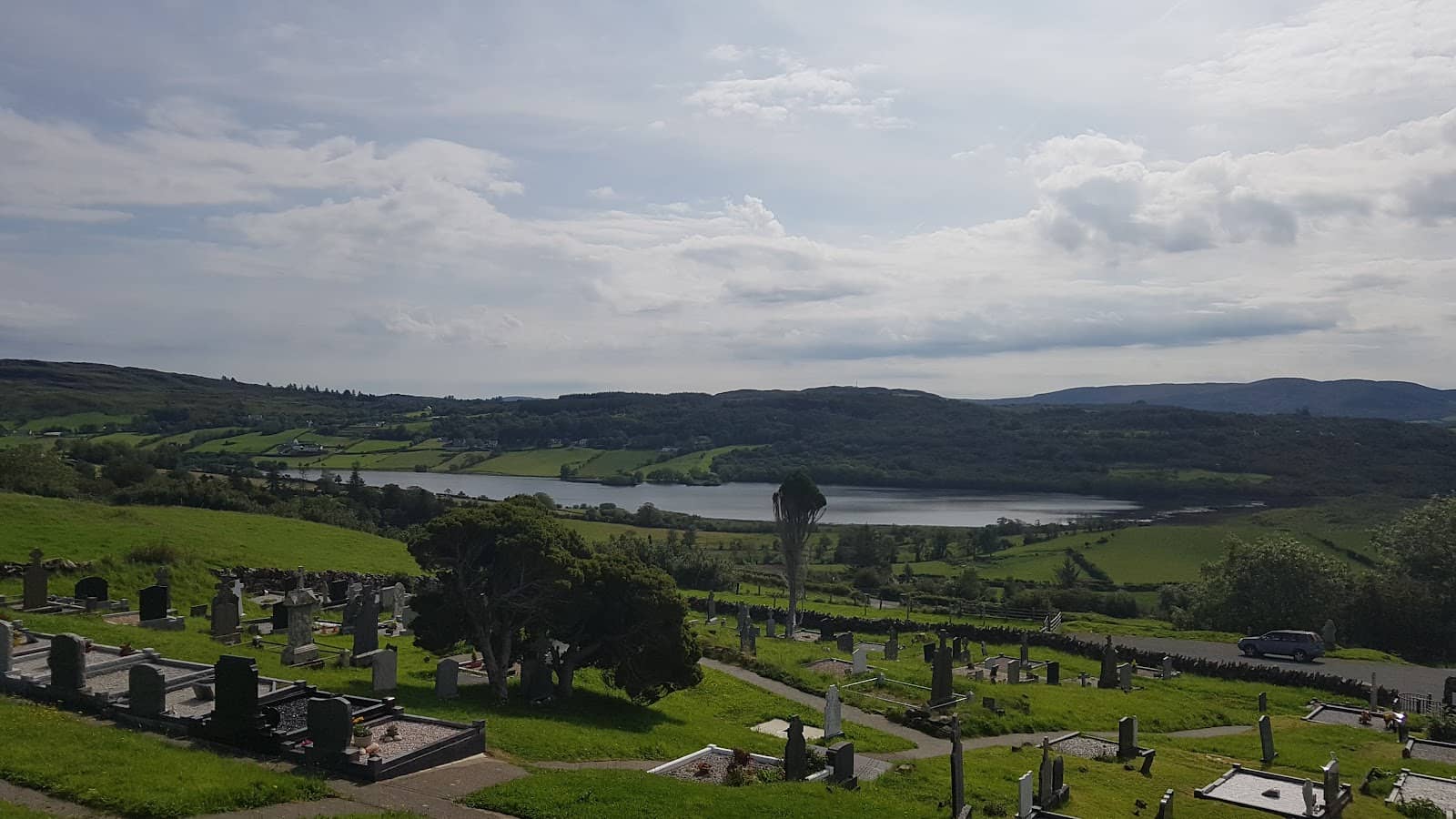
"Beautiful, quiet place with lovely views, worth visiting for its peace and history."
🚶♀️ Walk the Turas
Consider walking the pilgrimage stations barefoot for a traditional experience. :athletic_shoe:
🙏 Respect the Sacredness
This is an active pilgrimage site. Maintain a quiet and respectful demeanor. :pray:

Highlights
Discover the most iconic attractions and experiences
Monastic Ruins
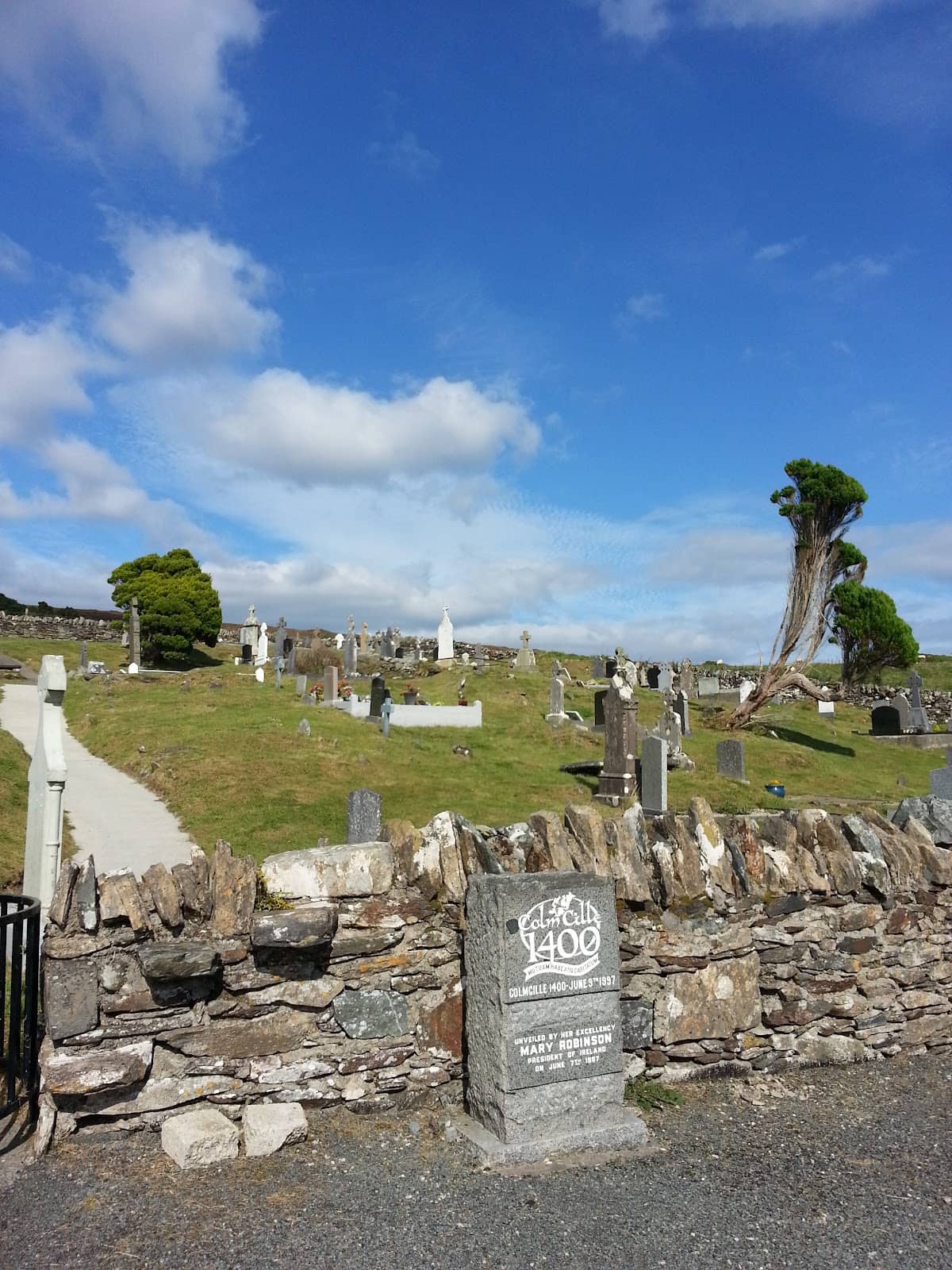
Center of the graveyard
Explore the 16th-century abbey foundations and four ancient boundary crosses.
St. Colmcille's Holy Well
Turas 7
Discover Tobar Beannaithe Cholmcille, a sacred well with clean, flowing water.
Pilgrimage Stations
Throughout the site
Follow the marked stations, part of the ancient Slí Cholmcille pilgrimage route.
Plans like a pro.
Thinks like you
Planning Your Visit
Embrace the Pilgrimage Spirit
Ancient Sanctuary and Scenery
Best Times
Insider Tips
from TikTok, Instagram & Reddit
🚶♀️ Walk the Turas
Consider walking the pilgrimage stations barefoot for a traditional experience. :athletic_shoe:
🙏 Respect the Sacredness
This is an active pilgrimage site. Maintain a quiet and respectful demeanor. :pray:
📸 Capture the Views
The surrounding scenery is beautiful; bring your camera for lovely shots. :camerawithflash:
🚗 Easy Access
The site is easy to get to and offers a peaceful escape from the coast. :car:
Tips
from all over the internet
🚶♀️ Walk the Turas
Consider walking the pilgrimage stations barefoot for a traditional experience. :athletic_shoe:
🙏 Respect the Sacredness
This is an active pilgrimage site. Maintain a quiet and respectful demeanor. :pray:
📸 Capture the Views
The surrounding scenery is beautiful; bring your camera for lovely shots. :camerawithflash:
🚗 Easy Access
The site is easy to get to and offers a peaceful escape from the coast. :car:
What Travellers Say
Reviews Summary
Visitors consistently praise Gartan Monastery for its beautiful, peaceful, and ancient atmosphere. Many appreciate its historical significance as a former sanctuary and its role on the Slí Cholmcille pilgrimage trail. The easy accessibility and lovely views add to its appeal, making it a worthwhile and serene destination.
"Beautiful special ancient place"
danwoodcock
"Churchtown, Gartán - Ráth Cnó, Donegal, Ireland is an awesome site. It is part of the Slí Cholmcille (St Colmcille Trail) and longer medieval pilgrimage trails that link sites associated with Colmcille. It is also part of the Slí an Atlantaigh Fhiáin (Wild Atlantic Way) (though interior from the coast).
Churchtown - Ráth Cnó - is said to be the place where Colmcille’s family lived. According to tradition they later gave over the land so that a monastic settlement could be created here.
The site is still used as a turas by pilgrims who walk barefoot between the five marked stations. Believers follow the turas between Colmcille’s feast day on 9th June and the end of the turas season on 15th August, performing a series of prayers and actions at each stop.
This abbey was built by Manus O’Donnell in the 16th century. The centre of the graveyard is said to incorporate the foundations of a monastery with four crosses that would have originally marked the boundaries of the monastic settlement here.
The area inside the boundaries of the monastery offered protection to people who had been accused of committing a crime - they could seek sanctuary and safety within the monastery's land until such time as a trial could take place. The monastery offered protection from vengeful or arbitrary punishment.
There is also Tobar Beannaithe Cholmcille (St Colmcille's Holy Well) on the site, which has clean water flowing out and is labeled as Turas 7."
Saoirse Ní Cheandaill
"Lovely view .! You have to visit this place , worth seeing🙏🙂"
Zibi Skoc
What People Like
What People Dislike
Frequently Asked Questions
🚇 🗺️ Getting There
Gartan Monastery is located in Churchtown, Ráth Cnó, Donegal, Ireland. It's accessible by car and is part of the Slí an Atlantaigh Fhiáinn (Wild Atlantic Way) route, though it's situated inland from the immediate coast. Parking is available nearby.
Yes, Gartan Monastery is part of the broader Slí an Atlantaigh Fhiáinn (Wild Atlantic Way) network, offering a peaceful inland detour from the coastal drive.
🎫 🎫 Tickets & Entry
No, Gartan Monastery is a historical and spiritual site, and there are no admission fees. Entry is free for all visitors.
As an outdoor historical site, Gartan Monastery does not have set opening hours. It is generally accessible during daylight hours. :clock1:
🎫 🧭 Onsite Experience
The Slí Cholmcille is a medieval pilgrimage trail linking sites associated with St. Colmcille. Gartan Monastery is a key part of this ancient route, with pilgrims often walking barefoot between its five marked stations.
Yes, many pilgrims choose to walk the 'turas' (pilgrimage) barefoot between the stations, especially during the season from June 9th to August 15th. It's a traditional practice to connect with the spiritual significance of the site. :athletic_shoe:
Tobar Beannaithe Cholmcille (St. Colmcille's Holy Well) is a sacred site on the monastery grounds, believed to have healing properties and is part of the pilgrimage route (Turas 7).
Absolutely. Visitors describe it as a 'very peaceful and easy to get here' and a 'beautiful, quiet place,' making it ideal for reflection and enjoying the serene atmosphere.
📸 📸 Photography
The ancient monastic ruins, the four boundary crosses, the holy well, and the surrounding scenic landscape offer excellent photographic opportunities. Capture the serene atmosphere and historical elements. :camerawithflash:
For Different Travelers
Tailored advice for your travel style
👨👩👧 Families with Kids
🚶♀️ Solo Travelers & Spiritual Seekers
Deep Dives
In-depth insights and expert knowledge
The History and Significance of Gartan Monastery
The site is intrinsically linked to the Slí Cholmcille (St. Colmcille Trail), a network of pilgrimage routes connecting sites associated with the revered Irish saint. Visitors can still participate in the ancient 'turas' (pilgrimage) by walking barefoot between the five marked stations, a practice observed by believers from St. Colmcille's feast day on June 9th to the end of the season on August 15th. This living tradition connects modern visitors to centuries of devotion and spiritual practice.
Beyond its monastic and pilgrimage heritage, Gartan Monastery is also part of the scenic Slí an Atlantaigh Fhiáinn (Wild Atlantic Way), offering beautiful views despite being slightly inland. The presence of Tobar Beannaithe Cholmcille (St. Colmcille's Holy Well), marked as Turas 7, adds another layer to the site's sacredness, with its clean, flowing water being a focal point for pilgrims and visitors alike.
Experiencing the Pilgrimage (Turas)
As you move between stations, you'll perform a series of prayers and actions, engaging in a contemplative journey. The act of walking barefoot is symbolic, representing humility and a direct connection to the earth and the sacred ground. It's a powerful way to immerse yourself in the historical and spiritual atmosphere of the monastery, following in the footsteps of countless pilgrims before you.
Even if you don't undertake the full barefoot pilgrimage, simply visiting the stations and reflecting on their significance can be a moving experience. The peaceful setting of Gartan Monastery enhances this contemplative journey, offering a tranquil environment for personal reflection and spiritual connection. Remember to approach this experience with reverence and respect for its sacred nature.



Social
from TikTok, Instagram & Reddit