
Römerthermen Zülpich
Explore ancient Roman baths and the evolution of bathing culture at this unique museum built around preserved thermae.
Highlights
Must-see attractions

Social
From TikTok & Reddit
Best Time
Fewer crowds, more immersive
Römerthermen Zülpich
Best Time
Fewer crowds, more immersive
Highlights
Must-see attractions
Explore ancient Roman baths and the evolution of bathing culture at this unique museum built around preserved thermae.
"Amazing and interesting museum in situ Roman Baths. The history of bathing is presented in an amusing way."
🎧 Grab an Audio Guide
English audio guides are available and highly recommended if German isn't your first language. :headphones:
🚶♀️ Explore 'In Situ'
The museum's strength is its 'in situ' display of Roman baths. Take your time to appreciate the preserved structures. :walking:

Highlights
Discover the most iconic attractions and experiences
Roman Thermae Ruins
Central exhibition space
Step back in time to witness the best-preserved Roman public baths north of the Alps.
History of Bathing Culture
Various exhibition rooms
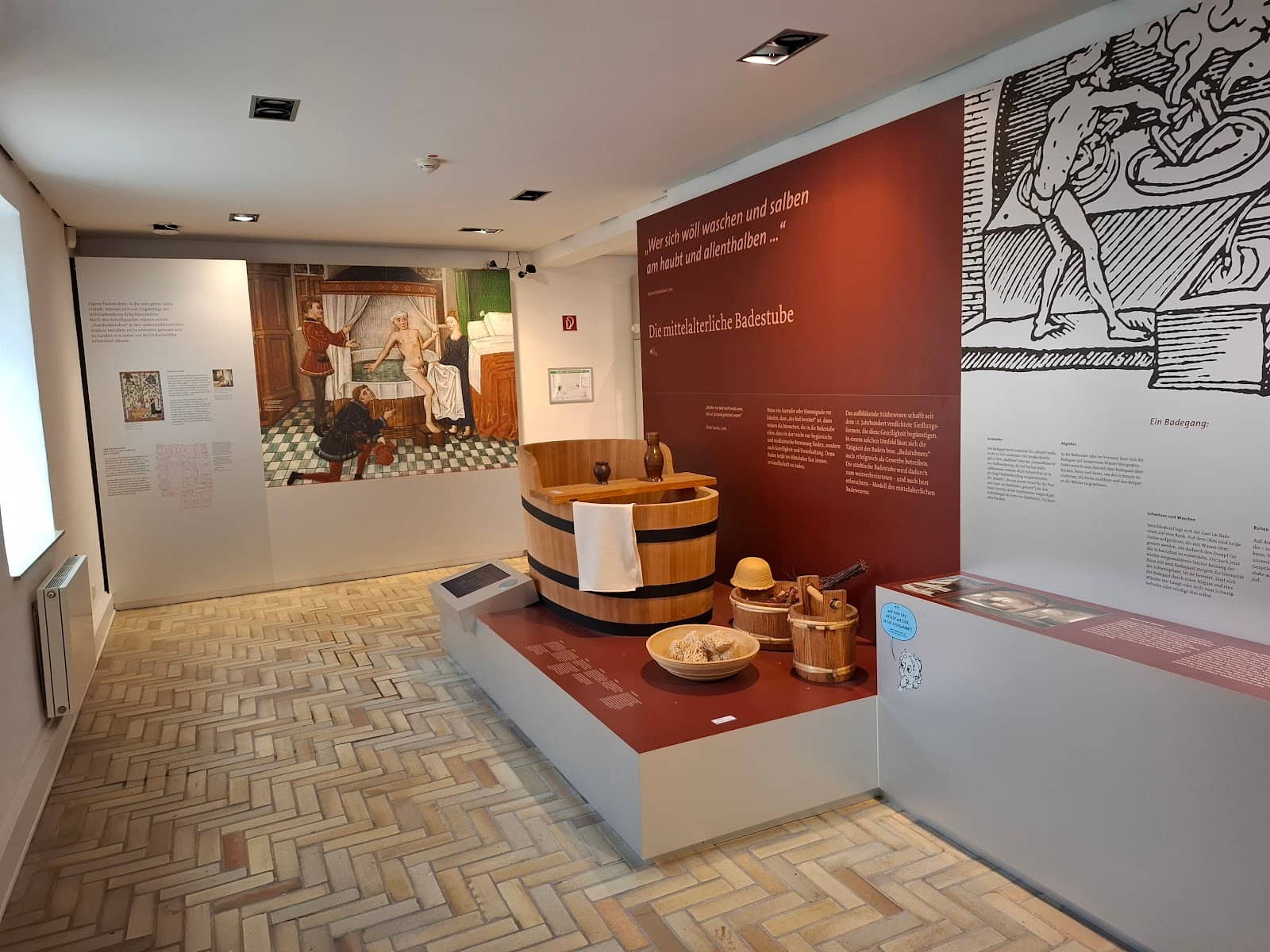
Trace the fascinating evolution of hygiene and bathing from Roman times through medieval to modern eras.

Sensory Experiences
Specific exhibit areas
Engage your senses with recreated historical fragrances and interactive displays on personal hygiene.
Plans like a pro.
Thinks like you
Planning Your Visit
Understand the Bathing Journey
Preserving Roman History
Best Times
Insider Tips
from TikTok, Instagram & Reddit
🎧 Grab an Audio Guide
English audio guides are available and highly recommended if German isn't your first language. :headphones:
🚶♀️ Explore 'In Situ'
The museum's strength is its 'in situ' display of Roman baths. Take your time to appreciate the preserved structures. :walking:
👃 Experience the Scents
Don't miss the unique areas where you can smell historical fragrances used in bathing. :perfume:
Tips
from all over the internet
🎧 Grab an Audio Guide
English audio guides are available and highly recommended if German isn't your first language. :headphones:
🚶♀️ Explore 'In Situ'
The museum's strength is its 'in situ' display of Roman baths. Take your time to appreciate the preserved structures. :walking:
👃 Experience the Scents
Don't miss the unique areas where you can smell historical fragrances used in bathing. :perfume:
What Travellers Say
Reviews Summary
Visitors praise the Römerthermen Zülpich for its remarkably preserved Roman baths, offering a unique 'in situ' experience. The museum's comprehensive journey through bathing culture, from ancient times to the present, is highlighted as both interesting and amusing. While the exhibits are well-presented, some visitors note the importance of English audio guides for non-German speakers.
"Very interesting museum built to showcase Roman baths that were discovered on the site. It also addresses the history of bathing from Roman times to the present.
As only one of us spoke German, we picked up English audio guides, which covers most of what we saw available in German.
I quite liked the few areas you got to smell certain fragrances they used in history, and the more modern bathing history section."
Corey DeGuelle
"There is a small museum of Roman artifacts built on a Roman thermal bath that you can visit."
FARNAZ MOHAMADI
"A complete tour of this museum provides you with an overview of the history of bathing culture. You begin with the best preserved public Roman thermae north of the Alps. Then the tour continues to the public bathhouses where you can learn about personal hygiene in medieval times. From there you go on to the first toilets and washbasins where you also become acquainted with some eccentric innovations such as bathing boats or the "rocking bathtub". Finally, you will find out about present forms of bathing and explore questions of modern water consumption.
THE BUILDING
The remains of these Roman baths were excavated during the 1930s. After their unearthing they became part of a small museum of local history (‘Propsteimuseum’) and could be visited by small groups. They were not very well known until 1997, when the local historical society decided to rethink the overall concept and settled on building a new museum. The museum opened in 2008. The new building was designed by Markus Ernst from Zülpich. Its concept caters to all the modern functional demands of a cutting edge public exhibition space while preserving and clearly displaying the historical substance.

THE THERMAE IN ZÜLPICH
As the name "Römerthermen Zülpich – Museum of Bathing Culture" suggests, the well-preserved ruins of the Roman baths form the centrepiece of the present museum.
Built first in the 2nd century AD, the core structures of the thermae experienced a long history of modification and expansion until they went out of use and were changed into living quarters during the second half of the 4th century AD. Tolbiacum, as Zülpich was called in Roman times, was a small town (vicus) belonging to the area of Cologne but was situated at the crossings of various major roads which connected Cologne, Bonn and Treves.
ARCHITECTURAL REMAINS
The architectural remains which are still visible today show all important features characteristic for Roman baths. The rooms included a cold room (frigidarium), one or more room(s) of moderate temperature (tepidarium), a hot room (caldarium) and, in one phase, a sweat room (sudatorium). Most of the rooms were supplied with one or more bathing tubs containing water of a temperature corresponding to the surrounding room temperature.
You may examine in detail the typical floor heating system (hypocaustum), the different types of rooms needed for typical Roman thermae and the complexity of their water system. The display cases contain many objects, including cosmetics and medical instruments which demonstrate the variety of activities carried out in the baths."
Kuriakos Koukakis
What People Like
What People Dislike
Frequently Asked Questions
🚇 🗺️ Getting There
Römerthermen Zülpich is accessible by car, with parking available nearby. Public transport options include regional trains to Zülpich station, followed by a short bus ride or walk to the museum.
Yes, there are parking facilities available close to the Römerthermen Zülpich, making it convenient for visitors arriving by car.
You can reach Zülpich by train and then take a local bus or enjoy a walk to the museum. Check local transport schedules for the most up-to-date information.
🎫 🎫 Tickets & Entry
Opening hours can vary seasonally. It's best to check the official Römerthermen Zülpich website for the most current information on opening times and any special closures.
Admission fees apply for entry to the museum. Prices may vary for adults, children, and concessions. Check the official website for current ticket prices.
While not always mandatory, booking tickets in advance for Römerthermen Zülpich can save time, especially during peak seasons or for special events.
Discounts may be available for students, seniors, or groups. Inquire directly with the museum or check their website for details on concessionary rates.
🎫 🧭 Onsite Experience
The main attraction is the remarkably preserved Roman baths (thermae) displayed 'in situ', offering a unique glimpse into ancient Roman life and bathing culture.
Yes, the museum offers an engaging look at history and hygiene that can be interesting for children, especially with the sensory exhibits.
A typical visit to Römerthermen Zülpich can last between 1.5 to 2.5 hours, allowing ample time to explore the Roman baths and the bathing culture exhibits.
While audio guides are available, inquire directly with the museum about the possibility of guided tours, which can offer deeper insights into the history and exhibits.
Photography policies can vary. It's advisable to check the museum's guidelines upon arrival or on their website regarding whether photography is permitted.
🍽️ 🍽️ Food & Dining
The museum may have a small café or vending machines for refreshments. For a wider selection of dining, explore the town of Zülpich.
Generally, outside food and drinks are not permitted inside the exhibition areas. Check the museum's specific policies for details.
📸 📸 Photography
The well-preserved Roman bath structures themselves offer excellent photographic opportunities, capturing the scale and detail of ancient architecture.
Flash photography is often restricted in museums to protect artifacts. Always adhere to the posted signage or ask staff for clarification.
For Different Travelers
Tailored advice for your travel style
👨👩👧 Families with Kids
Consider utilizing the audio guides, which are available in English, to help younger visitors understand the exhibits. The sensory elements, such as historical fragrances, can also add an interactive and memorable aspect to the visit. It's a great opportunity to spark curiosity about history and how people lived in the past.
🤓 History Enthusiasts
The museum's broader scope on bathing culture, from antiquity to modern times, provides a rich context for understanding societal development. The collection of Roman artifacts, including cosmetics and medical instruments, further enhances the historical immersion. This is an ideal destination for in-depth exploration and learning.
Deep Dives
In-depth insights and expert knowledge
The Roman Baths: An Architectural Marvel
These thermae, initially built in the 2nd century AD, underwent significant modifications and expansions until the late 4th century AD. The visible architectural remains provide a tangible connection to the past, allowing visitors to visualize the daily routines and social interactions that took place within these grand bathing complexes. The display cases further enrich the experience with artifacts such as cosmetics and medical instruments, offering insights into the diverse activities associated with Roman baths.
A Journey Through Bathing Culture
The museum thoughtfully extends its narrative to contemporary bathing habits, prompting reflection on modern water consumption and practices. This chronological journey provides a unique perspective on how human attitudes towards cleanliness, health, and leisure have evolved. The inclusion of sensory elements, like the recreation of historical fragrances, adds an immersive dimension to understanding these historical shifts.



Social
from TikTok, Instagram & Reddit