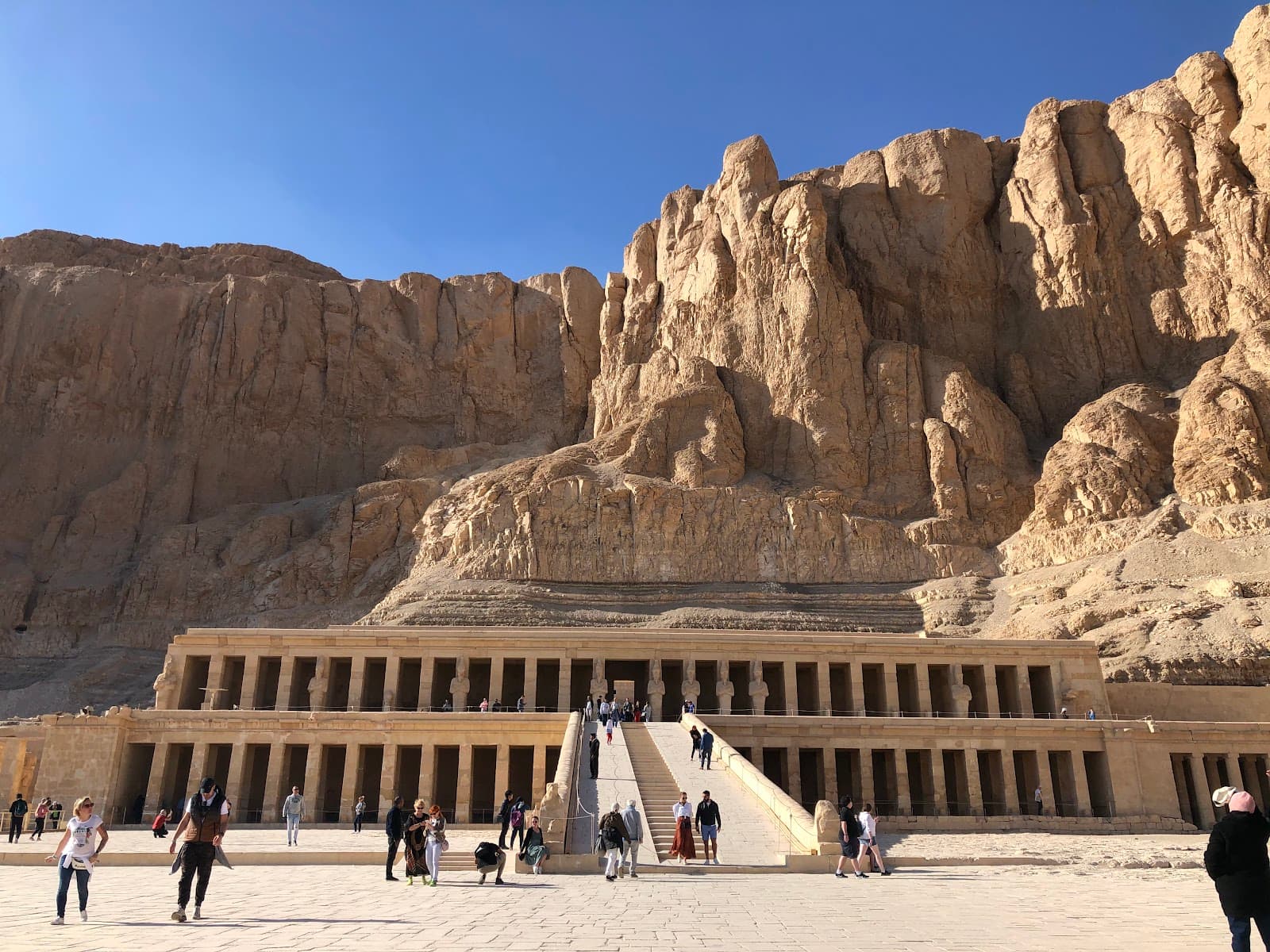
Temple of Mentuhotep II
The ancient mortuary temple of Mentuhotep II, a revolutionary architectural model for later Egyptian temples, offering a glimpse into the Middle Kingd...

Highlights
Must-see attractions
Social
From TikTok & Reddit
Best Time
Beat the heat and crowds
Temple of Mentuhotep II
Best Time
Beat the heat and crowds
Highlights
Must-see attractions
The ancient mortuary temple of Mentuhotep II, a revolutionary architectural model for later Egyptian temples, offering a glimpse into the Middle Kingdom.
"It's older than Hatshepsut's temple, but with a similar design. It is thought to be the model/inspiration for hers. "
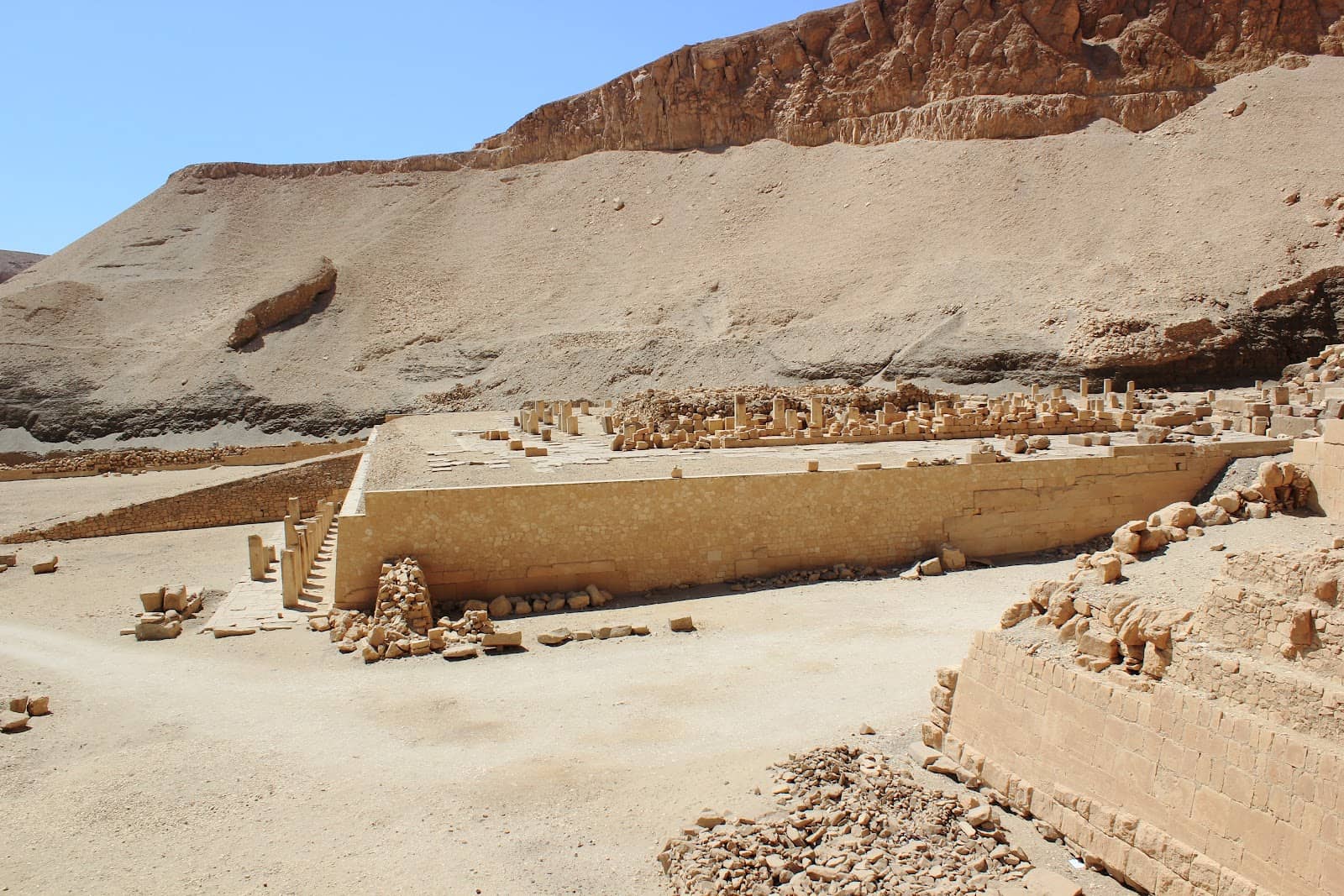
Bring Your Imagination
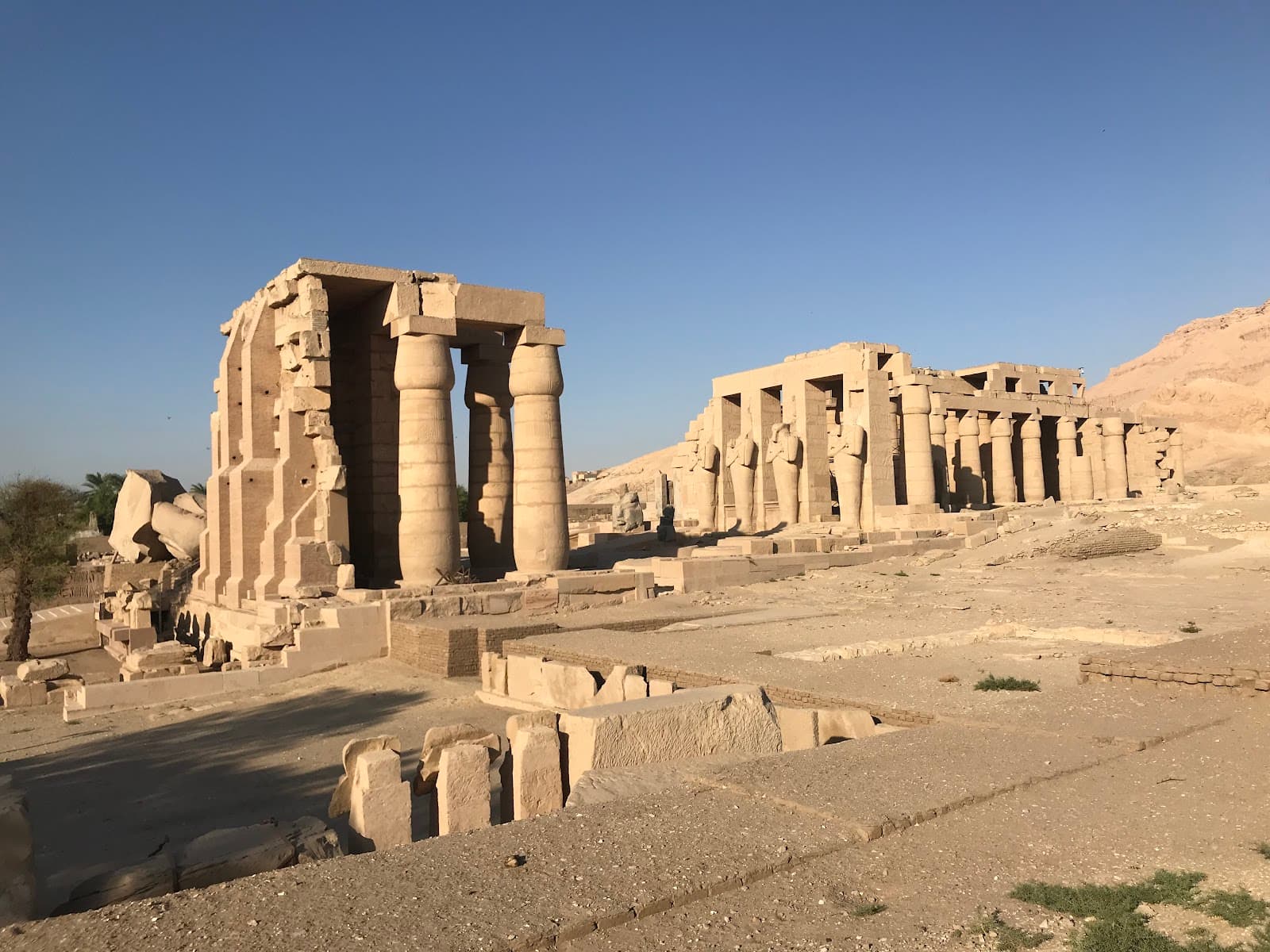
Much of the temple is unrestored, so visualize its past grandeur. :thought_balloon:
Hydrate and Protect
The sun is intense; carry water and wear sun protection. :droplet: :sunwithface:
Highlights
Discover the most iconic attractions and experiences
The Original Model
Deir el-Bahari complex
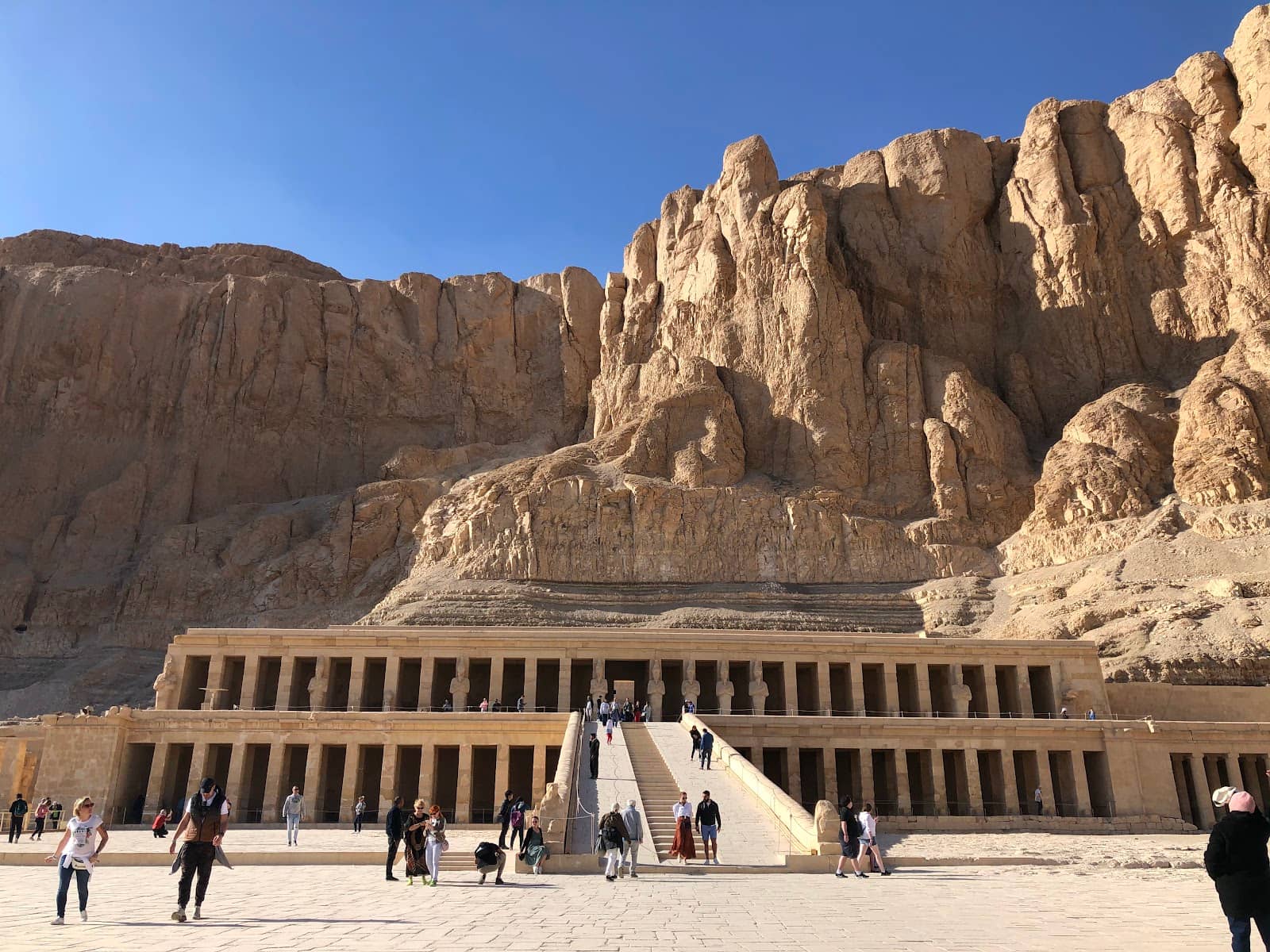
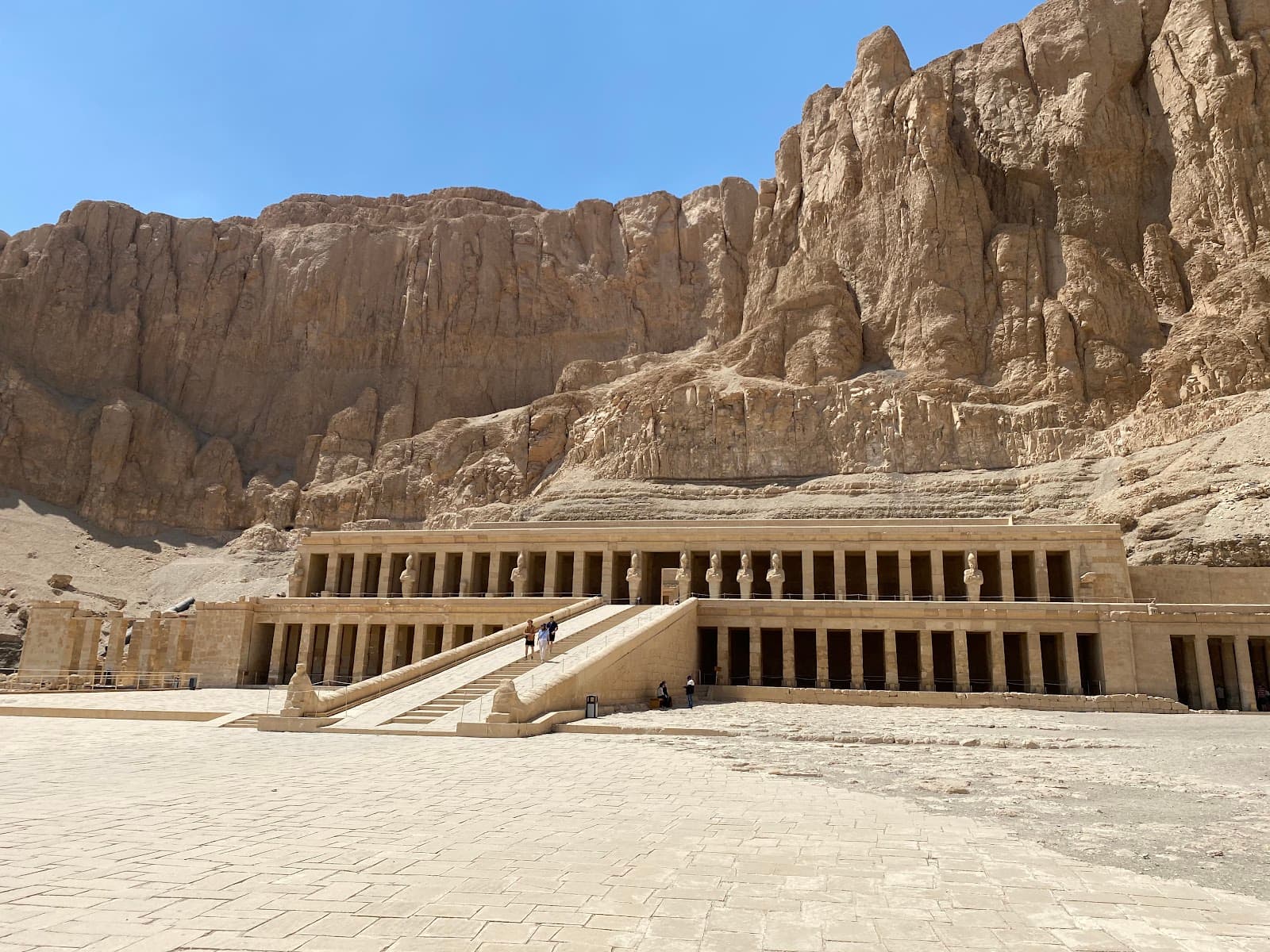
The architectural inspiration for Hatshepsut's grander temple, showcasing early Middle Kingdom design.

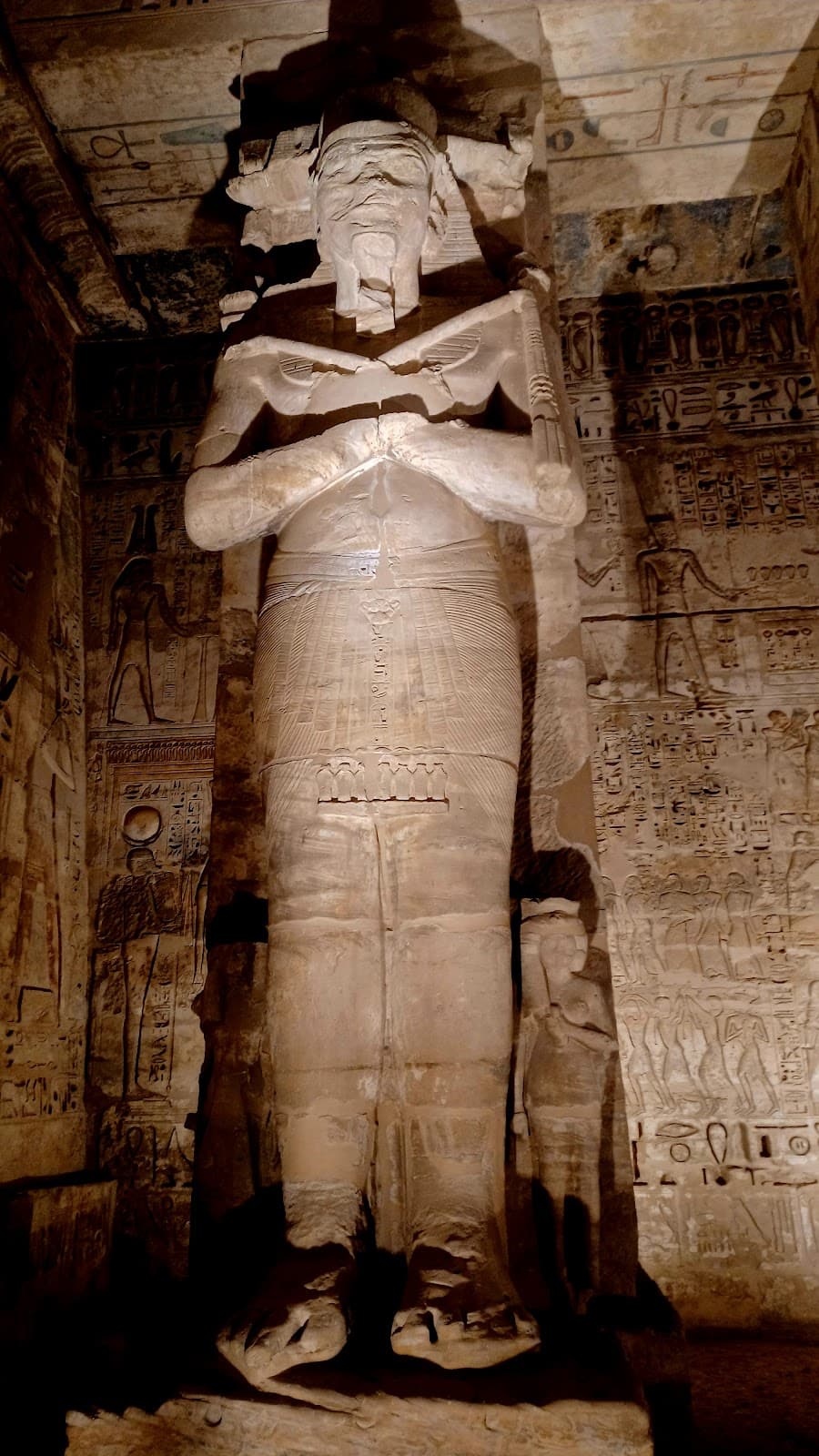
Statue of Mentuhotep II
Courtyard
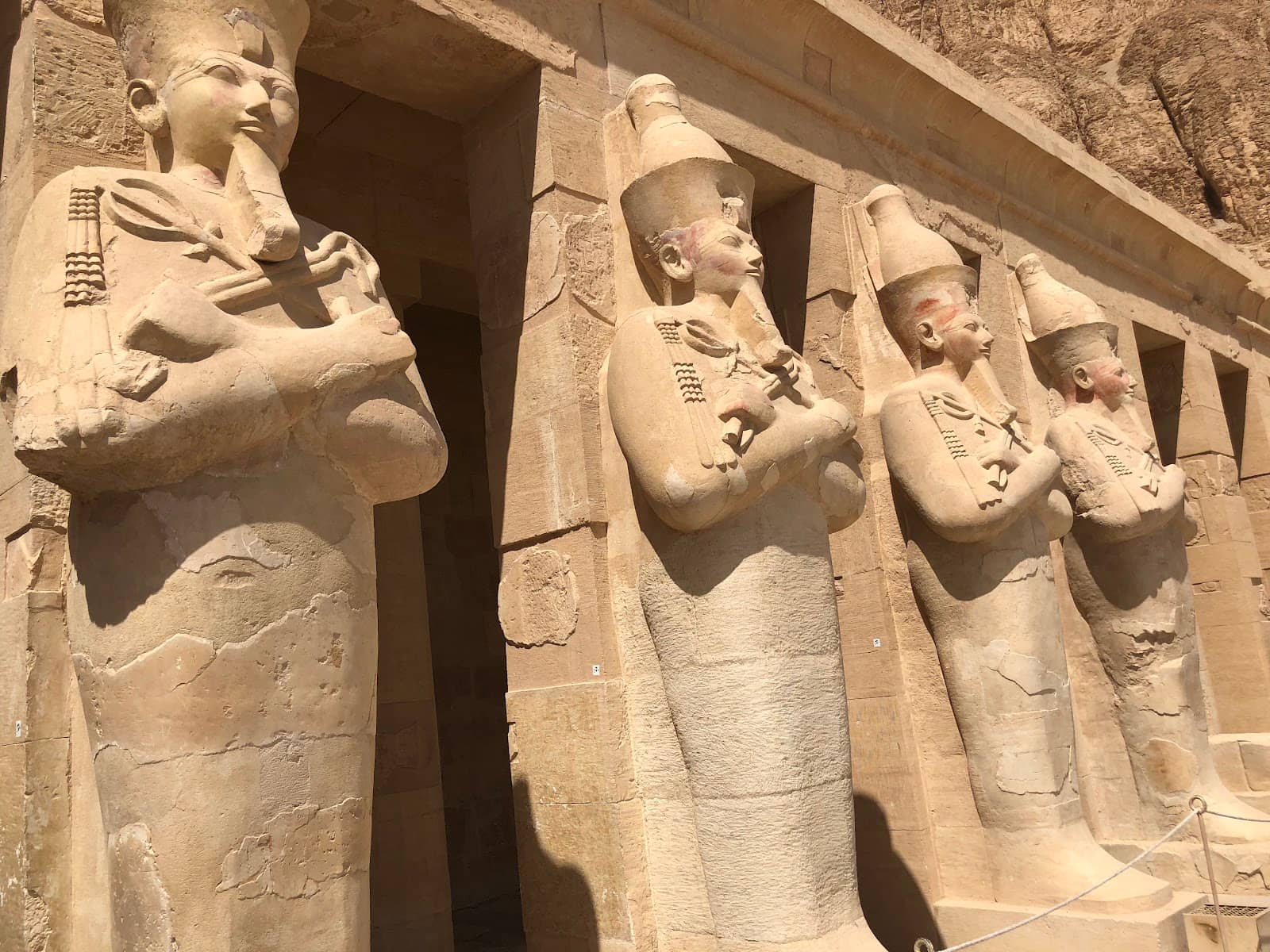
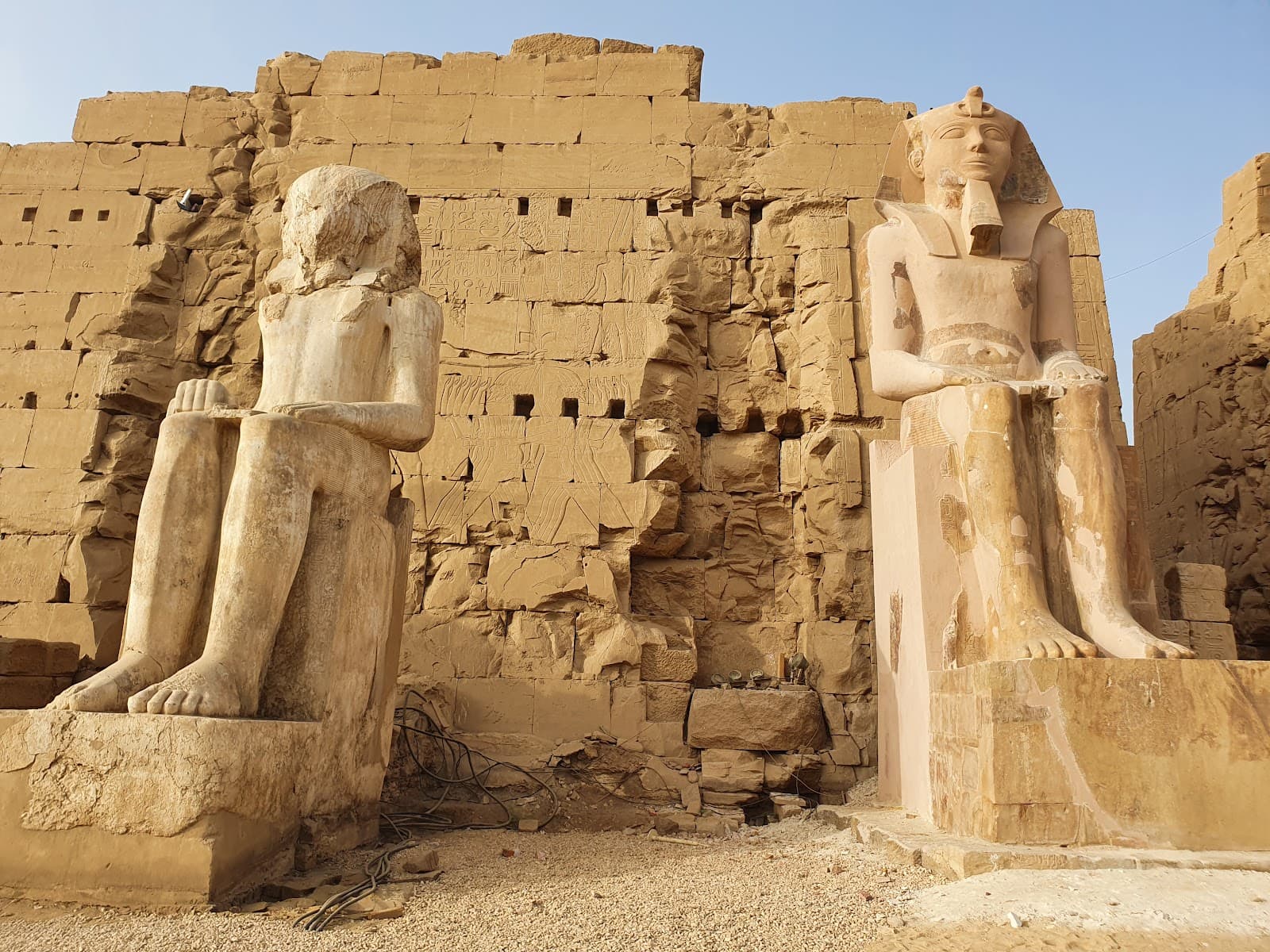
A rare, life-size sandstone statue of the pharaoh, discovered by chance.
Panoramic Views
Northern peaks (Thoth Hill)
Historically used as a lookout, offering miles of river views.
Plans like a pro.
Thinks like you
Planning Your Visit
Embrace the Imagination
Beat the Heat and Crowds
Best Times
Insider Tips
from TikTok, Instagram & Reddit
Bring Your Imagination
Much of the temple is unrestored, so visualize its past grandeur. :thought_balloon:
Hydrate and Protect
The sun is intense; carry water and wear sun protection. :droplet: :sunwithface:
Utilize the Shuttle
A free shuttle bus helps navigate the site, especially in the heat. :bus:
Look for Traces of Paint
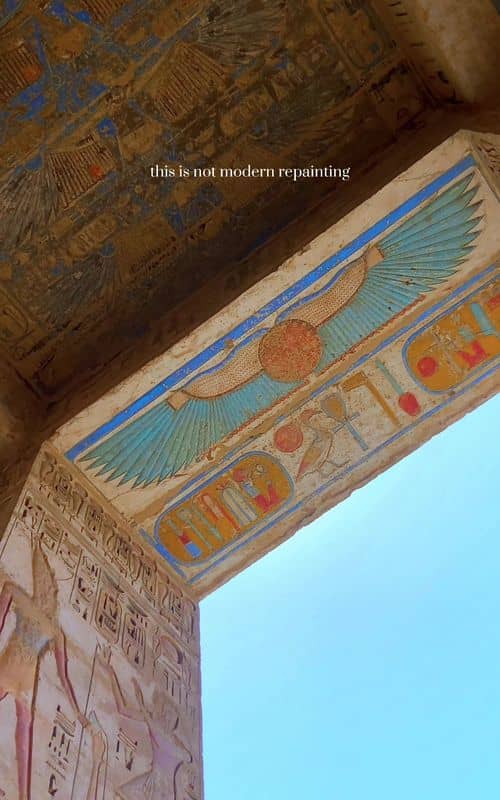
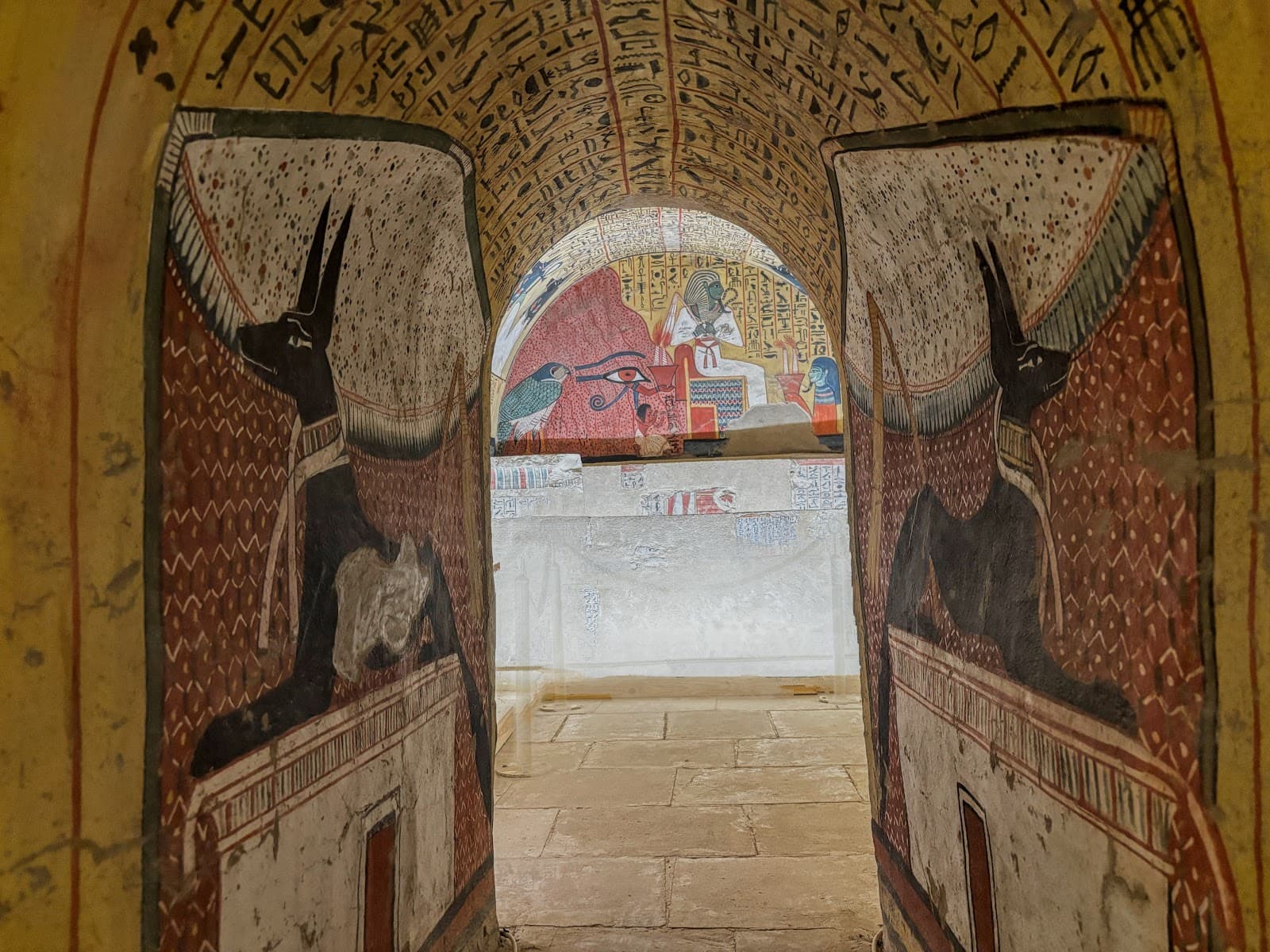
Rarely, you can still spot original colors on reliefs. +1
Tips
from all over the internet
Bring Your Imagination
Much of the temple is unrestored, so visualize its past grandeur. :thought_balloon:
Hydrate and Protect
The sun is intense; carry water and wear sun protection. :droplet: :sunwithface:
Utilize the Shuttle
A free shuttle bus helps navigate the site, especially in the heat. :bus:
Look for Traces of Paint
Rarely, you can still spot original colors on reliefs. +1
What Travellers Say
Reviews Summary
While often overlooked for its more famous neighbor, the Temple of Mentuhotep II offers a unique glimpse into early Middle Kingdom architecture and the origins of terraced temple design. Visitors appreciate its historical significance and the imaginative effort required to envision its past glory, though its unrestored state means it appeals more to those with a keen interest in history.
"Polish-Egyptian archeological teams are working on bringing some glory to this temple, and as it is a big one it would require time and effort, but it could be well worth the wait."
Goran A.
"This temple is sometimes overlooked by visitors to Hatshepsut's temple. It is smaller than Hatshepsut's and not restored. But, it's worth a look. It just takes a lot more imagination to picture what it may have looked like when it was built.
It is older than Hatshepsut's temple, but with a similar design. It is thought to be the model/inspiration for hers.
Both temples are in the Deir el-Bahari complex."
good juju
"Mentuhotep II is considered to be the first ruler of the Middle Kingdom of Egypt. The Turin Canon credits him with a reign of 51 years.[17] Many Egyptologists have long considered two rock reliefs, showing Mentuhotep II towering over smaller figures labeled king "Intef", to be conclusive evidence that his predecessor Intef III was his own father; this is, however, not entirely certain, as these reliefs may have had other propagandistic purposes, and there are other difficulties surrounding Mentuhotep's true origin, his three name-changes, and his frequent attempts to claim descent from various gods"
Marwan AbdElRahman
What People Like
What People Dislike
Frequently Asked Questions
🚇 🗺️ Getting There
The Temple of Mentuhotep II is located in the Deir el-Bahari complex on the West Bank of Luxor, near the Valley of the Kings. You can reach it by taxi or hire a private car. Many visitors combine it with a visit to the nearby Temple of Hatshepsut.
Yes, there is parking available at the Deir el-Bahari complex. From the parking area, a free 12-seater shuttle bus operates to take visitors to the various sites, including the Temple of Mentuhotep II.
While it's a long walk, especially in the heat, the shuttle bus is recommended. The shuttle makes the journey much more comfortable and efficient.
Many visitors opt for a guided tour to fully understand the history and significance of the sites within the Deir el-Bahari complex, including the Temple of Mentuhotep II and the Temple of Hatshepsut.
The site has uneven terrain and many steps, which can be challenging for those with mobility issues. It's advisable to check with your tour operator or site management for specific accessibility information.
🎫 🎫 Tickets & Entry
The Deir el-Bahari complex, including the Temple of Mentuhotep II, typically opens around 6 AM and closes around 5 PM. It's always a good idea to verify current hours before your visit.
The Temple of Mentuhotep II is usually included in a general ticket for the Deir el-Bahari complex. Ticket prices can vary, so it's best to check the official Egyptian Ministry of Tourism and Antiquities website or purchase tickets at the site.
Generally, your entry ticket to the Deir el-Bahari complex covers access to both the Temple of Hatshepsut and the Temple of Mentuhotep II.
Discounts may be available for students and seniors with valid identification. Inquire at the ticket counter or check the official tourism website for details.
Purchasing tickets online in advance is often recommended, especially during peak season, to save time and potentially secure your entry.
🎫 🧭 Onsite Experience
You can explore the temple's terraces, courtyards, and the remains of its hypostyle hall. Look for the life-size statue of Mentuhotep II and imagine its original grandeur.
It can get quite crowded, especially during peak hours and seasons like January. Arriving early can help you avoid the largest crowds.
Given its unrestored state, a visit might be shorter than for more preserved sites. Allow 1-2 hours to explore and appreciate its historical context.
Mentuhotep II's temple is older and served as the architectural model for Hatshepsut's much larger and more elaborate mortuary temple. +1
Official guides can be hired at the entrance to the Deir el-Bahari complex. They can provide valuable insights into the history and architecture of the temple.
📸 📸 Photography
The terraces offer great vantage points for wide shots, and the courtyard is ideal for capturing the remaining architectural details and the statue of Mentuhotep II.
Photography is generally allowed in most outdoor areas. However, check for any specific restrictions on flash photography or within certain enclosed structures.
Early morning or late afternoon light provides softer shadows and a more atmospheric glow, ideal for capturing the ancient stone.
Drone usage is typically restricted at archaeological sites in Egypt. It's essential to check the latest regulations before flying a drone.
Look for the subtle traces of original paint on reliefs, which are rare and offer a unique glimpse into the temple's past vibrancy. +1
For Different Travelers
Tailored advice for your travel style
👨👩👧 Families with Kids
To make the visit more enjoyable, focus on the shuttle bus ride as a fun element and highlight any remaining statues or interesting rock formations. The panoramic views from the higher points can also be engaging. Consider bringing snacks and plenty of water, as facilities might be limited, and the heat can be a factor.
🏛️ History Buffs & Egyptology Enthusiasts
Pay close attention to the architectural innovations, such as the terraced layout and the development of the mortuary cult. Seek out any remaining reliefs or statues that offer clues to the art and religious practices of the Middle Kingdom. Engaging a knowledgeable guide can greatly enhance the understanding and appreciation of this foundational site.
🚶♀️ Solo Travelers
Embrace the opportunity to explore at your own pace and use your imagination to reconstruct the temple's former glory. The panoramic views from the upper levels offer a serene backdrop for reflection. Be prepared for the heat and carry sufficient water, and consider hiring a guide for deeper historical context if desired.
Deep Dives
In-depth insights and expert knowledge
Architectural Significance
+1The temple's layout, with its three vast terraces connected by a central ramp, was revolutionary. This design allowed for a grand processional path and distinct functional areas. The upper terrace, in particular, was a significant innovation, featuring a colonnaded court and a sanctuary. While much of the temple is now in ruins, its foundational elements and the ambition of its design are still evident, offering a fascinating glimpse into the evolution of Egyptian monumental architecture.
Archaeological work, including efforts by Polish-Egyptian teams, continues to uncover more about this significant site. Despite its unrestored state, the Temple of Mentuhotep II remains a crucial site for understanding the transition from the First Intermediate Period to the Middle Kingdom and the development of royal funerary architecture.
The Reign of Mentuhotep II
The temple's construction reflects Mentuhotep II's ambition to solidify his legacy and divine kingship. The reliefs and statues found within, such as the famous seated statue of the pharaoh, provide invaluable insights into the art, religious beliefs, and royal iconography of the era.
+1 The temple complex itself was designed to facilitate his mortuary cult and ensure his eternal well-being in the afterlife, a central tenet of ancient Egyptian religion.While the exact origins and early reign of Mentuhotep II are subject to some scholarly debate, his role in reunifying Egypt and establishing the Middle Kingdom is undeniable. His mortuary temple stands as a testament to this crucial period in Egyptian history and the enduring power of pharaonic rule.
Comparing Mentuhotep II and Hatshepsut's Temples
+1Hatshepsut's architects, particularly Senenmut, took the terraced design of Mentuhotep II's temple and amplified it. They created a larger, longer, and more ornate complex with grander colonnades, intricate reliefs depicting her divine birth and trade expeditions, and a more imposing presence. While Mentuhotep II's temple showcases the foundational innovations of the Middle Kingdom, Hatshepsut's temple exemplifies the peak of New Kingdom architectural achievement and royal propaganda.
Visiting both temples offers a unique opportunity to trace the development of Egyptian mortuary architecture and understand how later rulers built upon the achievements of their predecessors. Mentuhotep II's temple requires more imagination due to its state of preservation, but its historical importance as the innovator is undeniable.

Social
from TikTok, Instagram & Reddit