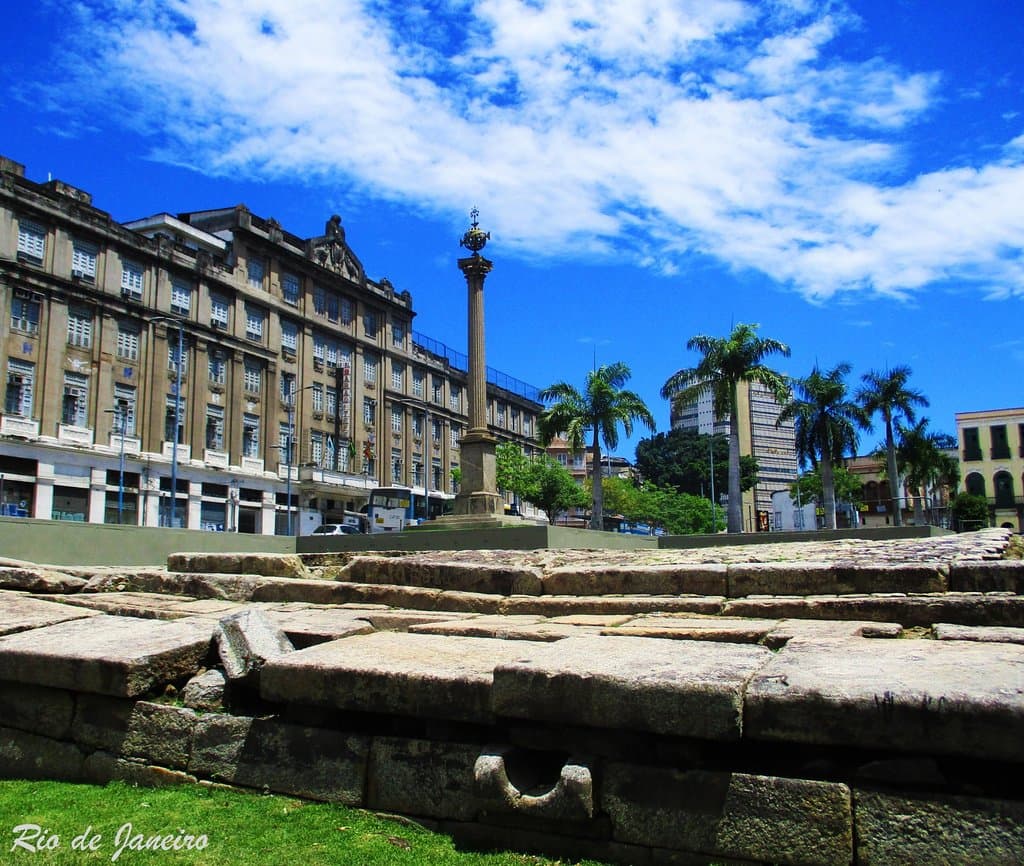
Valongo Wharf Rio de Janeiro
Valongo Wharf: UNESCO site, where over a million enslaved Africans first arrived in Brazil & the Americas. A place of profound history.
Highlights
Must-see attractions

Social
From TikTok & Reddit
Best Time
Fewer crowds, more reflective
Valongo Wharf Rio de Janeiro
Best Time
Fewer crowds, more reflective
Highlights
Must-see attractions
Valongo Wharf: UNESCO site, where over a million enslaved Africans first arrived in Brazil & the Americas. A place of profound history.
"A must-see for anyone big on history, surreal to see in person."
Research Before You Go
Understand its history to fully appreciate the site's profound significance. 📚
Combine with Olympic Boulevard
It's conveniently located near the vibrant Olympic Boulevard. :cityscape:

Quick Facts
Hours
Rating
4.6 · 1,667 reviews
Type
Historical Landmark
Highlights
Discover the most iconic attractions and experiences
The Cobblestone Steps
The original wharf structure
Walk where over a million enslaved Africans first set foot in the Americas. A deeply moving historical experience.
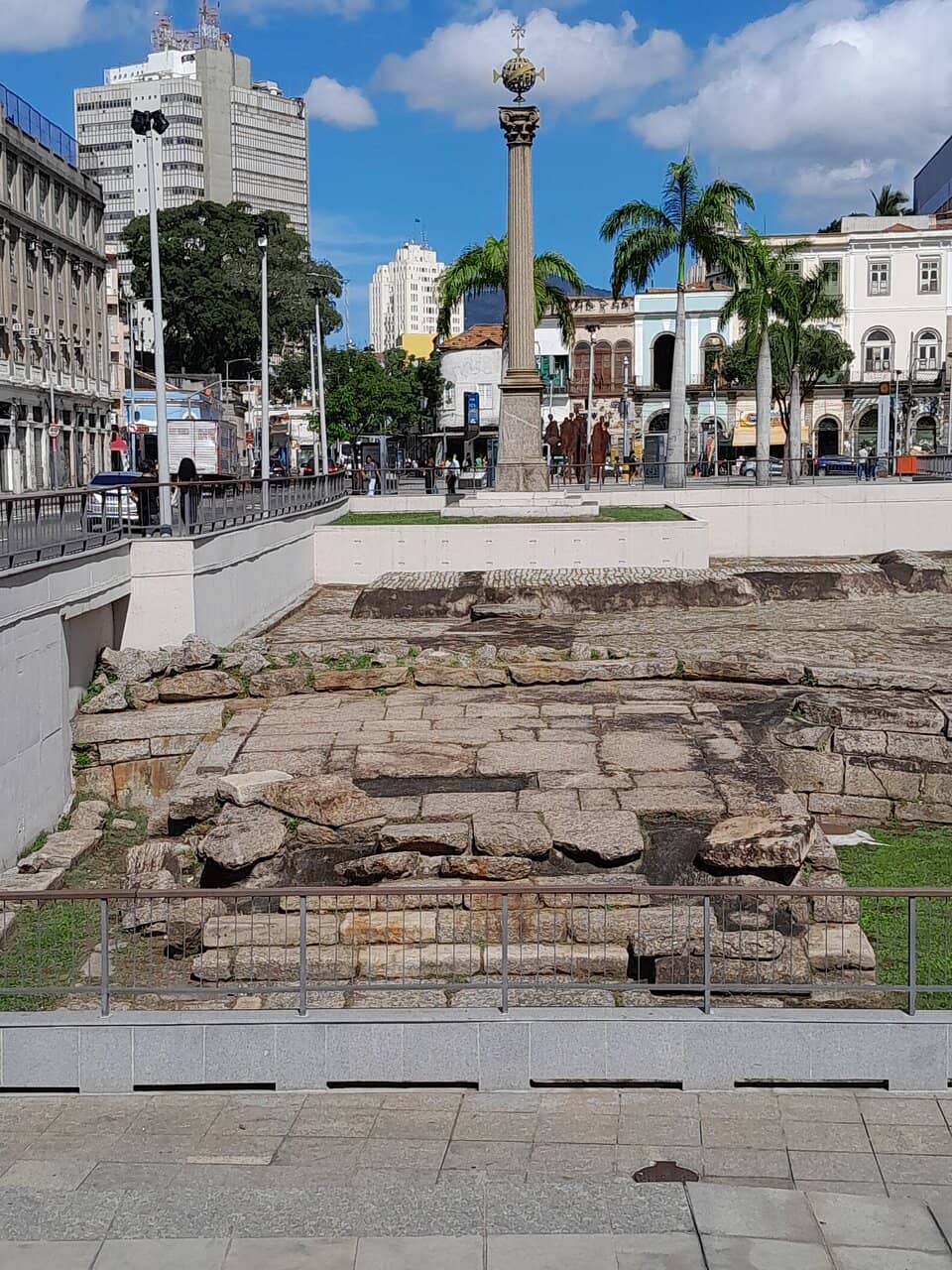
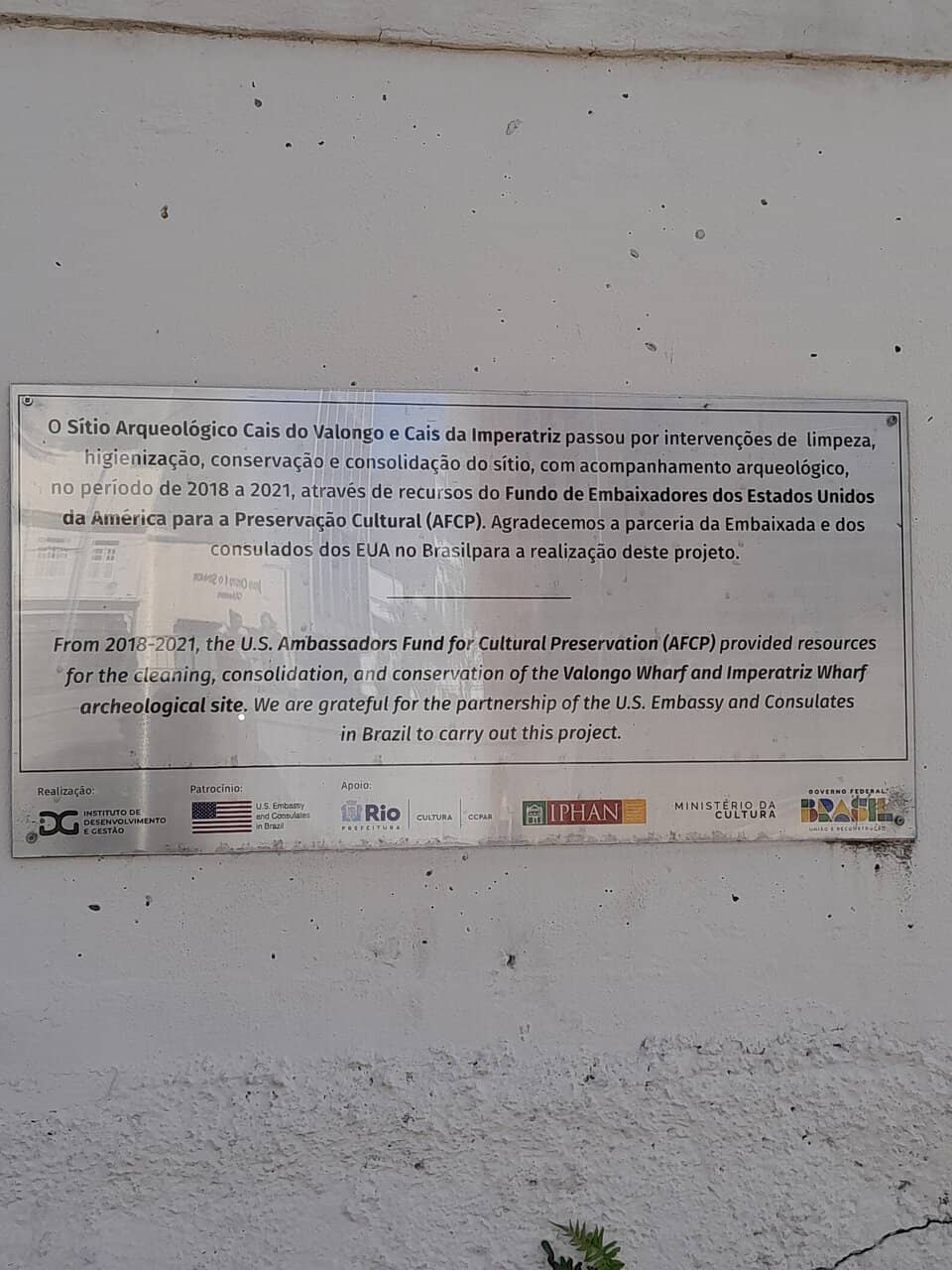
UNESCO World Heritage Marker
Near the wharf entrance
A sign detailing the wharf's critical role as the primary slave port in the Americas.
Plans like a pro.
Thinks like you
Planning Your Visit
Understand Its Significance
Manage Expectations
Best Times
Insider Tips
from TikTok, Instagram & Reddit
Research Before You Go
Understand its history to fully appreciate the site's profound significance. 📚
Combine with Olympic Boulevard
It's conveniently located near the vibrant Olympic Boulevard. :cityscape:
Wear Comfortable Shoes
You'll be walking on historical cobblestones. :athletic_shoe:
Be Prepared for Simplicity
It's a site of immense historical weight, not a grand monument. :thought_balloon:
Tips
from all over the internet
Research Before You Go
Understand its history to fully appreciate the site's profound significance. 📚
Combine with Olympic Boulevard
It's conveniently located near the vibrant Olympic Boulevard. :cityscape:
Wear Comfortable Shoes
You'll be walking on historical cobblestones. :athletic_shoe:
Be Prepared for Simplicity
It's a site of immense historical weight, not a grand monument. :thought_balloon:
What Travellers Say
Reviews Summary
Valongo Wharf is recognized for its immense historical significance as a UNESCO World Heritage site and the primary arrival point for enslaved Africans in the Americas. Visitors find it a deeply moving and essential place for understanding Brazil's past. However, some reviewers note that the site's maintenance could be improved, and it is a relatively small, understated historical marker rather than a grand attraction.
"This place is badly maintained. UNESCO designation obviously means nothing seeing this place is one. A lot of construction and animal and human excrement around. I didn't see not 1 tourist here."
Jungbae Eriel
"I had to really read about and search this place out, but it was so worth it. The rediscovered cobblestone steps are where slaves descended upon the Brazilian mainland back in the 1600s. The most important slave port in the Americas at the time. It's a quiet site, in the central business district of Rio, not far from Olympic Boulevard. It's accessible by car and public transit, surreal to see in person. As an African American, I just had to take it all in. There's a sign/marker that tells the short history of the site there. If you have a few free moments, a must-see, if big on history."
Craig Prater
"Valongo Wharf is a World Heritage site listed by Unesco. The stone pier was built in 1811 as one of the most important ports for slavery traffic in the Atlantic Ocean. More than one million enslaved persons arrived here from the African continent. Although Valongo is a site of pain, it is still a reference for justice for the African Brazilian people."
Washington Fajardo
What People Like
What People Dislike
Frequently Asked Questions
🚇 🗺️ Getting There
Valongo Wharf is located in the central business district of Rio, near the Olympic Boulevard. It's accessible by car and public transit. Many visitors find it easy to reach via taxi or ride-sharing services. Public buses also serve the area, though specific routes may vary.
While it's a significant historical site, it's not always prominently signposted. It's recommended to use GPS or ask locals for directions to the 'Cais do Valongo' or the area near the Olympic Boulevard.
If you are staying in the nearby downtown or port areas, walking is a feasible option. Be aware of your surroundings, especially if walking during off-peak hours.
🎫 🎫 Tickets & Entry
Valongo Wharf is generally accessible without an entrance fee, as it's an open historical site. However, it's always a good idea to check for any temporary access restrictions or guided tour requirements.
As an outdoor historical site, Valongo Wharf doesn't have strict opening hours like a museum. It's typically accessible during daylight hours. Visiting during the day is recommended for safety and visibility.
While there's a historical marker, official guided tours might not be consistently available. Many visitors explore independently, relying on prior research or the information provided at the site.
🎫 🧭 Onsite Experience
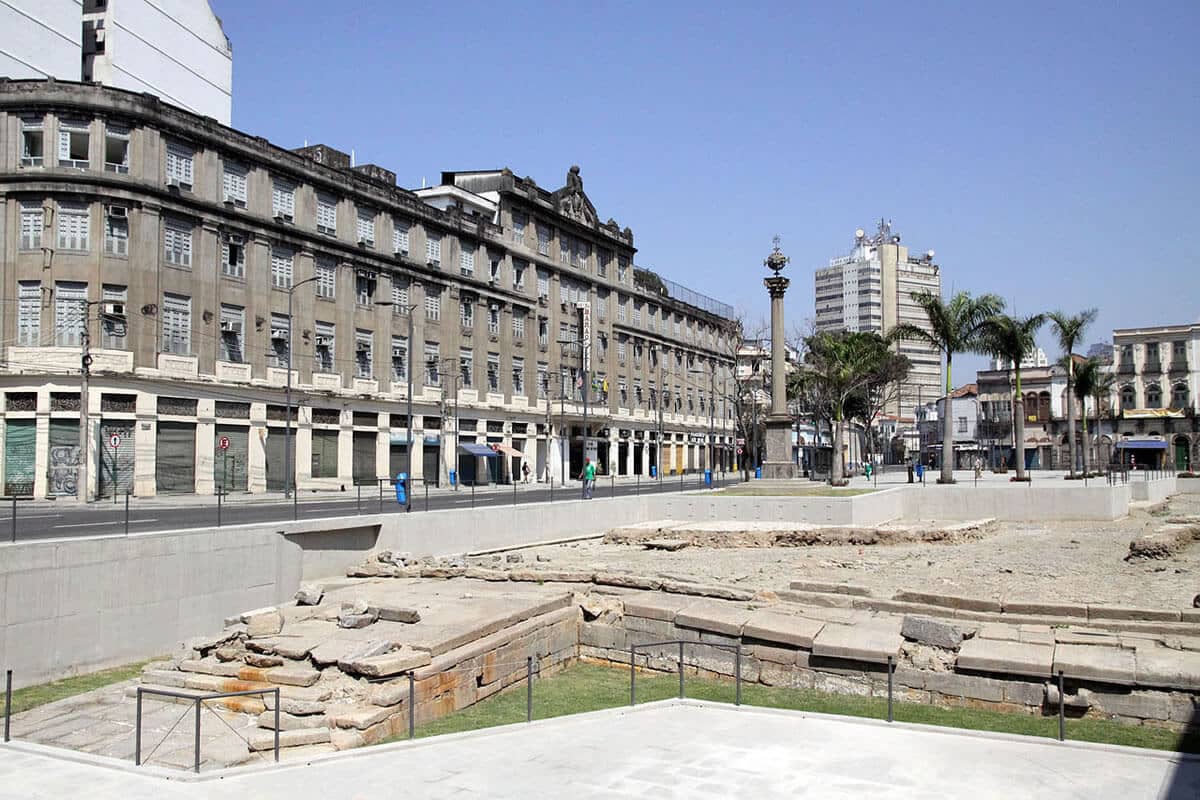
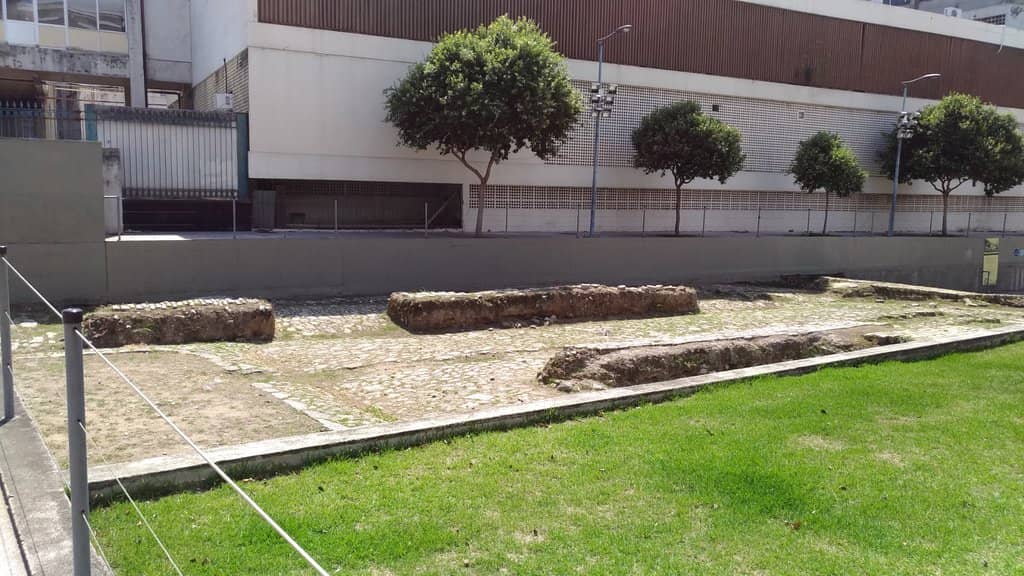
The main attraction is the rediscovered cobblestone steps of the original wharf, where enslaved Africans disembarked. There's also a historical marker detailing its significance as the largest slave port in the Americas.
Visitor reviews sometimes mention that maintenance can be inconsistent, with occasional issues like debris or construction. However, the historical importance of the site remains undeniable.
A visit to Valongo Wharf is typically brief, often taking around 30 minutes to an hour, depending on how much time you spend reflecting on its history.
While the historical stones offer a unique photographic opportunity, the surrounding area might not be as picturesque. Focus on capturing the essence of the historical site itself.
🍽️ 🍽️ Food & Dining
Valongo Wharf is located in Rio's central business district, which has many dining options. You can find various restaurants and cafes along the nearby Olympic Boulevard or in the surrounding downtown area.
It's generally not recommended to have full meals directly at the historical site itself. It's best to enjoy your meal at a nearby establishment before or after your visit.
📸 📸 Photography
The most impactful photos will likely be of the ancient cobblestone steps, capturing their texture and historical weight. Consider the angle to convey the scale of the disembarkation.
Yes, it is appropriate to take photos to document your visit and the historical significance of the site. Be respectful of the solemn nature of the location.
You may also like

Mural Etnias (Kobra)

Naval Cultural Space Rio de Janeiro

Praça São Salvador Rio de Janeiro

Leblon Beach Rio de Janeiro

Pedra do Sal Rio de Janeiro
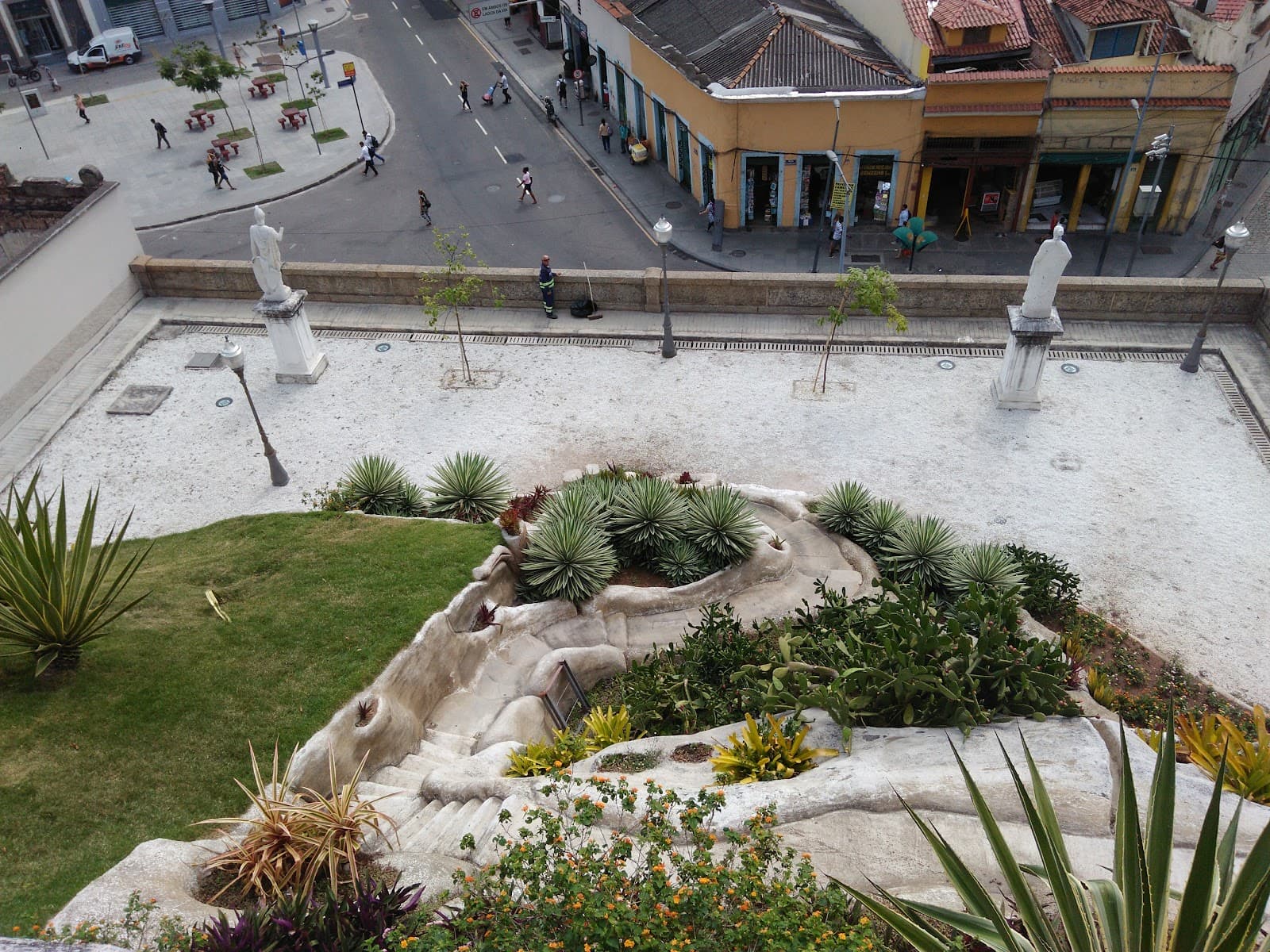
Hanging Garden of Valongo Rio de Janeiro
Mural Etnias (Kobra)
Naval Cultural Space Rio de Janeiro
Praça São Salvador Rio de Janeiro
Leblon Beach Rio de Janeiro
Pedra do Sal Rio de Janeiro
Hanging Garden of Valongo Rio de Janeiro

Praça Mauá Rio de Janeiro

Gamboa (Little Africa) Rio de Janeiro

Museum of Tomorrow Rio de Janeiro
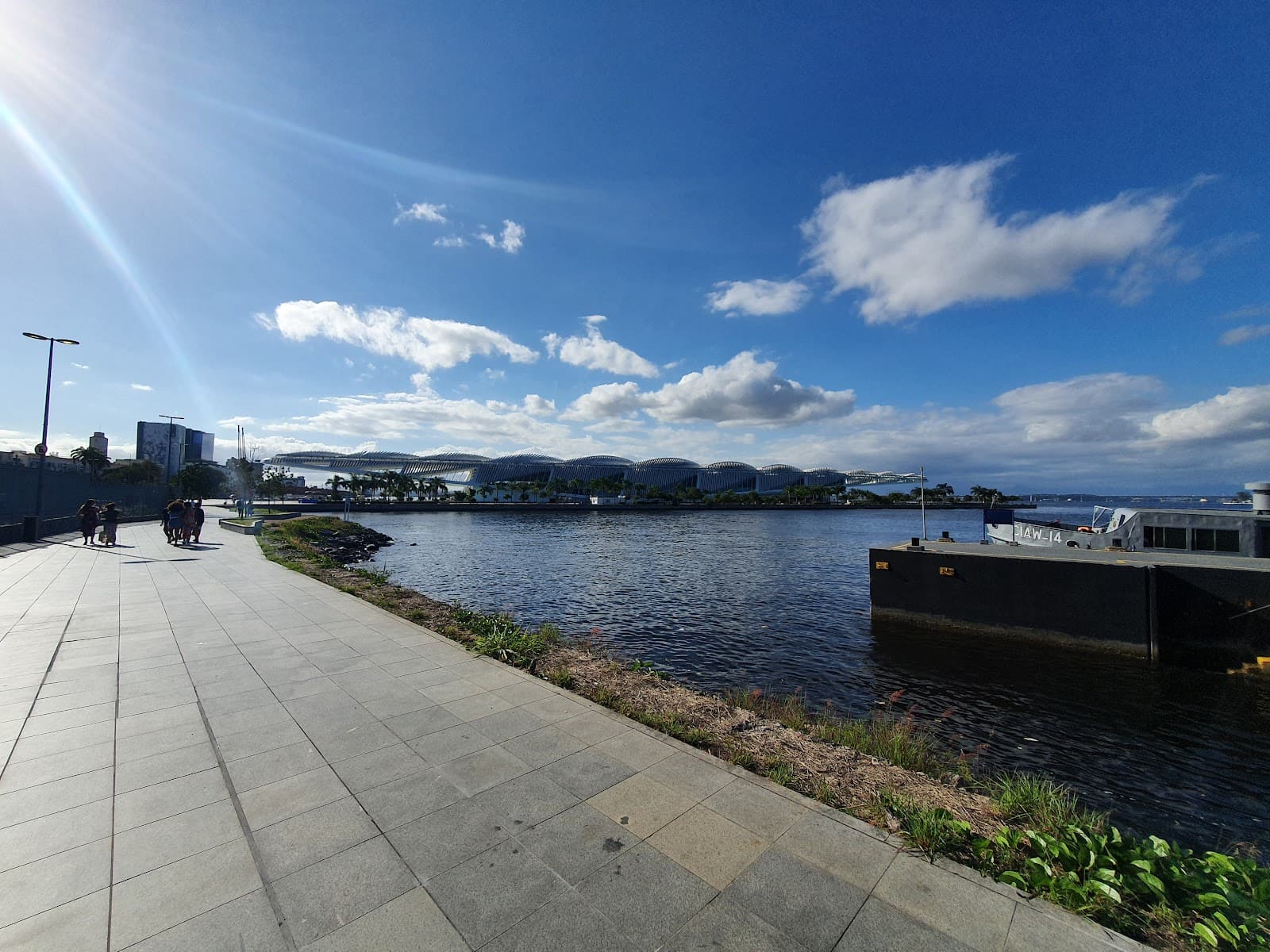
Olympic Boulevard (Orla Conde) Rio de Janeiro

Ilha Fiscal Rio de Janeiro

Social
from TikTok, Instagram & Reddit