Gamboa (Little Africa) Rio de Janeiro
Gamboa, Little Africa, is Rio's vibrant heart of Afro-Brazilian culture, alive with street art, samba, and deep history.
Highlights
Must-see attractions
Social
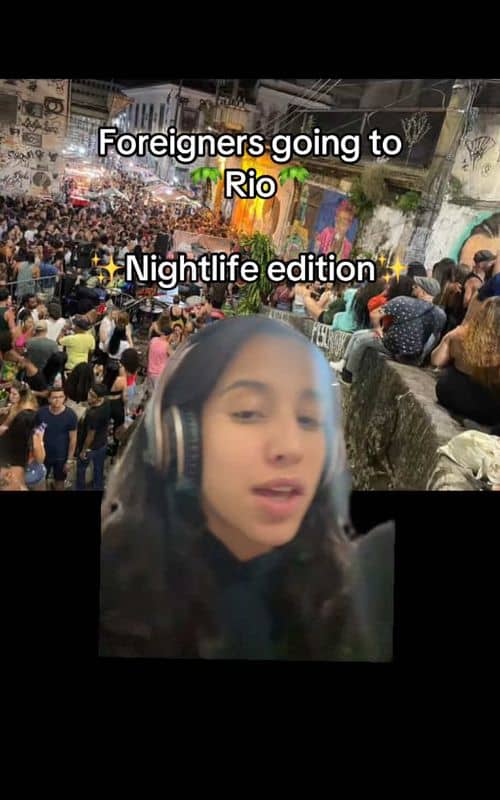
From TikTok & Reddit
Best Time
Samba parties come alive
Gamboa (Little Africa) Rio de Janeiro
Best Time
Samba parties come alive
Highlights
Must-see attractions
Gamboa, Little Africa, is Rio's vibrant heart of Afro-Brazilian culture, alive with street art, samba, and deep history.
"A piece of Rio de Janeiro that was unfortunately forgotten by public power, but is full of history."
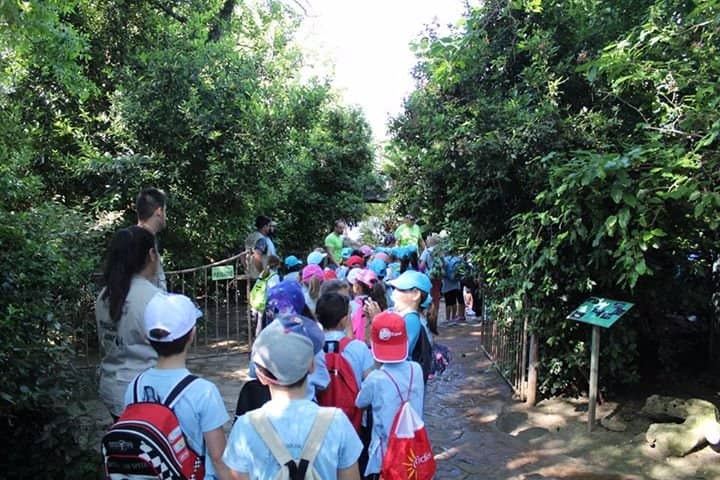
🎯 Guided Tours Recommended
Enhance your understanding and safety by joining a guided tour of Little Africa .
✨ Dress Smart
Avoid flashy clothing or jewelry; blend in to minimize attention .
Quick Facts
Rating
4.7 · 67 reviews
Type
Cultural Center
Highlights
Discover the most iconic attractions and experiences
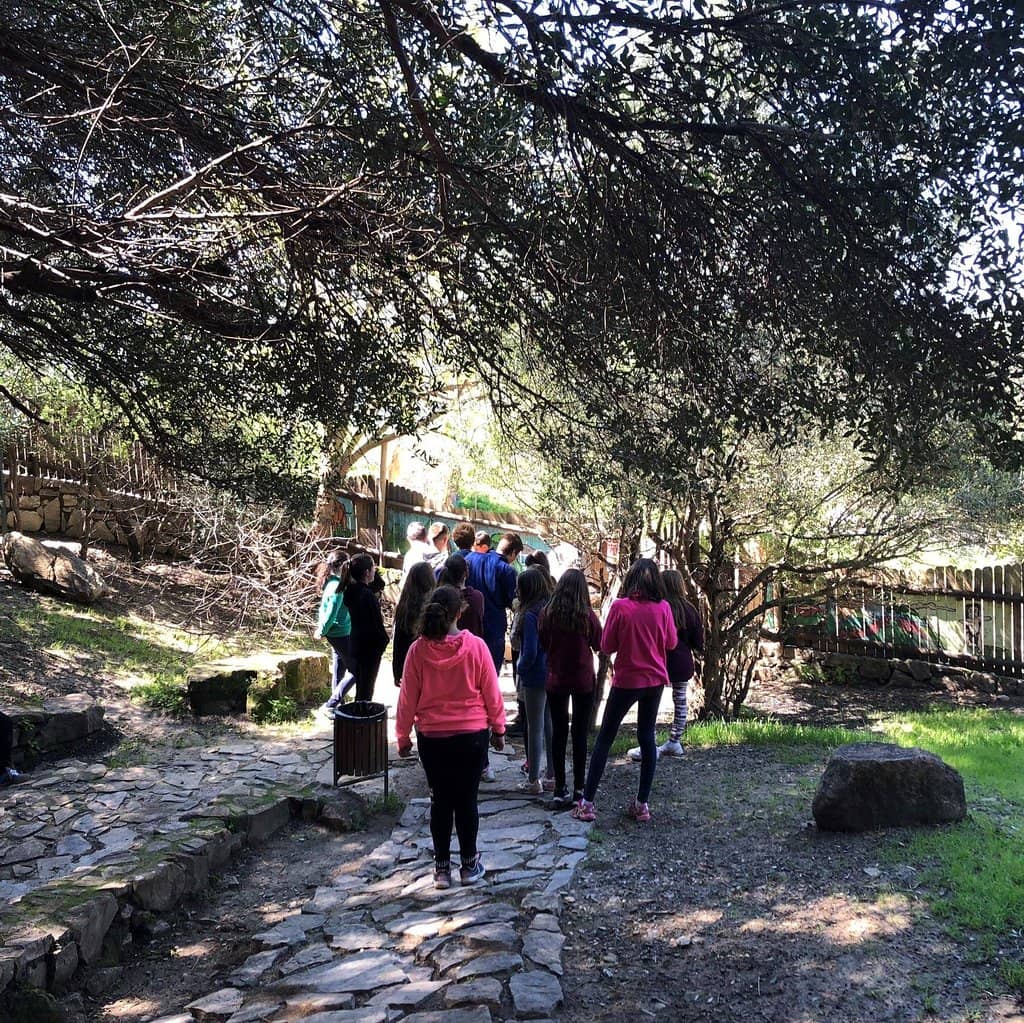
Pequena África (Little Africa)
Gamboa, Saúde, Santo Cristo neighborhoods
Immerse yourself in the birthplace of Afro-Brazilian culture with vibrant murals and lively samba street parties.
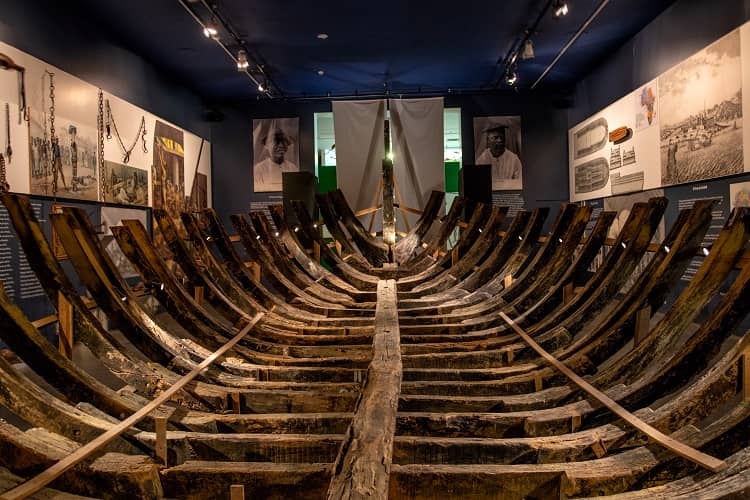
Museu da História e Cultura Afro-Brasileira (MUHCAB)
Gamboa
Explore the profound history and cultural contributions of Afro-Brazilians through compelling exhibits.
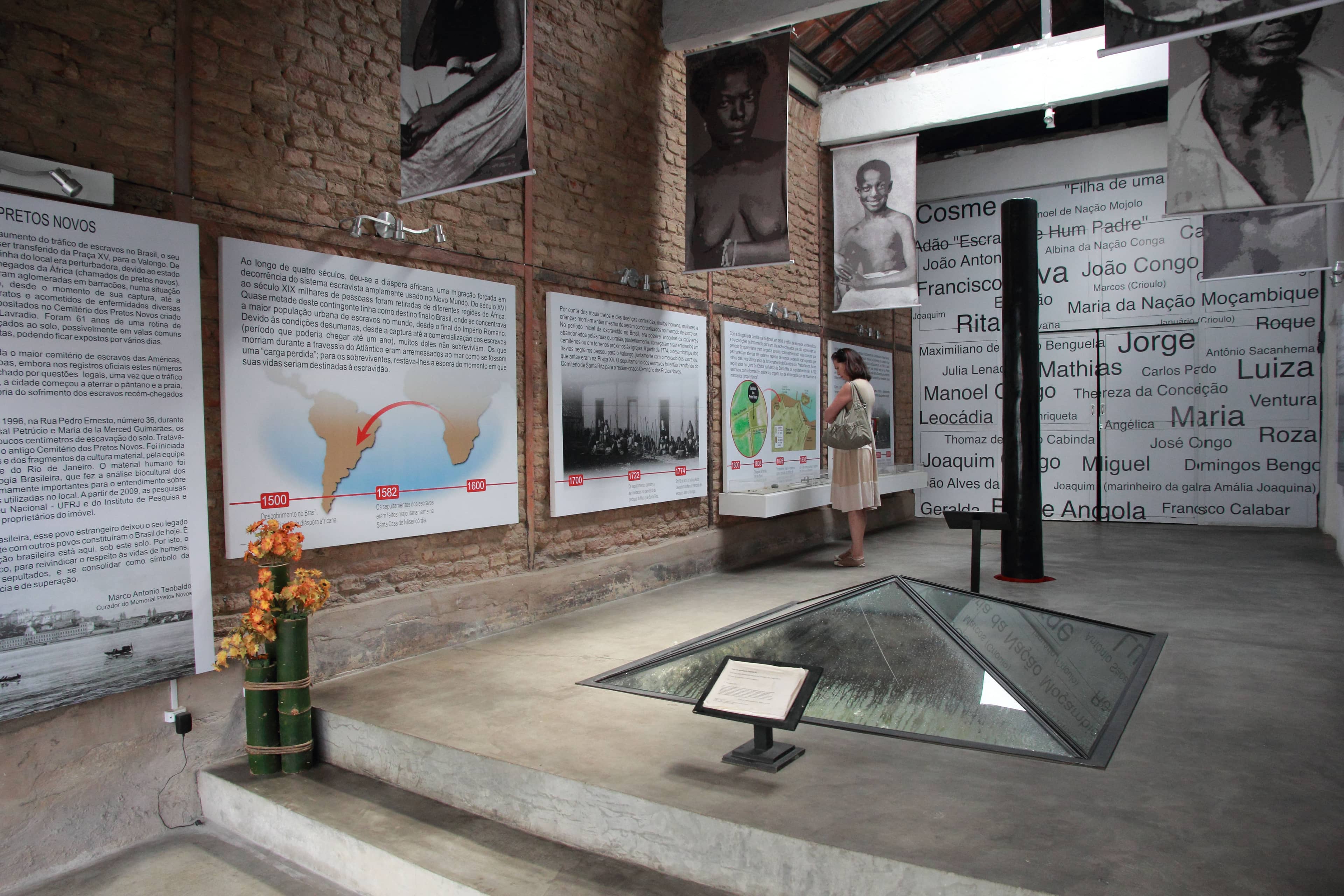
Instituto Pretos Novos
Gamboa
A poignant site preserving the memory of enslaved Africans, offering a deep dive into their history.
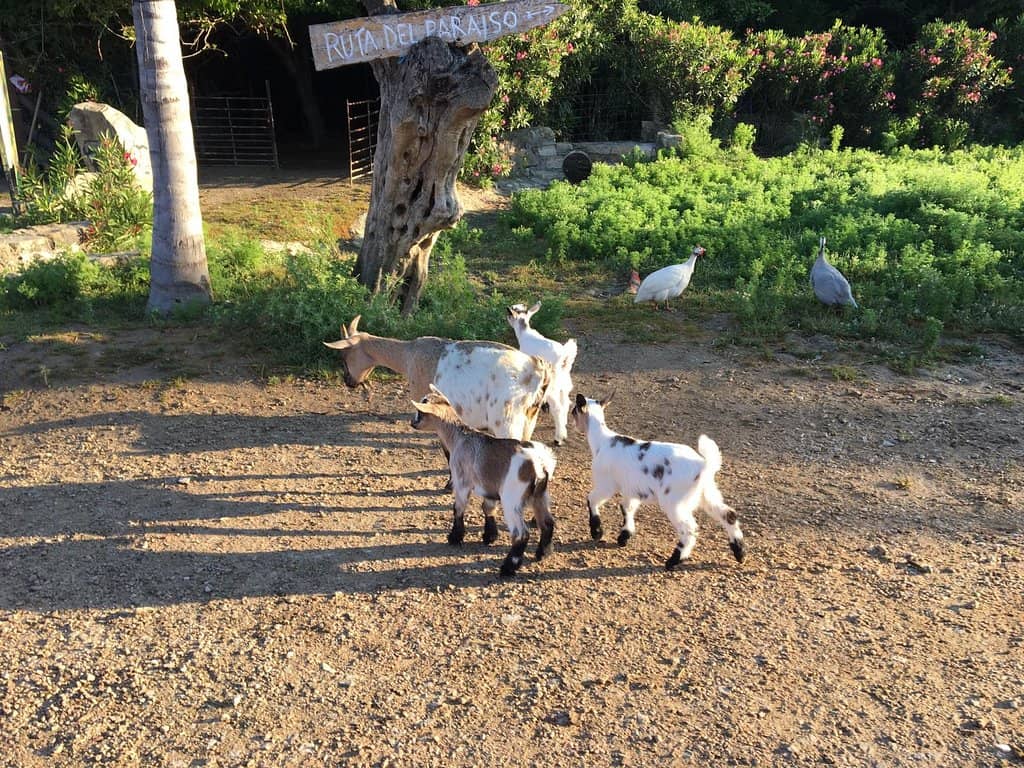
Roda de Samba
Various squares in Little Africa
Experience the infectious rhythm of live samba music and dance in an authentic street party atmosphere.
Plans like a pro.
Thinks like you
Planning Your Visit
Embrace the Culture, Stay Aware
Timing is Key for Authenticity
 Guided tours are highly recommended to understand the historical significance and navigate the area safely.
Best Times
Insider Tips
from TikTok, Instagram & Reddit
🎯 Guided Tours Recommended
Enhance your understanding and safety by joining a guided tour of Little Africa.
✨ Dress Smart
Avoid flashy clothing or jewelry; blend in to minimize attention.
🎶 Feel the Rhythm
Experience authentic Roda de Samba for a true taste of Afro-Brazilian culture.
🏛️ Explore Historical Sites
Visit MUHCAB and Instituto Pretos Novos for deep historical insights.
Tips
from all over the internet
🎯 Guided Tours Recommended
Enhance your understanding and safety by joining a guided tour of Little Africa.
✨ Dress Smart
Avoid flashy clothing or jewelry; blend in to minimize attention.
🎶 Feel the Rhythm
Experience authentic Roda de Samba for a true taste of Afro-Brazilian culture.
🏛️ Explore Historical Sites
Visit MUHCAB and Instituto Pretos Novos for deep historical insights.
🚶♀️ Be Aware of Surroundings
Stay vigilant, especially at night, and trust your instincts.
What Travellers Say
Reviews Summary
Gamboa, or Little Africa, is a historically rich area brimming with Afro-Brazilian culture, vibrant street art, and lively samba music. While some find it lacking in conventional attractions, others praise its deep cultural significance and authentic atmosphere, especially during evening Roda de Samba events. The area's historical importance is undeniable, though some reviews note its somewhat neglected state and the need for public investment.
"Nothing important or impressive to see. I have went through in my journey at the downtown."
Ali Al-Ashtari
"Full of history . Beautiful place to visit"
kenza jacks
"Nice beautiful"
Miss. Herrera
What People Like
What People Dislike
Frequently Asked Questions
🚇 🗺️ Getting There
You can reach Gamboa, the heart of Little Africa, by taxi, Uber, or public transport like buses or the metro. Many visitors opt for guided tours that often include transportation, which is highly recommended for a comprehensive and safe experience.
Public transport in Rio, including buses and the metro, can be a cost-effective way to get around. Consider purchasing a Rio Card for easy access to various transport options. However, for navigating the specific historical areas of Gamboa, especially at night, a guided tour or ride-sharing service might be more convenient and secure.
While walking is possible during the day, the area can be extensive. Guided tours are excellent for understanding the layout and historical context. For independent exploration, using ride-sharing apps like Uber or 99 is a practical option.
Key areas include Gamboa, Saúde, and Santo Cristo. Focus on visiting the Museu da História e Cultura Afro-Brasileira (MUHCAB), Instituto Pretos Novos, and the squares where Roda de Samba often takes place.
While vibrant in the evenings with samba, it's advisable to be cautious. Many visitors prefer to visit with a guided tour or use ride-sharing services for nighttime excursions due to safety concerns.
🎫 🎫 Tickets & Entry
Gamboa itself is a neighborhood, so there are no general entry tickets. However, specific attractions like the Museu da História e Cultura Afro-Brasileira (MUHCAB) may have admission fees. Guided tours will typically include entrance fees for any included sites.
Opening hours can vary. The Museu da História e Cultura Afro-Brasileira (MUHCAB) generally operates during daytime hours, while the Roda de Samba events are typically in the evenings. It's best to check the specific hours for any museums or cultural centers you plan to visit.
Yes, experiencing the atmosphere of the neighborhood, admiring the street art, and attending Roda de Samba events in public squares are often free or donation-based.
Booking a guided tour in advance is highly recommended, especially if you want to ensure a spot with a reputable guide who can provide deep historical and cultural insights.
Prices for guided tours can vary depending on the duration, inclusions, and the tour operator. Expect to pay anywhere from $30 to $100+ USD per person for a comprehensive experience.
🎫 🧭 Onsite Experience
The main draw is its deep historical significance as the heart of Afro-Brazilian culture in Rio, offering vibrant street art, lively samba music, and important historical sites like MUHCAB.
You'll find colorful murals celebrating Black Brazilian icons and historical narratives, adding a dynamic visual layer to the neighborhood's rich cultural tapestry.
A Roda de Samba is an informal gathering where musicians play samba music, often in public squares, creating a lively and participatory street party atmosphere.
Absolutely! Experiencing a Roda de Samba, visiting the Afro-Brazilian history museums, and taking a guided tour focused on the region's heritage are highly recommended.+1
Comfortable walking shoes are essential. It's also advisable to dress modestly and avoid flashy attire or expensive jewelry to blend in and stay safe.
🍽️ 🍽️ Food & Dining
While Gamboa is more focused on cultural immersion, you can find local eateries offering traditional Brazilian dishes. For a wider culinary selection, consider exploring nearby neighborhoods like Saúde or the revitalized port area.
Expect to find authentic Brazilian cuisine, often with influences from African culinary traditions. Look for feijoada, moqueca, and other hearty dishes.
While specific Gamboa specialties might be harder to pinpoint, embracing local flavors and trying dishes recommended by guides or locals is always a good approach.
Caipirinhas are Brazil's national cocktail and are widely available. You can find them at bars and restaurants in the surrounding neighborhoods, especially during evening Roda de Samba events.
The revitalized port area near Gamboa often hosts food stalls and markets, especially during events. Exploring these can offer a taste of local life and diverse food options.
📸 📸 Photography
The vibrant street art murals are incredibly photogenic. The historical architecture and the lively atmosphere during Roda de Samba events also offer fantastic photo opportunities.
Generally, yes, but always be aware of your surroundings. Avoid overtly displaying expensive camera equipment. Focus on capturing the art and the atmosphere discreetly.
Late afternoon and early evening offer beautiful golden hour light for the murals and street scenes. Evenings are ideal for capturing the energy of the Roda de Samba.
Look for murals depicting prominent Afro-Brazilian figures and historical scenes. The areas around MUHCAB and the main squares are often rich with artistic expression.
A versatile lens like a 35mm or 50mm prime lens is great for capturing street scenes and details. A wider lens can be useful for the murals, but be mindful of your surroundings when using larger equipment.
You may also like

Mural Etnias (Kobra)

Valongo Wharf Rio de Janeiro

Naval Cultural Space Rio de Janeiro

Pedra do Sal Rio de Janeiro
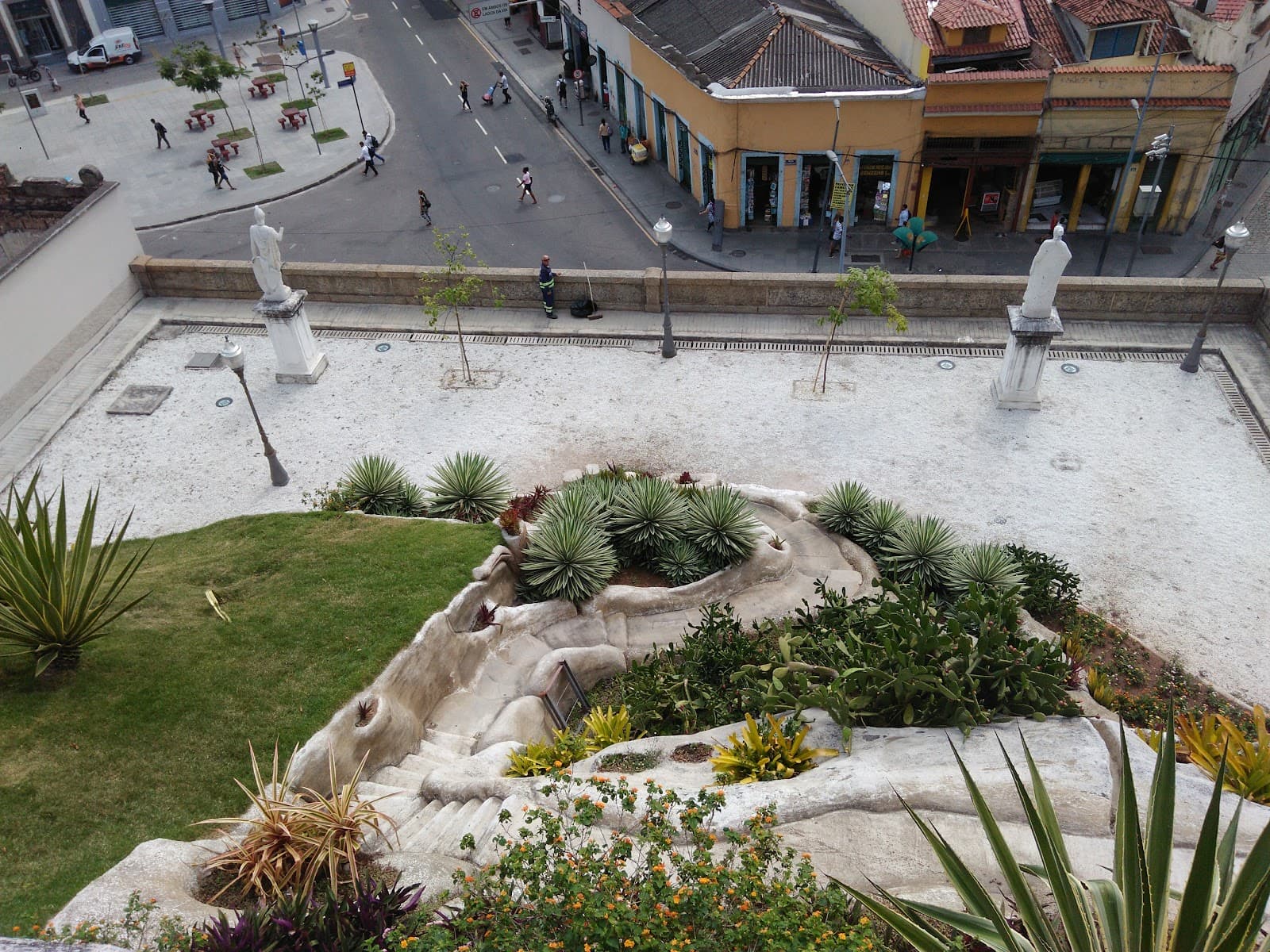
Hanging Garden of Valongo Rio de Janeiro

Praça Mauá Rio de Janeiro
Mural Etnias (Kobra)
Valongo Wharf Rio de Janeiro
Naval Cultural Space Rio de Janeiro
Pedra do Sal Rio de Janeiro
Hanging Garden of Valongo Rio de Janeiro
Praça Mauá Rio de Janeiro

Museum of Tomorrow Rio de Janeiro
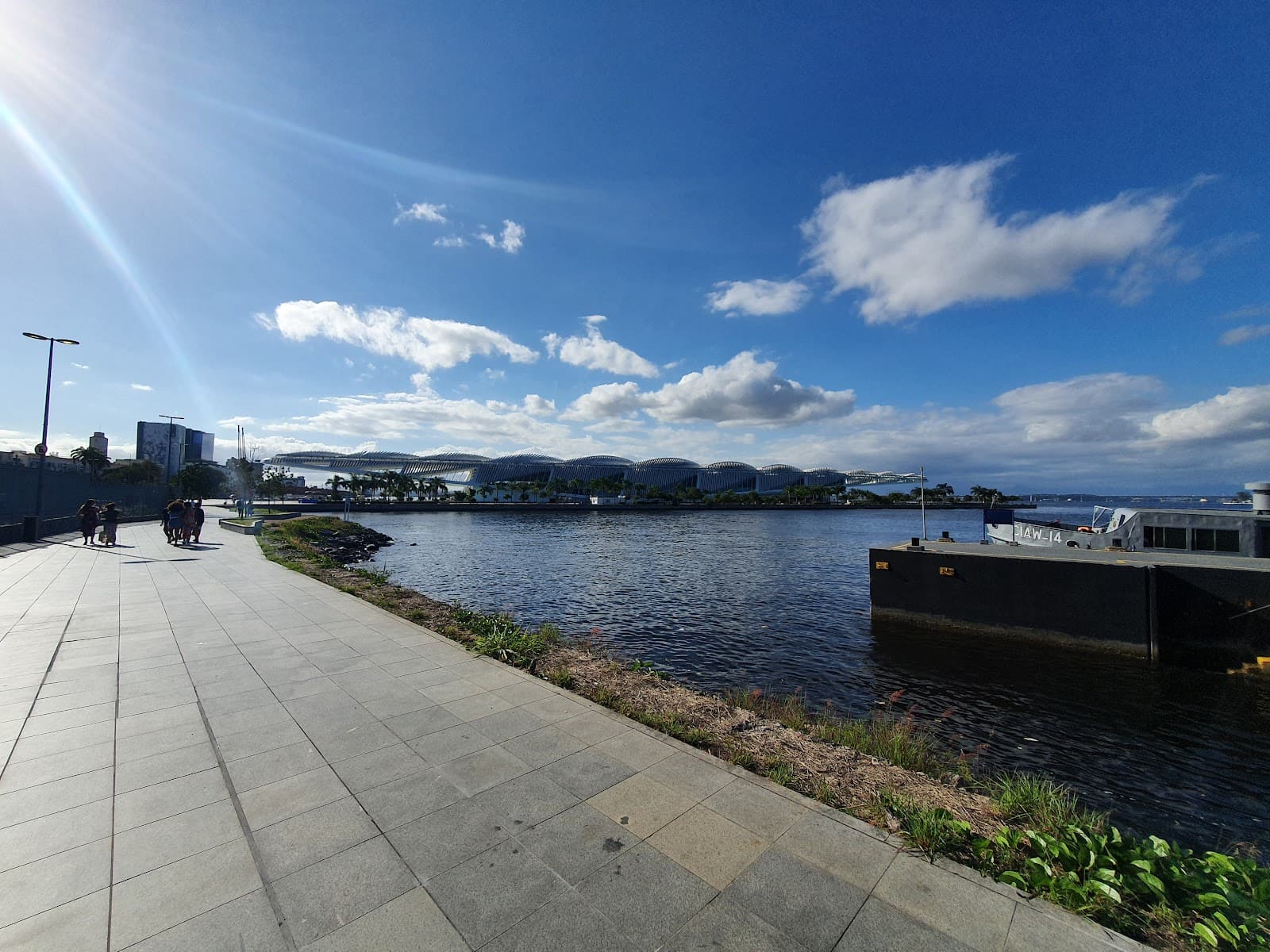
Olympic Boulevard (Orla Conde) Rio de Janeiro

Ilha Fiscal Rio de Janeiro

Reserva Beach Rio de Janeiro

Paineiras Visitor Center Rio de Janeiro

Social
from TikTok, Instagram & Reddit