79 Prague Architecture
Explore Prague's stunning architectural tapestry, from the Gothic grandeur of St. Vitus Cathedral and the Baroque splendor of St. Nicholas Church to the modernist marvels like the Dancing House and the unique Brutalist Nová Scéna. Discover Art Nouveau gems, Secessionist beauties, and hidden Cubist treasures. This guide covers iconic landmarks and lesser-known architectural wonders for an unforgettable journey through Prague's diverse building styles.

See what's trending
We've done exactly what you would have done—spent hours scrolling through TikTok, Instagram, and Reddit to find the absolute best experiences. These 27 recommendations come from real travelers sharing their unfiltered takes, hidden gems, and insider secrets. No travel agency fluff, just the wisdom of people who've actually been there. This is how everyone really plans their trips these days.


A breathtaking masterpiece of Gothic architecture, this cathedral is the largest and most significant church in the Czech Republic, located within the historic Prague Castle complex.
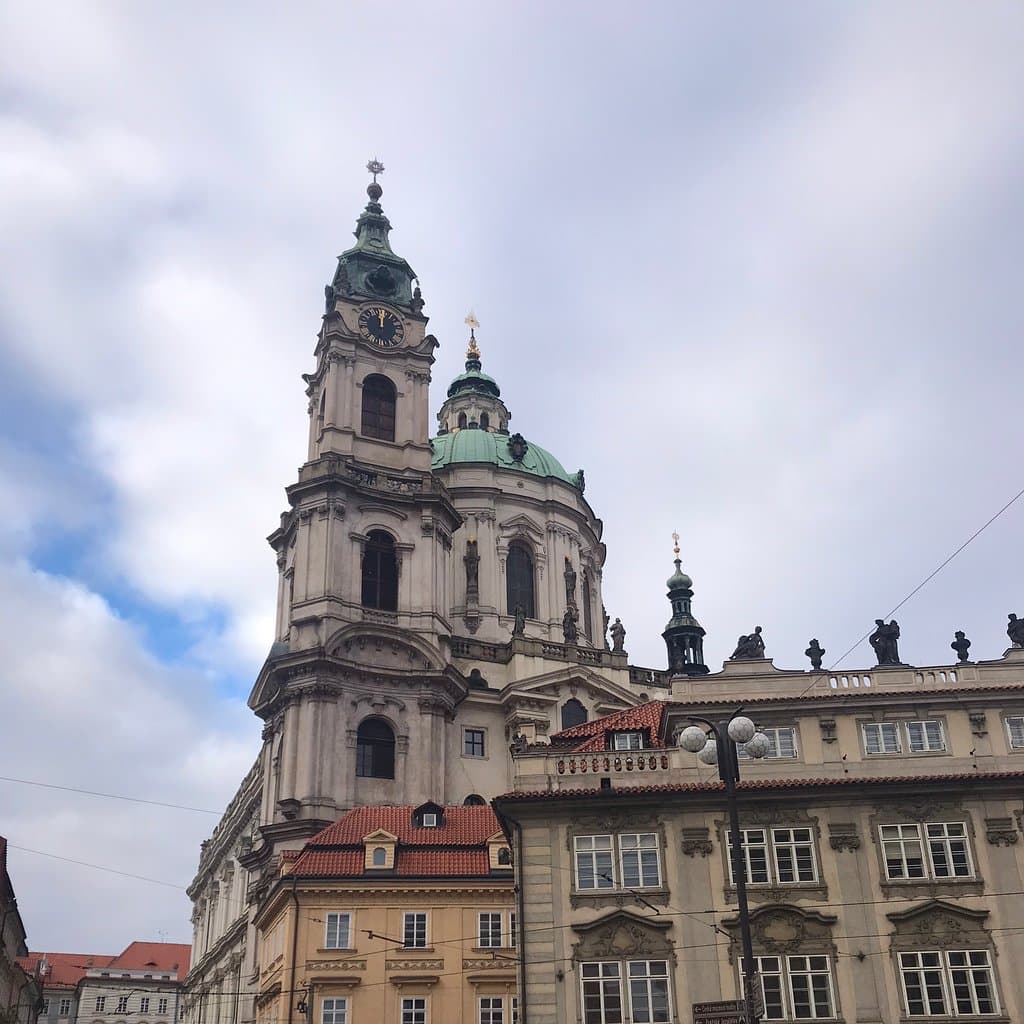
An absolute baroque wonder, this church is considered one of the greatest examples of Prague Baroque architecture, with opulent interiors and stunning artistic details.

A vast historic complex dating back to the 9th century, Prague Castle showcases a diverse range of architectural styles and is home to St. Vitus Cathedral at its heart.

One of Europe's oldest stone bridges, this iconic landmark offers stunning views of the city and is an architectural marvel in itself, often described as an unlikely shrine to music.

A stunning example of Art Nouveau architecture, this grand building is a must-see for lovers of the style, featuring beautiful decorative elements and artistic interiors.

This grand building, located at the top of Wenceslas Square, is a true work of art in itself, with several halls worth visiting for their architectural splendor alone.
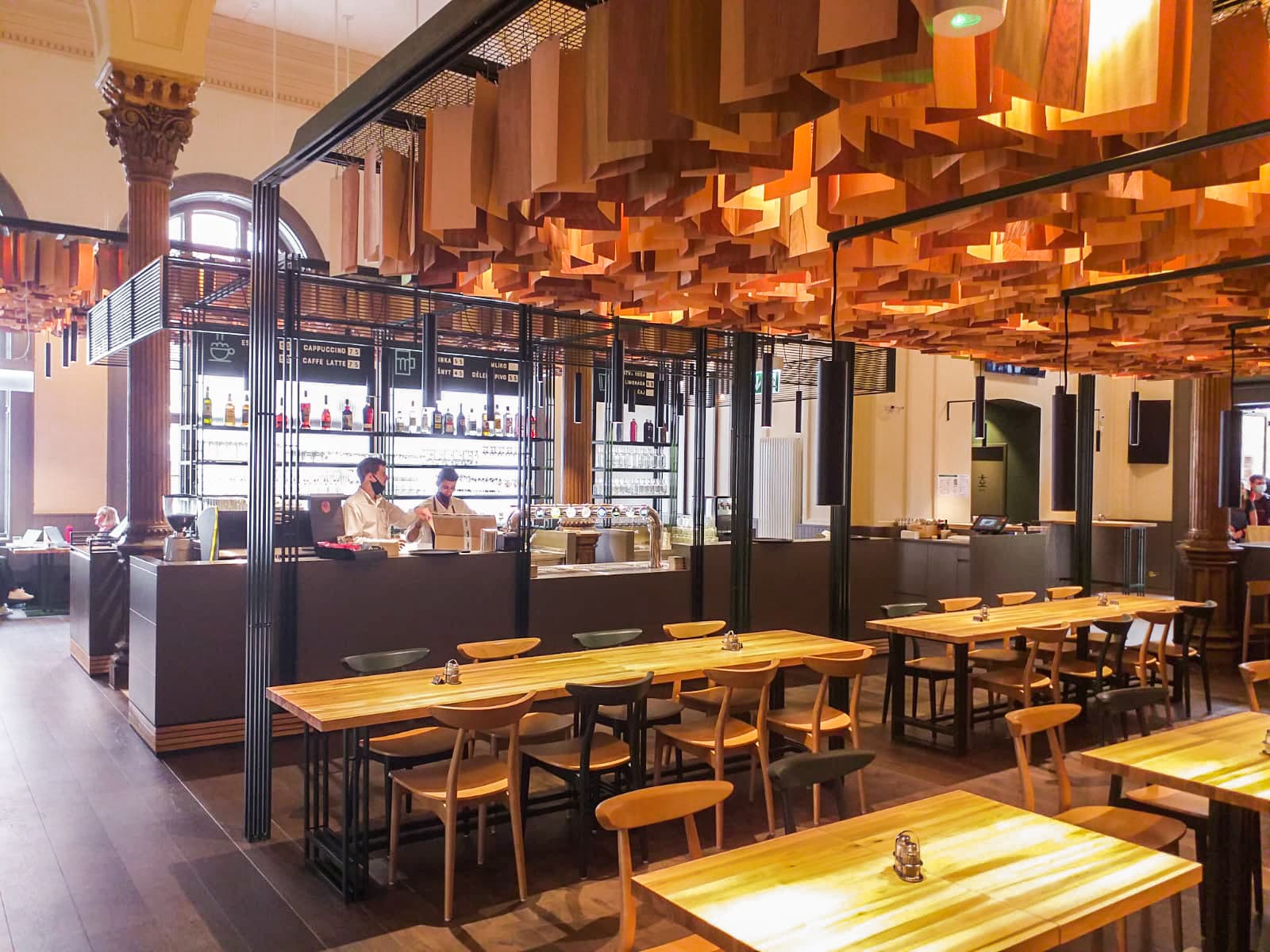
A striking modern building designed by Zaha Hadid Architects, Masaryčka's unique facade is a contemporary addition to Prague's architectural landscape, situated near Masaryk train station.
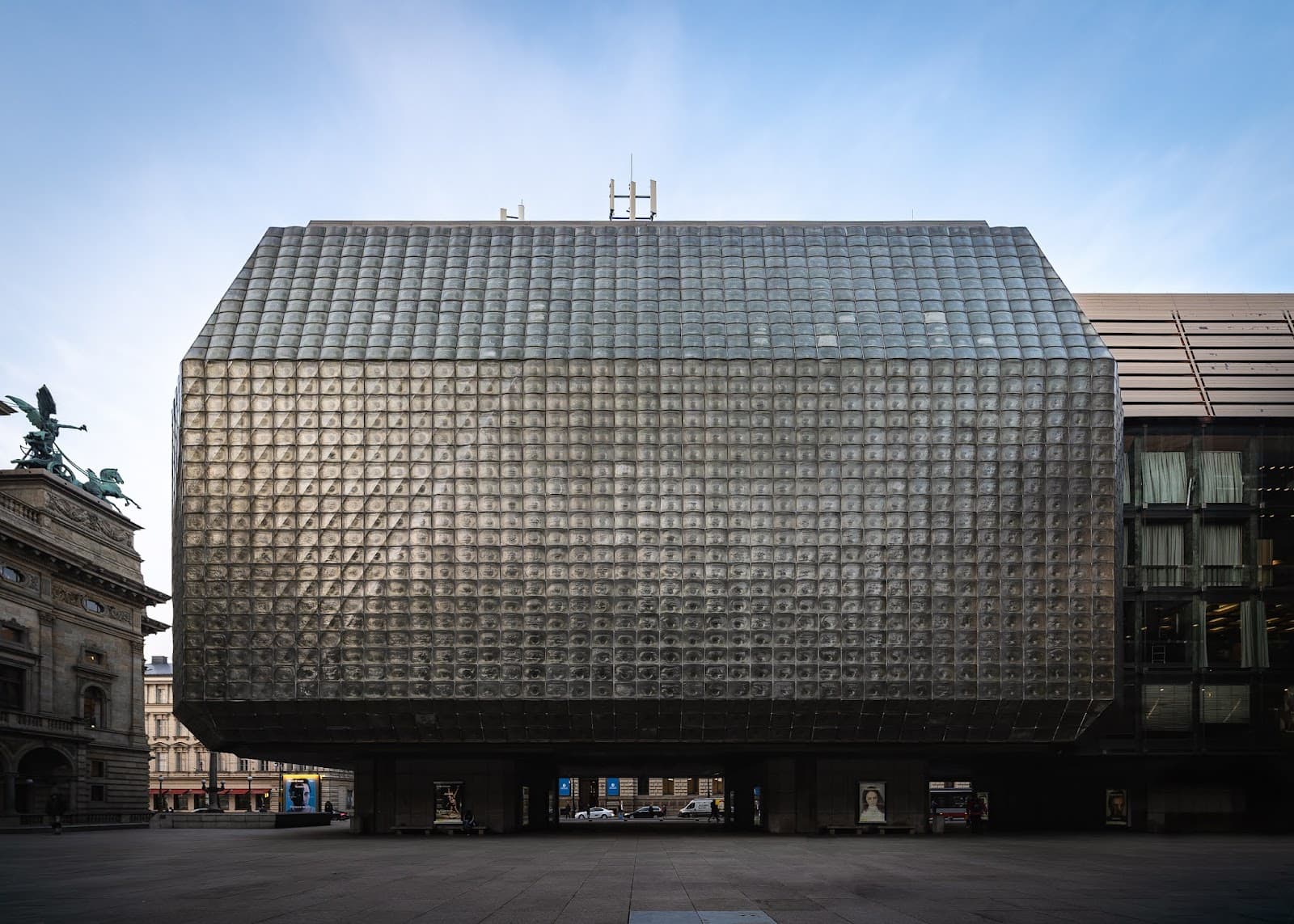
A distinctive example of Brutalist architecture by Karel Prager, this building stands out as an 'urban alien' within Prague's diverse architectural tapestry.

A deconstructivist architectural marvel, the Dancing House's unique, fluid design makes it a standout modern landmark in Prague.
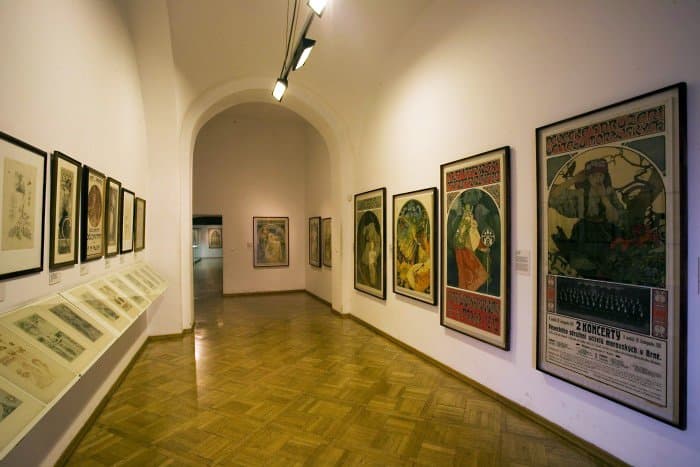
Housed in a beautiful baroque setting, this museum celebrates the Art Nouveau works of Alphonse Mucha, offering a glimpse into his iconic posters and creative process.

This historic complex houses a stunning Baroque library, a beautiful astronomical tower, and a former Jesuit college, showcasing a rich blend of architectural styles.
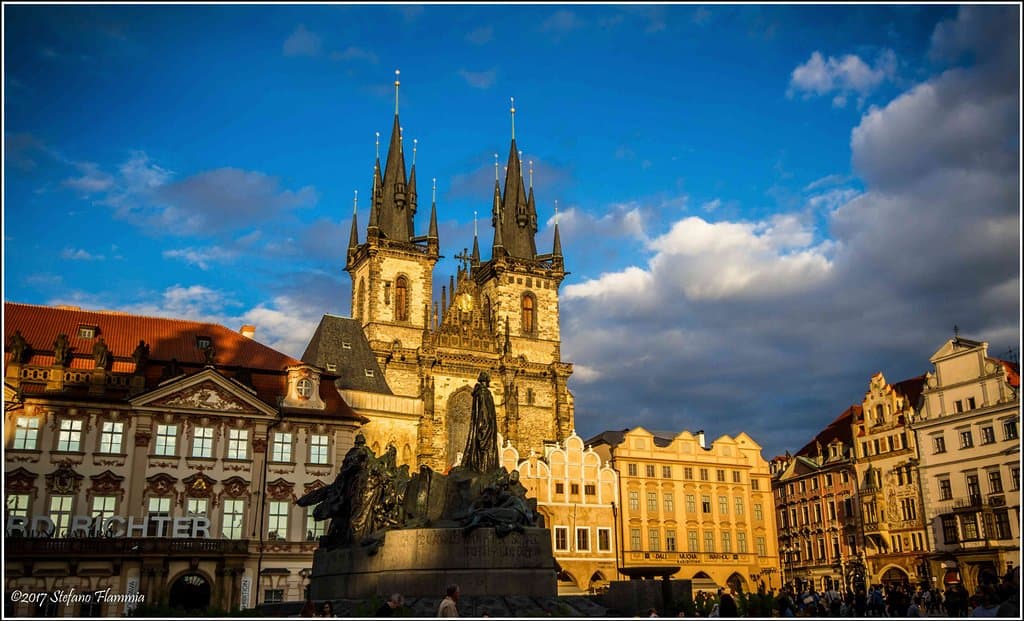
An imposing Gothic church with striking twin towers, this landmark is a prominent feature of Prague's Old Town Square, exuding a dramatic and historic presence.
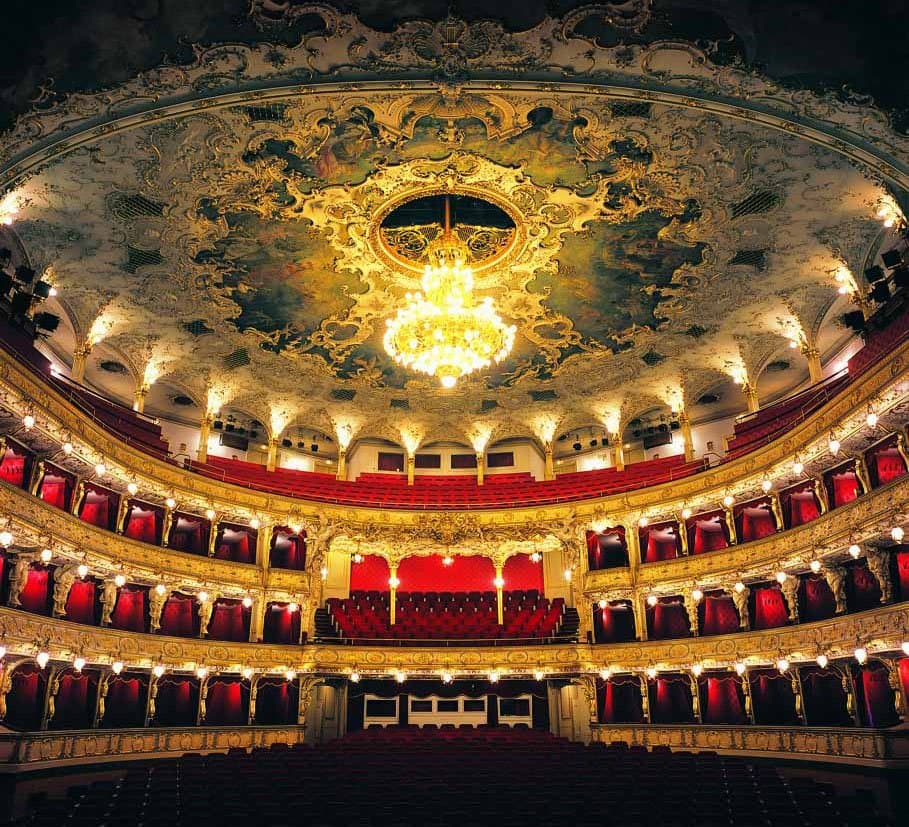
A hidden gem adorned with gold and velvet, the State Opera is a masterpiece of history and design, often hailed as Europe's real jewel for its opulent interiors.
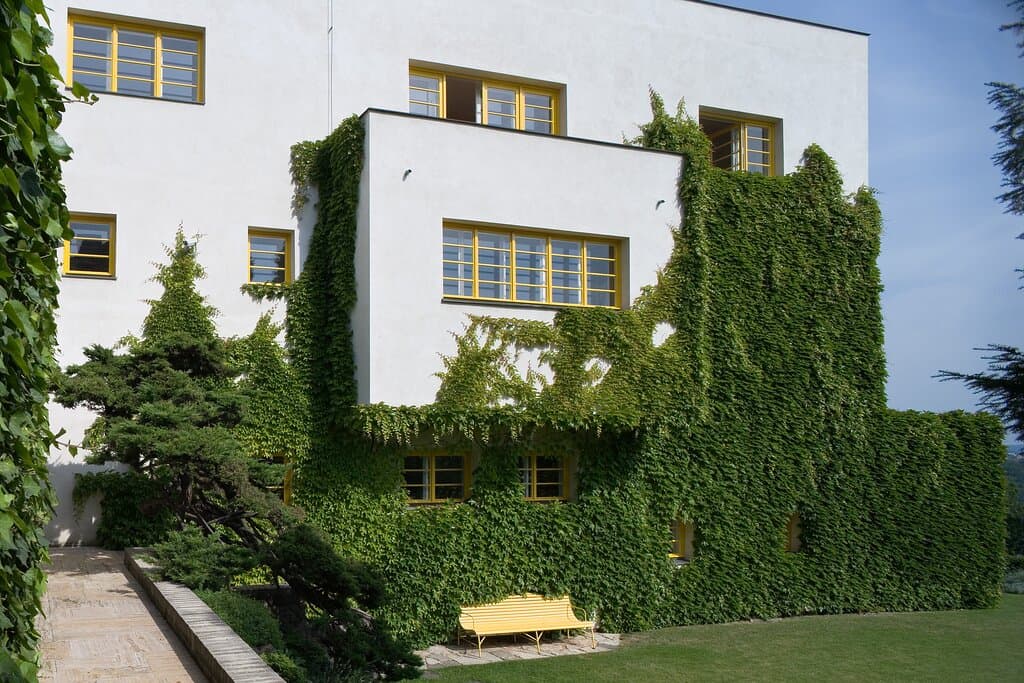
A prime example of modernist architecture by Adolf Loos, this villa offers a fascinating insight into early 20th-century residential design and spatial concepts.
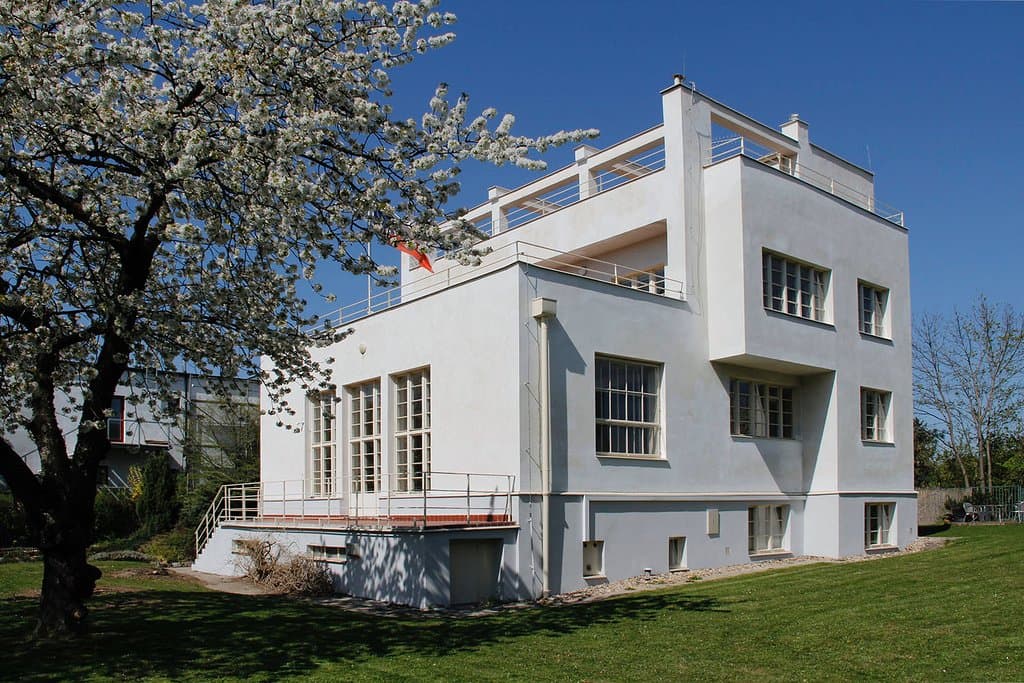
Another significant modernist villa designed by Adolf Loos, Villa Winternitz showcases innovative architectural solutions and a unique aesthetic.
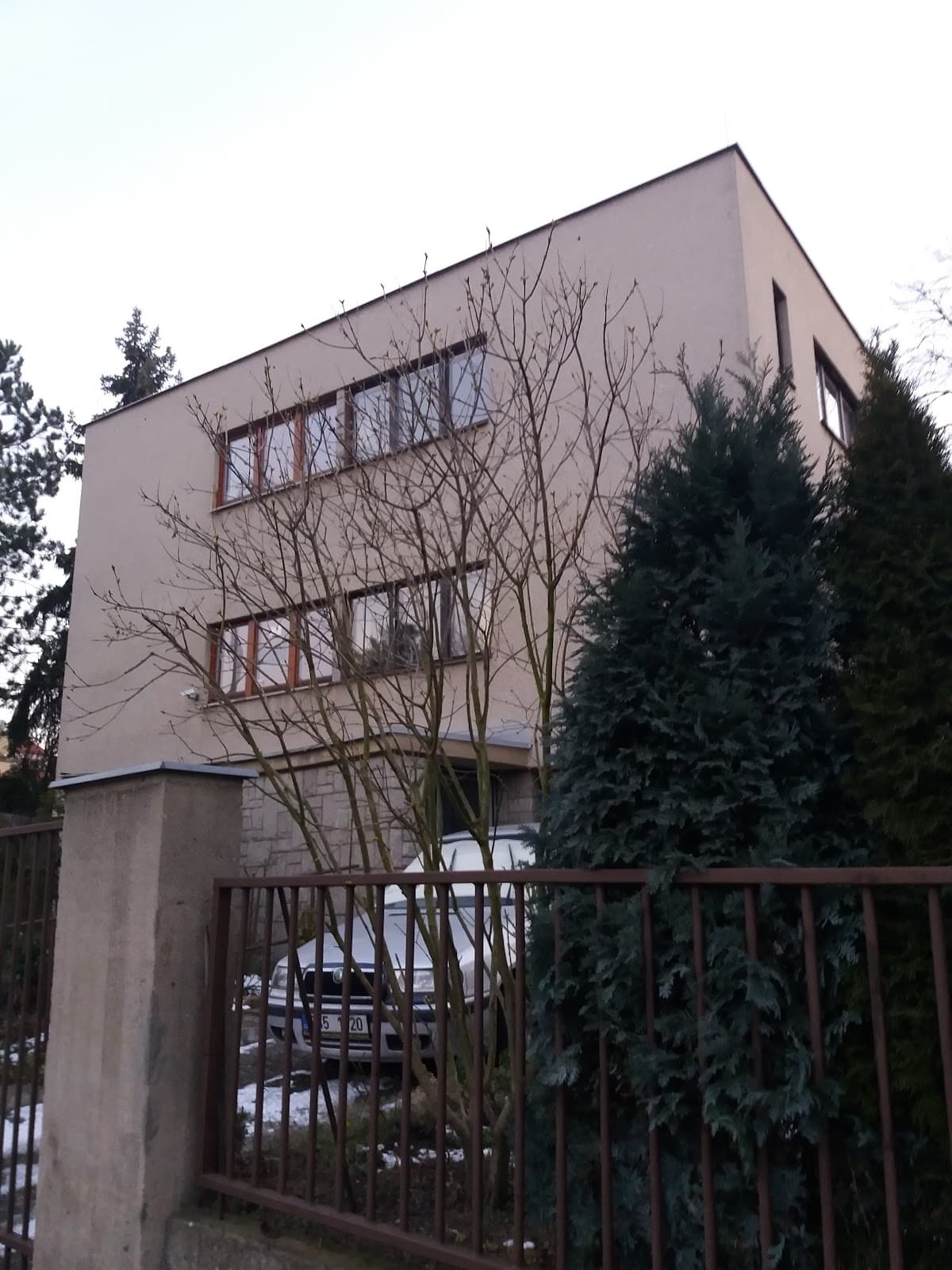
A small neighborhood featuring around 30 houses built in the 1930s, this area is a charming example of modernist residential architecture.
This palace houses the National Gallery and is a significant example of functionalist architecture, notable for its vast exhibition spaces.
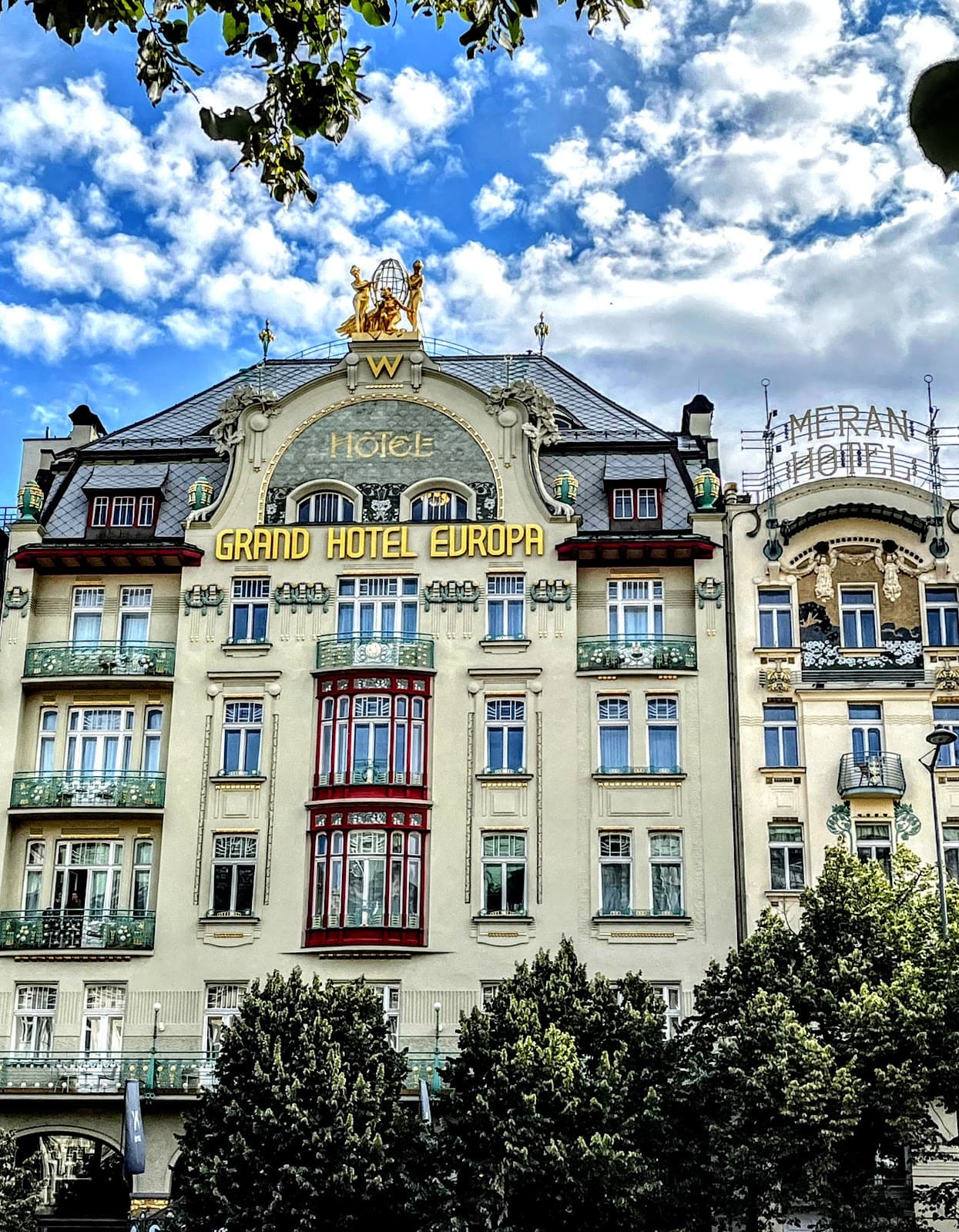
A classic example of Secession (Art Nouveau) style, this hotel has undergone a massive renovation, retaining its historic charm with modern updates.
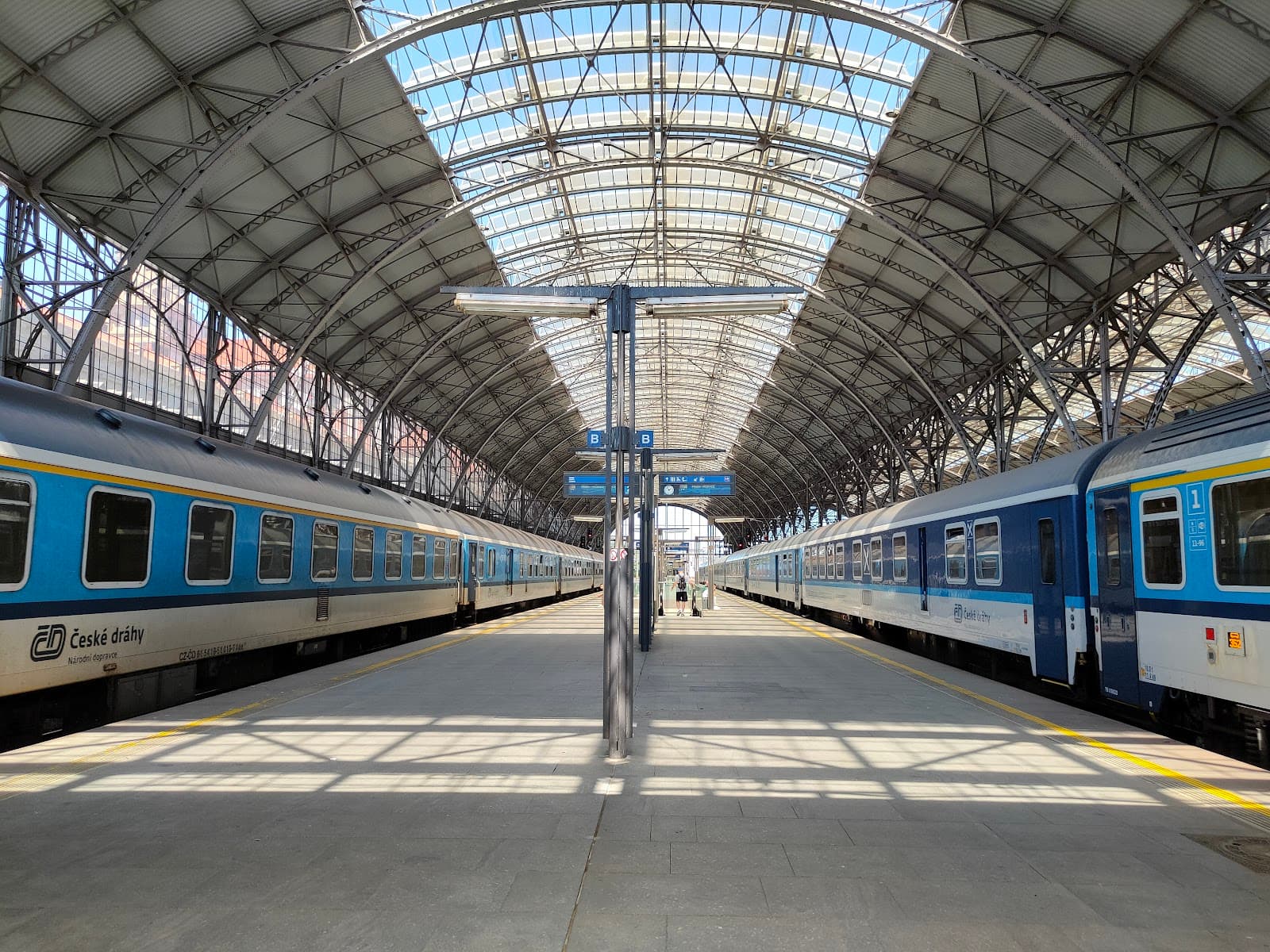
The main train station features the Fanta Café, a beautiful Art Nouveau gem, and the station itself is a blend of historic and modern architectural elements.
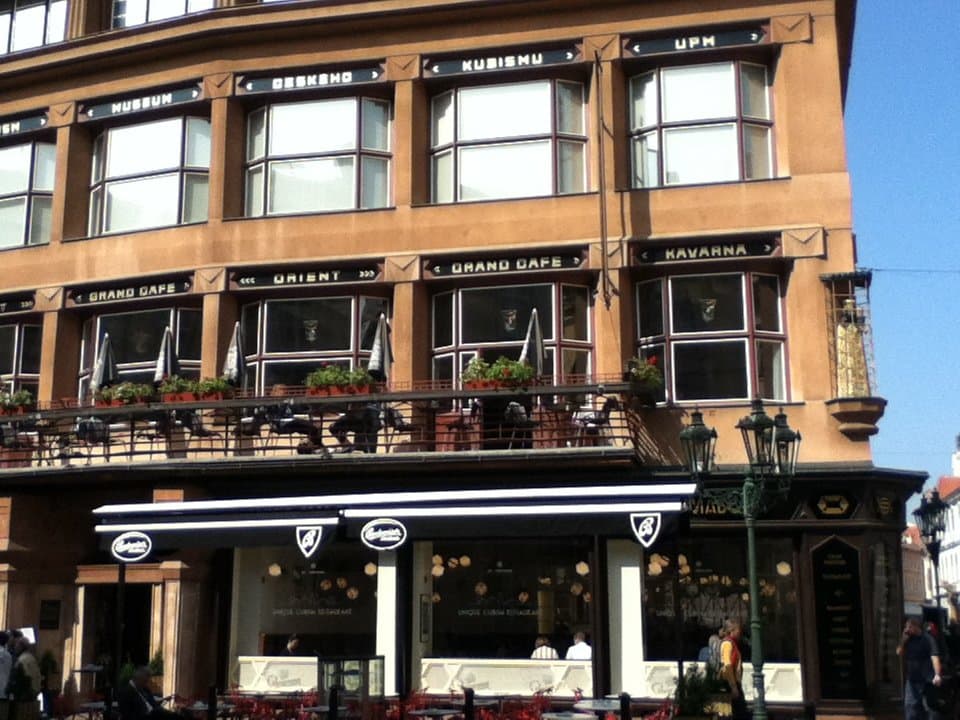
A significant Cubist building, this landmark is a unique example of this avant-garde architectural style, housing a museum and café.

This building showcases an interesting blend of architectural styles, often noted for its unique character and cultural significance.

An interesting example of Brutalist and Modernist architecture, this functional building is part of Prague's less-explored architectural landscape.

A modern skyscraper that offers interesting architectural features, including a unique bridge connecting to the city and a striking Lilith sculpture.
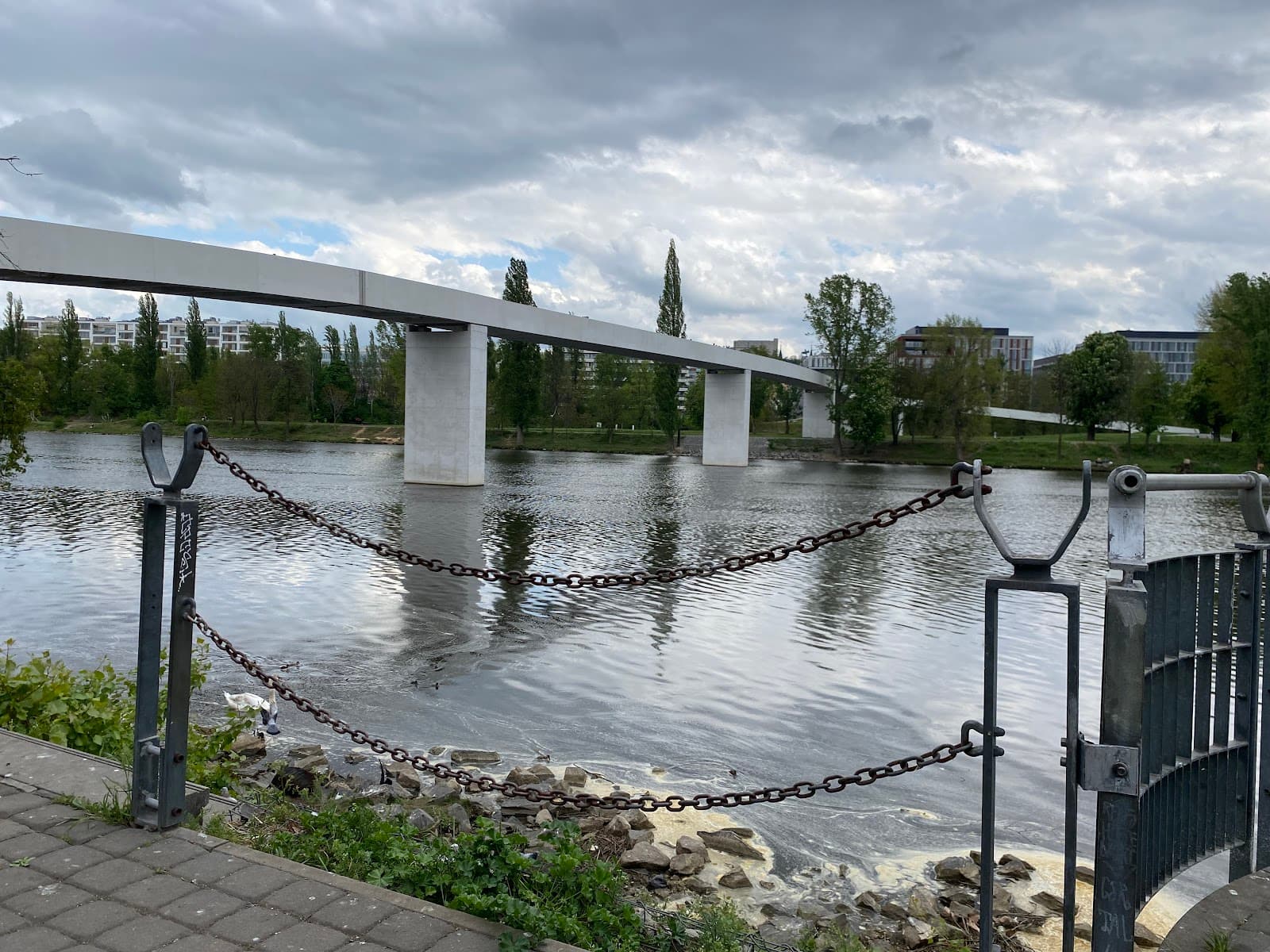
A contemporary footbridge known for its modern design and aesthetic appeal, offering a unique architectural element in the city.
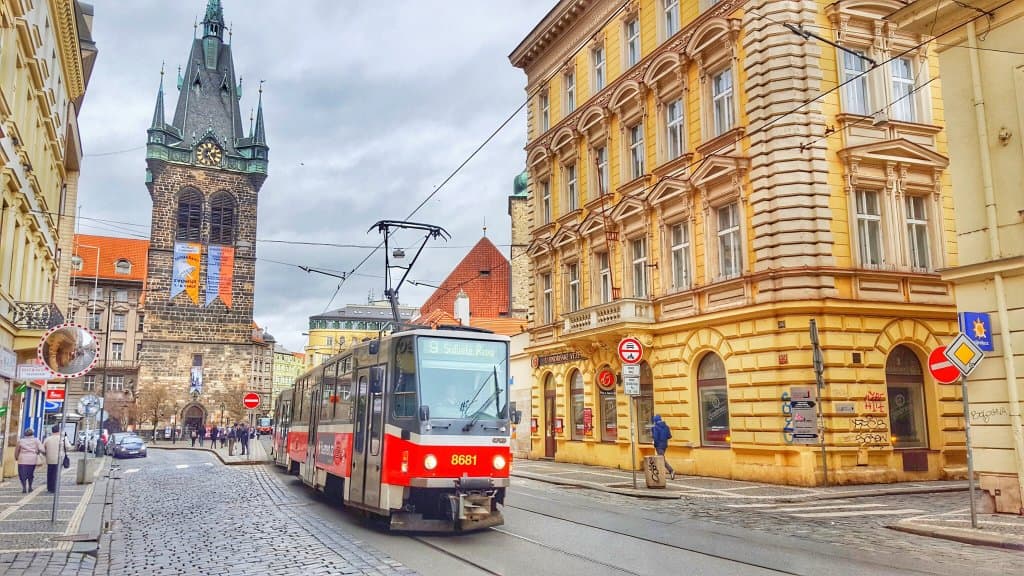
Many Prague metro stations are filled with art and feature great architectural solutions, offering a unique underground exploration of the city's design.

This building is noted for its modernist architectural style, contributing to the diverse architectural landscape of Prague.
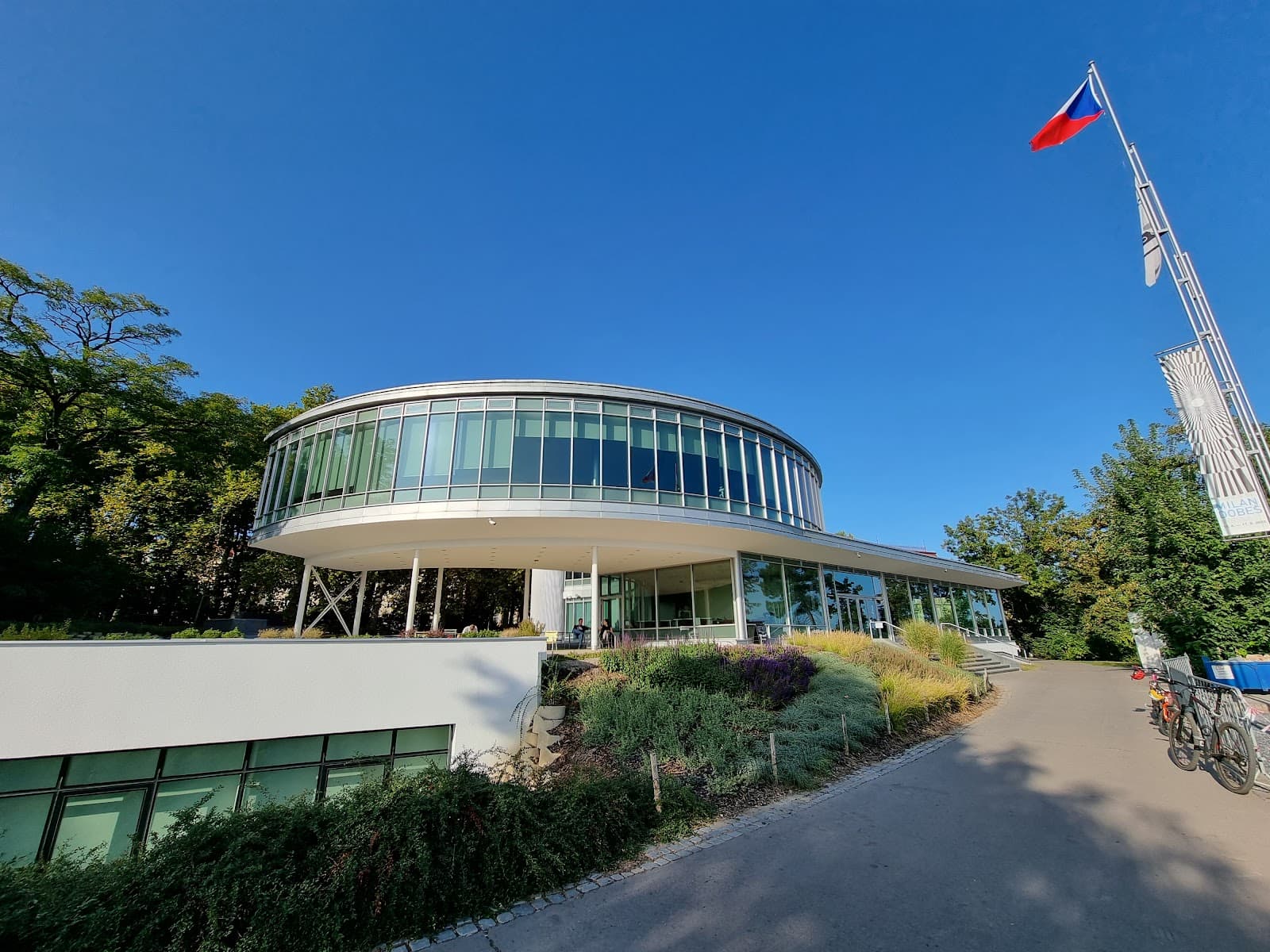
A notable example of modernist architecture, this structure is part of Prague's architectural heritage, particularly in the Letná area.
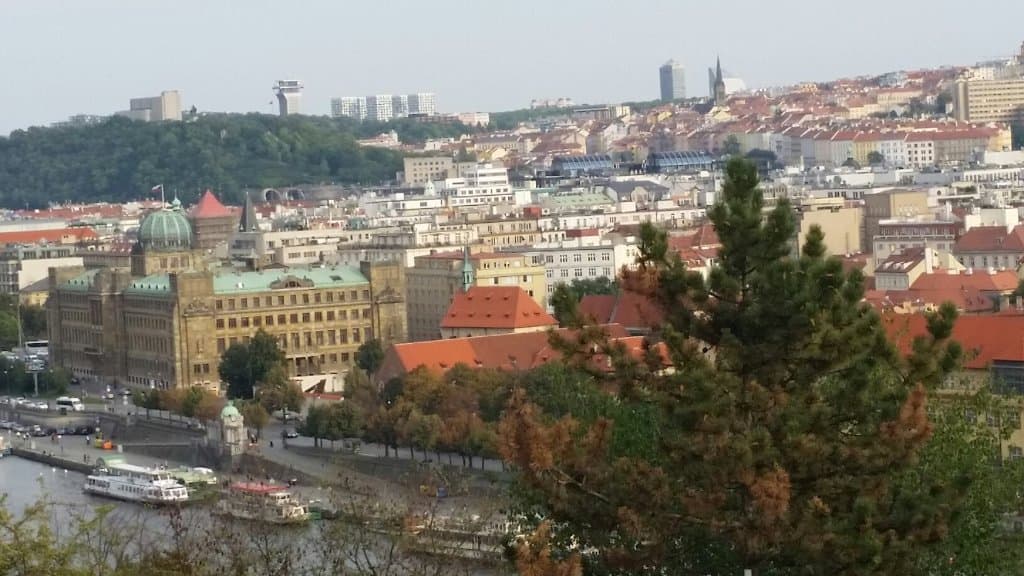
This iconic metronome sculpture, situated at a popular viewpoint, is a modern landmark with a unique architectural presence.

A charming pavilion with distinctive architecture, offering a picturesque spot and a unique design element within the city.

A significant residential block known for its modernist architectural style, contributing to the urban fabric of Letná plain.
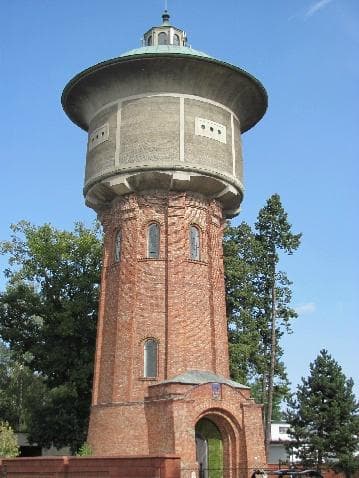
This former waterworks building showcases interesting industrial architecture and has become a notable structure in the Letná area.

A hub for architecture and urban planning, CAMP often features exhibitions and discussions on contemporary design and city development.

This monastery complex features a unique modern church designed by Vlado Milunić, known for its distinctive architectural form.
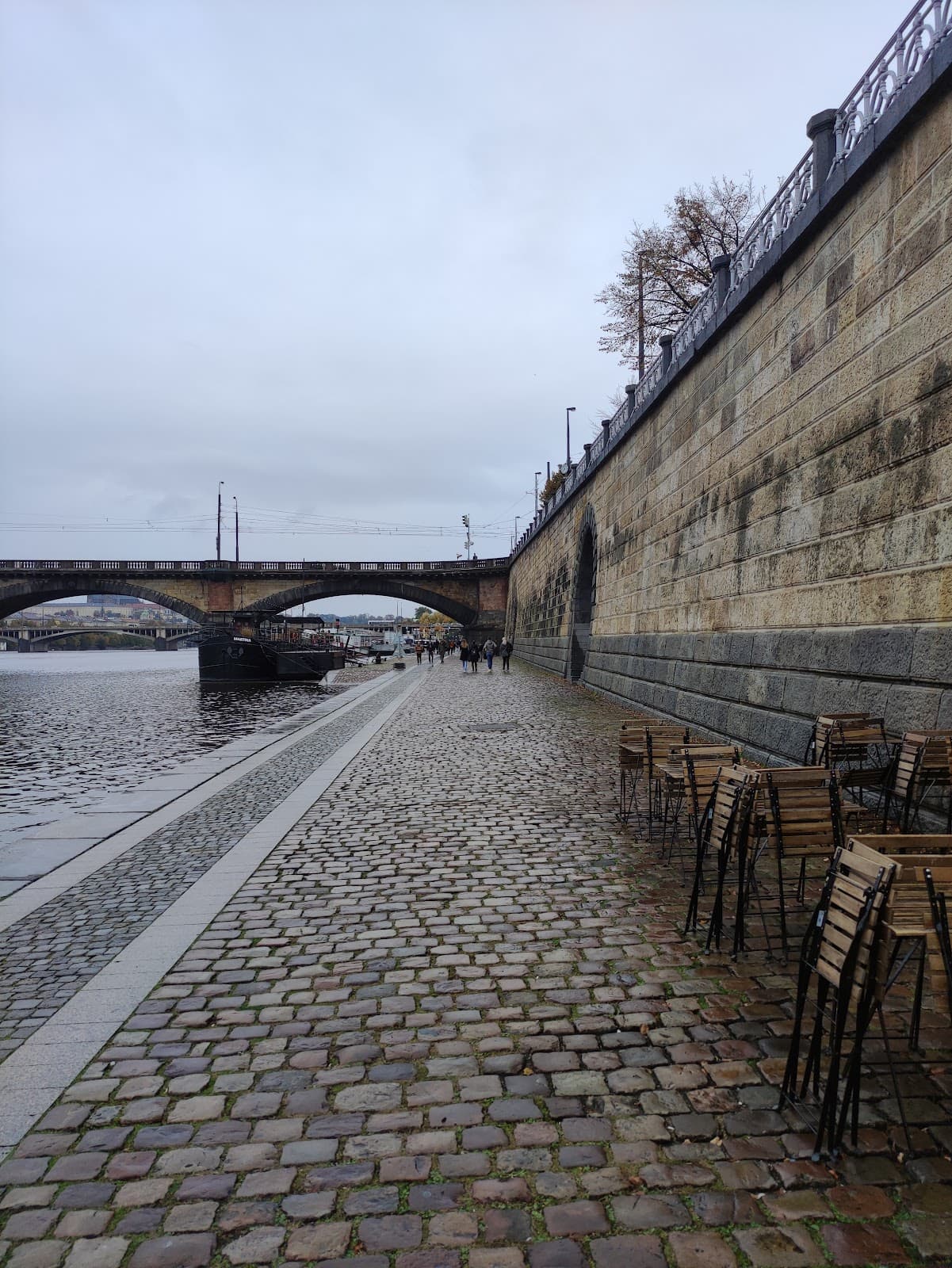
While primarily a riverside promenade, Náplavka often features interesting modern installations and architectural elements that enhance the urban experience.
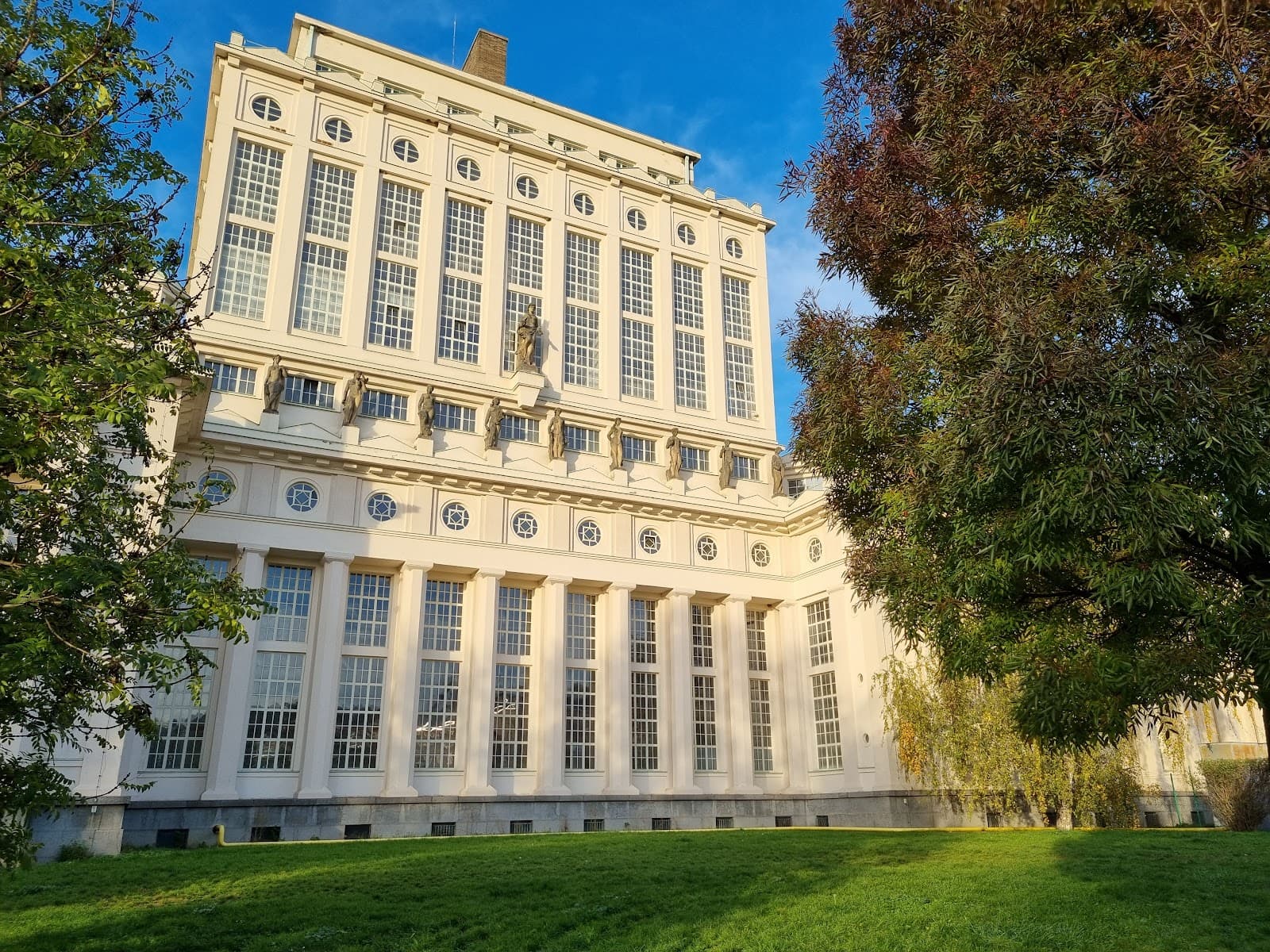
This former waterworks building in Podolí is an impressive example of industrial architecture, worth exploring for its scale and design.
This building is noted for its architectural significance, often mentioned in discussions about Prague's diverse building styles.

A controversial but iconic modern landmark, the Zizkov Tower offers panoramic views of the city and is known for its unique, albeit debated, design.
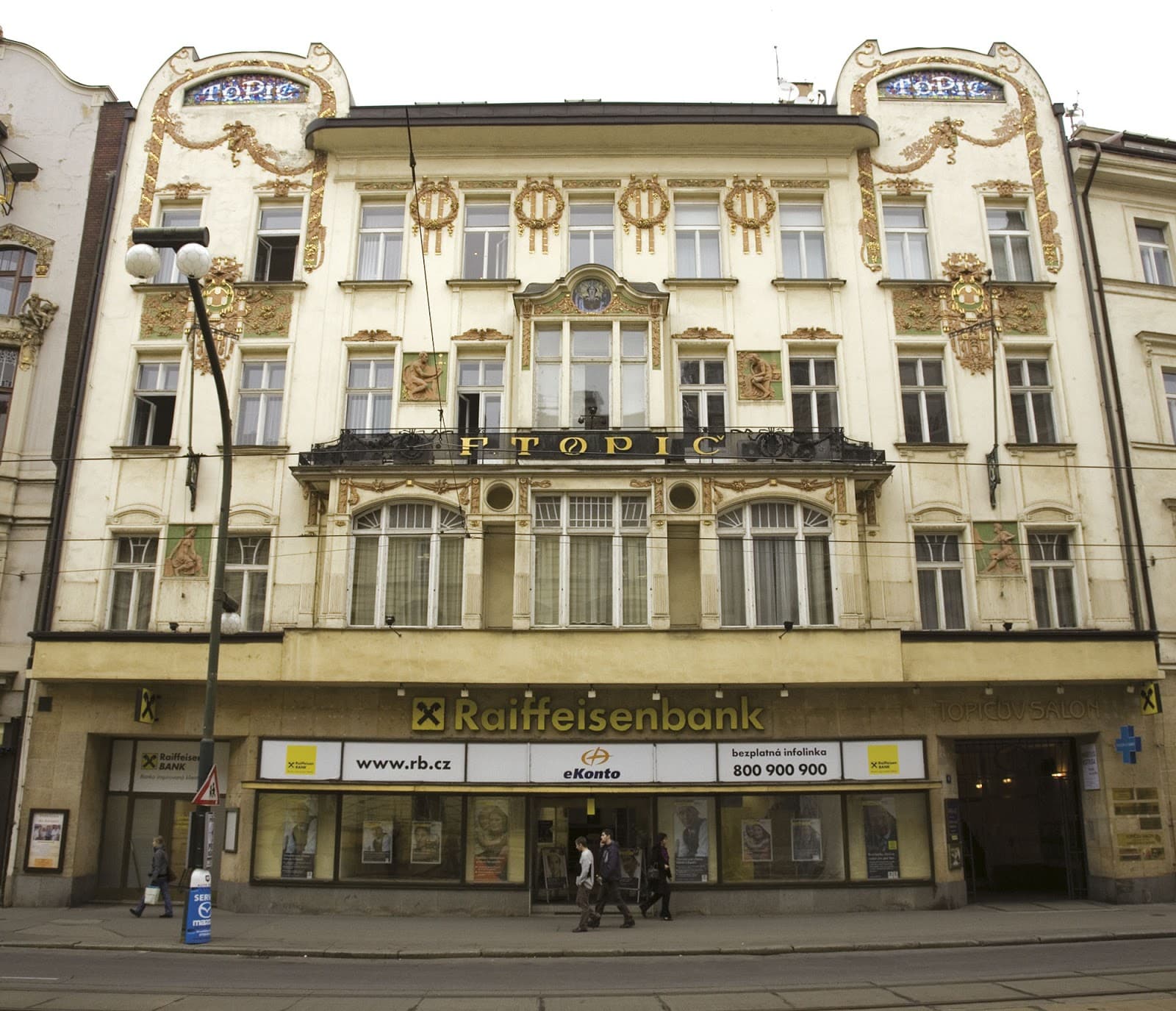
A notable example of Secession (Art Nouveau) architecture, this building showcases the decorative and artistic flair of the era.
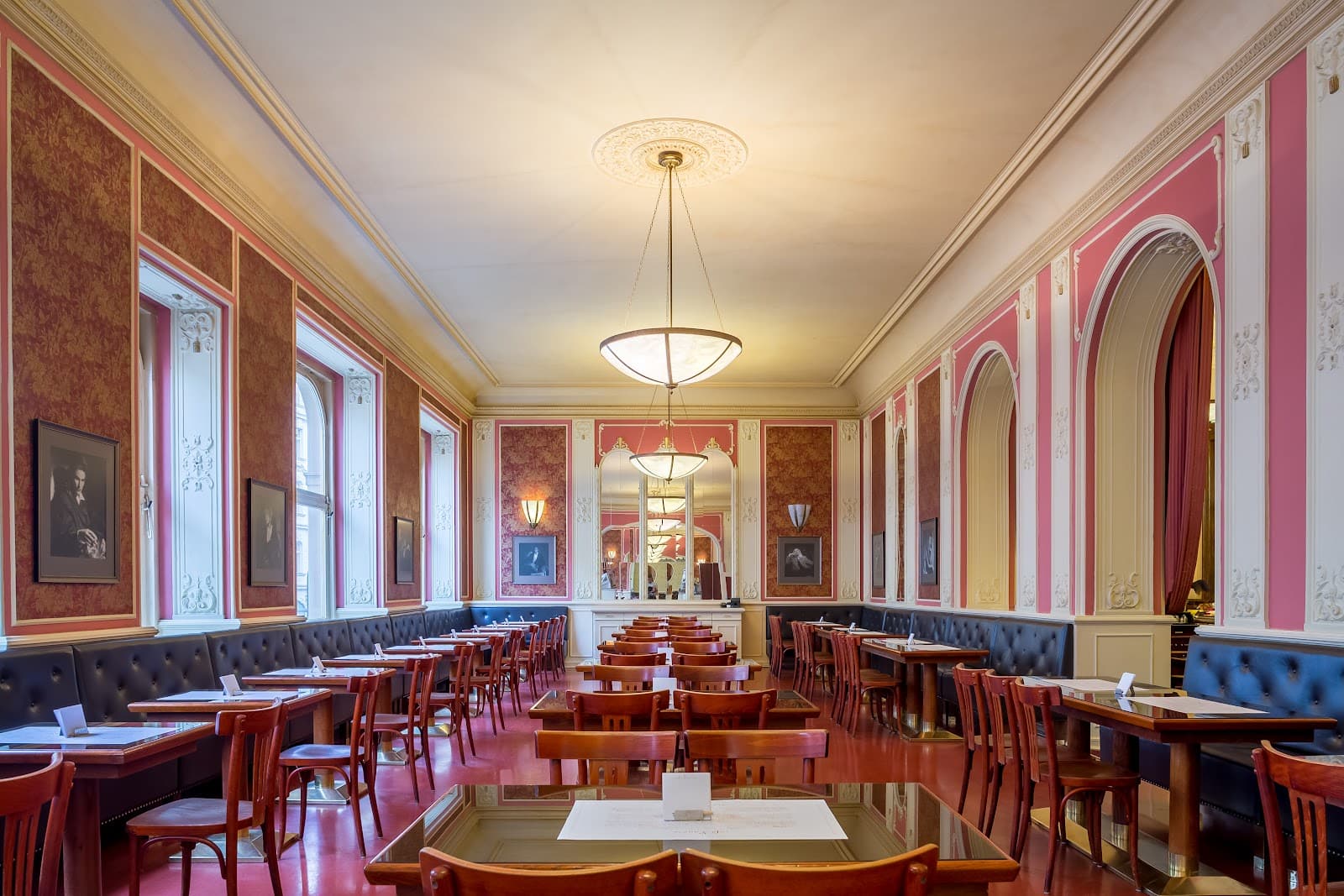
This palace on Národní Street is a significant example of Secession (Art Nouveau) architecture, blending historical charm with its current use.
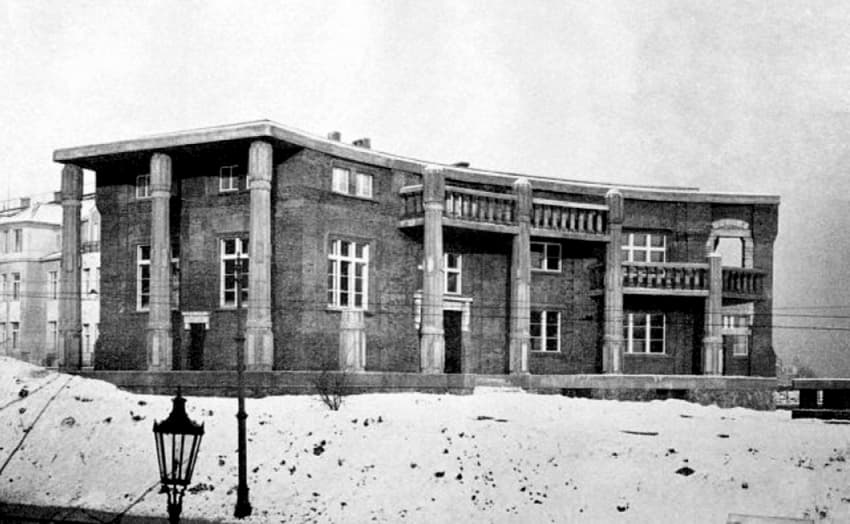
A unique villa designed by the sculptor František Bílek, it showcases an unusual and artistic approach to residential architecture.

While technically a castle, its Gothic architecture and historical significance make it a key site for understanding the architectural heritage of the region, with significant neo-Gothic reconstruction.
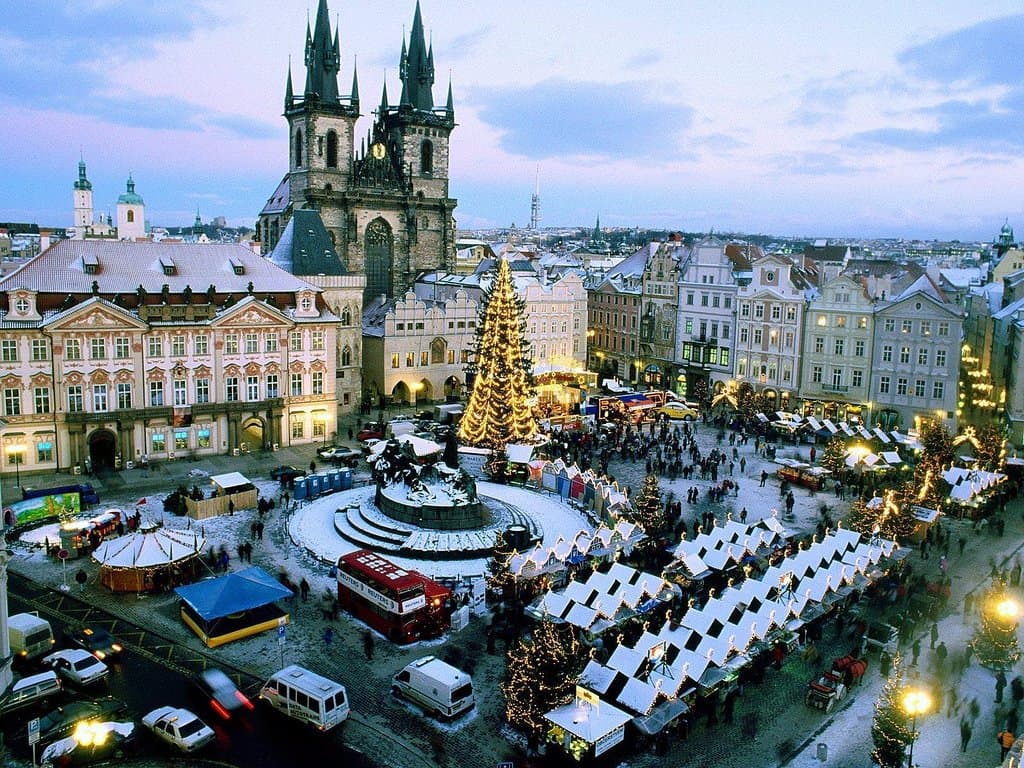
The entire historic center is packed with beautiful buildings from various epochs and styles, making the walk between sites as impressive as the sights themselves.
Prague features surviving examples of Romanesque architecture, offering a glimpse into the city's earliest architectural periods.

You can find examples of Bauhaus architecture in Prague, showcasing the clean lines and functional design principles of this influential movement.

Prague also embraces contemporary architecture, with modern glass and steel structures adding a dynamic contrast to its historic cityscape.

A symbol of Czech national identity, the National Theater is a magnificent building with a rich history and impressive architectural presence.
A proposed modern skyscraper that, if built, would feature a full-scale shipwreck on one side, representing a bold and unique architectural concept.

Prague is renowned for its Gothic architecture, with numerous churches, towers, and structures that embody the dramatic and intricate style.
The city is adorned with stunning Baroque buildings, from churches to palaces, showcasing the ornate and dramatic artistry of the era.
Prague is a treasure trove for Art Nouveau enthusiasts, with numerous buildings and decorative elements showcasing this elegant style.
Beyond its historic core, Prague offers significant examples of modernist architecture, from villas to public buildings, reflecting various design movements.
Discover Prague's less conventional side by exploring its Brutalist architecture, characterized by its raw concrete forms and imposing presence.
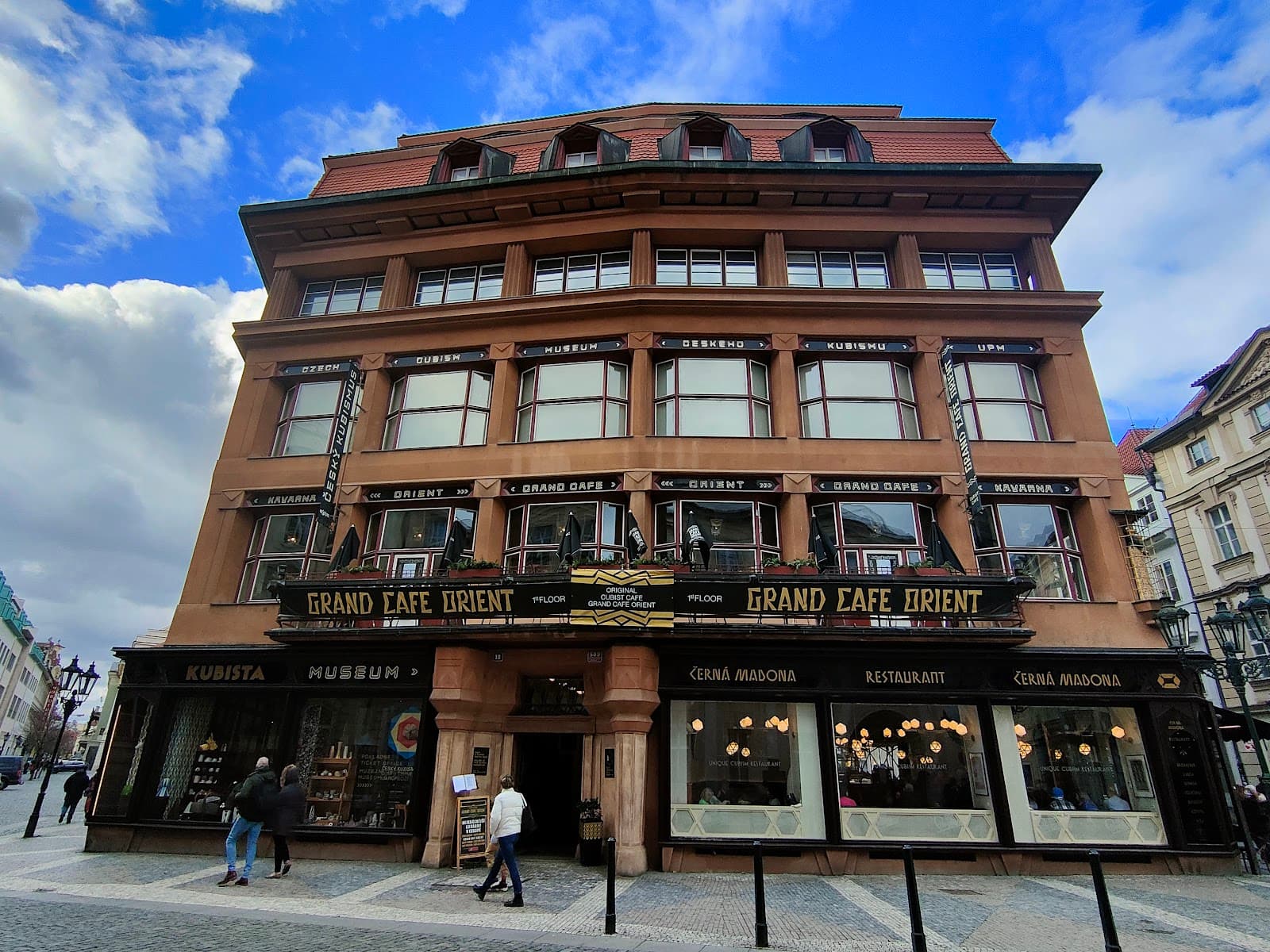
Prague is one of the few cities in the world with notable Cubist architecture, offering a unique and avant-garde visual experience.
Explore Prague's Secession (Art Nouveau) style, evident in many buildings, from grand hotels to smaller decorative facades.
Beyond the Charles Bridge, Prague features several other bridges, each with its own architectural character and offering unique perspectives of the city.
Wander through the Prague Castle district to experience a rich tapestry of architectural styles, from Romanesque to Gothic and Baroque, all within a historic setting.
The heart of Prague's historic center, Old Town Square is surrounded by a stunning array of Gothic, Renaissance, and Baroque buildings, creating a visually captivating environment.
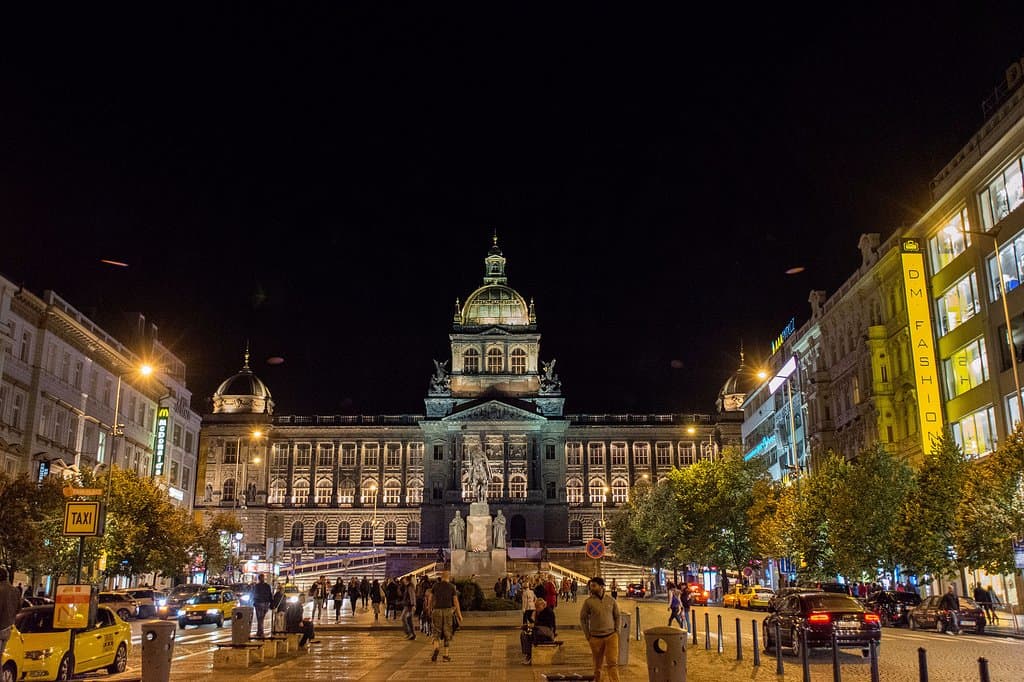
This bustling square is lined with a mix of architectural styles, from Art Nouveau to more modern structures, reflecting Prague's evolving urban landscape.
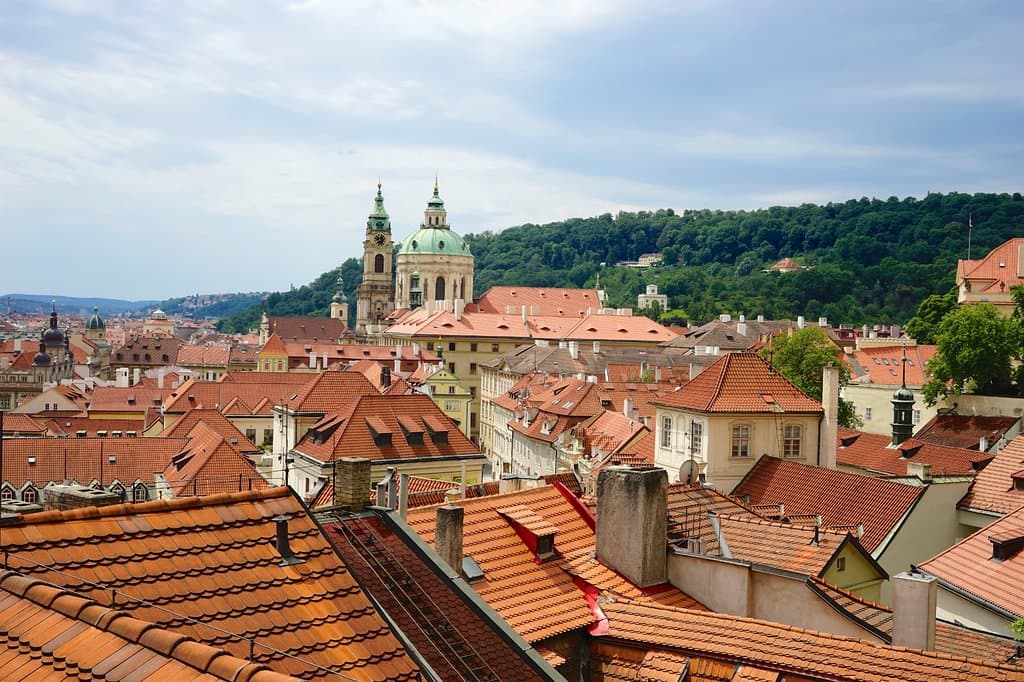
Explore the charming streets of Malá Strana to discover beautiful Baroque palaces, picturesque houses, and hidden courtyards, showcasing a distinct architectural character.
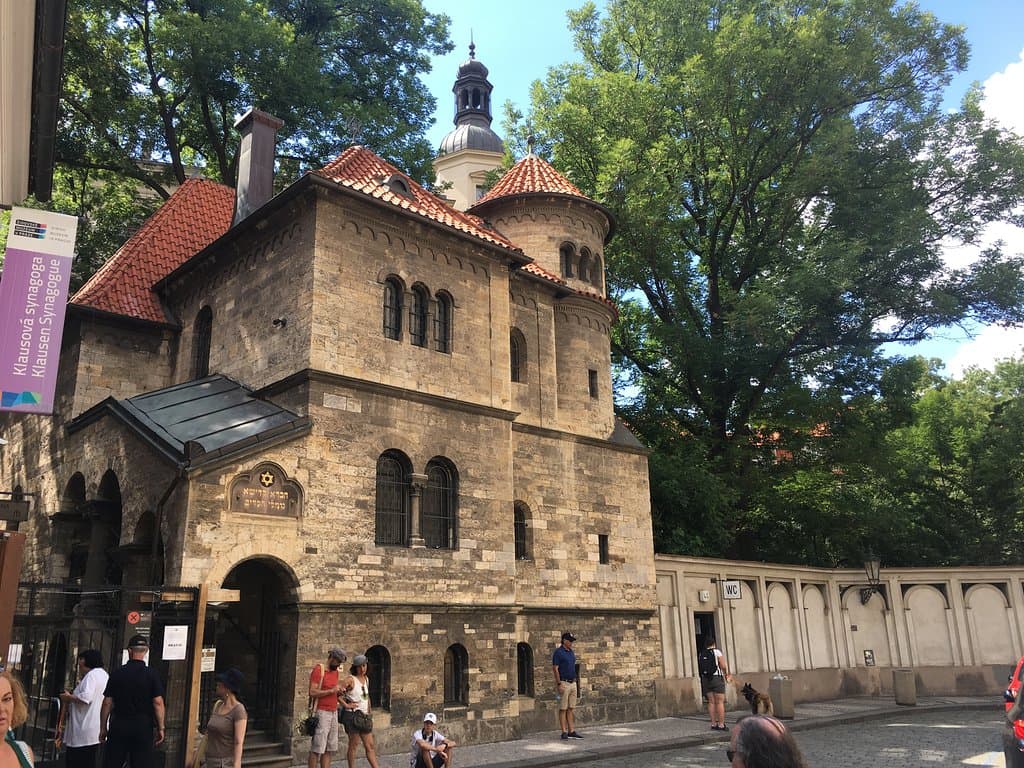
The historic Jewish Quarter features a unique blend of architectural styles, including synagogues and historic buildings that tell a rich story.
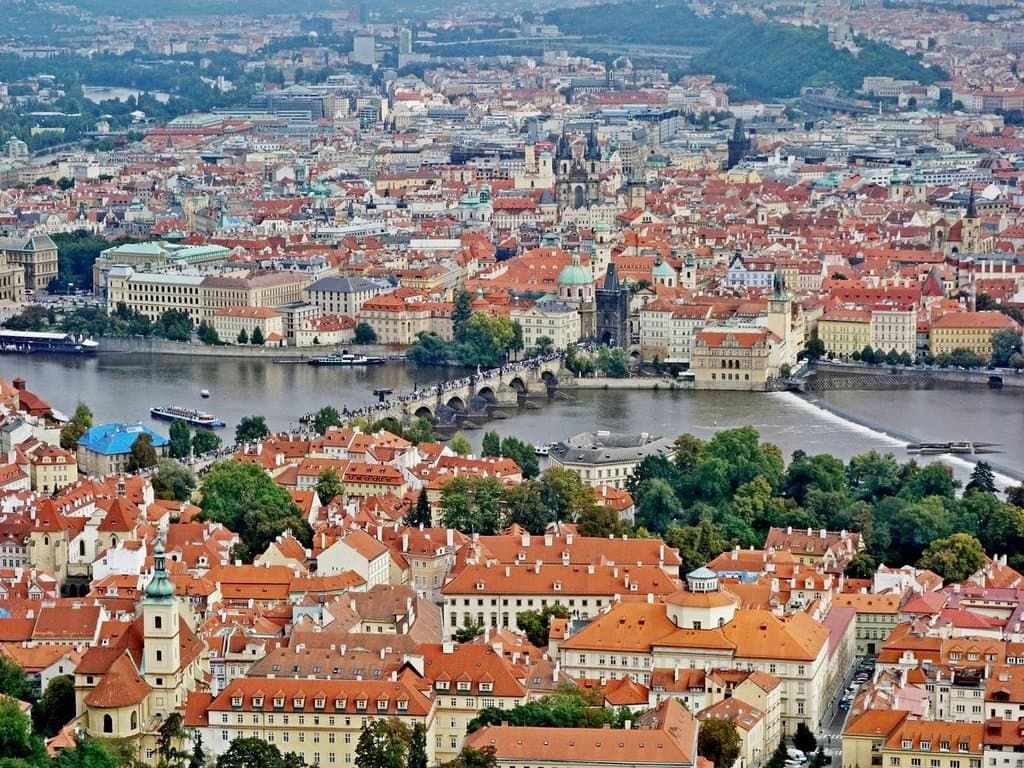
While known for its parks, Petřín Hill also features interesting structures like the Petřín Lookout Tower, offering architectural points of interest with city views.
This historic fort offers a different perspective on Prague's architecture, with its basilica, cemetery, and ramparts providing a sense of historical grandeur.
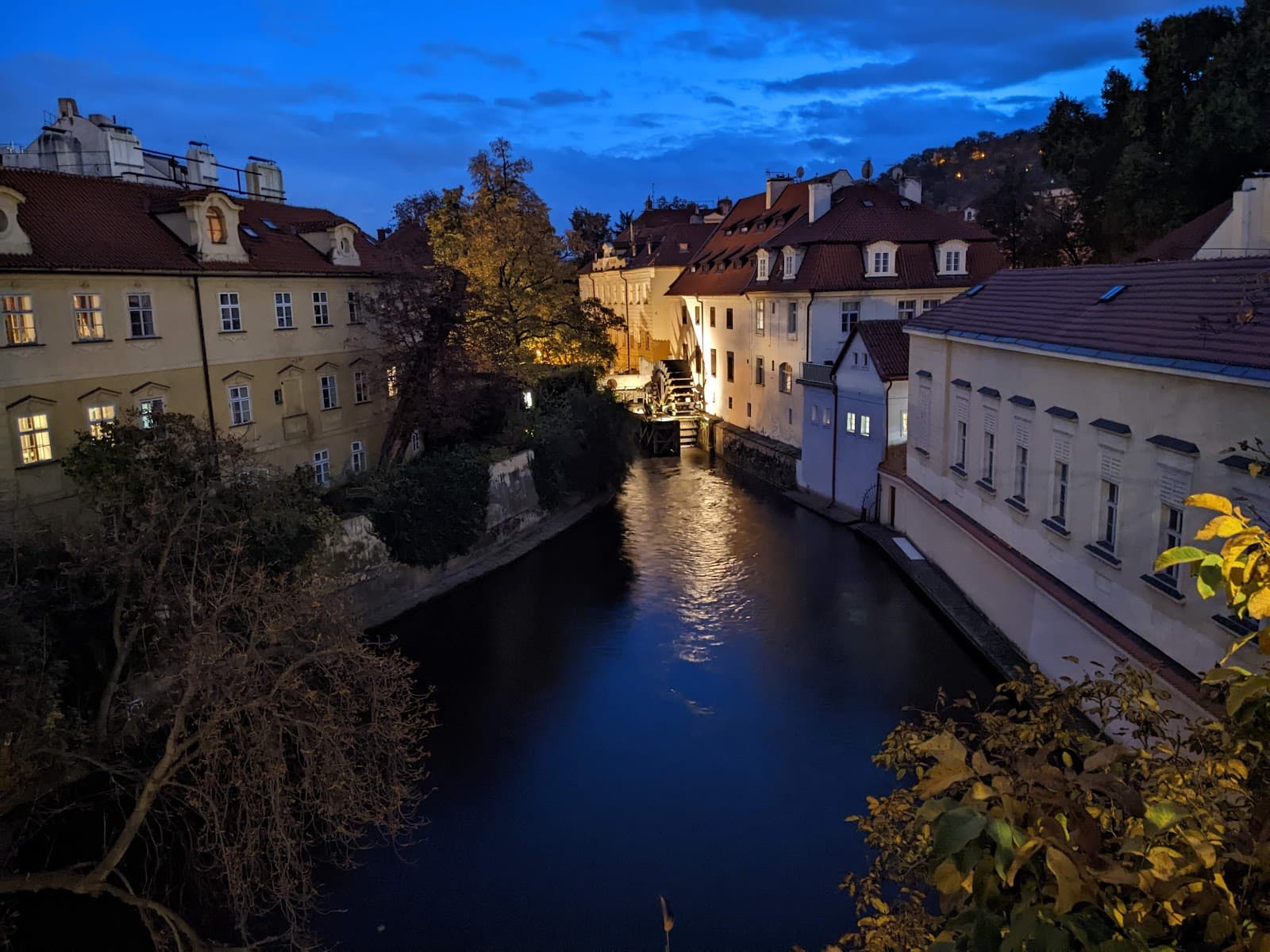
This picturesque island offers charming houses, water mills, and a more tranquil architectural experience away from the main tourist crowds.
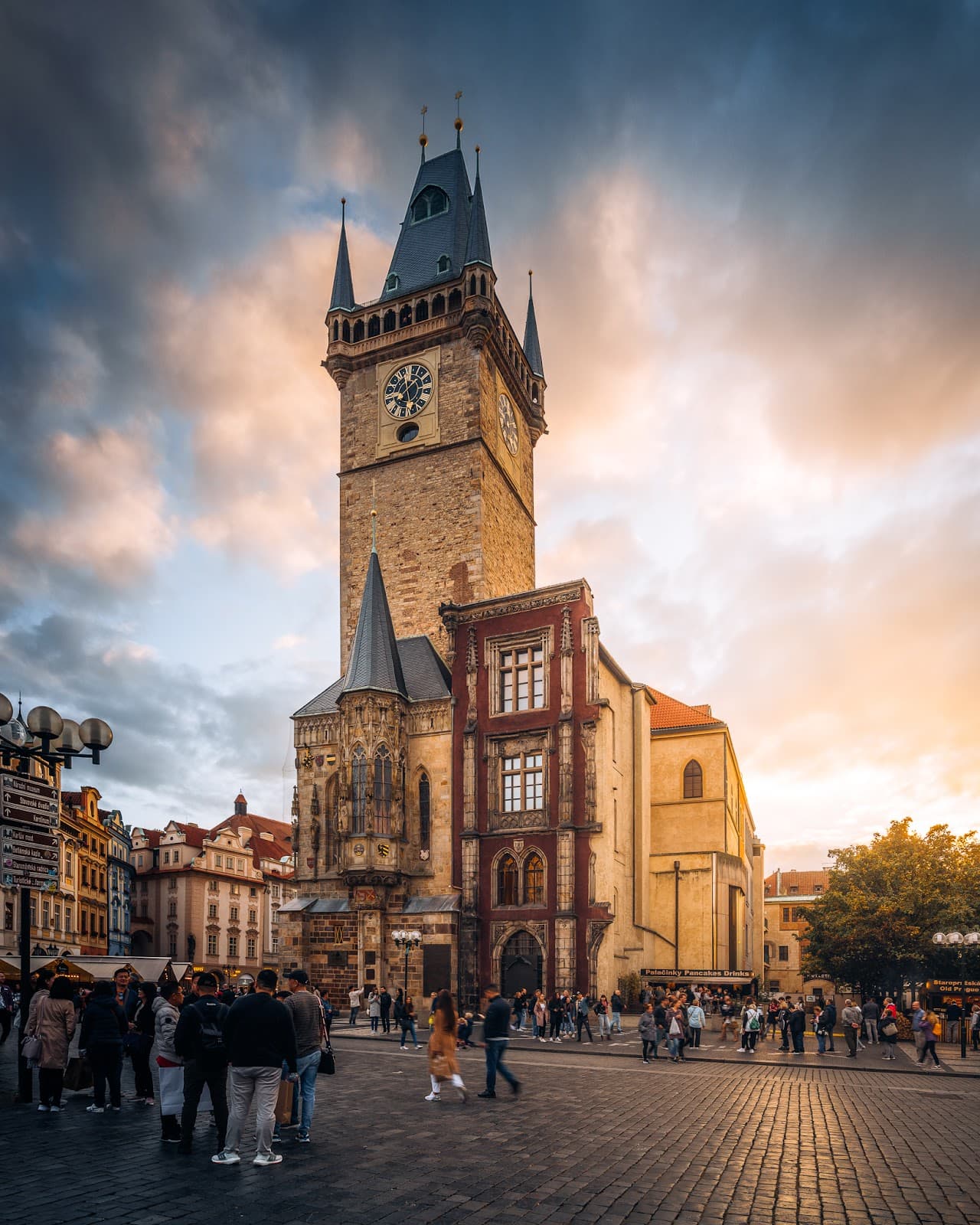
A significant Gothic tower in the New Town Hall complex, offering historical architectural details and city views.

This imposing Gothic tower marks the entrance to the Old Town and is a striking example of late Gothic fortification architecture.
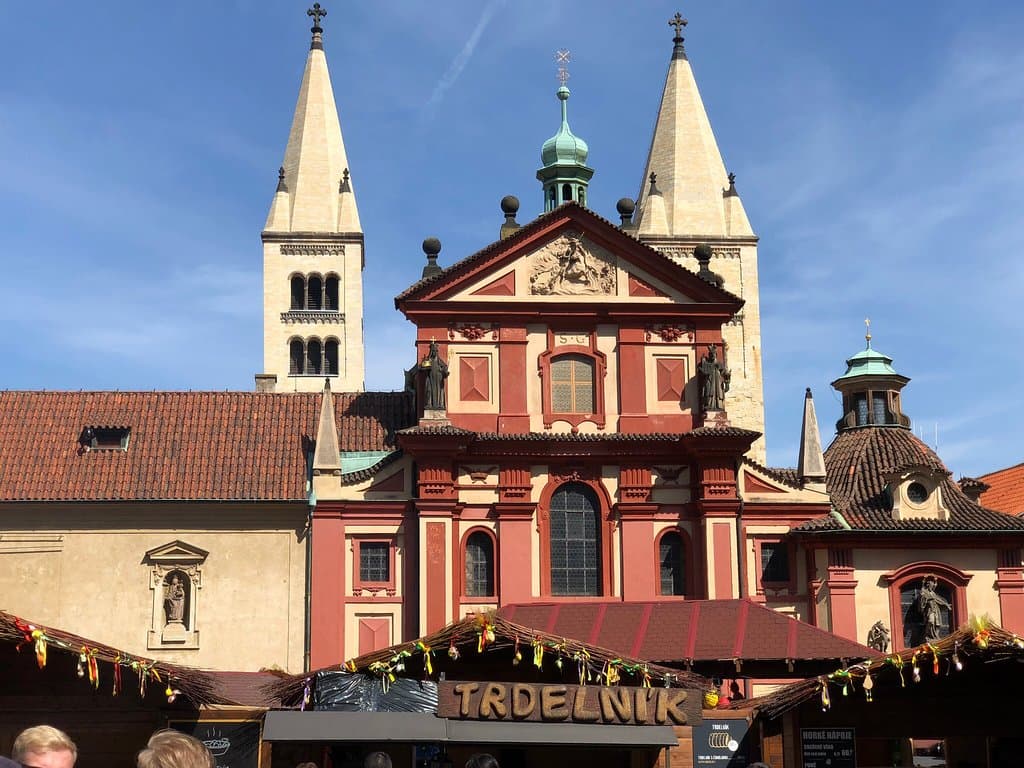
One of the oldest surviving churches in Prague, this Romanesque basilica within Prague Castle offers a glimpse into the city's earliest religious architecture.
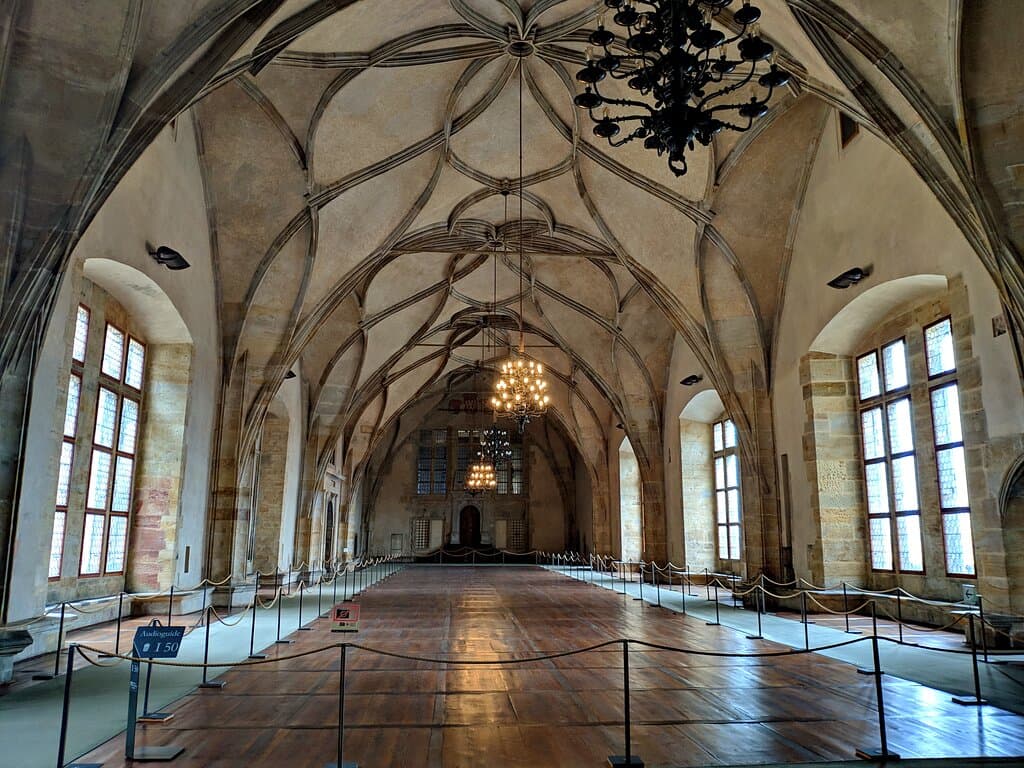
Part of the Prague Castle complex, this palace showcases various architectural periods, including Gothic and Renaissance elements, reflecting its long history.
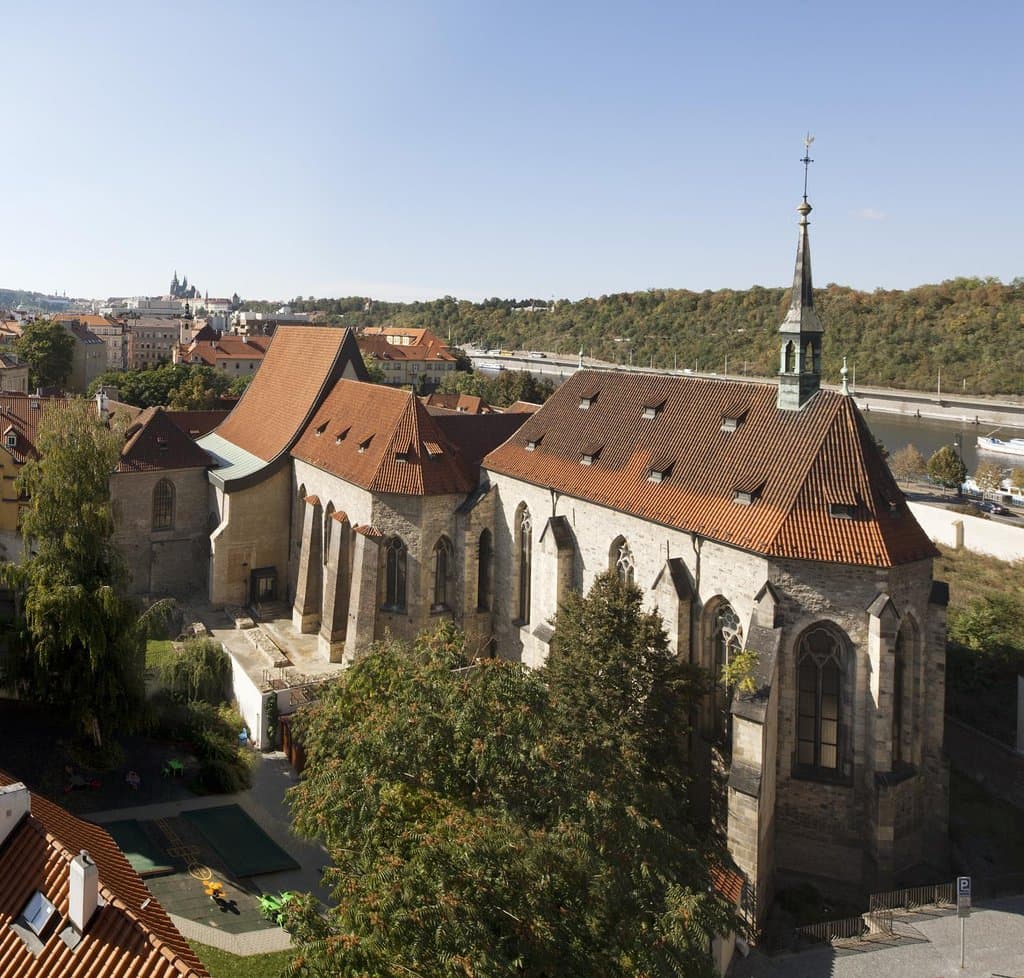
This former convent features significant Gothic architecture, including a beautiful church and cloister, offering a serene historical experience.
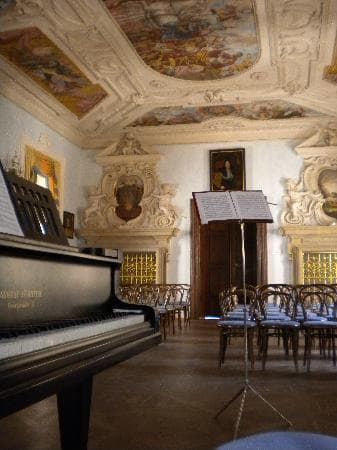
A Renaissance palace within Prague Castle, it houses a museum and offers insights into the architectural evolution of the complex.

A magnificent Baroque palace with stunning gardens, this complex showcases the grandeur of Baroque architecture and landscape design.
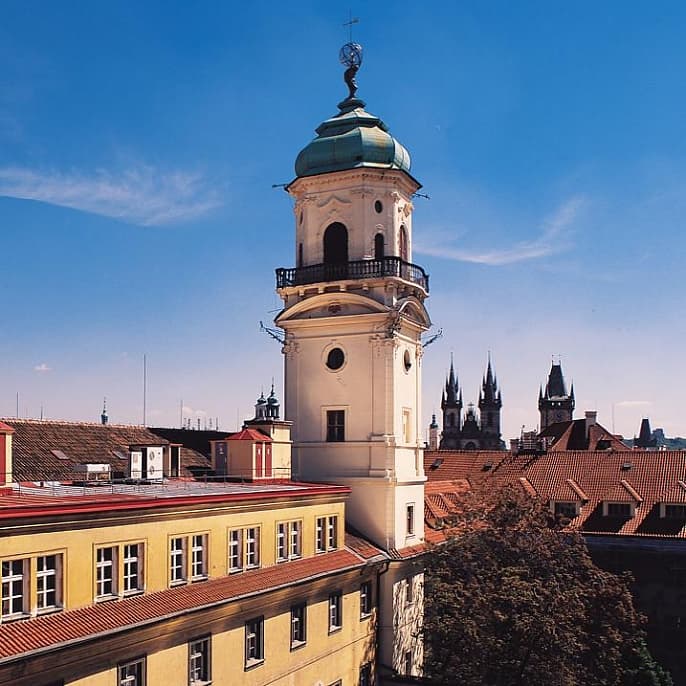
Part of the Clementinum complex, this Baroque tower offers panoramic views of Prague and is an architectural highlight of the historic site.

Home to two stunning Baroque libraries, the Theological and Philosophical Halls, this is a must-visit for its exquisite interiors and historical significance.

This museum showcases technological history and features an impressive building with architectural elements that reflect its purpose.
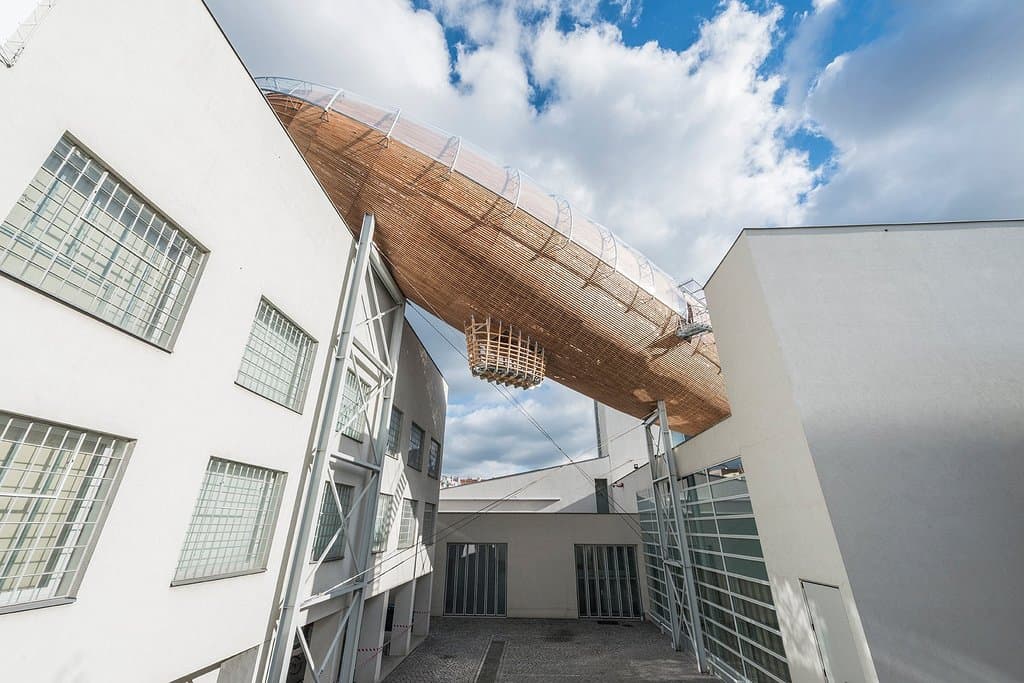
A striking example of modern industrial architecture, DOX is housed in a former factory and features a distinctive 'Gulliver's Ship' structure.

This building represents functionalist architecture in Prague, characterized by its clean lines and practical design.
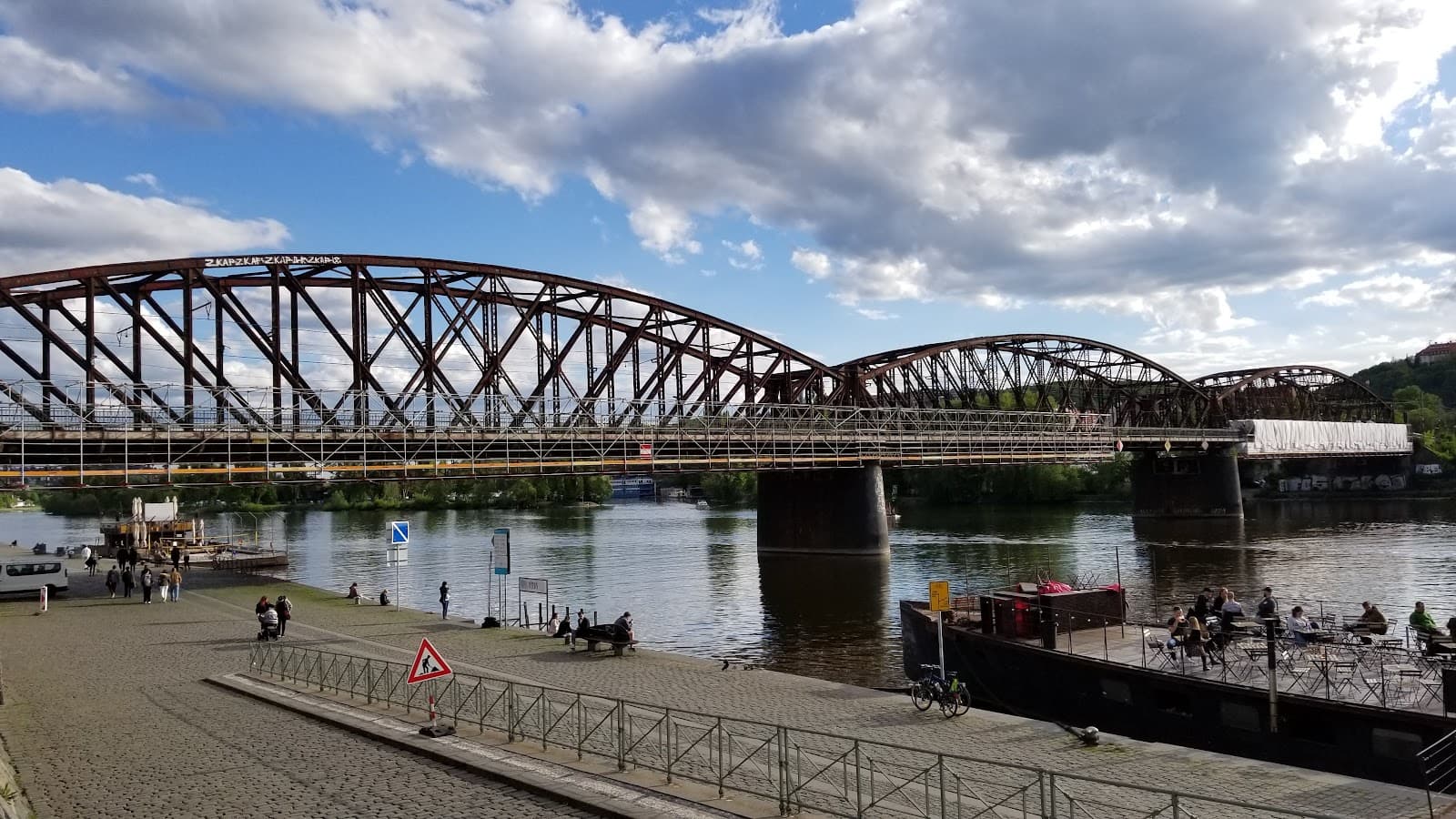
The architecture along the Vltava River offers a dynamic mix of historic and modern buildings, providing beautiful vistas and a sense of the city's scale.
Beyond its controversial architecture, the tower is known for the crawling baby sculptures by David Černý, adding an artistic and unique element.
This vast functionalist building, once a trade fair palace, now houses a significant collection of art and is an architectural landmark in itself.
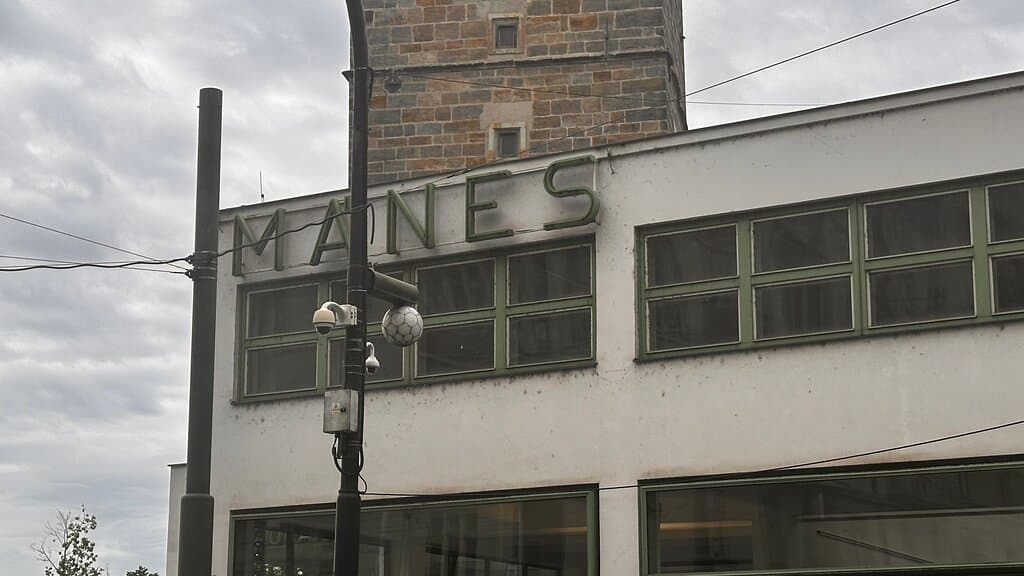
A modernist building located on the Vltava riverbank, known for its exhibition spaces and distinctive architectural style.