Poverty Point
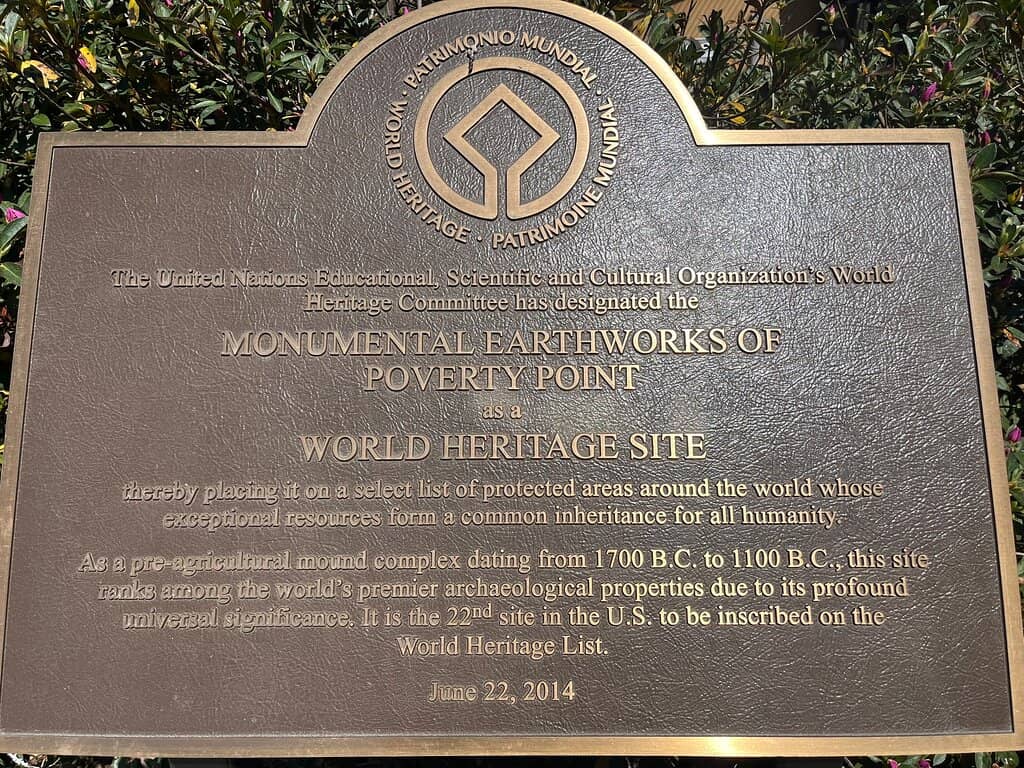
Explore Poverty Point, a UNESCO World Heritage Site featuring massive ancient earthworks and a glimpse into a sophisticated prehistoric culture.
Highlights
Must-see attractions

Social
From TikTok & Reddit
Best Time
Beat the heat and crowds
Poverty Point
Best Time
Beat the heat and crowds
Highlights
Must-see attractions
Explore Poverty Point, a UNESCO World Heritage Site featuring massive ancient earthworks and a glimpse into a sophisticated prehistoric culture.
"An incredible UNESCO World Heritage Site that’s absolutely worth a visit!"
⏰ Respect Closing Time
The site closes at 5 PM sharp. Plan your visit to allow enough time for exploration before closing. :clock1:
📚 Don't Skip the Museum
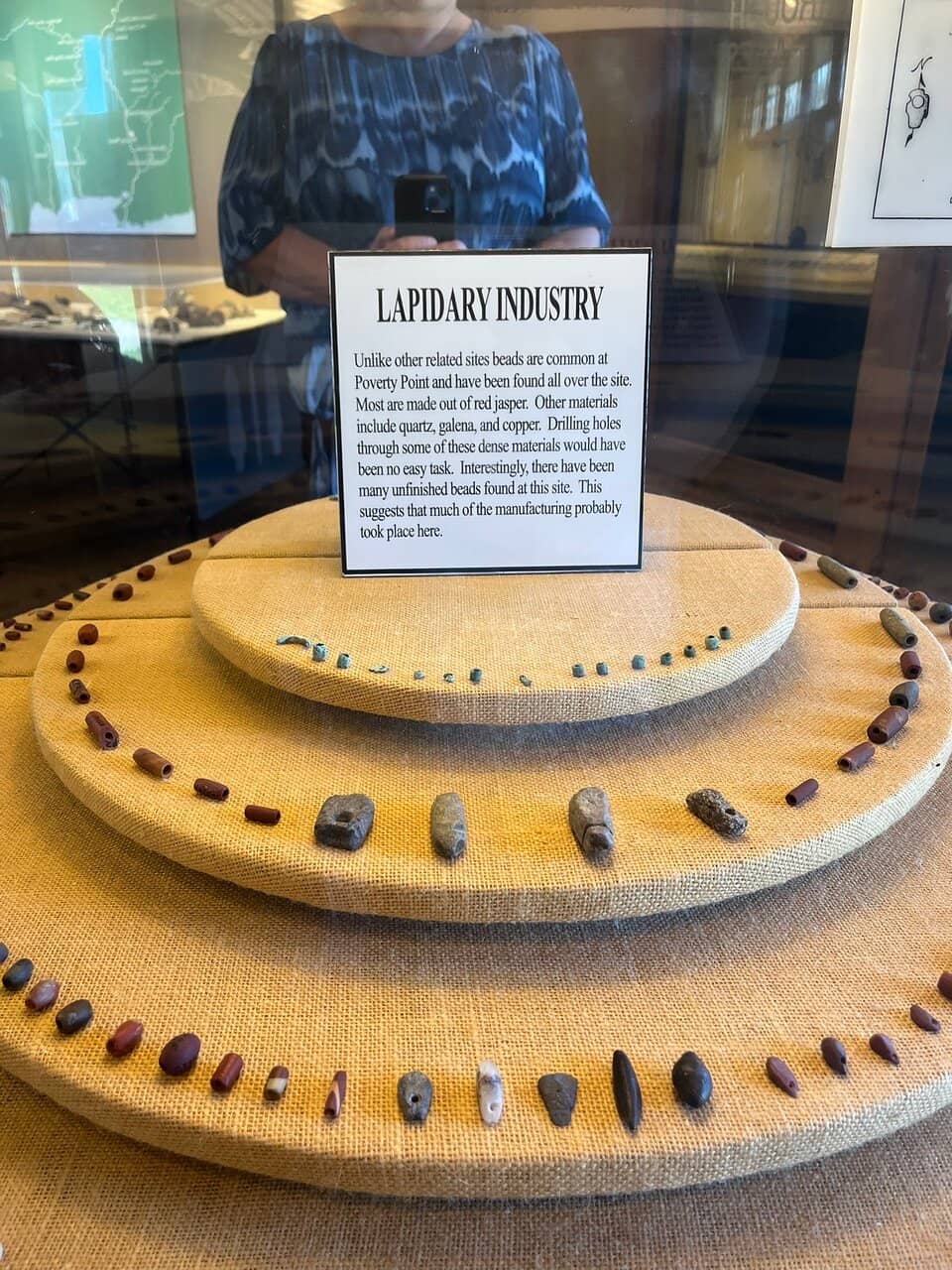
The visitor center museum is packed with essential info and artifacts. It's a must-see to understand Poverty Point's significance. :museum:
Highlights
Discover the most iconic attractions and experiences
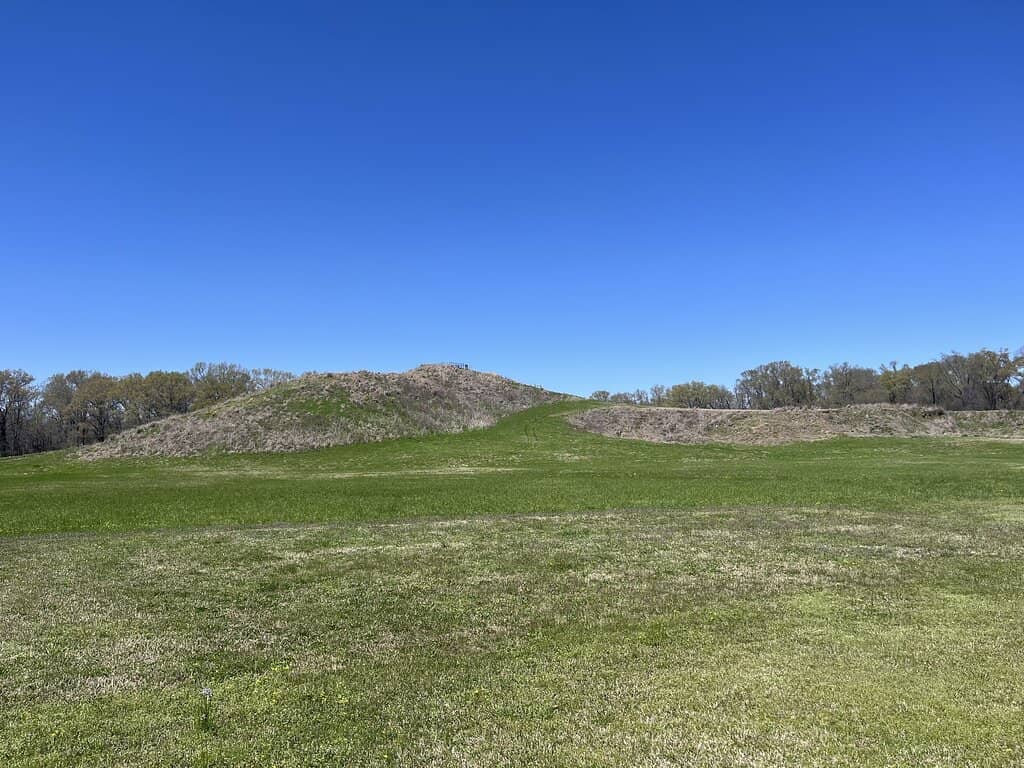
The Great Mound
Central area of the site
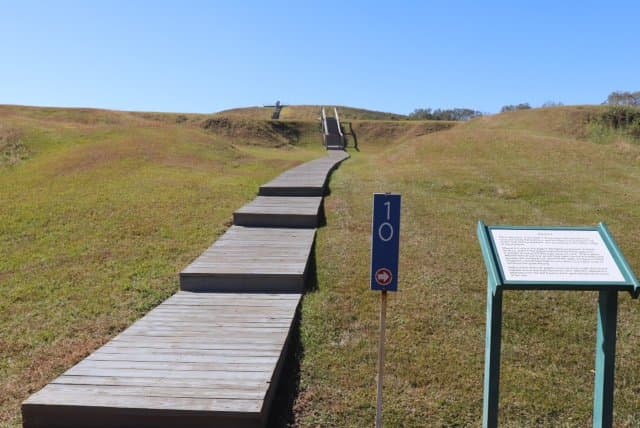
Ascend this massive, ancient earthwork for panoramic views and a sense of scale of this incredible UNESCO World Heritage Site.
Visitor Center & Museum
Entrance area
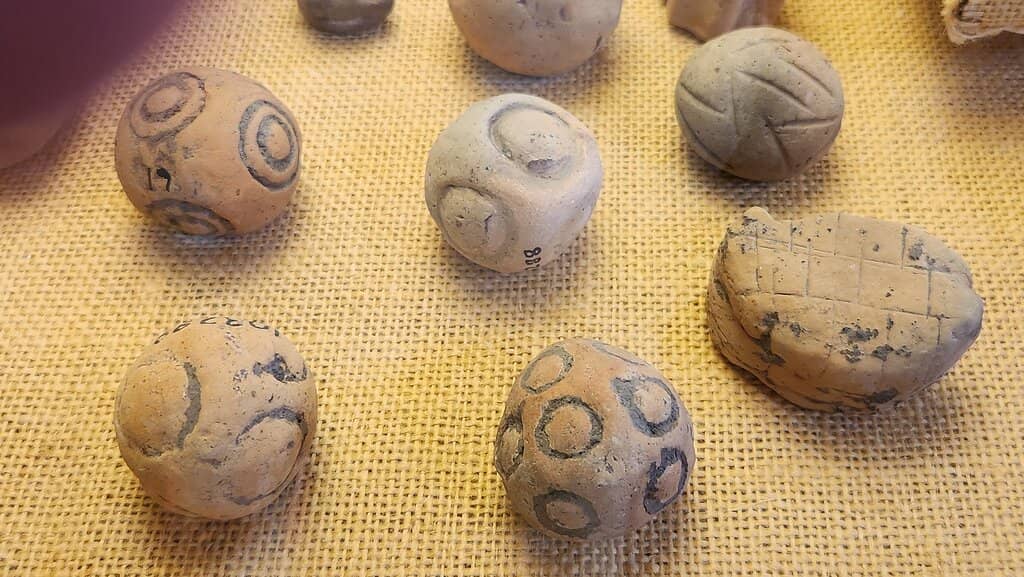
Discover fascinating artifacts, informative exhibits, and engaging films that bring the rich history of Poverty Point culture to life.
Ranger-Guided Tours
Various points of interest
Gain deep insights from knowledgeable rangers who make the history and significance of Poverty Point's ancient inhabitants truly come alive.
Plans like a pro.
Thinks like you
Planning Your Visit
Timing is Everything
Lodging Near Poverty Point
Best Times
Insider Tips
from TikTok, Instagram & Reddit
⏰ Respect Closing Time
The site closes at 5 PM sharp. Plan your visit to allow enough time for exploration before closing. :clock1:
📚 Don't Skip the Museum
The visitor center museum is packed with essential info and artifacts. It's a must-see to understand Poverty Point's significance. :museum:
🚶♀️ Explore with a Ranger
Ranger-led tours are highly recommended for a deeper understanding of the site's history and culture. :walking:
🚗 Self-Guided Driving Tour
If tours aren't your style, the self-guided driving tour with a provided pamphlet is a great way to see the mounds. :car:
Tips
from all over the internet
⏰ Respect Closing Time
The site closes at 5 PM sharp. Plan your visit to allow enough time for exploration before closing. :clock1:
📚 Don't Skip the Museum
The visitor center museum is packed with essential info and artifacts. It's a must-see to understand Poverty Point's significance. :museum:
🚶♀️ Explore with a Ranger
Ranger-led tours are highly recommended for a deeper understanding of the site's history and culture. :walking:
🚗 Self-Guided Driving Tour
If tours aren't your style, the self-guided driving tour with a provided pamphlet is a great way to see the mounds. :car:
🥾 Wear Comfortable Shoes
You'll be doing a lot of walking and climbing on the mounds, so comfortable footwear is essential. :athletic_shoe:
What Travellers Say
Reviews Summary
Visitors consistently praise the knowledgeable park rangers and the informative visitor center museum, which bring the rich history of this UNESCO World Heritage Site to life. The scale of the earthworks and the opportunity to learn about ancient cultures are major highlights. Some visitors note the early 5 PM closing time, which can limit sunset viewing or extended exploration.
"The park rangers here are extremely knowledgeable and helpful, making the visit even more enjoyable. This is a fascinating and historically rich site with a great little museum on-site. It also features one of the largest Paw Paw fruit groves in the United States. An incredible UNESCO World Heritage Site that’s absolutely worth a visit!"
Andrew Powell
"This is a hidden gem in NE Louisiana. The museum is small, but pack with information and artifacts. Who would imagine that this site would be older than the Egyptian pyramids, or the Roman Empire. A fascinating World History site."
Lalia Jagers
"Amazing park guide taught us SO much about this UNESCO World Heritage site. The little museum should not be missed. Excavation was going on, and we got to talk to archeologists about their project and what they had discovered. Nice tram ride around the mounds adds to the experience."
Janis Balsamo
What People Like
What People Dislike
Frequently Asked Questions
🚇 🗺️ Getting There
Poverty Point is located in northeastern Louisiana. The most common way to reach it is by car. Use GPS coordinates or the address for the Poverty Point State Historic Site. Check local road conditions before you travel, especially if visiting after heavy rain.
Public transportation options to Poverty Point are very limited. It is best accessed by private vehicle. Consider carpooling if traveling with others.
The best route depends on your starting point. Consult a reliable GPS service or mapping app for real-time directions. The site is well-marked once you are in the vicinity.
The closest major airports are Monroe Regional Airport (MLU) and Alexandria International Airport (AEX), both of which are a significant drive away. Renting a car is essential if flying in.
Yes, a map of the Poverty Point State Historic Site is available at the visitor center and often online. It's helpful for understanding the layout of the mounds and key areas.
🎫 🎫 Tickets & Entry
Admission fees are typically minimal for the Poverty Point State Historic Site. Check the official website for the most current pricing. A passport stamper is available for National Monument visitors.
Poverty Point closes promptly at 5 PM daily. The visitor center and museum also adhere to these hours, so plan your visit accordingly to avoid disappointment.
Generally, advance booking is not required for general admission to Poverty Point. However, for special events or guided tours, it's advisable to check the official site.
Yes, Poverty Point is typically open on weekends, but it closes at 5 PM. Weekend visits can be more crowded, so an early start is recommended.
Information on discounts, such as for seniors or children, is usually available on the official Poverty Point State Historic Site website. Inquire at the visitor center for details.
🎫 🧭 Onsite Experience
The main attractions include the massive earthwork mounds, the central plaza, the visitor center and museum, and the opportunity to learn about the ancient Poverty Point culture. The Great Mound is a must-see.
Yes, there are opportunities for hiking at Poverty Point, particularly around the mounds and designated trails. Wear comfortable shoes as some areas involve climbing.
A tram ride around the mounds is offered and adds to the experience, providing a unique perspective of the site's layout.
The museum at Poverty Point features exhibits on the site's history, the artifacts discovered, and the daily lives of the people who inhabited it thousands of years ago.
Yes, knowledgeable park rangers often lead guided tours, which are highly recommended for a comprehensive understanding of the site's historical and archaeological significance.
🍽️ 🍽️ Food & Dining
There are no restaurants or food services directly within Poverty Point State Historic Site. Visitors are advised to bring their own food and drinks or dine in nearby towns.
Picnicking is generally allowed in designated areas at Poverty Point. It's a great way to enjoy the scenery while taking a break. Remember to pack out all trash.
Dining options are limited in the immediate vicinity. The nearest towns will offer more choices, ranging from casual eateries to local diners. Research options in nearby communities like Pioneer or Tallulah.
Poverty Point typically has a small gift shop or visitor center store that may offer limited souvenirs and snacks, but it's not a full-service convenience store.
It's recommended to bring a packed lunch, snacks, and plenty of water, especially if you plan to spend several hours exploring the site.
📸 📸 Photography
The top of the Great Mound offers stunning panoramic views, perfect for landscape shots. The various earthworks themselves, especially from different angles, make for compelling photographs.
Yes, photography is generally allowed at Poverty Point for personal use. Be respectful of other visitors and any specific signage regarding photography in certain areas.
You can capture wide-angle shots of the earthworks, close-ups of artifacts in the museum (if permitted), and scenic views of the surrounding landscape. Consider the scale of the mounds in your shots.
Drone usage is typically restricted at state historic sites and national monuments for safety and preservation reasons. Check the official Poverty Point website or contact them directly for drone policies.
Early morning or late afternoon light often provides the most dramatic and flattering lighting for photographing the earthworks and landscapes. Avoid midday sun for softer shadows.
For Different Travelers
Tailored advice for your travel style
👨👩👧 Families with Kids
Consider packing plenty of snacks and drinks, as food options are limited. The open spaces around the mounds are great for kids to run around (under supervision, of course). Make it a scavenger hunt to find different types of mounds or imagine what the ancient inhabitants used the structures for. The passport stamper at the National Monument section can also be a fun souvenir for younger visitors.
📚 History Buffs & Archaeology Enthusiasts
Engage with the exhibits in the Poverty Point museum, which showcase a remarkable collection of Poverty Point artifacts, including tools, pottery, and ceremonial objects. If possible, try to time your visit when archaeological excavations might be ongoing, as you might get a chance to speak with archaeologists and learn about their latest discoveries. The site offers a profound connection to a sophisticated pre-Columbian society.
Deep Dives
In-depth insights and expert knowledge
Unveiling the Mysteries of Poverty Point Culture
Visitors can explore these impressive structures, including the Great Mound, which is the largest and most prominent. Walking or taking a tram tour around the site allows you to appreciate the sheer scale and design of these ancient constructions. The visitor center and museum are crucial for understanding the context of these earthworks, displaying Poverty Point artifacts like stone tools, pottery, and unique Poverty Point figurines, which provide insights into their daily lives, beliefs, and artistic expressions.
Archaeological research continues to uncover new information about the people of Poverty Point, including their diet, social structure, and the reasons behind the site's eventual abandonment. The presence of Poverty Point arrowheads and other tools highlights their skill in craftsmanship. The site's designation as a Poverty Point World Heritage Site underscores its global significance and the importance of preserving this invaluable piece of human history for future generations.
Planning Your Poverty Point Adventure
For those looking for lodging, Poverty Point cabins and campgrounds are popular options. Reddit discussions often highlight the need to book these in advance, especially for weekend trips. If you're interested in learning the most about the site, ranger-guided tours are highly praised for their informative and engaging nature. These tours bring the history of the Poverty Point indians to life in a way that self-guided exploration might not.
Don't underestimate the value of the Poverty Point museum located within the visitor center. It provides essential context for the earthworks and displays a wealth of Poverty Point artifacts. Whether you opt for a driving tour, a hiking tour, or a ranger-led experience, Poverty Point offers a unique and enriching historical adventure.



Social
from TikTok, Instagram & Reddit