Royce J. and Caroline B. Watts Museum
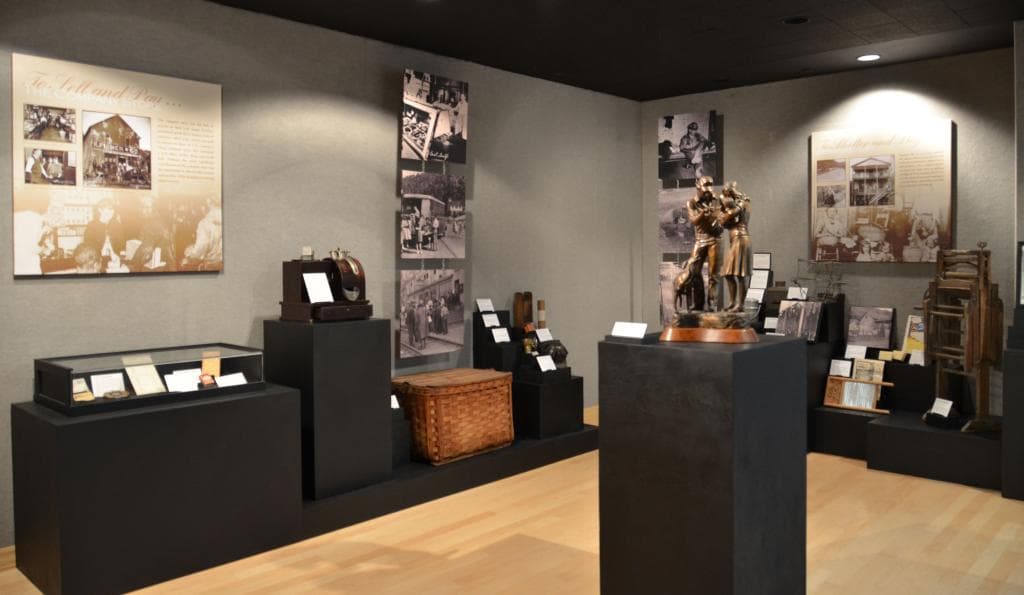
Discover West Virginia's industrial past at the Watts Museum, showcasing mining, petroleum, and timber history with expert staff.

Highlights
Must-see attractions

Social
From TikTok & Reddit
Best Time
Fewer students, more focused visits.
Royce J. and Caroline B. Watts Museum
Best Time
Fewer students, more focused visits.
Highlights
Must-see attractions
Discover West Virginia's industrial past at the Watts Museum, showcasing mining, petroleum, and timber history with expert staff.
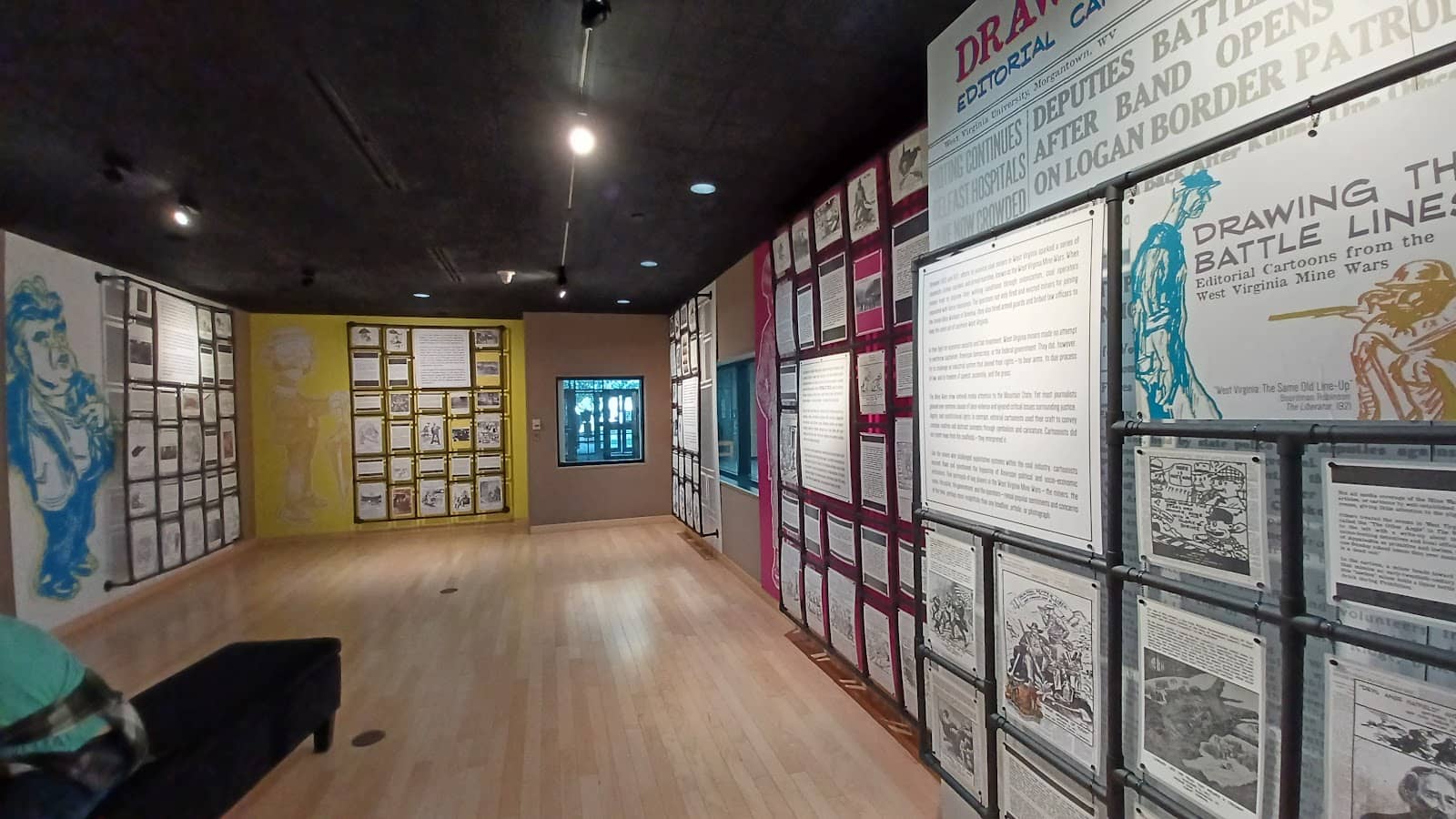
"Amazing place. A1 professional staff create detailed exhibits that educate visitors on the technological/industrial history of our state."
🎯 Campus Navigation
The museum is in the Mineral Resources Building on WVU campus. Look for clear signage! :world_map:
🅿️ Parking Challenges
Parking near the museum is difficult. Consider campus shuttles or public transport. :bus:
Highlights
Discover the most iconic attractions and experiences
Local Industry Exhibits
Mineral Resources Building
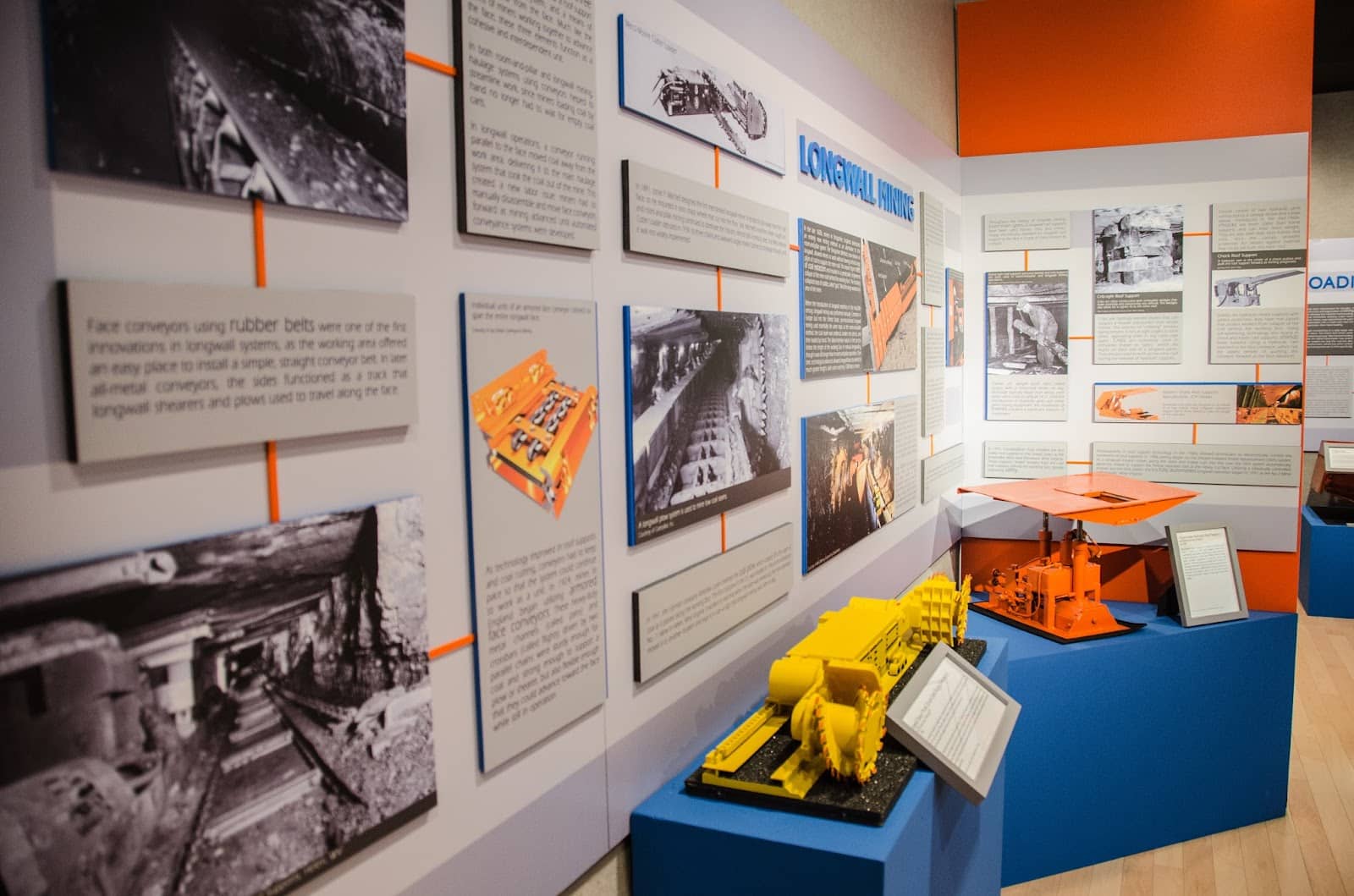
Detailed displays on the technological and industrial history of the state, focusing on mining and petroleum.
Timber Industry Stories
Rotating exhibit space
Discover the rich history of the timber industry and its related human stories.
Preserving Natural Resource History
Main gallery
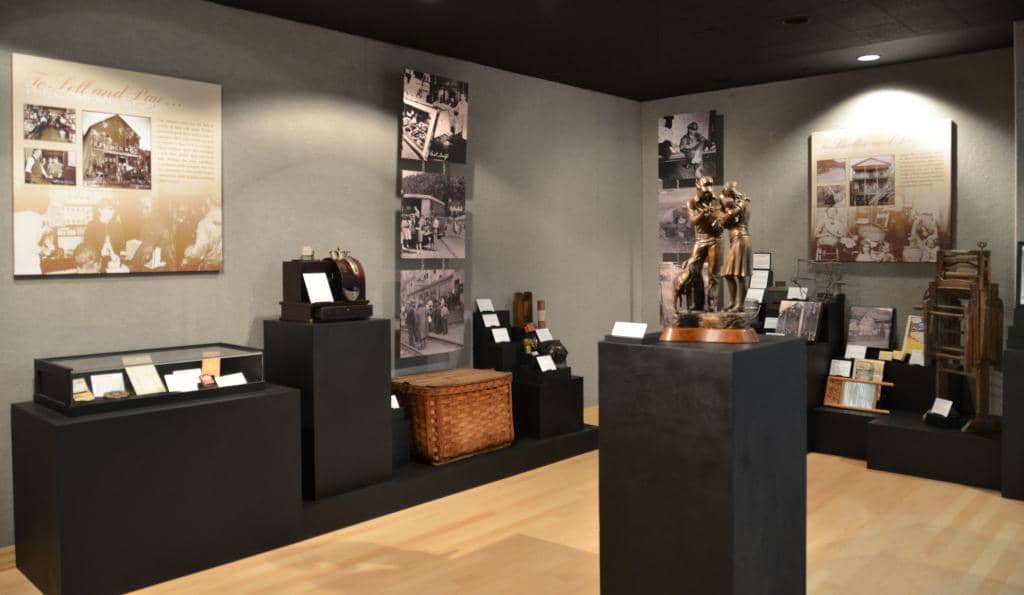
Appreciate the museum's dedication to preserving the history of the state's vital natural resources.
Plans like a pro.
Thinks like you
Planning Your Visit
Navigating to the Watts Museum
Understanding the Experience
Best Times
Insider Tips
from TikTok, Instagram & Reddit
🎯 Campus Navigation
The museum is in the Mineral Resources Building on WVU campus. Look for clear signage! :world_map:
🅿️ Parking Challenges
Parking near the museum is difficult. Consider campus shuttles or public transport. :bus:
🤝 Friendly Staff
Staff are very friendly and knowledgeable, enhancing the educational experience. :handshake:
💡 Specialized Focus
It's more of a gallery for students/alumni; manage expectations for a broad public museum. :bulb:
Tips
from all over the internet
🎯 Campus Navigation
The museum is in the Mineral Resources Building on WVU campus. Look for clear signage! :world_map:
🅿️ Parking Challenges
Parking near the museum is difficult. Consider campus shuttles or public transport. :bus:
🤝 Friendly Staff
Staff are very friendly and knowledgeable, enhancing the educational experience. :handshake:
💡 Specialized Focus
It's more of a gallery for students/alumni; manage expectations for a broad public museum. :bulb:
What Travellers Say
Reviews Summary
The Royce J. and Caroline B. Watts Museum is praised for its detailed exhibits on local mining and petroleum history, with a highly knowledgeable and friendly staff. However, visitors note challenges with campus accessibility, parking, and signage, suggesting it might be more of a specialized gallery for students and alumni than a general public attraction.
"The museum is on the first floor of the Mineral Resources Building on the Engineering campus. The staff is very friendly and knowledgeable. As a coal miner, I appreciate the museum's attention to preserving the history of the state's natural resources."
Corey Lakatos
"Amazing place. A1 professional staff create detailed exhibits that educate visitors on the technological/industrial history of our state and its human accompaniment. The timber industry and related stories are up now. Check it out!"
Samuel di Stefano
"Very difficult to access, and no available parking. This place is quite literally in the WVU campus. No clear signage for this museum.
I would argue this is not really for the open public. Better suited for students and alumni."
Keith W.
What People Like
What People Dislike
Frequently Asked Questions
🚇 🗺️ Getting There
The museum is located on the first floor of the Mineral Resources Building on the West Virginia University campus. Finding it can be challenging due to limited signage.
Parking directly at the museum is very difficult. Visitors are advised to utilize campus shuttles, public transportation, or explore nearby parking garages, though these can also be limited.
Yes, the WVU campus is served by several bus routes, making public transport a viable option for reaching the vicinity of the museum. Check local transit schedules for routes serving the Engineering campus.
While you can drive to the WVU campus, direct access and parking at the Mineral Resources Building are often restricted or unavailable. It's best to plan for alternative transportation methods.
It's recommended to use a GPS to navigate to the Mineral Resources Building. Once on campus, look for building directories or ask campus information for assistance.
🎫 🎫 Tickets & Entry
Information regarding admission fees is not readily available, but many university-affiliated museums offer free or low-cost entry. It's advisable to check their official website or contact them directly for the most current pricing.
Operating hours can vary, especially as it's a university museum. It's best to consult the museum's official website or call ahead to confirm their current hours of operation.
Advance booking is typically not required for general admission to university museums, but it's always a good idea to check their policy, especially for group visits.
While open to visitors, some reviews suggest it's more suited for students and alumni due to its specialized focus on local industries. However, anyone interested in the history of mining and petroleum is welcome.
The museum features rotating exhibits, such as those on the timber industry. Check their announcements for any upcoming special events or temporary displays.
🎫 🧭 Onsite Experience
Expect detailed exhibits focusing on the technological and industrial history of West Virginia, particularly its coal mining and petroleum industries, as well as the timber industry.
Yes, visitors consistently praise the staff for being friendly and highly knowledgeable, enhancing the educational value of the exhibits.
Absolutely. The museum is dedicated to preserving and educating visitors about the state's natural resources and the industries that shaped it.
Some describe it as more of a gallery than a traditional museum, with a focus on in-depth displays that educate visitors on specific industrial histories.
While not explicitly detailed, the focus on technological history suggests potential for informative displays. It's best to experience it firsthand to see if interactive elements are present.
For Different Travelers
Tailored advice for your travel style
👨👩👧 Families with Kids
Consider framing the visit as an exploration of how things were made and how people worked in the past. The detailed exhibits can spark curiosity about engineering and natural resources. Due to potential parking difficulties and the museum's specific academic leanings, it might be best suited for families with older children or those with a pre-existing interest in the subject matter.
🎓 Students and Alumni
Alumni may find the exhibits evoke a sense of nostalgia and pride in their alma mater's role in shaping the region's industrial landscape. Students can gain a deeper understanding of the practical applications and historical context of their studies. The detailed archives and artifacts offer a unique opportunity for learning beyond textbooks.
🏛️ History Enthusiasts
Expect to find a wealth of information presented through artifacts, photographs, and detailed narratives. The knowledgeable staff are a great asset, often able to provide additional context and answer specific questions, enriching the historical exploration. It's a place where the past truly comes alive through dedicated preservation and presentation.
Deep Dives
In-depth insights and expert knowledge
Understanding the Museum's Focus
While the museum offers valuable insights, some visitors note that its presentation might lean more towards a gallery or an academic resource rather than a typical public museum. This means the exhibits are often detailed and focused, providing in-depth educational content that might be particularly appreciated by students, alumni, or those with a specific interest in these fields. The professional staff are frequently commended for their knowledge and ability to create engaging displays that educate visitors on the technological advancements and human stories behind these industries.
For those planning a visit, it's helpful to approach the Watts Museum with an appreciation for its specific focus. It's a place to learn about the foundational industries that shaped West Virginia, presented with care and expertise. The museum serves as an important archive and educational hub, ensuring that the history of these critical sectors is remembered and understood.
Navigating the WVU Campus
Parking is a significant consideration. On-campus parking is often restricted, especially for visitors, and can be limited. Many reviews highlight the difficulty in finding convenient parking near the museum. Therefore, it's highly recommended to explore alternative transportation methods. Public transport options, including campus shuttles and local bus services, are often a more reliable way to reach the WVU campus and get close to the Mineral Resources Building.
For a smoother visit, it's advisable to plan your route in advance. Using a GPS to direct you to the Mineral Resources Building is a good start. Once on campus, look for building directories or inquire at campus information desks for directions to the museum. Being prepared for potential parking challenges and utilizing public transit can significantly enhance your experience.



Social
from TikTok, Instagram & Reddit