Laguna Atascosa National Wildlife Refuge Texas
A vast South Texas refuge protecting diverse habitats and wildlife, including the endangered ocelot and countless bird species.

Highlights
Must-see attractions

Social
From TikTok & Reddit
Best Time
Peak wildlife activity
Laguna Atascosa National Wildlife Refuge Texas
Best Time
Peak wildlife activity
Highlights
Must-see attractions
A vast South Texas refuge protecting diverse habitats and wildlife, including the endangered ocelot and countless bird species.
"Amazing place with all kinds of birds, peccary, and deer at the feeding stations!"

Drive Slowly & Watch Carefully
Many wildlife sightings, including ocelots, happen on refuge roads. Go slow! :oncoming_automobile:
Bring Binoculars & Camera
Essential for spotting and capturing the incredible bird and animal life. :camerawithflash:
Highlights
Discover the most iconic attractions and experiences
Visitor Center Feeders
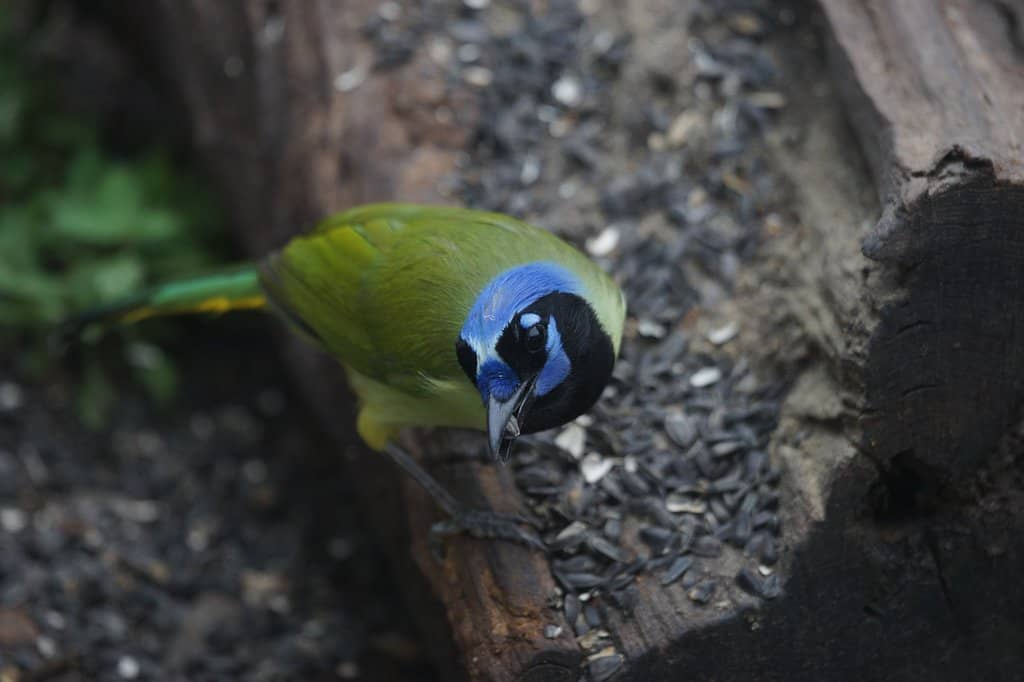
Near Visitor Center
Watch a variety of birds and mammals up close at the well-maintained feeding stations.
Lagoon Lookout
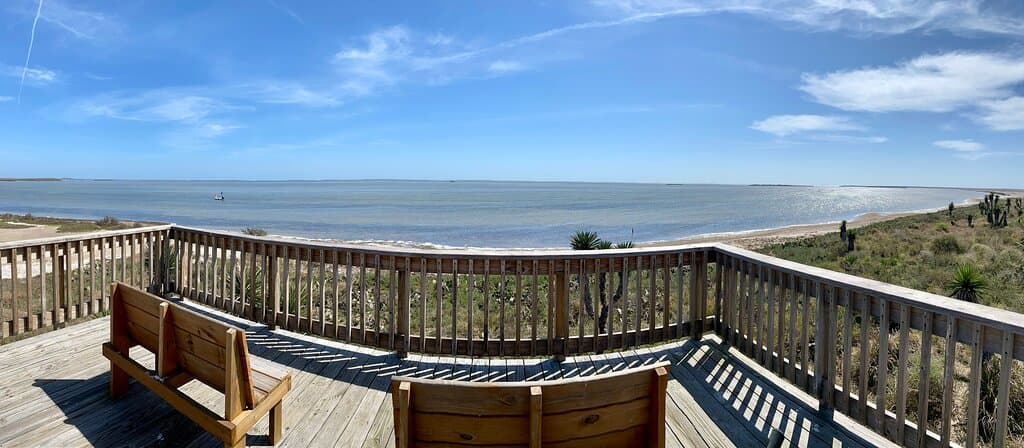
Lagoon Lookout Point
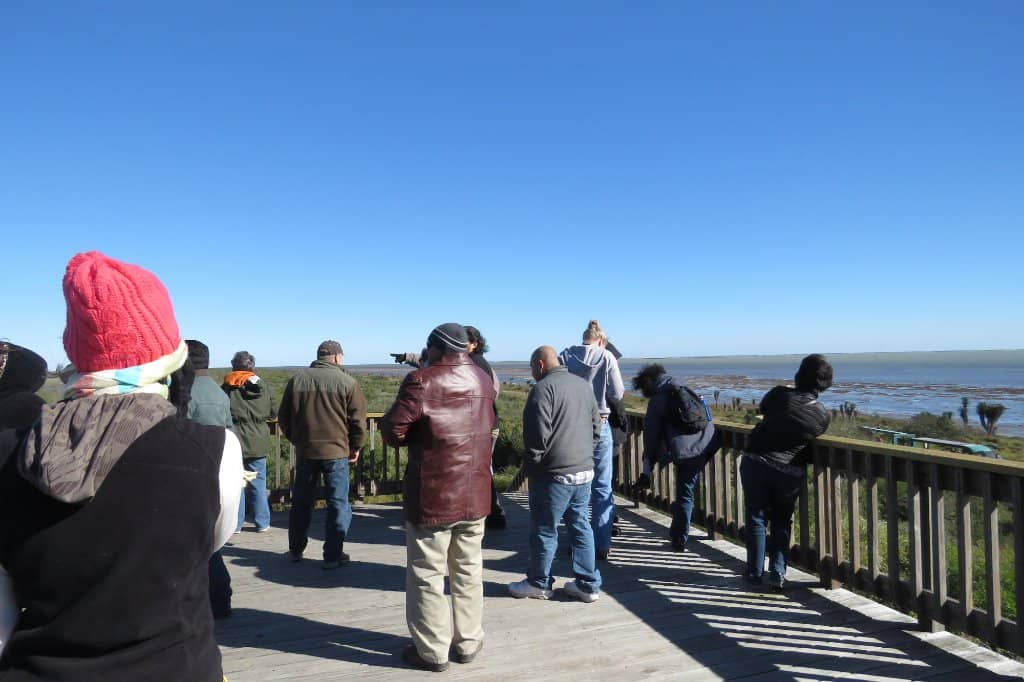
Spectacular views of the Laguna Madre with abundant birdlife, especially during migration seasons.
Ocelot Spotting
Various Trails & Roads
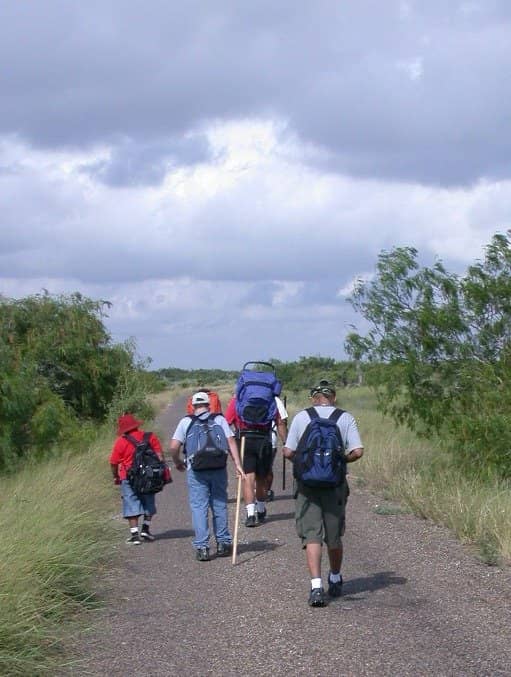
Keep an eye out for the elusive Texas ocelot, particularly during dawn and dusk. Drive slowly!
Birdwatching Blinds
Various Locations
Quiet spots to observe a stunning array of avian species, including rare visitors.
Plans like a pro.
Thinks like you
Planning Your Visit
Timing is Everything for Wildlife Sightings
Embrace the Rustic Trails
Best Times
Insider Tips
from TikTok, Instagram & Reddit
Drive Slowly & Watch Carefully
Many wildlife sightings, including ocelots, happen on refuge roads. Go slow! :oncoming_automobile:
Bring Binoculars & Camera
Essential for spotting and capturing the incredible bird and animal life. :camerawithflash:
Wear Sturdy Footwear
Trails can be rustic and muddy. Closed-toe shoes are a must for comfortable exploration. :athletic_shoe:
Check Visitor Center Info
Staff are friendly and knowledgeable, often sharing recent wildlife sightings. :information_desk:
Tips
from all over the internet
Drive Slowly & Watch Carefully
Many wildlife sightings, including ocelots, happen on refuge roads. Go slow! :oncoming_automobile:
Bring Binoculars & Camera
Essential for spotting and capturing the incredible bird and animal life. :camerawithflash:
Wear Sturdy Footwear
Trails can be rustic and muddy. Closed-toe shoes are a must for comfortable exploration. :athletic_shoe:
Check Visitor Center Info
Staff are friendly and knowledgeable, often sharing recent wildlife sightings. :information_desk:
Respect Wildlife & Habitat
Maintain a safe distance, stay on trails, and follow the 'no-take' policy. :deer:
What Travellers Say
Reviews Summary
Visitors consistently praise the abundance and variety of wildlife, especially birds and mammals at the feeders. The friendly and knowledgeable staff at the Visitor Center enhance the experience. While some trails are rustic, the overall natural beauty and opportunities for rare sightings like ocelots make it a highly recommended destination.
"All the buildings were closed due to the government shutdown? But someone was still maintaining the restrooms and the park was still open. It was a really nice park and we enjoyed visiting and seeing the wildlife there."
Josh M
"Beautiful views and well maintained trails. Very clean."
Desiree Colbert
"Very friendly people at the visitors center, we had interesting birds showing up as soon as we arrived! The feeder walk has a pretty variety, and the other trails and even the roads going to and from the refuge also proved to be fascinating and full of wildlife, even on a rainy and windy day!"
Beth Chan
What People Like
What People Dislike
Frequently Asked Questions
🚇 🗺️ Getting There
Laguna Atascosa National Wildlife Refuge is located in South Texas, near Rio Hondo. From Brownsville, take Highway 281 North, then turn right onto FM 106 West. Follow signs for the refuge. It's a scenic drive through the Rio Grande Valley.
Public transportation options directly to the refuge are limited. It's best to have your own vehicle or arrange for a ride-share service. Renting a car is recommended for exploring the wider Rio Grande Valley area.
From South Padre Island, take the Queen Isabella Causeway to Port Isabel, then head north on Highway 100. Merge onto Highway 281 North towards Rio Hondo, and then turn right onto FM 106 West. Follow signs for the refuge.
Yes, ample parking is available at the Visitor Center and at various trailheads and lookout points throughout the refuge.
There is an entrance fee per vehicle, which helps support the refuge's conservation efforts. Check the official refuge website for current fee information.
🎫 🎫 Tickets & Entry
The refuge is typically open daily from sunrise to sunset. The Visitor Center has more limited hours, so it's advisable to check the official U.S. Fish and Wildlife Service website for the most up-to-date information on hours of operation.
No, advance ticket booking is generally not required for general admission to the refuge. You can pay the entrance fee upon arrival.
The refuge occasionally hosts special events, such as bird walks or educational programs. Keep an eye on their website or social media for announcements. The Ocelot Run is an annual event that supports conservation efforts. 
The entrance fee is typically per vehicle. Fees can vary, so it's best to check the official refuge website for the most current pricing.
The refuge is generally open on most federal holidays, but it's always a good idea to confirm hours of operation, especially around major holidays, by checking their official website.
🎫 🥾 Onsite Experience
You can see a remarkable variety of wildlife, including numerous bird species (resident and migratory), white-tailed deer, nilgai, javelina, and if you're lucky, the endangered ocelot. Reptiles and amphibians are also common.
The paved trails near the Visitor Center are great for easy viewing of birds and mammals at feeders. For more rustic experiences and diverse habitats, explore the loop roads and trails like the Wildlife Drive. The Lagoon Lookout offers excellent birding opportunities. +1
Restrooms are available at the Visitor Center. Picnic areas are also provided, offering a pleasant spot to enjoy a meal amidst nature.
The Visitor Center and some of the paved trails near it are generally accessible. However, many of the refuge's rustic trails may present challenges. It's best to inquire at the Visitor Center about specific accessibility options.
Bring water, snacks, sunscreen, insect repellent, a hat, binoculars, and a camera. Sturdy, closed-toe shoes are highly recommended for the trails.
📸 📸 Photography
The feeders near the Visitor Center are excellent for bird photography. The Lagoon Lookout is fantastic for water birds. Driving slowly on the refuge roads increases your chances of photographing mammals and ocelots.
Early morning and late afternoon offer the best light for photography and are also when wildlife is most active. Golden hour can create stunning shots.
Drone usage is typically restricted in National Wildlife Refuges to protect wildlife and ensure visitor safety. Always check the refuge's specific regulations regarding drones before your visit.
Yes, but it requires patience and luck. Remember to maintain a safe distance and avoid disturbing the animals. Driving slowly on refuge roads is key.
A telephoto lens is highly recommended for capturing wildlife from a distance. A wide-angle lens can be useful for landscape shots of the refuge's diverse habitats.
For Different Travelers
Tailored advice for your travel style
👨👩👧 Families with Kids
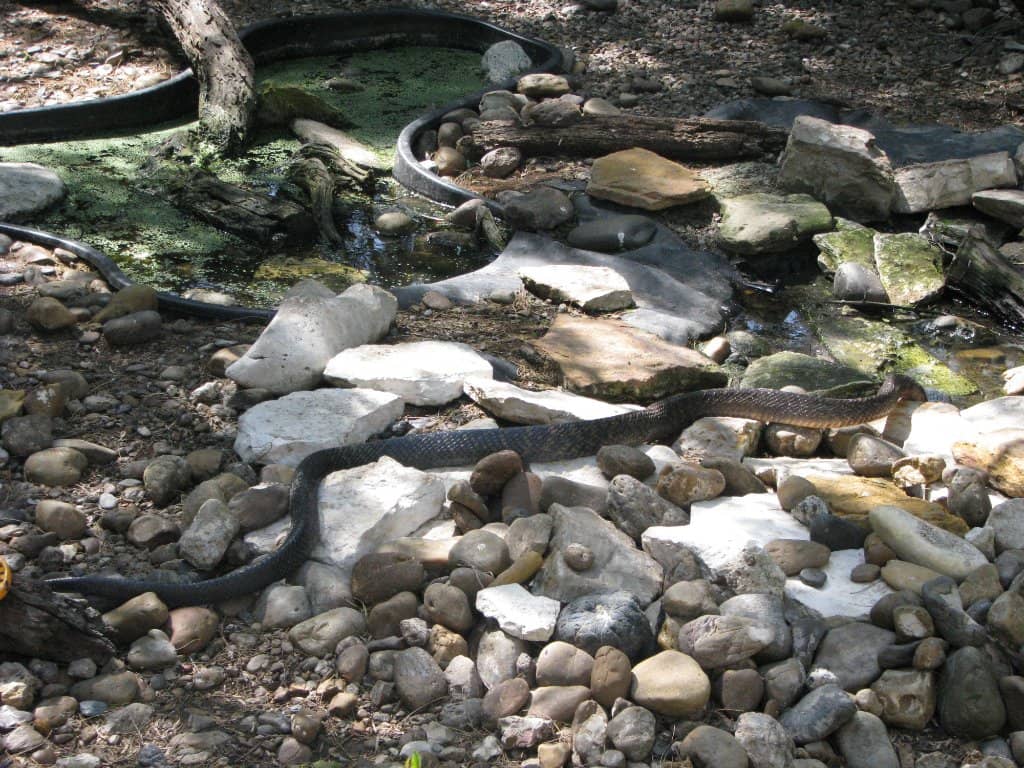
Encourage kids to be quiet observers and to look for animal tracks. The excitement of spotting a deer, peccary, or even a snake can be a highlight for young visitors. Remind them to stay on marked paths and to never feed the wildlife.
🐦 Birdwatchers & Photographers
+1 The blinds offer excellent, unobtrusive viewing, and the feeders are a photographer's delight for capturing close-ups. Plan to spend ample time driving slowly on the refuge roads, as this is where many mammals and potentially ocelots are spotted. Early mornings and late afternoons provide the best light for photography and peak animal activity.
🚶♀️ Nature Enthusiasts & Hikers
+1 Be prepared for varied terrain and bring sturdy footwear. Don't miss the chance to drive the loop roads and stop at various points of interest, including the Lagoon Lookout. The opportunity to see a wide range of wildlife, from peccaries to deer and potentially ocelots, makes the exploration worthwhile.
Deep Dives
In-depth insights and expert knowledge
The Elusive Ocelot of Laguna Atascosa
+1Visitors hoping to see an ocelot should drive very slowly on refuge roads, especially during dawn and dusk. Patience is key, and even a fleeting glimpse is a memorable experience. The refuge staff are dedicated to protecting these magnificent creatures, and your visit contributes to these ongoing efforts. Remember to always maintain a safe and respectful distance if you are fortunate enough to encounter one.
Seeing an ocelot is a rare treat, but the refuge's commitment to their conservation is evident throughout the park. The 'no-take' policy and emphasis on preserving their habitat are paramount to ensuring their future.
A Birder's Paradise: Avian Wonders
+1From the vibrant flash of a rare blue bunting spotted near the visitor center blind
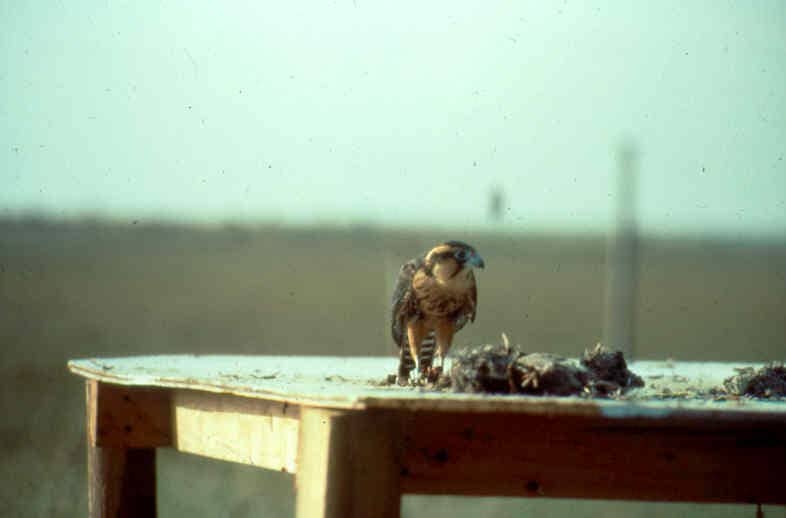
to the vast flocks of snow geese creating a spectacle over the water, the refuge offers something for every birder. The feeders near the Visitor Center provide excellent opportunities for close-up views of smaller songbirds, while the various blinds and lookout points offer vantage points for observing waterfowl, shorebirds, and raptors. Birders are encouraged to bring their binoculars and field guides. The refuge's website and visitor center can often provide checklists of common species. Remember to tread lightly and use the designated viewing areas to minimize disturbance to the birds and their habitats.
Exploring the Diverse Habitats
Visitors can experience these different environments by driving the loop roads and exploring the various trails. The paved paths near the Visitor Center offer easy access to areas with feeders, while the more rugged trails lead into the heart of the refuge's natural landscapes. The Lagoon Lookout provides stunning views of the Laguna Madre, a vital estuarine system.
Each habitat supports unique species. The wetlands are crucial for waterfowl and wading birds, while the drier scrublands are home to ground-dwelling birds and mammals. Understanding these different environments enhances the appreciation for the refuge's ecological significance.






Social
from TikTok, Instagram & Reddit