Clark's Hill Norton State Historic Site
Historic hill with Indian mounds & Osage Trail, where Lewis & Clark camped. Offers scenic views & a glimpse into pre-historic and 1804 history.
Highlights
Must-see attractions

Social
From TikTok & Reddit
Best Time
Clearer views, fewer bugs
Clark's Hill Norton State Historic Site
Best Time
Clearer views, fewer bugs
Highlights
Must-see attractions
Historic hill with Indian mounds & Osage Trail, where Lewis & Clark camped. Offers scenic views & a glimpse into pre-historic and 1804 history.
"A natural trail steeped in history, offering a good workout and stunning views from the overlook."

Wear sturdy shoes
Tree roots cover the trail; sturdy footwear is essential for a safe and comfortable hike. :athletic_shoe:
Check weather for mud
The Osage Trail can become a muddy mess after rain. Plan accordingly! :umbrella:

Highlights
Discover the most iconic attractions and experiences
Osage Trail
Main walking trail
A natural trail steeped in pre-historic and historic significance, offering a good workout and scenic views.
Overlook Platform
End of Osage Trail
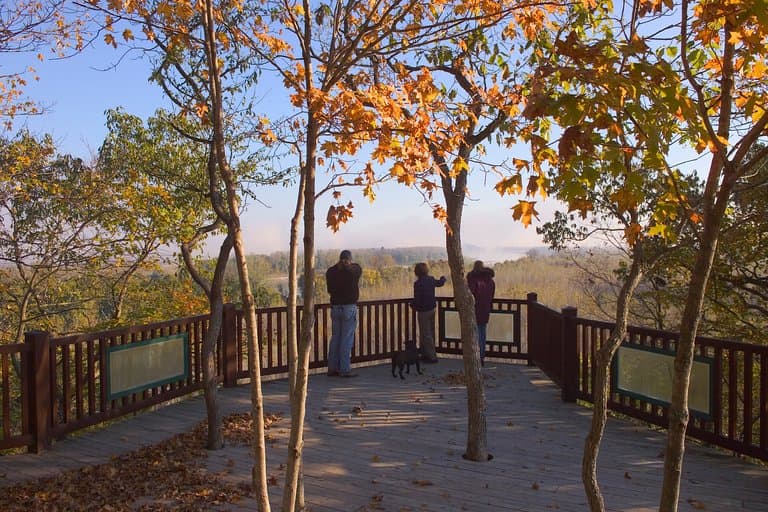
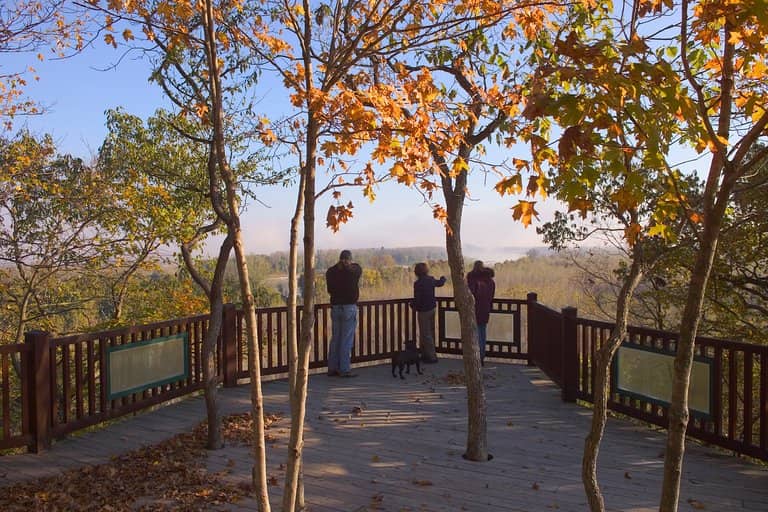
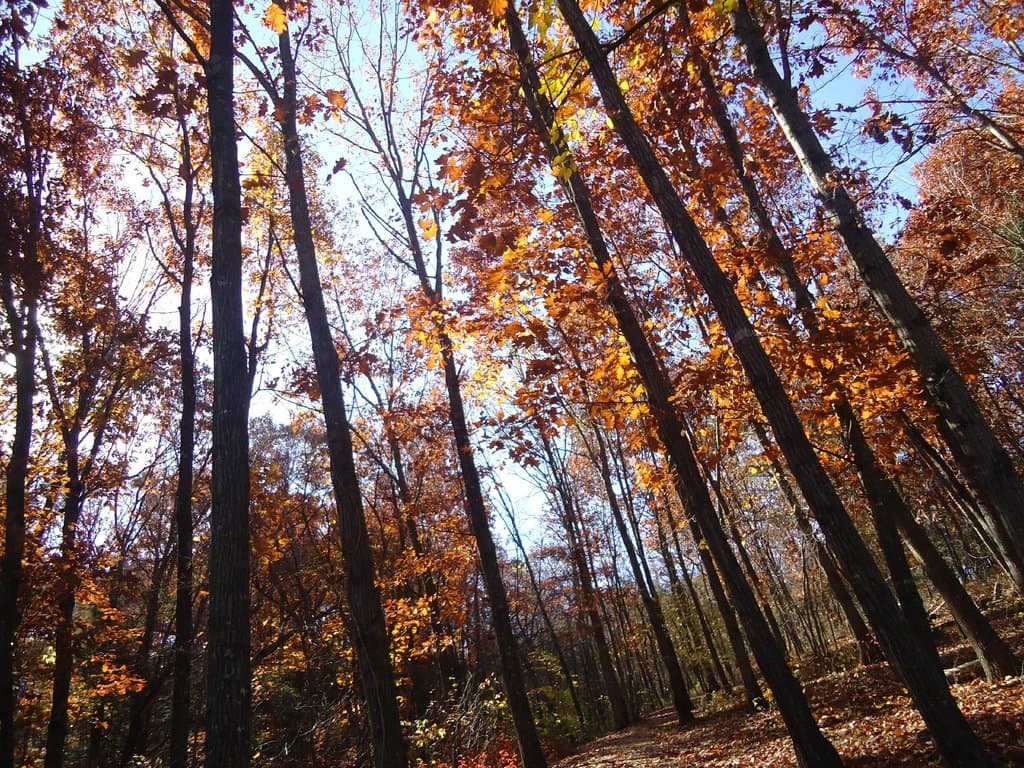
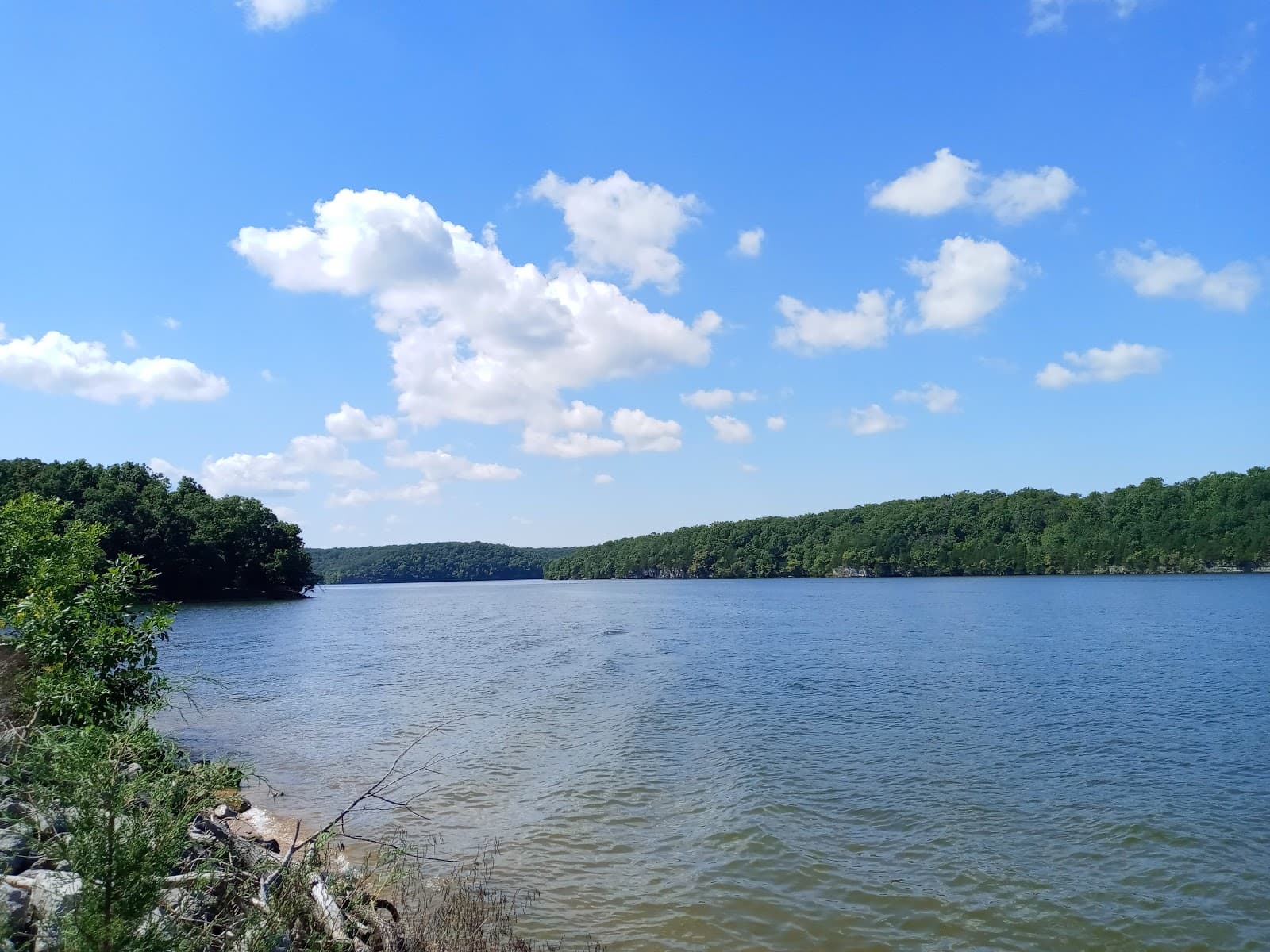
Romantic, picturesque views of trees and the Missouri River, especially stunning in cooler months.
Indian Mounds
Hilltop
Multiple ancient burial mounds at the summit, offering a glimpse into the area's pre-settlement history.
Lewis & Clark Rock
Overlook Platform
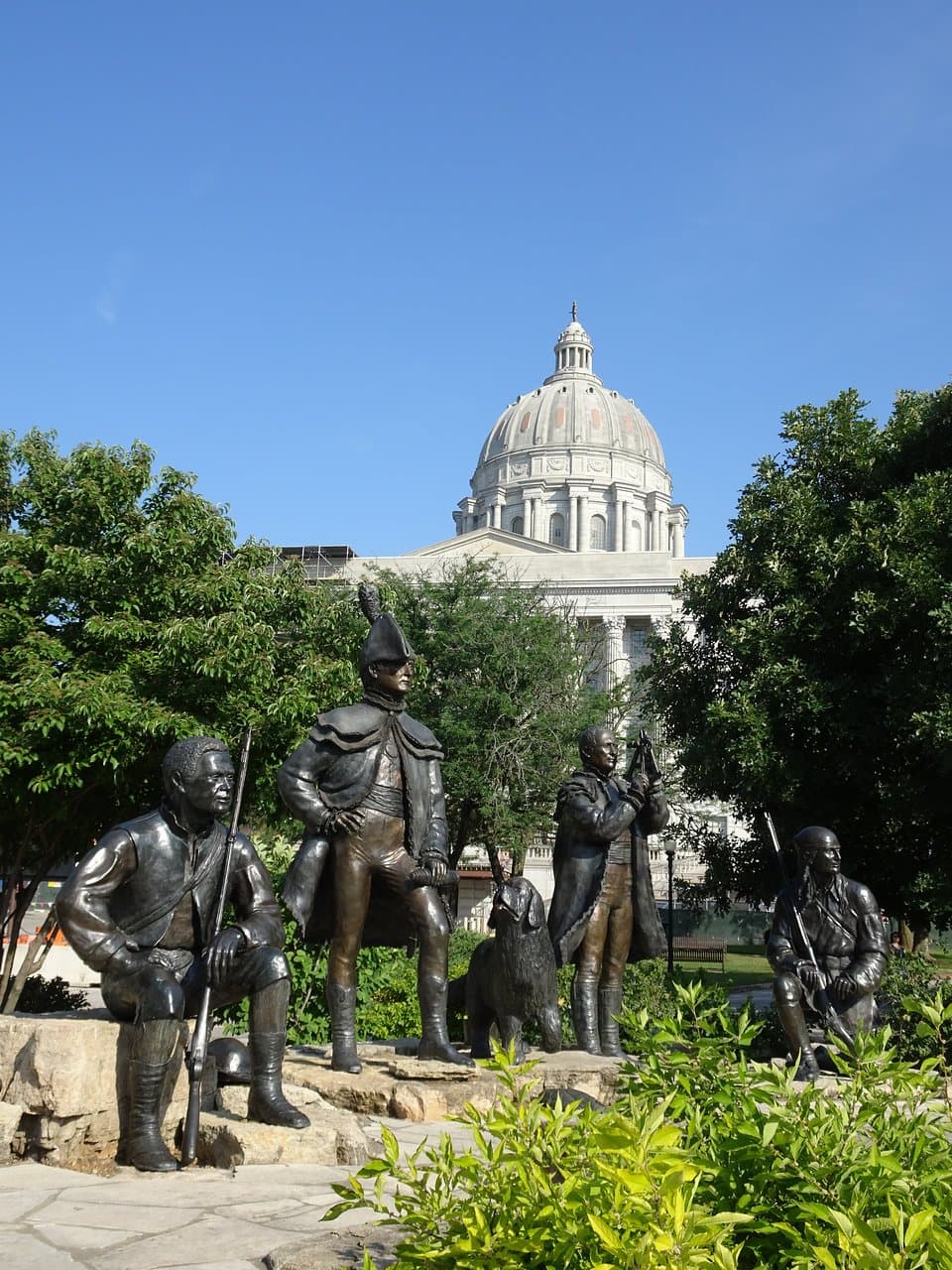
A magnificent piece of history marking the spot where Lewis & Clark once camped in 1804.
Plans like a pro.
Thinks like you
Planning Your Visit
Trail Conditions & Timing
Best Views & Workout
Best Times
Insider Tips
from TikTok, Instagram & Reddit
Wear sturdy shoes
Tree roots cover the trail; sturdy footwear is essential for a safe and comfortable hike. :athletic_shoe:
Check weather for mud
The Osage Trail can become a muddy mess after rain. Plan accordingly! :umbrella:
Bring bug spray
July can be buggy in the woods. Protect yourself from insects for a better experience. :bug:
Read interpretive signs
Informative boards along the trail share insights into both pre-historic and historic aspects of the area. :memo:
Tips
from all over the internet
Wear sturdy shoes
Tree roots cover the trail; sturdy footwear is essential for a safe and comfortable hike. :athletic_shoe:
Check weather for mud
The Osage Trail can become a muddy mess after rain. Plan accordingly! :umbrella:
Bring bug spray
July can be buggy in the woods. Protect yourself from insects for a better experience. :bug:
Read interpretive signs
Informative boards along the trail share insights into both pre-historic and historic aspects of the area. :memo:
Enjoy the overlook
The platform at the trail's end offers romantic views, especially beautiful when foliage is less dense. :camerawithflash:
What Travellers Say
Reviews Summary
Visitors praise Clark's Hill Norton for its rich history and natural beauty, particularly the Osage Trail and scenic overlook. While some note the trail can be muddy or buggy, the historical insights and picturesque views make it a worthwhile visit for nature and history lovers.
"The Osage Trail here is a natural trail steeped in history - both historic and pre-historic - with interpretive signs at the parking lot and along the trail that aren't just all about Lewis & Clark, which is good. I imagine in wet weather the trail would be a muddy mess, but it had been dry for a while when I got there. It's buggy in the July heat, but that's Missouri in the woods. I'm sure the views are better in cooler months when it's easier to see through all the trees."
Debra A
"This is a good hiking trail that has enough elevation gain to make it a nice workout too. In the winter you can see the Missouri River from the bench up top, with foliage probably not so much. Platform at the end has a nice view of the trees, would be better with foliage but nice nevertheless. Views of the Osage River as well near the platform, too bad there isn’t a trail to the confluence."
FFKDTP1
"One of my most favorite places to visit, I may be bias because I grew up in the area, however the overlook point at the end of the trail is far more worth the hike. Not only is the Lewis and Clark Rock there as a magnificent piece of history, but the overlook platform just has the most romantic feeling to it. If the hike wasn't so long I would say it would be a very picturesque wedding venue. Lots of interesting views to look at along the way and some history placards to give more information about the area pre-settlment times."
Tori Timbrook
What People Like
What People Dislike
Frequently Asked Questions
🚇 🗺️ Getting There
The site is located on a hilltop next to the Missouri River. Ample parking is available on-site, making it easily accessible for visitors arriving by car. Specific directions can be found on the official Missouri State Parks website.
Public transportation options to this specific historic site are very limited due to its rural location. It is best to plan your visit with a personal vehicle or rental car.
The primary way to explore Clark's Hill Norton is via the Osage Trail. Informative signs at the parking lot and along the trail provide context and guidance.
The Osage Trail is a natural trail with tree roots and elevation changes, which may pose challenges for those with mobility issues. The overlook platform is accessible via the trail.
Clark's Hill Norton State Historic Site is situated in a more rural part of Missouri. Nearby towns offer basic amenities, but it's recommended to plan your visit as a dedicated trip or combine it with other regional attractions.
🎫 🎫 Tickets & Entry
Clark's Hill Norton State Historic Site generally does not require admission tickets. It is a state historic site, and access is typically free for visitors to enjoy the trails and historical features.
State historic sites in Missouri are usually open from dawn to dusk. It's always a good idea to check the official Missouri State Parks website for the most current hours of operation before your visit.
No, there is no separate entrance fee for hiking the Osage Trail. Access to the trail and the historic site itself is free of charge.
Yes, the site is typically open on most holidays, operating under its regular dawn-to-dusk hours. However, it's advisable to confirm holiday hours with Missouri State Parks.
Information on special events or guided tours is not widely advertised for this site. Visitors typically explore independently using the provided interpretive signs.
🎫 🏞️ Onsite Experience
You can hike the Osage Trail, explore the Indian mounds, see Lewis & Clark Rock, and enjoy scenic views from the overlook platform. The site offers a blend of natural beauty and historical significance.
A visit can range from 1-2 hours for a leisurely hike on the Osage Trail and time spent at the overlook, to longer if you wish to spend more time absorbing the history and scenery.
Restroom facilities are typically available at state historic sites. Check the Missouri State Parks website for specific amenity information for Clark's Hill Norton.
Yes, the overlook platform provides picturesque views, especially in cooler months when foliage is less dense. The natural trail also offers opportunities for nature photography. :camerawithflash:
Visitors might spot various flora and fauna, including wildflowers and birds. If you're lucky, you might even see an occasional bobcat. :cat2:
🍽️ 🍽️ Food & Dining
There are no dining facilities directly within Clark's Hill Norton State Historic Site. Visitors should plan to bring their own food and drinks or dine in nearby towns.
Picnicking is generally permitted at state historic sites. There are often designated areas or you can find a scenic spot to enjoy your meal amidst nature.
Nearby towns offer a range of dining options, from casual diners to local eateries. It's recommended to research options in the closest towns before your visit.
Given the lack of on-site dining, packing snacks and water is highly recommended, especially if you plan to spend a few hours hiking the Osage Trail.
Local cuisine in Missouri often features comfort food and BBQ. Exploring the culinary scene in nearby towns can offer a taste of regional specialties.
📸 📸 Photography
The overlook platform at the end of the Osage Trail offers stunning panoramic views, particularly in autumn and winter. The historic Lewis & Clark Rock is also a key photographic subject.
Early morning or late afternoon light provides the most dramatic and flattering illumination for landscape and historical site photography. Golden hour can be particularly beautiful here.
Drone usage is typically restricted in state parks and historic sites to protect wildlife and ensure visitor safety. Always check the specific regulations for Clark's Hill Norton before flying a drone.
A versatile lens (like a 24-70mm) is great for landscapes and details. A wide-angle lens can capture the expansive views from the overlook, and a telephoto lens might be useful for wildlife spotting.
Yes, you can photograph the Indian mounds. Please be respectful of these historical features and avoid disturbing them.
For Different Travelers
Tailored advice for your travel style
👨👩👧 Families with Kids
🚶♀️ Hikers and Nature Enthusiasts
🏛️ History Buffs
Deep Dives
In-depth insights and expert knowledge
The Osage Trail: A Journey Through Time
The experience on the Osage Trail is deeply connected to the history of the land. The signs are praised for providing valuable context beyond just the Lewis & Clark expedition, enriching the understanding of the area's heritage. While the lush greenery can sometimes obscure distant views, the trail's natural setting is a significant draw. For those seeking a physical challenge, the trail's inclines make it a good option for a hike that offers more than just a casual stroll. The combination of historical markers and the natural environment makes the Osage Trail a compelling reason to visit Clark's Hill Norton.
Scenic Overlooks and Historical Markers
Beyond the main overlook, the Indian burial mounds at the hilltop are a crucial historical element. These ancient sites offer a tangible connection to the region's pre-settlement inhabitants. The interpretive signs strategically placed throughout the site are highly valued, providing detailed information that enhances the visitor's appreciation for the area's layered history. These markers ensure that the site's significance is not just seen but also understood, making the visit both educational and visually appealing.

Social
from TikTok, Instagram & Reddit