
Carlisle Indian School Cemetery
A sacred burial ground for Native American children who died at the Carlisle Indian Industrial School, a place of remembrance and historical reckoning...
Highlights
Must-see attractions

Social
From TikTok & Reddit
Best Time
For respectful reflection
Carlisle Indian School Cemetery
Best Time
For respectful reflection
Highlights
Must-see attractions
A sacred burial ground for Native American children who died at the Carlisle Indian Industrial School, a place of remembrance and historical reckoning.
"A somber, essential site for understanding the tragic legacy of assimilation policies. "

📸 Photography Etiquette
Photography may be forbidden. Be discreet and respectful if you choose to take photos.
🙏 Bring an Offering
Consider leaving a small token of remembrance at a gravesite.

Highlights
Discover the most iconic attractions and experiences
The Children's Graves
Carlisle Indian School Cemetery
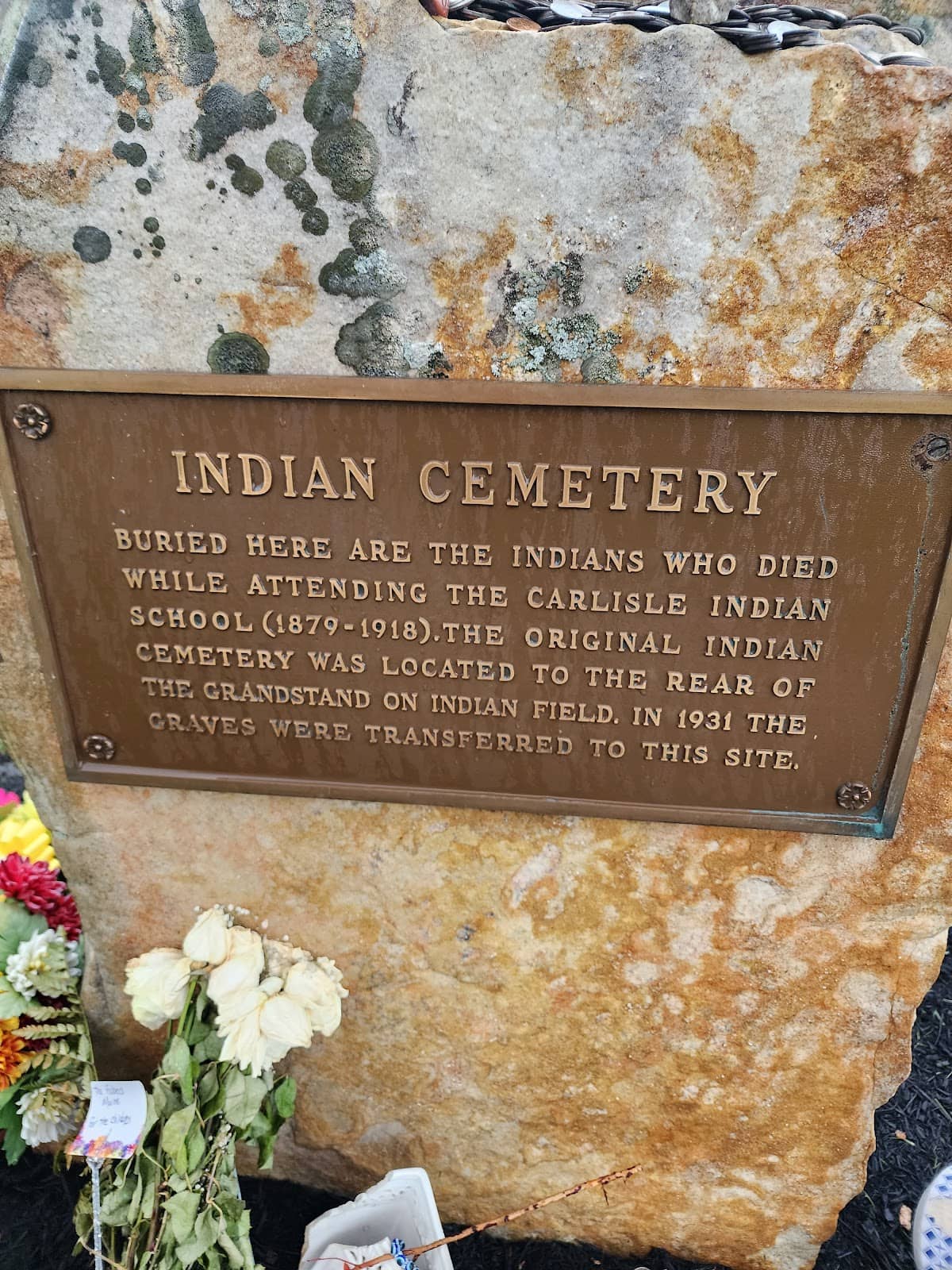
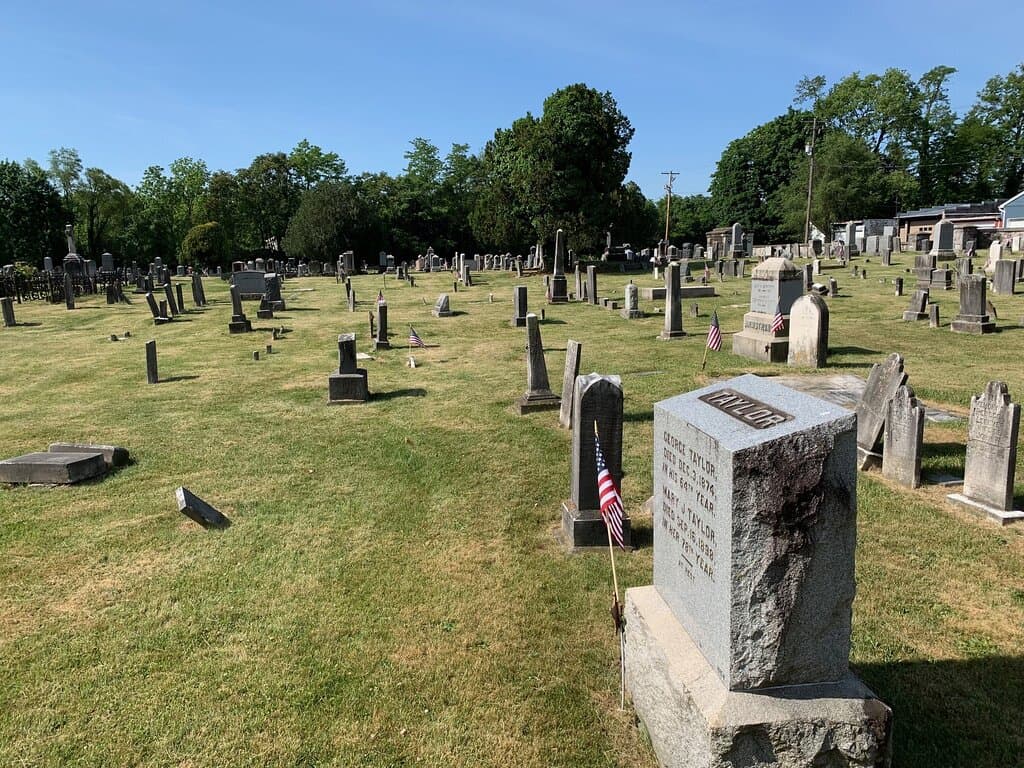
Rows of headstones mark the final resting place of Native American children who died at the school.
Tribal Affiliations
Individual Headstones
Many graves note the child's tribal identity, offering a glimpse into their heritage.
Memorial Offerings
Gravesites
See the tokens of remembrance left by visitors and families, a testament to ongoing connection.
Plans like a pro.
Thinks like you
Planning Your Visit
Respectful Visitation
Access and Identification
Best Times
Insider Tips
from TikTok, Instagram & Reddit
The remains and stories of Native American students are being reclaimed from a Pennsylvania cemetery.
📸 Photography Etiquette
Photography may be forbidden. Be discreet and respectful if you choose to take photos.
🙏 Bring an Offering
Consider leaving a small token of remembrance at a gravesite.
A Road Map Home: Reclaiming Buried Relatives from Carlisle Indian School
U.S. Army Says There Are ‘Several requests’ From Families for Disinterment of Children Buried at Carlisle
🆔 Be Prepared for ID Check
Access to the cemetery requires passing through a military compound.
📚 Research Cemetery Info
Access records and headstone details online via the Carlisle Digital Research Center.
Tips
from all over the internet
📸 Photography Etiquette
Photography may be forbidden. Be discreet and respectful if you choose to take photos.
🙏 Bring an Offering
Consider leaving a small token of remembrance at a gravesite.
🆔 Be Prepared for ID Check
Access to the cemetery requires passing through a military compound.
📚 Research Cemetery Info
Access records and headstone details online via the Carlisle Digital Research Center.
What Travellers Say
Reviews Summary
Visitors find the Carlisle Indian School Cemetery to be a profoundly moving and essential site for understanding a difficult part of American history. While the solemn atmosphere and the stories of the children resonate deeply, some find the security protocols and restrictions on photography to be challenging. The cemetery serves as a powerful reminder of past injustices and a call for continued remembrance and reconciliation.
"Although many would like to prevent people from learning about the dark parts of American history, labeling it as "anti-American," it's imperative we learn about such horrors so we can stand up and prevent something like this from ever happening again. Recognizing the past, learning from it, and raising up those who are different and disadvantaged make us a more perfect Union."
Brant Portner
"The cemetery rests within a military compound so do not be surprised if you are greeted and treated with the same authoritarian and domineering demeanor that these children were subject to day in and day out. If you wish to take photos do it discreetly because it is forbidden. Families seeking to reclaim their identity and family history will be asked to provide their ID for a background check and prove who they are before they enter, ironically, even if they are entering because proof of who they really are is resting there in the cemetery. There is a map of the cemetery with the names of all the children. Some of the graves include the tribal identity of the child; Comanche, Cherokee, Arapaho, Apache, and more. Some of the children's names are the ones given to them by the institution, others maintain their native name in the native language, some have a Christian name and a tribal name, others have a Christian name and their tribal name translated to English (such as Louise Thunder). Some of the graves include the name of the child's father however all of those names seem to be Christian names. Feel free to bring an offering as many clearly have in the past."
Paul Brooks
"I am an Indian Residential School Survivor, I attended Fort Marion to bury my hurtful, abusive experience to the entrance there & felt the heartbeat of my people. I spent 5 years in Residential School not knowing WHY?"
Gil McGillivary
What People Like
What People Dislike
Frequently Asked Questions
🚇 🗺️ Getting There
The cemetery is located within the U.S. Army War College in Carlisle, Pennsylvania. Access may involve passing through security checkpoints. It's advisable to check current access policies before your visit.
Parking information can vary due to its location on a military installation. It's best to inquire about visitor parking when planning your trip or upon arrival.
Yes, individuals can visit the cemetery, but be prepared for potential security protocols and identification requirements.
🎫 🎫 Tickets & Entry
Tickets are generally not required for entry to the cemetery itself, but access is within a military facility, which may have its own protocols.
Visiting hours can be subject to military base regulations. It's recommended to confirm current hours with the U.S. Army War College or relevant authorities before your visit.
While open to the public, visitors may be asked to provide identification for background checks, especially if seeking to connect with family history.
There is typically no fee to enter the cemetery grounds. However, access is contingent on following the security procedures of the military installation.
🎫 🧭 Onsite Experience
The atmosphere is somber and reflective, serving as a poignant reminder of the tragic history of the Carlisle Indian Industrial School and the children who died there.
Photography may be restricted within the military compound. Visitors are advised to be discreet and respectful if taking pictures.
Yes, a map of the cemetery is usually available, detailing the names and locations of the children buried there.
Headstones often include the child's name (sometimes their Native name and a given name), tribal affiliation, and dates of birth and death. Some may also list a parent's name.
Dress respectfully, as this is a sacred burial ground. Comfortable walking shoes are recommended.
📸 📷 Photography
Photography rules can be strict due to the cemetery's location on a military base. It's best to be discreet and respectful, or inquire about specific guidelines.
While not always explicitly stated, it's wise to assume that photography might be restricted in certain areas or without permission.
Focus on capturing the solemnity of the site, such as the rows of headstones or any memorial offerings, rather than intrusive personal photos.
For Different Travelers
Tailored advice for your travel style
👨👩👧 Families Seeking Ancestral Connections
Consider visiting with a sense of purpose and respect. Bringing a small offering to leave at a gravesite can be a meaningful gesture. The experience can be emotionally charged, so be prepared for a deeply personal journey of remembrance and connection.
📚 History Enthusiasts and Students
Utilize the resources available through the Carlisle Digital Research Center to deepen your understanding before or after your visit. The site encourages a thoughtful and critical examination of the past, moving beyond simple historical facts to grasp the lived experiences of the children.
Deep Dives
In-depth insights and expert knowledge
Understanding the History
Visiting the cemetery is an act of remembrance and a call to acknowledge this painful chapter in American history. It's a place to reflect on the devastating impact of assimilation policies and to honor the lives of these young individuals. The presence of tribal affiliations on many headstones underscores the diverse backgrounds of the children and the loss of their cultural identities.
Recent efforts have focused on identifying the children buried here and facilitating the disinterment and repatriation of their remains to their ancestral homelands, a process driven by the requests of their descendants. This ongoing work highlights the enduring connection between the living and the deceased and the community's desire for healing and justice.
Navigating Access and Respect
Visitors are encouraged to approach the site with the utmost respect and solemnity. While photography is often permitted, it's crucial to do so discreetly and mindfully, avoiding intrusive shots. Many visitors choose to leave small offerings at the gravesites, such as stones, flowers, or other tokens, as a gesture of remembrance and solidarity.
For those seeking to connect with their family history, the Carlisle Digital Research Center offers valuable resources. Their online database provides access to cemetery information, including headstone details, names, tribal affiliations, and dates, which can be instrumental in genealogical research.
Social
from TikTok, Instagram & Reddit