
Hamford Water National Nature Reserve
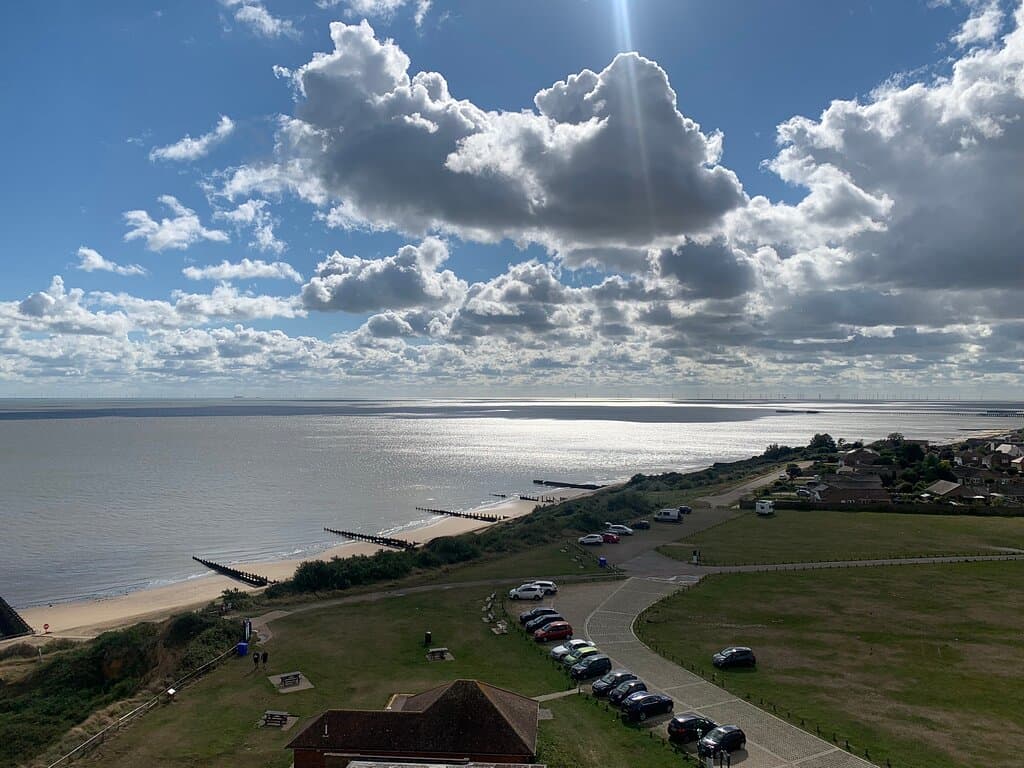
Explore vast salt marshes, winding creeks, and abundant birdlife at this vital National Nature Reserve. A haven for wildlife and nature lovers.
Highlights
Must-see attractions
Social
From TikTok & Reddit
Best Time
Peak bird migration
Hamford Water National Nature Reserve
Best Time
Peak bird migration
Highlights
Must-see attractions
Explore vast salt marshes, winding creeks, and abundant birdlife at this vital National Nature Reserve. A haven for wildlife and nature lovers.
"A breathtaking coastal landscape teeming with migratory birds and seals – a must-visit for nature enthusiasts!"
Check Tide Times First!
Crucial for safe exploration. High tides can flood paths and isolate areas. Always check before you go! :warning:
Binoculars are a Must
Essential for spotting distant birds and seals. Don't miss out on the wildlife action! :binoculars:
Highlights
Discover the most iconic attractions and experiences
Salt Marshes and Creeks
Throughout the reserve
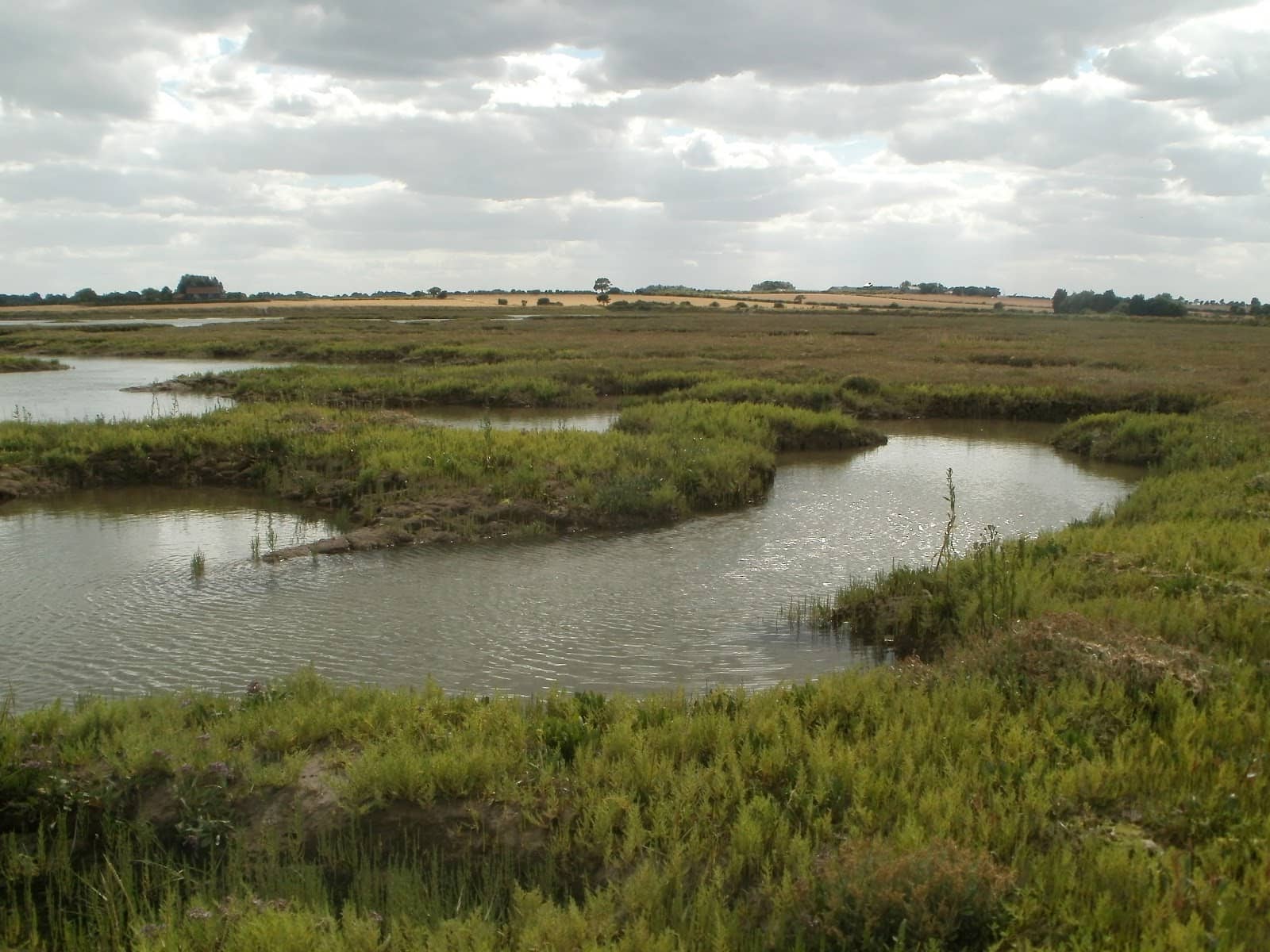
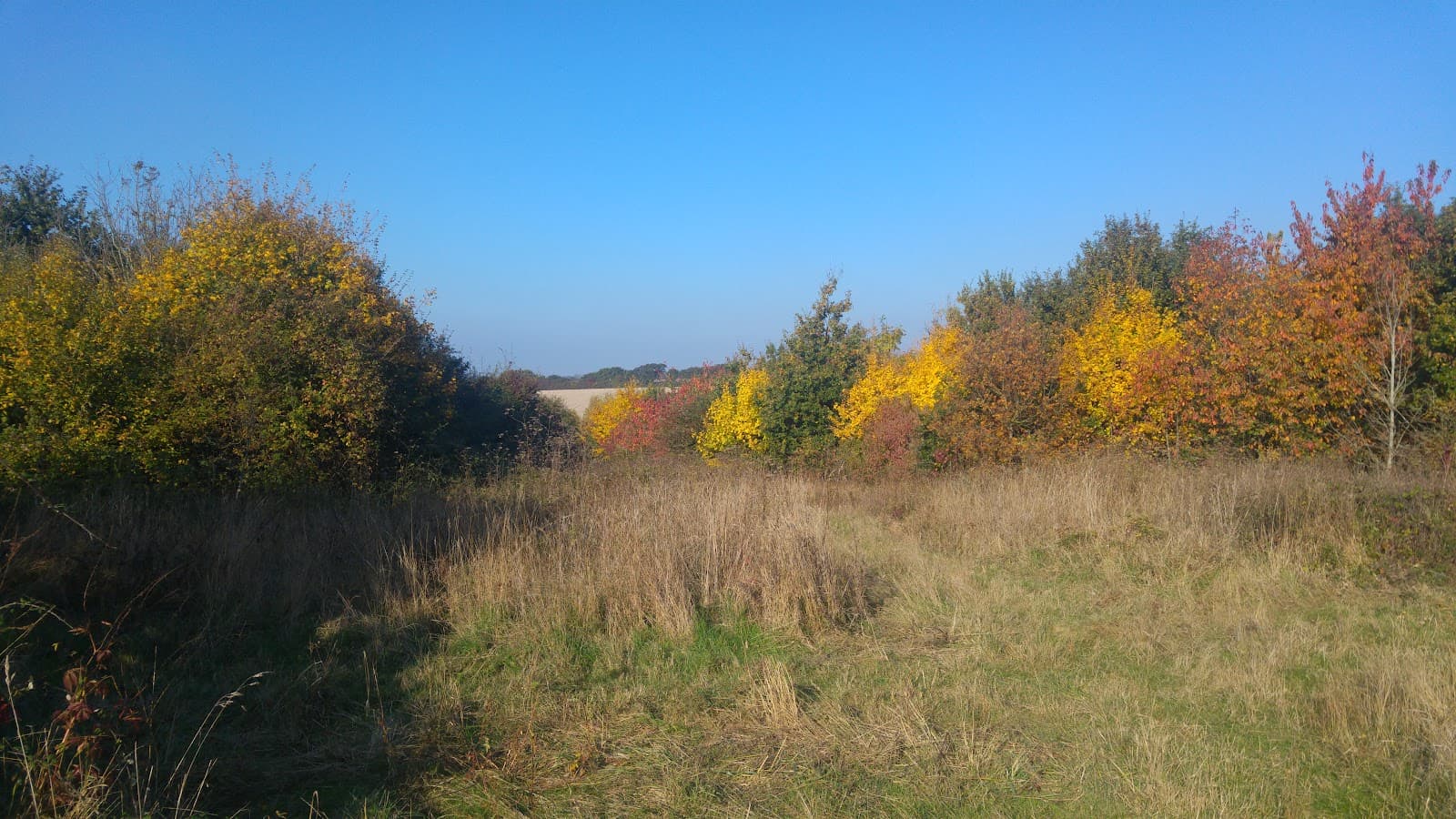
Vast, shimmering salt marshes and winding creeks teeming with life. A truly unique coastal landscape.
Migratory Bird Spectacle
Various bird hides and viewpoints
Witness thousands of waders and wildfowl during migration seasons. A paradise for birdwatchers.
Seal Spotting
Near Horsey Island and Skippers Island
Keep an eye out for resident and visiting seals basking on sandbanks or swimming in the waters.
Plans like a pro.
Thinks like you
Planning Your Visit
Best Time for Birdwatching
Tidal Awareness is Key
Best Times
Insider Tips
from TikTok, Instagram & Reddit
Check Tide Times First!
Crucial for safe exploration. High tides can flood paths and isolate areas. Always check before you go! :warning:
Binoculars are a Must
Essential for spotting distant birds and seals. Don't miss out on the wildlife action! :binoculars:
Wear Sturdy Footwear
Trails can be muddy and uneven, especially after rain. Waterproof boots are highly recommended. :athletic_shoe:
Respect Wildlife
Keep a safe distance from birds and seals. Avoid disturbing their habitats. :dove:
Tips
from all over the internet
Check Tide Times First!
Crucial for safe exploration. High tides can flood paths and isolate areas. Always check before you go! :warning:
Binoculars are a Must
Essential for spotting distant birds and seals. Don't miss out on the wildlife action! :binoculars:
Wear Sturdy Footwear
Trails can be muddy and uneven, especially after rain. Waterproof boots are highly recommended. :athletic_shoe:
Respect Wildlife
Keep a safe distance from birds and seals. Avoid disturbing their habitats. :dove:
Boat Trips for Seals
Consider a boat trip for a closer look at seals, especially from Harwich. Amazing family fun! :boat:
What Travellers Say
Reviews Summary
Visitors praise Hamford Water for its stunning natural beauty, abundant birdlife, and the unique experience of spotting seals. The vast salt marshes and tidal landscapes are frequently highlighted as breathtaking. However, some find the limited facilities and the need for careful tide planning a drawback.
What People Like
What People Dislike
Frequently Asked Questions
🚇 🗺️ Getting There
Hamford Water is best accessed by car, with parking available at various points like Walton-on-the-Naze or Harwich. Public transport options are limited, with bus services reaching nearby towns but requiring further walking or cycling to reach the reserve itself. Consider cycling routes for a scenic approach.
Parking is available in nearby towns such as Walton-on-the-Naze and Harwich. From these points, you can access the reserve via walking trails. Some areas might have limited or informal parking, so check local signage.
Yes, cycling is a great way to explore the area. There are coastal cycle paths that can lead you towards Hamford Water. Be prepared for some off-road sections and ensure your bike is suitable for varied terrain.
The nearest train stations are in Walton-on-the-Naze and Harwich. From these stations, you'll need to arrange onward travel, such as a bus, taxi, or a longer walk/cycle to reach the reserve's access points.
While official guided tours might be infrequent, local wildlife groups or boat trip operators sometimes offer guided excursions, particularly for seal spotting. It's worth checking local event listings or contacting wildlife organizations in the area.
🎫 🎫 Tickets & Entry
No, Hamford Water National Nature Reserve is free to enter. It's a public nature reserve, so you can explore its trails and landscapes without any admission fees.
As a natural reserve, Hamford Water is accessible at all times. However, it's advisable to visit during daylight hours for safety and to best enjoy the wildlife and scenery.
There is no entrance fee to visit Hamford Water National Nature Reserve. Enjoy the natural beauty and wildlife freely.
You can visit Hamford Water at any time, but daylight hours are recommended for safety and optimal wildlife viewing. Be mindful of tidal conditions, which can affect accessibility.
The main restriction is to respect the wildlife and the environment. Stick to marked paths, do not disturb the animals, and take all your litter with you. During certain periods, access to specific areas might be restricted for nesting birds.
🎫 🧭 Onsite Experience
Trails vary from coastal paths to routes across the salt marshes. Popular walks include those around Horsey Island and Skippers Island, offering opportunities for birdwatching and seal spotting. Always check tide times as some paths can flood.
Hamford Water is renowned for its diverse birdlife, especially migratory waders and wildfowl during autumn and winter. You can also spot seals, various insects, and coastal flora. 
Facilities are minimal within the reserve itself. Toilets and cafes are typically found in the nearby towns of Walton-on-the-Naze and Harwich. It's best to come prepared with your own refreshments.
Absolutely! The vast landscapes, dynamic light on the salt marshes, and abundant wildlife make it a photographer's dream. Early mornings and late afternoons offer the best light.
Swimming is generally not recommended due to strong tidal currents, cold water temperatures, and potential hazards. It's primarily a nature reserve for observation and walking.
📸 📸 Photography
The 'golden hours' – early morning and late afternoon – offer the most dramatic light for photographing the salt marshes and wildlife. Overcast days can also be excellent for capturing the subtle textures of the landscape.
A telephoto lens is essential for wildlife photography, especially for birds and seals. A wide-angle lens is great for capturing the expansive salt marsh landscapes. A sturdy tripod can be useful for low-light conditions.
Look for elevated spots along the coastal paths or near bird hides. The areas around Horsey Island and Skippers Island often provide good vantage points for seals and bird flocks.
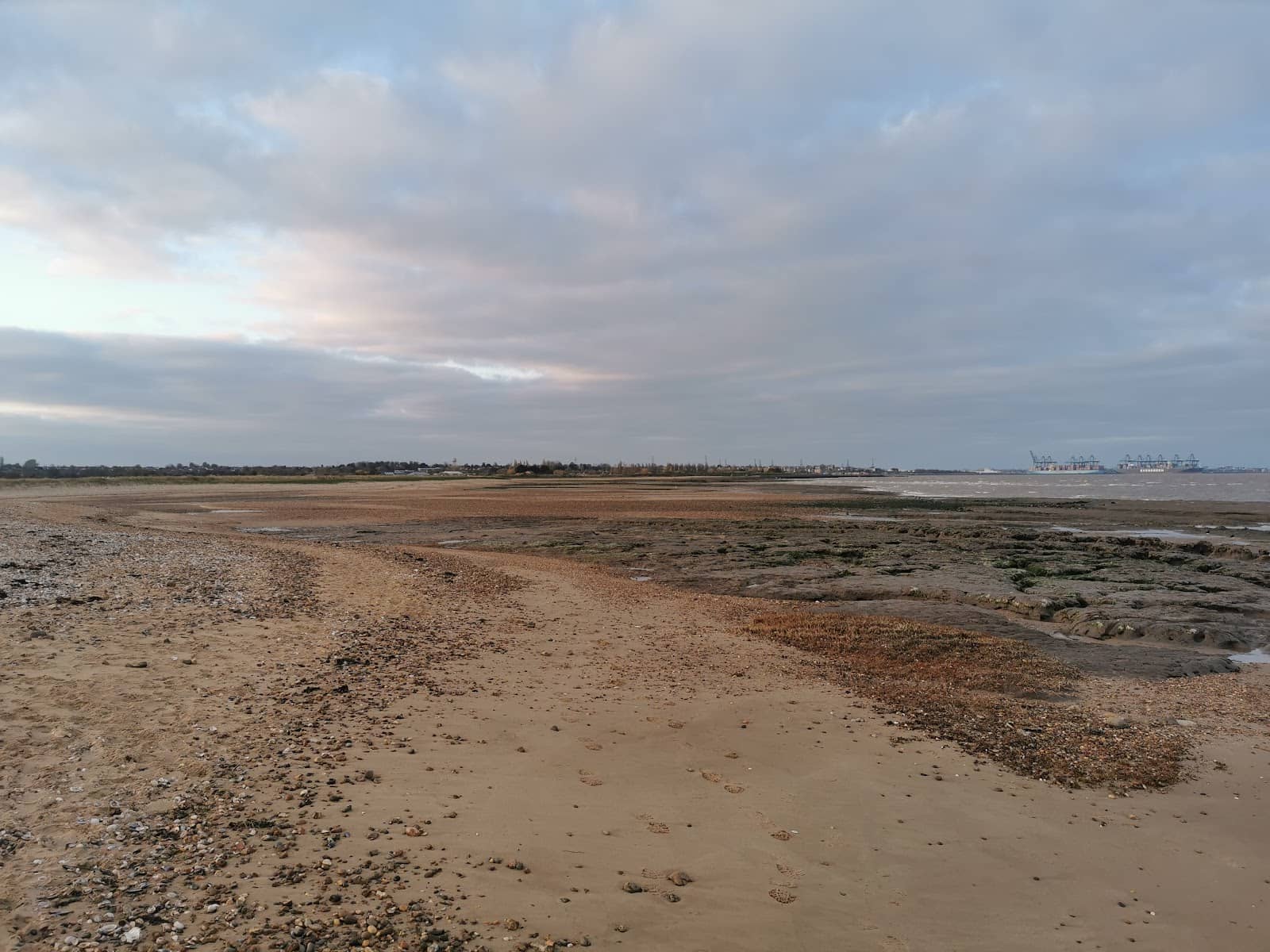
The ever-changing salt marshes, dramatic skies, diverse bird species (especially during migration), and basking seals are prime photographic subjects. The reflections in the creeks at low tide can also be stunning.
Drone usage may be restricted in nature reserves to protect wildlife. Always check the latest regulations with the reserve management or local authorities before flying a drone.
For Different Travelers
Tailored advice for your travel style
👨👩👧 Families with Kids
Encourage kids to bring binoculars to become 'wildlife detectives' and look for different bird species. The open spaces are great for letting off steam, but always supervise children closely, especially near water and on uneven terrain. Pack plenty of snacks and drinks, as facilities are limited within the reserve. Consider shorter walks along the accessible coastal paths. The changing tides can be fascinating for kids to observe. Make it a learning experience by talking about the different animals and plants you see. The nearby towns of Walton-on-the-Naze and Harwich offer traditional seaside attractions for a combined day out.
🐦 Birdwatchers
+1 Bring your best binoculars and a field guide to identify the diverse species. Familiarize yourself with the locations of the bird hides for optimal viewing without disturbance. Even outside of peak migration, the reserve supports a healthy population of resident birds. Keep an eye out for marsh harriers, egrets, and various seabirds. Remember to check tide times, as they significantly influence bird activity and accessibility to different viewing areas.
📸 Photographers
Focus on capturing the atmospheric light and the vastness of the scenery. For wildlife, a good telephoto lens is essential for capturing birds in flight or seals basking. Be prepared for changing weather conditions and wear appropriate footwear for navigating potentially muddy terrain. Drone photography might be restricted, so always check local regulations. The reserve provides a constantly evolving canvas, ensuring that every visit offers new photographic possibilities.
Deep Dives
In-depth insights and expert knowledge
Understanding the Tides
The interplay of water and land creates the rich habitats that support the reserve's biodiversity. Low tides reveal expansive mudflats, which are crucial feeding grounds for wading birds. Conversely, high tides push these birds into more concentrated areas, making them easier to observe from designated viewpoints. Understanding these tidal patterns will significantly enhance your experience and ensure your safety.
A Haven for Birdlife
+1Birdwatchers will find numerous bird hides and viewing points strategically located throughout the reserve, offering excellent vantage points without disturbing the wildlife. Even outside the peak migration seasons, the reserve supports a resident population of birds, including various seabirds and marshland species. Bringing binoculars or a spotting scope is highly recommended to fully appreciate the avian spectacle.
Spotting Seals in Their Natural Habitat
While seals can sometimes be seen from the shore, the best way to get a closer (but still respectful) view is by taking a boat trip. Operators from nearby Harwich offer excursions specifically designed to find and observe the seals in their natural environment. These trips are often a highlight for families and provide fantastic photographic opportunities. Remember to maintain a safe distance and avoid any actions that might disturb the seals.

Social
from TikTok, Instagram & Reddit