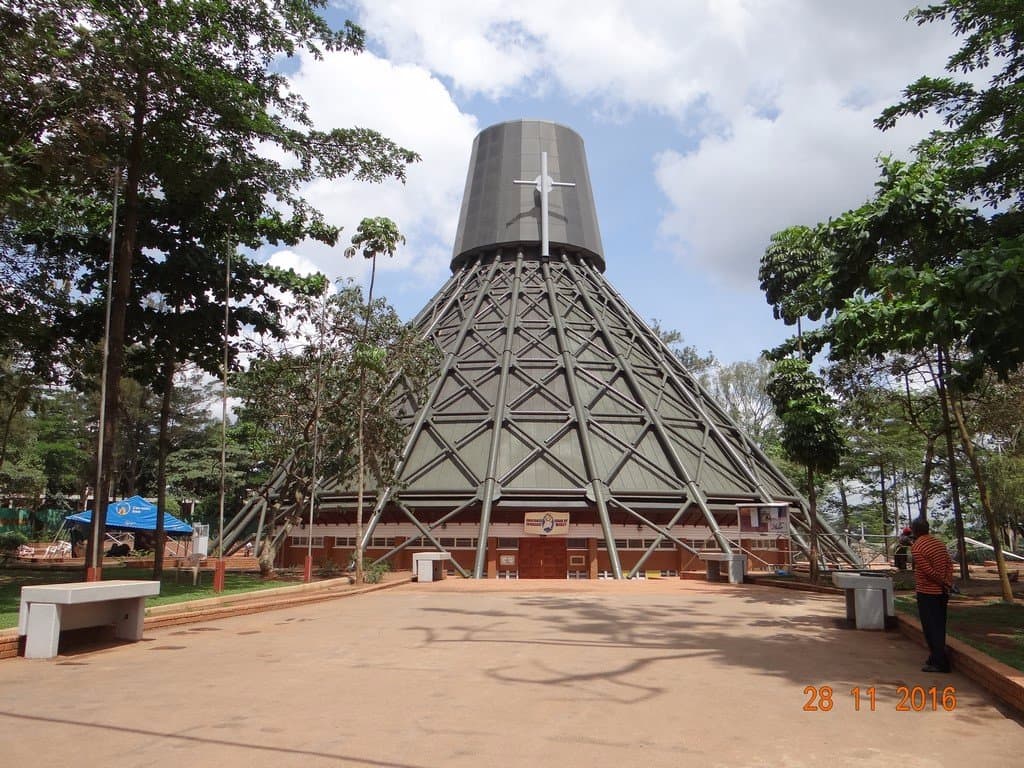
Uganda Martyrs Shrine Namugongo
A sacred site commemorating Uganda's Christian martyrs, featuring unique hut-shaped architecture and a serene lake.

Highlights
Must-see attractions

Social
From TikTok & Reddit
Best Time
Fewer crowds, peaceful reflection
Uganda Martyrs Shrine Namugongo
Best Time
Fewer crowds, peaceful reflection
Highlights
Must-see attractions
A sacred site commemorating Uganda's Christian martyrs, featuring unique hut-shaped architecture and a serene lake.
"A must visit for anyone seeking reflection, faith or deeper understanding of Uganda's spiritual heritage."
🎯 Dress Modestly
Cover shoulders and knees. Respectful attire is key for this holy site. :dress:
💧 Stay Hydrated
Uganda can be hot. Carry water, especially if visiting on Martyrs' Day. :water_wave:

Highlights
Discover the most iconic attractions and experiences
The Basilica's Unique Architecture
Main Shrine
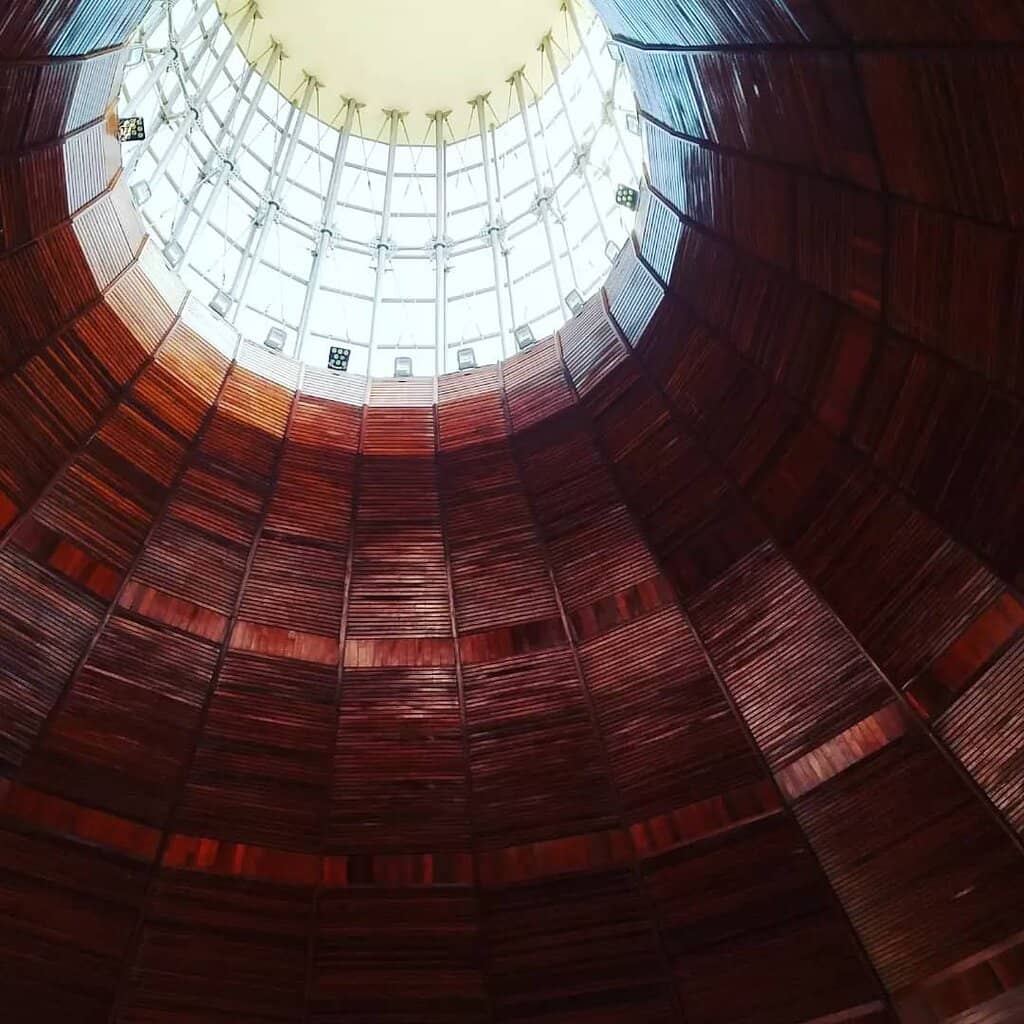
Marvel at the distinctive hut-shaped exterior, a symbol of Ugandan culture and faith.

Uganda Martyrs Lake
Adjacent to the shrine
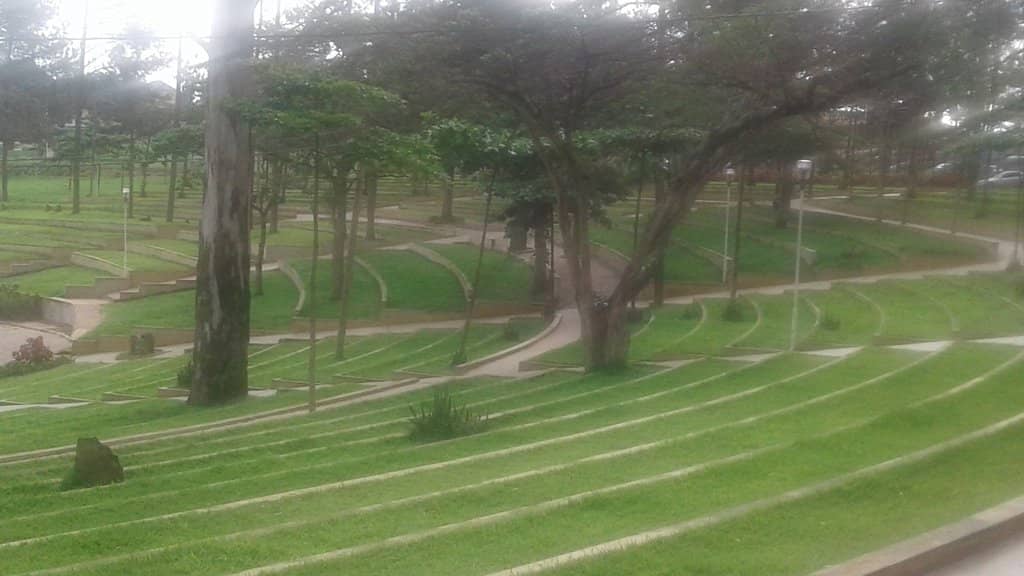
A man-made lake with historical significance, used for open-air masses and reflecting on the martyrs' sacrifice.

The Altar on Water
Uganda Martyrs Lake
A beautifully structured altar set on the water, offering a serene spot for reflection and prayer.
Pilgrim Gatherings
Shrine grounds
Witness thousands of pilgrims from around the world converging to renew their faith, especially on June 3rd.
Plans like a pro.
Thinks like you
Planning Your Visit
Timing is Everything for Martyrs' Day
Respectful Attire and Conduct
Best Times
Insider Tips
from TikTok, Instagram & Reddit
🎯 Dress Modestly
Cover shoulders and knees. Respectful attire is key for this holy site. :dress:
💧 Stay Hydrated
Uganda can be hot. Carry water, especially if visiting on Martyrs' Day. :water_wave:
💰 Beware of Fees
Some staff may ask for money. Be aware of potential requests for 'donations'. :moneywithwings:
🚶♀️ Explore the Grounds
Wander through the gardens and by the lake for a deeper connection to the history. :evergreen_tree:
Tips
from all over the internet
🎯 Dress Modestly
Cover shoulders and knees. Respectful attire is key for this holy site. :dress:
💧 Stay Hydrated
Uganda can be hot. Carry water, especially if visiting on Martyrs' Day. :water_wave:
💰 Beware of Fees
Some staff may ask for money. Be aware of potential requests for 'donations'. :moneywithwings:
🚶♀️ Explore the Grounds
Wander through the gardens and by the lake for a deeper connection to the history. :evergreen_tree:
🙏 Participate in Mass
If possible, attend a mass for a truly immersive spiritual experience. :church:
📸 Capture the Moment
The architecture and atmosphere are very photogenic. :camera:
What Travellers Say
Reviews Summary
Visitors praise the shrine's beautiful architecture, serene gardens, and the profound spiritual atmosphere, especially during the annual Martyrs' Day. However, some report negative experiences with rude staff demanding money, which detracts from the international pilgrimage site's appeal.
"Right place to discover catholic history in Uganda, including the martyrs. Very beautiful architecture, garden and alter on water. Gathers people from all over the world on June 3"
Alum Evaline
"3rd June, a yearly event in Uganda where people from all over the world attend. The beautiful environment, strategically positioned, well structured and accommodate large number of people comfortably. Huge trees that provide shade and clean air. Clean washrooms with plenty of water. Beautifully decorated.
Baganda dance by the P.M.C kids before the mass began was very lovely"
Rehema G Muchiri
"Beautiful place but very rude staff. You will be asked for money constantly. Beware. You can end up waiting for the staff member to register you if you are foreign at the entrance. But he will take longs breaks and you could end up waiting for over an hour. Then he will shout at you and claim that you didn’t come to see him when you arrived. The attitude of staff is terrible for an international pilgrimage site.
It would explain why no other foreigners visit this site."
Yee
What People Like
What People Dislike
Frequently Asked Questions
🚇 🗺️ Getting There
The shrine is located in Namugongo, a suburb of Kampala. You can take a taxi or a boda-boda (motorcycle taxi) from Kampala city center. Many pilgrims also walk to the shrine, especially around Martyrs' Day.
Yes, local buses and minibuses (matatus) operate from Kampala to areas near Namugongo. From the drop-off point, you may need to walk or take a short boda-boda ride to the shrine itself.
On June 3rd, roads can be congested. Many choose to walk as part of a pilgrimage. If driving, expect significant traffic delays and consider parking further away and walking the rest of the way.
Yes, there are designated parking areas, but they can fill up quickly, especially during peak events like Martyrs' Day.
Several tour operators in Kampala offer guided tours to the Uganda Martyrs Shrine, which can include transportation and a guide.
🎫 🎫 Tickets & Entry
Entry to the shrine grounds is generally free. However, there might be charges for specific areas or guided tours.
The shrine is open year-round for visitors and pilgrims. While there isn't a strict closing time for the grounds, it's advisable to visit during daylight hours.
No, there is no entrance fee for Martyrs' Day celebrations. The event is open to all who wish to attend.
Visitors are expected to dress modestly and behave respectfully. Large bags might be subject to inspection.
Absolutely! The shrine is open throughout the year for individual reflection, prayer, and learning about the Uganda Martyrs.
🎫 🧭 Onsite Experience
You can explore the unique basilica, walk around the Uganda Martyrs Lake, visit the altar on water, and learn about the history of the martyrs.
While efforts are made to accommodate visitors, some areas might present challenges due to the terrain. It's advisable to inquire about specific accessibility upon arrival.
Photography is generally allowed, but be mindful of ongoing services and other visitors. Avoid flash photography during mass.
Yes, you can often find guides on-site who can provide historical context and information about the martyrs.
The Uganda Martyrs Lake was created for open-air masses and is historically significant as a place where executioners washed themselves after their grim duty.
🍽️ 🍽️ Food & Dining
There are usually vendors selling snacks and drinks around the shrine, especially during large gatherings. For full meals, you'll find more options in nearby Kampala.
Yes, you can bring your own food and drinks, but please be considerate and dispose of your waste properly.
Expect local Ugandan cuisine, including staples like matoke (plantains), posho (maize meal), and various stews.
While there might be small kiosks, formal restaurants are not typically found within the immediate shrine complex.
It's generally safe, but as with any street food, exercise caution. Look for vendors with good hygiene practices.
📸 📸 Photography
The unique basilica exterior, the altar on the lake, and the expansive grounds offer great photographic opportunities.
Drone usage is likely restricted due to it being a religious site and potentially near sensitive areas. It's best to check with local authorities or shrine management.
Avoid intrusive photography during religious services. Be respectful of worshippers and their privacy.
Early morning or late afternoon often provides softer light and fewer crowds, making for better photography conditions.
Photography inside the basilica may be restricted during services. Always check for signage or ask permission.
For Different Travelers
Tailored advice for your travel style
👨👩👧 Families with Kids

For a more engaging visit, consider looking for local guides who can explain the stories of the martyrs in a way that children can understand. The historical aspect of the site, focusing on bravery and faith, can be a valuable lesson. Ensure children are dressed modestly and are supervised at all times, especially near the lake.
🙏 Devout Pilgrims
+1The shrine's atmosphere is conducive to prayer and reflection. The historical context of the martyrs' unwavering faith can inspire personal spiritual growth. Visitors are encouraged to engage with the sacred spaces, such as the altar on the water and the basilica, to deepen their connection to their faith. The community of fellow pilgrims also provides a sense of shared spiritual purpose.
🏛️ History & Culture Enthusiasts
+1Beyond the religious narrative, the shrine provides insights into the social and political landscape of late 19th-century Uganda. Learning about the martyrs' stories offers a glimpse into the challenges faced by early converts and the resilience of faith in the face of adversity. The annual Martyrs' Day event itself is a cultural spectacle, showcasing traditional dances and community gatherings that highlight Ugandan heritage.
+1Deep Dives
In-depth insights and expert knowledge
The History of the Uganda Martyrs
Charles Lwanga and his companions are particularly revered. Lwanga, the leader of the Catholic martyrs, was burned alive at Namugongo, the very site where the main shrine now stands. The story of their martyrdom is one of immense courage and devotion, inspiring countless pilgrims who visit the shrine to reflect on their faith and the sacrifices made. The shrine serves as a powerful reminder of Uganda's rich religious history and the enduring strength of conviction.
+1Beyond the historical narrative, the shrine is a vibrant center of faith. It hosts major religious celebrations, most notably Martyrs' Day on June 3rd, which draws hundreds of thousands of pilgrims from Uganda and across the globe. This annual event is a profound display of devotion, with people walking long distances to participate in mass and renew their spiritual commitment. The shrine's significance extends beyond its historical roots, continuing to be a living testament to faith and resilience.
+1Architectural Marvels and Sacred Spaces
+1Adjacent to the shrine is the Uganda Martyrs Lake, a man-made body of water that holds deep historical and spiritual significance. It is believed that the executioners washed themselves in these waters after carrying out their grim duties. Today, the lake serves as a serene backdrop for open-air masses, particularly during the annual Martyrs' Day celebrations. An altar situated on the water adds to the spiritual ambiance, providing a focal point for prayer and reflection.
The entire shrine complex is designed to accommodate large numbers of pilgrims comfortably. With expansive grounds, shaded areas provided by mature trees, and well-maintained facilities, it offers a conducive environment for spiritual retreat and communal worship. The careful planning ensures that visitors can engage with the site's history and spirituality in a meaningful way.

Social
from TikTok, Instagram & Reddit