Kiwengwa-Pongwe Forest Reserve
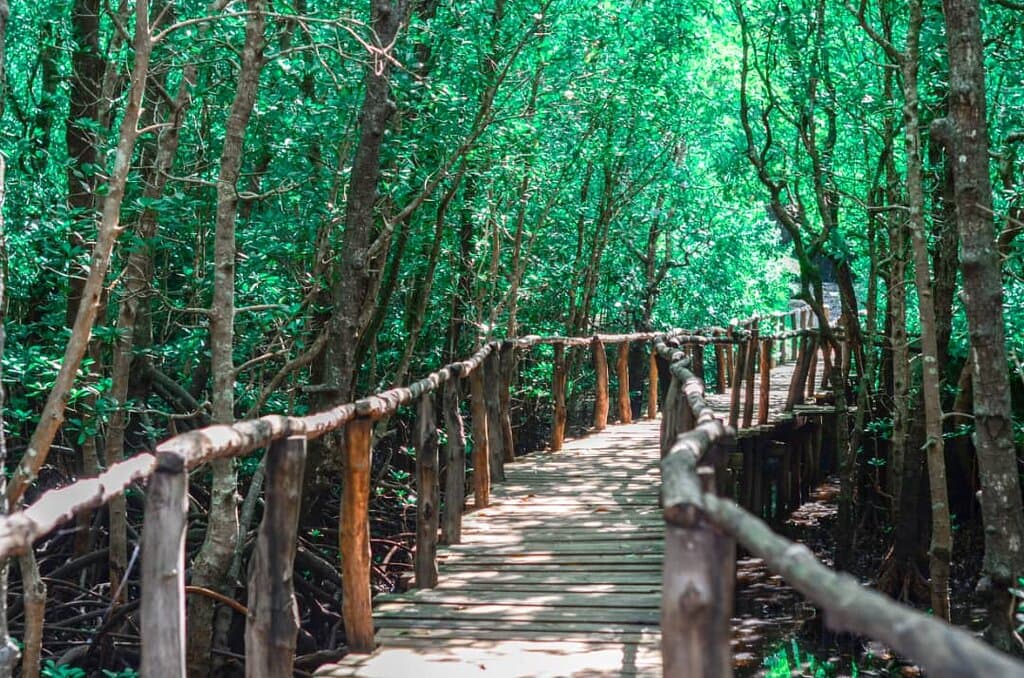
Discover the lush biodiversity of Kiwengwa-Pongwe Forest Reserve, a haven for birdwatchers and nature lovers with unique flora and fauna.
Highlights
Must-see attractions

Social
From TikTok & Reddit
Best Time
Ideal for hiking and wildlife spotting.
Kiwengwa-Pongwe Forest Reserve
Best Time
Ideal for hiking and wildlife spotting.
Highlights
Must-see attractions
Discover the lush biodiversity of Kiwengwa-Pongwe Forest Reserve, a haven for birdwatchers and nature lovers with unique flora and fauna.
"A must-visit for birdwatchers and nature lovers seeking unique ecosystems."
Book a Guided Tour
Enhance your experience with local guides for deeper insights into flora & fauna. :walking:
Pack Insect Repellent
Essential for comfortable exploration, especially during dawn and dusk. :bug:
Highlights
Discover the most iconic attractions and experiences
Birdwatcher's Paradise
Throughout the reserve
Spot over 50 species of birds, including vibrant endemic varieties. A must-see for ornithology enthusiasts!
Unique Flora and Fauna
Forest trails
Discover diverse plant life and unique creatures, including the Zanzibar red colobus monkey.
Coral Thicket Forests
Northern and southern tips of the island
Explore these vital, fragmented ecosystems that support rare species.
Plans like a pro.
Thinks like you
Planning Your Visit
Embrace the Wild: What to Know Before You Go
Respecting the Reserve: Visitor Etiquette
Best Times
Insider Tips
from TikTok, Instagram & Reddit
Book a Guided Tour
Enhance your experience with local guides for deeper insights into flora & fauna. :walking:
Pack Insect Repellent
Essential for comfortable exploration, especially during dawn and dusk. :bug:
Wear Comfortable Shoes
Sturdy footwear is a must for navigating forest trails. :athletic_shoe:
Stay Hydrated
Carry plenty of water, especially during warmer months. :water_wave:
Tips
from all over the internet
Book a Guided Tour
Enhance your experience with local guides for deeper insights into flora & fauna. :walking:
Pack Insect Repellent
Essential for comfortable exploration, especially during dawn and dusk. :bug:
Wear Comfortable Shoes
Sturdy footwear is a must for navigating forest trails. :athletic_shoe:
Stay Hydrated
Carry plenty of water, especially during warmer months. :water_wave:
Respect Wildlife
Observe animals from a distance and never feed them. :camerawithflash:
What Travellers Say
Reviews Summary
Visitors praise Kiwengwa-Pongwe Forest Reserve for its rich biodiversity, especially the variety of bird species and unique flora. The opportunity to see the Zanzibar red colobus monkey is a highlight. Some visitors note that guided tours are essential for a full appreciation of the reserve's natural wonders.
What People Like
What People Dislike
Frequently Asked Questions
🚇 🗺️ Getting There
The reserve is located on Zanzibar Island. You can reach it by taxi or organized tour from major tourist areas like Stone Town or Nungwi. Taxis from Nungwi to Kiwengwa can cost around $40 one way.
Yes, taxis are readily available. Negotiate fares beforehand, especially for longer distances. Organized tours often include transportation.
Hiring a local guide is highly recommended for the best experience. They know the trails and can point out hidden wildlife.
While possible, driving yourself might be challenging due to unmarked paths. Guided tours or taxis are generally more convenient.
Information on specific entrance fees can vary. It's best to confirm with your tour operator or local guides upon arrival.
🎫 🎫 Tickets & Entry
Advance booking is not always necessary, but it's advisable to arrange tours or guides beforehand, especially during peak season.
The reserve is typically open during daylight hours. Guided tours usually operate from morning to late afternoon.
For general tourist visits, no special permits are usually required beyond standard entry arrangements.
Yes, independent visits are possible, but a guide is highly recommended to fully appreciate the reserve's biodiversity.
Tour costs can vary widely depending on the duration and inclusions. Expect prices to range from $20 to $50 or more per person.
🎫 🌿 Onsite Experience
The reserve is home to diverse bird species (over 50 types!), various reptiles, insects, and is a habitat for the Zanzibar red colobus monkey. 
Yes, there are trails suitable for walking and hiking, offering opportunities to explore the forest's ecosystem.
Lightweight, breathable clothing, long sleeves and pants to protect from insects, and comfortable walking shoes are recommended.
The reserve is generally safe for visitors, especially when accompanied by a guide. Follow their instructions and stay on marked paths.
Bring a zoom lens for clear shots of birds and other animals. Be patient and quiet to avoid scaring them away.
🍽️ 🍽️ Food & Dining
There are no restaurants directly within the reserve. You'll find dining options in nearby Kiwengwa town or at your accommodation.
Yes, it's advisable to bring your own water and snacks, especially if you plan a longer visit.
Expect local Swahili cuisine, fresh seafood, and international options at hotels and restaurants in Kiwengwa.
Many local dishes can be adapted, and larger hotels often cater to various dietary needs. It's good to inquire in advance.
A budget-friendly meal can cost around $8-10 USD, while dining at a resort restaurant might be $20-30 USD or more.
📸 📸 Photography
Anywhere with good light and a chance to spot wildlife! The diverse trees and potential animal sightings offer great opportunities.
Generally, no special permit is needed for personal photography. However, commercial photography might require permissions.
A camera with a good zoom lens is ideal for wildlife. A wide-angle lens can capture the lush forest scenery.
Avoid disturbing wildlife with flash photography. Be mindful of other visitors and respect any designated no-photo areas.
Drone usage is often restricted in protected areas. It's best to check local regulations before flying a drone.
For Different Travelers
Tailored advice for your travel style
👨👩👧 Families with Kids
It's a great opportunity to teach kids about conservation and the importance of protecting natural habitats. Pack plenty of snacks and water, as facilities within the reserve are limited.
🌿 Nature Enthusiasts & Birdwatchers
+1Explore the unique coral-thicket forests and learn about their ecological significance. The diverse plant life and potential for spotting endemic wildlife like the red colobus monkey make it a rich experience for those seeking to immerse themselves in natural environments.
Deep Dives
In-depth insights and expert knowledge
Biodiversity Hotspot: Flora and Fauna
+1The reserve's unique coral-thicket forests are a vital part of its ecological landscape. These fragmented forests, stretching from Kiwengwa-Pongwe in the north to Mtende Forest in the south, are essential for species like the red colobus. Exploring these areas offers a glimpse into a delicate and important natural environment.
When visiting, remember that the reserve is a living ecosystem. Respecting wildlife and their habitats is paramount. Guides can help you spot creatures you might otherwise miss, while ensuring minimal disturbance to the animals and their surroundings.
Exploring the Reserve: Activities and Experiences
For avid birdwatchers, the reserve is a dream destination. The sheer variety of bird species offers ample opportunities for spotting and photography. Early mornings are often the best time to see birds at their most active.
Beyond guided walks, the reserve offers a chance to connect with nature in a tranquil setting. It's a perfect complement to the beach activities often associated with Zanzibar, providing a different perspective on the island's natural beauty.

Social
from TikTok, Instagram & Reddit